📖 About this Collection
Joan Crawford: Steel, Glamour, and the Immortal Gaze
The Legend & The Legacy
Few figures in twentieth-century American life were consumed by the public with such ferocious, unrelenting appetite as Joan Crawford. From her emergence as a jazz-age flapper in the silent era through her Academy Award triumph in Mildred Pierce and her astonishing late-career renaissance in What Ever Happened to Baby Jane?, she inhabited the public imagination for nearly five decades — a span almost without parallel in Hollywood history. In an era before the internet collapsed the distance between star and audience, the public's relationship with Crawford was mediated almost entirely through the printed page: the glossy covers of fan magazines stacked on drugstore racks, the society columns folded into morning papers, the long-form profiles that ran in the prestige weeklies. To follow Joan Crawford was to collect her — to clip, to save, to press between pages. She understood the camera as few ever have, and the editors and art directors of her era understood that her face sold issues.
Inside the Archive
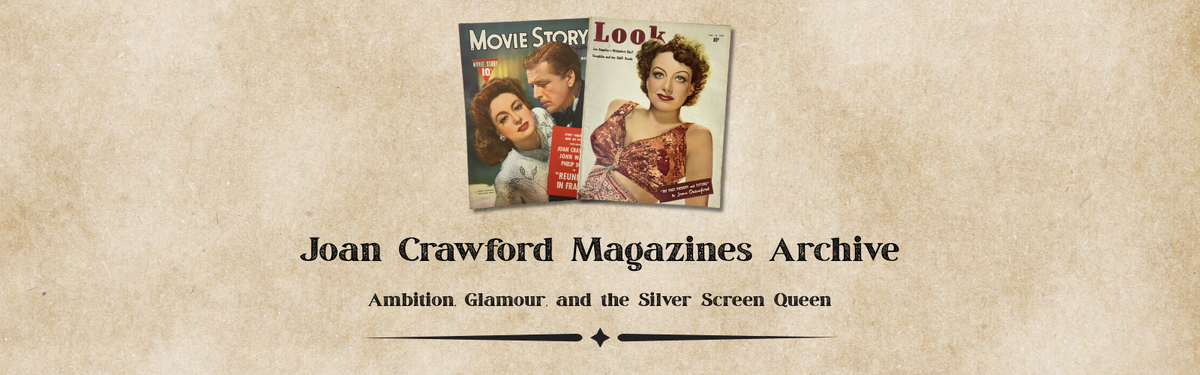
The photographic coverage of Crawford across the golden decades of print journalism is a study in transformation and control. Early issues from the late 1920s and 1930s capture her in the high-contrast, dramatically lit portraiture that defined Hollywood glamour photography — images that feel almost sculptural, as if the star had been carved from light itself. By the 1940s and 1950s, publications like Life magazine treated her as a figure of both cultural and psychological fascination, running multi-page spreads that examined her career reinventions with the gravity reserved for heads of state. Photoplay — the definitive fan magazine of Hollywood's studio era — returned to her again and again across four decades, charting marriages, feuds, comebacks, and controversies with an intimacy that felt almost illicit. International titles such as Paris Match brought a European perspective to her mythology, framing the self-made girl from San Antonio as the very embodiment of the American archetype: ruthless, glamorous, and utterly self-invented.
Curator's Checklist: Highlights Often Include
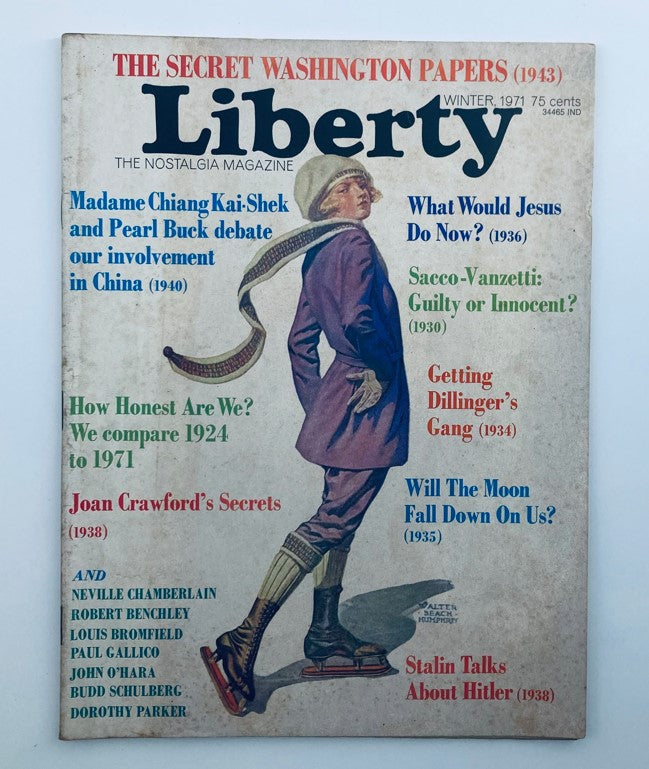
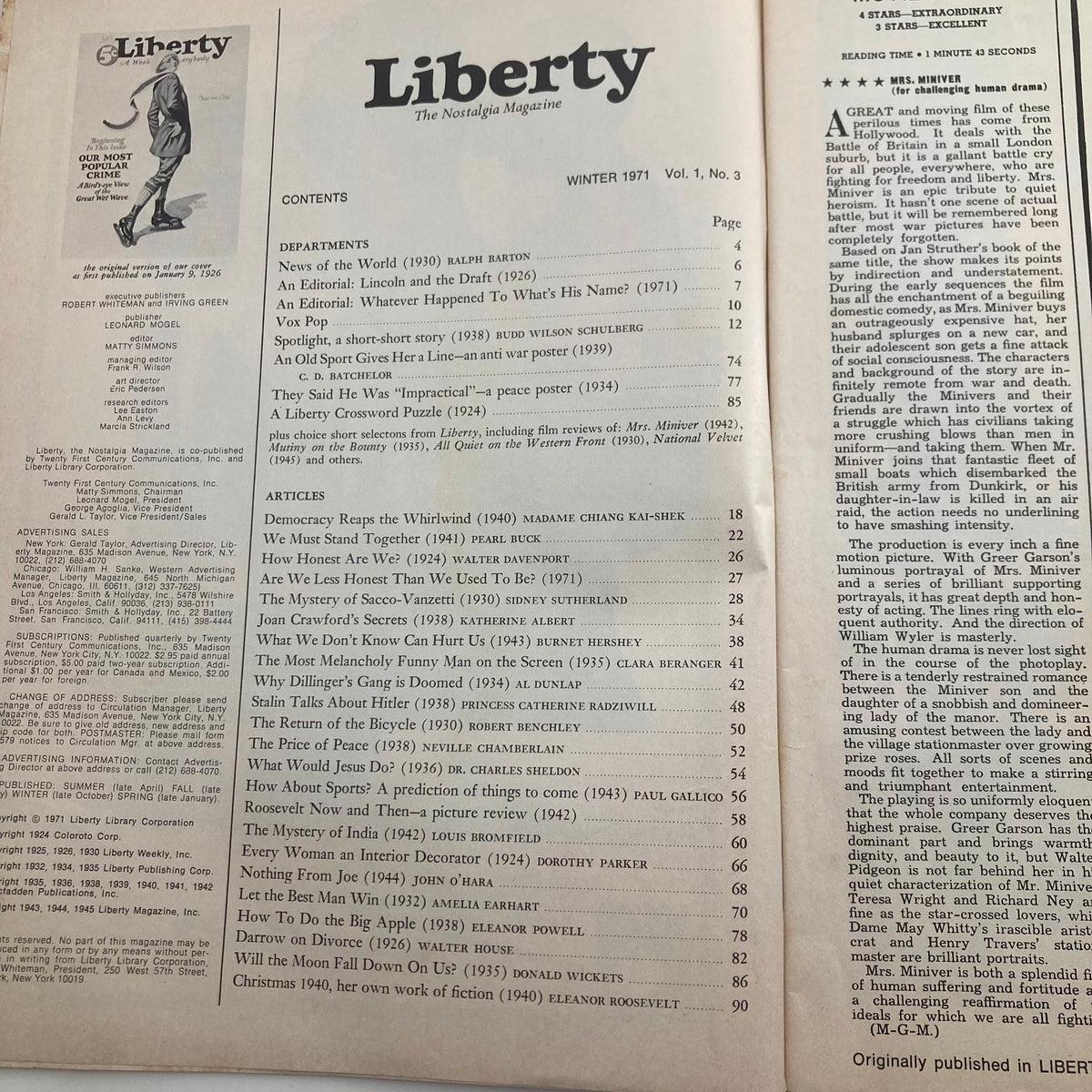
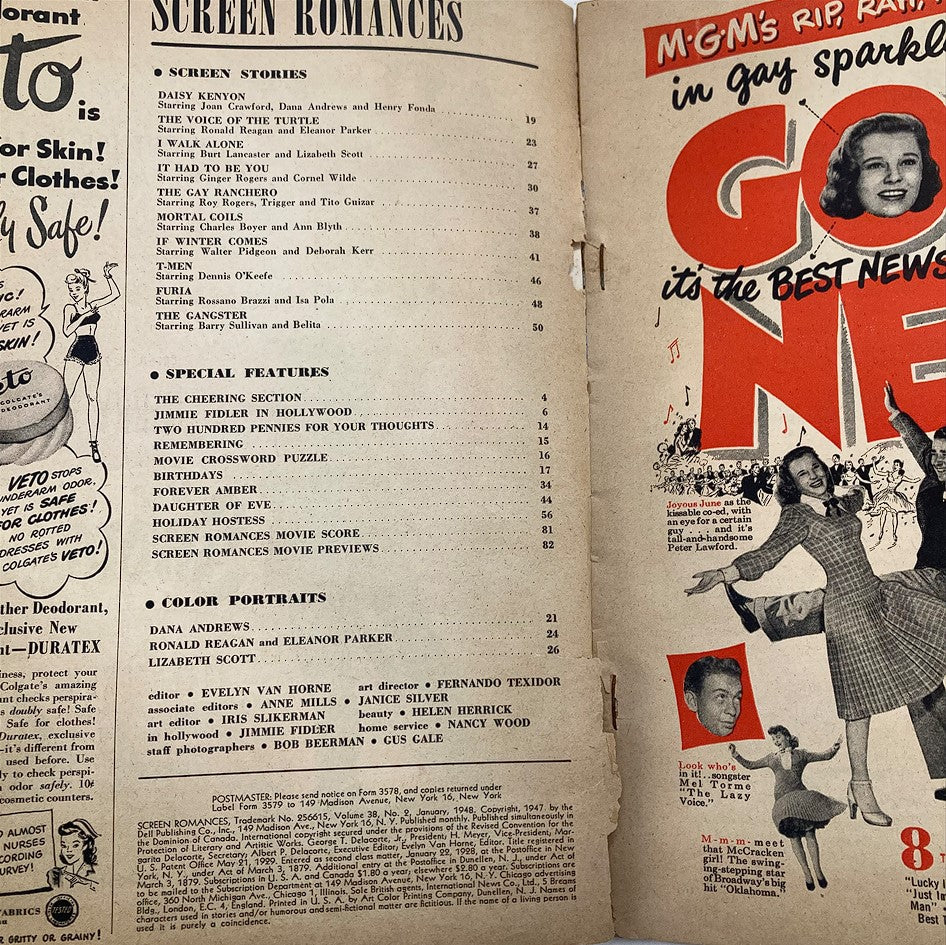
- Photoplay Golden Age covers and spreads from the 1930s–1950s, when she was among the magazine's most reliably bankable subjects — frequently appearing in reader polls, fashion features, and deeply personal "at home" editorial layouts
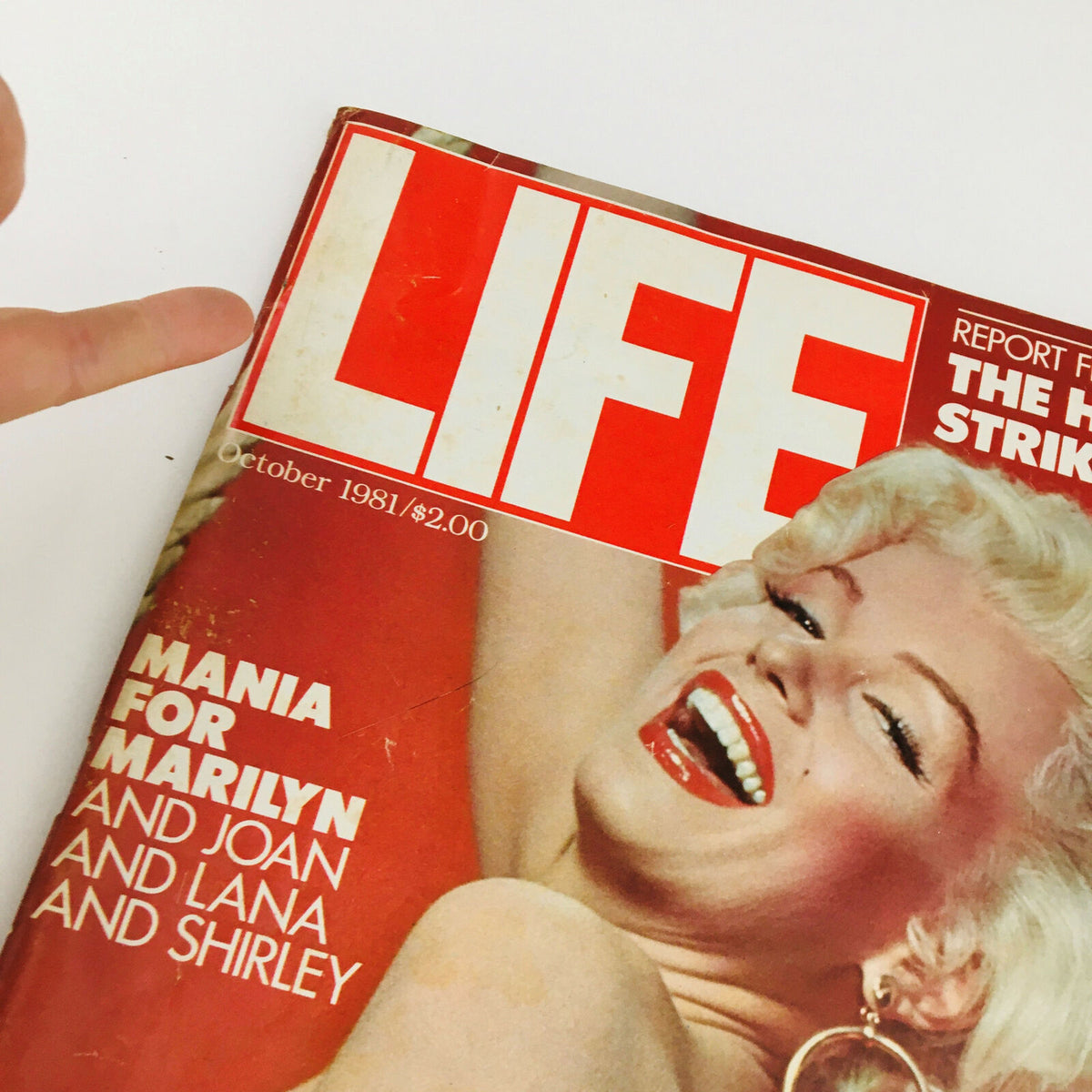
- Life magazine profiles tied to landmark career moments, including her Mildred Pierce period and the dramatic critical reassessment that followed her later films
- Film fan magazine coverage of her high-profile marriages — to Douglas Fairbanks Jr., Franchot Tone, and Pepsi-Cola executive Alfred Steele — which were treated as major cultural events by the popular press
- Trade and entertainment press issues from the Baby Jane era of the early 1960s, documenting the extraordinary cultural fascination with two aging Hollywood queens playing against each other onscreen
- International magazine features from European publications that covered her as an icon of American cinema, often with striking original photography not reproduced in domestic titles
The Collector's Value
To hold a vintage magazine featuring Joan Crawford is to hold an artifact of a particular civilization — one in which glamour was a serious and carefully manufactured thing, and in which print was the primary medium through which myths were made. The tactile experience alone is irreplaceable: the slight tooth of mid-century coated stock beneath the fingertips, the way the ink of a halftone portrait holds a depth that no screen can replicate, the faint, sweet-musty scent of decades-old paper that functions almost as a kind of time travel. And surrounding her image on those pages — the advertisements for cold cream, cigarettes, and nylon stockings — is an entire vanished world, context that no digital archive can provide. For collectors of classic Hollywood memorabilia, mid-century American print culture, or the history of celebrity and feminism, these publications offer a primary source of extraordinary rarity and resonance — a record of how one woman shaped, and was shaped by, the mass media appetite of the twentieth century. Explore the current inventory of available issues below, and claim your piece of the legend.