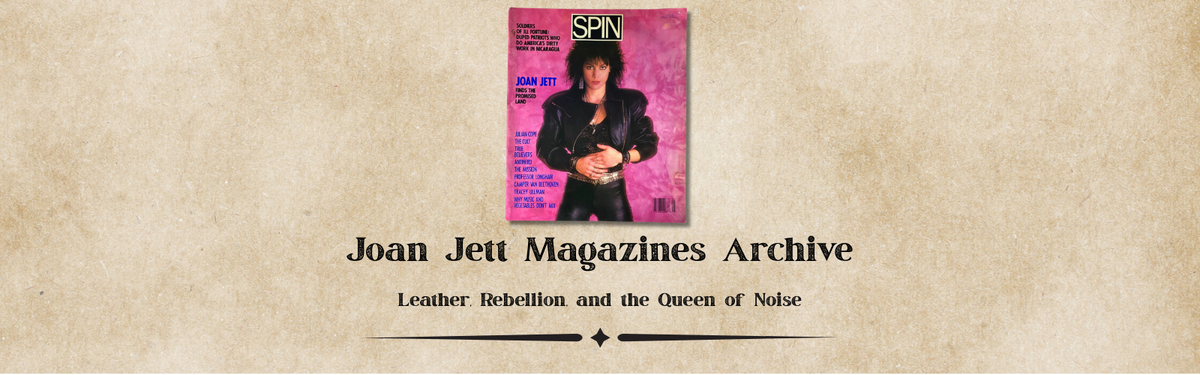
📖 About this Collection
Joan Jett: The Rebel Queen of Rock in Print
The Legend & The Legacy
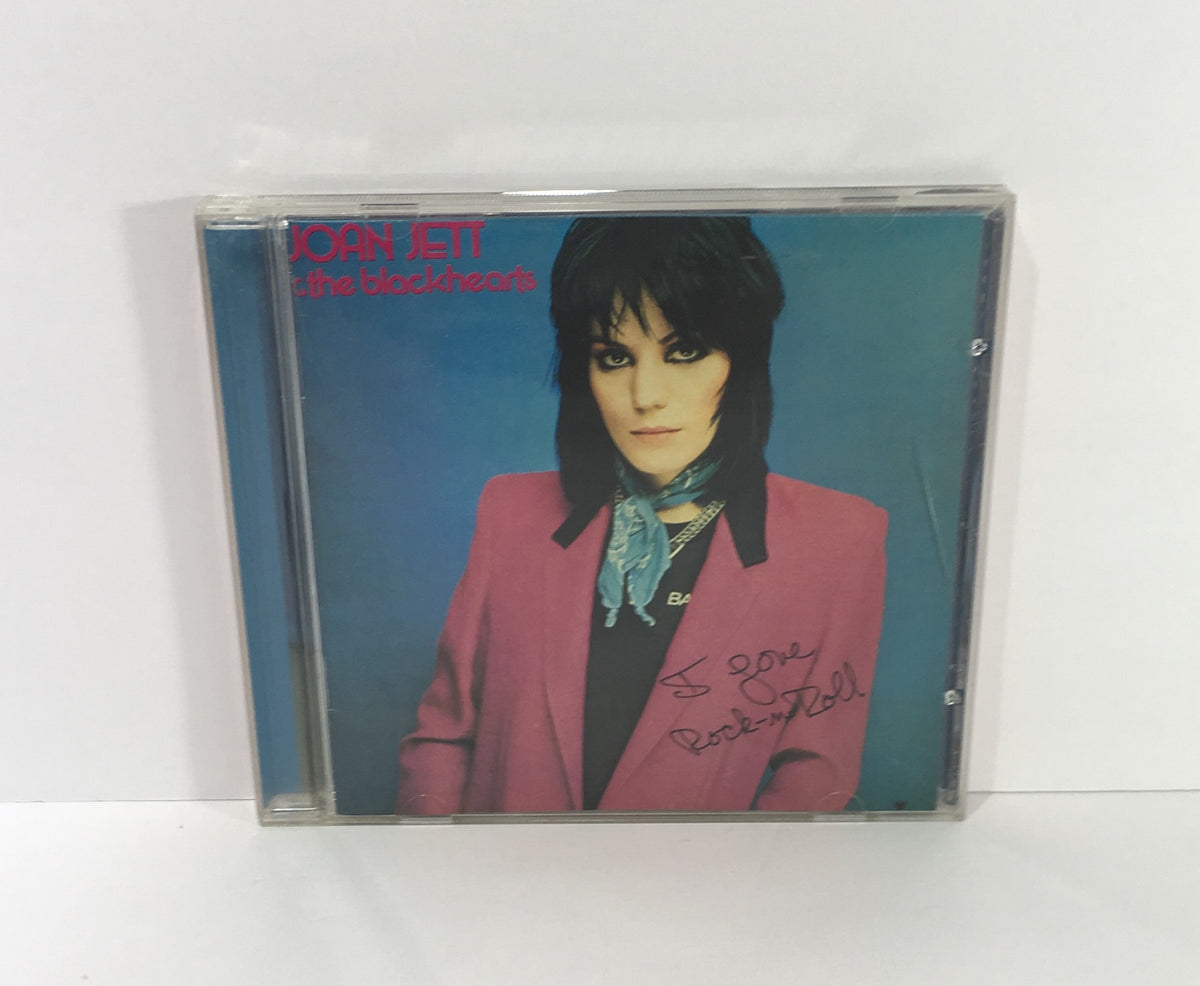
Before algorithms decided what was cool and streaming services flattened the edges off rebellion, Joan Jett was happening in real time — and the world processed her through ink and paper. Rising to notoriety in the mid-1970s as the teenage guitar force behind The Runaways, and later achieving stratospheric cultural dominance with Joan Jett & the Blackhearts, she was a figure who forced the music press to reckon with something it had never quite seen: a woman who did not soften herself for the camera, did not defer to male gatekeepers, and played rock and roll not as a novelty but as a birthright. When "I Love Rock 'n' Roll" became an inescapable anthem in 1982, her face was suddenly everywhere — on newsstands, in record stores, in the bedrooms of teenagers who needed proof that a certain kind of defiance was possible. Every magazine that ran her story was not merely covering an artist; it was documenting a cultural argument being won in real time.
Inside the Archive
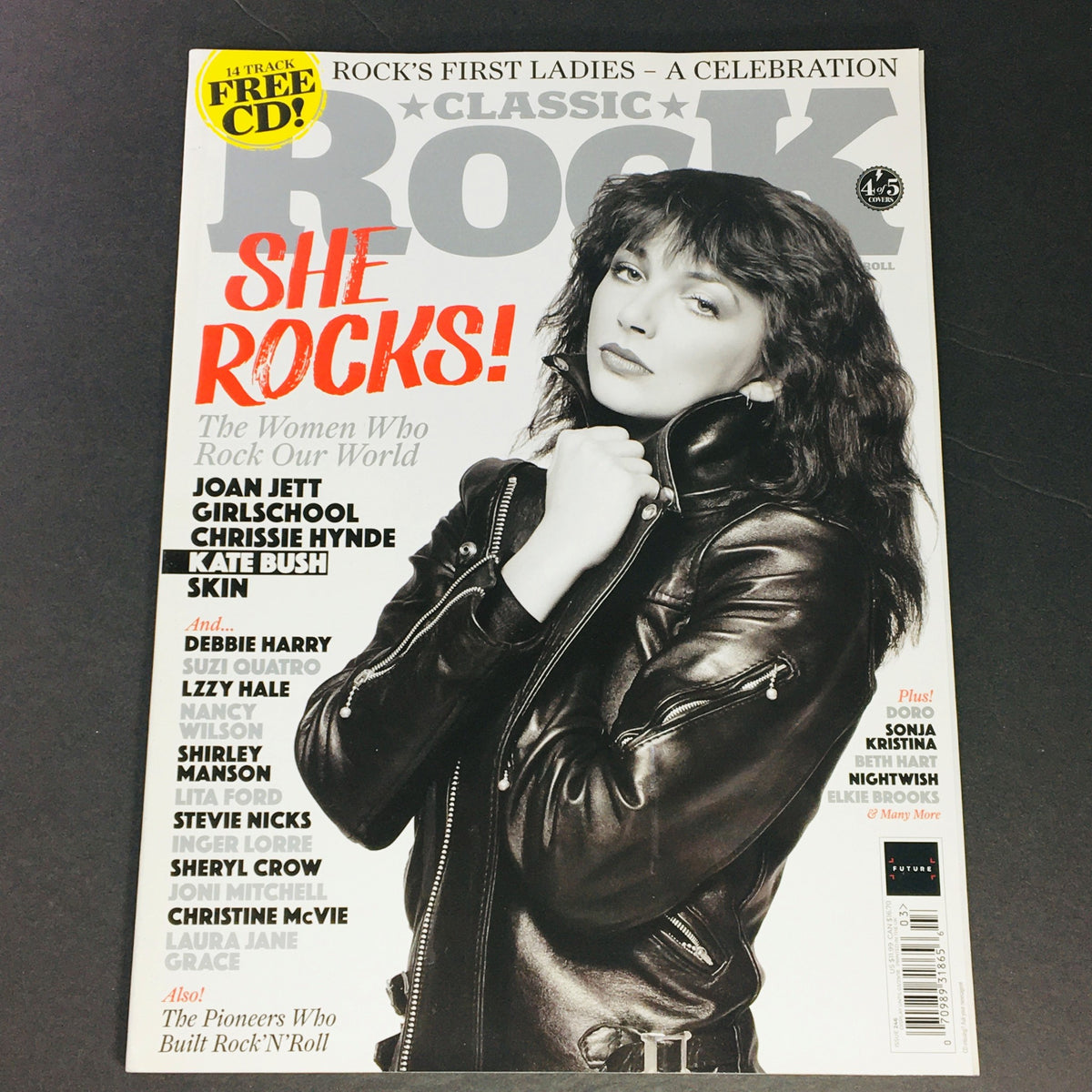
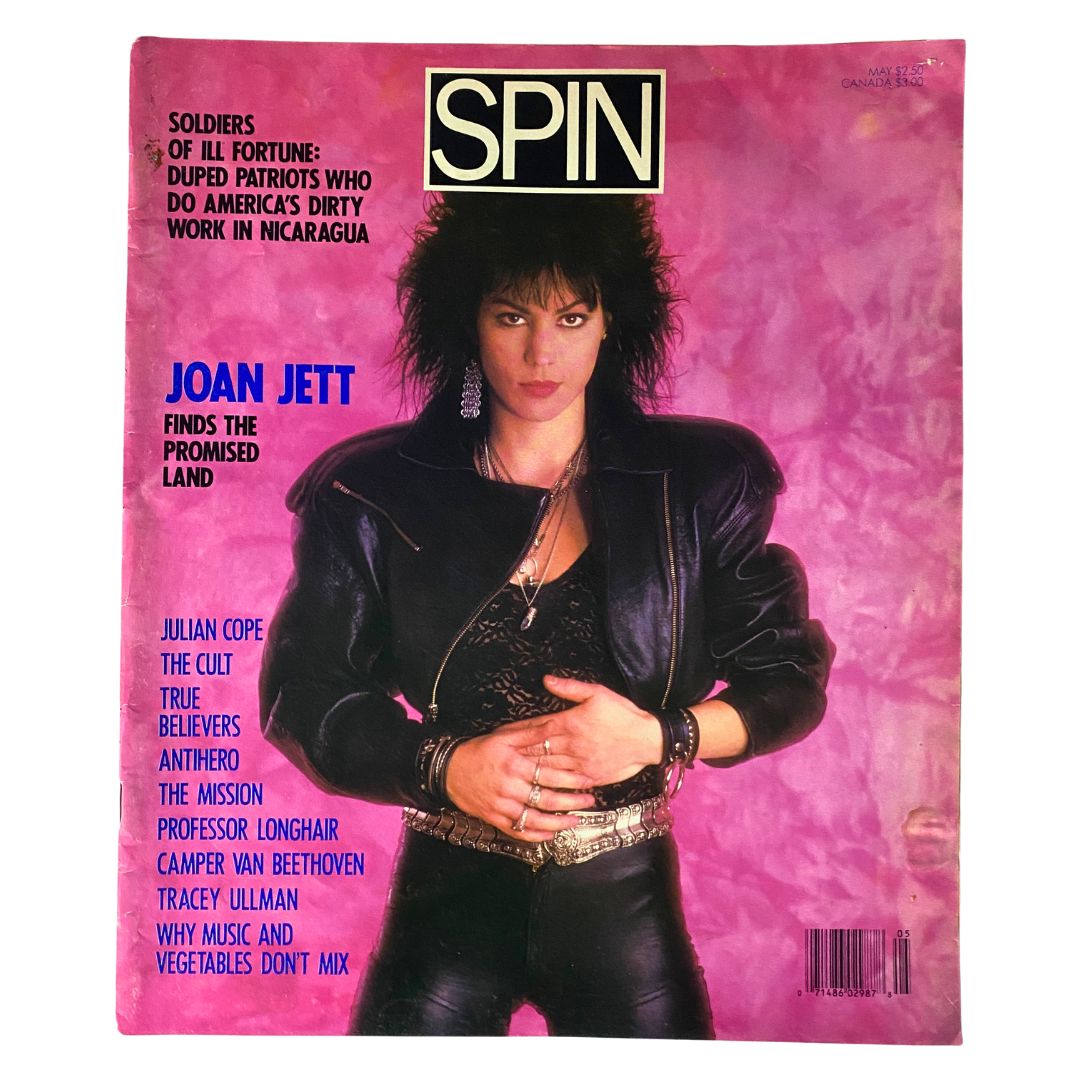
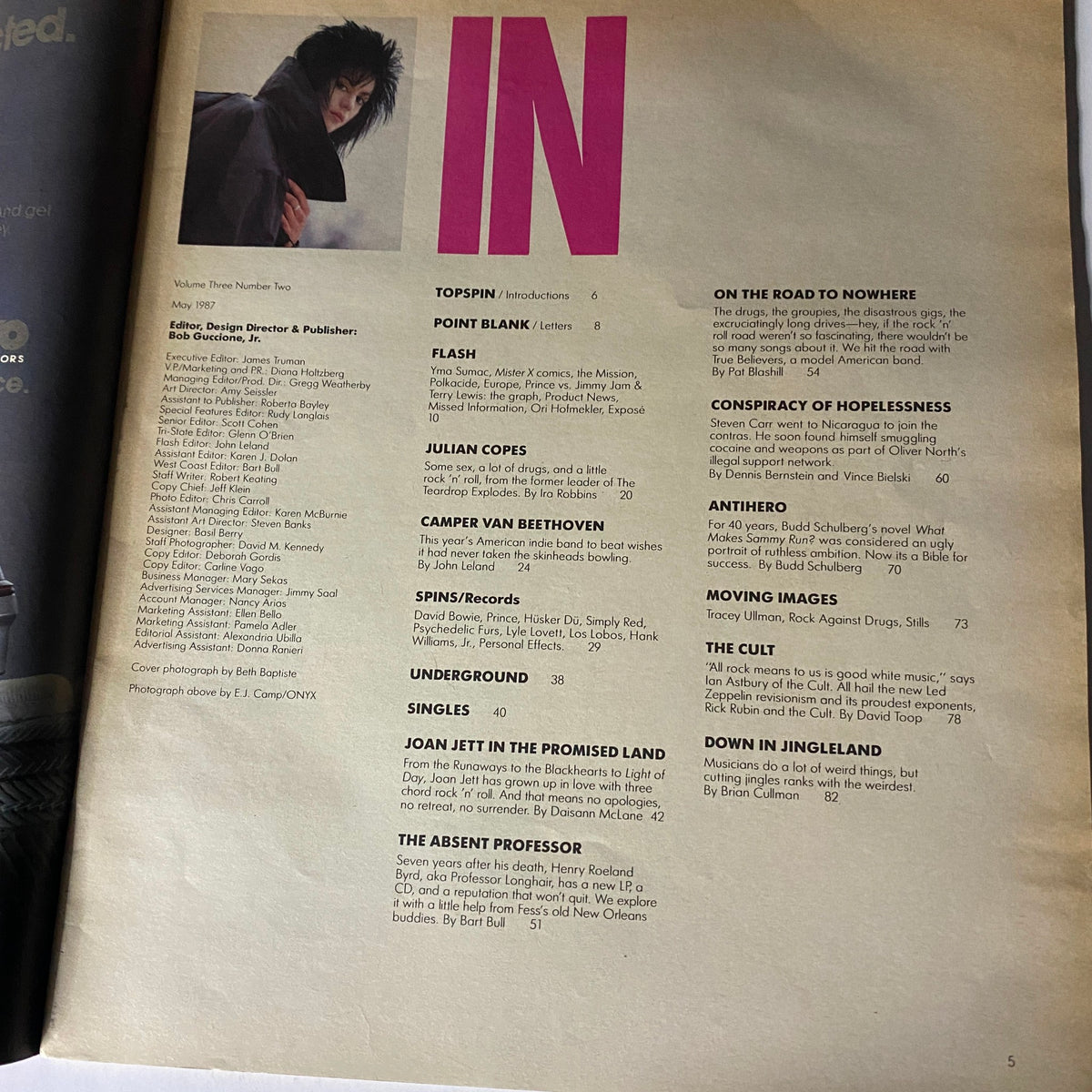
The magazine coverage of this leather-jacketed iconoclast spans a remarkable tonal range — from breathless teenage fan worship to serious rock criticism to mainstream cultural legitimation. In her Runaways era, the coverage was often sensationalized, the photography leaning into shock value: five teenage girls wielding guitars in an industry that barely tolerated women as singers, let alone instrumentalists. By the early 1980s, however, the editorial tone shifted into something more reverent. Rolling Stone tracked her ascent with the gravitas it reserved for rock royalty, running portraits that captured the studied intensity of her gaze and the deliberate architecture of her image — black leather, black eyeliner, no apologies. Creem, the scrappier, Detroit-born voice of hard rock America, was a natural home for her aesthetic and covered her with an insider's enthusiasm. Internationally, the British music press — particularly Melody Maker and Sounds — championed her fiercely, recognizing in her a kindred punk spirit at a time when the UK still took guitar-driven rebellion very seriously. Meanwhile, mainstream entertainment titles occasionally crossed into her orbit, capturing her crossover moment with the kind of wide-eyed discovery that reads, decades later, as both charming and deeply telling.
Curator's Checklist: Highlights Often Include
- Early Runaways coverage (1975–1979): Features and photo spreads from rock and teen music publications documenting the controversial all-girl band, often marked by the sensationalist framing of the era — now invaluable as primary sources on gender politics in 1970s rock
- The "I Love Rock 'n' Roll" breakthrough moment (1981–1983): Mainstream press coverage from the peak of her commercial dominance, including chart retrospectives, interview features, and the kind of full-cover treatment reserved for artists who had crossed into the American mainstream
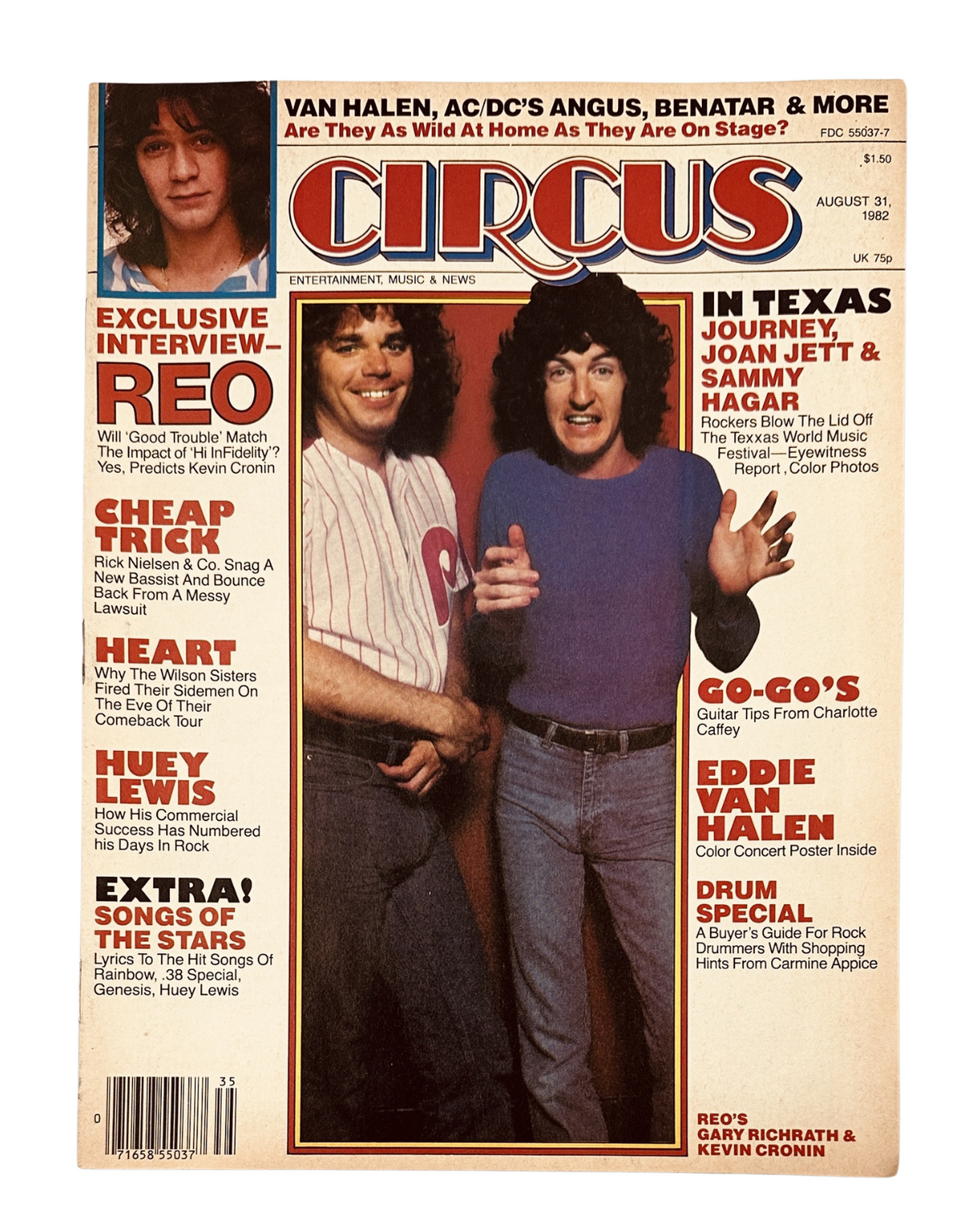
- Hard rock and metal-adjacent press: Issues of Creem, Hit Parader, and Circus magazine featuring the Blackhearts years, with the raw, high-contrast photography and irreverent editorial voice that defined the genre press of the era
- International editions and UK music weeklies: British publications such as Melody Maker, Sounds, and NME offering a distinctly different — often more critically rigorous — perspective on her significance within the broader punk and new wave landscape
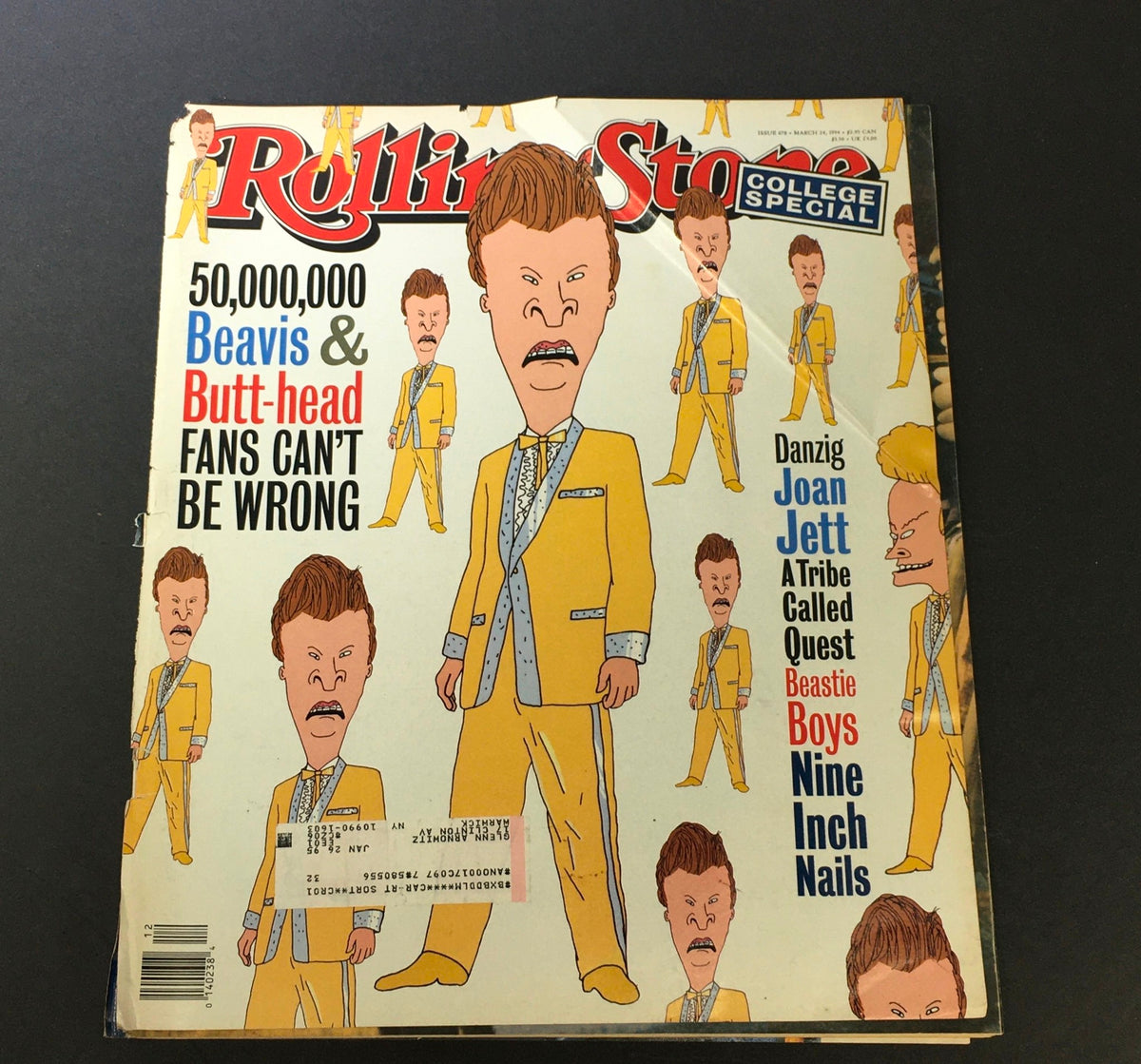
- Later retrospectives and legacy features (1990s onward): As grunge and riot grrrl movements explicitly cited her as a founding mother, music and culture magazines revisited her catalog with renewed seriousness, producing some of the most thoughtful critical assessments of her career
The Collector's Value
To hold a vintage magazine featuring Joan Jett is to hold a document of cultural resistance — printed on paper stock that has yellowed just enough to remind you it survived decades, carrying with it the faint, unmistakable scent of aged ink and the visual noise of era-specific advertisements for cigarettes, denim, and cassette tapes that frame the editorial content like a time capsule within a time capsule. These are not reprints or digital archives; they are the original artifacts through which a generation first encountered her image, her words, and her meaning — long before retrospectives sanitized the edges or streaming made her catalog frictionless and omnipresent. For collectors of rock and punk memorabilia, second-wave feminist cultural history, or vintage music press and print ephemera, these publications offer something no poster or record sleeve can replicate: the full context of a moment, the surrounding cultural conversation, the editorial lens of then. Browse the current available inventory below and find the issue that speaks to you.