📖 About this Collection
Joe DiMaggio: The Streak, the Silence, and the American Dream
The Legend & The Legacy
Before the highlight reel and the algorithm, there was the newsstand — and for nearly two decades, Joe DiMaggio was the newsstand. The son of a Sicilian fisherman who became the most graceful centerfielder the game had ever seen, he embodied a particular strain of mid-century American mythology: the immigrant made magnificent, the working man elevated to the divine. His 56-game hitting streak of 1941 unfolded not on screens but through radio dispatches and morning papers, city by city, inning by inning — a nation holding its breath and reaching for the next edition. Three World Series championships, nine in total, a romance with the most photographed woman on earth, a dignified and almost maddening reserve that only deepened public fascination — the Yankee Clipper gave print media an inexhaustible subject, and the press returned the favor, enshrining him in ink and silver gelatin as one of the towering figures of the American century.
Inside the Archive
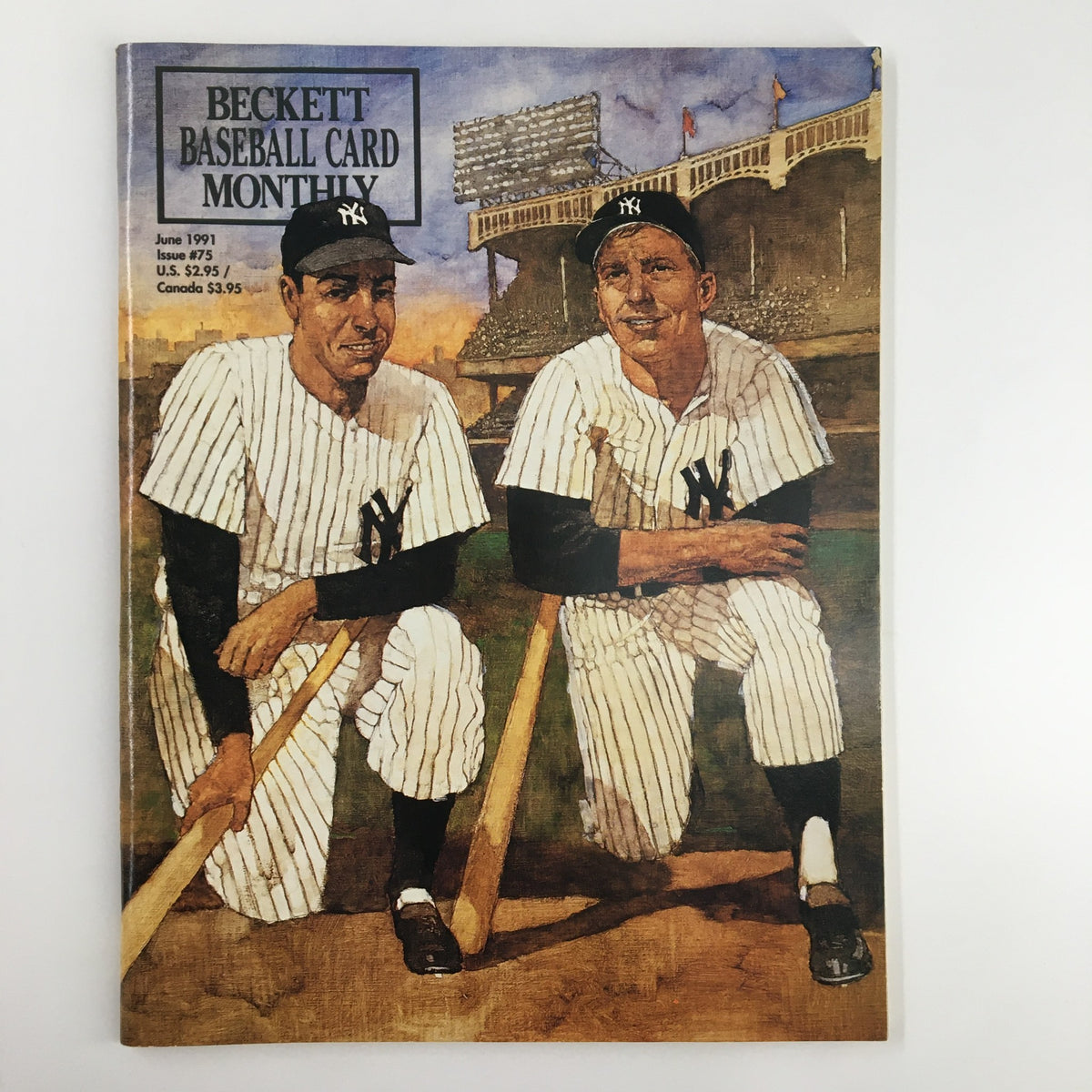
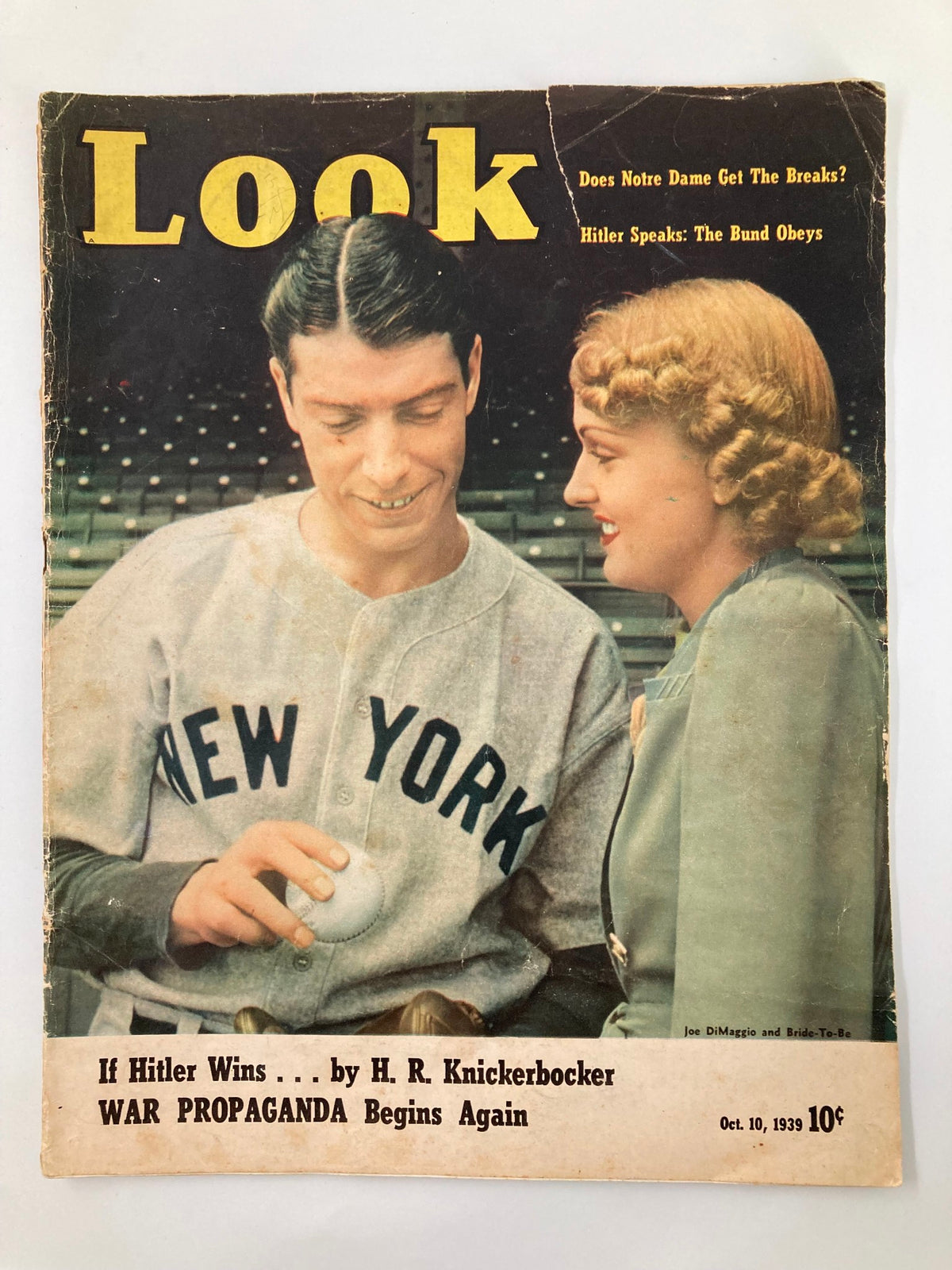
Vintage magazines captured DiMaggio with a reverence rarely extended to athletes of any era. Sports photography of the late 1930s through 1950s leaned heavily on the dramatic still — the coiled stance at the plate, the effortless mid-stride catch in the vast expanse of center field — and no subject rewarded that aesthetic more generously. Life magazine, in particular, returned to him repeatedly, treating the Clipper with the same full-page gravitas reserved for heads of state and Hollywood royalty; its photo essays on the 1941 streak and his postwar return from military service rank among the great pieces of American sports journalism. Sport magazine, the era's premier long-form sports monthly, devoted cover stories and deep profiles to dissecting both his genius and his inscrutability, often running intimate clubhouse photographs alongside meditative prose. When his marriage to Marilyn Monroe captivated the world in 1954, the celebrity weeklies — including Look and international titles such as Paris Match — folded him into the gossip and glamour press alongside his baseball heroics, making him one of the rare figures to command genuine crossover coverage across the full spectrum of mid-century print.
Curator's Checklist: Highlights Often Include
- The 56-Game Streak (1941): Coverage from the summer of 1941 is among the most sought-after in all of baseball collecting — issues documenting each phase of the streak, its dramatic end in Cleveland, and the national conversation it ignited are historically significant primary sources.
- World Series Championships: New York's dynastic Yankees appeared in the Fall Classic in 1947, 1949, 1950, 1951, and beyond — issues from these October runs frequently feature DiMaggio prominently, often alongside emerging teammates like Yogi Berra and Phil Rizzuto.
- Military Service & Return: His three-year absence during World War II and triumphant return to the diamond in 1946 generated substantial coverage exploring both patriotism and athletic sacrifice — a uniquely American narrative arc well-documented in period publications.
- The Monroe Era: The brief, luminous marriage of 1954 produced a wave of celebrity coverage spanning sports, entertainment, and international press, often with photographs of the couple that have since become iconic in their own right.
- Retirement and the DiMaggio Mystique: Following his 1951 retirement at only 36, profile pieces and retrospectives explored his deliberate withdrawal from the spotlight — coverage that reads today as portraits of a man carefully constructing his own legend.
The Collector's Value
To hold a magazine from DiMaggio's playing years is to hold something the original reader held on a Tuesday morning in 1941, perhaps on a subway platform or at a lunch counter, heart still racing from the previous night's radio broadcast. The paper stock of mid-century weeklies and monthlies has a particular weight and warmth to it — slightly coarse, faintly yellowed at the margins, carrying the ghost of a printing press smell that no digital reproduction can approximate. The surrounding advertisements are their own time capsule: war bonds and Chesterfield cigarettes, Studebakers and cream of wheat, the entire texture of a vanished American commercial life pressing against the sports pages. These are not merely collectibles; they are primary sources, the actual artifacts through which a culture experienced and processed greatness in real time. For collectors of baseball memorabilia and Golden Age sports history, mid-century Americana and vintage advertising, or DiMaggio and Monroe pop culture crossovers, these publications offer an irreplaceable documentary record unavailable in any other format. Explore the current inventory below and discover what the archive holds today.