📖 About this Collection
Joe Frazier: Smoke, Steel, and the Soul of a Champion
The Legend & The Legacy
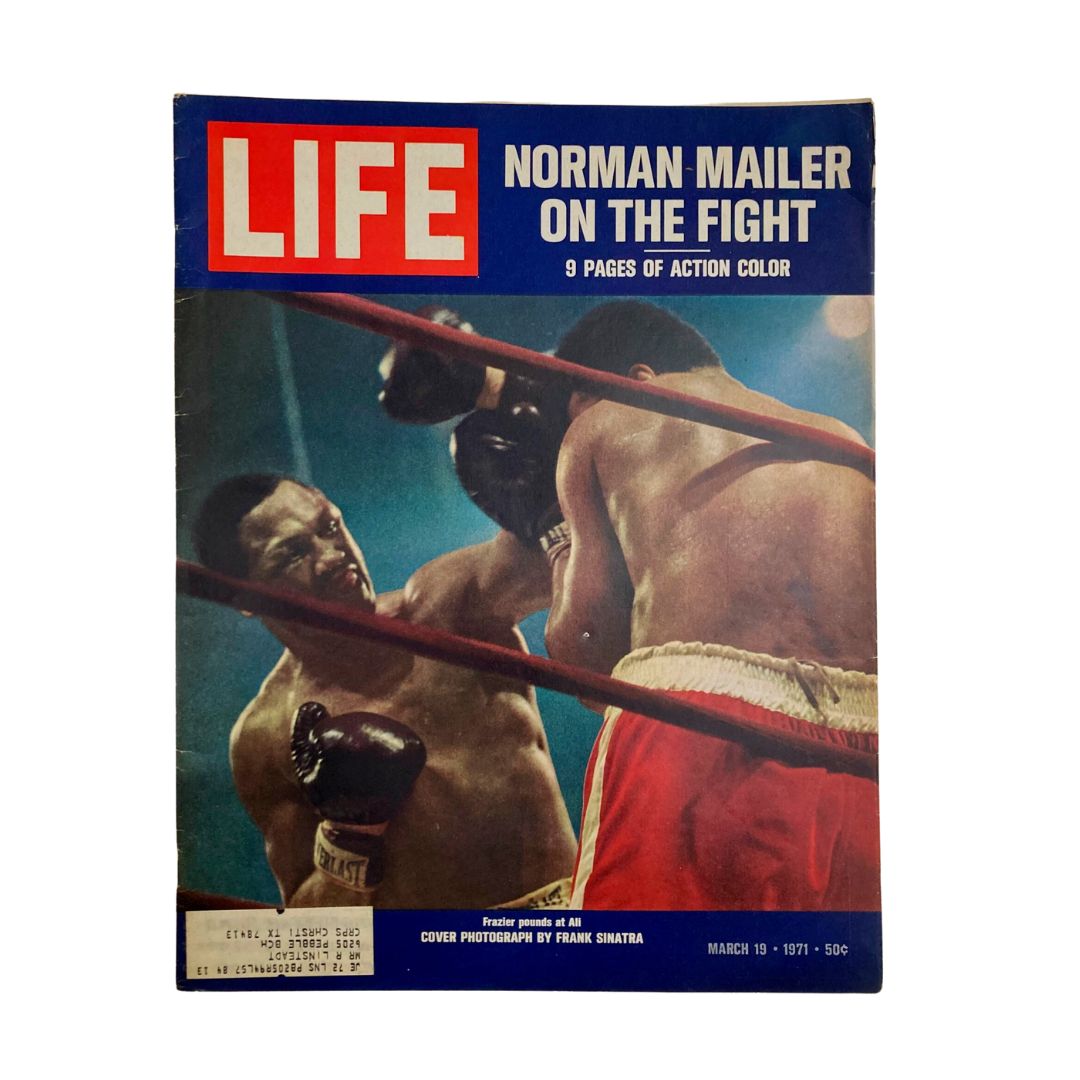
Before the algorithmically curated highlight reel, before the instant replay and the endless scroll, the story of Joe Frazier was told one magazine at a time — passed hand to hand in barbershops, read under kitchen lights, dog-eared and debated on stoops across America. "Smokin' Joe" did not simply compete in boxing; he embodied an era of raw, unfiltered athletic confrontation that captivated the entire world. Rising from the rural poverty of Beaufort, South Carolina, to the Olympic gold platform in Tokyo in 1964, and ultimately to the heavyweight championship of the world, his journey was one of working-class grit against the backdrop of a nation fracturing along lines of race, politics, and identity. The three seismic battles with Muhammad Ali — most transcendently, the 1971 "Fight of the Century" at Madison Square Garden — were not merely sporting events but cultural referendums, front-page news that sold millions of copies of publications across every continent. In an era when print was the dominant lens through which the public made sense of greatness, Smokin' Joe was one of its most electrifying subjects.
Inside the Archive
Vintage magazines of the 1960s and 1970s covered the Philadelphian champion with an intensity that reflected just how deeply he had embedded himself in the cultural imagination. Sports Illustrated devoted landmark cover features to him throughout his reign, deploying dramatic ringside photography that captured the kinetic violence and balletic power of his signature left hook — images so visceral they practically sweat off the page. Ebony and Jet gave his story its full social and human dimension, chronicling not just the fighter but the man: the South Carolina sharecropper's son, the slaughterhouse worker turned world champion, a hero of enormous significance to Black American readership. Internationally, publications like Paris Match and Ring Magazine — the self-styled "Bible of Boxing" — treated his bouts with Ali as events of near-mythological weight, their editorial tone swinging between reverence and breathless urgency. The photography of this era was strikingly physical; wide-angle shots of packed arenas, sweat-sprayed close-ups mid-combination, and quiet portrait sessions that attempted to find the stillness behind the fury.
Curator's Checklist: Highlights Often Include
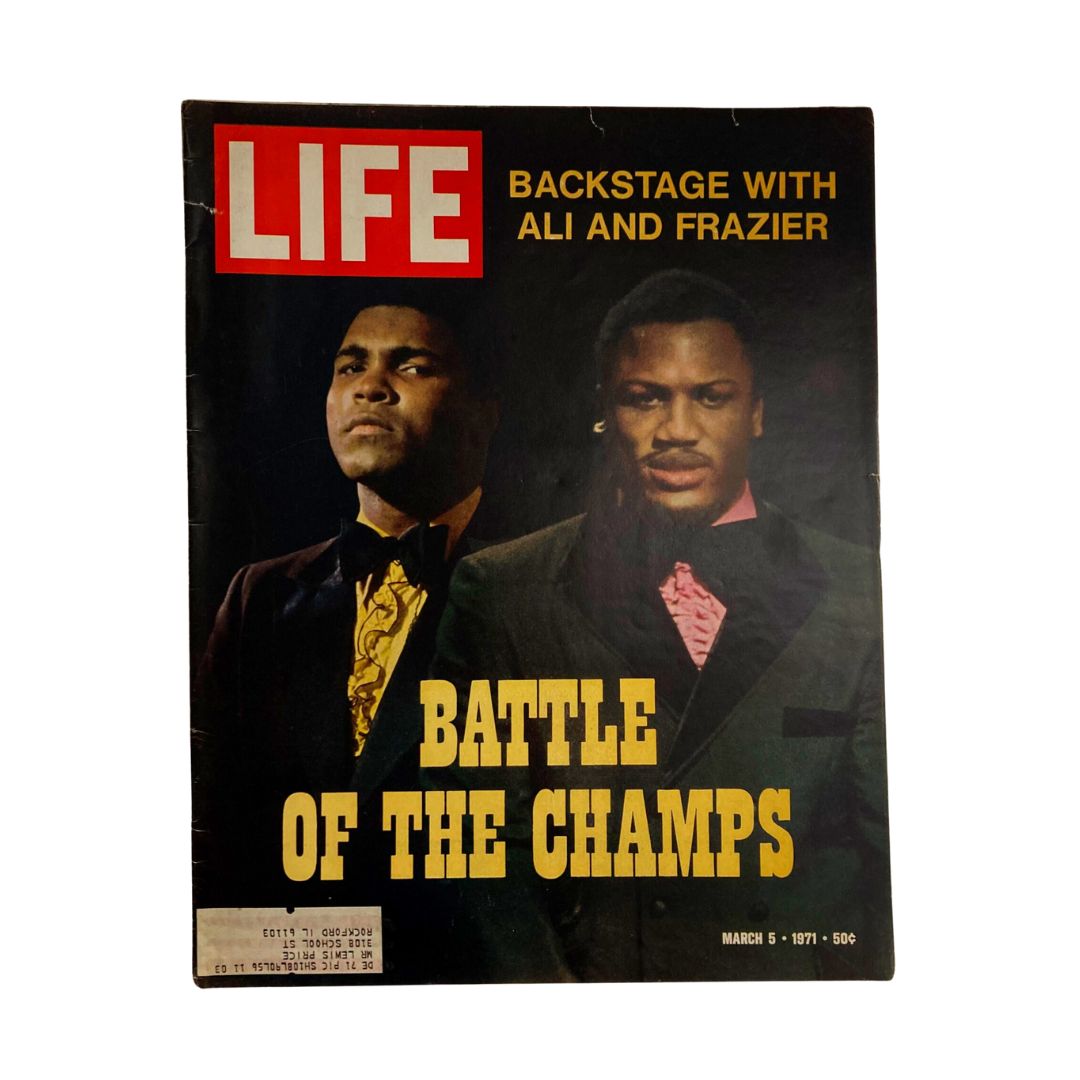
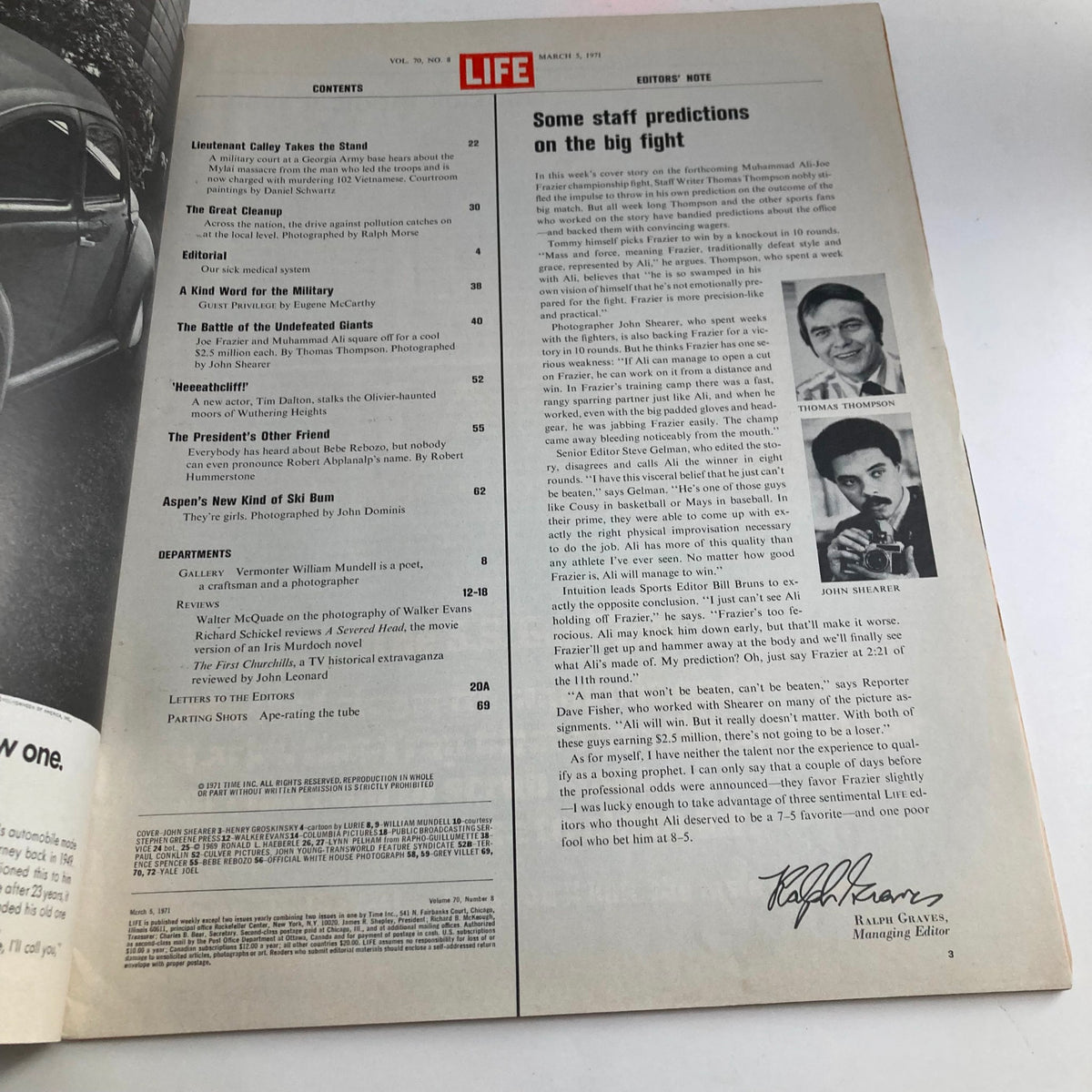
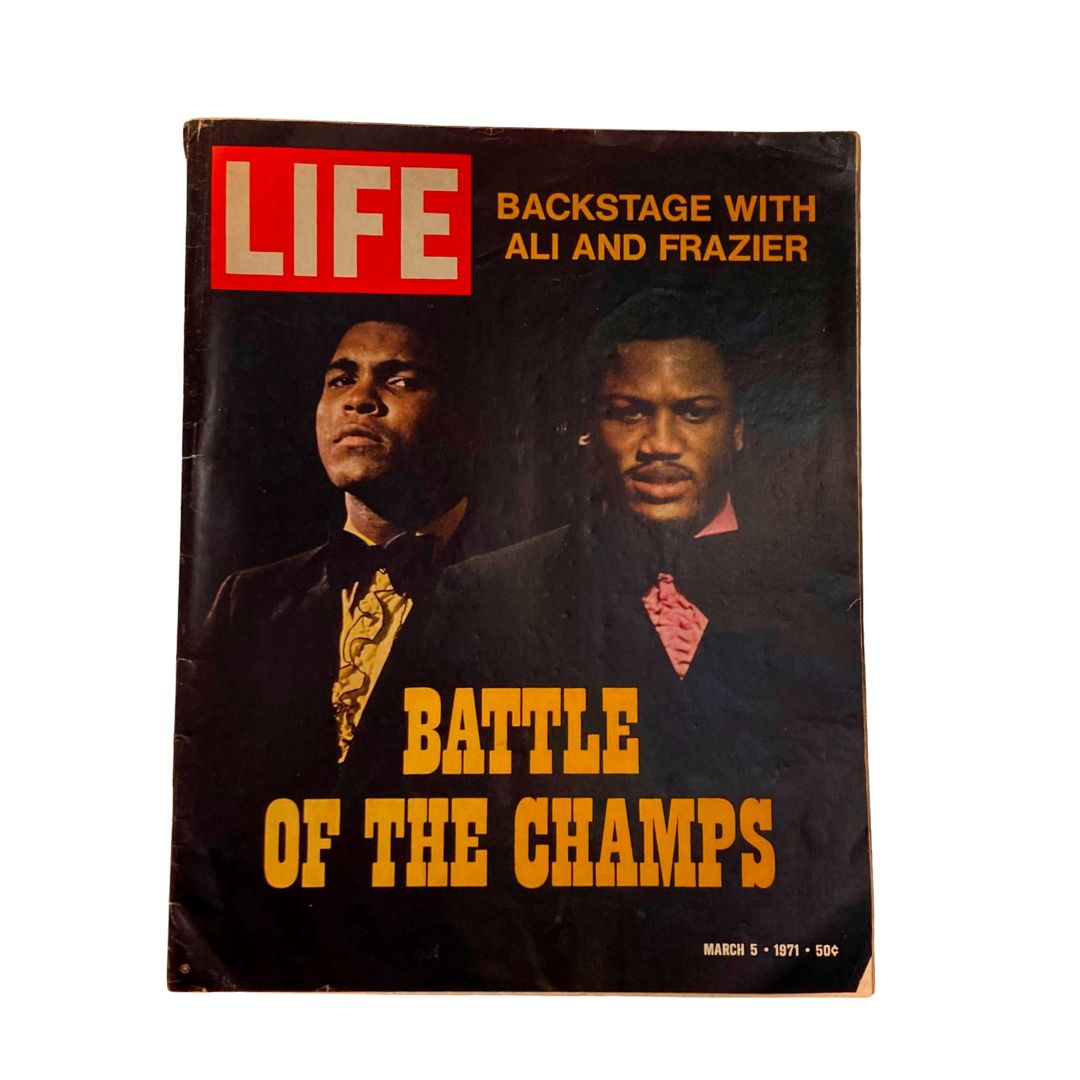
- The Fight of the Century coverage (March 1971): Issues from the weeks surrounding the first Ali-Frazier bout at Madison Square Garden are among the most sought-after in boxing collecting — pre-fight buildup issues, post-fight retrospectives, and the iconic imagery of that fifteenth round
- Olympic gold documentation: Publications from late 1964 capturing his gold medal victory at the Tokyo Games, a triumph that first introduced him to a global audience as a future force in the heavyweight division
- Championship reign features: Broader profile pieces from 1968–1971 documenting his undisputed heavyweight title run, often accompanied by training camp photography and behind-the-scenes editorial access rarely seen today
- The Thrilla in Manila retrospectives: Coverage of the brutal third Ali bout in October 1975, widely considered one of the greatest and most punishing sporting contests ever witnessed, generated extraordinary international magazine spreads
- Human interest and cultural profiles: Features in publications like Ebony exploring his Philadelphian roots, his gospel singing, his band, and his identity beyond the ropes — a dimension of the man that mainstream sports media frequently overlooked
The Collector's Value
To hold an original magazine from the height of Smokin' Joe's reign is to hold something the internet cannot replicate: the specific weight of coated mid-century paper stock, the slightly acidic perfume of decades-old ink, the crackling stiffness of a spine that once sat on a newsstand in 1971 while the world was still arguing about what had happened inside Madison Square Garden the night before. The surrounding advertisements — for Brylcreem and Oldsmobiles, for cigarettes and corner barbershops — place you irrevocably inside the era, reminding you that this was not history when it was printed; it was simply Tuesday. These are primary sources, not reproductions, carrying the fingerprints — sometimes literally — of the original readers who lived through those extraordinary nights. For collectors of boxing history and heavyweight era memorabilia, African-American cultural and social history, or 20th-century sports photography and print journalism, these publications offer an irreplaceable window into a time when a man from Beaufort, South Carolina shook the entire world with his fists. Explore our current available inventory below and discover what the archive holds today.