📖 About this Collection
John Belushi: The Earthquake That Laughed
The Legend & The Legacy
In the white-hot crucible of 1970s American popular culture, few figures burned as brilliantly — or as briefly — as John Belushi. He arrived on the national stage like a force of nature, first as one of the founding ensemble of Saturday Night Live in 1975, then as the anarchic soul of Animal House (1978), and finally as Jake Blues in The Blues Brothers (1980). In an era before streaming, before social media, before the infinite scroll of digital distraction, America met him entirely through the physical artifacts of mass media: the television set, the cinema screen, and above all, the printed page. Magazines were the connective tissue between celebrity and public in those years — the only way a fan in Tulsa or Tallahassee could hold a piece of that electric, dangerous energy in their hands. Belushi represented something that his generation desperately craved: a performer with no governor, no filter, no ceiling — a man who seemed to be genuinely, recklessly alive in every frame and on every page.
Inside the Archive
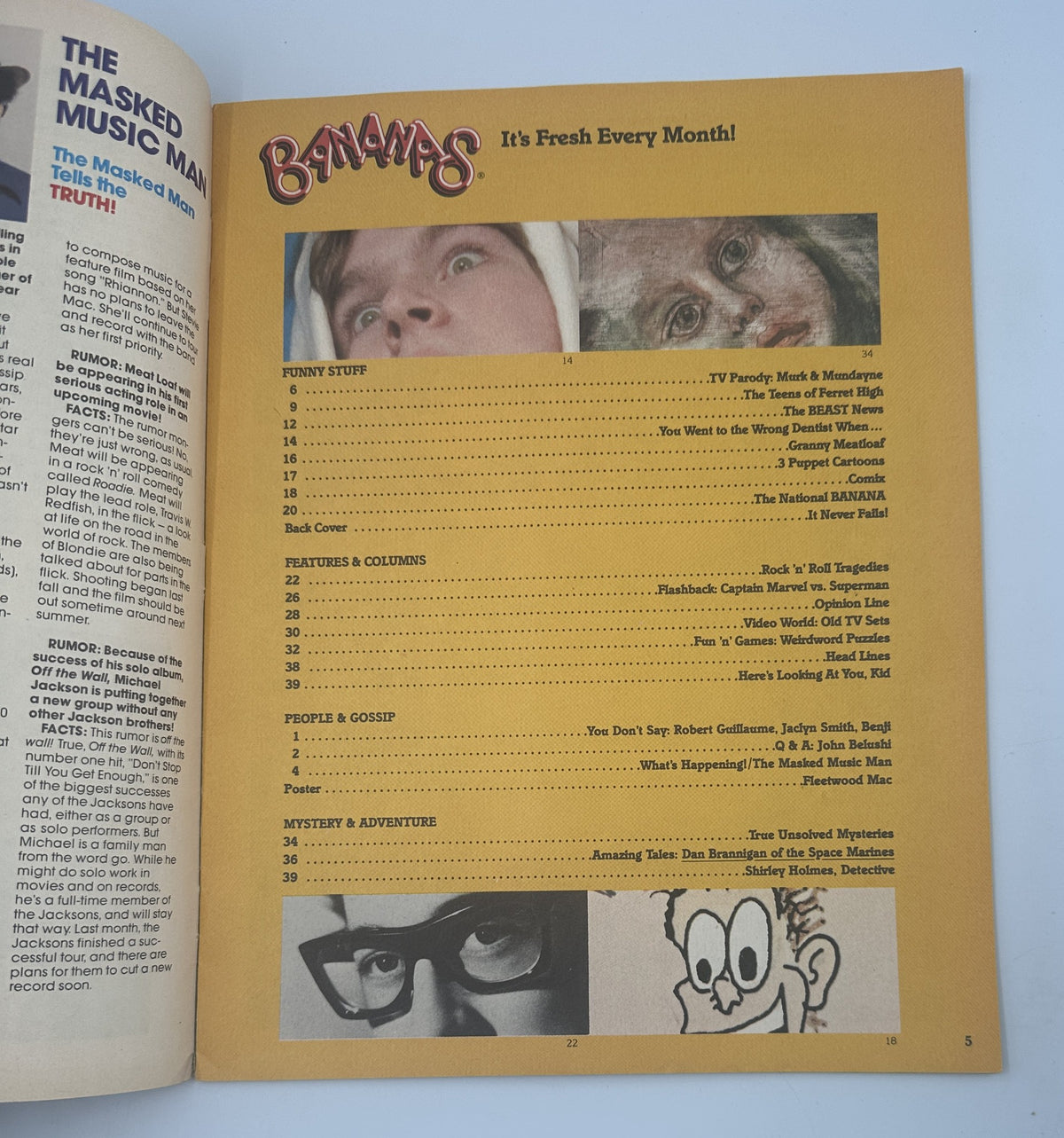
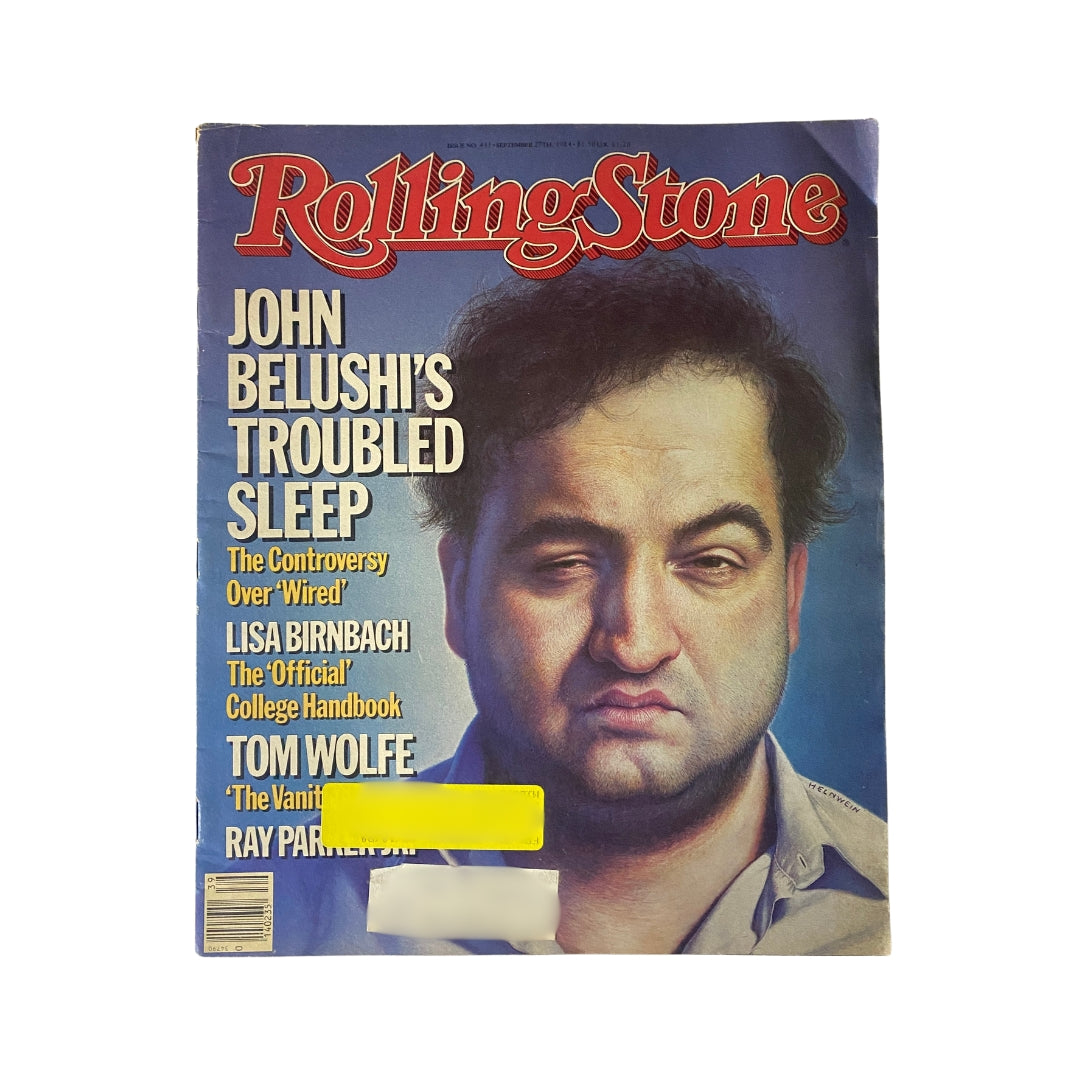
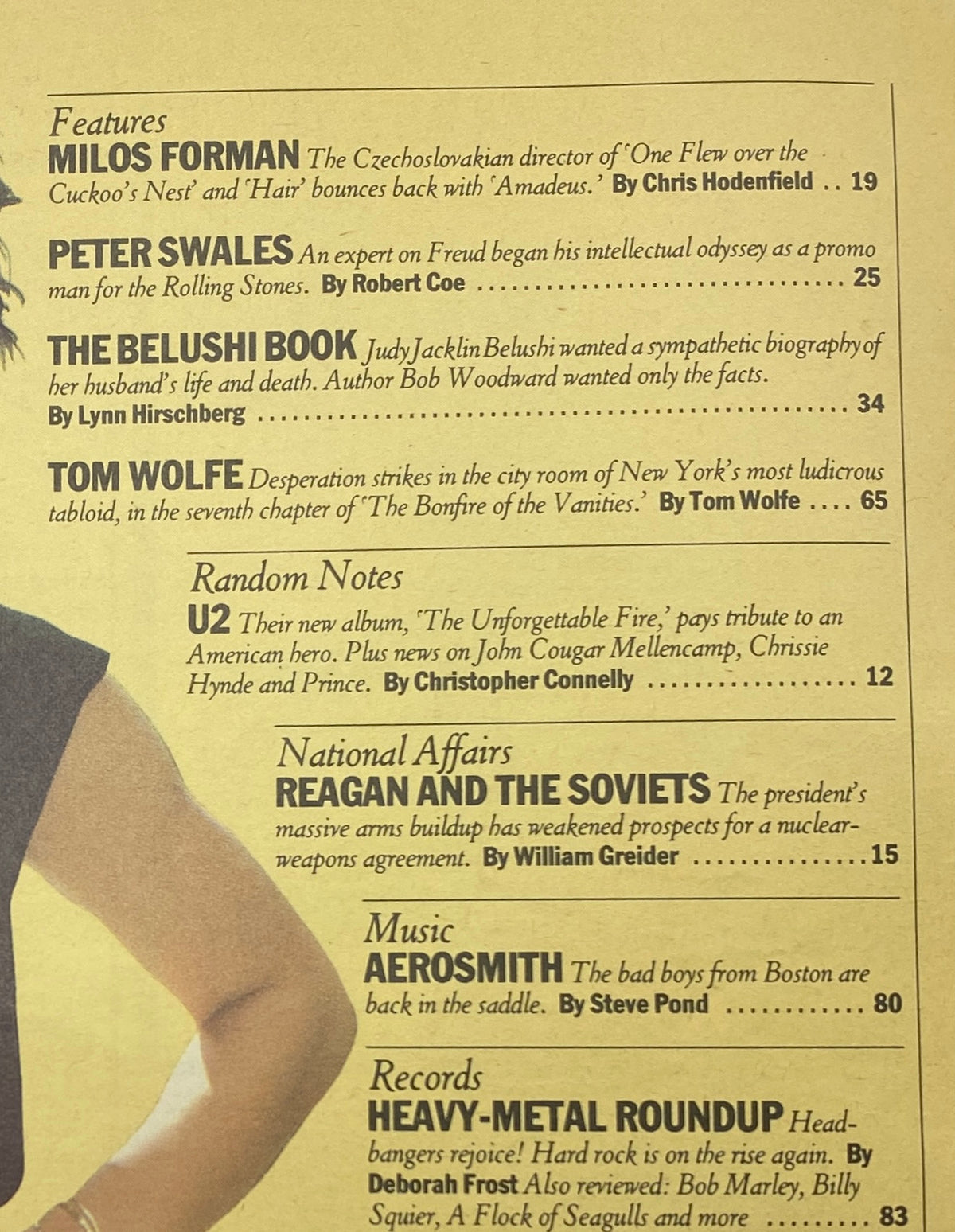
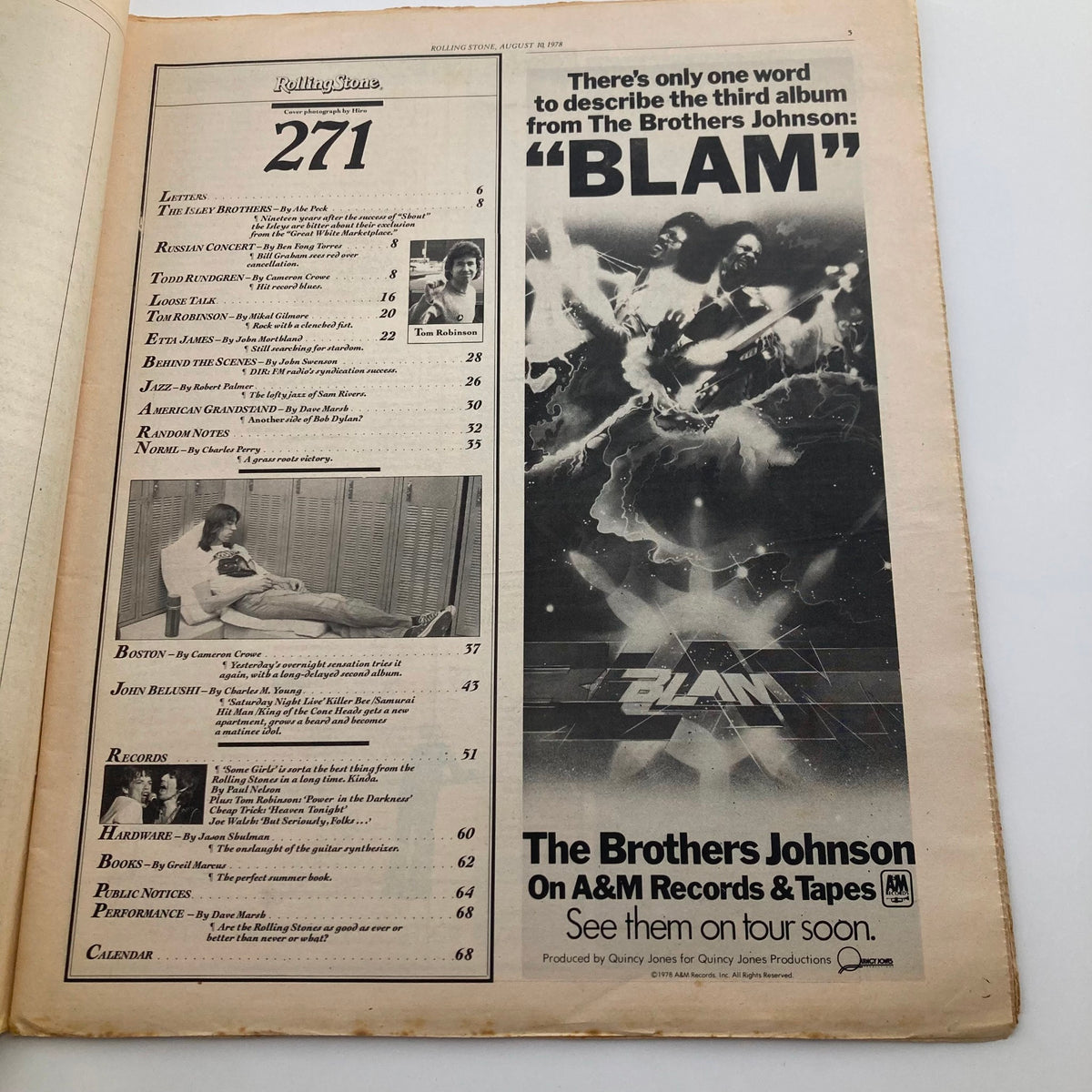
The vintage press coverage of Belushi is a remarkable document of an era when celebrity journalism still carried real editorial weight. Photographers who captured him — often backstage at 30 Rock, on chaotic film sets, or mid-performance — had to work fast, because stillness was never his natural state. The images that emerged were kinetic and often wonderfully unguarded: a snarl, a lunge, a wide-eyed mugging directly into the lens. Rolling Stone, perhaps more than any other publication, treated him as the countercultural heavyweight he was, giving him the kind of long-form, serious profile treatment usually reserved for rock gods and radical politicians. People magazine, then still in its breathless infancy as a cultural institution, returned to him repeatedly as a cover subject and feature player throughout the late seventies. Time and Newsweek both grappled with what he — and the entire SNL phenomenon — represented for post-Vietnam, post-Watergate American identity. After his death in March 1982 at just thirty-three years old, the memorial coverage across dozens of publications became some of the most emotionally charged magazine journalism of the decade, a genre all its own.
Curator's Checklist: Highlights Often Include
- Saturday Night Live features and cast profiles (1975–1980) — Early ensemble coverage from the show's landmark first seasons, where the Not Ready for Prime Time Players were redefining what American comedy could be, with Belushi frequently commanding the lens
- Film promotional and review coverage — Magazine spreads tied to the releases of Animal House and The Blues Brothers, including studio photography, candid on-set features, and critical essays grappling with his singular screen presence
- Rolling Stone profiles and rock-adjacent coverage — Features exploring his deep, genuine connection to blues and rock music, his friendship with Dan Aykroyd, and his persona as the intersection between comedy and rock and roll lifestyle
- Memorial and tribute issues (1982) — Some of the most collectible and historically significant items in this category; the weeks following his death produced an outpouring of print commemoration across entertainment, news, and culture magazines
- Television and entertainment weeklies — Period coverage from publications like TV Guide capturing his SNL-era dominance, when he was one of the most recognizable faces on American television
The Collector's Value
There is something irreplaceable about holding a 1978 issue of Rolling Stone with Belushi's face staring back at you from the cover — the paper slightly foxed at the edges, the ink carrying that particular mineral tang of decades-old offset printing, the advertisements around the feature a vivid time capsule of the world he inhabited: the cigarette brands, the concert announcements, the fashion that defined his moment. These are not reproductions, not digital scans, not algorithm-curated content — they are primary source documents, the actual objects that his contemporaries held in their hands when he was still alive, still performing, still utterly unpredictable. The photography exists in these pages in its original editorial context, inseparable from the cultural moment that produced it. For collectors of vintage comedy and television memorabilia, 1970s and 80s Americana, or the broader history of Saturday Night Live and its cultural legacy, these publications offer a depth of historical intimacy that no modern reprint or digital archive can replicate. Browse the available inventory below and discover which original pieces from the archive are waiting to find their next custodian.