📖 About this Collection
John Candy: The Gentle Giant of Laughter
The Legend & The Legacy
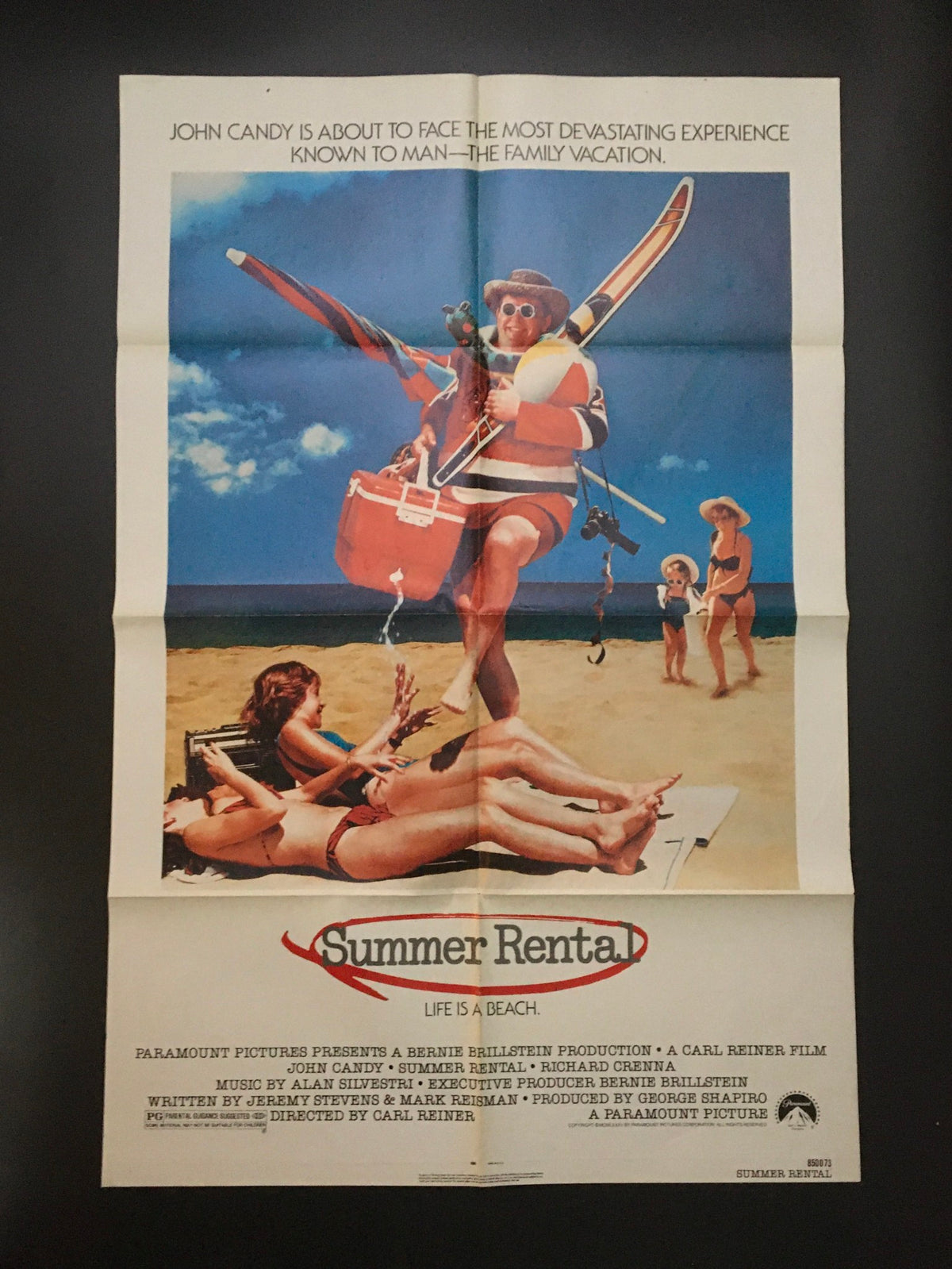
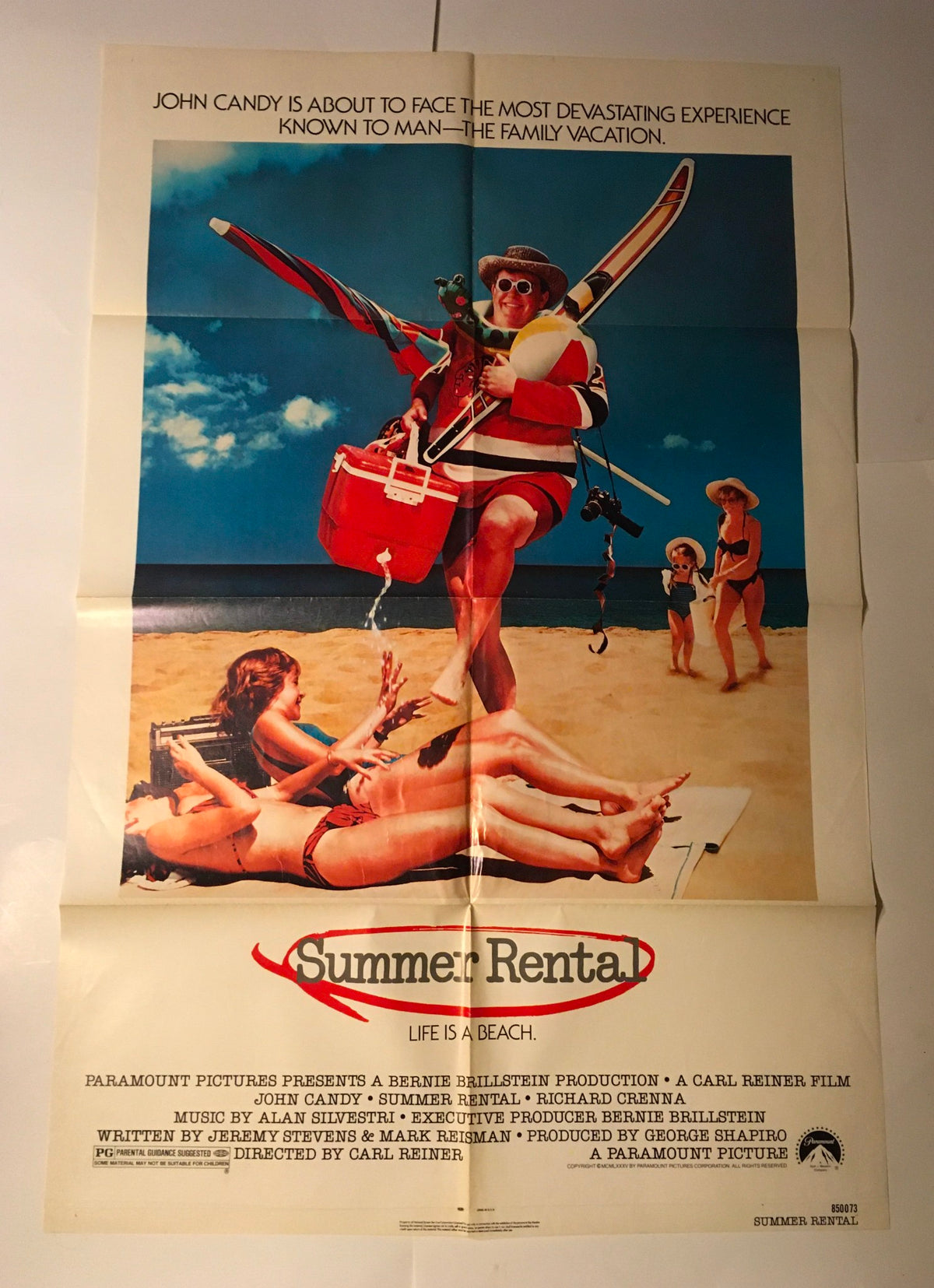
In an era before streaming algorithms and viral clips, John Candy was something television and cinema could not manufacture on demand — he was felt. The Toronto-born comedian rose through the irreverent ranks of Second City to become one of the most beloved presences in North American popular culture throughout the 1980s and early 1990s. His genius was paradoxical: a large man who moved through the world with extraordinary lightness, capable of reducing audiences to tears of laughter and then, in the very next breath, genuine sorrow. Films like Planes, Trains and Automobiles, Cool Runnings, and Uncle Buck did not merely entertain — they embedded themselves into the cultural memory of a generation. In those pre-internet decades, the public's relationship with stars of his magnitude was mediated almost entirely through physical print: the glossy covers at the supermarket checkout, the entertainment weeklies folded into back pockets, the television guides left on coffee tables across millions of households. Print was the connective tissue between a star and his audience, and for the Gentle Giant of Canadian comedy, magazines chronicled every triumphant chapter.
Inside the Archive
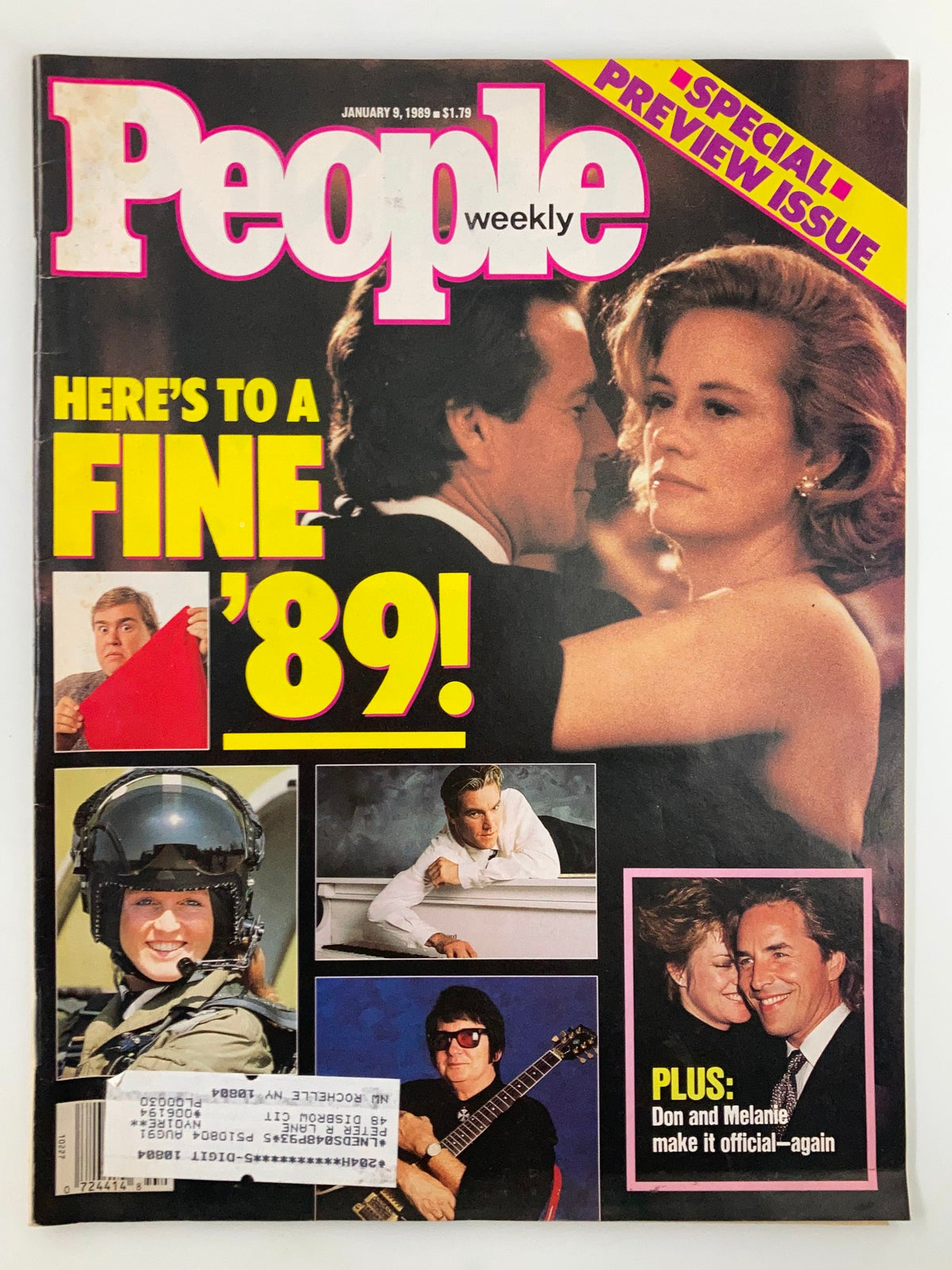
Vintage publications of the 1980s and early 1990s captured him with a warmth that matched his own — candid, generous, and full of life. Editorial photography of the era often caught him mid-laugh, eyes creased, radiating the kind of unguarded joy that made him impossible not to love. People magazine, the definitive arbiter of celebrity intimacy during his peak years, profiled him repeatedly, celebrating both his blockbuster successes and his disarming humility. Entertainment Weekly, arriving on the scene just as his film career reached its zenith, offered sharp critical retrospectives and cover features that framed him as one of Hollywood's most dependable comic hearts. North of the border, Maclean's — Canada's national magazine of record — treated him with the particular pride a country reserves for its most cherished exports, covering his career as a matter of genuine cultural significance. The editorial tone across these publications was consistently affectionate, reflective of a public figure who had somehow managed to remain, against all Hollywood logic, genuinely likeable.
Curator's Checklist: Highlights Often Include
- SCTV & Television Era Features — Early-career profiles and ensemble cast spreads from the late 1970s and early 1980s, documenting his rise through sketch comedy alongside future legends like Martin Short and Catherine O'Hara
- Hollywood Breakthrough Coverage — Entertainment features tied to landmark film releases, including Splash, Spaceballs, and The Great Outdoors, capturing the precise moment he crossed from beloved comedian to bona fide movie star
- Human Interest & Personal Profiles — In-depth interviews in which he spoke candidly about his Toronto roots, his family life, and the pressures of fame — the kind of intimate long-form journalism that only print could sustain
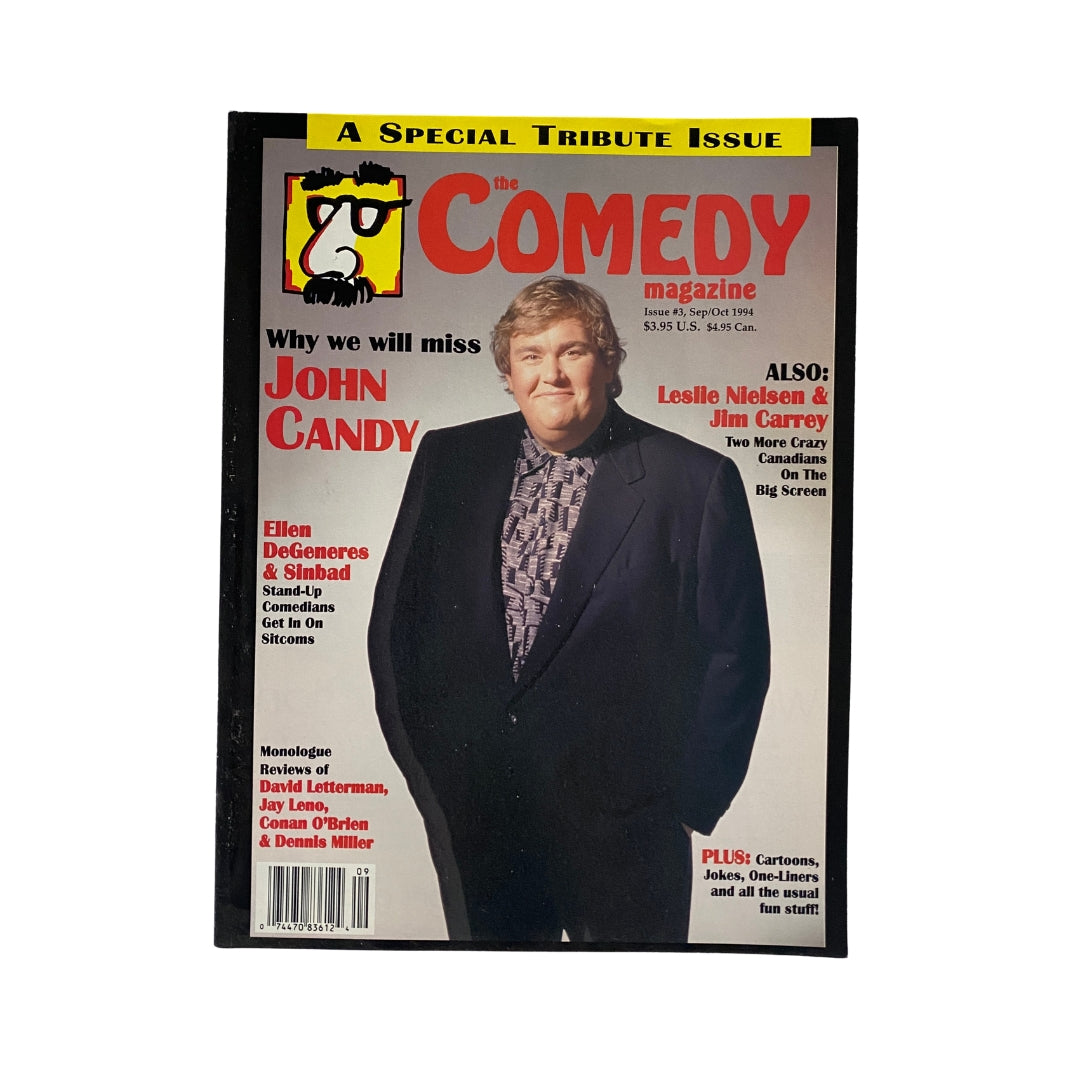
- Tributes & Memorial Issues — Following his sudden passing in March 1994, publications on both sides of the border devoted significant coverage to his life and legacy, producing some of the most emotionally resonant commemorative journalism of that decade
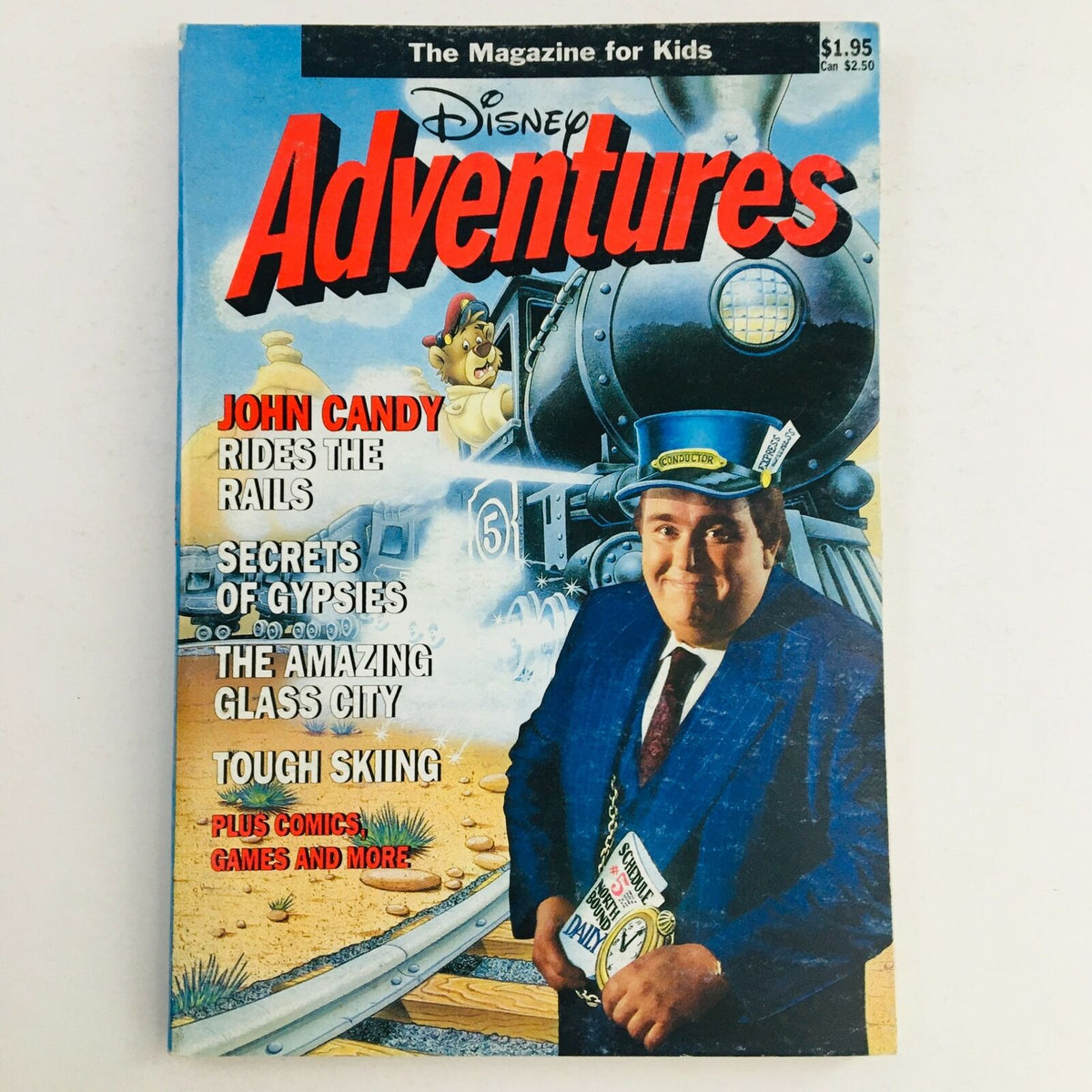
- Canadian Cultural Spotlights — Domestic and arts-focused publications that framed him within the broader story of Canadian talent conquering Hollywood, a narrative of quiet national pride that ran throughout his career
The Collector's Value
To hold one of these original issues is to hold the moment itself — unfiltered, undigitized, and irreplaceable. The slightly yellowed pages carry a warmth that no screen can replicate, the ink dense and permanent against paper stock that has outlasted the decades with quiet dignity. Vintage advertisements for VHS rentals, family sedans, and Saturday morning cereals surround the editorial content, creating an immersive time capsule of the era in which he flourished. These are not reprints or commemorative facsimiles — they are primary sources, the very objects that sat on newsstands and coffee tables when the world was still discovering just how extraordinary this man was. For collectors of classic Hollywood comedy, Canadian cultural history, or 1980s popular culture memorabilia, these publications offer something no biography or documentary can: the raw, contemporary record of a legend being recognized in real time, by the world that loved him. Explore the current inventory below and find the piece of that world waiting to come home with you.