📖 About this Collection
John Ritter: The Warmth Behind the Laugh Track
The Legend & The Legacy
In an era before streaming algorithms and social media virality, John Ritter became one of America's most beloved figures through the simple, democratic power of the weekly television schedule. As Jack Tripper on Three's Company — the era-defining ABC sitcom that ran from 1977 to 1984 — he delivered physical comedy of a caliber unseen since the golden age of Chaplin and Keaton, earning him an Emmy and a Golden Globe and a permanent place in the living rooms of a nation. The son of country legend Tex Ritter, he carried the weight of Hollywood royalty without the distance it often implies; he was, above all, accessible, generous in his craft, and utterly disarming. Magazine readers of the late 1970s and early 1980s followed his rise with the kind of affectionate investment that only print could sustain — the long-form profiles, the candid on-set photography, the thoughtful interviews that captured not just the comedian, but the classically trained actor beneath the slapstick. His was a fame built issue by issue, cover by cover, in the hands of readers who clipped and saved and remembered.
Inside the Archive
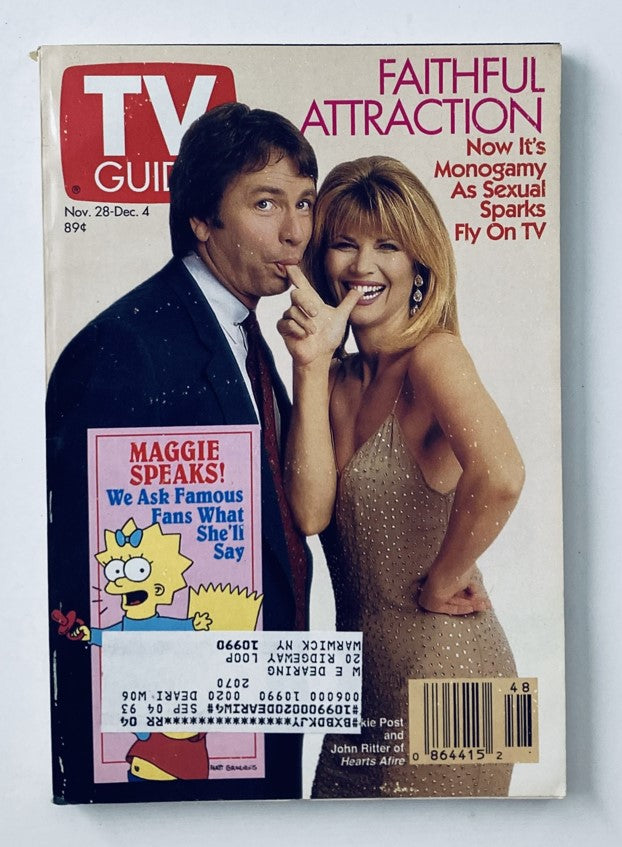
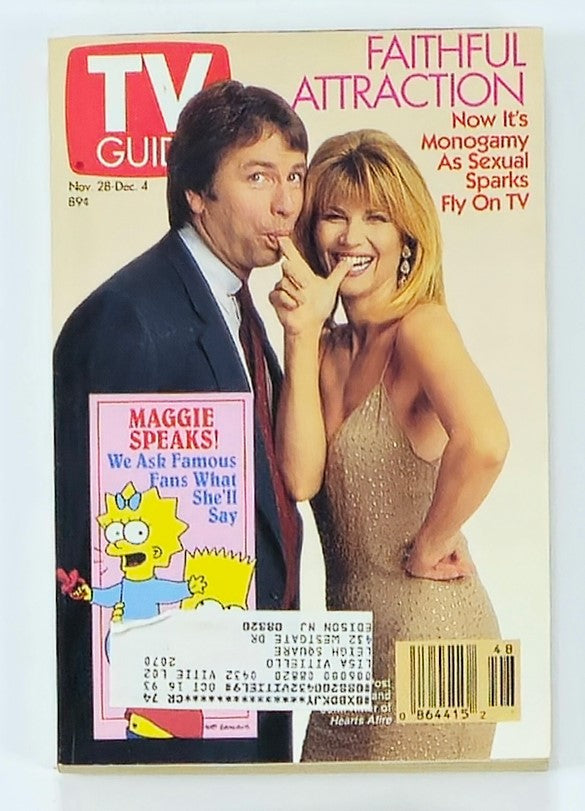
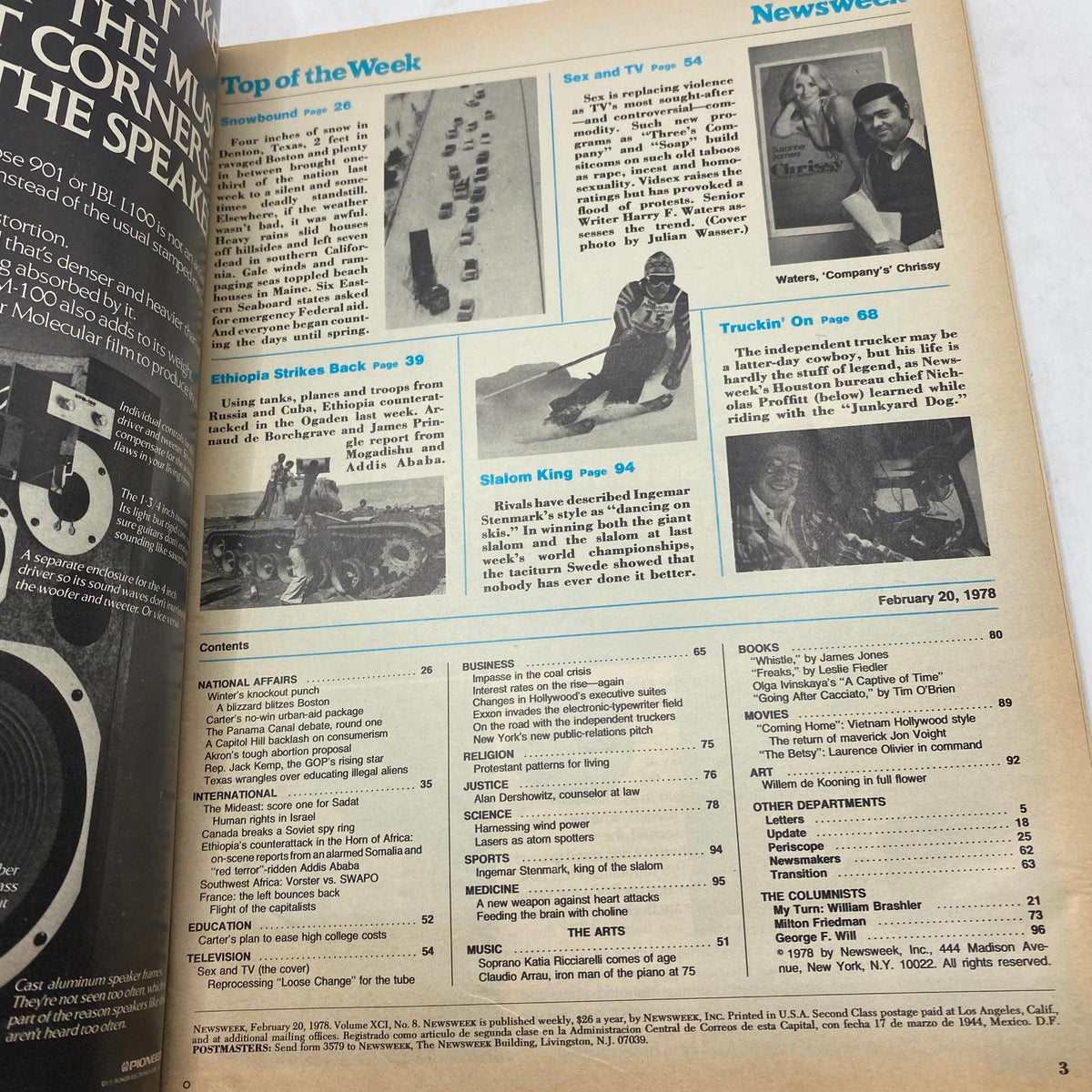
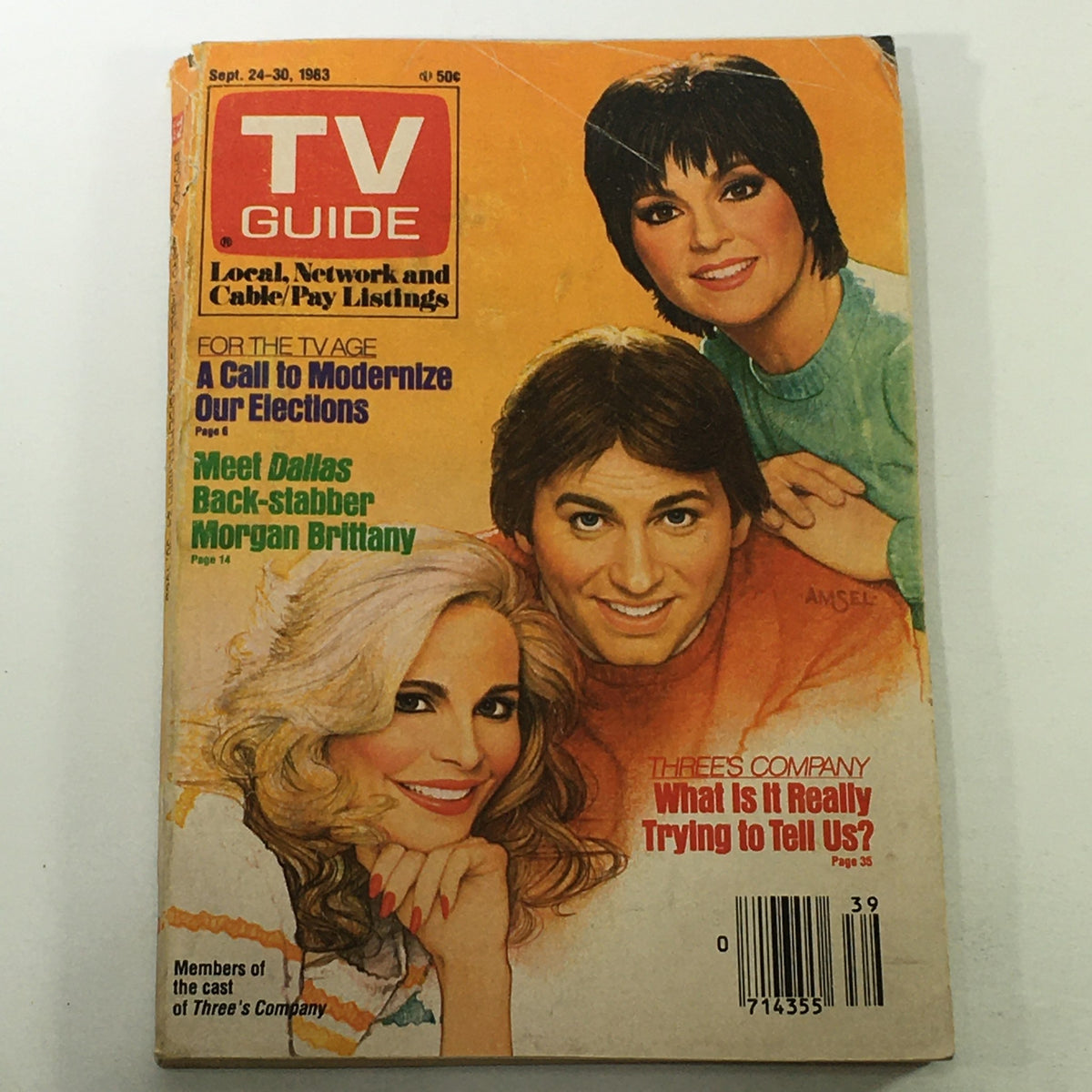
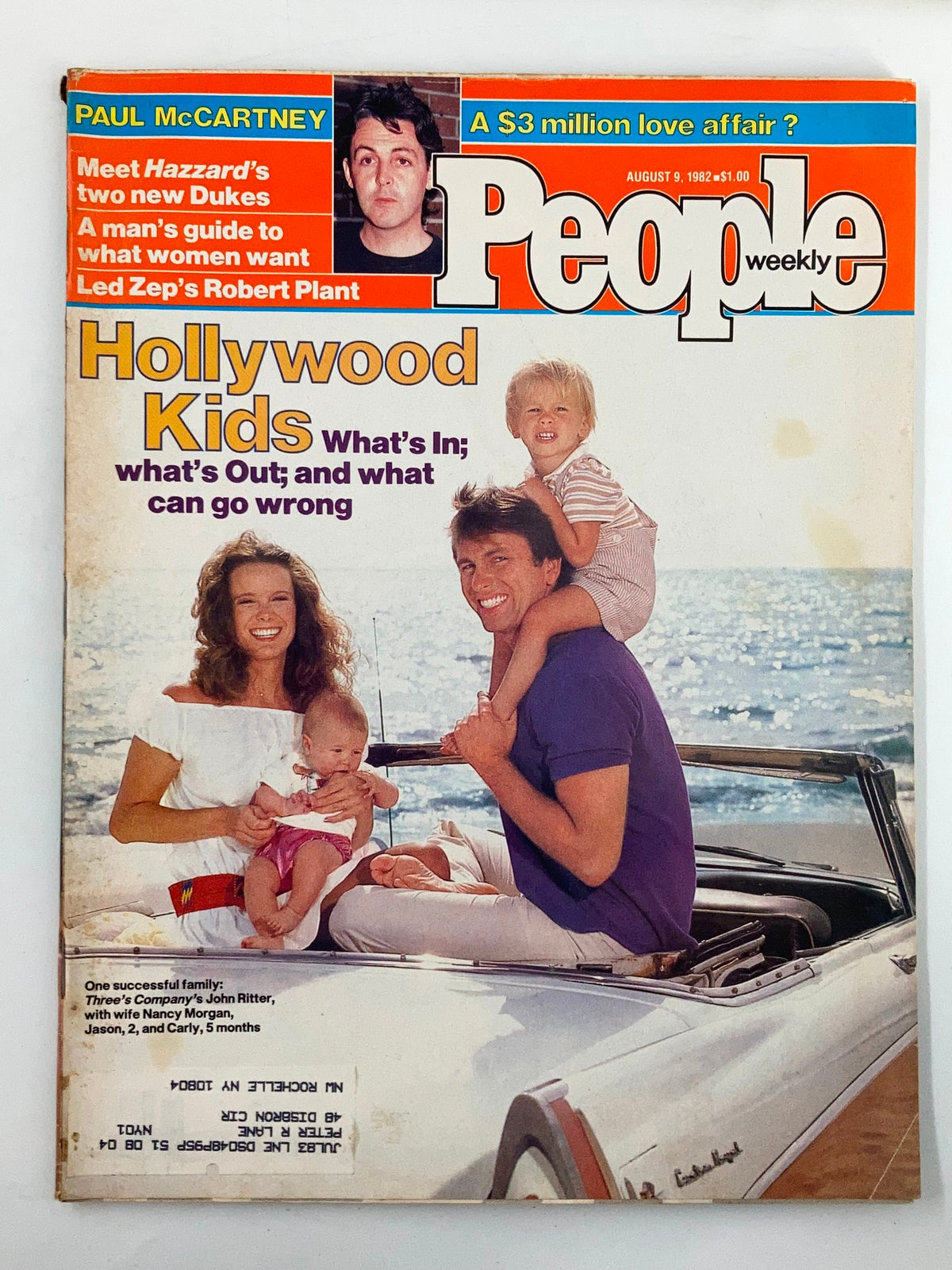
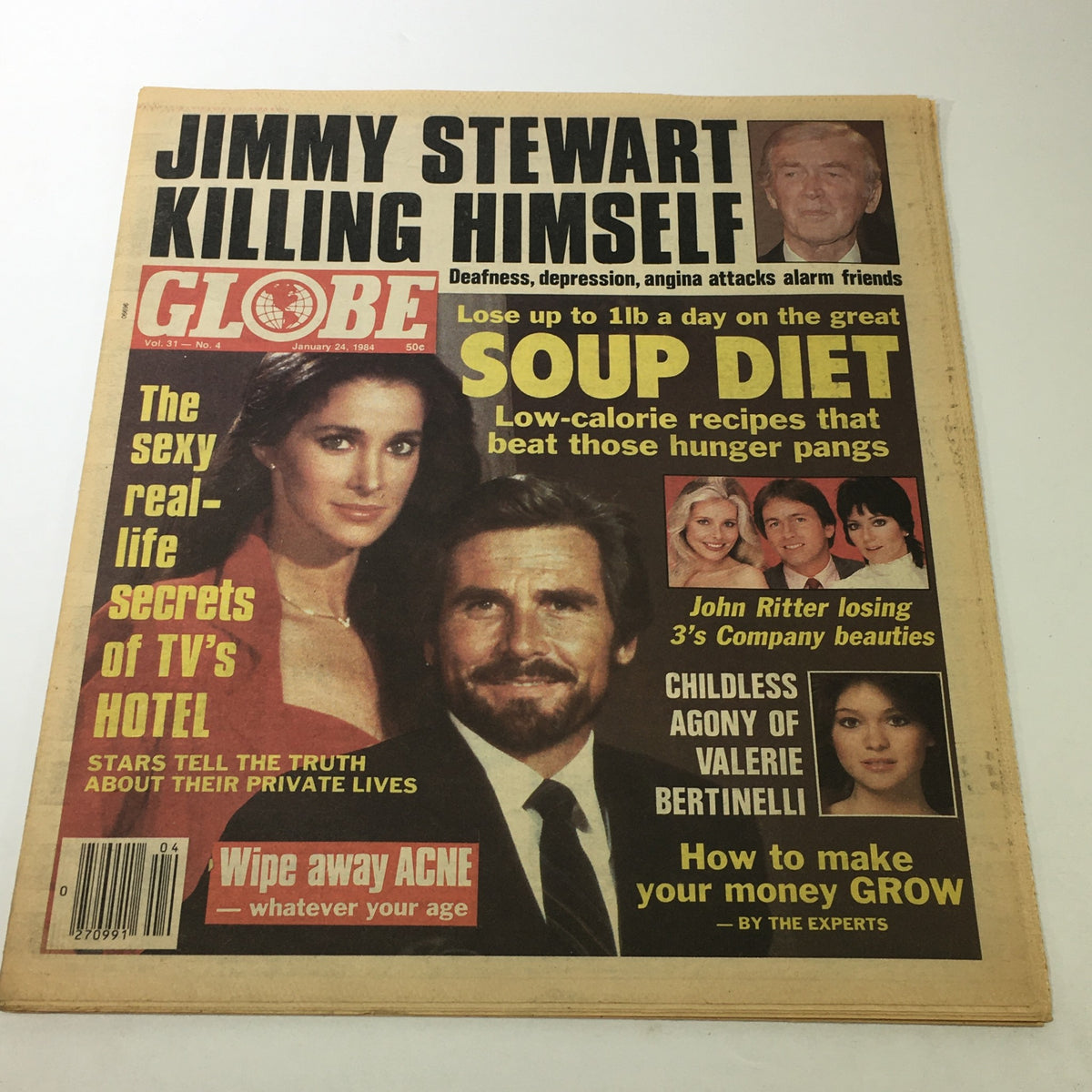
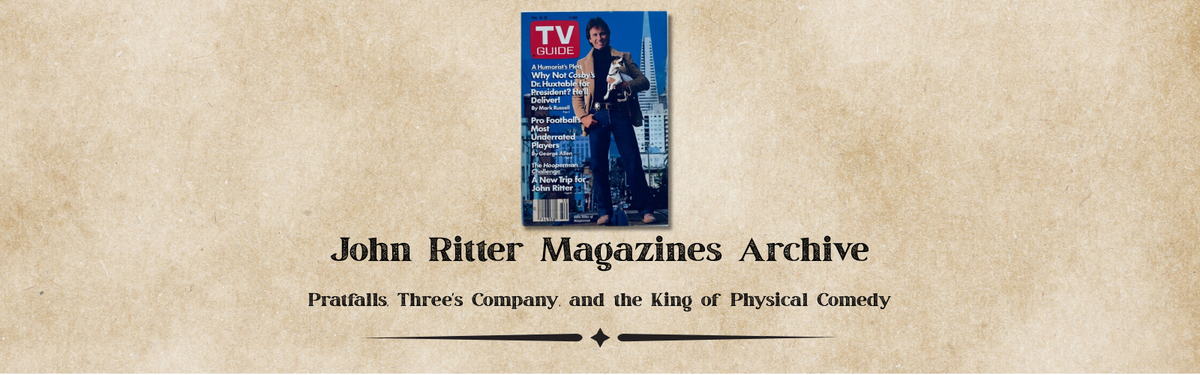
At the height of Three's Company's cultural dominance, the entertainment press could not get enough of the lanky, rubber-faced charmer from Hollywood. Publications like TV Guide devoted covers and multi-page spreads to the show's ensemble cast, with Ritter almost invariably at the center — photographed in character, in costume, or in the warm, casual studio portraiture that defined celebrity journalism of the period. People magazine, still finding its editorial footing in the late 1970s, found in him the perfect subject: handsome, witty, self-deprecating, and genuinely compelling in interview. Meanwhile, broader entertainment titles such as Us and Rolling Stone captured the cultural moment around him — the shifting mores of the era, the debate the show's risqué premise ignited, and the serious dramatic range he quietly demonstrated away from the sitcom spotlight. The photography across these publications tends toward warmth and accessibility — a star photographed not as an icon to be worshipped, but as a neighbor you happened to admire enormously.
Curator's Checklist: Highlights Often Include
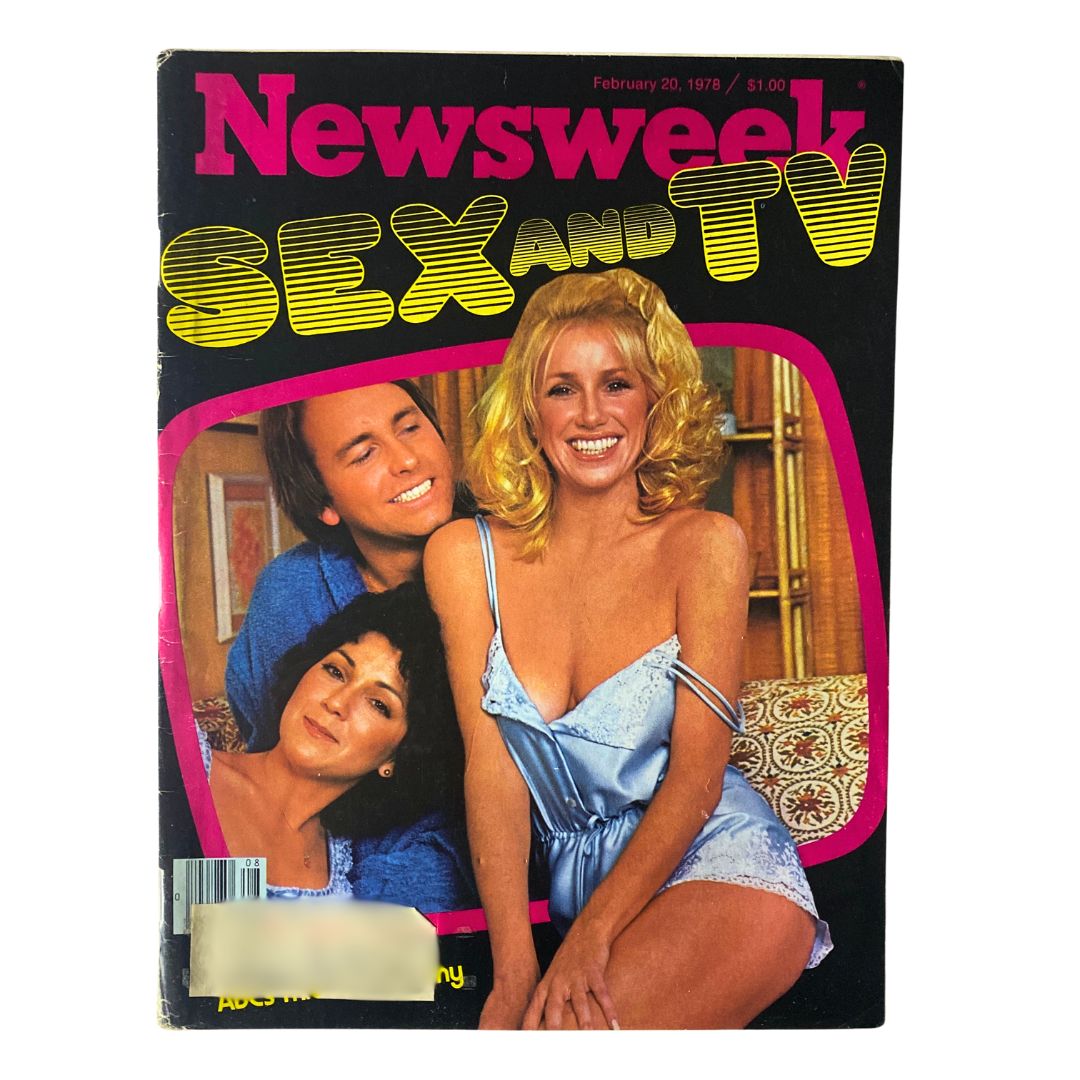
- Milestone Three's Company coverage — feature articles, cast profiles, and behind-the-scenes photography from the show's peak years (1977–1984), chronicling its rise to the top of the Nielsen ratings
- Emmy & awards season issues — entertainment publications from 1984 often spotlighting his Outstanding Lead Actor in a Comedy Series win and the broader critical recognition of his comedic craft
- Transition-era profiles — mid-to-late 1980s and 1990s coverage documenting his deliberate pivot toward dramatic television and film work, including Sling Blade and Hooperman
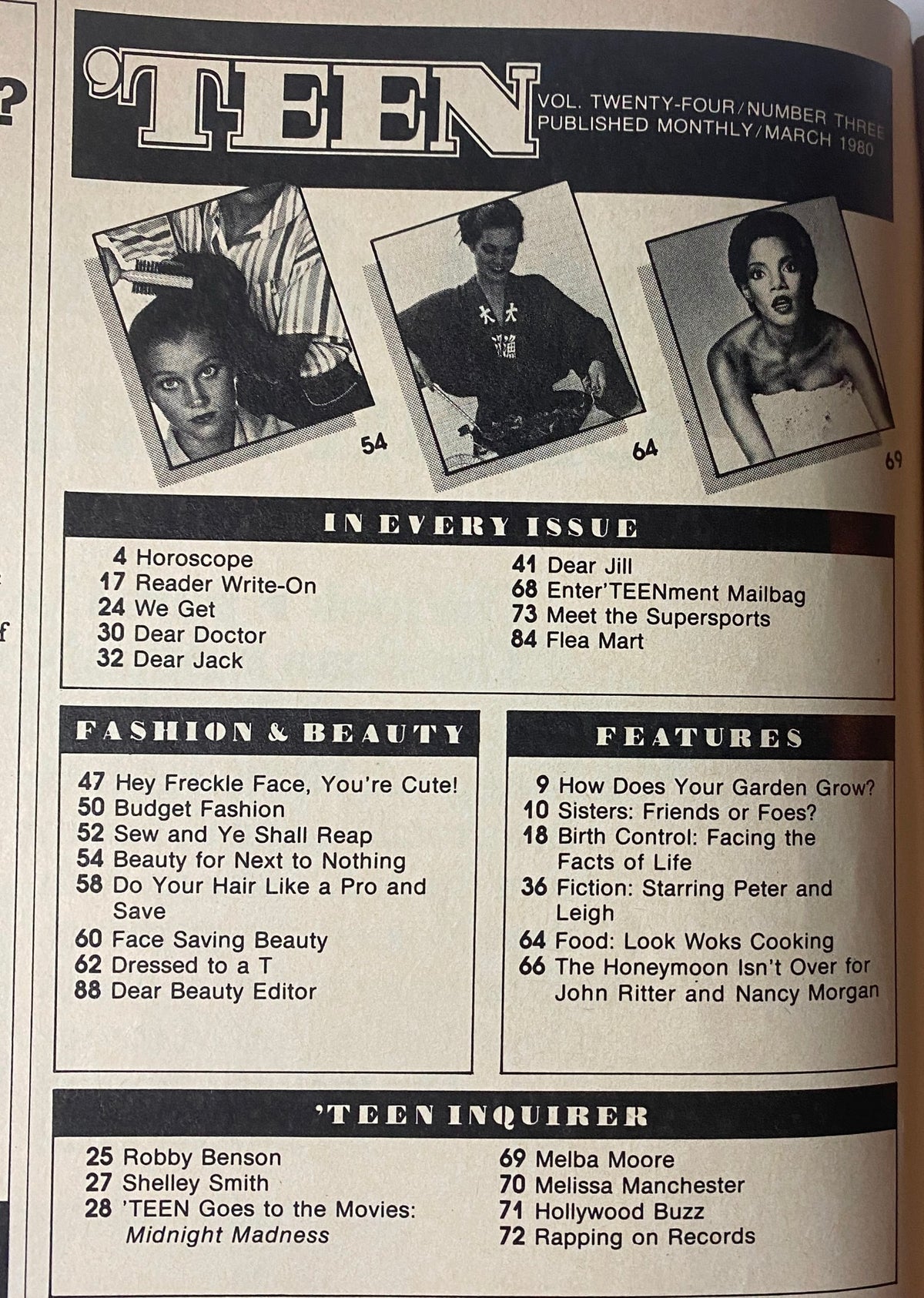
- Family & personal life features — human-interest spreads from publications like People touching on his famous Hollywood lineage, his marriage to Nancy Morgan, and later Amy Yasbeck, offering a portrait of the man behind the persona
- Tribute and memorial issues — September and October 2003 publications marking his sudden passing at age 54, representing some of the most emotionally resonant and collectible pieces in this category
The Collector's Value
There is something irreplaceable about holding a magazine from 1979 that once sat on a suburban coffee table while Three's Company played on a nearby television set — the slightly rough texture of the newsprint beneath glossy cover stock, the faint ghost of decades-old ink, the surrounding advertisements for products that themselves have become artifacts of Americana. These are primary source documents of a cultural moment, not reproductions or digital approximations. The comedy he embodied and the era he defined exist in these pages with an immediacy no retrospective documentary can replicate. For collectors of classic television memorabilia, 1970s and '80s pop culture ephemera, or the broader Golden Age of American network broadcasting, these publications offer an unfiltered, era-authentic window into the life and legacy of one of television's most genuinely beloved performers. Browse the current rotating inventory below, and discover which pieces of that extraordinary chapter are available to bring home today.