📖 About this Collection
John Travolta: The Man Who Made America Move
The Legend & The Legacy
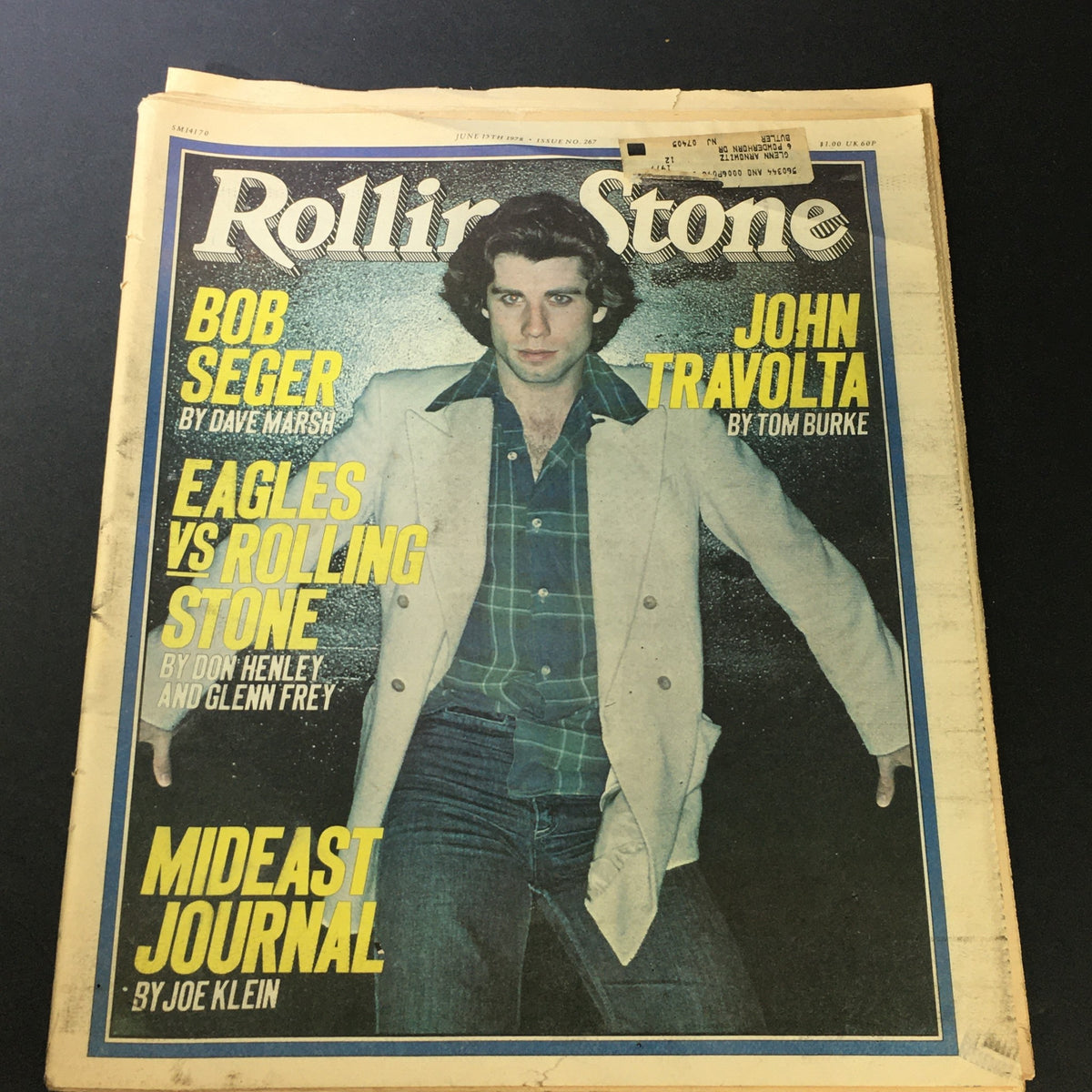
Few figures in 20th-century popular culture arrived with the seismic force of John Travolta. When Saturday Night Fever exploded onto screens in December 1977, the young actor from Englewood, New Jersey did not merely become a movie star — he became a phenomenon, a living symbol of an era defined by disco lights, polyester suits, and a generation hungry to dance its anxieties away. Then came Grease in 1978, cementing his status as the defining face of American youth culture at the precise moment when the baby boomer generation was crowning its own mythology. Long before social media or streaming algorithms could manufacture overnight sensations, his ascent was documented entirely through the pages of physical print — feverishly covered, obsessively photographed, and breathlessly analyzed by a press corps working on deadlines and film rolls, producing artifacts of cultural history that no digital archive can replicate.
Inside the Archive
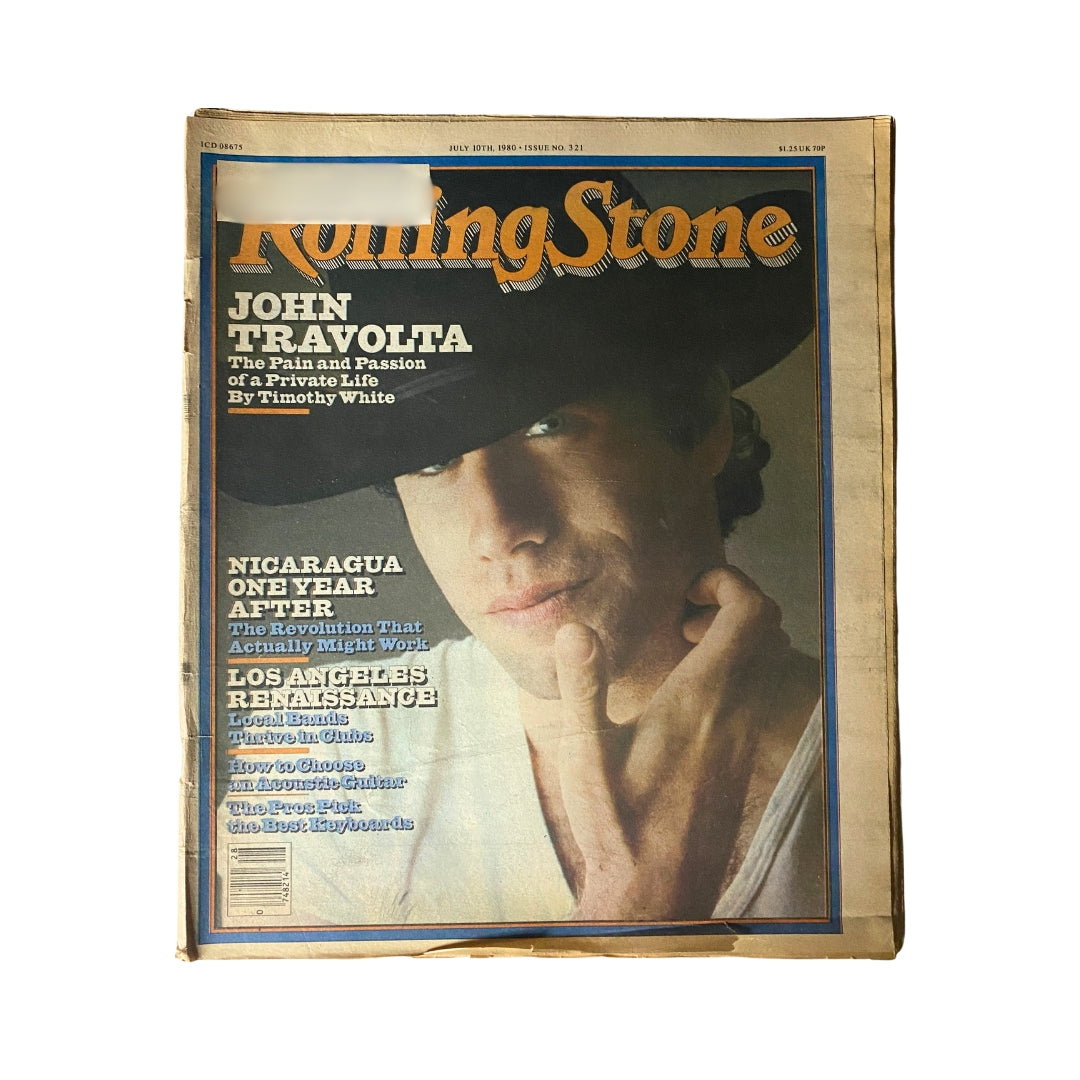
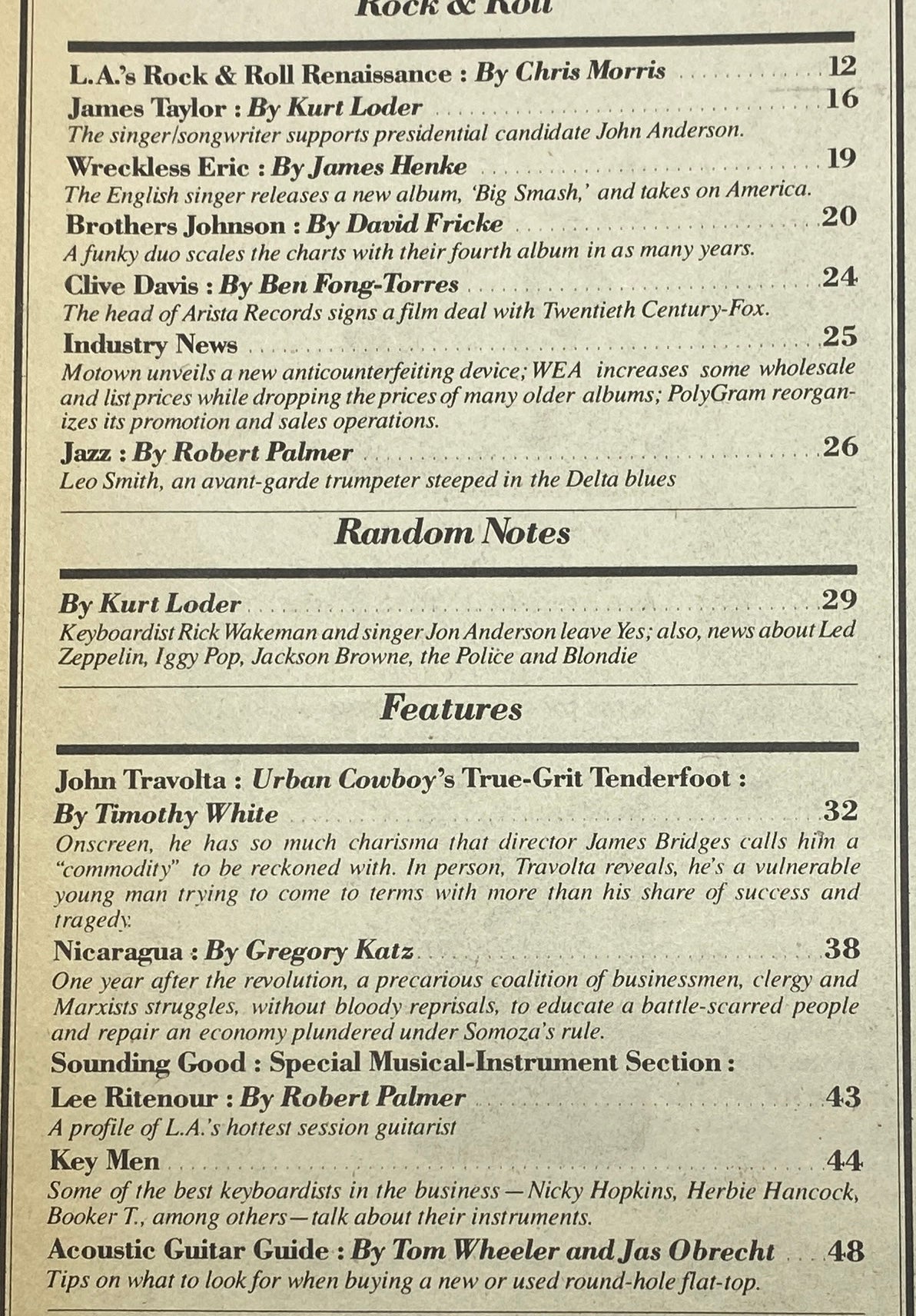
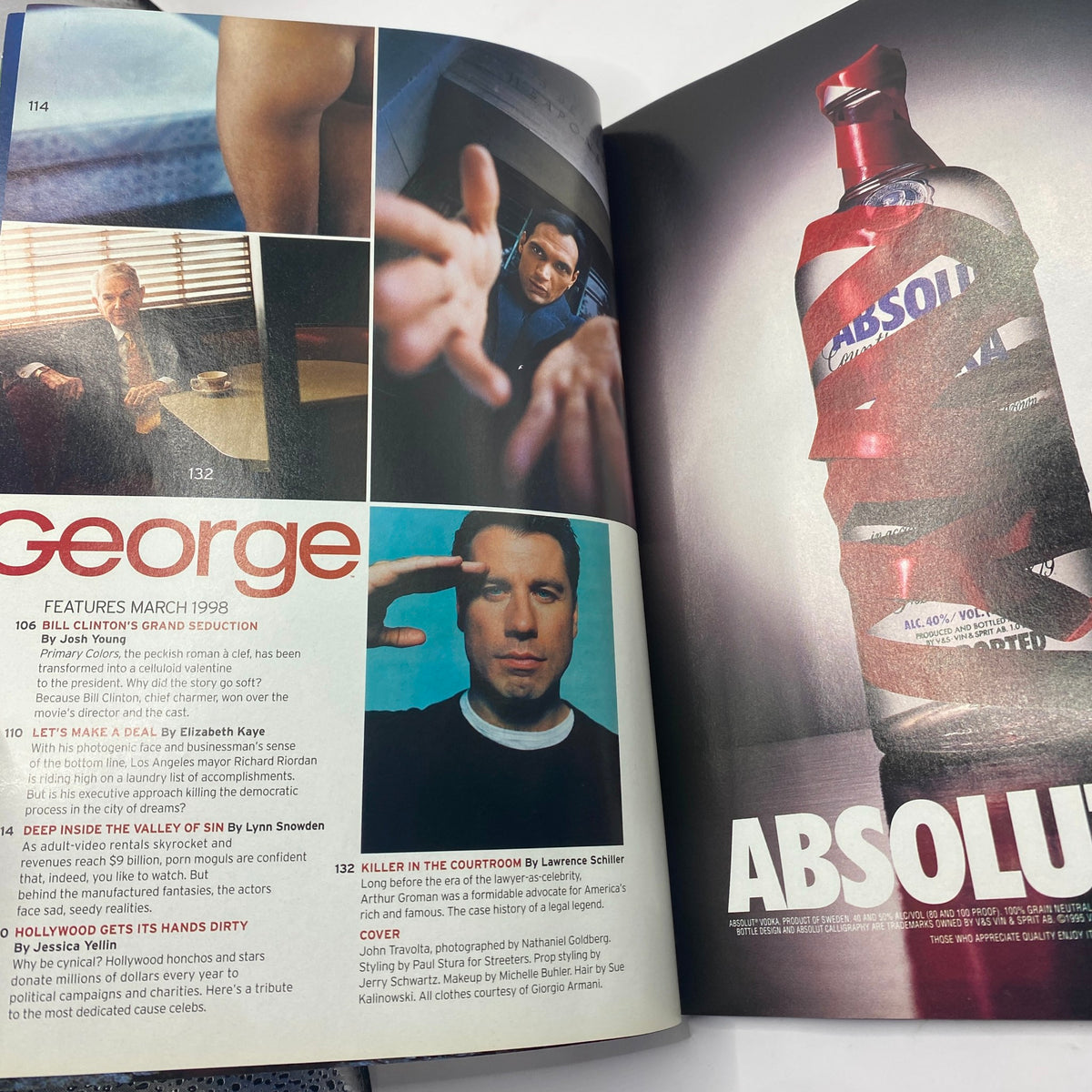
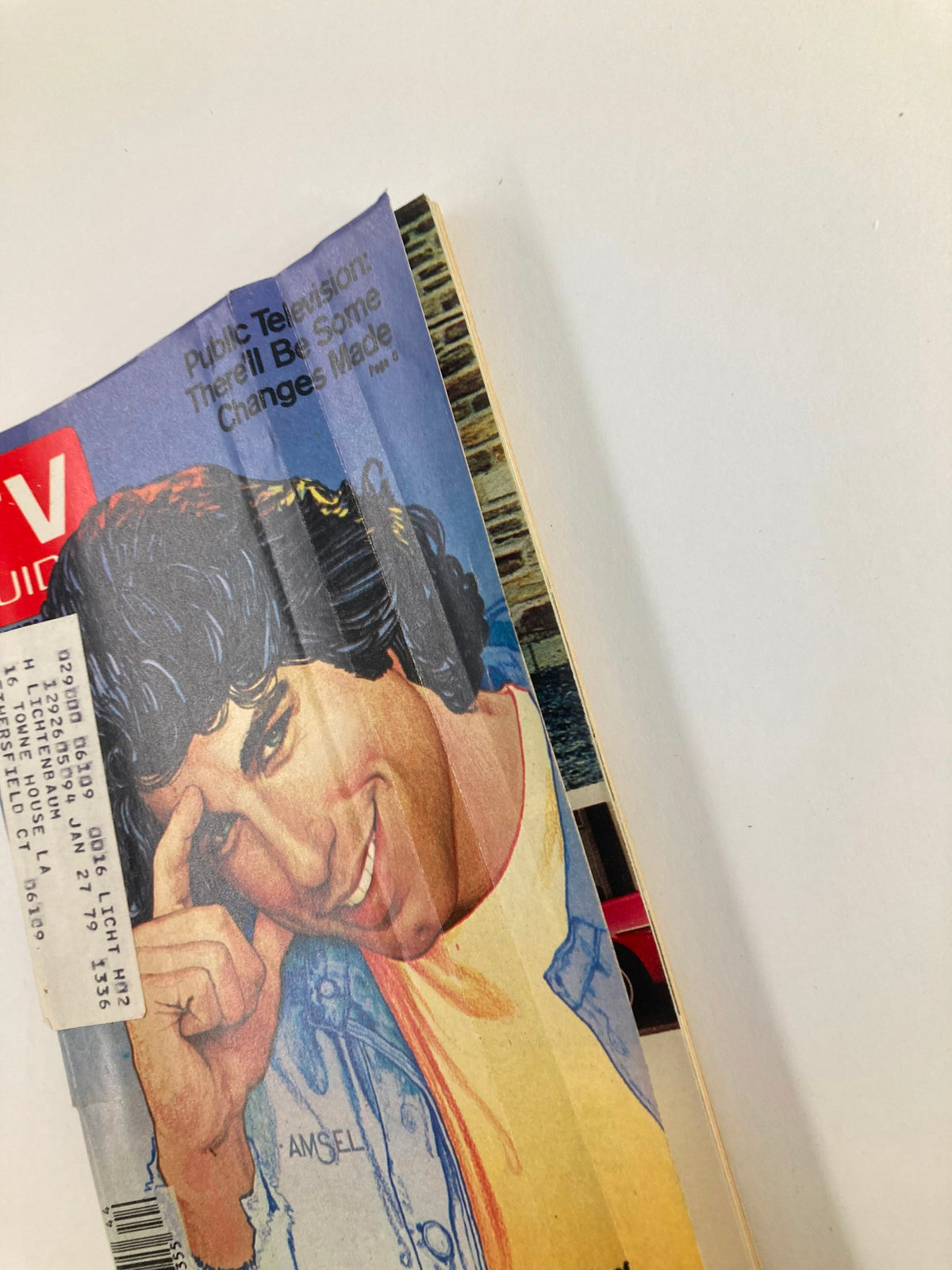
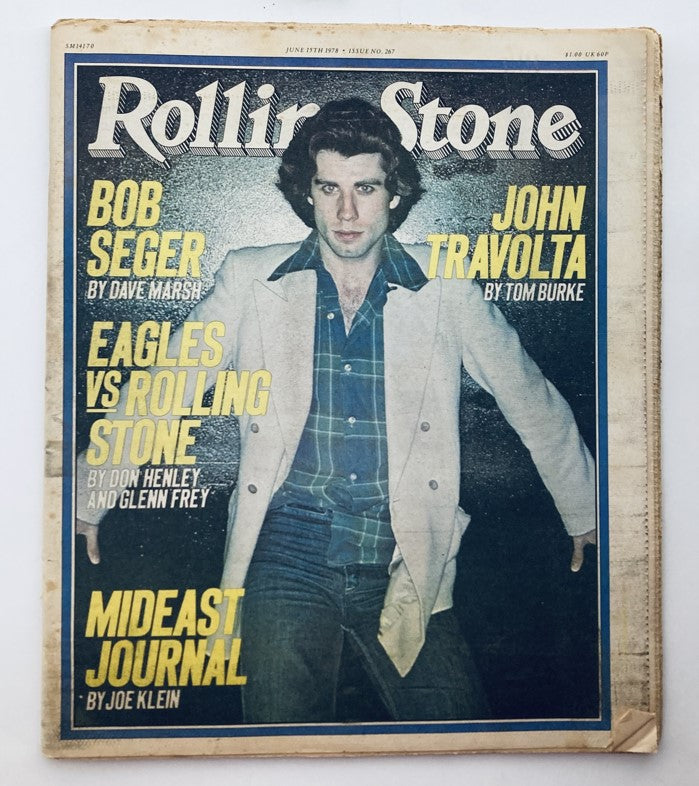
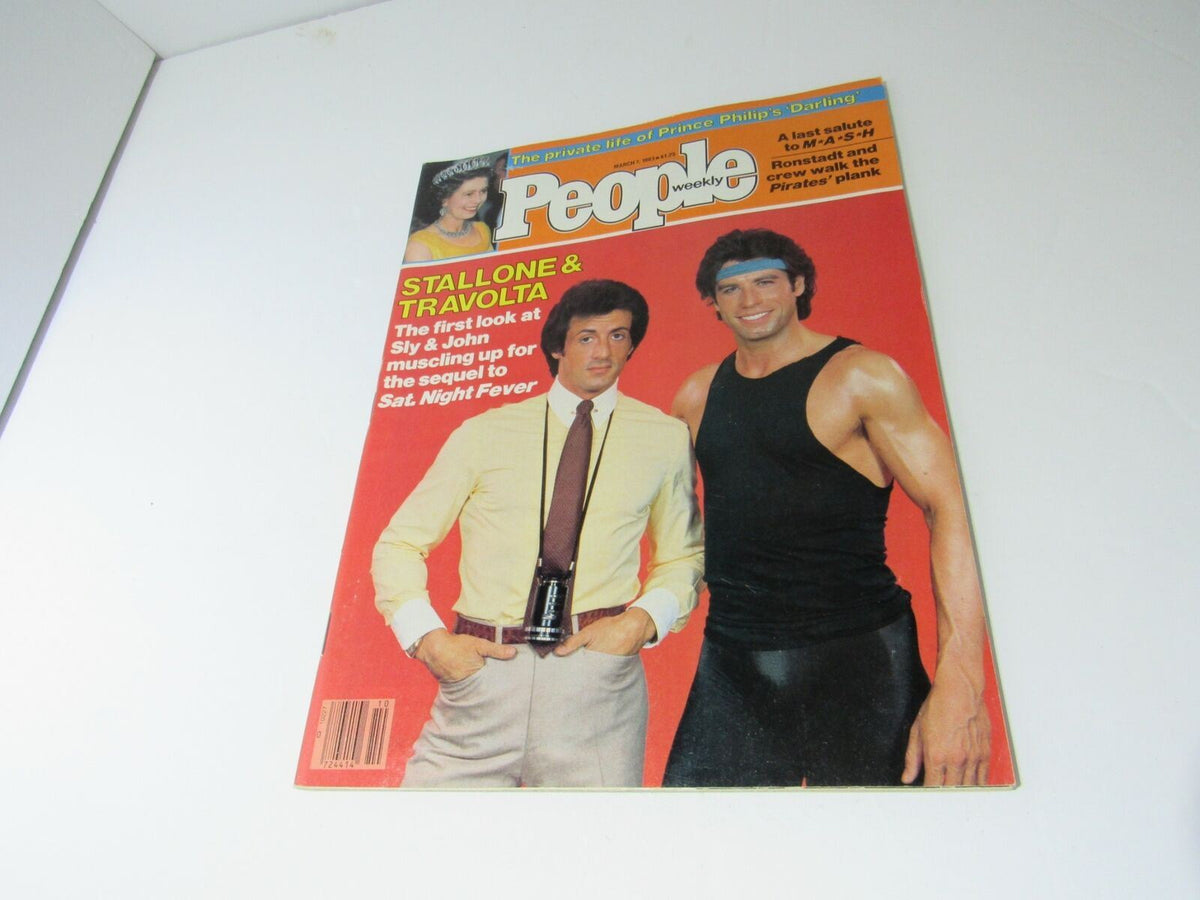
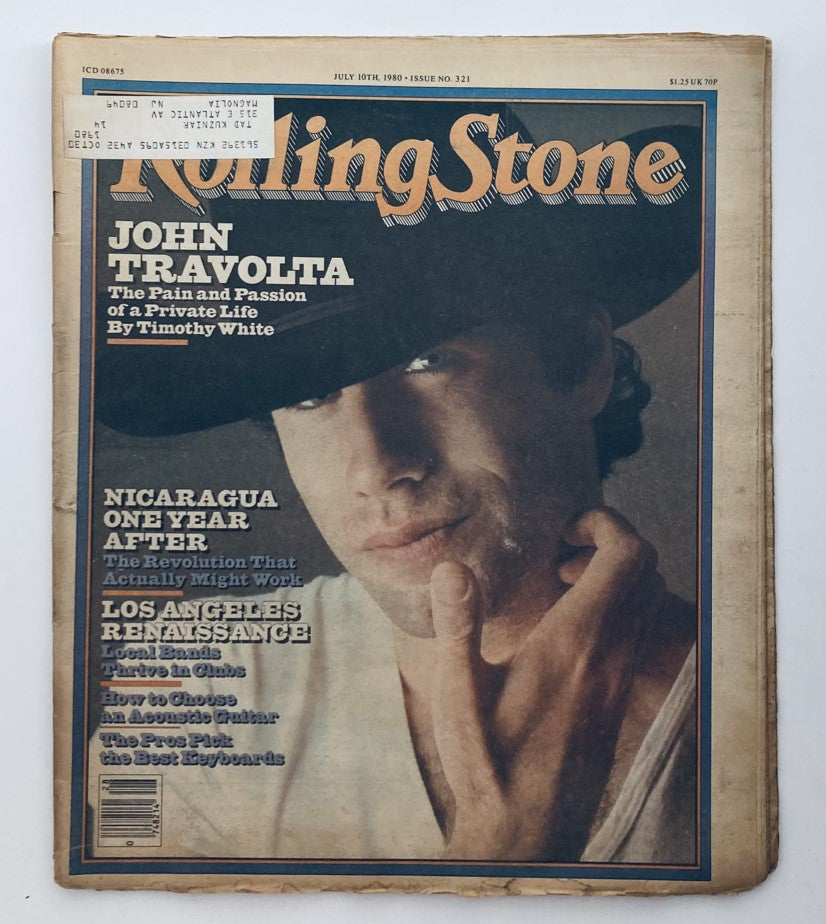
The print media of the late 1970s greeted Travolta with an intensity reserved only for the era's most luminous stars. Fan-focused publications like Tiger Beat and 16 Magazine plastered the young heartthrob across cover after cover, catering to a teenage readership that pinned his image to bedroom walls coast to coast. More serious editorial institutions were equally captivated: People magazine chronicled his meteoric rise with the breathless intimacy it reserved for its biggest subjects, while Rolling Stone — then at the apex of its cultural authority — examined the deeper significance of what the disco-era idol represented for American pop consciousness. International titles such as Paris Match and the British Smash Hits brought his image to European audiences hungry for American cool. The photography of the period is especially striking: wide lapels, open collars, and that electrifying combination of vulnerability and magnetism that no stylist could manufacture. The editorial tone shifted fascinatingly across the decade — reverent and ecstatic in the late seventies, searching and curious through the quieter eighties, then thunderously celebratory again when a certain Quentin Tarantino film returned him to the front page in 1994.
Curator's Checklist: Highlights Often Include
- The Disco Apotheosis (1977–1978): Coverage coinciding with the back-to-back releases of Saturday Night Fever and Grease — the period of maximum cultural saturation, featuring iconic promotional photography and in-depth profile journalism from the height of his first wave of stardom.
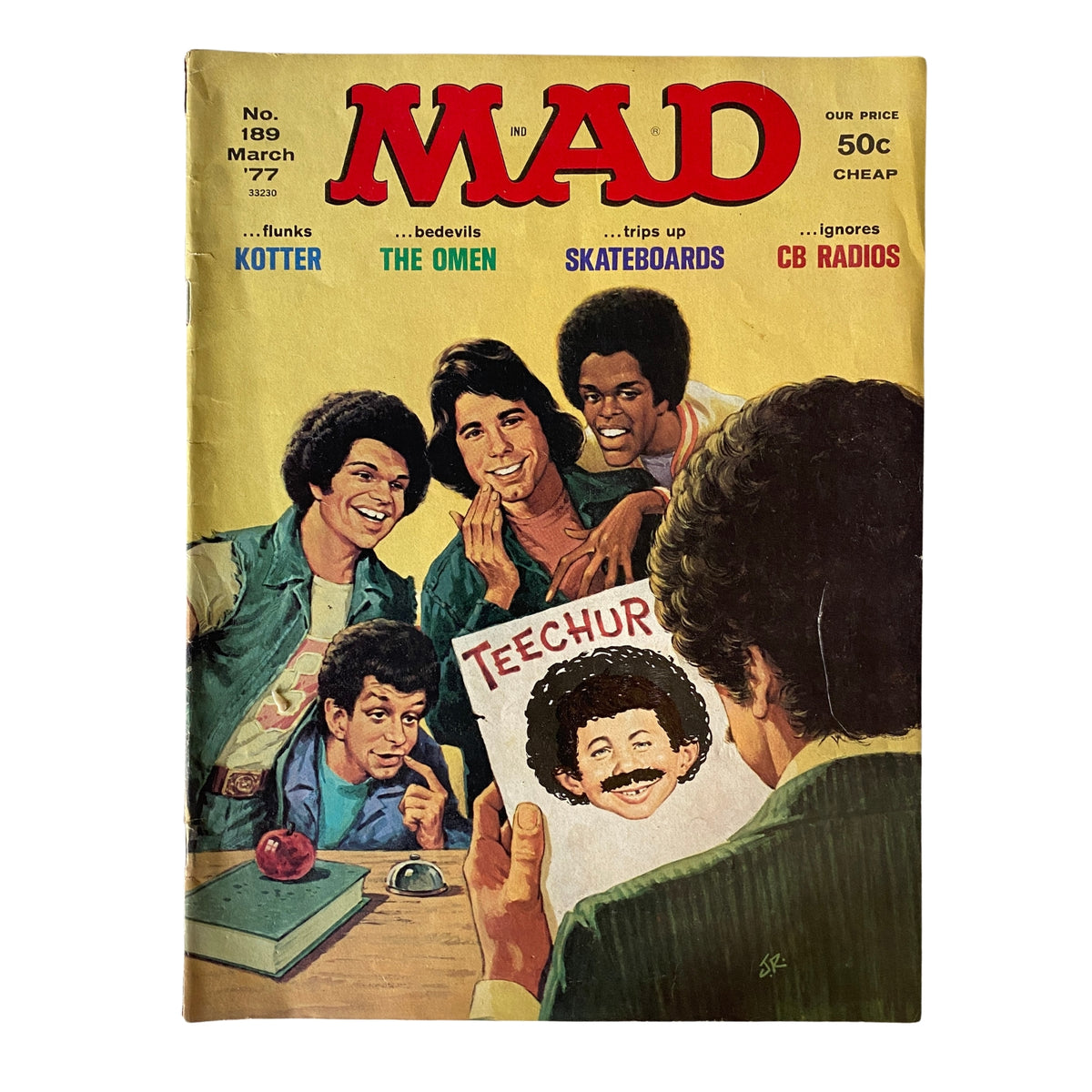
- Teen Idol Era Ephemera: Issues from fan magazines of the mid-to-late 1970s, representing the grassroots frenzy surrounding his Welcome Back, Kotter television fame before his cinematic breakthrough, often featuring pin-up photography and reader Q&A features that read as extraordinary time capsules today.
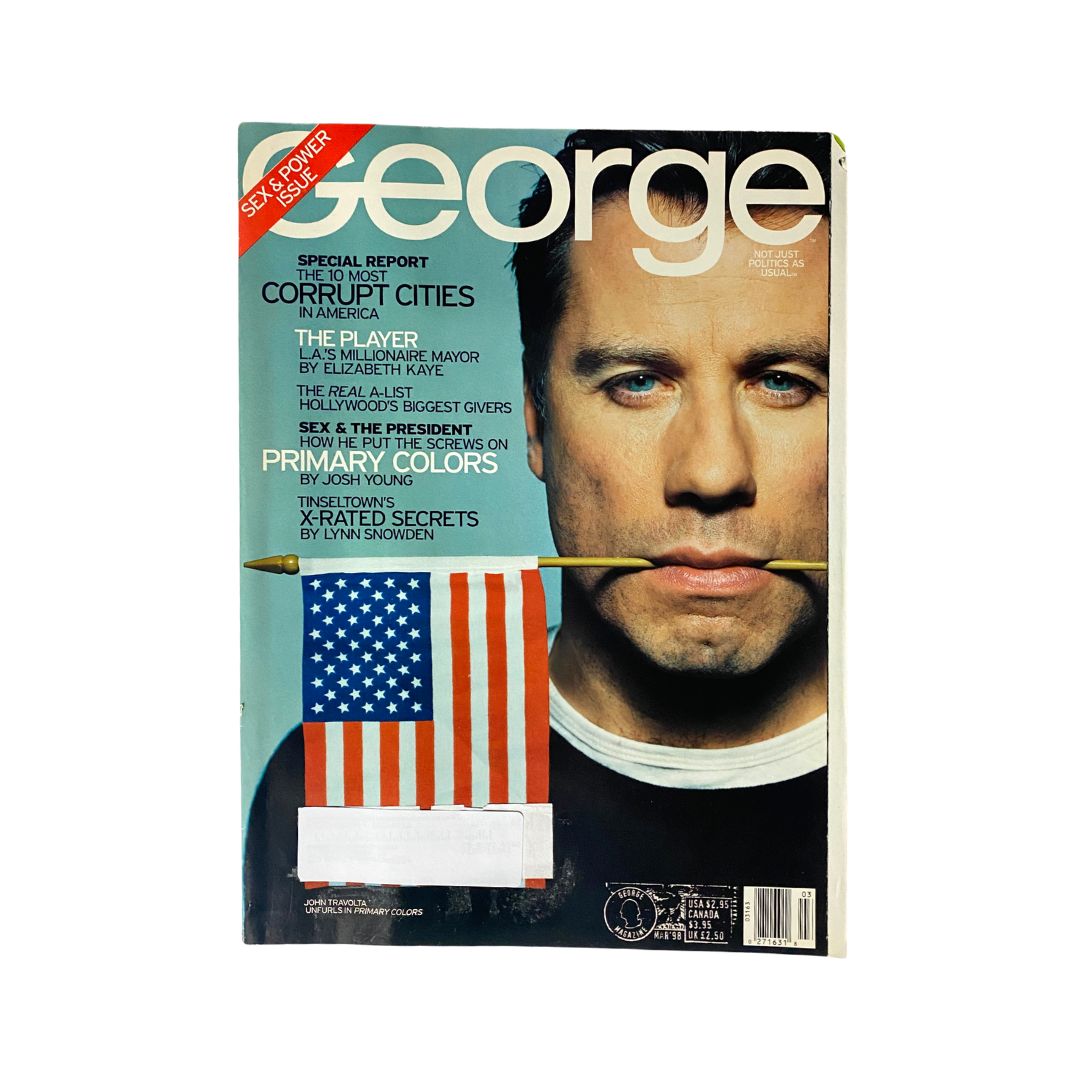
- The Wilderness Years (1983–1993): A critically underappreciated collecting category — coverage from the decade when Hollywood temporarily lost interest, capturing a more introspective period and making for a fascinating counterpoint to the triumph that followed.
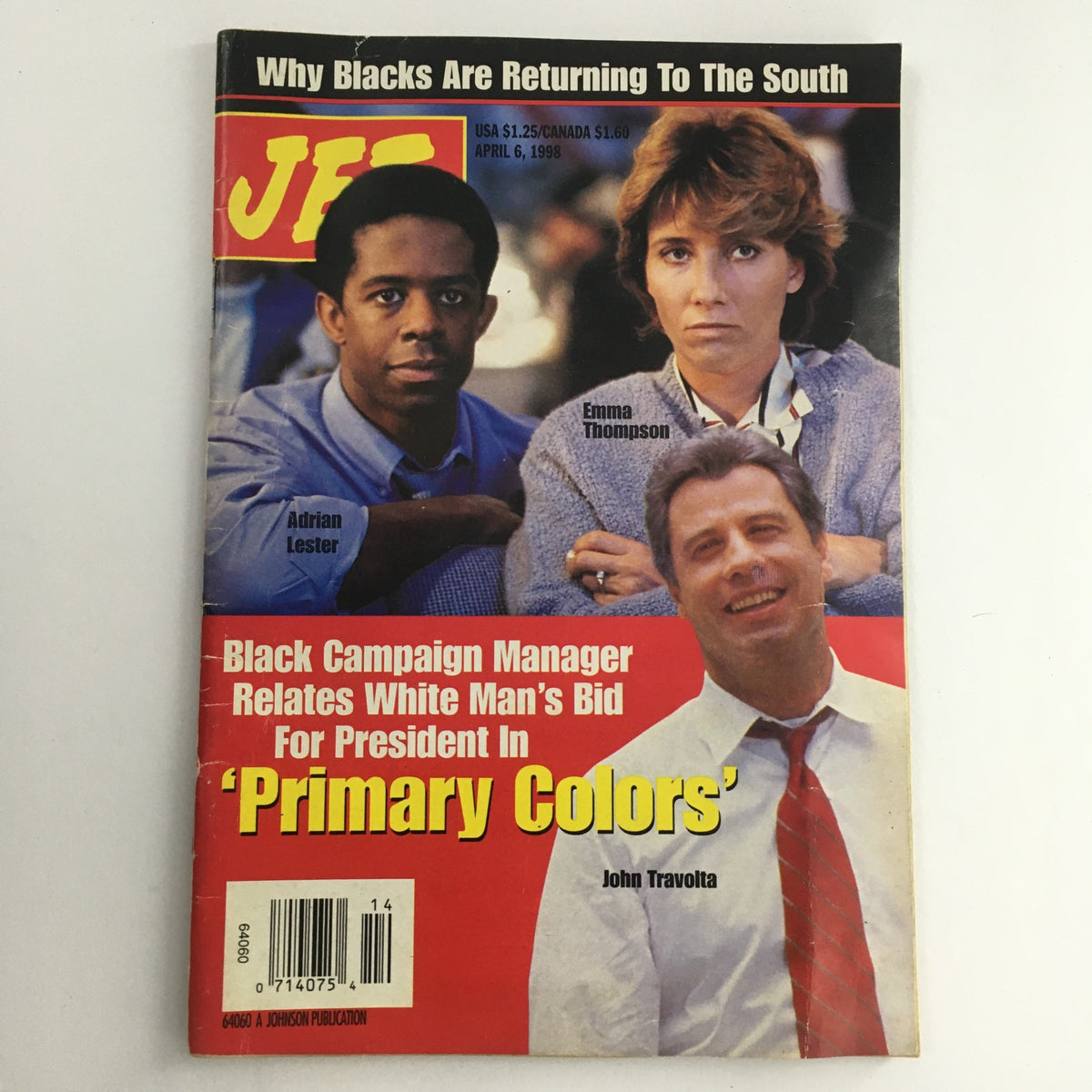
- The Pulp Fiction Renaissance (1994–1995): Perhaps the most dramatically satisfying comeback in Hollywood history, documented in real time by the entertainment press. Coverage from Entertainment Weekly, Premiere, and major newspaper supplements charts one of cinema's great second acts.
- International & European Editions: French, Italian, and German magazine coverage offers a distinctly different editorial lens — often more stylistically daring in layout and more analytically serious in tone than their American counterparts.
The Collector's Value
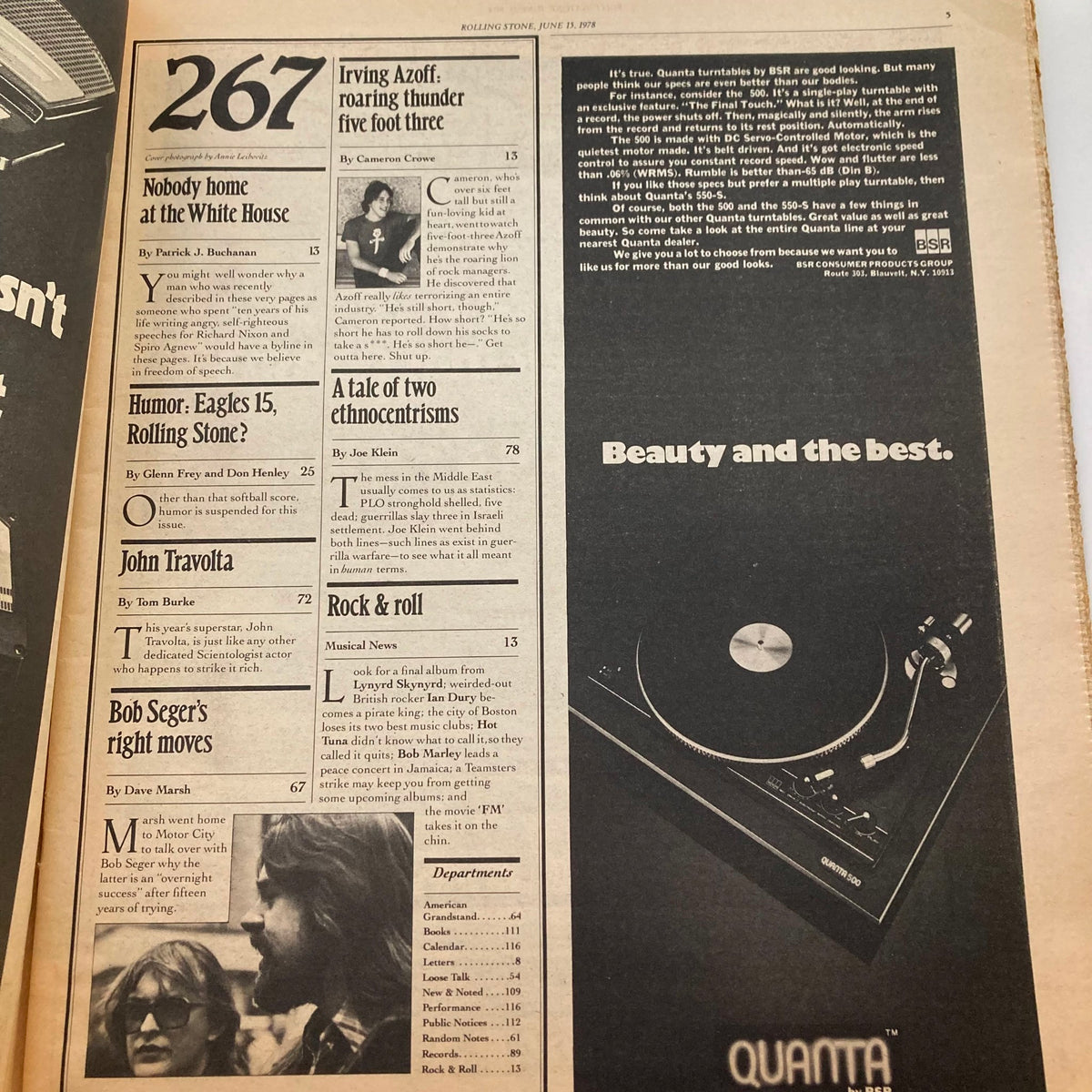
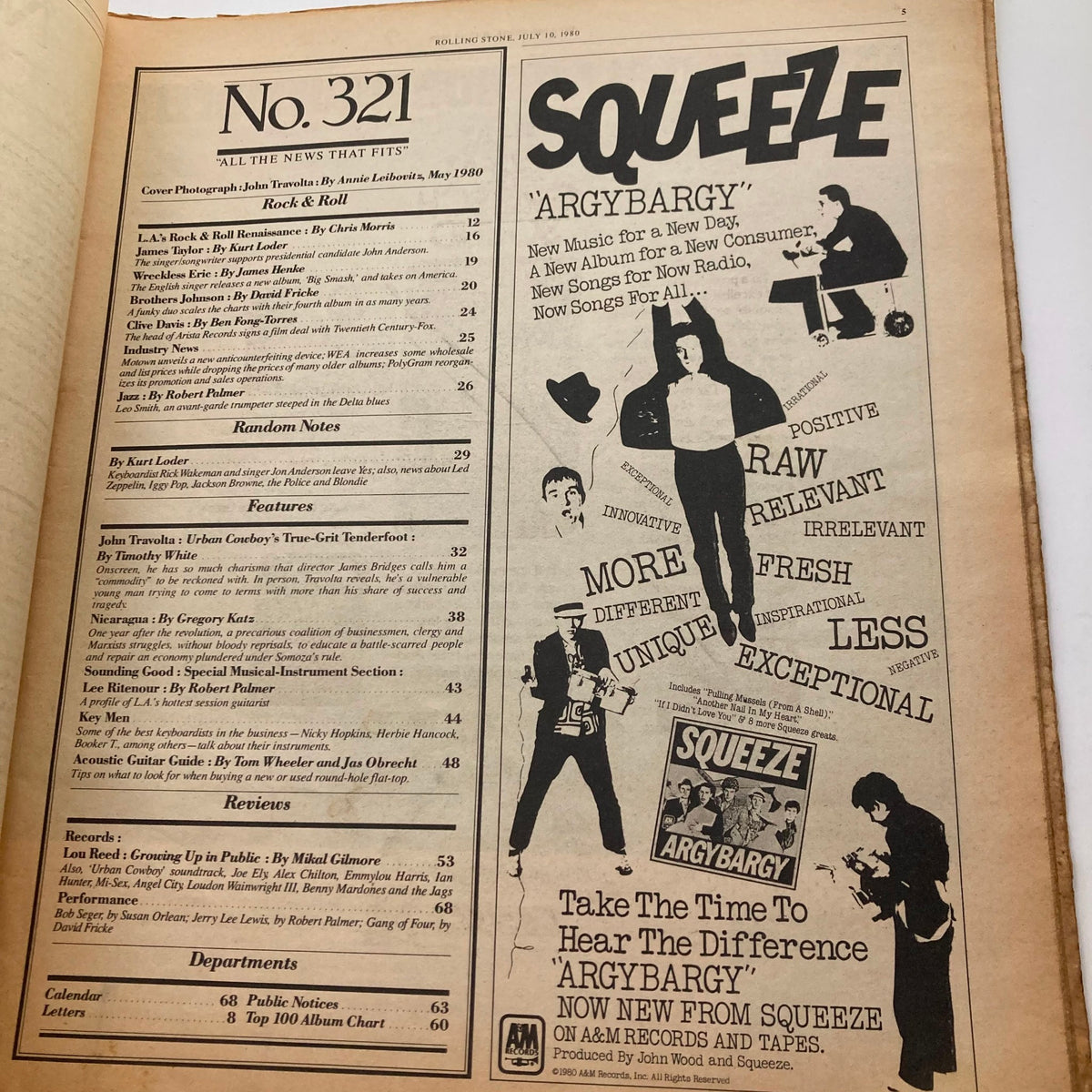
To hold a 1978 copy of People with his face on the cover is to hold something the internet categorically cannot offer: the specific, irreplaceable weight of the moment itself. The slightly rough tooth of the newsprint pages, the faint amber tinge that decades lend to the paper stock, the ghost of ink that rises when you turn a page — these are sensory experiences that constitute a direct, unmediated connection to the cultural atmosphere of another era. Surrounding the editorial content, the period advertisements — for cologne, for automobiles, for leisure suits — complete a portrait of the world in which his stardom first erupted, context that no digital crop or thumbnail can preserve. For collectors of 1970s Americana, golden-age Hollywood memorabilia, or disco and popular music history, these publications offer not merely a celebrity collectible but a primary source document of a transformative decade in American life. Browse the current available inventory below, and discover which pieces of this remarkable story are waiting to find a new home.