📖 About this Collection
Johnny Bench: The Man Behind the Mask — Steel Hands, Golden Era
The Legend & The Legacy
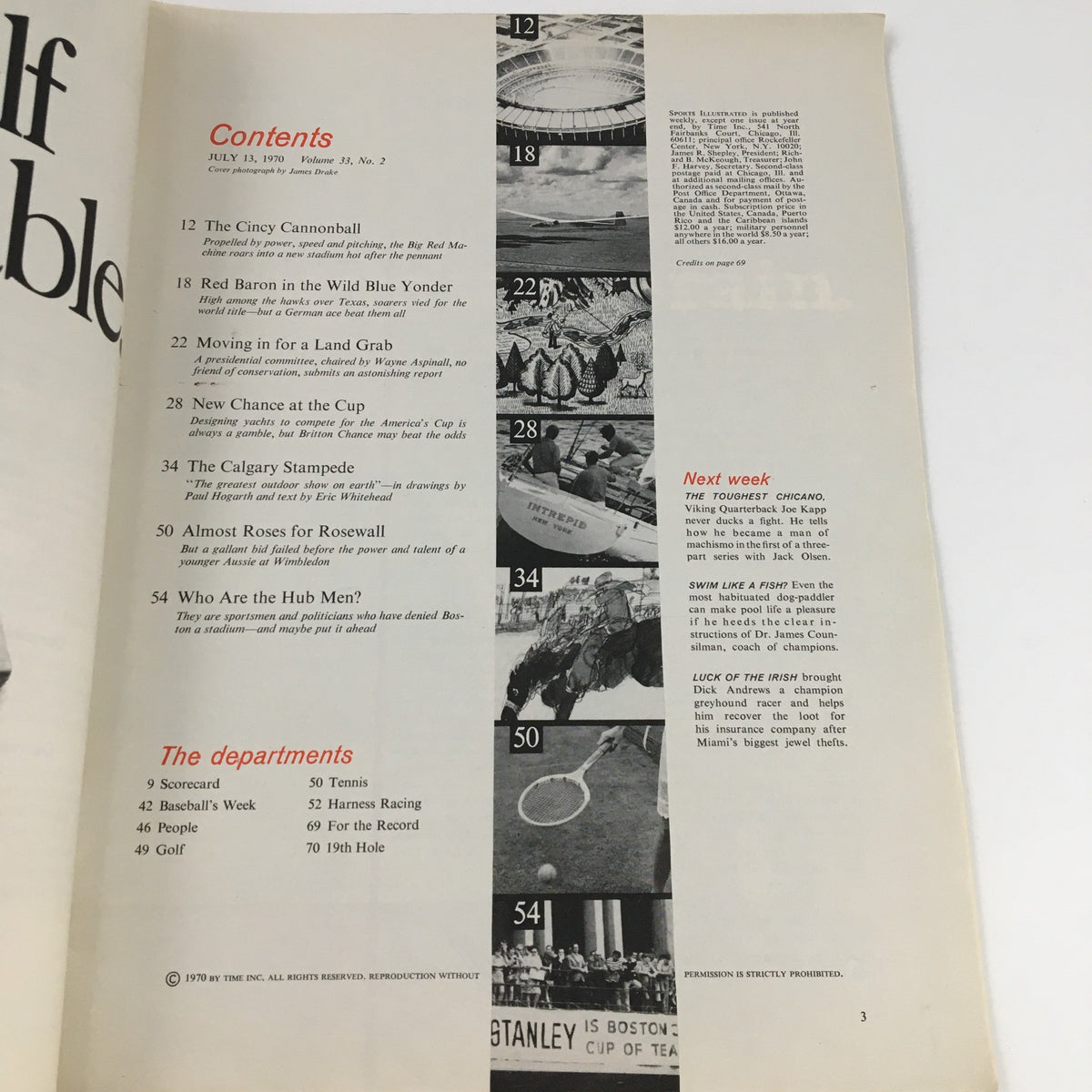
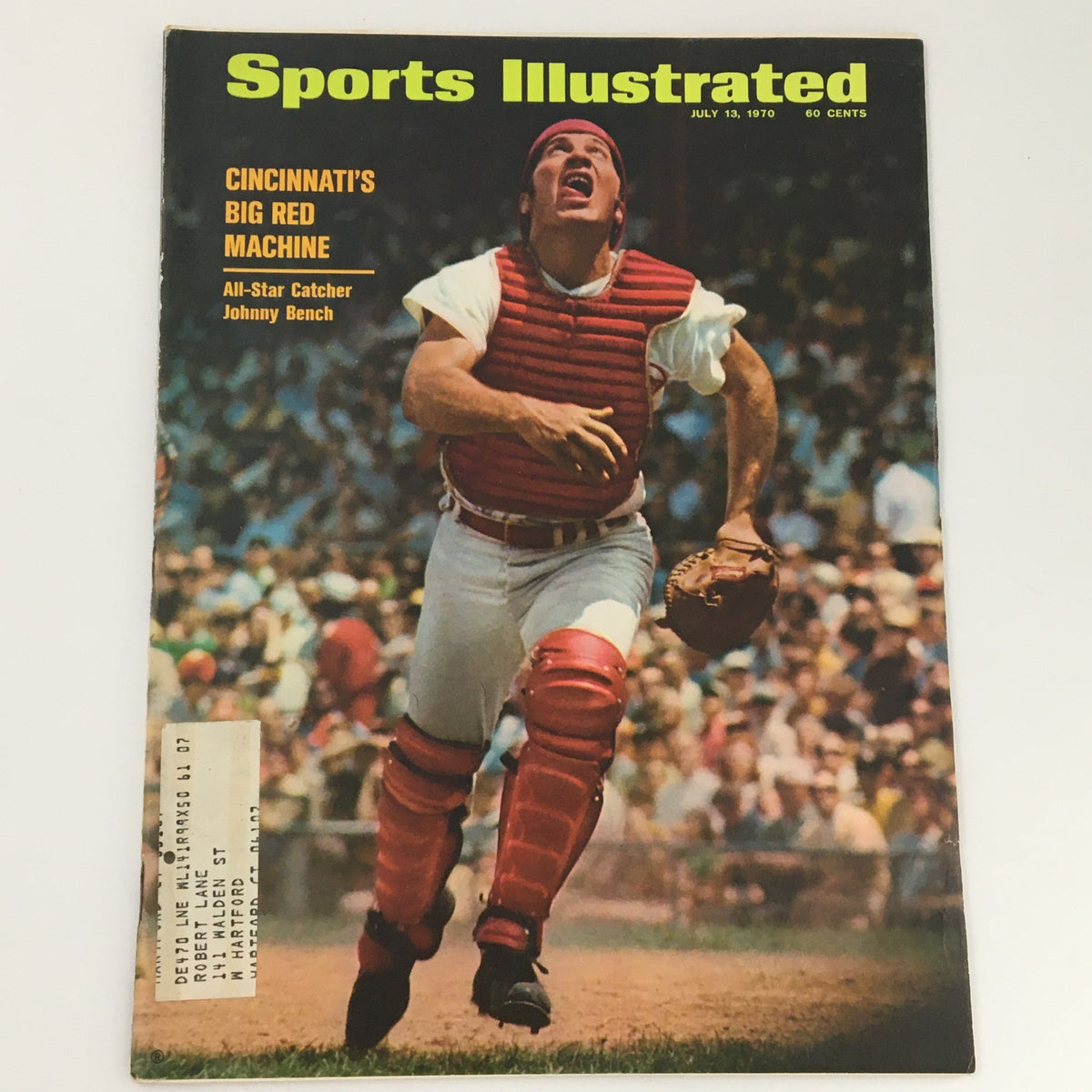
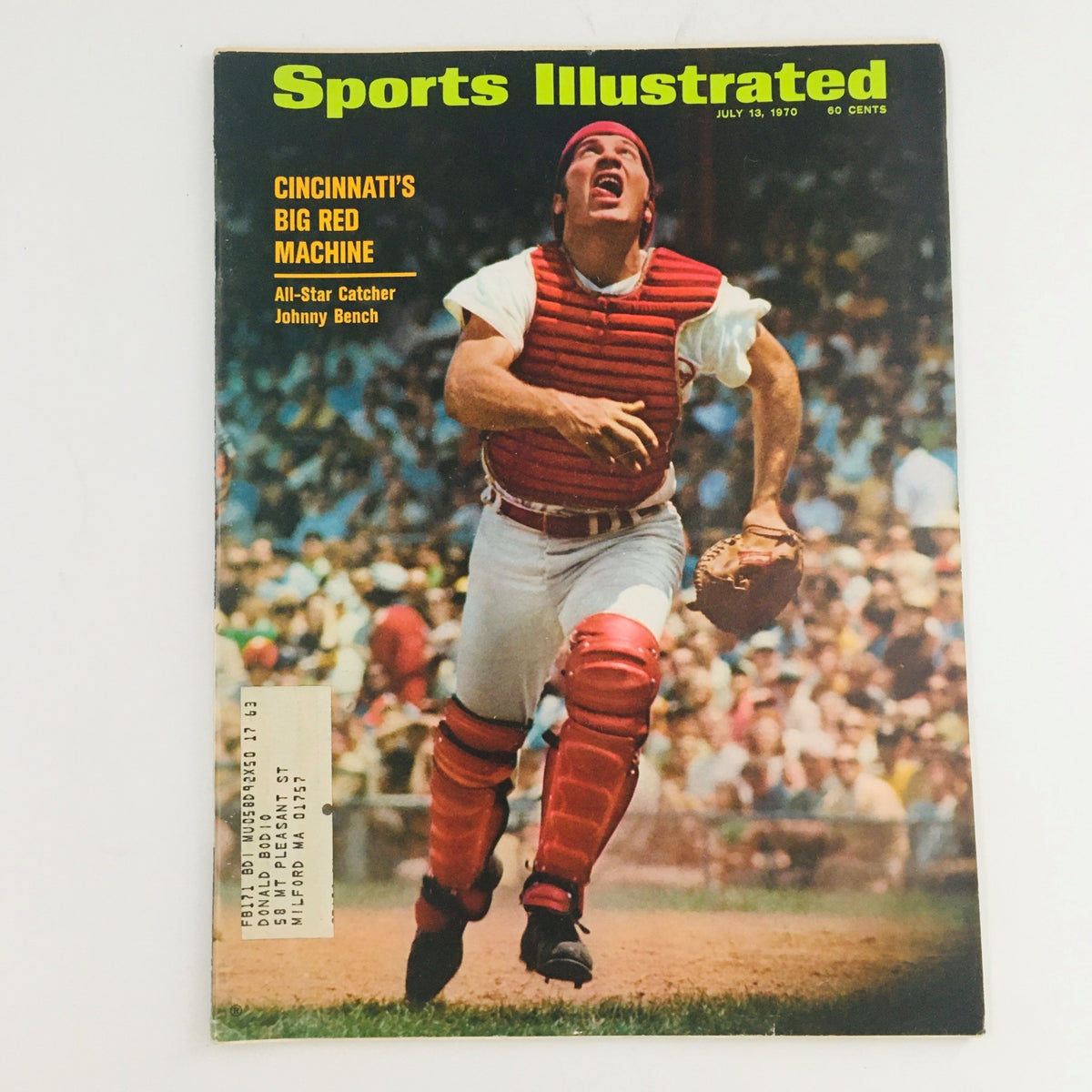
In an age before highlight reels and instant replays flooded every screen, America fell in love with Johnny Bench through the pages it held in its hands. Rising from Binger, Oklahoma, the son of a semi-pro catcher who caught with one hand simply because he lacked a proper glove, Bench would redefine what it meant to play the most demanding position in baseball. As the cornerstone of Cincinnati's famed "Big Red Machine" throughout the 1970s, he didn't merely dominate his sport — he elevated it. Two National League MVP awards, ten consecutive Gold Gloves, and two World Series championships etched his name into the permanent record of American sport. But beyond the statistics, Bench represented something the country hungered for in a turbulent decade: a quiet, unshakeable excellence. Fans who never set foot in Riverfront Stadium felt they knew him intimately because they had read about him — over breakfast, on long train rides, in barbershop waiting rooms — through the vivid, unhurried storytelling that only print journalism could deliver.
Inside the Archive
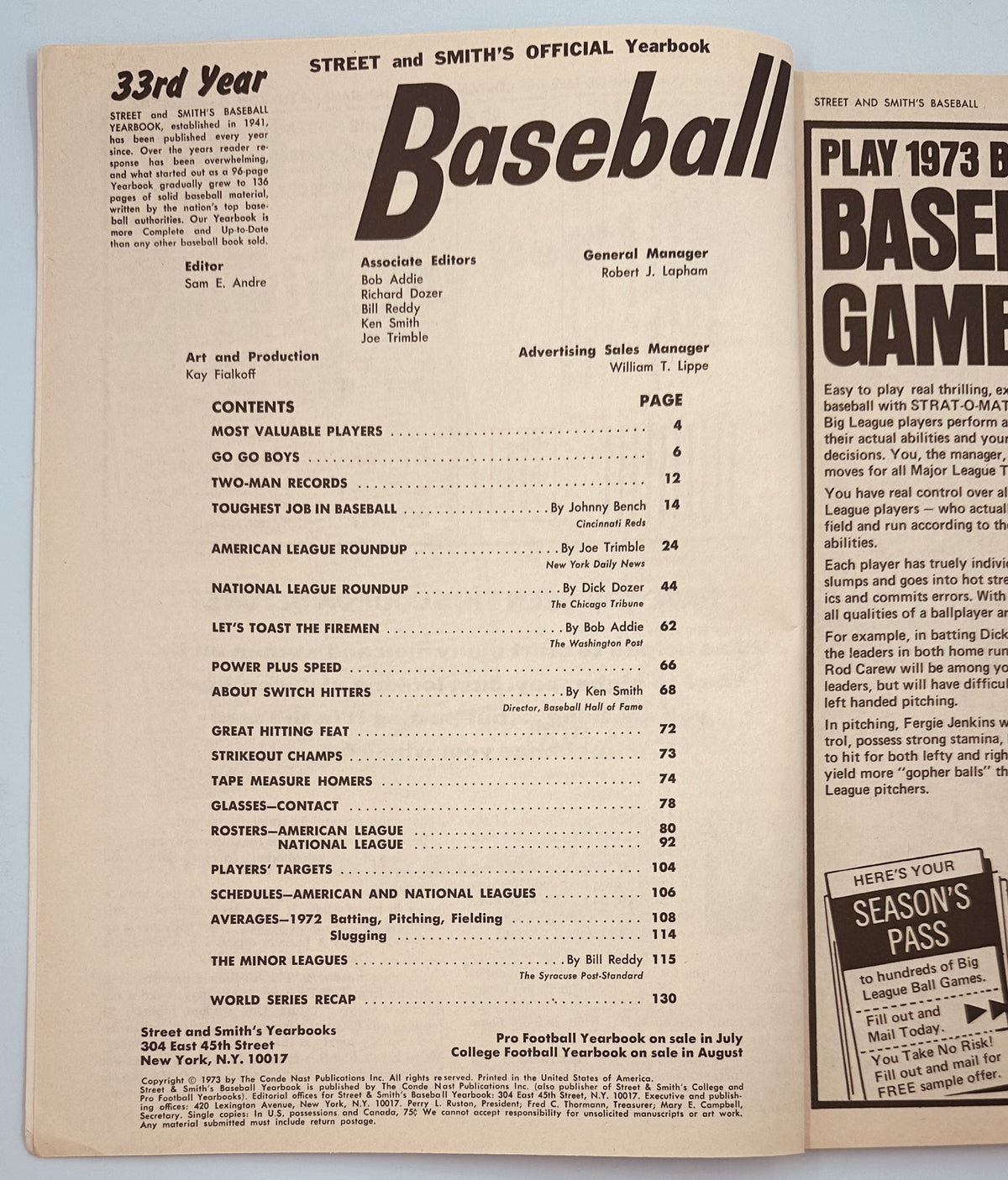
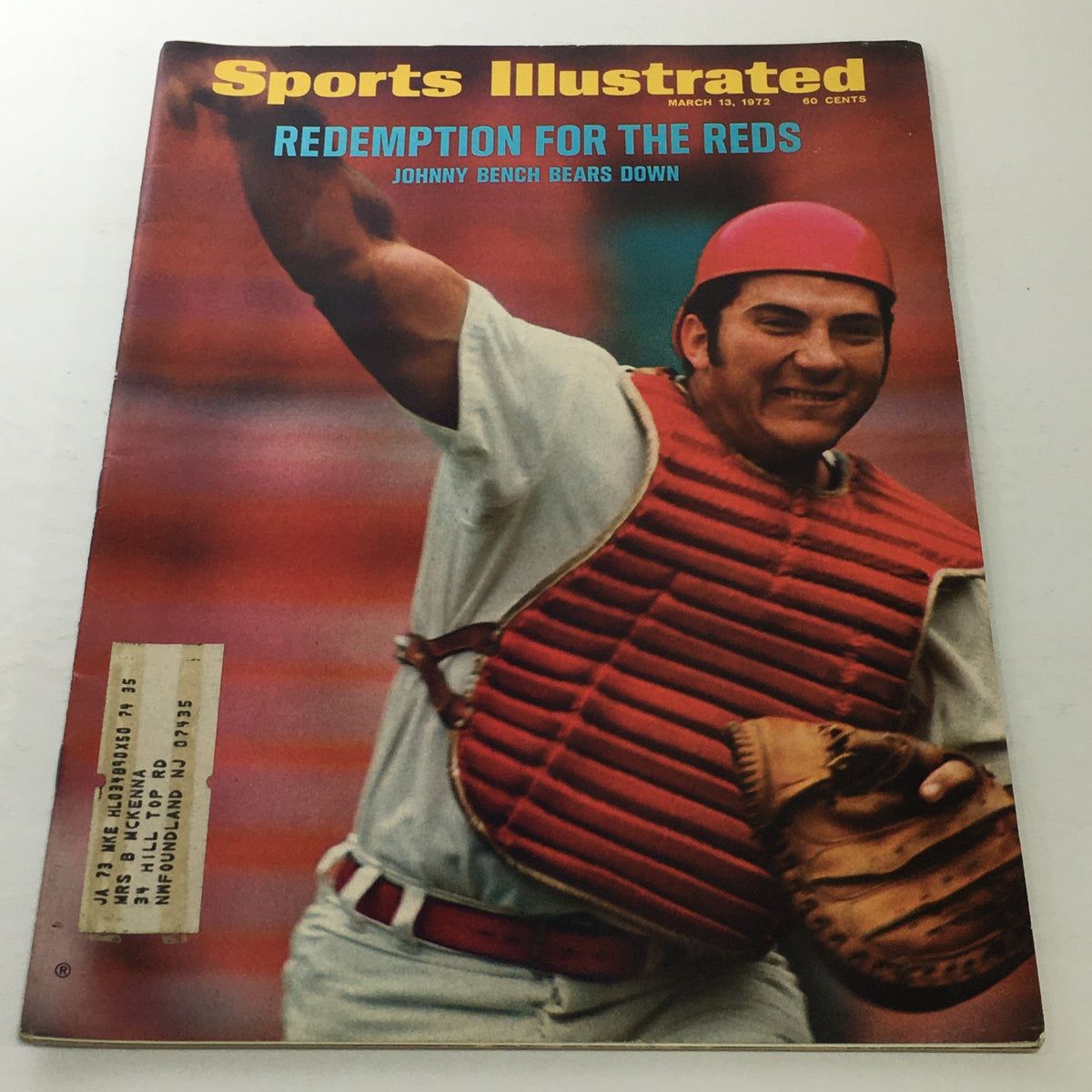
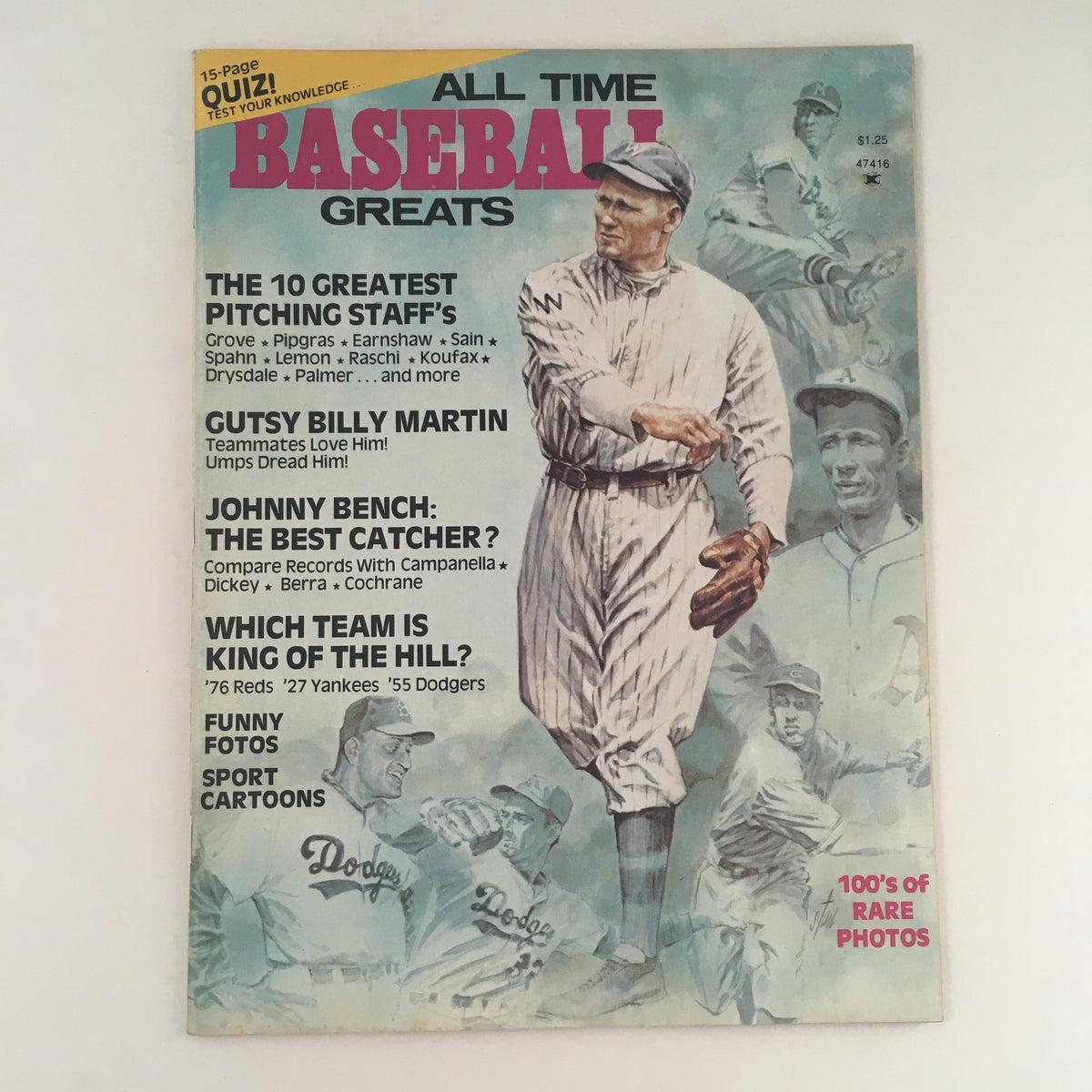
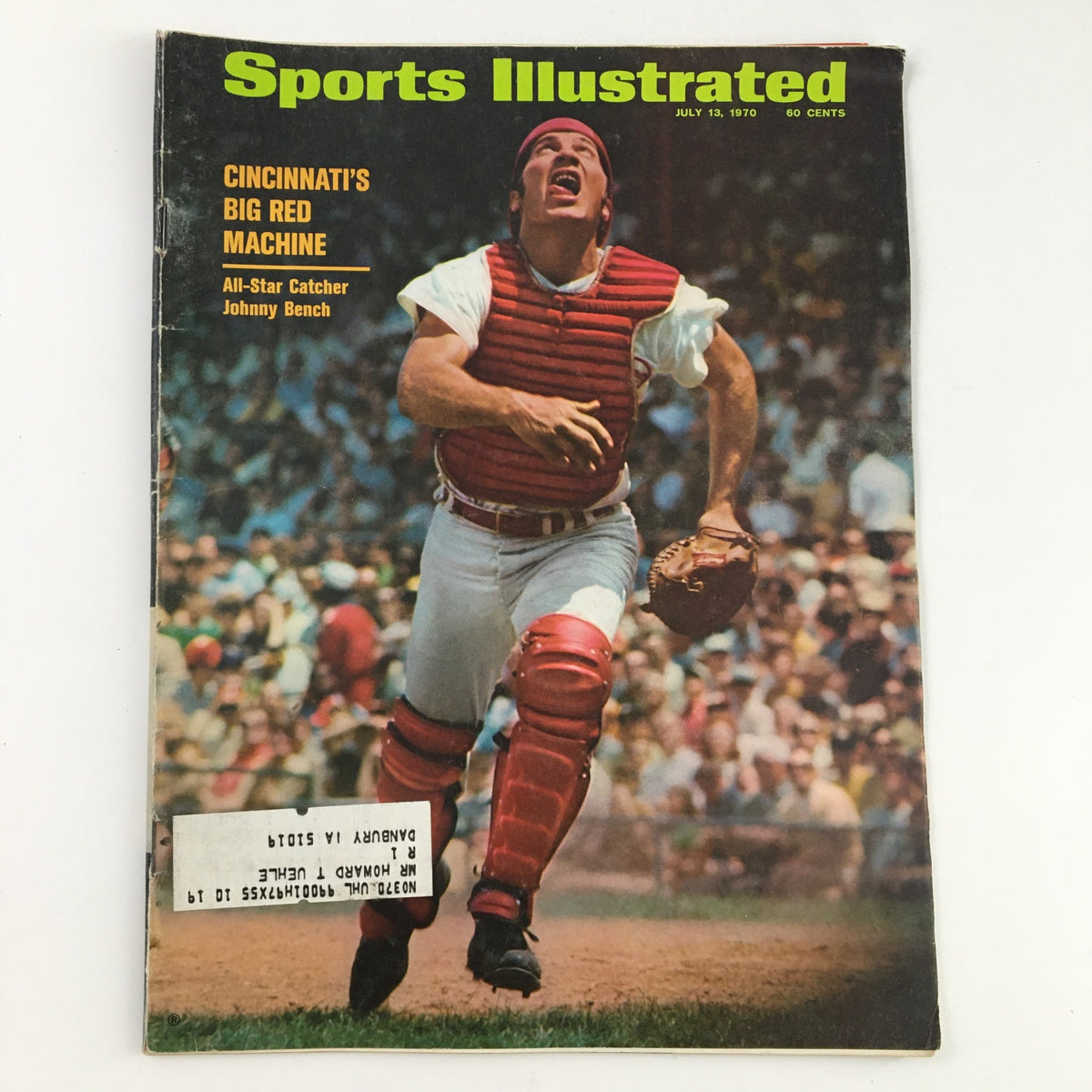
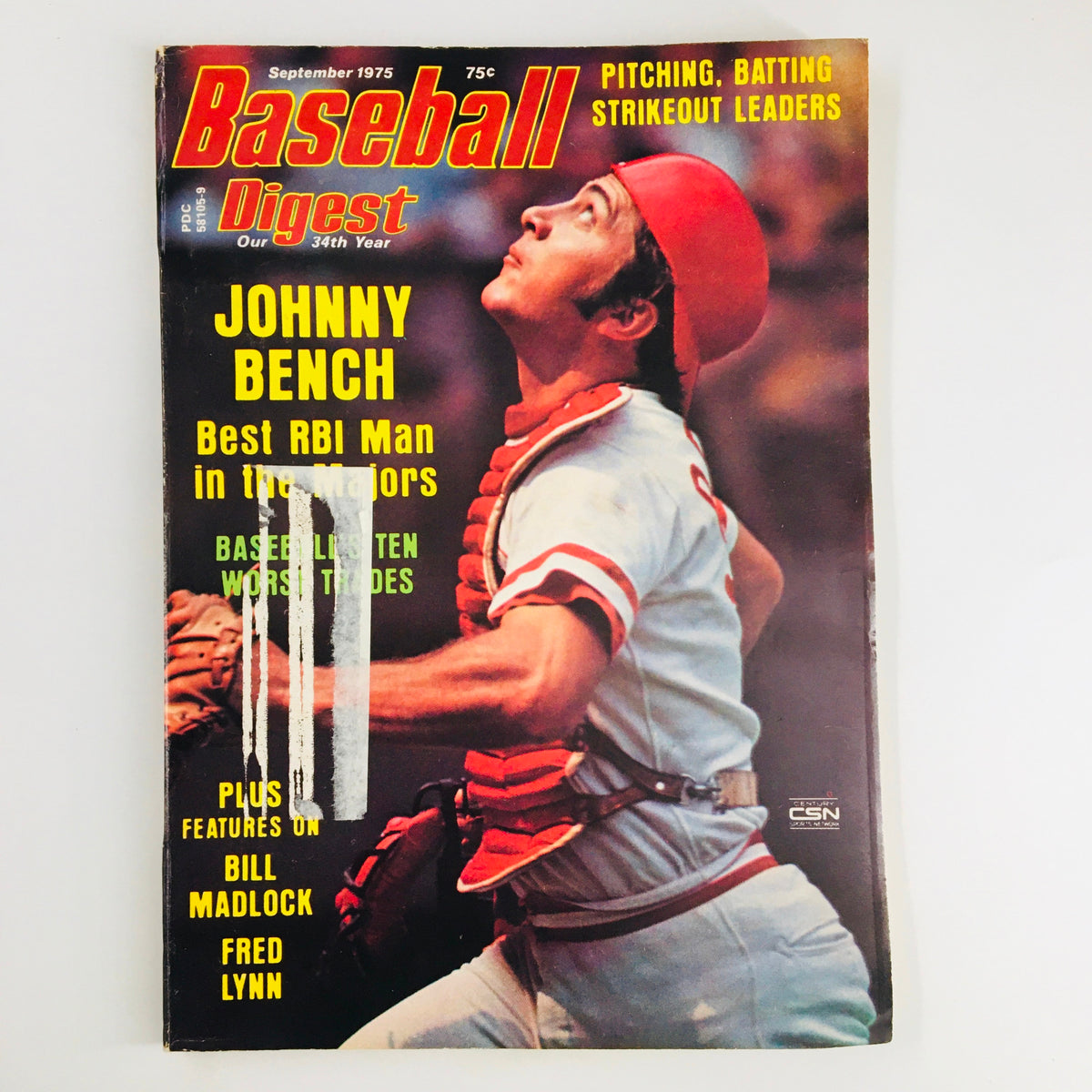
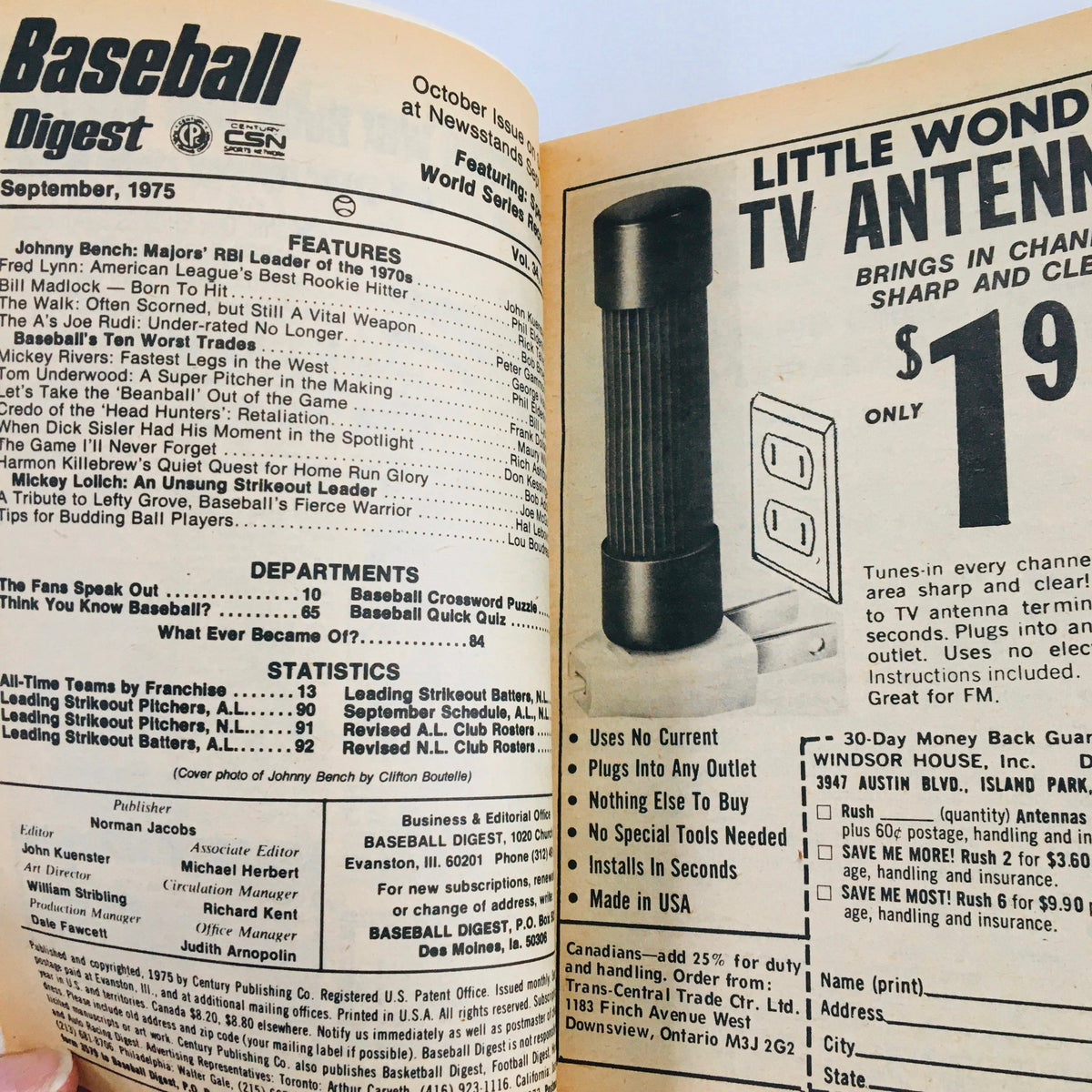
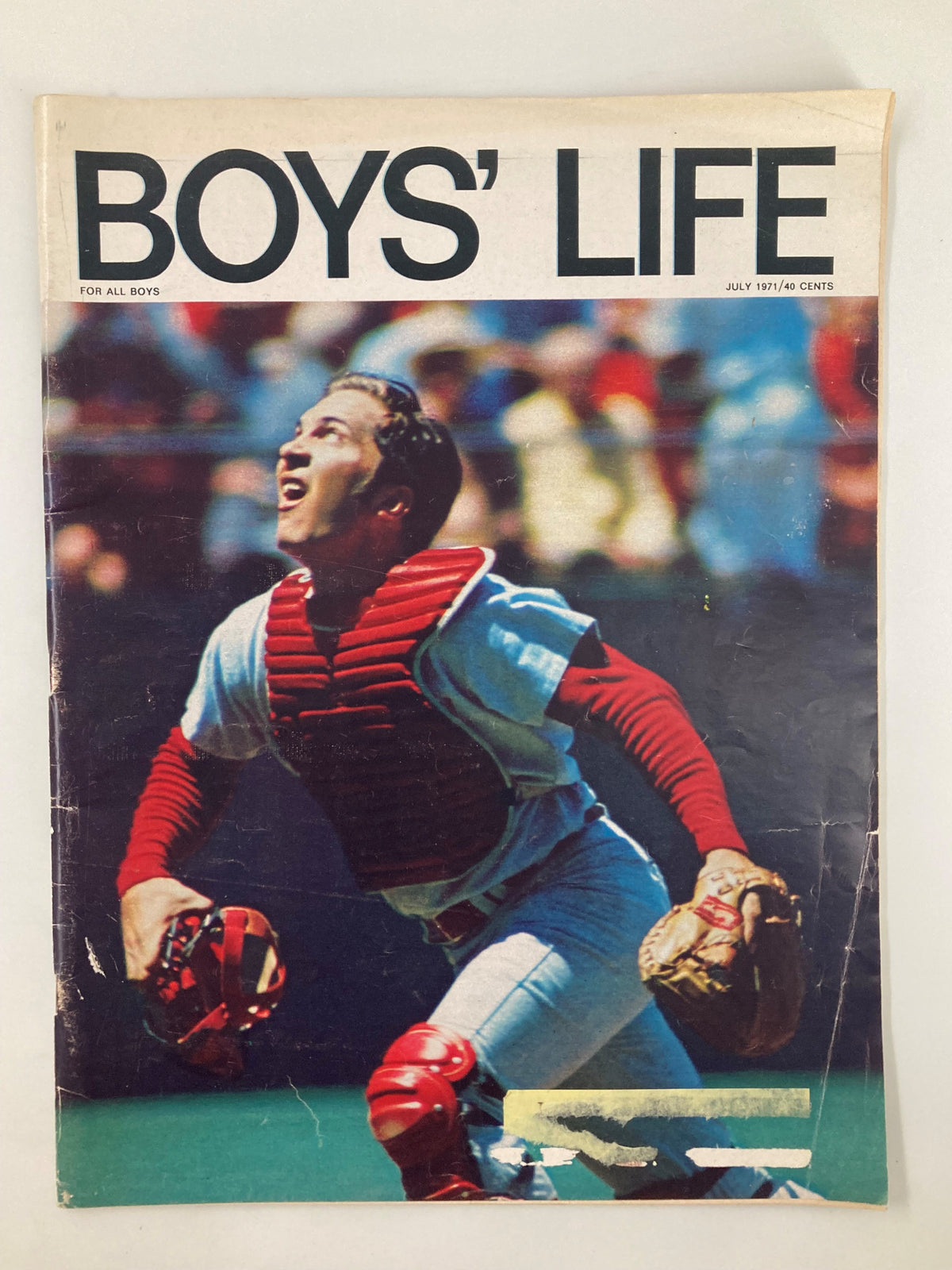
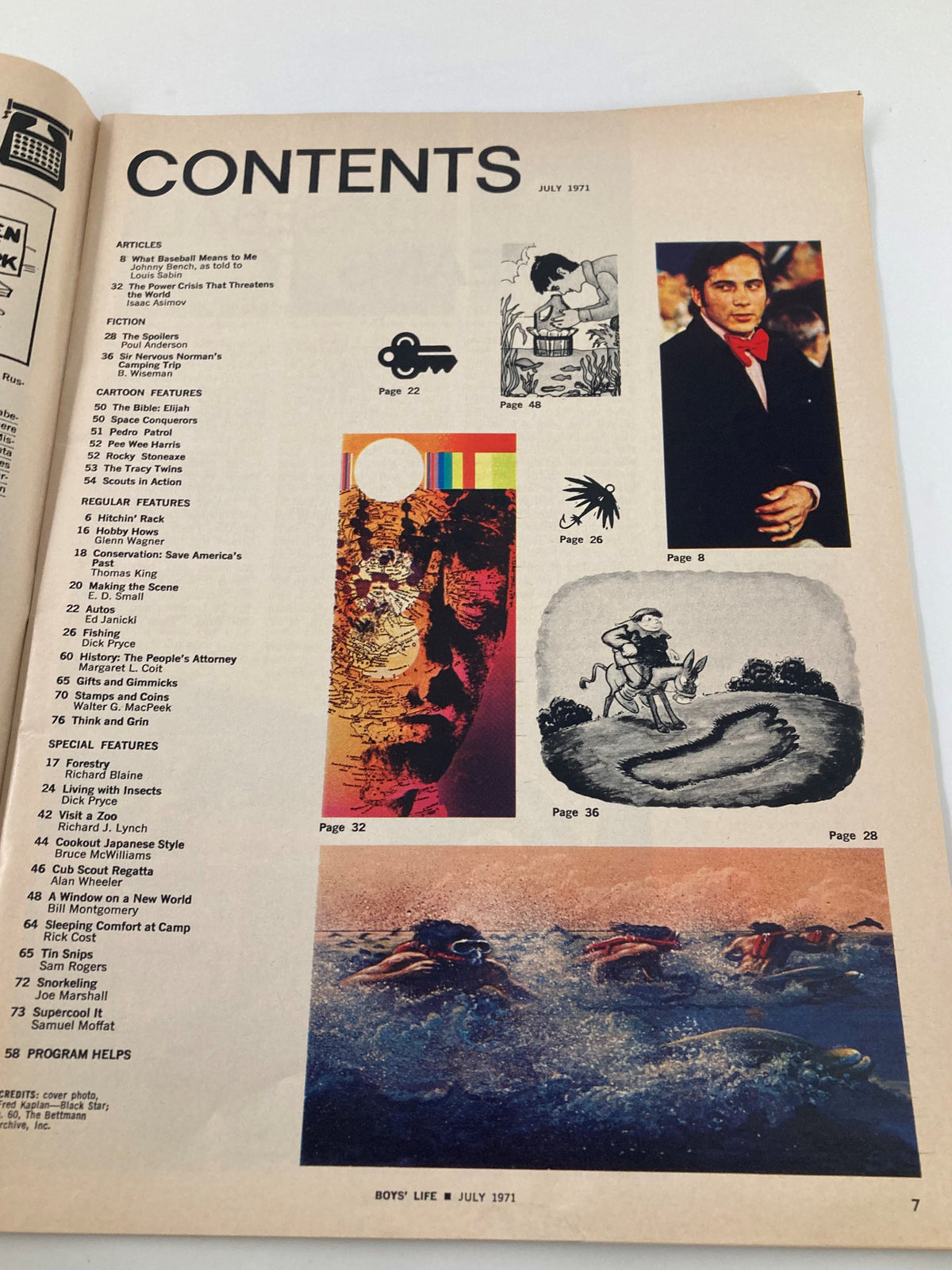
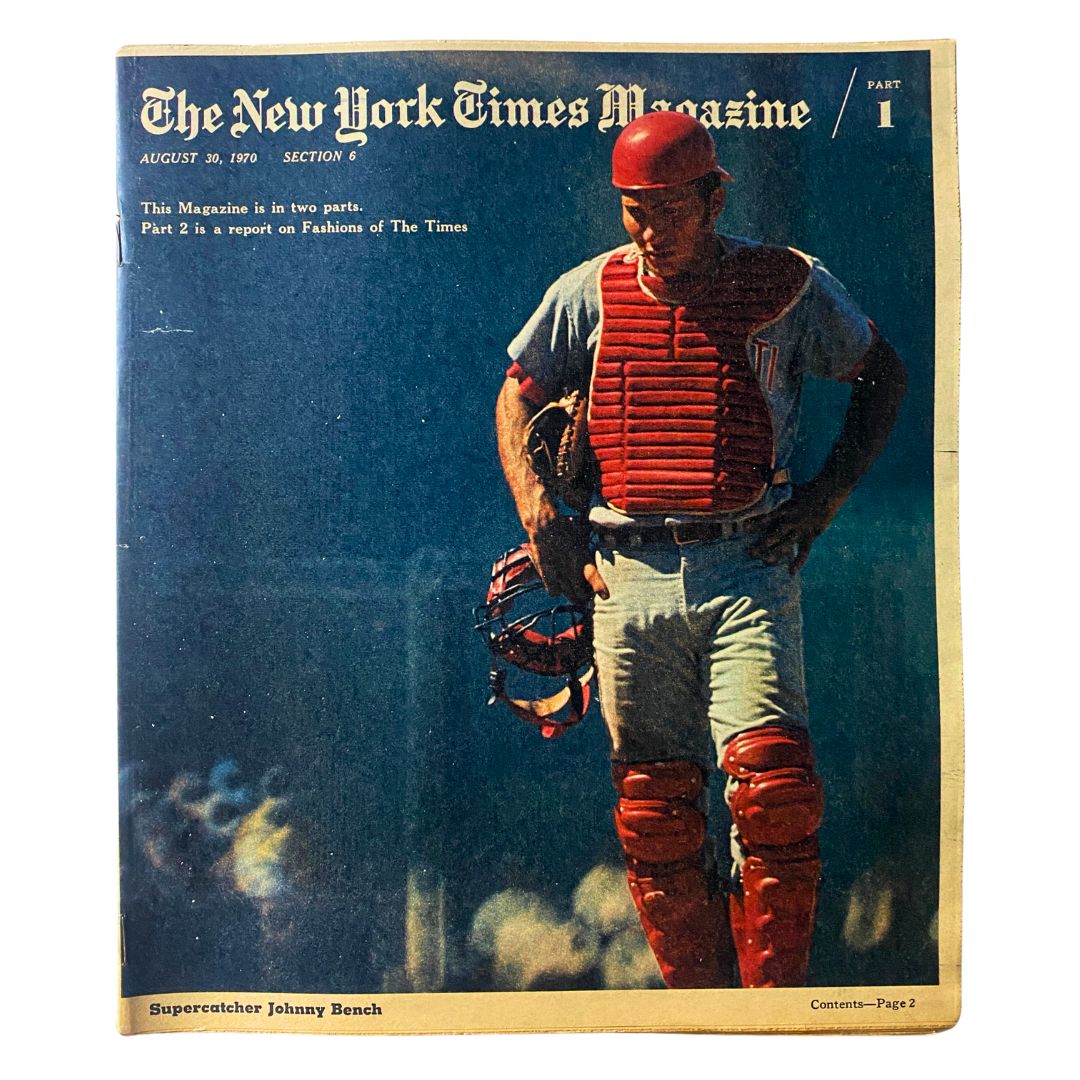
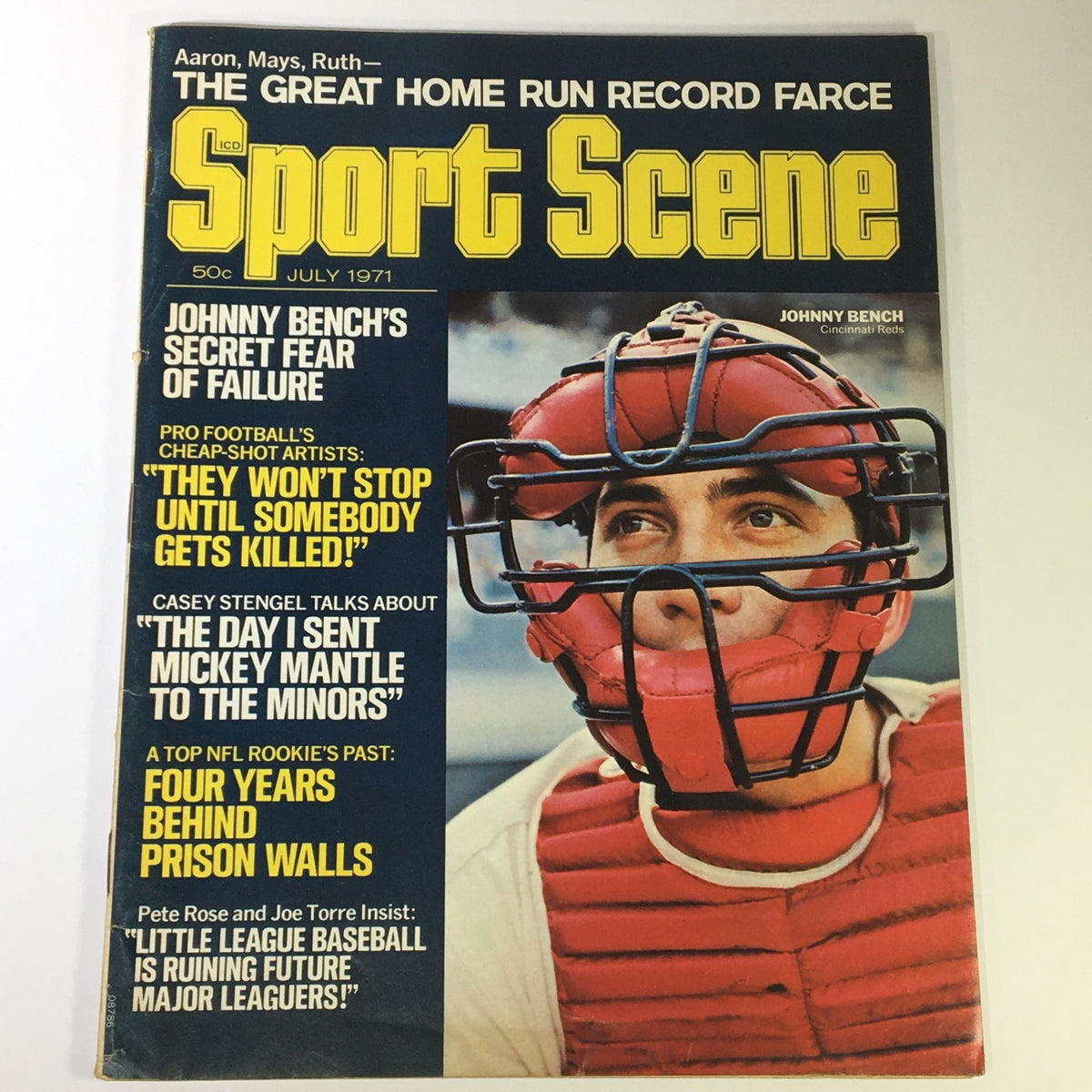
Vintage magazines of the late 1960s through the 1980s treated Johnny Bench with the reverence ordinarily reserved for folk heroes. Sports Illustrated, which made him one of its most frequently featured athletes during the Big Red Machine years, ran full-bleed action photography that captured the almost architectural power of his throwing stance — the ball released mid-air like a launched projectile, the catcher's mask pushed high on his brow. The Sporting News, the self-proclaimed "Bible of Baseball," offered longer, more analytical profiles that debated his place in history while his career was still unfolding, a rarity granted only to the transcendent few. Beyond purely sports-focused outlets, Time magazine recognized that Bench's story was bigger than baseball — it was a narrative about American work ethic, small-town grit, and the intoxicating machinery of a dynasty — and covered him accordingly as a cultural figure of the era. The photography of that period carried a warm, analog grain wholly absent from today's digital imagery, and the editorial tone was unhurried, deeply reported, and written with the confidence that readers would stay with a story to the very end.
Curator's Checklist: Highlights Often Include
- Dynasty Coverage: Feature spreads and game recaps documenting the Cincinnati Reds' back-to-back World Series championships in 1975 and 1976, with Bench frequently centered as the club's emotional and tactical anchor
- Award Season Profiles: In-depth editorial features marking his National League MVP seasons (1970 and 1972), often accompanied by portrait photography styled to convey athletic gravitas rather than mere athletic accomplishment
- Position Revolution: Articles examining how his one-handed catching technique and unprecedented arm strength were actively changing how the catcher position was coached and taught at every level of the game
- All-Star & Record Milestones: Coverage of his fourteen All-Star Game selections and retrospective pieces written as he approached and ultimately surpassed major career catching records
- Post-Career & Hall of Fame Induction: Reflective long-form journalism from 1989 onward celebrating his first-ballot enshrinement in Cooperstown, a moment that invited writers to render a full verdict on one of sport's great careers
The Collector's Value
To hold a vintage magazine featuring Johnny Bench is to hold a primary document of American sporting history — printed on the heavy, slightly rough paper stock of a bygone press era, its ink carrying that unmistakable dry, faintly mineral scent that no digital archive can replicate or replace. The surrounding advertisements alone constitute a time capsule: automobile campaigns, cigarette endorsements, and leisure-wear spreads that reconstruct the precise cultural texture of a 1970s America that no longer exists. These are not reprints or commemorative editions — they are the original objects that sat on newsstands, were tucked under arms, and were read cover to cover by the very fans who witnessed his career in real time. For collectors of vintage baseball memorabilia, Cincinnati Reds history, or 1970s American sports culture, these publications offer an irreplaceable intimacy with the era that no trophy, card, or replica can quite achieve — the sense that you are reading the first draft of a legend's history, written before anyone knew for certain how large that legend would grow. Browse the current available inventory below and discover which pieces of that story are waiting to come home with you.