📖 About this Collection
Johnny Depp: The Chameleon Behind the Camera's Lens
The Legend & The Legacy
Few figures in late twentieth-century popular culture provoked the imagination quite like the man from Owensboro, Kentucky who remade himself, again and again, into something the world had never seen before. Rising from the teen-idol machinery of television in the late 1980s, he spent the following decades methodically dismantling every expectation placed upon him — trading franchise stardom for eccentric character work, red carpets for reclusive artistry. Before social media collapsed the distance between celebrity and audience, his mystique was constructed entirely through the careful mediation of print: studio profiles, candid shoots, and the considered long-form journalism of magazines that had the luxury of time, nuance, and beautifully reproduced photography. Readers encountered him in ink and paper — brooding in black-and-white, or sun-drenched and disheveled in colour — long before anyone had a pocket screen to scroll through. The magazines of his era didn't merely report on him; they constructed him, frame by deliberate frame.
Inside the Archive
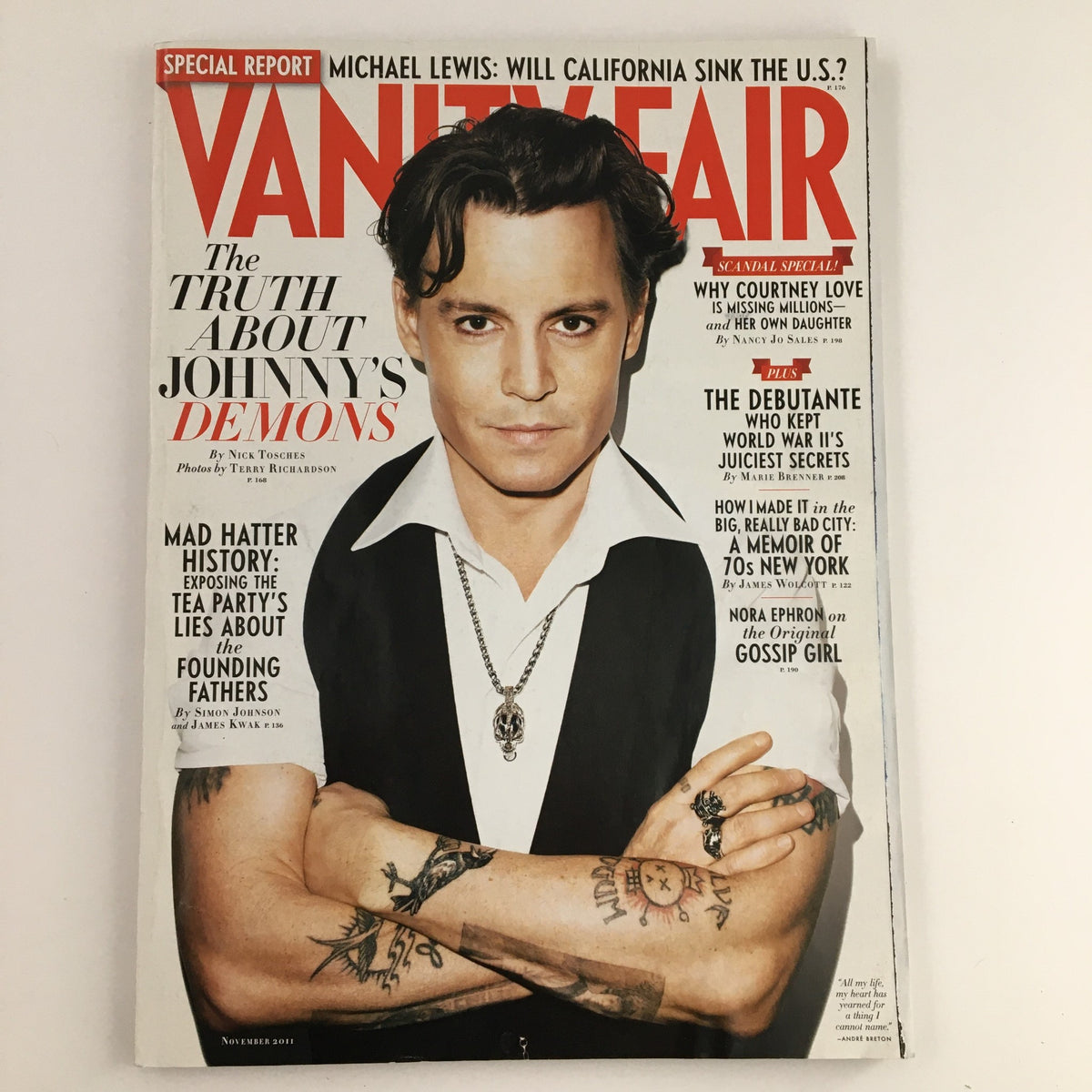
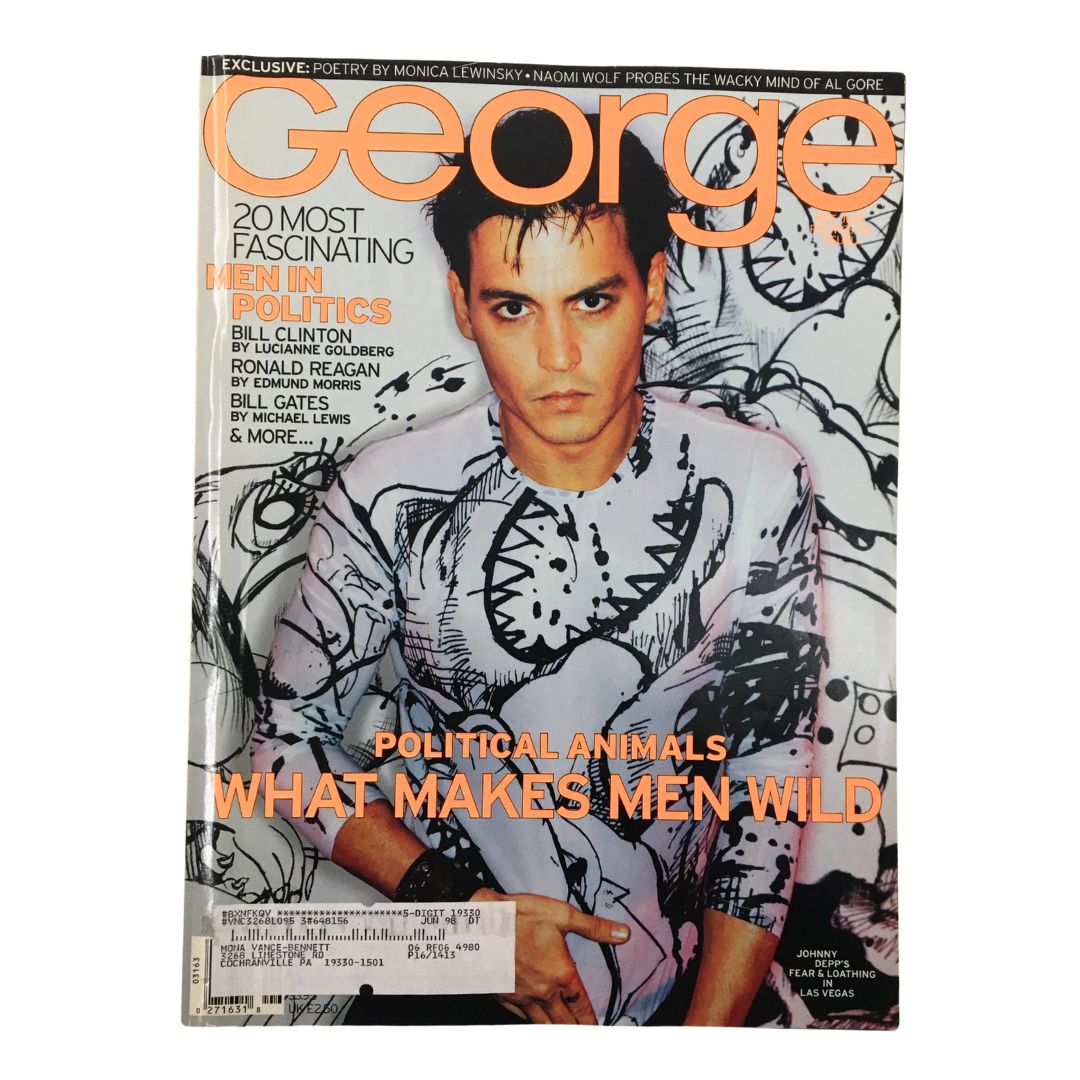
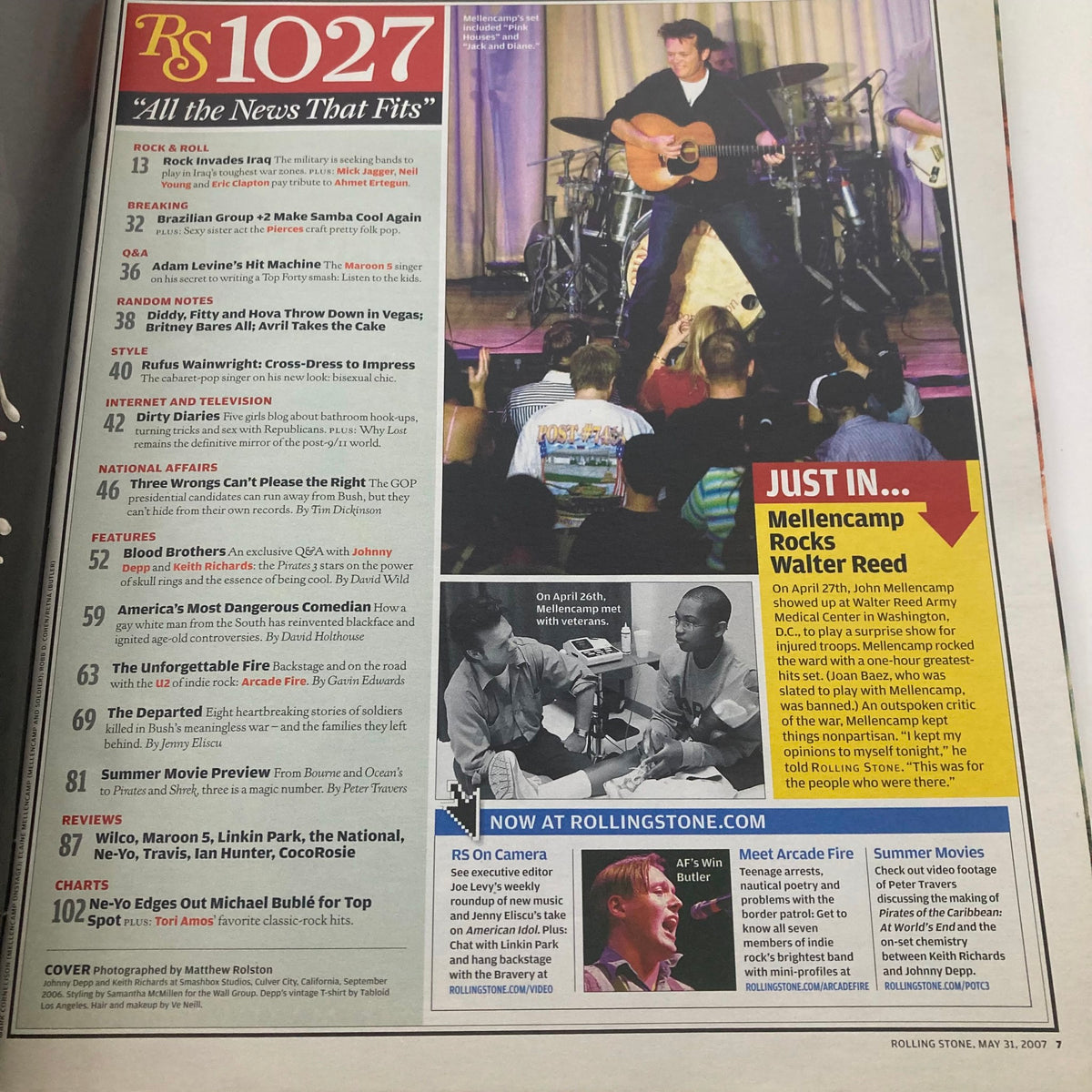
Throughout the 1990s and into the 2000s, the glossy pages of the era's most influential publications were drawn repeatedly to this particular face — angular, inscrutable, and somehow always slightly apart from whatever world surrounded it. Rolling Stone gave him sprawling, intimate profiles that blurred the line between interview and literary portrait, their photographers often placing him in shadow or half-light, as though the full picture were always being withheld. Vanity Fair approached him as a cultural artefact, contextualising the actor within the broader convulsions of Hollywood iconography, their fashion-forward layouts lending his image an almost painterly gravity. Internationally, Paris Match and publications across the European press treated him with the reverence usually reserved for auteurs and rock gods, recognising in him something the American mainstream was slower to fully articulate: that he was not merely a film star, but a genuine eccentric operating at the highest levels of a commercial art form. The editorial photography of this period is particularly prized — tactile, grain-rich images from an era before digital retouching smoothed everything into uniformity.
Curator's Checklist: Highlights Often Include
- Early breakthrough coverage — issues from the late 1980s and early 1990s documenting his transition from the 21 Jump Street phenomenon to serious dramatic contender, capturing a young actor actively resisting the teen-idol mould
- The Tim Burton era features — editorial spreads and profiles tied to Edward Scissorhands, Ed Wood, and Sleepy Hollow, chronicling one of cinema's most celebrated actor-director collaborations and the gothic aesthetic that defined it
- International and European editions — French, Italian, and British publications from the mid-1990s onward, during which he lived abroad and was embraced by European culture as a counterculture hero and style icon
- The Pirates of the Caribbean moment — mainstream entertainment weeklies and prestige monthlies from 2003 onward documenting the unlikely transformation of a character actor into one of the highest-grossing stars in film history
- Profile journalism and long-form interviews — issues featuring extended conversations that explored his passions for literature, music, and painting, offering a more layered portrait than any single film role could provide
The Collector's Value
There is something irreplaceable about holding one of these issues in your hands — the slight give of the paper stock, heavier and more deliberately chosen than anything produced today; the faint, time-deepened scent of offset ink that no digital archive has ever successfully replicated; the surrounding advertisements for long-discontinued perfumes and automobiles that anchor the object so precisely in its historical moment. These are not reproductions or approximations. They are primary sources: the actual cultural record of how a generation understood and consumed one of its most fascinating performers, produced by editors and photographers who were themselves living inside the same era. For collectors of Hollywood memorabilia, students of 1990s independent cinema, or devoted admirers of the craft of celebrity portraiture, these publications offer an intimacy and authenticity that no streaming retrospective or fan archive can approach — the unmediated thrill of encountering the icon exactly as the world first did. Browse the current available inventory below and discover which pieces of this remarkable print legacy are waiting to find their next custodian.