📖 About this Collection
Johnny Unitas: The Arm That Rewrote the American Game
The Legend & The Legacy
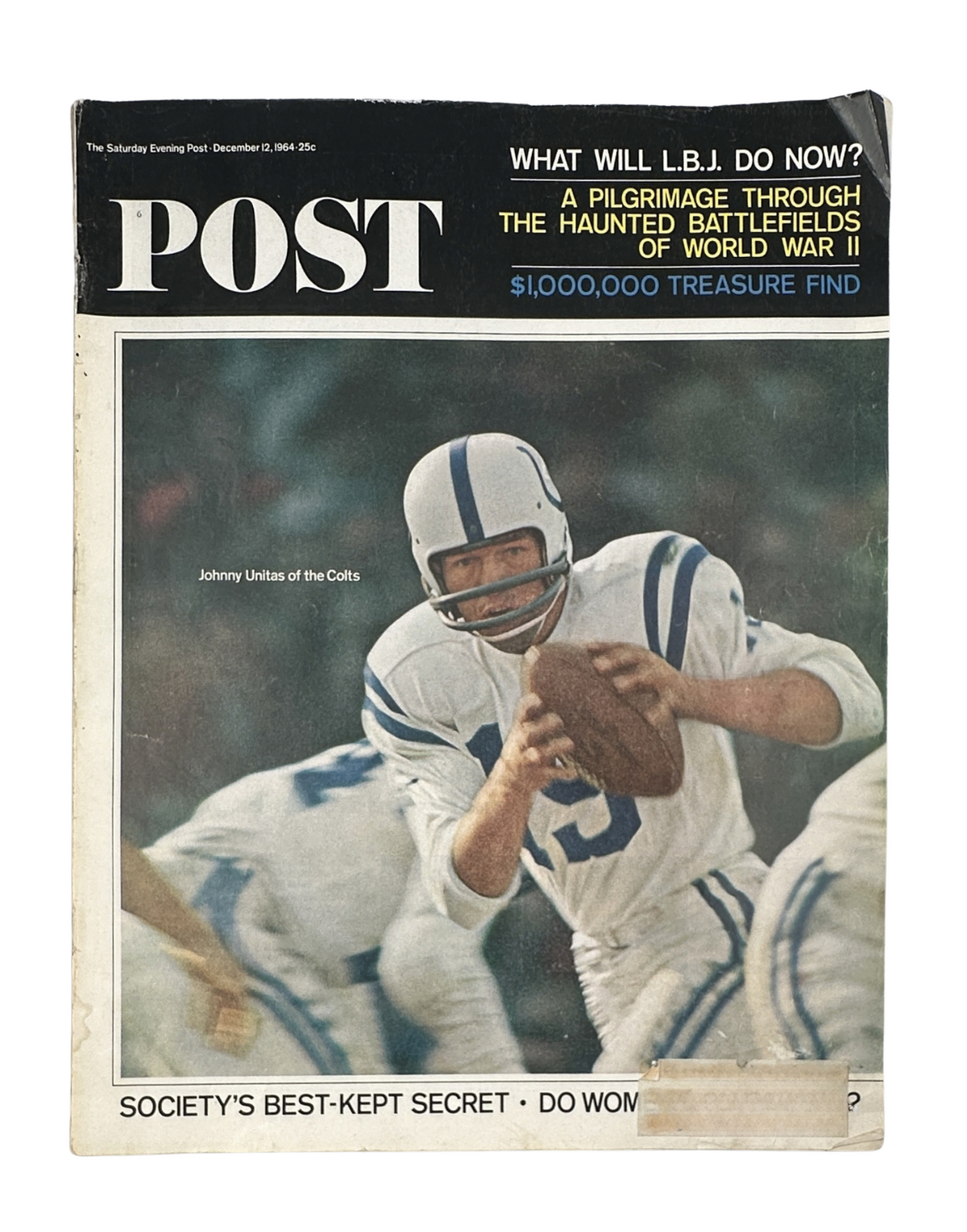
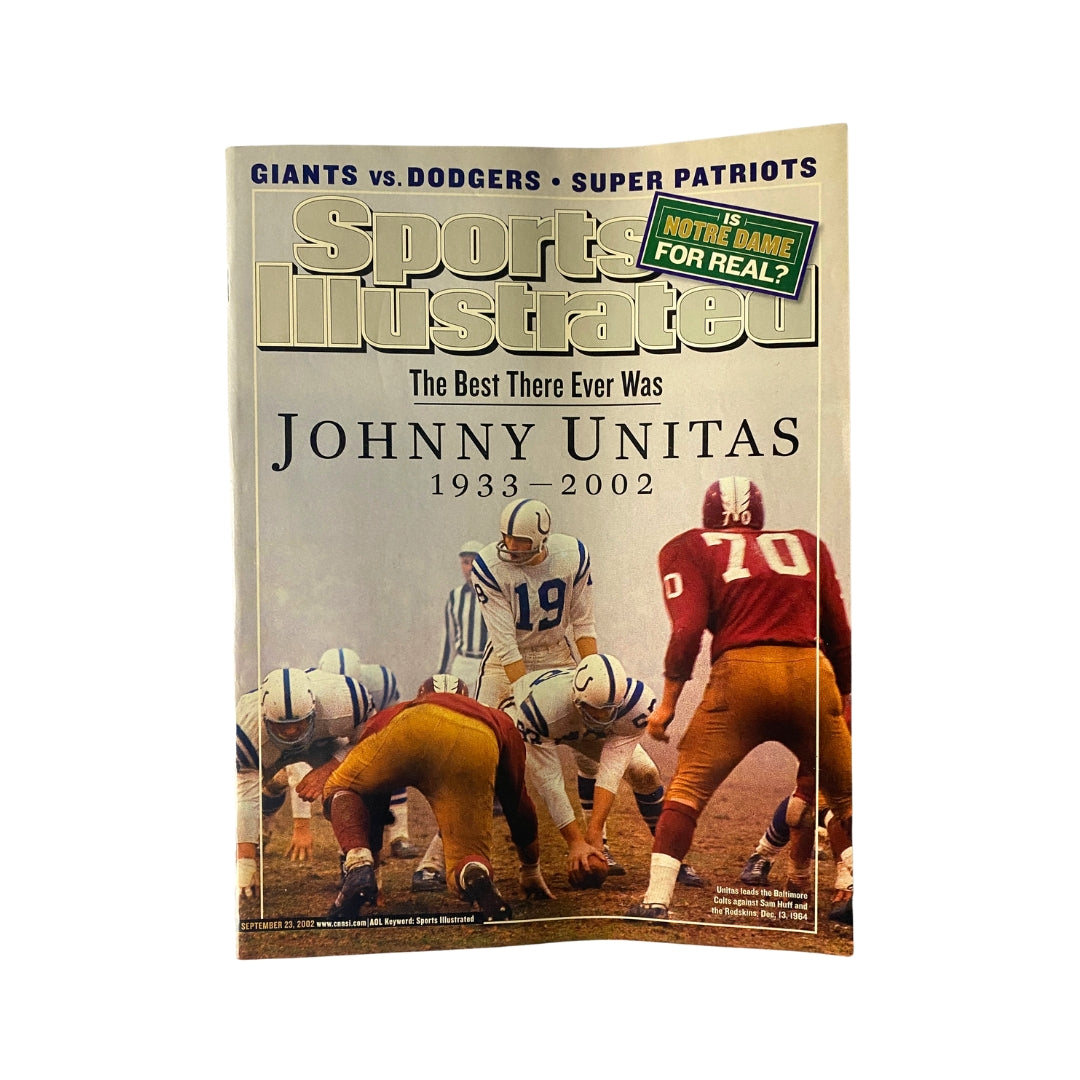
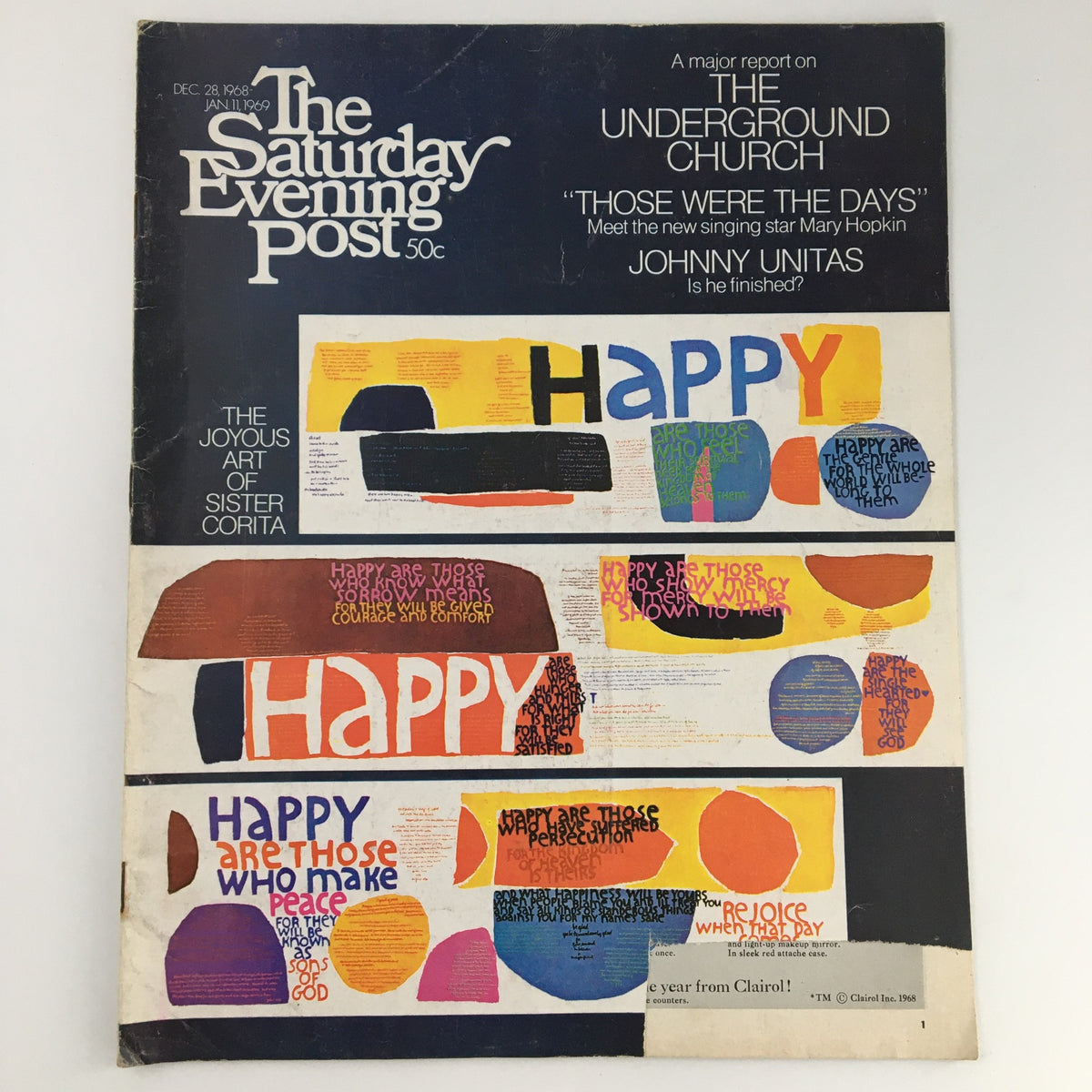
Before the scroll of a social media feed or the instant replay of a 24-hour sports network, the story of Johnny Unitas lived and breathed on the printed page — in the glossy spreads of national magazines, the black-and-white photography of Sunday supplements, and the ink-stained fingers of fans who devoured every word. Rising from a $6-a-game semi-pro quarterback who had been cut by the Pittsburgh Steelers, Unitas transformed himself into the definitive icon of professional football's golden age, leading the Baltimore Colts through a decade of dominance that permanently elevated the sport to national obsession. His performance in the 1958 NFL Championship — the so-called "Greatest Game Ever Played," a sudden-death overtime clash against the New York Giants broadcast live on NBC — was a watershed cultural moment, and print media was the primary vessel through which America processed its magnitude. For millions of fans who hadn't been inside Yankee Stadium that December afternoon, the magazine rack at their local drugstore was where the legend was confirmed, illustrated, and immortalized.
Inside the Archive
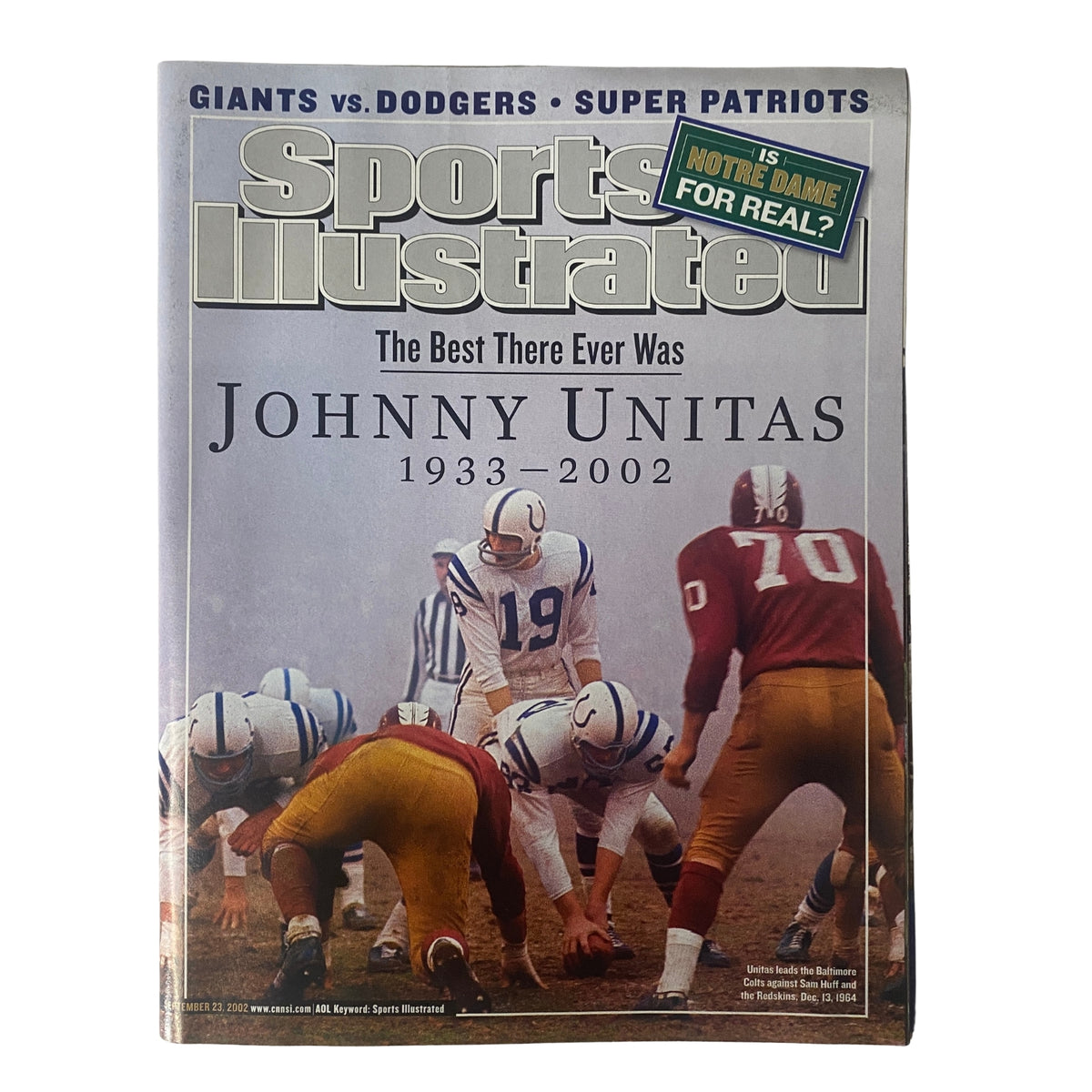
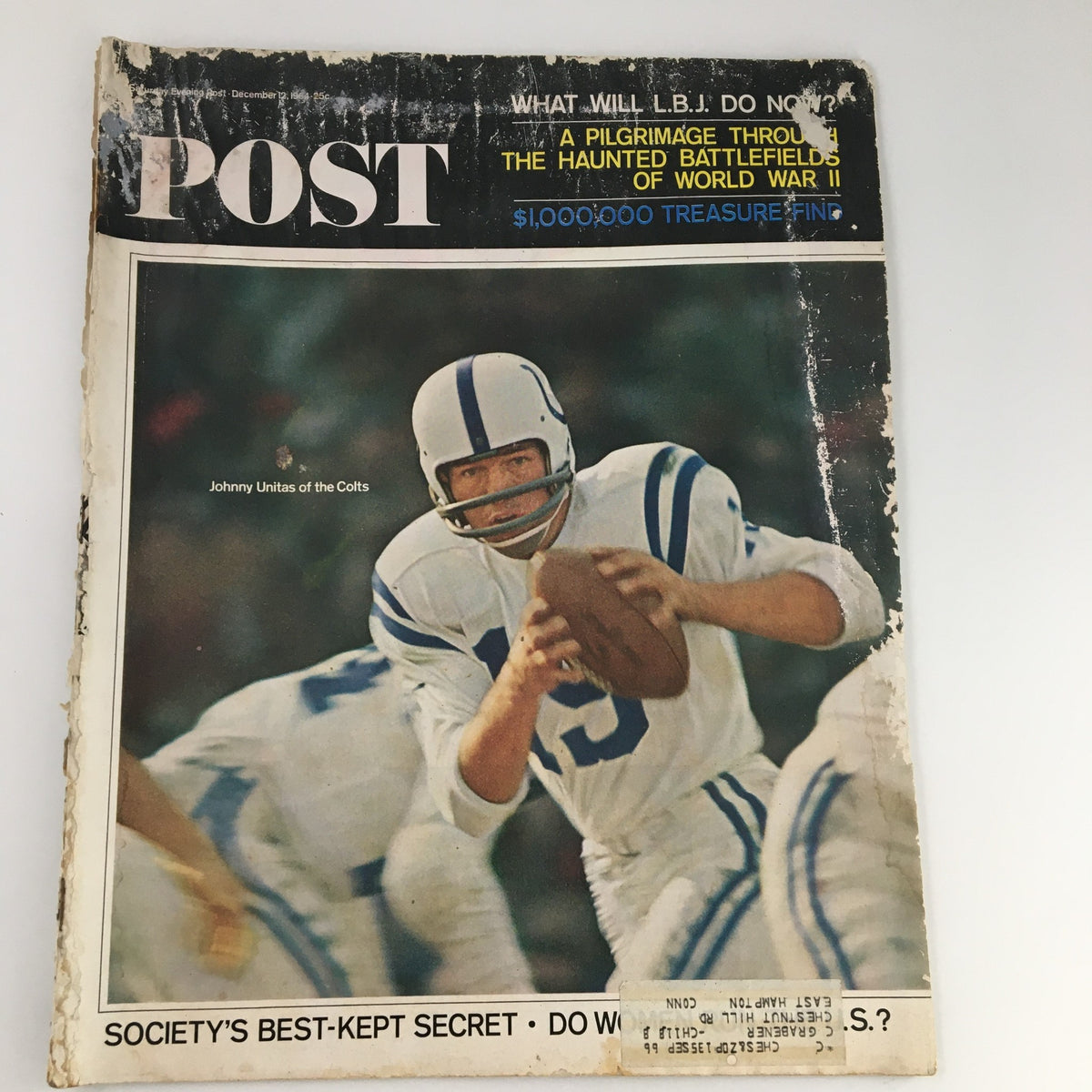
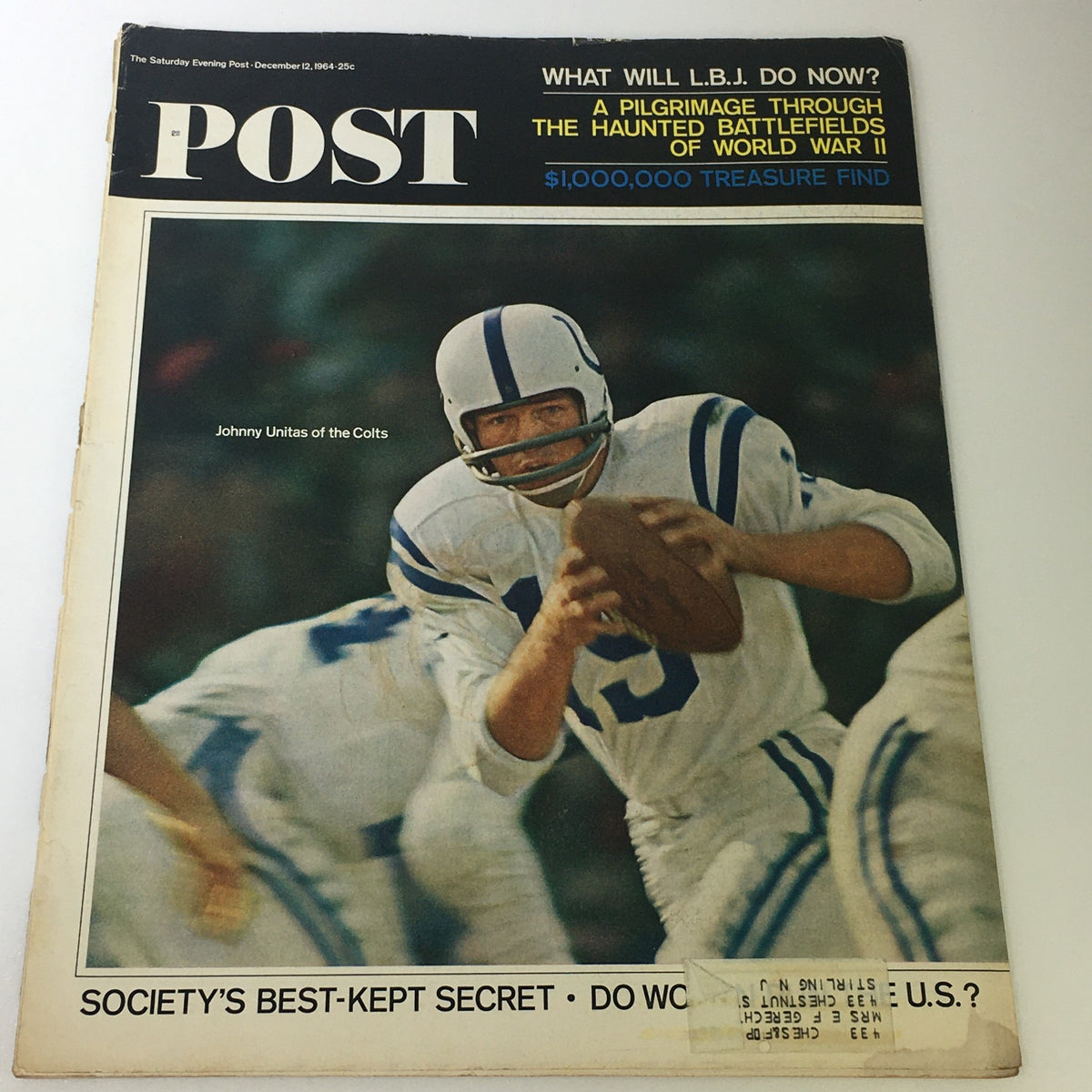
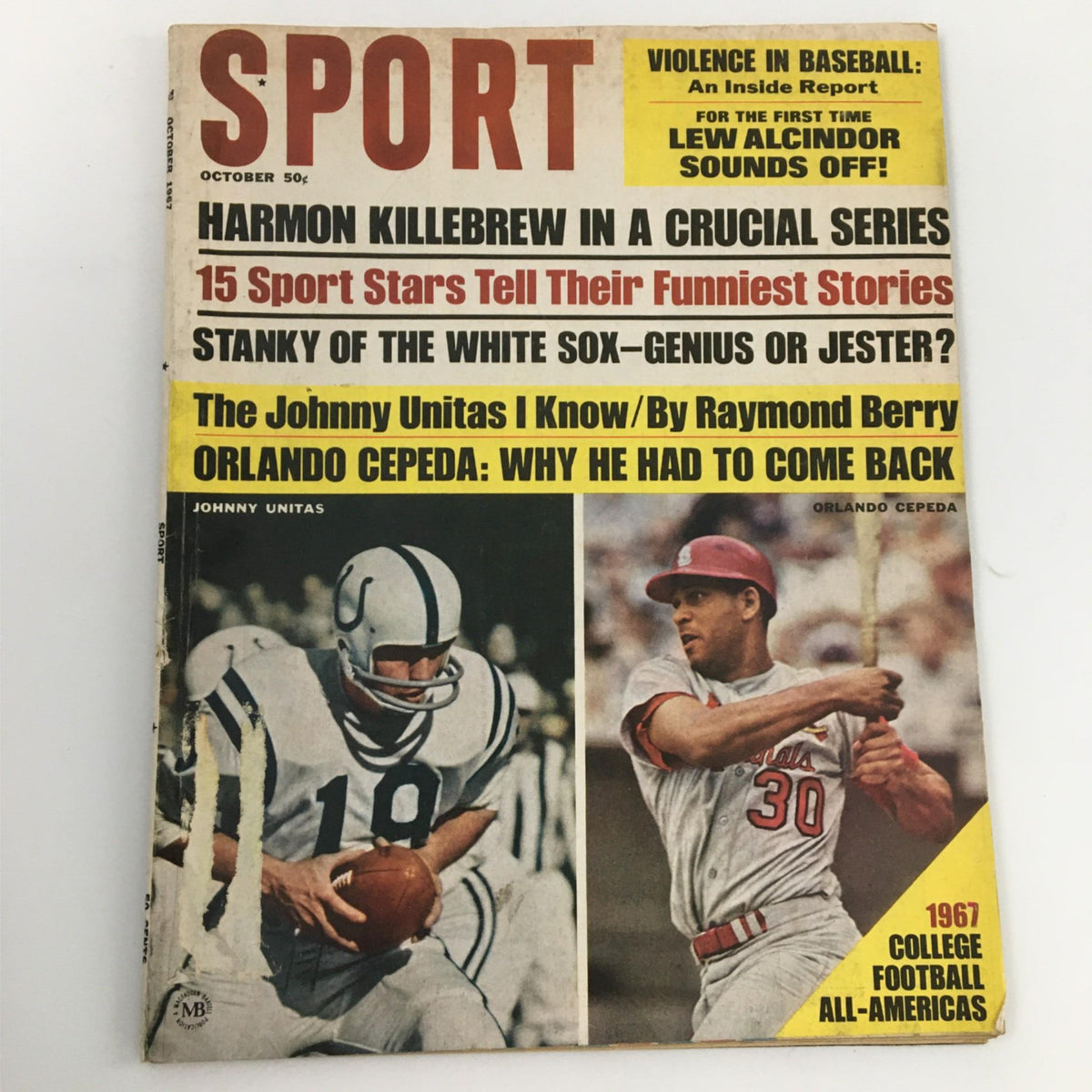
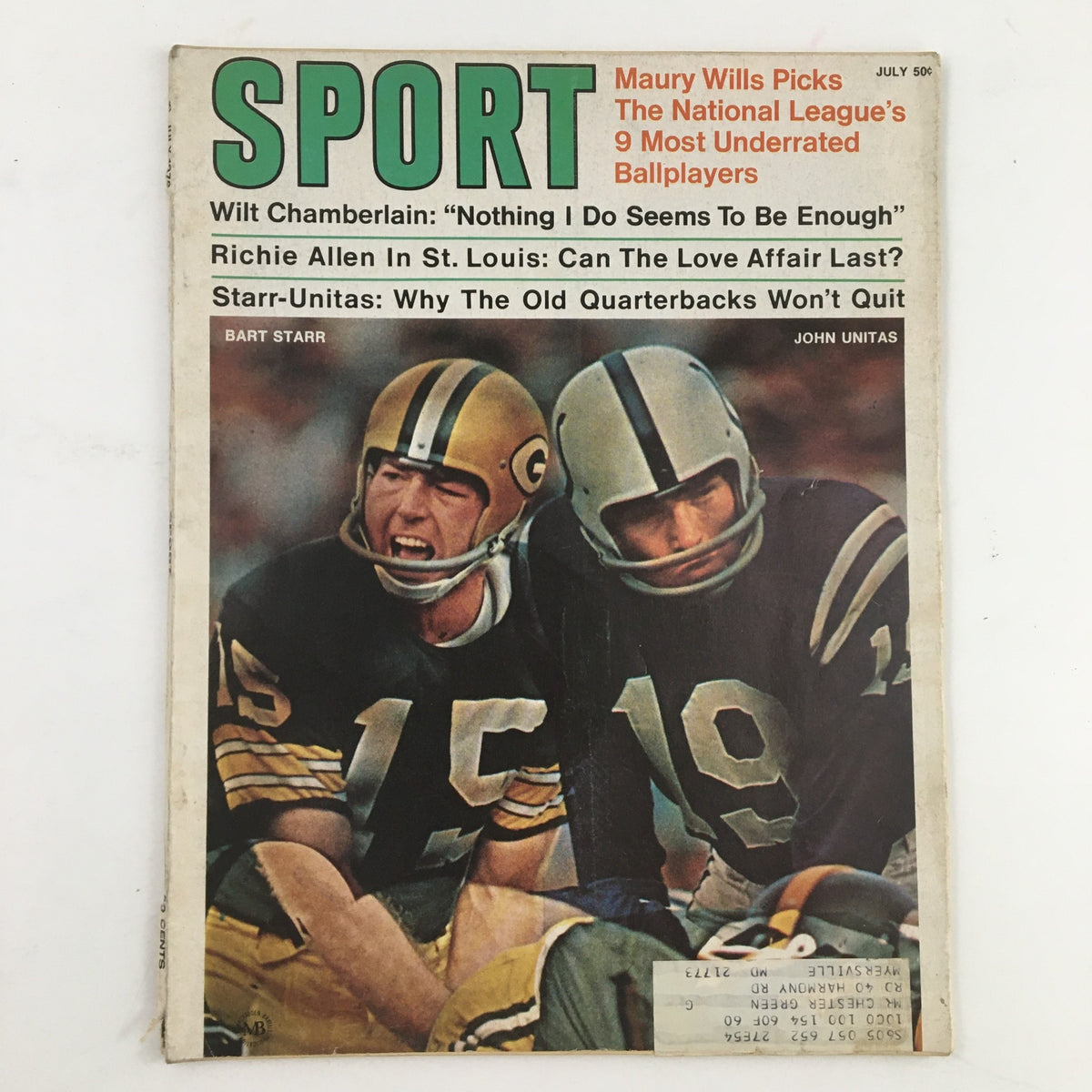
The visual and editorial treatment of the Baltimore Colts' storied signal-caller across mid-century American print media reflects both the era's reverence for athletic excellence and the dawning cultural power of professional football. Photographers captured him characteristically: high-topped black cleats planted in the turf, right arm cocked in that iconic, almost architectural throwing motion, his crew-cut silhouette unmistakable against the stadium lights. Sports Illustrated, which came of age alongside the NFL during the 1950s and 60s, returned to him repeatedly — as a cover subject, a profile centerpiece, and a symbol of the league's growing legitimacy. LIFE Magazine brought him into the living rooms of non-sports fans, framing him within the broader tapestry of postwar American ambition and blue-collar heroism. Look Magazine, LIFE's great rival in the illustrated weekly format, similarly ran features that treated professional athletes with a cinematic seriousness previously reserved for politicians and film stars. The editorial tone across these publications was one of admiring authority — here was a self-made man, a field general, the embodiment of precision and quiet toughness that resonated deeply with a nation still shaped by the values of the Second World War generation.
Curator's Checklist: Highlights Often Include
- Championship Era Coverage (1958–1959): Features and photo spreads documenting the Colts' back-to-back NFL titles, with particular emphasis on the historic 1958 overtime championship game that brought professional football into the mainstream American consciousness
- Personality Profiles & Long-Form Interviews: In-depth editorial pieces exploring his unlikely origin story — from the sandlots of Pittsburgh to the pinnacle of professional sport — a narrative that magazines of the era found irresistible
- Action Photography Portfolios: Full-page and double-spread images showcasing the precision mechanics of his passing form, often shot by leading sports photographers whose work defined the visual language of mid-century athletic media
- Super Bowl V & Career Twilight Features (late 1960s–early 1970s): Coverage of his later career milestones, including the Colts' Super Bowl V victory in 1971, and reflective pieces assessing his transformative legacy as the game evolved around him
- All-Pro & Award Announcements: Seasonal issues highlighting his multiple MVP recognitions, Pro Bowl selections, and the broader editorial conversation about his place among the all-time greats — a debate print media was actively hosting long before the internet took it over
The Collector's Value
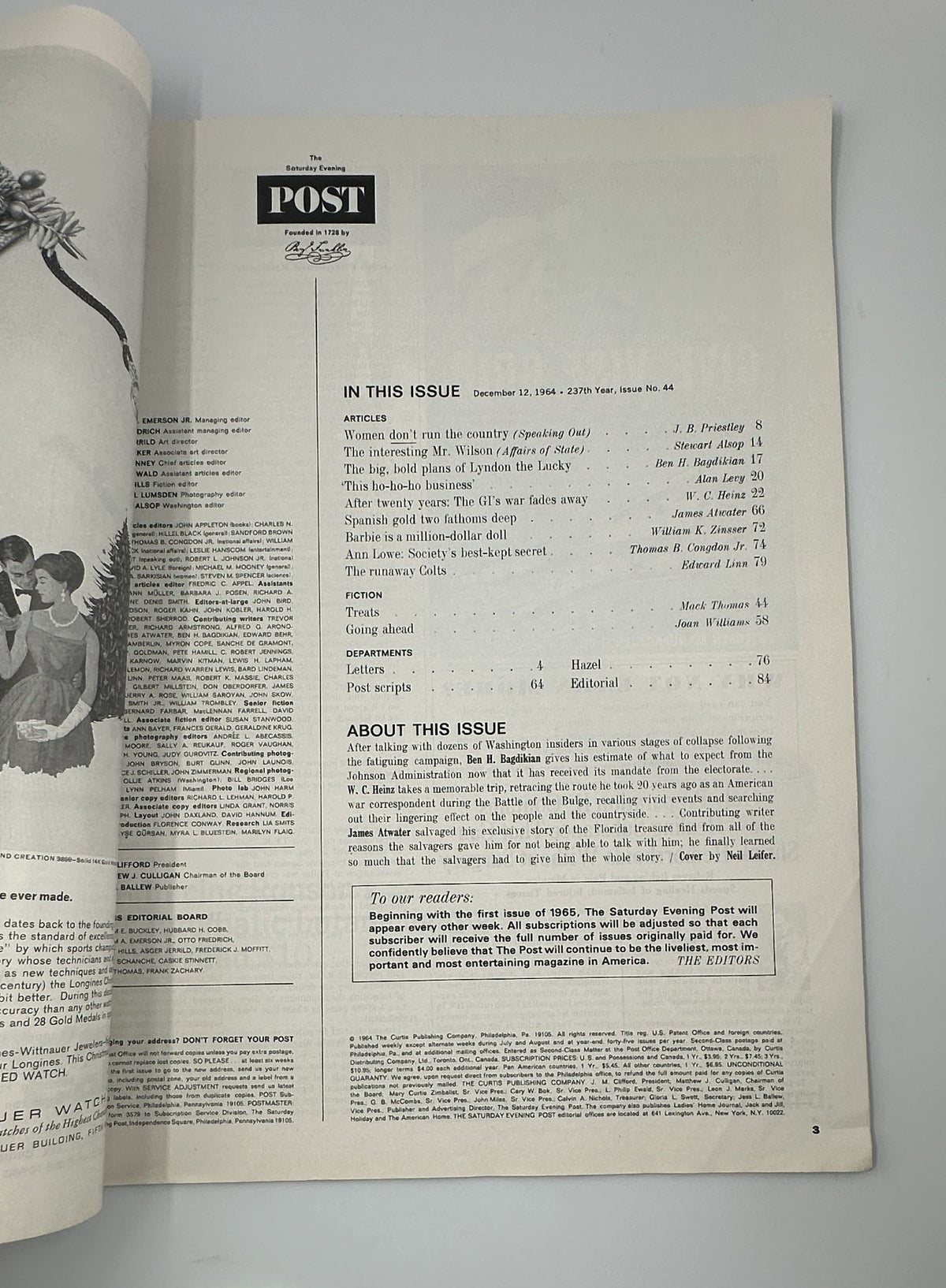
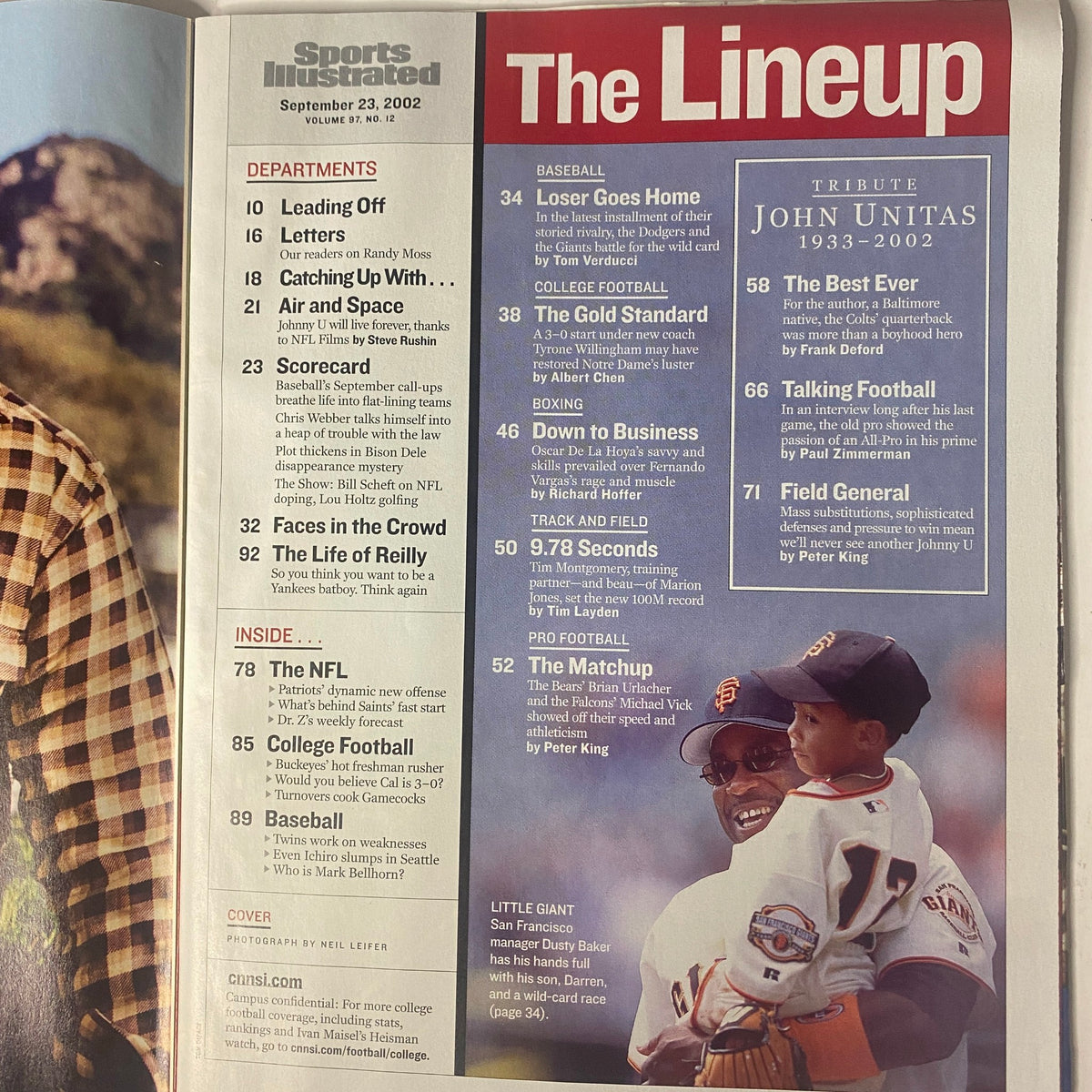
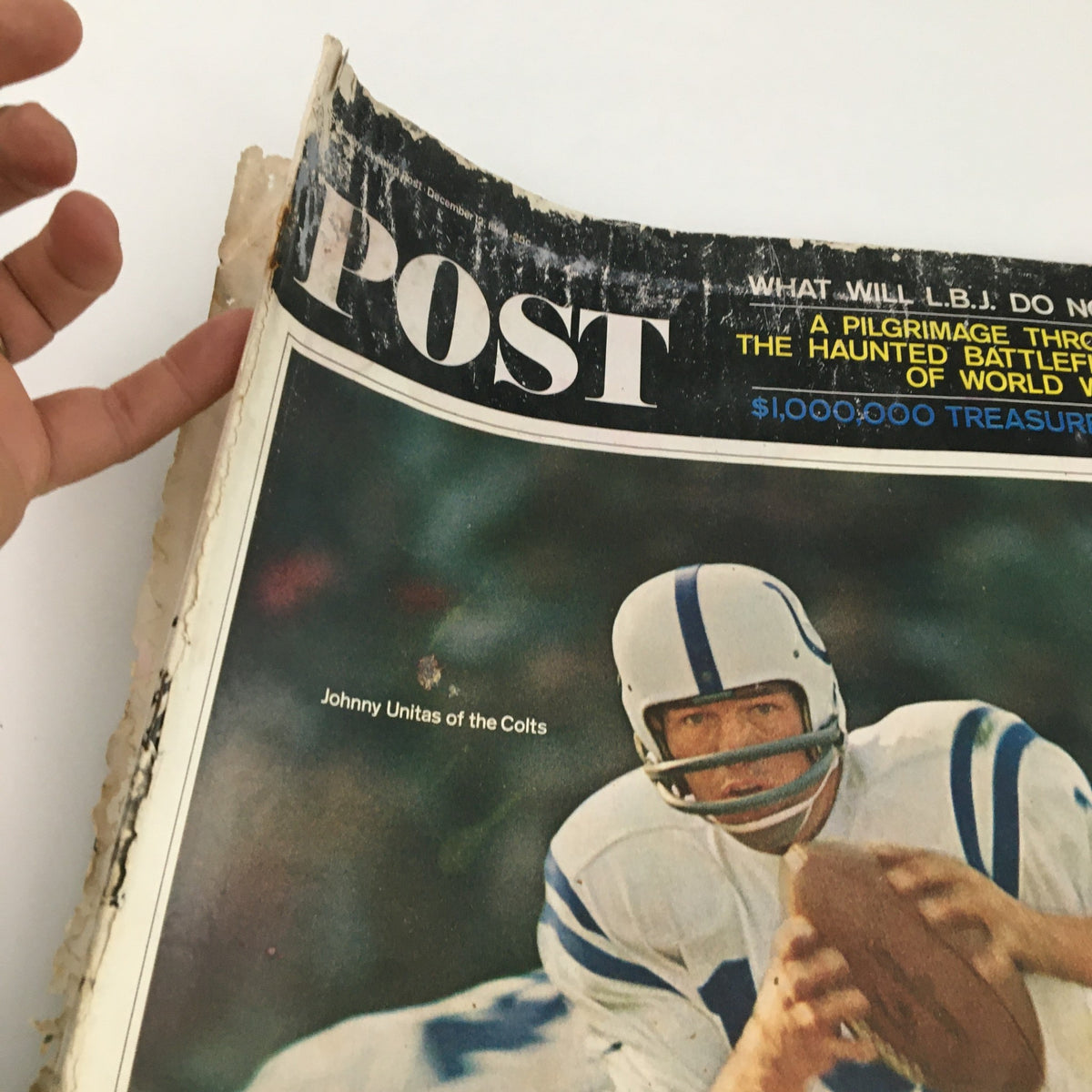
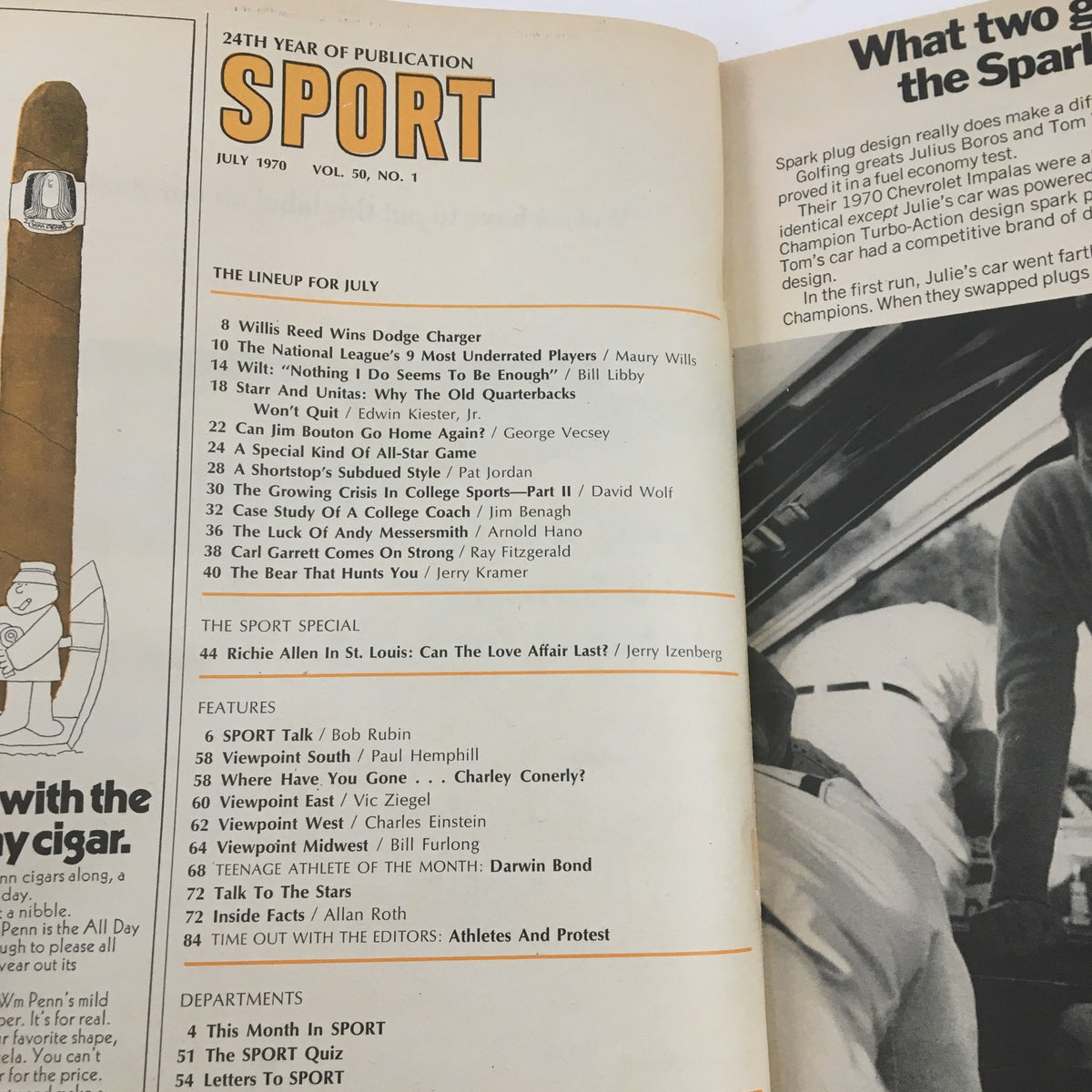
To hold one of these original issues is to hold something that no digital archive can replicate — the slight give of decades-old coated stock beneath your fingertips, the faint mustiness of ink and paper that carries the specific atmosphere of a mid-century American living room, and the uncanny experience of reading prose written about a legend in real time, before history had settled its verdict. The surrounding advertisements are themselves a kind of time capsule: automobile brands, cigarette companies, and consumer goods that frame the quarterback's story within the full cultural context of the era in which he played. These are primary sources, not reproductions — objects that existed in the world when the games were being played and the championships were being won. For collectors of NFL and professional football memorabilia, Baltimore Colts historical artifacts, or mid-century American sports and cultural history, these publications offer an intimacy and authenticity that a jersey or a trading card simply cannot provide — they carry the voice of the era, not merely its image. Explore our current rotating inventory below and discover which pieces of this extraordinary story are available today.