📖 About this Collection
Jon Bon Jovi: Thunder Road — The Rock Icon Who Conquered the World
The Legend & The Legacy
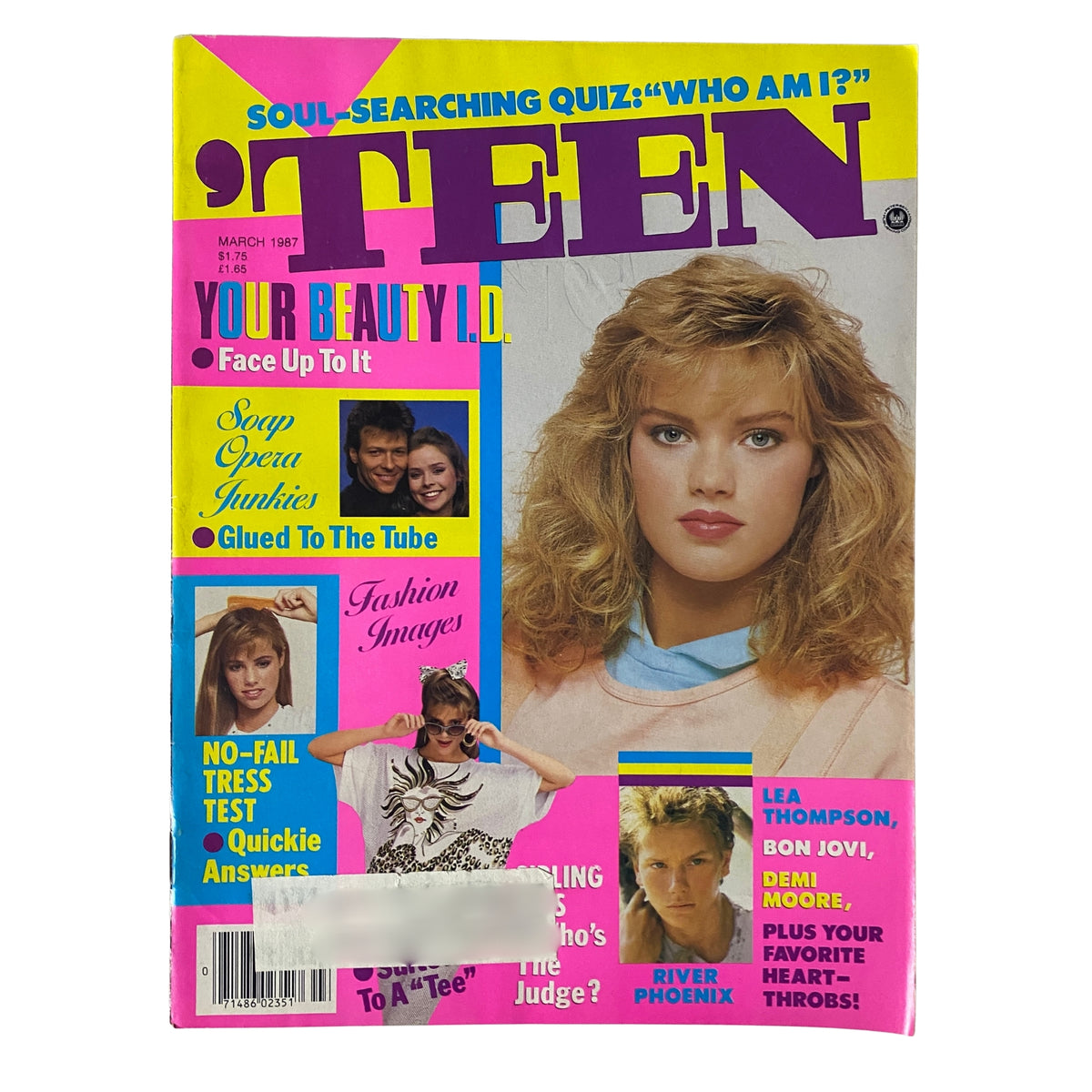
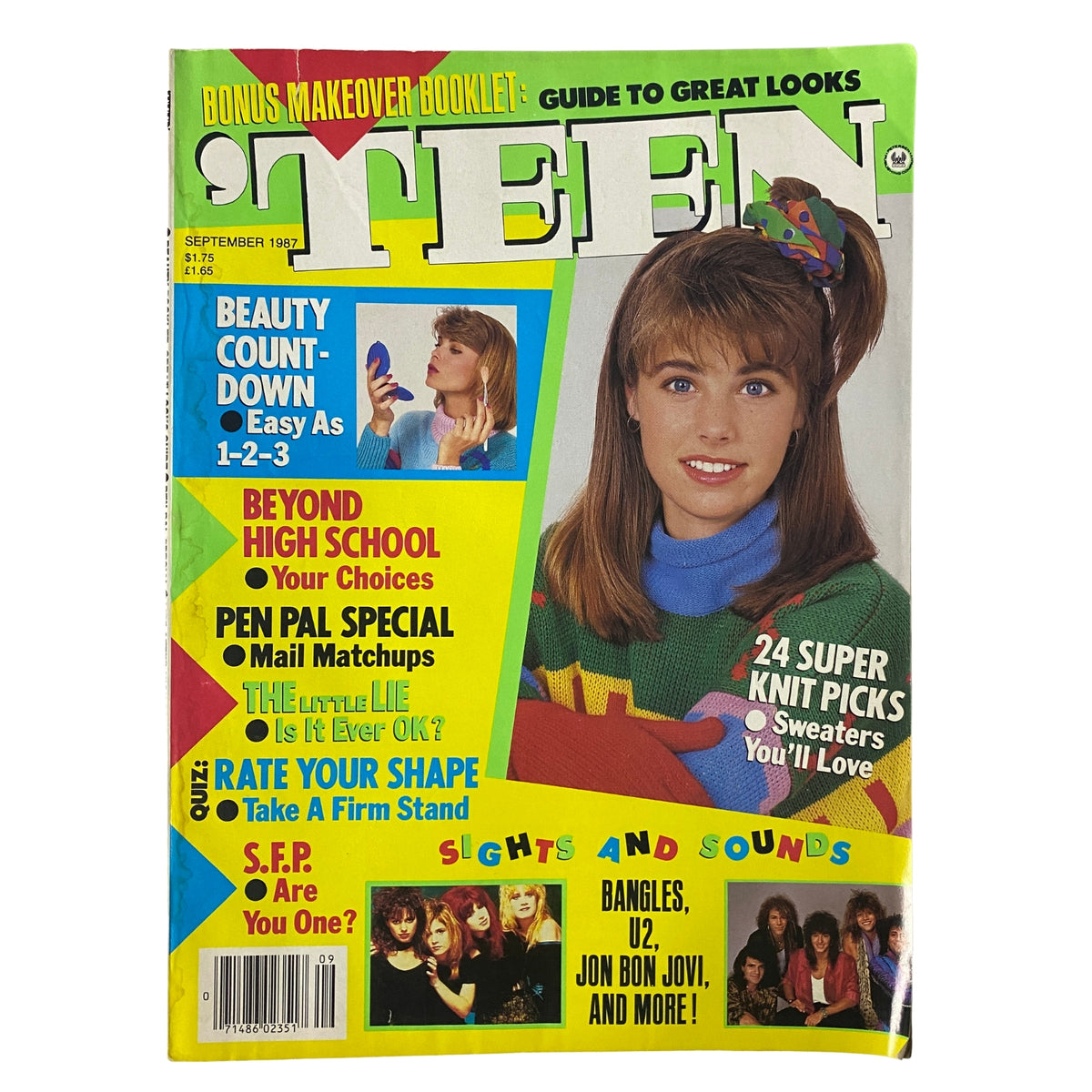
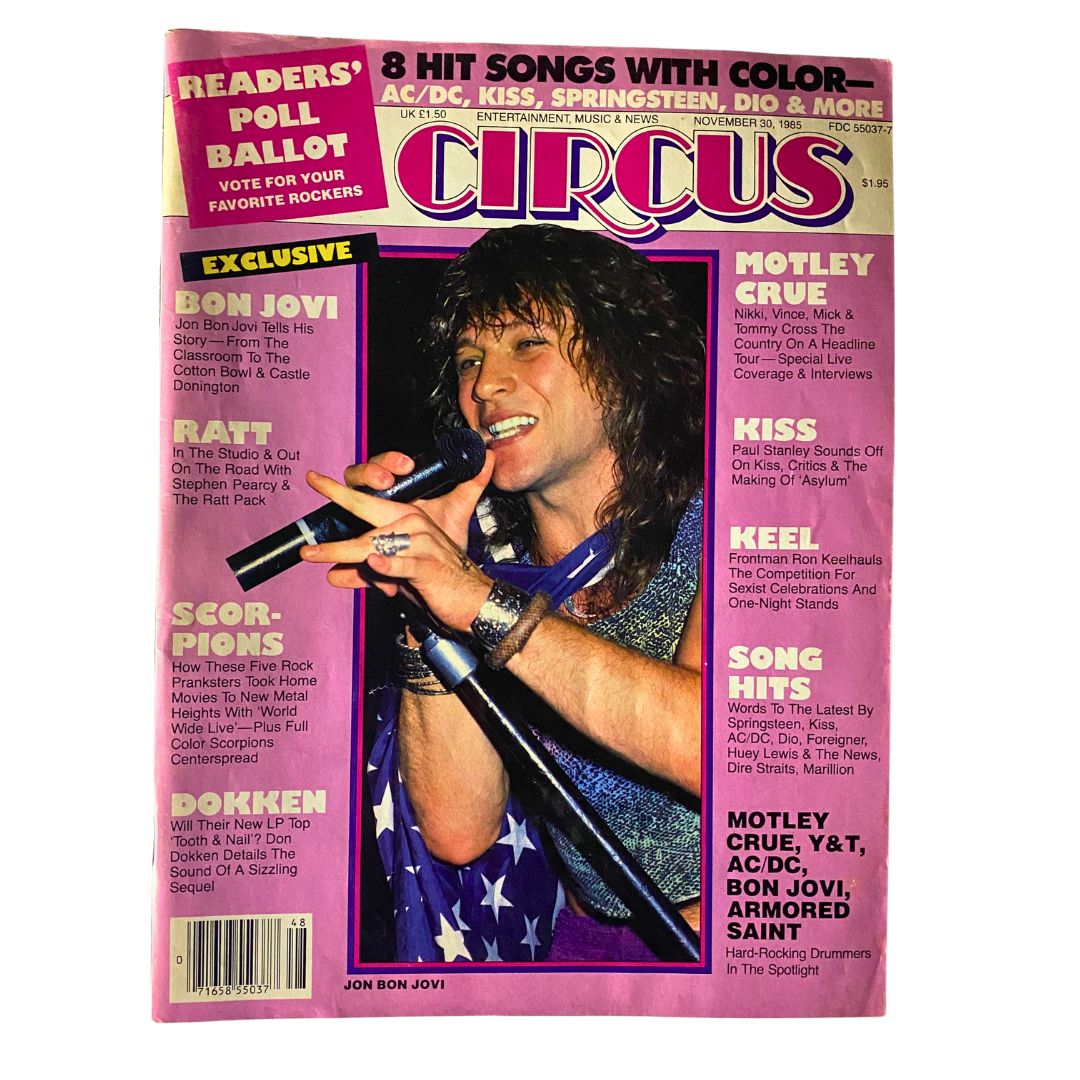
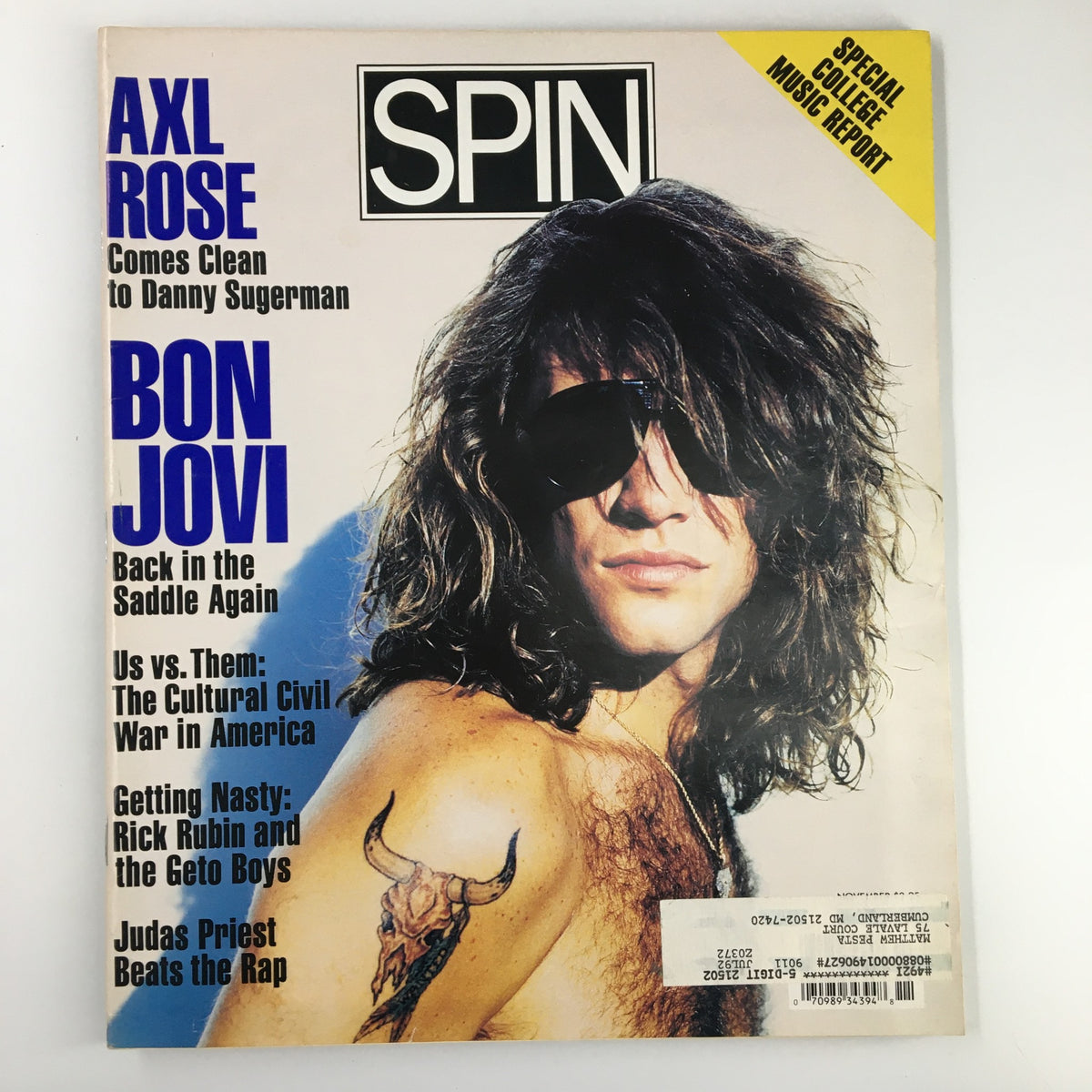
In the mid-1980s, a leather-jacketed young man from Sayreville, New Jersey detonated something seismic across the American cultural landscape — and the world leaned in to read every word about it. Jon Bon Jovi did not simply front a rock band; he embodied a particular mythology of working-class ambition, cinematic good looks, and arena-sized emotion at a moment when print media was the primary lens through which fans made sense of their idols. Before streaming, before social media, before the internet could deliver a stadium concert to your pocket, it was the glossy page — held under a bedroom lamp, passed between school friends, folded open to a centrefold — that carried his face and his story into millions of lives. The 1986 release of Slippery When Wet transformed the group from promising hard rockers into a genuine global phenomenon, and the music press scrambled to keep pace. Profiles explored the contradiction at the heart of his appeal: a band rooted in heartland grit that had somehow become the sound of an entire generation's aspirations. Through the late 1980s and into the 1990s, the frontman remained a fixture of both the rock press and the mainstream glossies, his image shifting from teased-hair rock god to stadium statesman — all of it documented, debated, and celebrated in ink on paper.
Inside the Archive
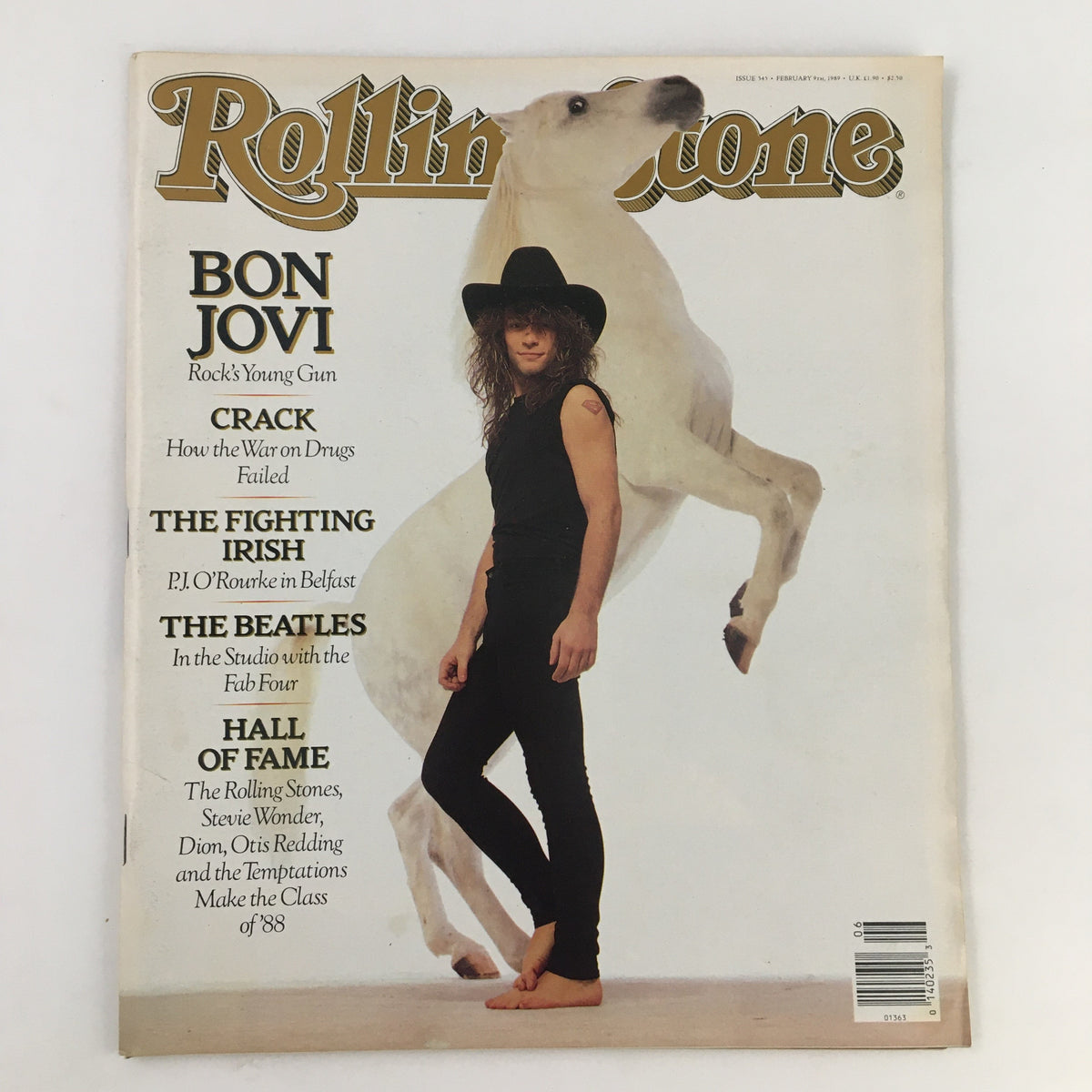
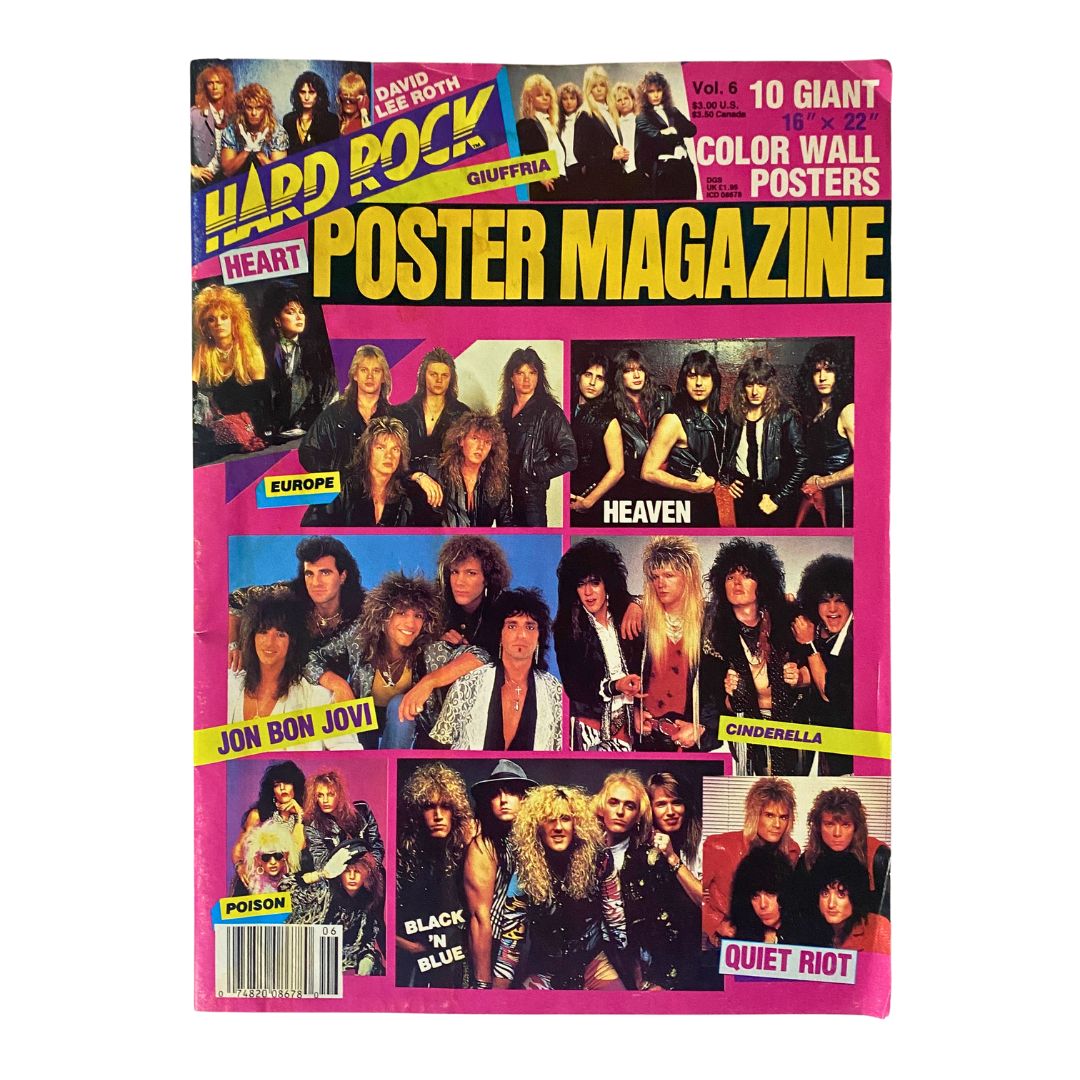
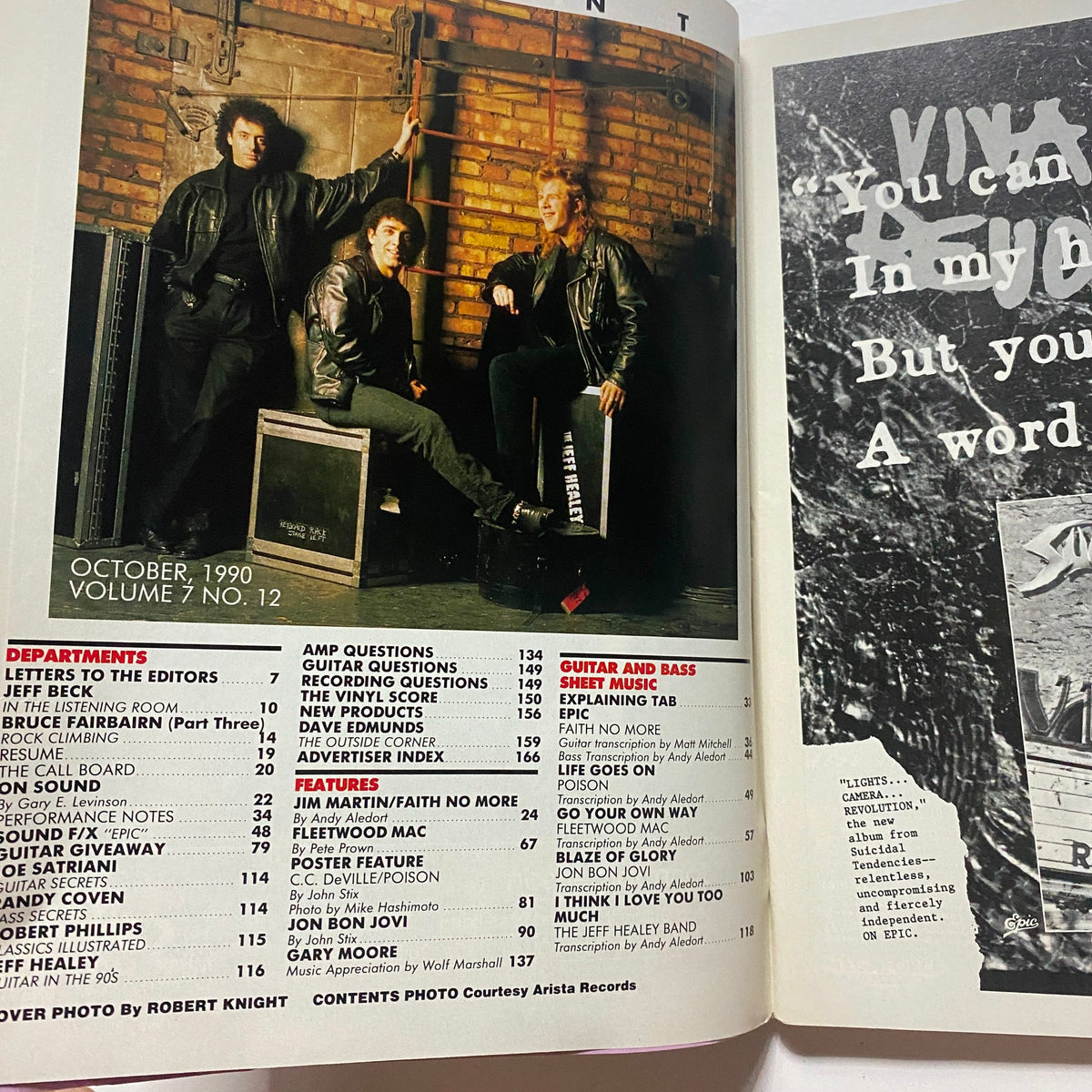
The vintage magazine coverage of this New Jersey titan is as varied as his own catalogue, spanning the screaming, full-bleed photography of dedicated rock publications to the more measured profiles of mainstream consumer titles. Rolling Stone gave him some of its most visually arresting covers of the era, deploying the kind of stripped-back, high-contrast portraiture that turned a musician into a monument. Creem and Kerrang! captured the rawer, sweat-and-electricity energy of the band at their arena peak, their pages filled with live photography crackling with stadium light and motion. Meanwhile, international editions of Smash Hits in the UK reached a vast teen readership with pull-out posters and breathless interviews that reflected just how completely the band had transcended their American origins to become a truly global cultural force. The editorial tone across this body of coverage evolved fascinatingly over the decades — from the feverish excitement of breakthrough fame, to the thoughtful reassessment of an artist who outlasted his era, to the retrospective celebration of a legacy cemented in rock history.
Curator's Checklist: Highlights Often Include
- Peak-era breakthrough coverage (1986–1989): Issues from the Slippery When Wet and New Jersey album cycles, frequently featuring the band at the height of their commercial and cultural power, with photography reflecting the grand, wind-machine aesthetic of late-decade hard rock.
- International rock press features: British and European publications — particularly from the UK market, where the band enjoyed extraordinary popularity — often offer a distinct editorial perspective and photographic style not found in their American counterparts.
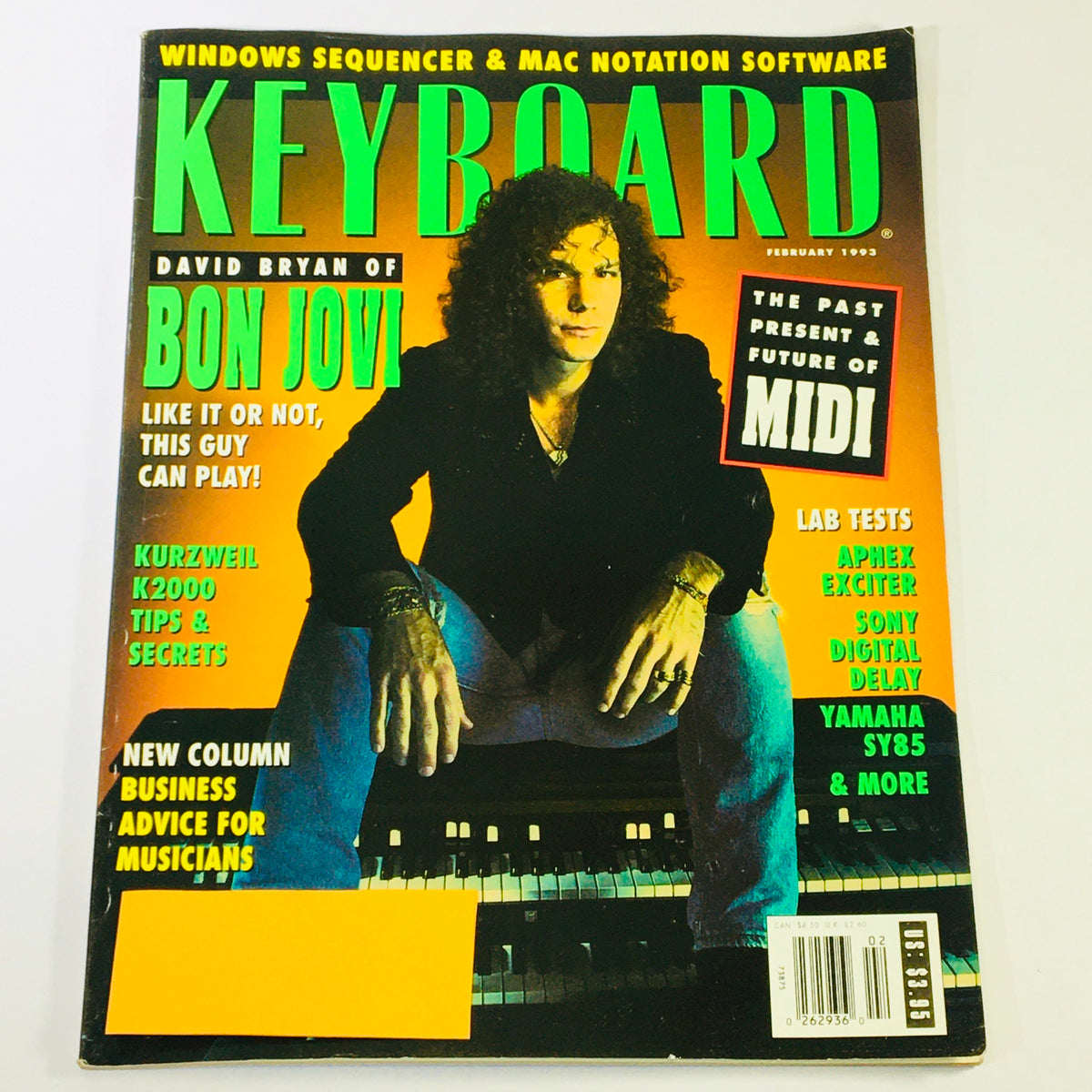
- Solo career and reinvention profiles (early-to-mid 1990s): Coverage surrounding the frontman's pivot toward solo work and film projects offers a fascinating document of an artist consciously reshaping his public identity in real time.
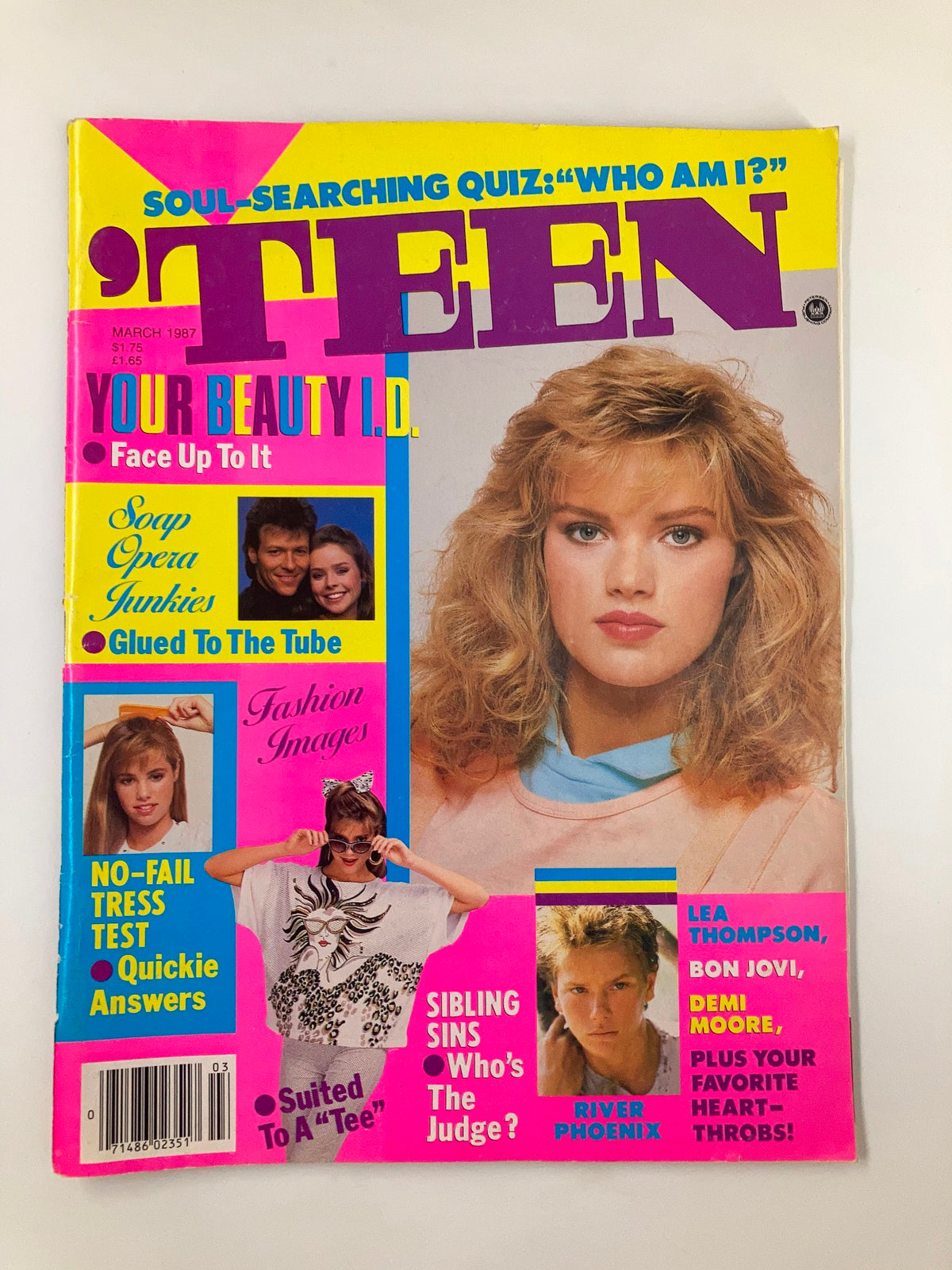
- Mainstream crossover features: Issues of general entertainment and lifestyle titles that profiled the rock star as celebrity — often accompanied by the kind of studio photography that underscored his appeal far beyond the rock audience.
- Retrospective and anniversary issues: Later publications revisiting the band's legacy frequently include rare archival imagery and critical reassessments that place their career within the broader sweep of rock history.
The Collector's Value
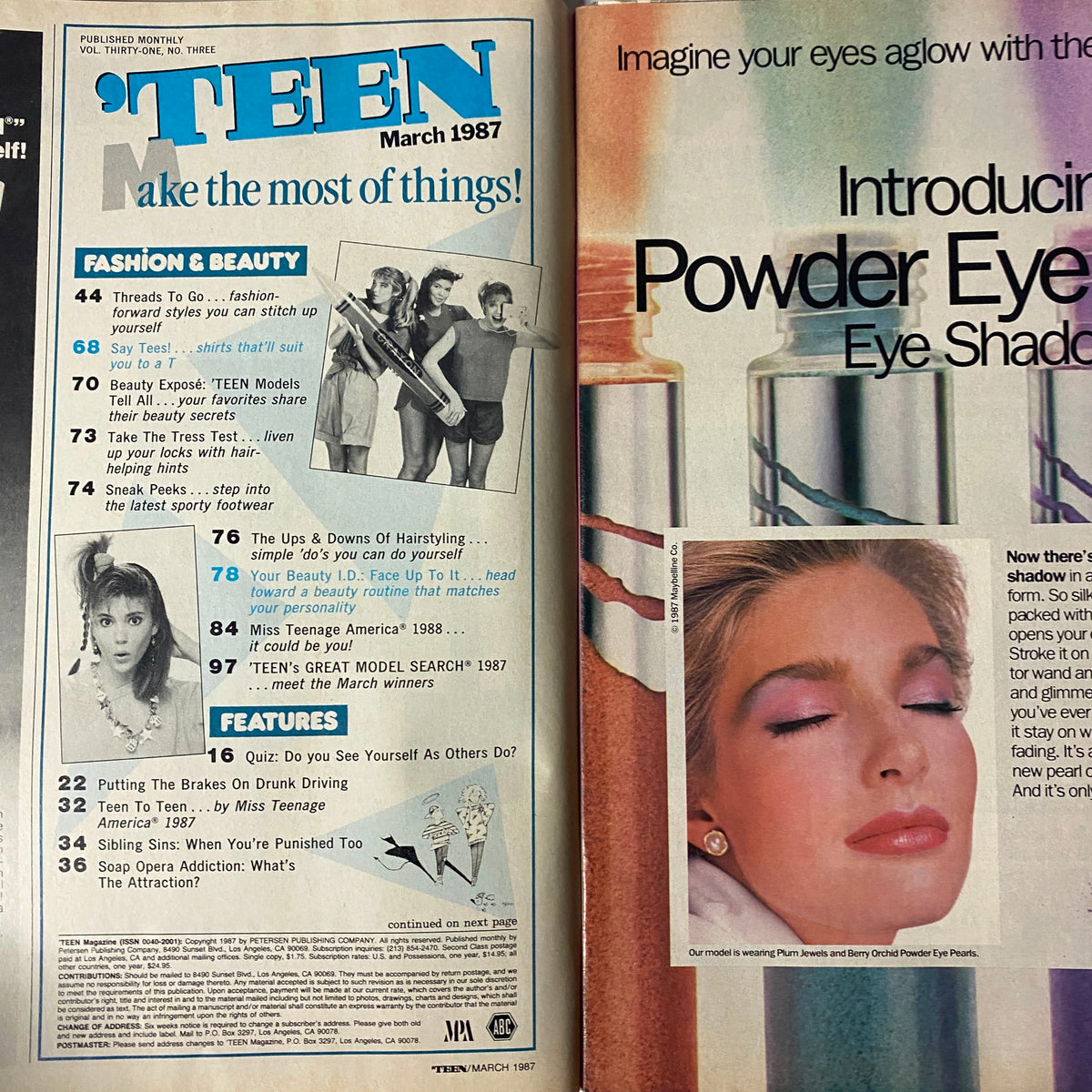
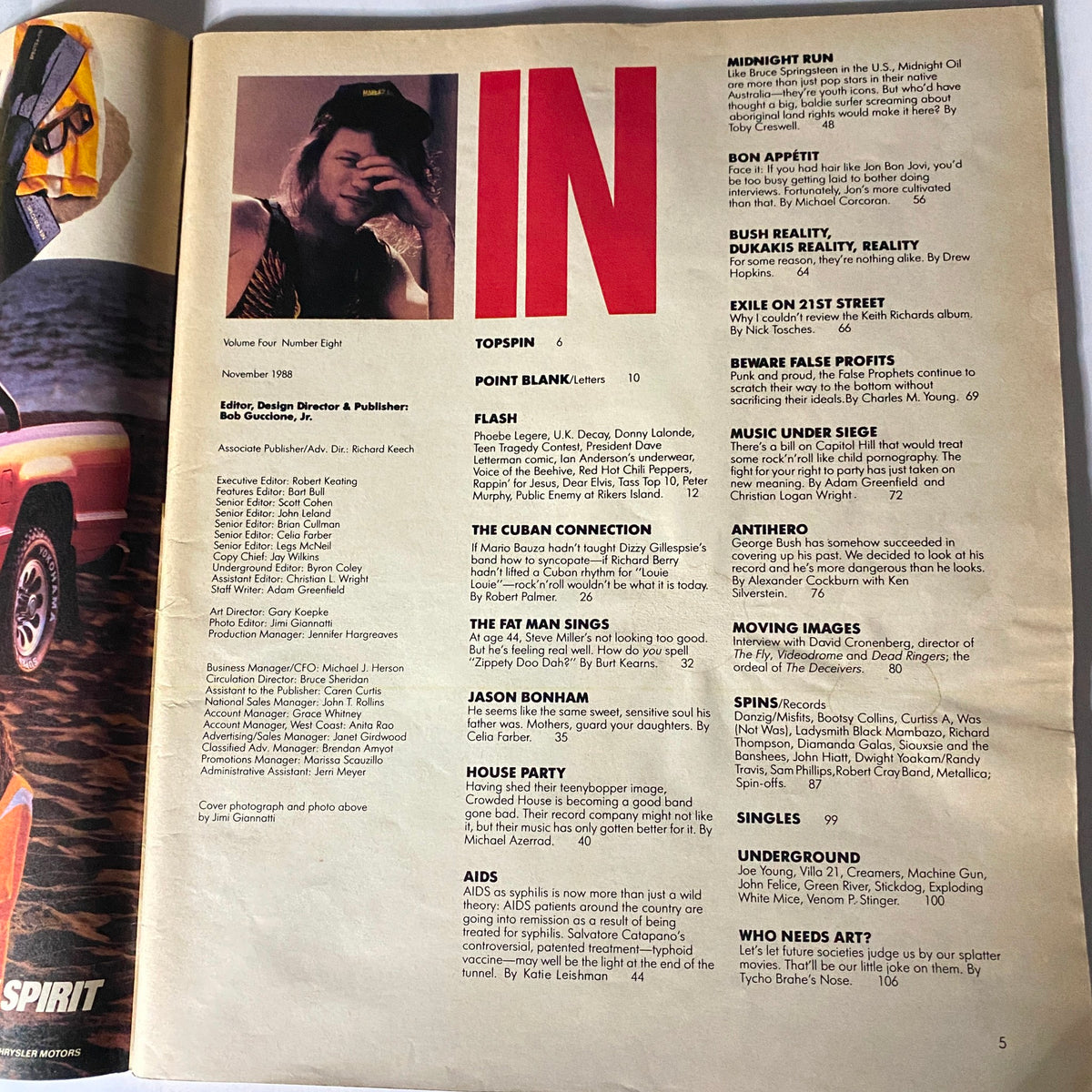
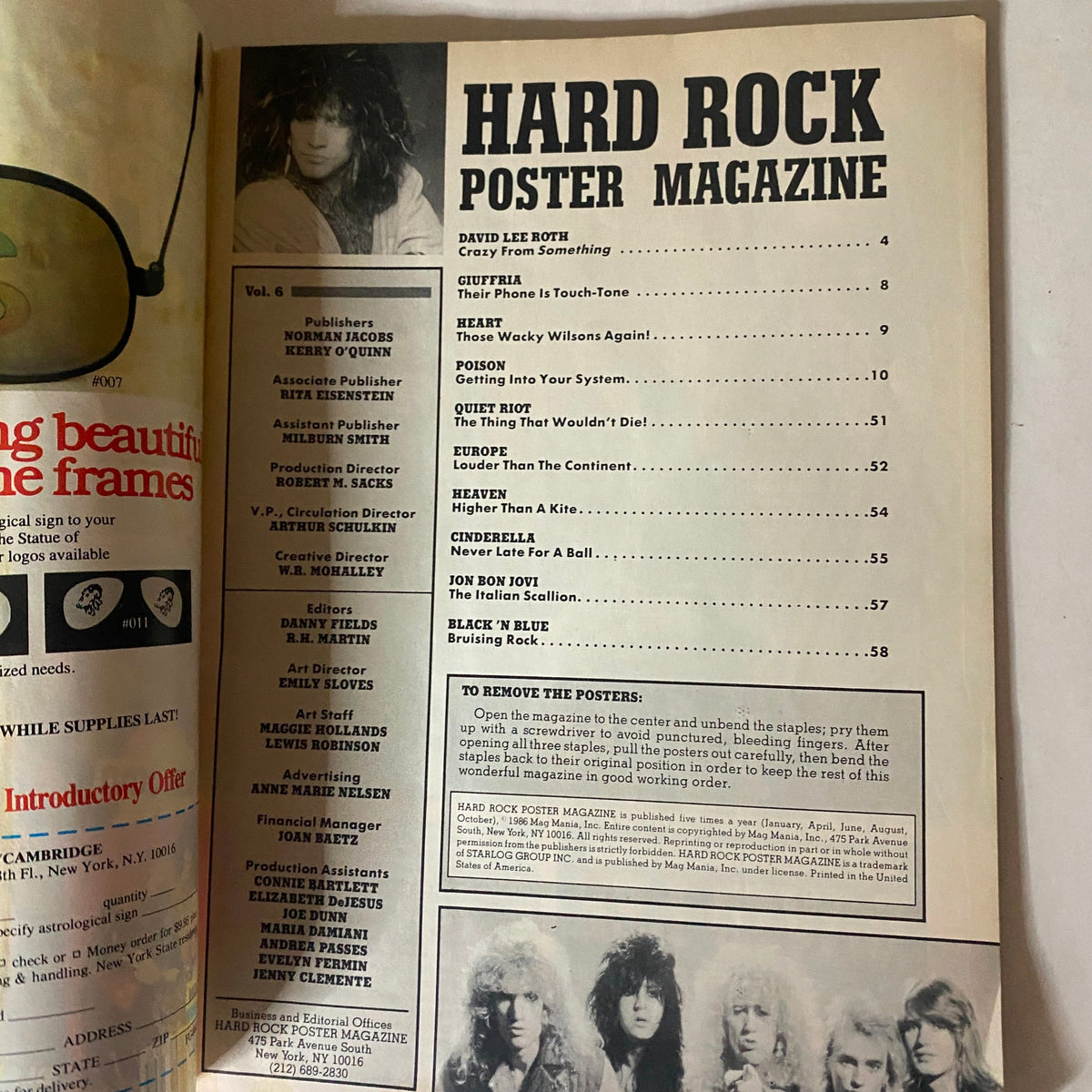
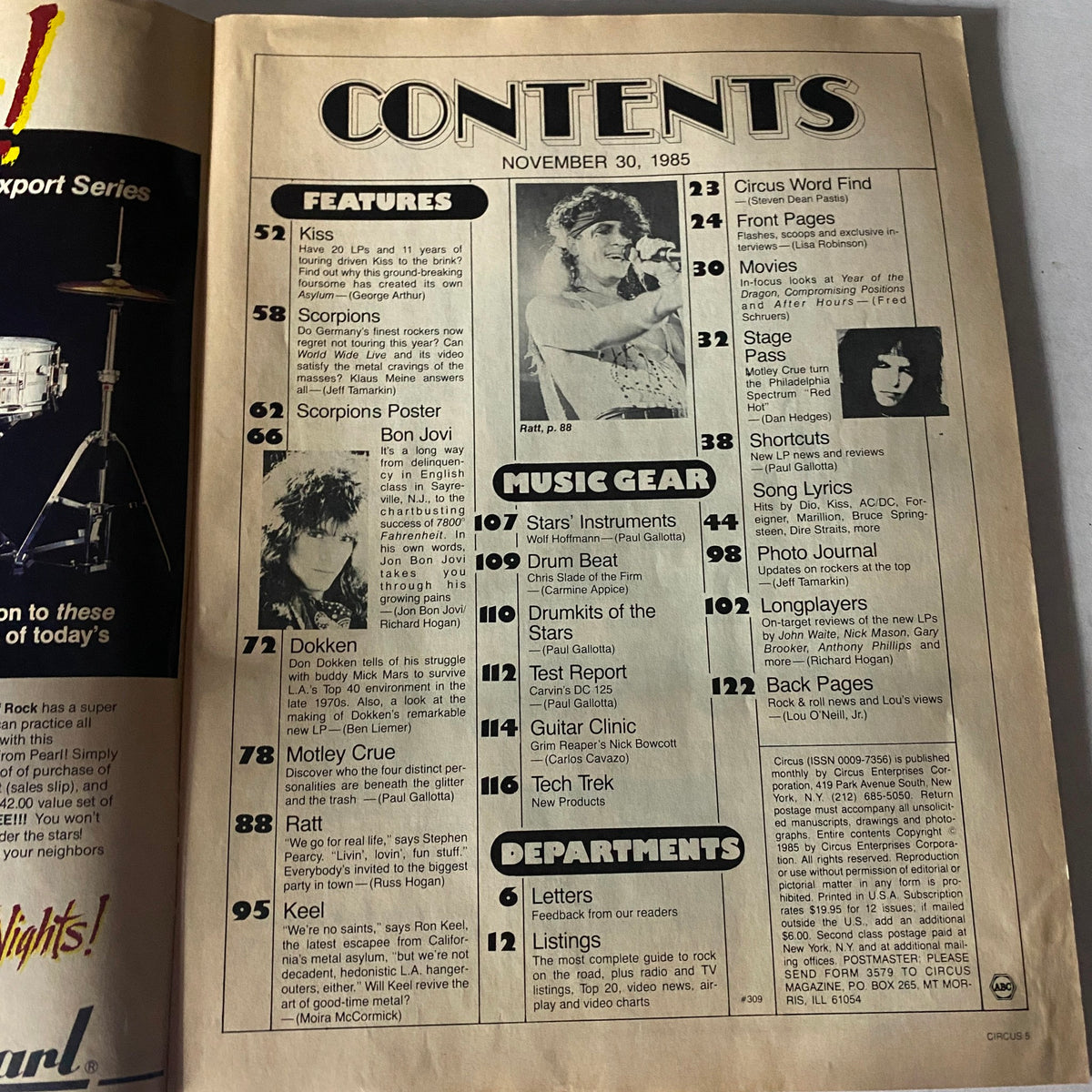
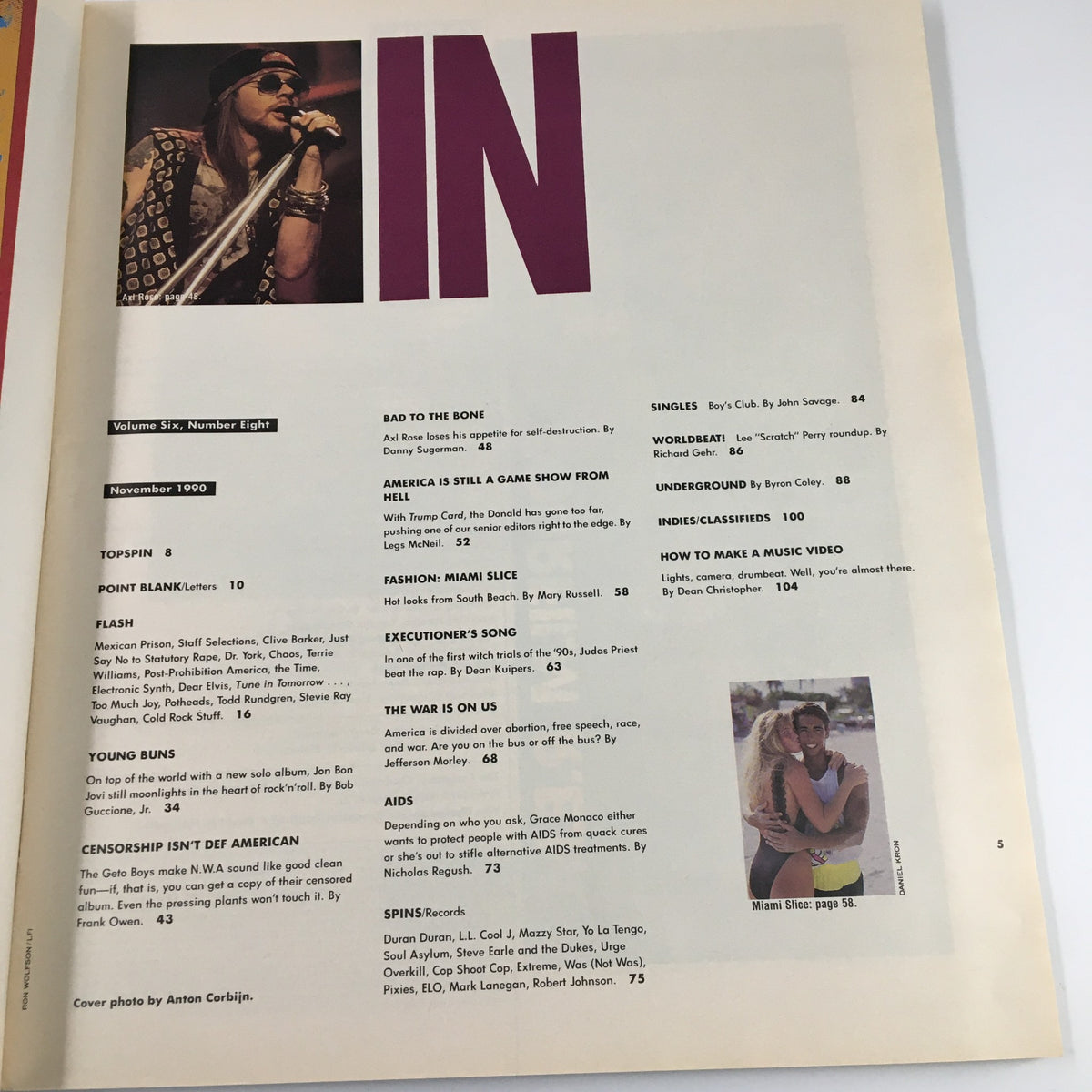
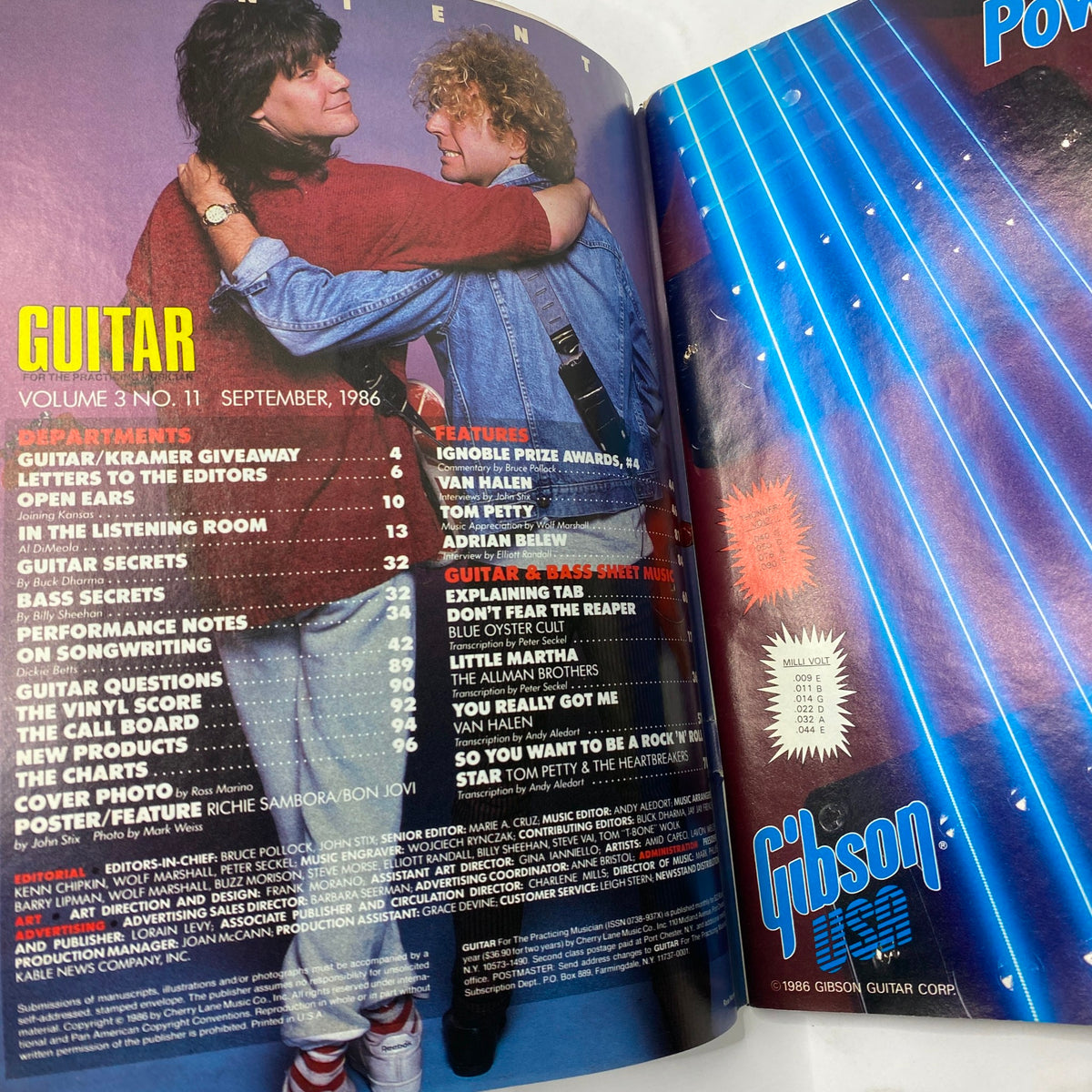
There is something irreplaceable about holding a thirty-five-year-old magazine — the slight give of pages that have softened with age, the faint perfume of old ink and paper stock that no digital archive can replicate, the way a vintage advertisement for a long-discontinued cologne or a now-iconic automobile situates the editorial content within its precise cultural moment. A feature on this rock icon, printed in the very week the album it discusses entered the charts, is not merely a piece of memorabilia; it is a primary historical document, a direct transmission from the era itself. The surrounding advertisements, the letters pages, the reviews of now-forgotten contemporaries — all of it conspires to restore the original context in which this music and this image first arrived in the world. For collectors of classic rock memorabilia, 1980s pop culture ephemera, or vintage print and music journalism, these publications offer an irreplaceable tactile connection to a defining chapter of modern music history. Browse the current available inventory below and find the issue that speaks to you.