📖 About this Collection
Jon Voight: The Method Behind the Myth
The Legend & The Legacy
Before entertainment news became an endless scroll and celebrity profiles a disposable commodity, Jon Voight emerged from the late 1960s as one of the most electrifying and intellectually serious actors of the American New Wave — a movement that permanently redefined what Hollywood could say, and how it could say it. His breakout in Midnight Cowboy (1969) was not merely a career moment; it was a cultural rupture. Here was a classically trained actor, lean and magnetic, willing to inhabit the margins of American life with radical empathy and fearless vulnerability. In an era when the Vietnam War fractured the national conscience and the counterculture was rewriting every social contract, audiences experienced his ascent through the only medium that could capture its full texture: the printed page. Fan magazines, prestige film journals, and mainstream weeklies became the arena in which the public negotiated what this complicated, searching talent meant to their generation.
Inside the Archive
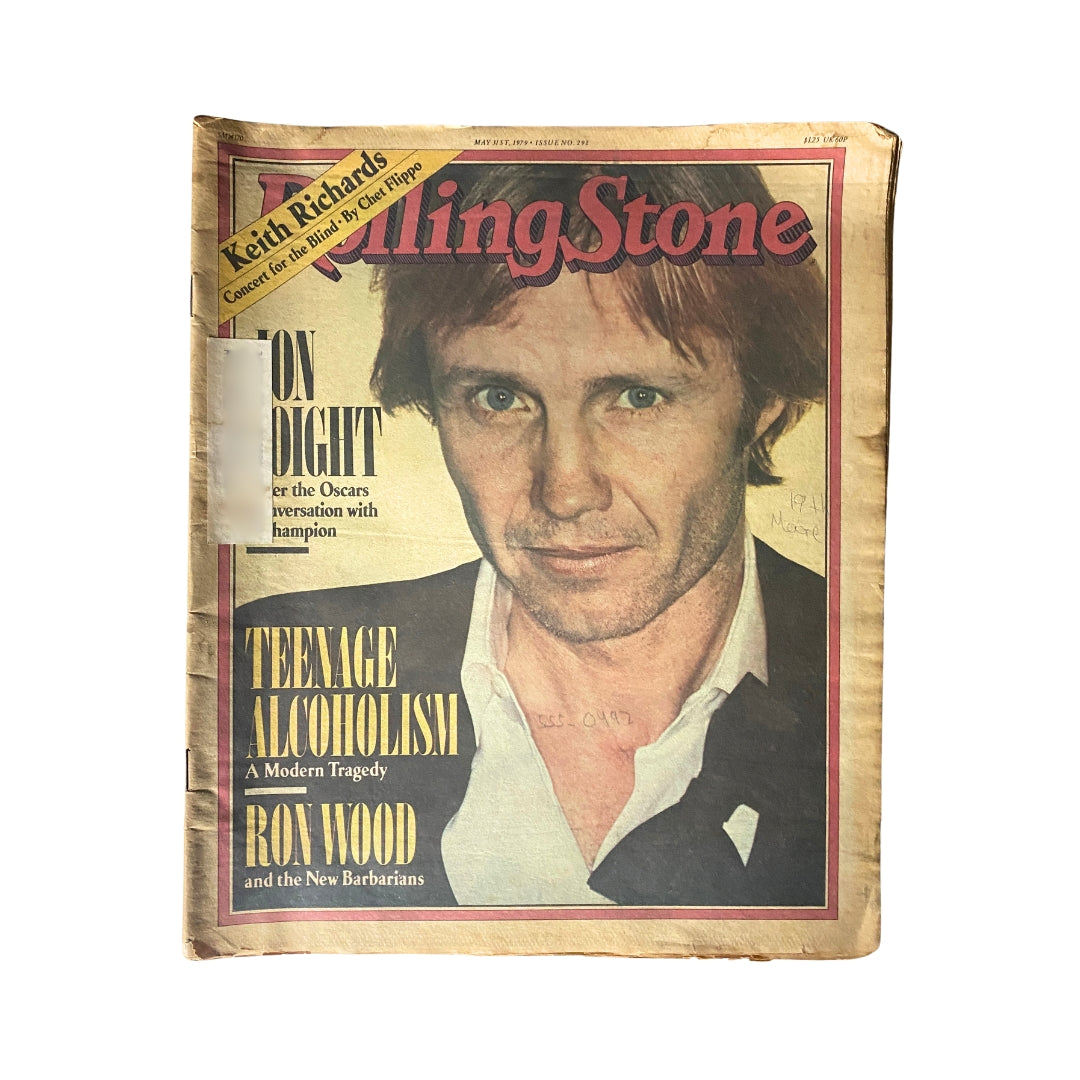
Vintage magazines of the late 1960s through the 1980s approached the Pennsylvanian actor with a fascination that was equal parts intellectual and visceral. Editorial photography of the period often captured him with a studied intensity — raw location shoots, brooding studio portraits, and candid on-set imagery that reflected the cinema vérité spirit of the films that made his name. Publications like Rolling Stone, which treated film actors with the same cultural gravitas afforded to rock musicians, profiled him as a symbol of a new, uncompromising American masculinity. Time magazine, in its coverage of New Hollywood's seismic shift, frequently invoked his work as evidence that the studio system had ceded the floor to something harder and more honest. Meanwhile, prestige entertainment titles such as Photoplay and its more sophisticated successors tracked his career arc — from Oscar triumph to commercial reinvention — with the kind of long-form, ink-and-paper journalism that rewarded careful reading and rewarded it again years later.
Curator's Checklist: Highlights Often Include
- Post-Midnight Cowboy coverage (1969–1970): Features and reviews surrounding his Academy Award-winning performance and the film's landmark X-rating, capturing the precise cultural moment a generation declared its cinema had grown up
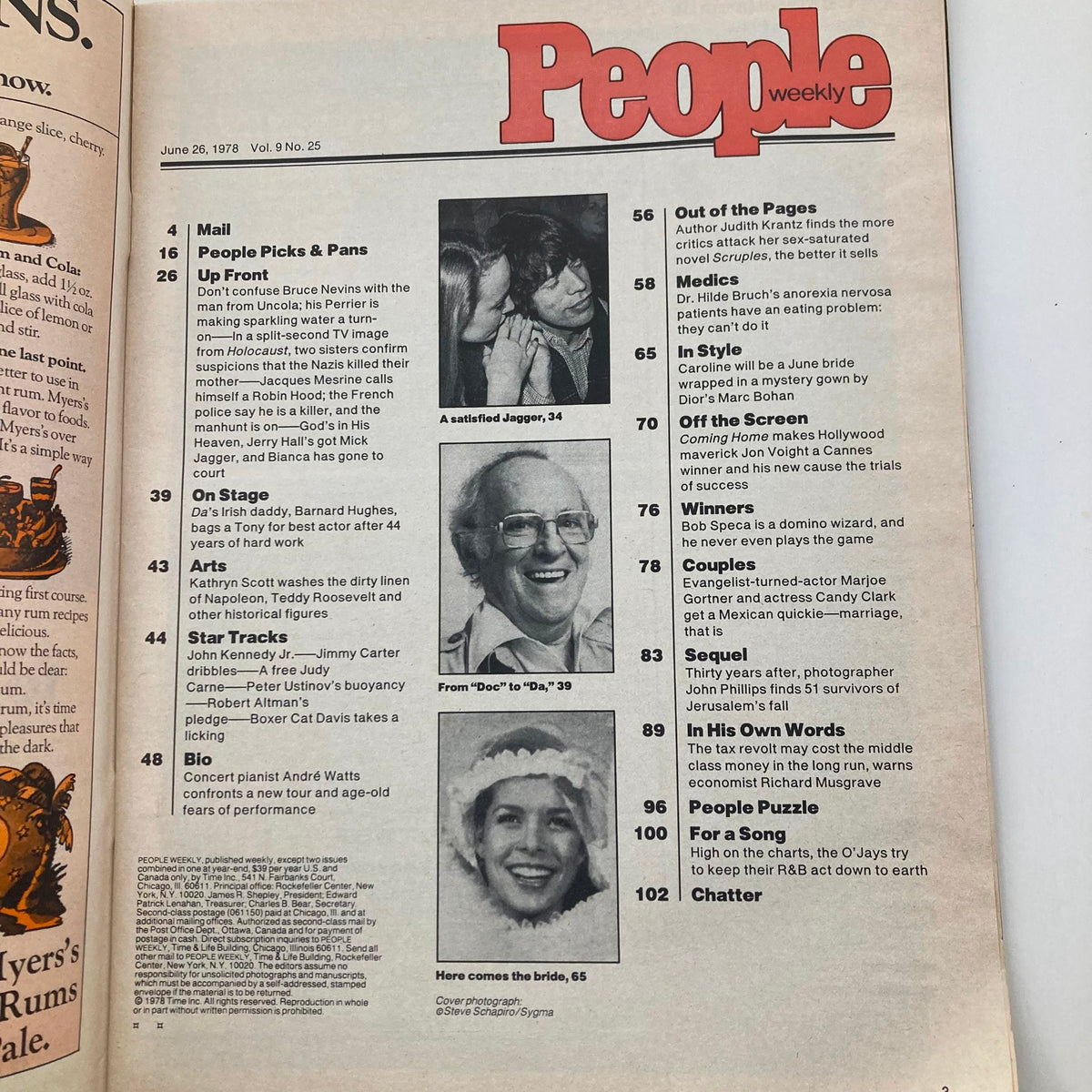
- The Coming Home era (1978): Coverage tied to his searing portrayal of a Vietnam veteran, often paired with broader editorial discourse on the war's legacy, veterans' rights, and the politics of Hollywood's conscience
- Award season spreads: Photographic and editorial features from Oscar campaigns, including his 1978 win for Best Actor, documented in real time by weekly entertainment and news publications
- Profile interviews from the 1970s–1980s: Long-form conversations in which the actor discussed his Method approach, his influences, and his deliberately selective career choices — the kind of substantive print dialogue that no television interview of the era could replicate
- International and European press: Coverage from publications such as Cahiers du Cinéma and French and Italian film weeklies, where his work was celebrated within the context of auteur cinema and American screen acting as a serious art form
The Collector's Value
To hold an original magazine from the height of Jon Voight's cultural moment is to hold something the internet has never been able to replicate: the full, multisensory weight of how the past actually felt. The slightly yielding give of aging coated paper stock, the faint mineral tang of period ink, the surrounding advertisements for cigarettes, automobiles, and department stores that place a single actor's face within the full panorama of a vanished American world — these are details that a screen cannot render and a reprint cannot restore. Each issue is a primary source document, a time capsule sealed in a specific week of a specific year, carrying news, opinion, and imagery that existed in conversation with one another long before algorithms decided what belonged together. For collectors of New Hollywood cinema, 1970s American cultural history, or prestige screen acting and the Method tradition, these publications offer an irreplaceable, tangible connection to an era of genuine artistic upheaval — one that shaped modern film as we know it. Browse the current available inventory below and discover which pieces of that history are waiting to come home with you.