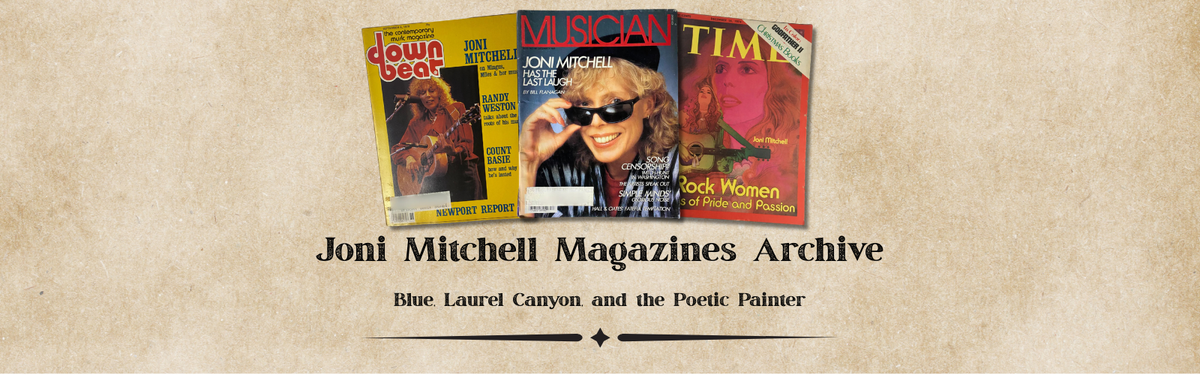
📖 About this Collection
Joni Mitchell: The Paper Trail of a Poet's Soul
The Legend & The Legacy
Long before algorithms could curate her genius and streaming could flatten her catalog into background noise, Joni Mitchell existed as something far more electric — a living, breathing rupture in the fabric of popular music. From the coffee-house folk scene of the mid-1960s through her fearless dissolution into jazz, avant-garde composition, and raw confessional lyricism, she redefined what a woman with a guitar could say, and how brutally honest she was permitted to be. The public encountered her story one glossy page at a time: in airport newsstands, dentist waiting rooms, college dorm rooms, and suburban living rooms. Each cover appearance was an event. Each profile was a cultural negotiation — between the industry and an artist who famously refused to be managed, softened, or explained away. She wrote about love, loss, freedom, and disillusionment with a precision that made readers feel personally implicated, as though she had somehow gained access to their own private interior lives. In an era when the press was the only real bridge between an artist and their audience, she used it like an instrument — granting access selectively, speaking candidly when others deflected, and challenging interviewers who arrived expecting simplicity to leave humbled by her complexity. To follow her story through the magazines of her era is to follow the entire emotional biography of a generation.
Inside the Archive
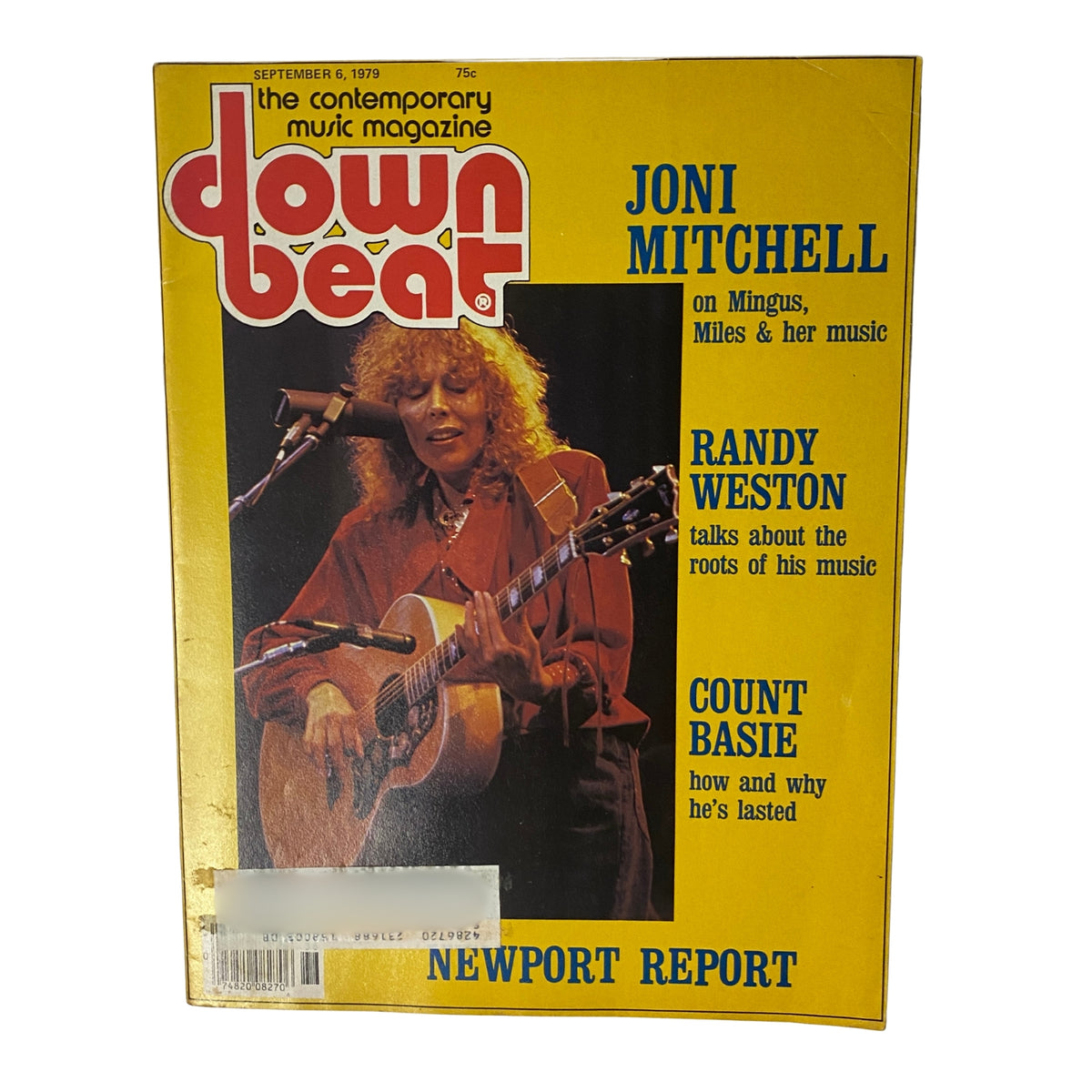
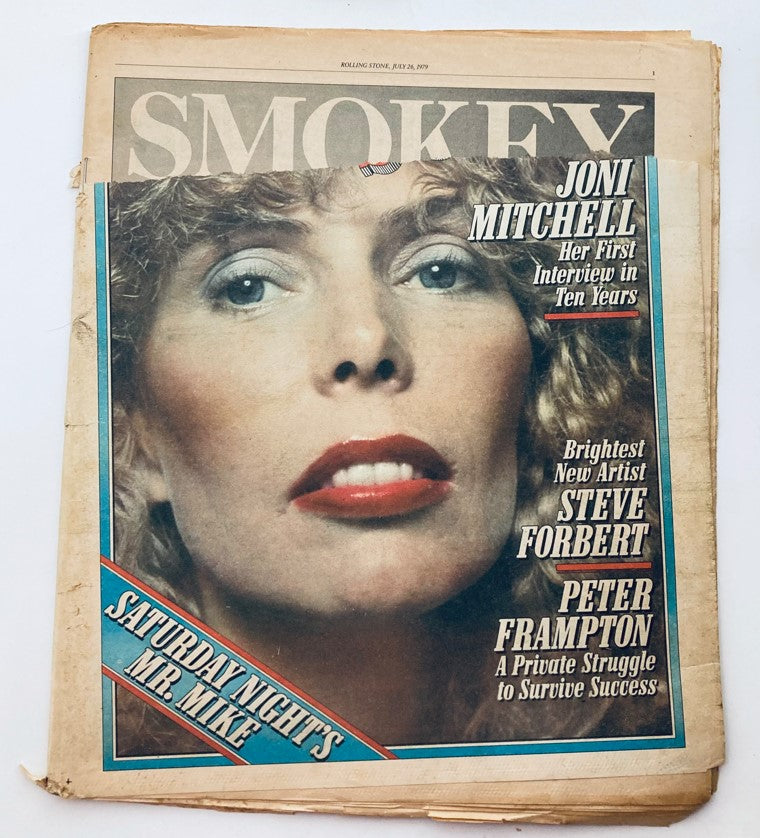
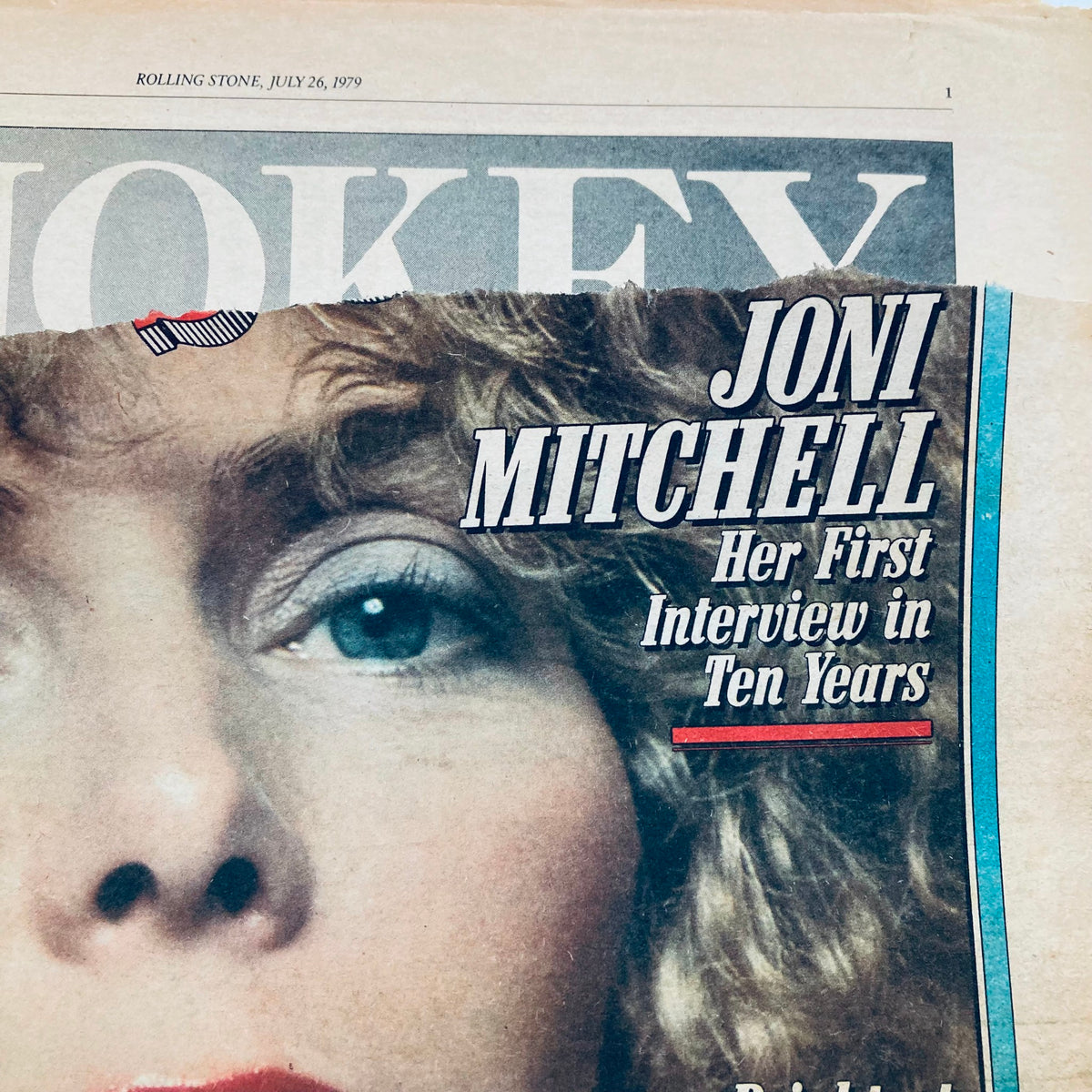
Vintage magazine coverage of the Canadian songstress reflects the full arc of her complicated celebrity. In the early 1970s, at the height of her commercial peak with albums like Blue and Court and Spark, publications such as Rolling Stone granted her rare, expansive features — cover sessions shot with an intimacy that bordered on portraiture, and interviews that read less like Q&As and more like philosophical correspondence. Creem, the Detroit-born rock monthly with ink perpetually under its fingernails, covered her with a reverence unusual for a magazine more comfortable with volume than vulnerability. Internationally, Melody Maker and the British music press tracked her evolution with particular devotion, often presenting her to European audiences as proof that North American popular music could carry genuine literary weight. The photography across these decades is a study in contrasts — the barefoot, windswept troubadour of Laurel Canyon giving way to the cigarette-in-hand, self-portrait-painting artist of the 1980s, each image a chapter in a biography no single book has fully captured. General interest and lifestyle publications, too, found themselves drawn into her orbit — running profiles that wrestled earnestly with questions of artistic independence, romantic mythology, and what it meant, in that particular cultural moment, for a woman to refuse every category she was placed in. The editorial layouts of the period reflect their own artistry: full-bleed photographs, handwritten pull quotes, and unhurried column inches that trusted readers to stay with a complex story to its end.
Curator's Checklist: Highlights Often Include
- Peak-era Rolling Stone features and cover appearances from the early-to-mid 1970s, coinciding with the Blue, For the Roses, and Court and Spark periods — widely considered among the most important years in singer-songwriter history, and among the most sought-after issues in any serious music archive
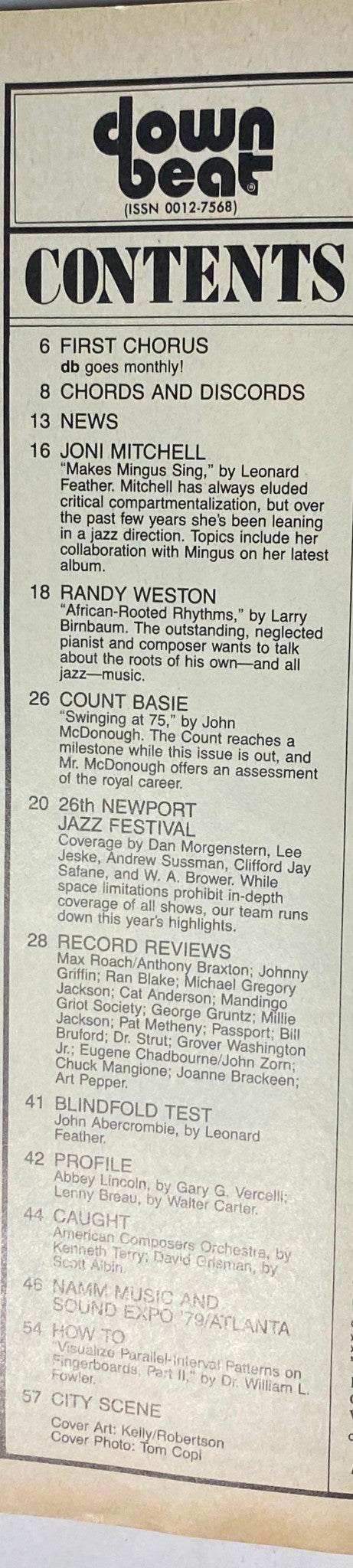
- Late 1970s jazz-crossover coverage from music publications responding to her landmark collaborations with Charles Mingus and her deliberate pivot away from the folk audience that had canonized her — a creative rupture that divided critics and fascinated the press in equal measure
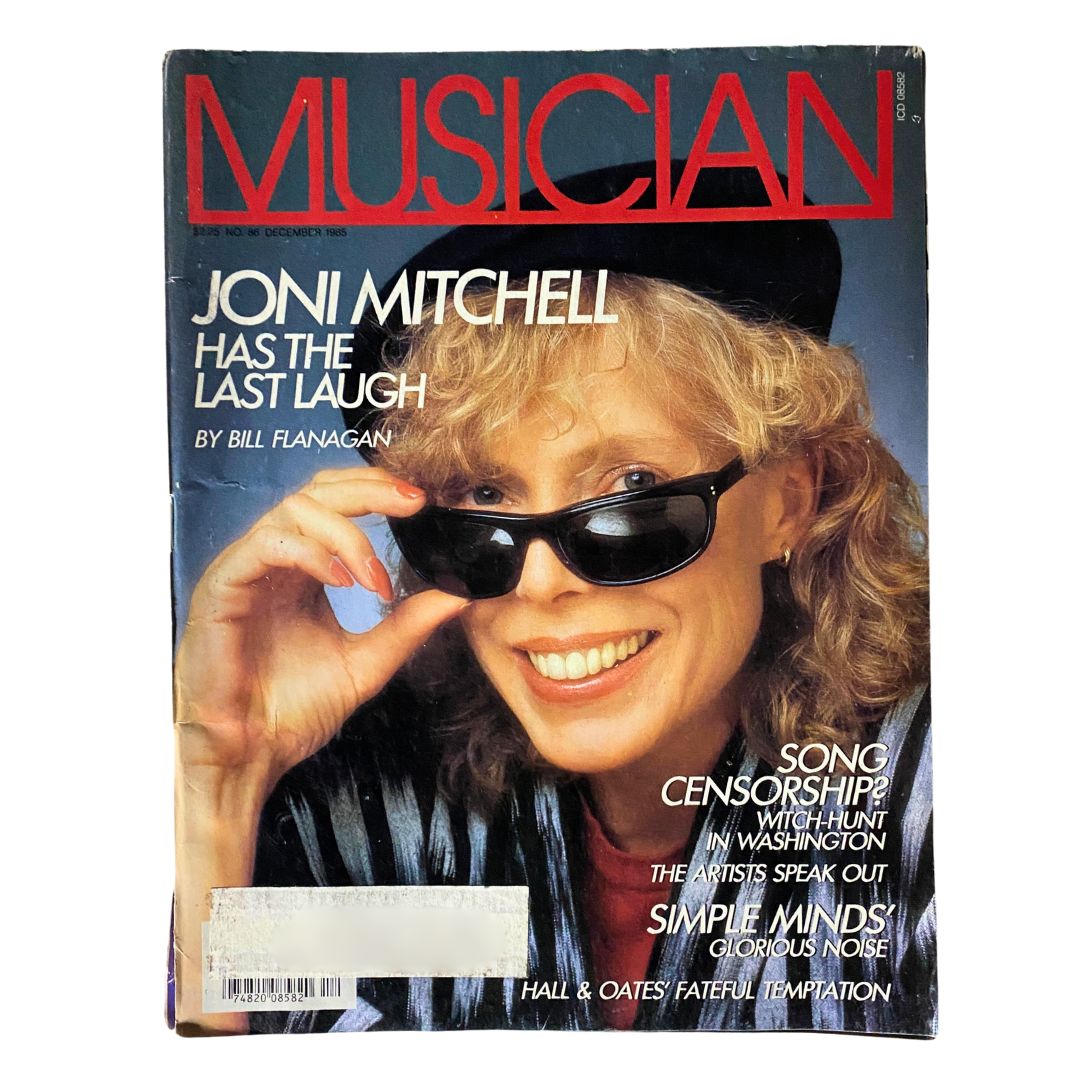
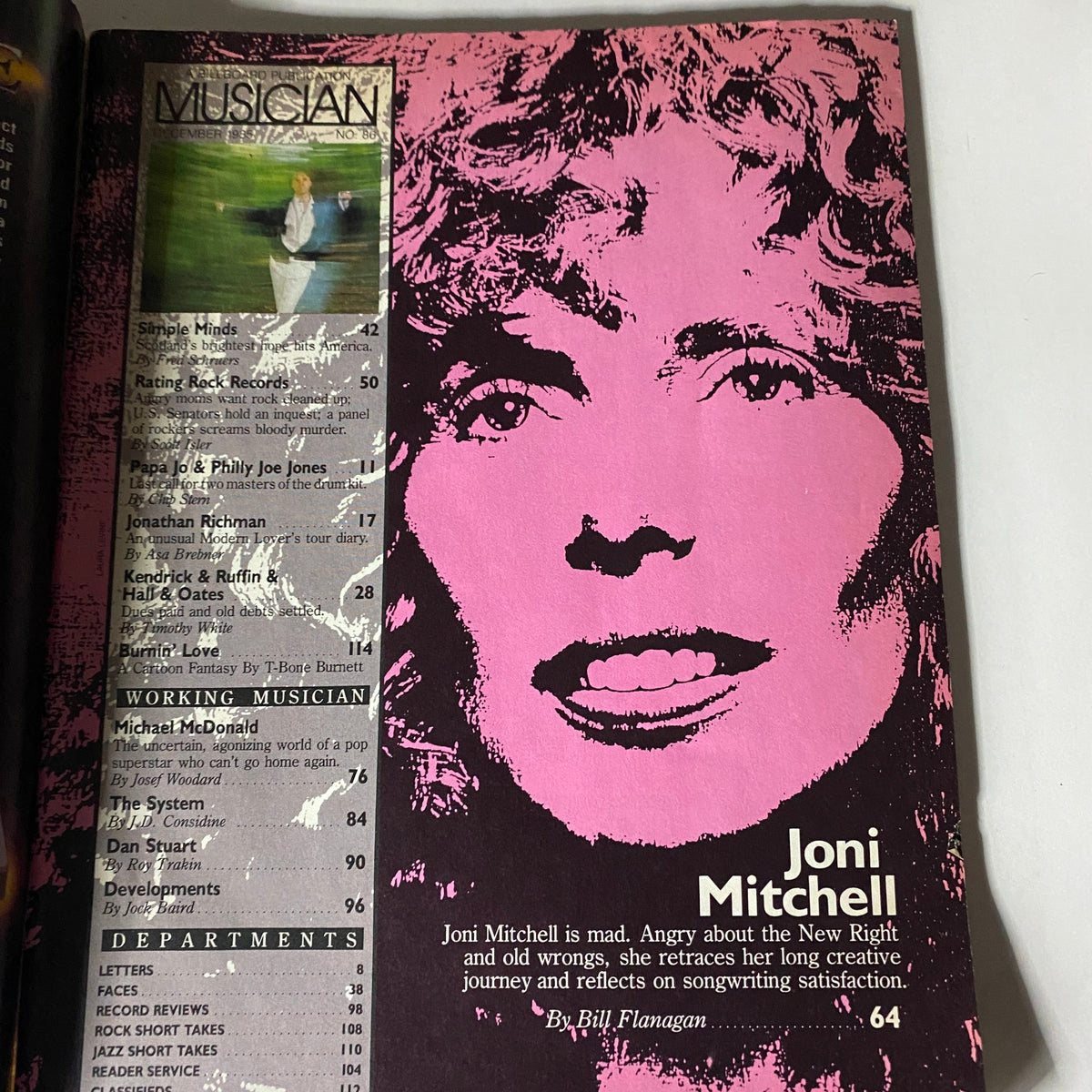
- Women's and culture magazines from the 1970s and 1980s — including Ms. and general interest titles — exploring her as a feminist archetype who defied the era's industry structures on her own unapologetic terms, often alongside broader cultural conversations about female authorship and artistic autonomy
- International music press issues from the UK and Europe, where her critical reputation often outpaced even her American reception, particularly during periods when domestic radio had moved on — offering a fascinating outsider perspective on her place in the canon
- Tour and live performance retrospectives from music monthlies documenting her infrequent but landmark concert appearances, capturing audience responses and critical assessments that reveal just how visceral the experience of seeing her perform was for those fortunate enough to be present
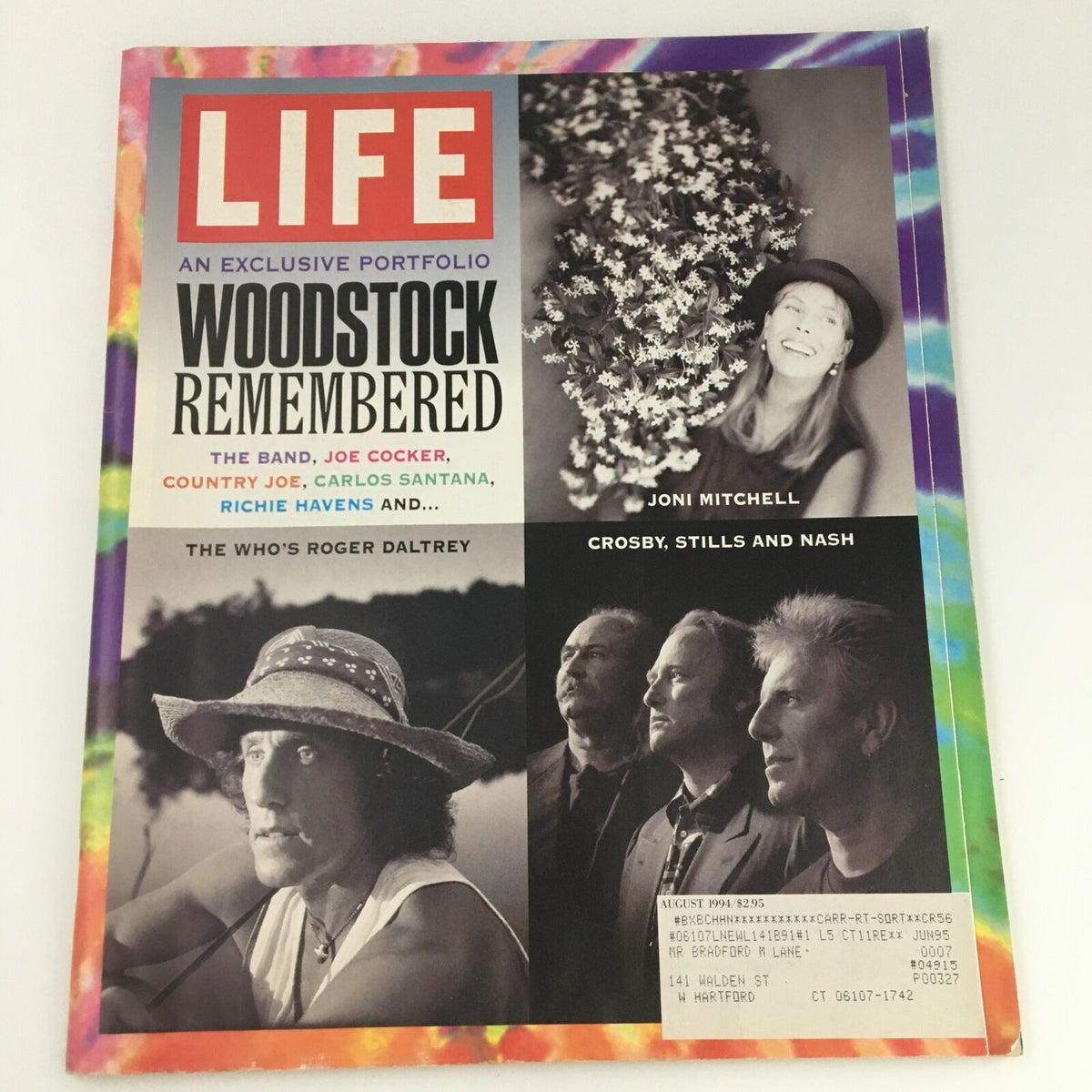
- 1990s and 2000s retrospective features in prestige publications marking anniversary reissues, lifetime achievement recognition, or her periodic, headline-making returns from self-imposed retirement — each one a fresh reckoning with a legacy that refused to be neatly filed away
The Collector's Value
To hold one of these issues is to hold the temperature of a specific cultural moment — the particular weight of a 1974 newsstand magazine, the slight yellowing at the margins that speaks of decades in a careful collection, the faint perfume of aged ink mingling with the period advertisements for cigarettes, Chevrolets, and department store perfumes that frame her image like an accidental time capsule. These are primary sources, not reproductions. The photography has never been retouched for a digital audience. The editorial voice belongs entirely to its era, unfiltered by retrospective mythology. There is something irreplaceable about reading a 1971 review of Blue in the actual month it was written — before the album had been coronated a masterpiece, when critics were still reaching for language adequate to what they had just heard. The surrounding ephemera matters too: the album advertisements, the tour announcements, the letters pages where readers wrote in with the urgent sincerity of people who felt that music was genuinely at stake. For collectors of vintage music memorabilia, women's cultural history, or 20th-century American folk and jazz heritage, these publications offer something no streaming service, biography, or documentary can replicate — the actual texture of the world that received her work in real time, page by page, season by season. Browse the current available inventory below, and find the issue that speaks to the chapter of her story you most want to hold in your hands.