📖 About this Collection
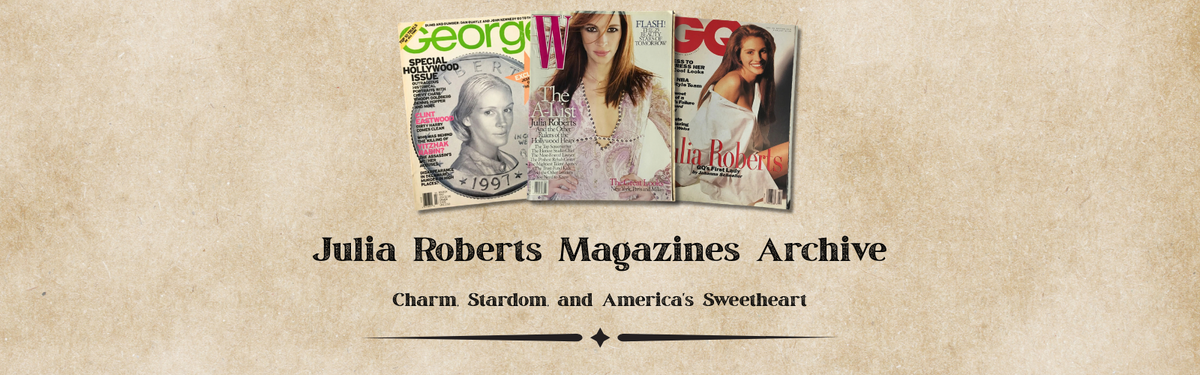
Julia Roberts: America's Sweetheart, Printed in Silver and Ink
The Legend & The Legacy
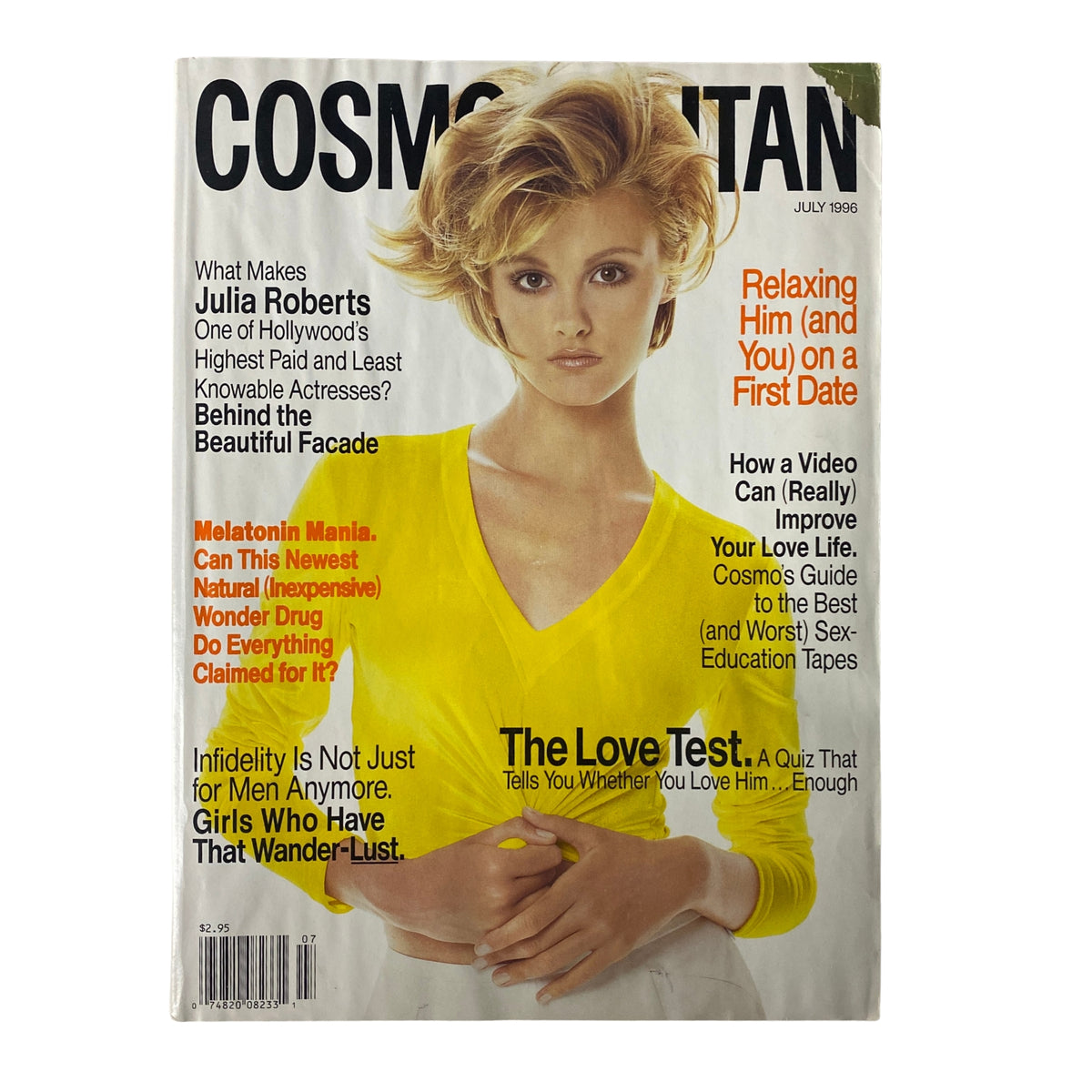
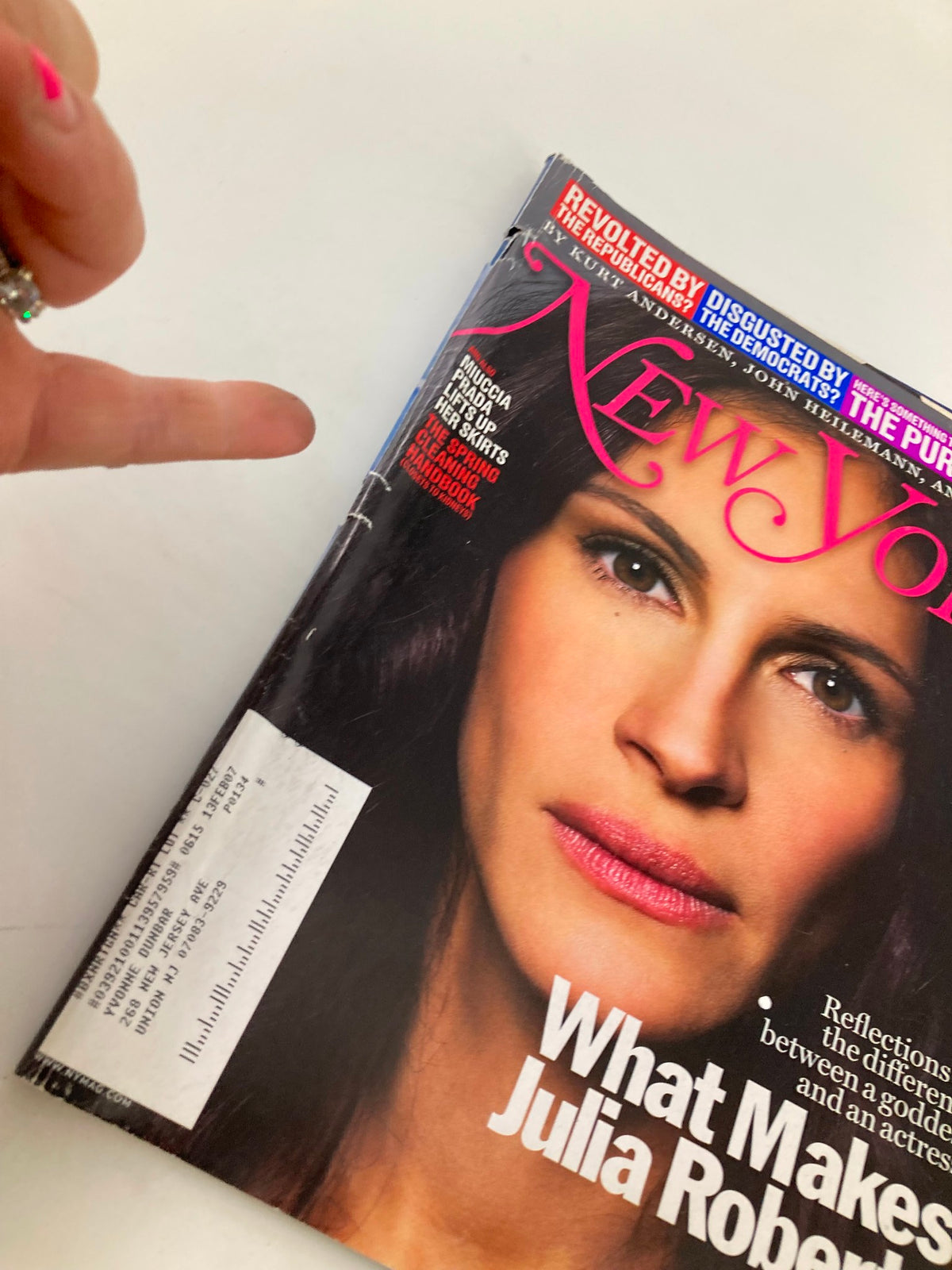
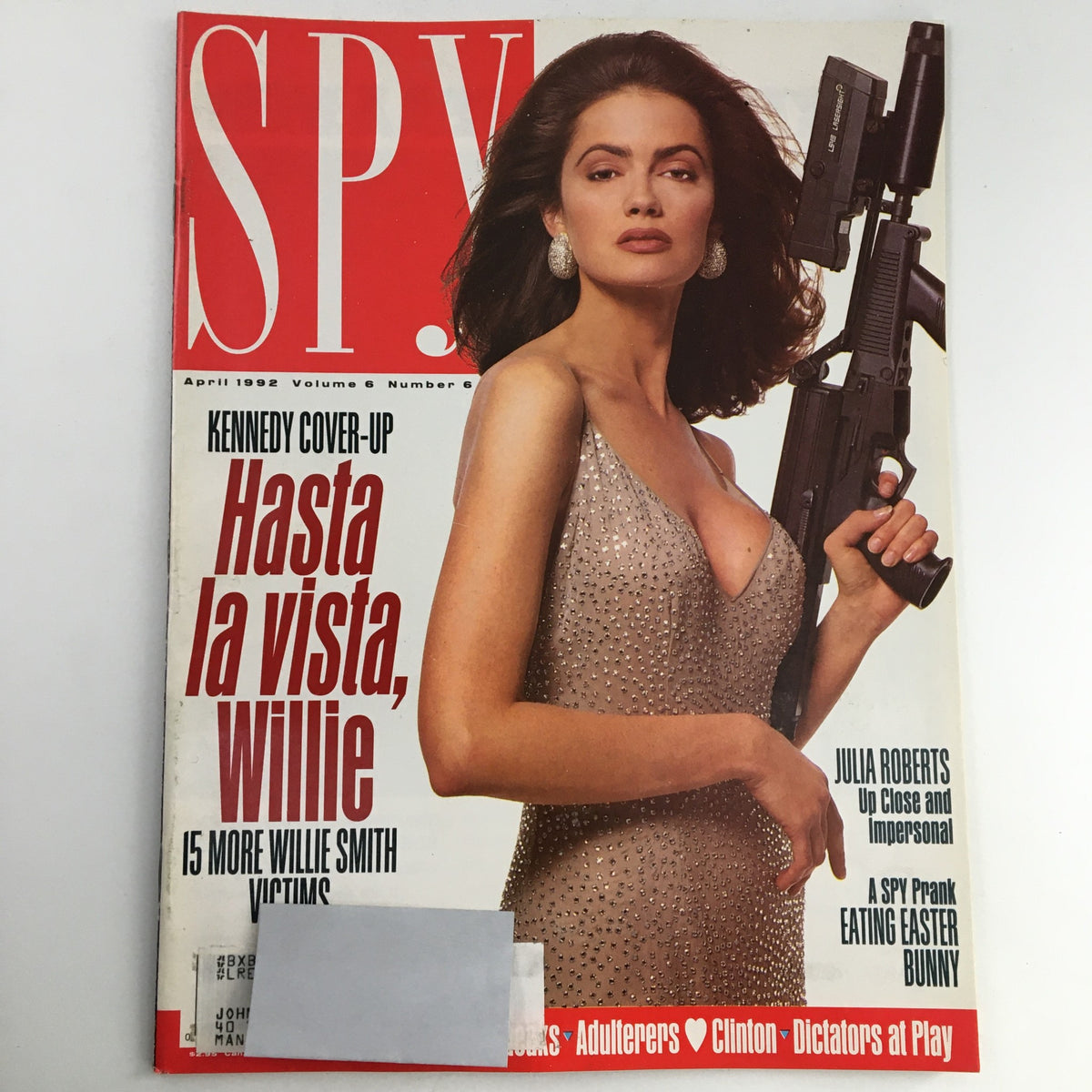
In the years before social media dissolved the mystique of celebrity, Julia Roberts occupied a singular and almost mythological place in American culture. Her ascent was breathtakingly swift — from a charming ingénue in Mystic Pizza to the unequivocal queen of Hollywood following the seismic commercial triumph of Pretty Woman in 1990 — and the public consumed every chapter of it through the glossy, tactile pages of print media. Fan devotion was sustained not by a curated feed or a press-release tweet, but by a carefully timed magazine profile, a sprawling cover shoot, or a candid paparazzi spread immortalized in ink. Through the early to mid-1990s, as she became the highest-paid actress in the world, the woman with the incandescent smile was a recurring presence on newsstands from Los Angeles to London, her image a reliable signal that an issue would sell. Print was the medium through which her mythology was built, maintained, and endlessly debated — her famously turbulent romances, her sudden withdrawal from public life in 1991, and her triumphant return all played out in real time, issue by issue, on paper you could hold.
Inside the Archive
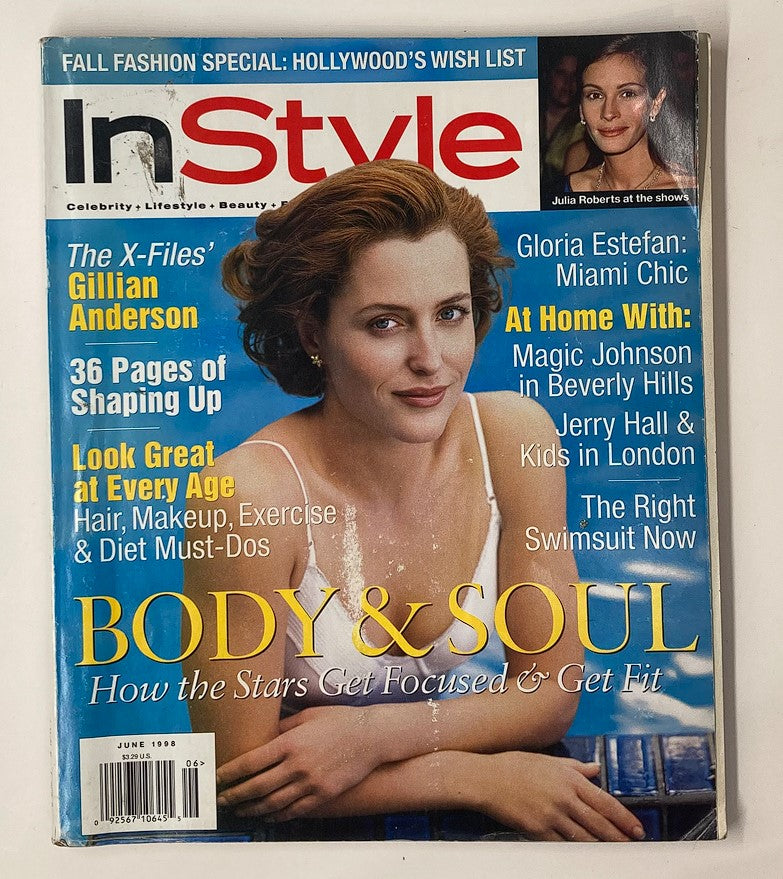
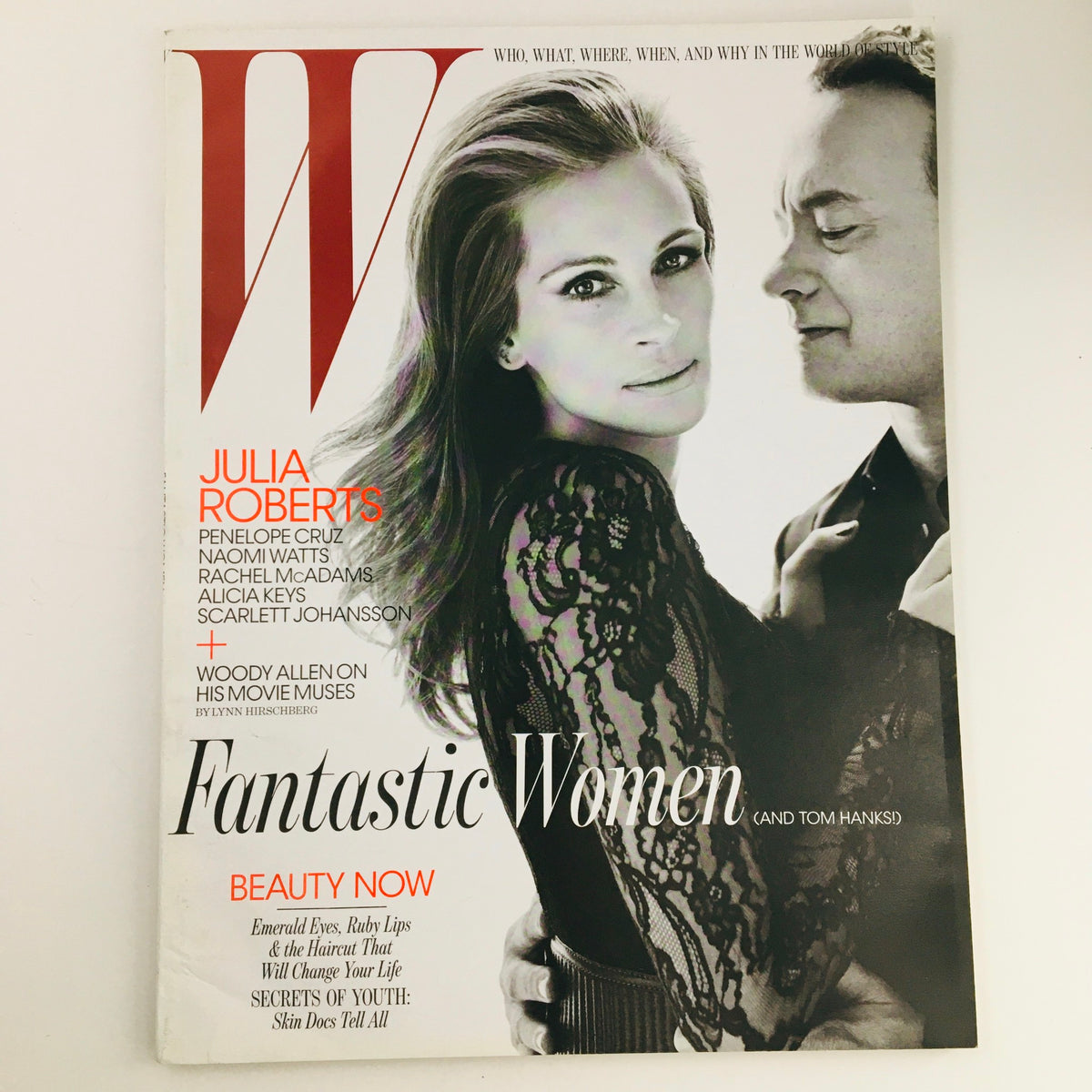
The editorial treatment of the Erin Brockovich star across her peak era was defined by an interplay of glamour and authenticity that was unusual for the time — photographers and editors seemed equally drawn to her luminous, almost unruly charisma as they were to conventional Hollywood polish. Cover shoots in this period favored warm, natural lighting, relaxed posture, and the suggestion of genuine laughter, a deliberate contrast to the porcelain perfection that dominated the decade's fashion imagery. People magazine returned to her repeatedly throughout the 1990s, treating her personal life with the kind of breathless, serialized attention once reserved for royalty. Vanity Fair offered the more considered, literary portrait — long-form profiles that situated her within the broader cultural conversation about women, fame, and power in Hollywood. Internationally, Paris Match brought its own romantic sensibility to her image, framing the American actress within a European aesthetic tradition that heightened her star quality to something approaching myth.
Curator's Checklist: Highlights Often Include
- Early breakthrough coverage (1988–1990): Collector interest frequently centers on issues documenting her rapid rise, including entertainment weeklies and film magazines from the period of Steel Magnolias and Pretty Woman that capture a star on the precise cusp of cultural explosion.
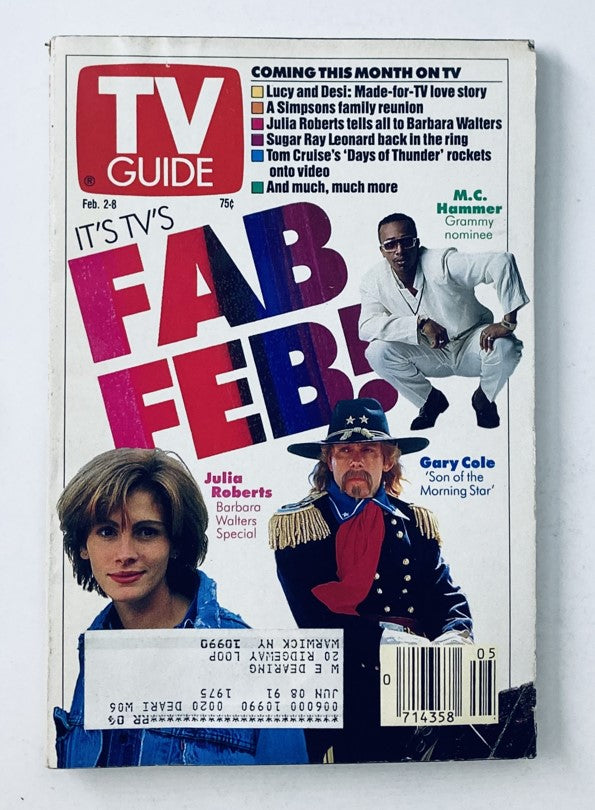
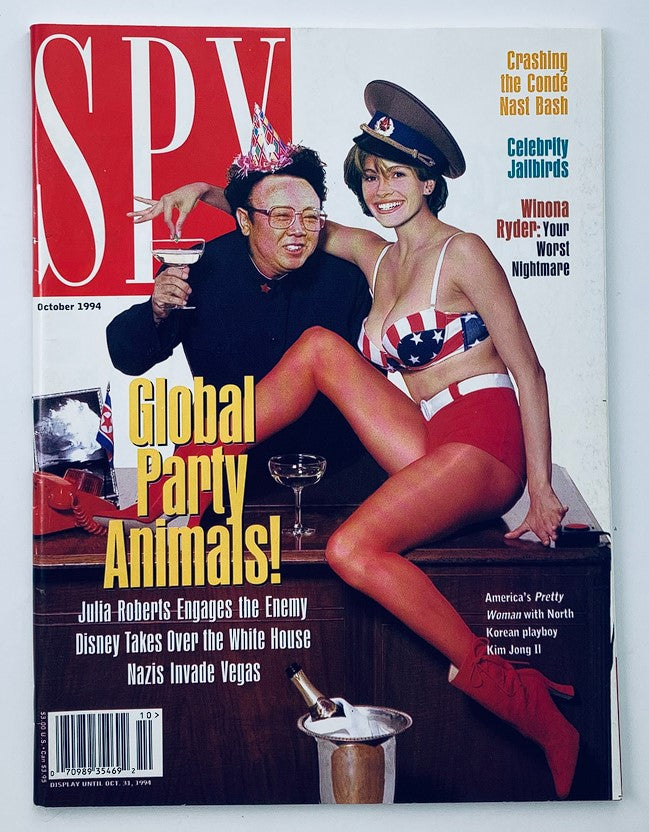
- Peak-era cover features (1990–1995): Our archive often surfaces major women's and entertainment titles bearing her image during the height of her box-office dominance, a period that generated some of the most iconic and widely recognized portraiture in 1990s magazine photography.
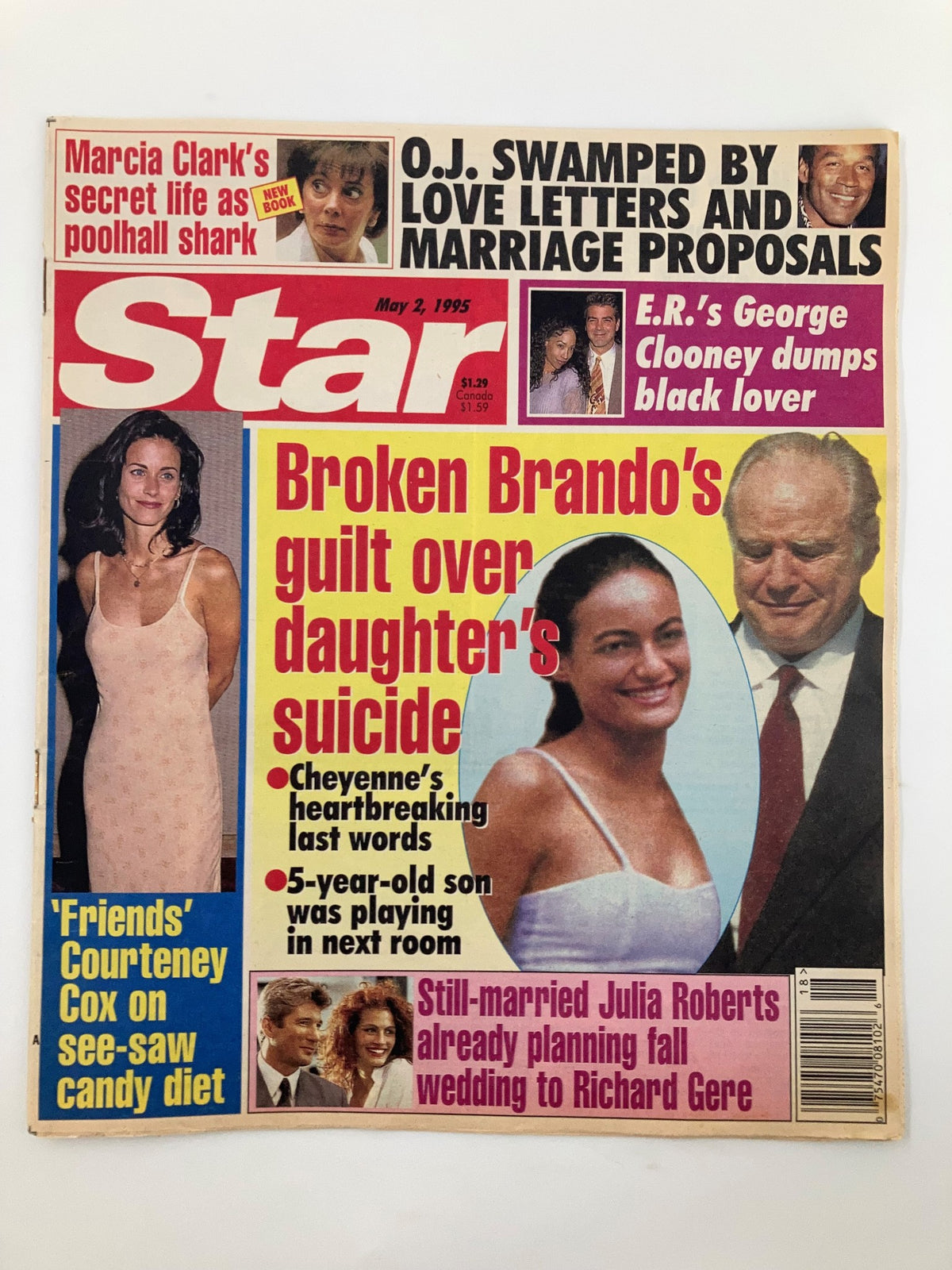
- Personal life chronicles: The tabloid and celebrity press of the early 1990s documented her high-profile relationships and surprising 1991 career withdrawal with extraordinary intensity — issues from this period represent a vivid primary-source record of fame under the pre-internet microscope.
- Award season profiles: Collectors often seek out issues surrounding her Academy Award nomination for Pretty Woman (1991) and her eventual Oscar win for Erin Brockovich (2001), moments that generated substantial long-form editorial coverage across both American and international titles.
- International editions: Coverage frequently extends beyond American borders, with European fashion and entertainment publications offering distinct, often more artistically ambitious interpretations of her image throughout the decade.
The Collector's Value
There is something irreplaceable about holding one of these original issues — the soft give of decades-old coated paper stock between your fingers, the faint, warm ghost of aged ink that no digital archive can replicate, and the surrounding ecosystem of the original advertisements, the film announcements, the cultural ephemera that place the cover story precisely in its historical moment. These are not reprints or facsimiles; they are primary documents, objects that were physically present in the world at the moment the story was being lived. For collectors of 1990s Hollywood memorabilia, golden-era entertainment history, or feminist cultural artifacts from the decade that redefined women in cinema, these publications offer something no streaming platform or online database ever can: a direct, sensory, unmediated connection to the era itself. Browse the current available inventory below and discover which pieces of this remarkable legacy are waiting to find a new home.