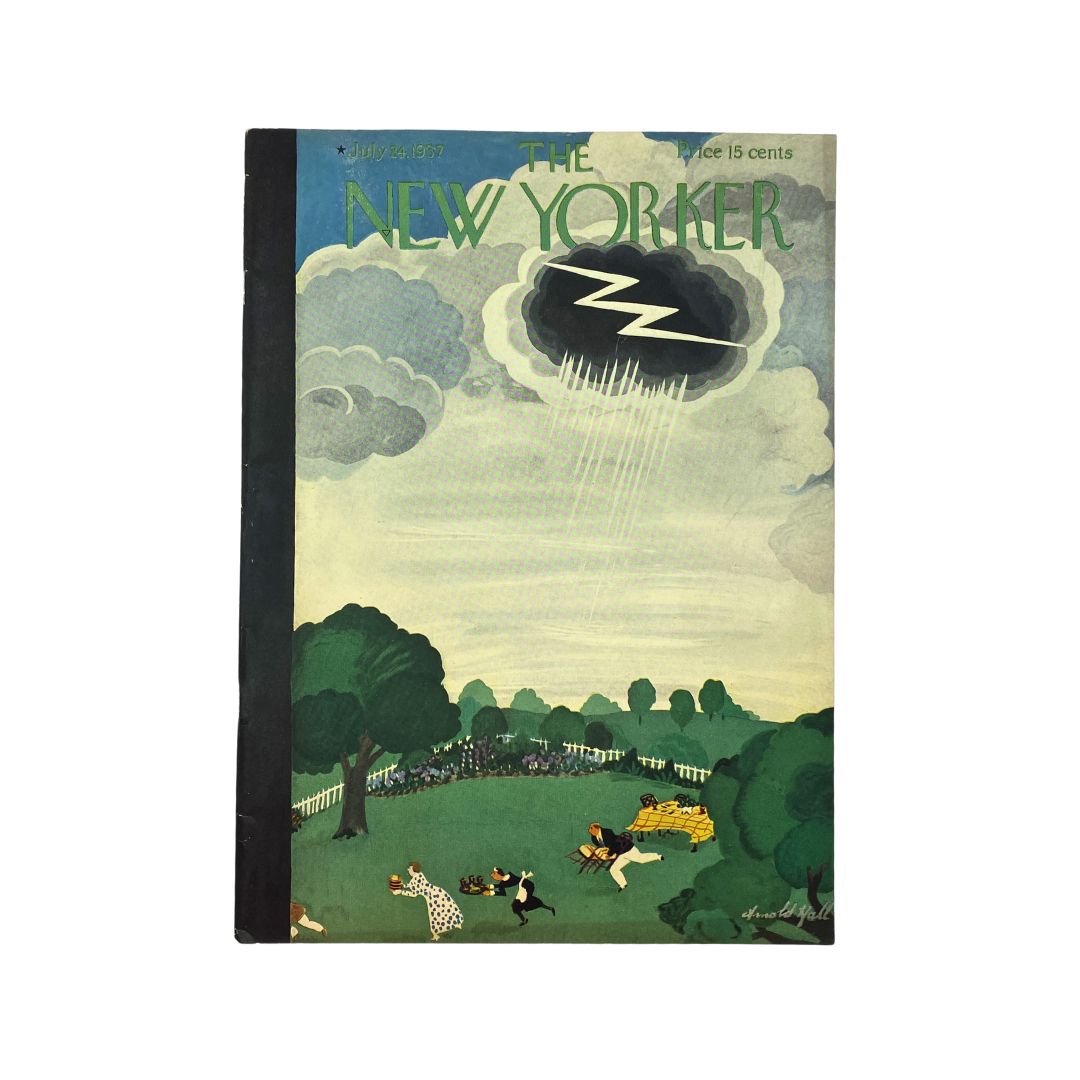
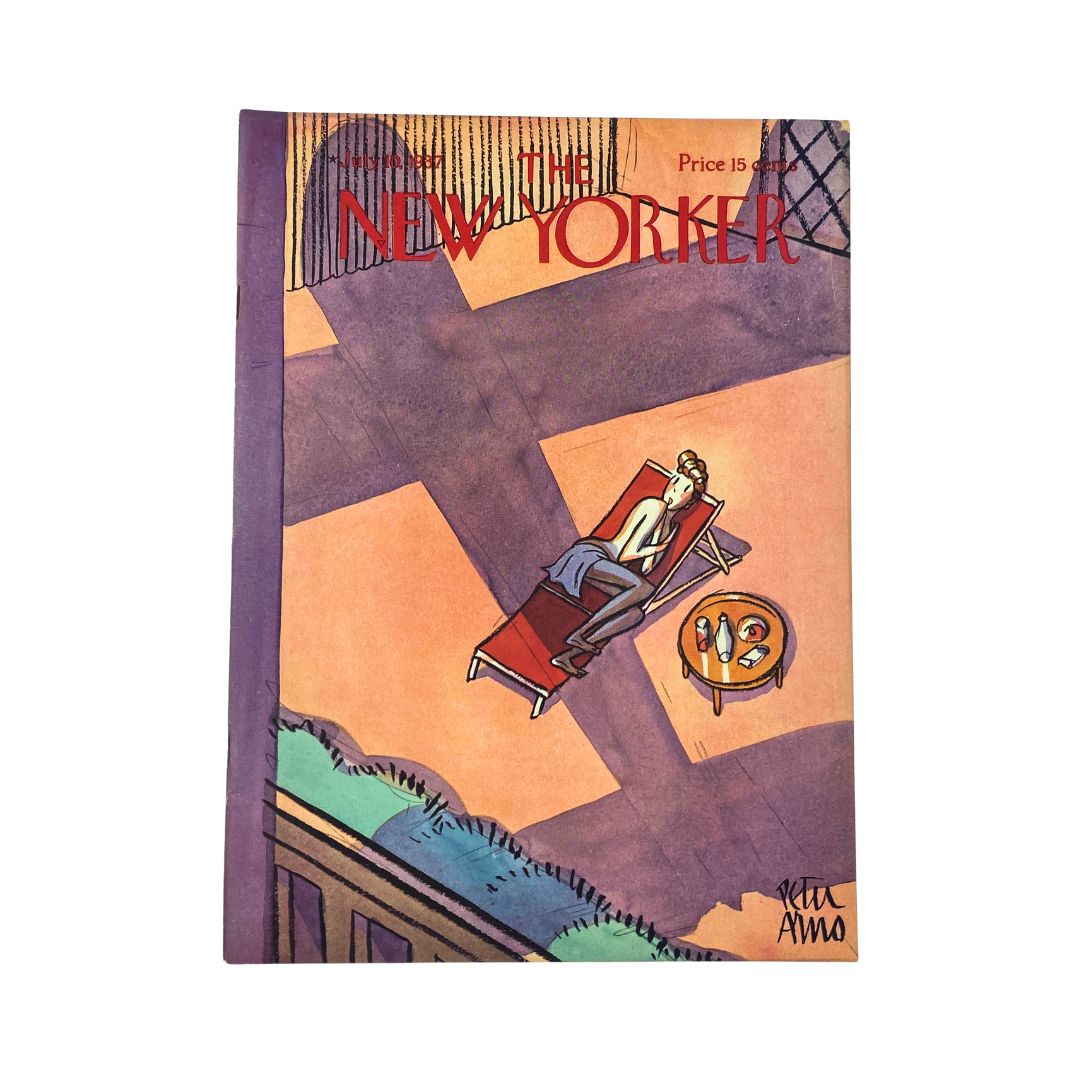
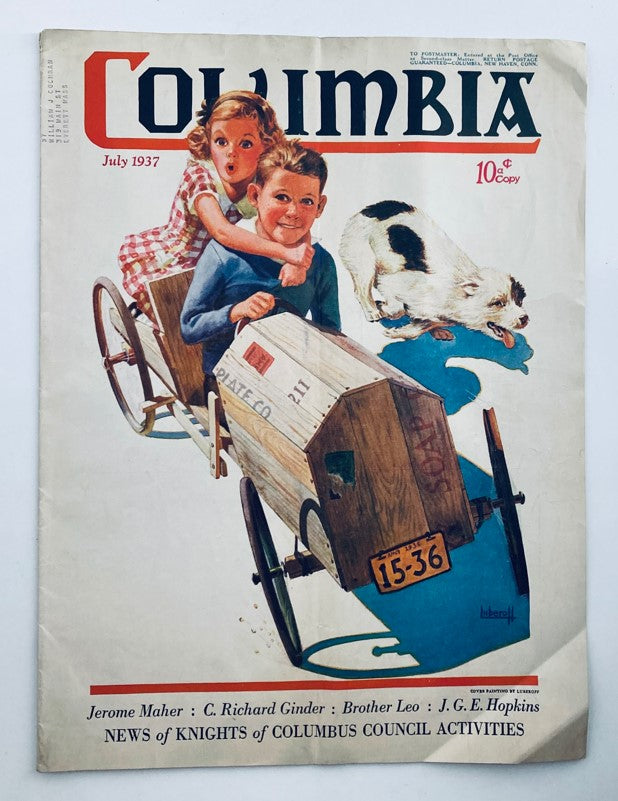
📖 About this Collection
July 1937: The World on the Edge of Tomorrow
The Historical Context
The summer of 1937 arrived heavy with portent. On July 2nd, the world woke to news that Amelia Earhart and navigator Fred Noonan had vanished somewhere over the vast Pacific, swallowed by ocean silence on their round-the-world attempt. Radio operators strained to catch a signal. Newspapers ran the story for weeks. The disappearance of America's most beloved aviator became the defining mystery of the era — a symbol of ambition meeting an indifferent universe.
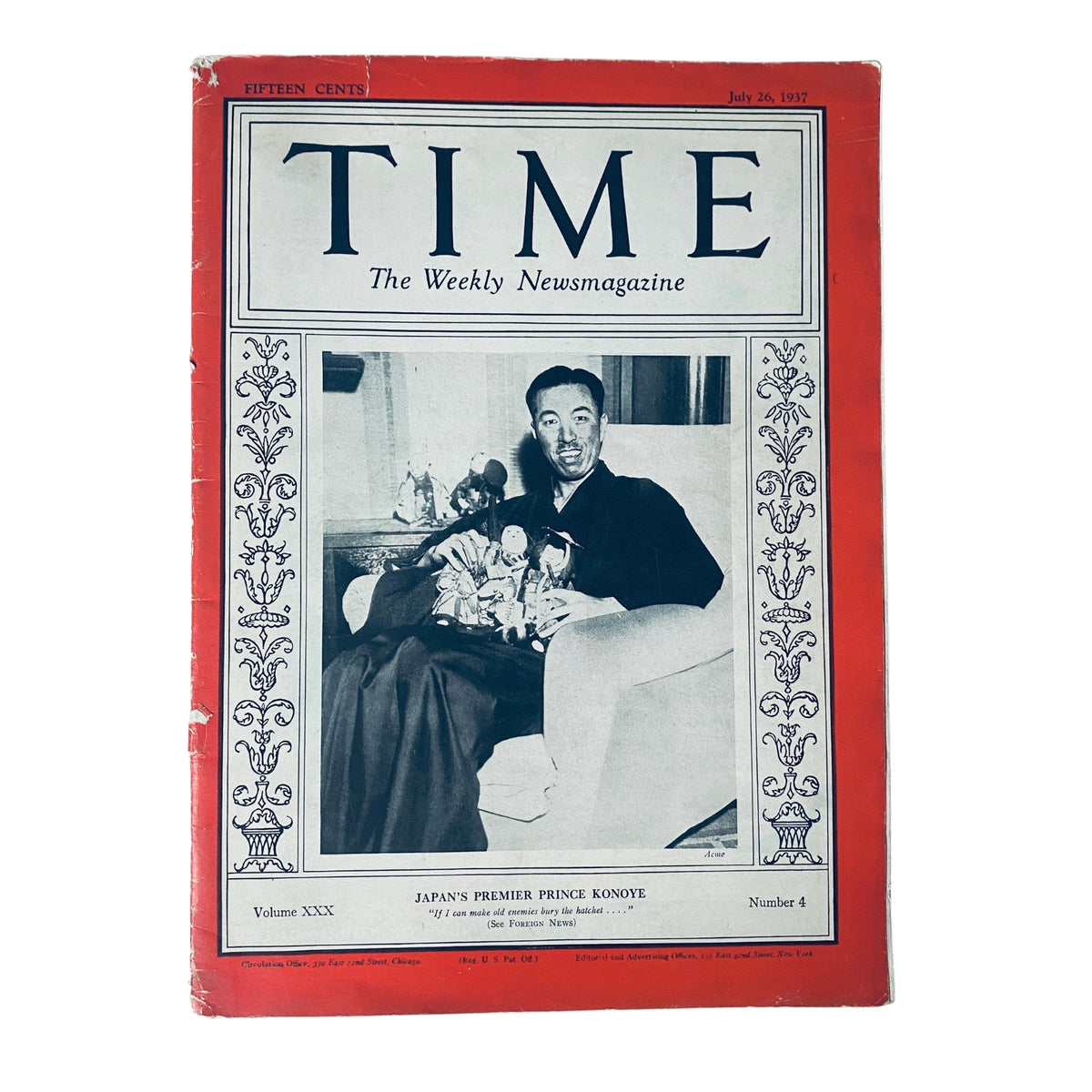
Meanwhile, the geopolitical map was being redrawn in blood. On July 7th, Japanese and Chinese troops clashed at the Marco Polo Bridge near Beijing, igniting the Second Sino-Japanese War — a conflict that would eventually consume millions. By month's end, Japanese forces had occupied Peking and Tianjin. In Europe, Buchenwald Concentration Camp opened its gates on July 15th, and the US Senate rejected FDR's controversial proposal to enlarge the Supreme Court. This was the world your loved one entered — tense, restless, and crackling with the electricity of history being made in real time.
What America Was Watching, Wearing, and Talking About
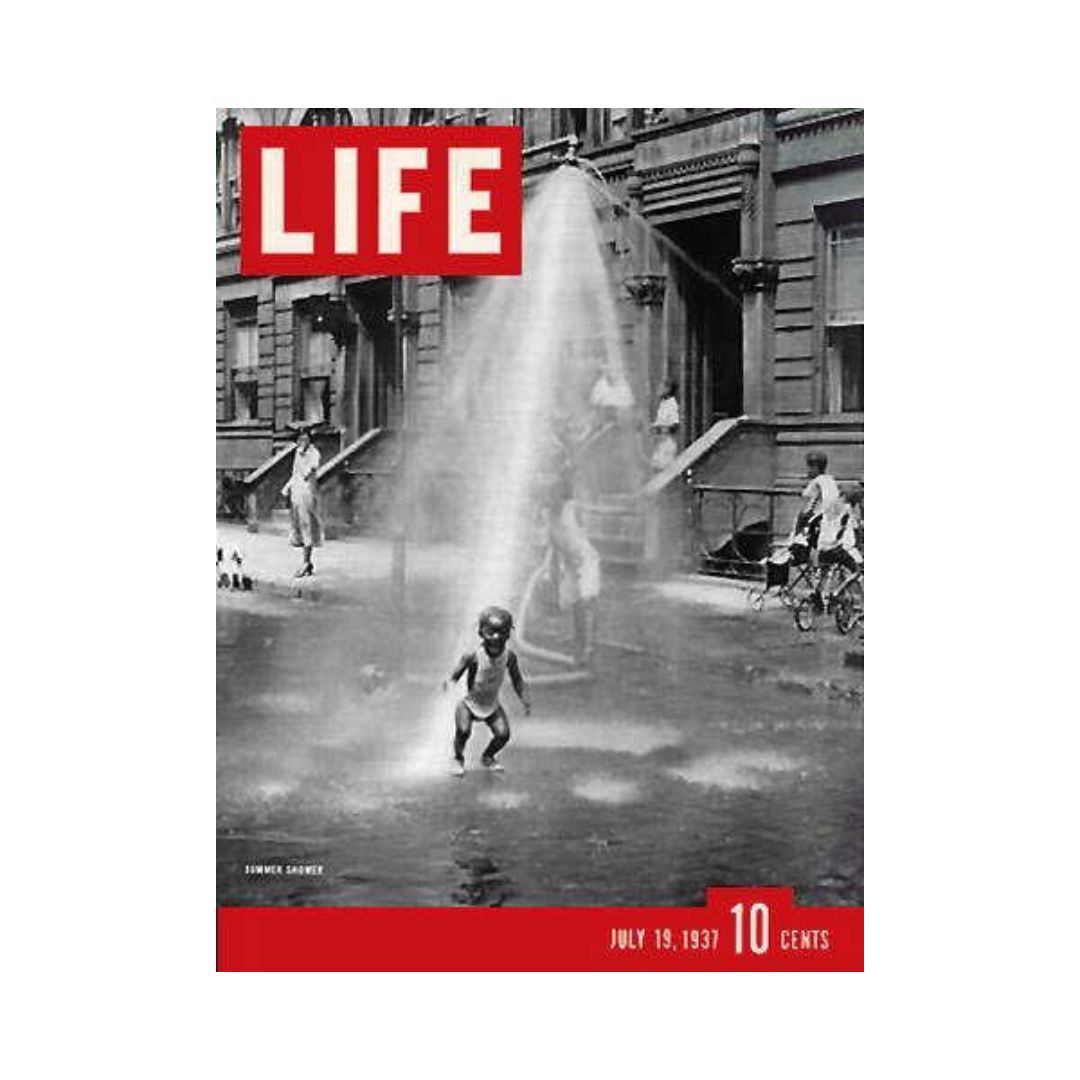
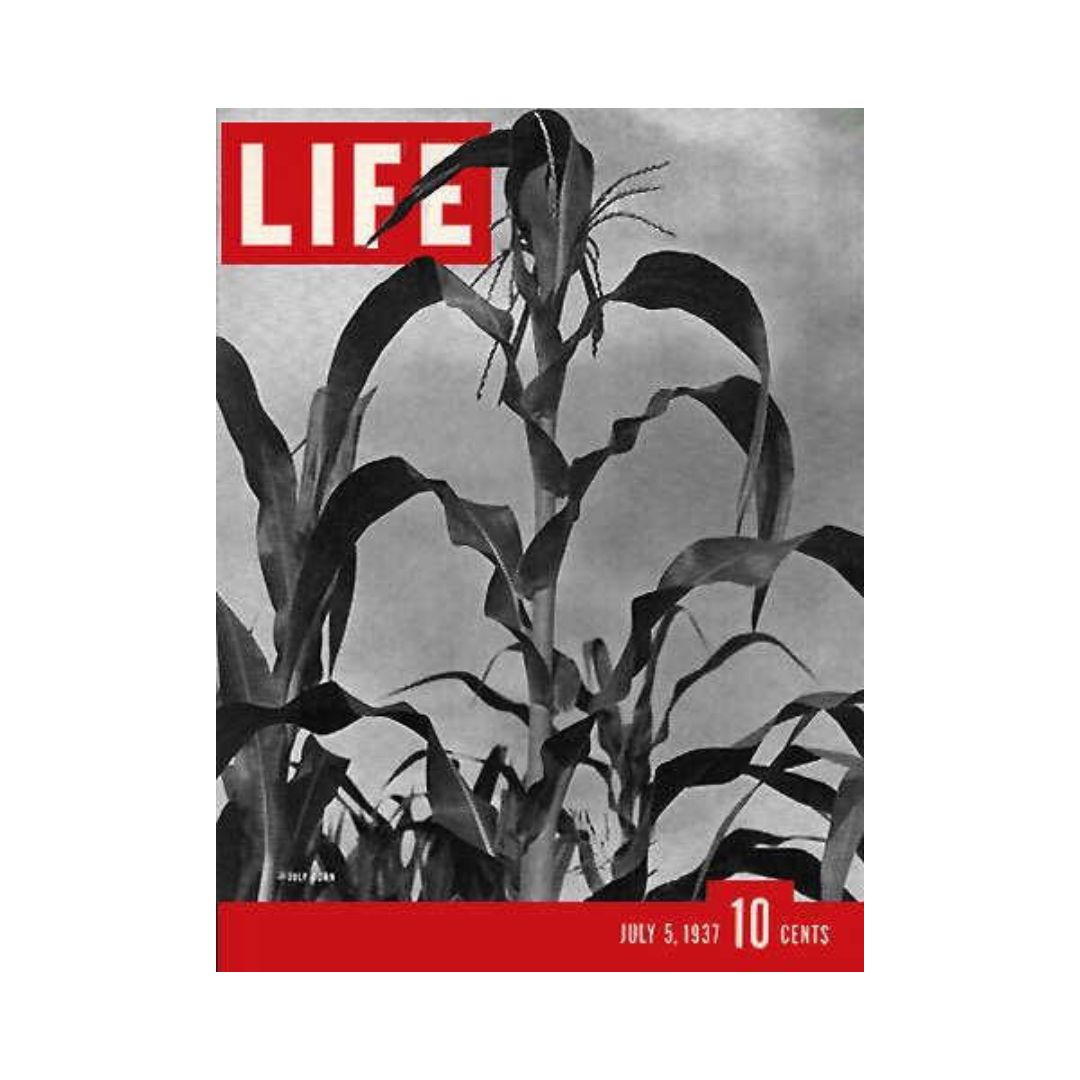
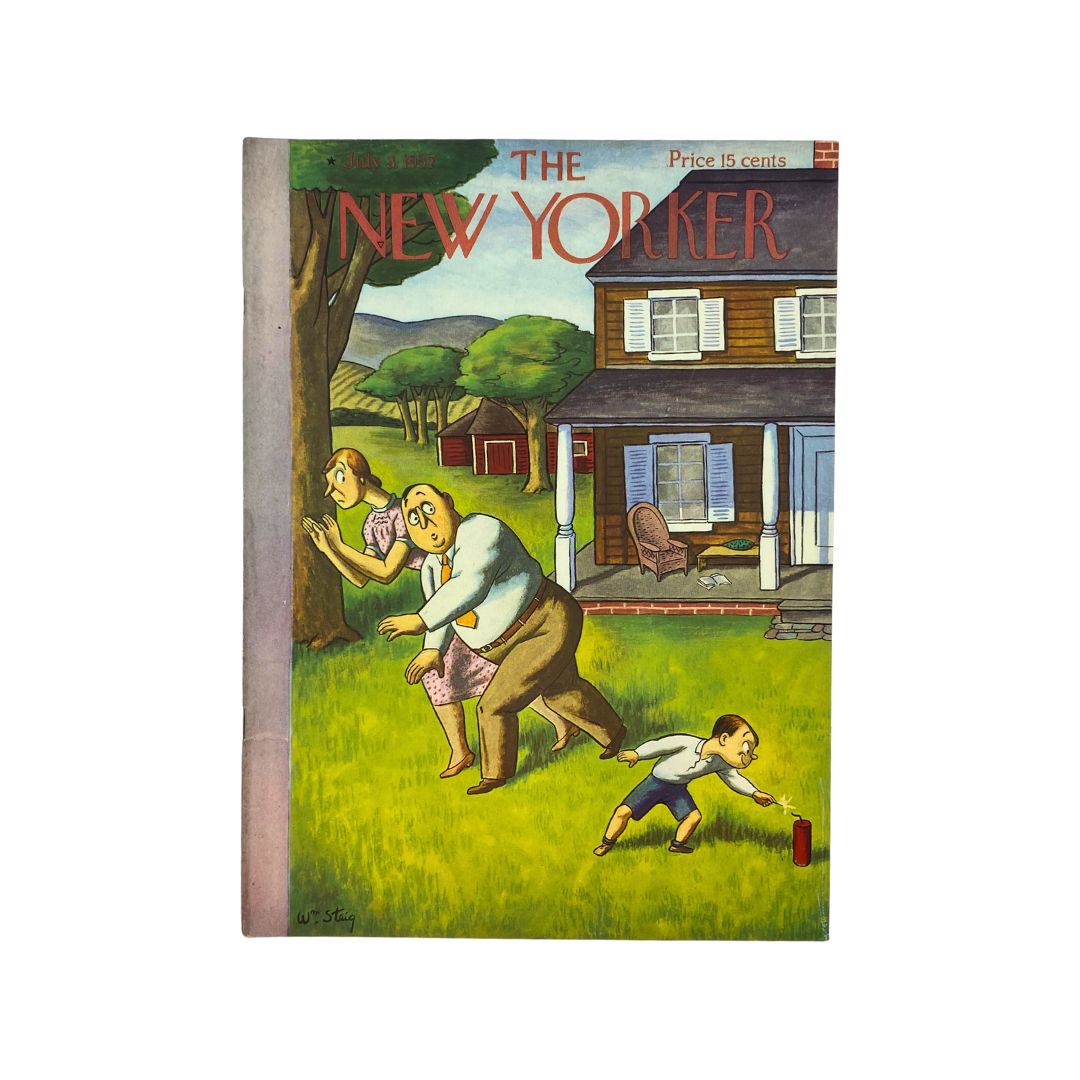
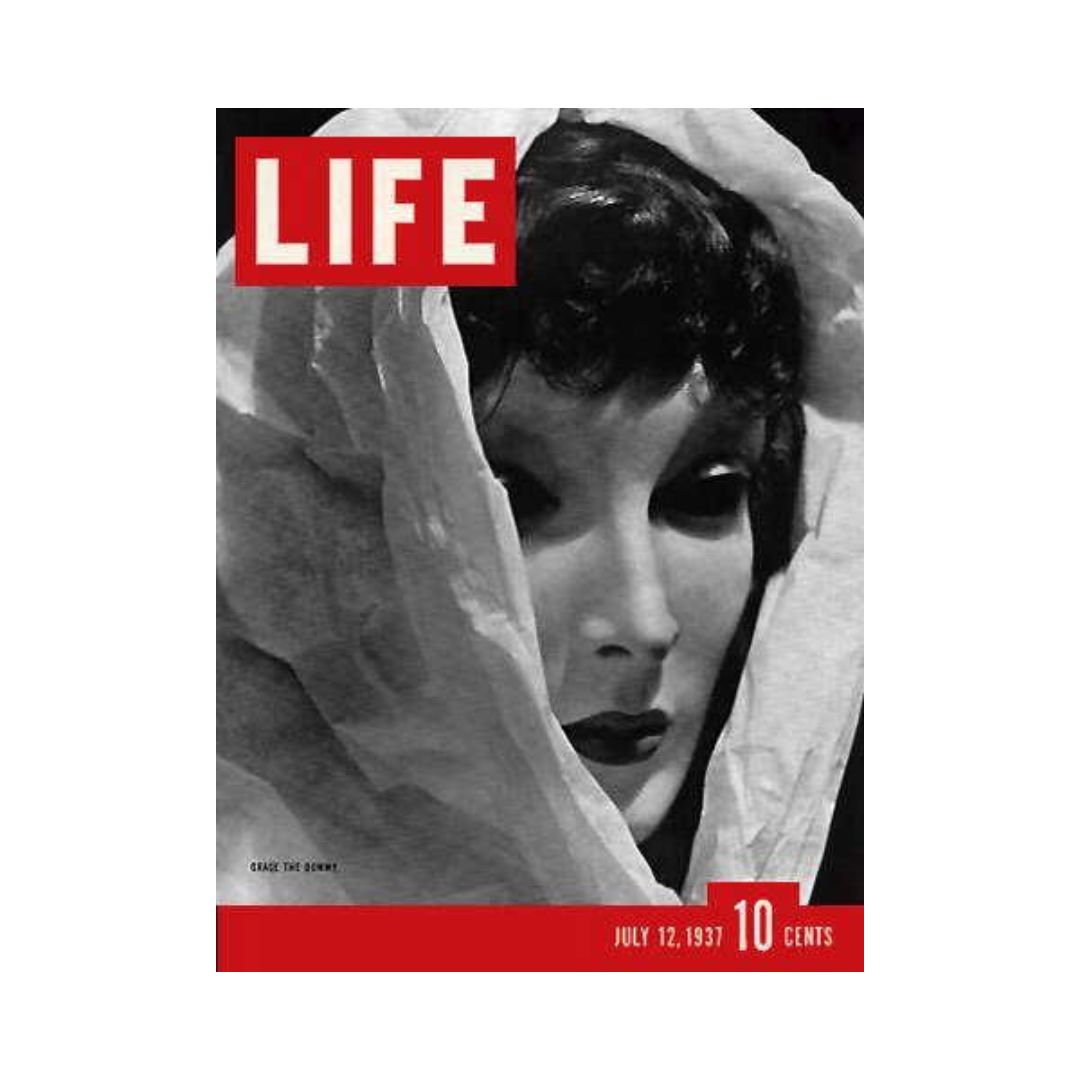
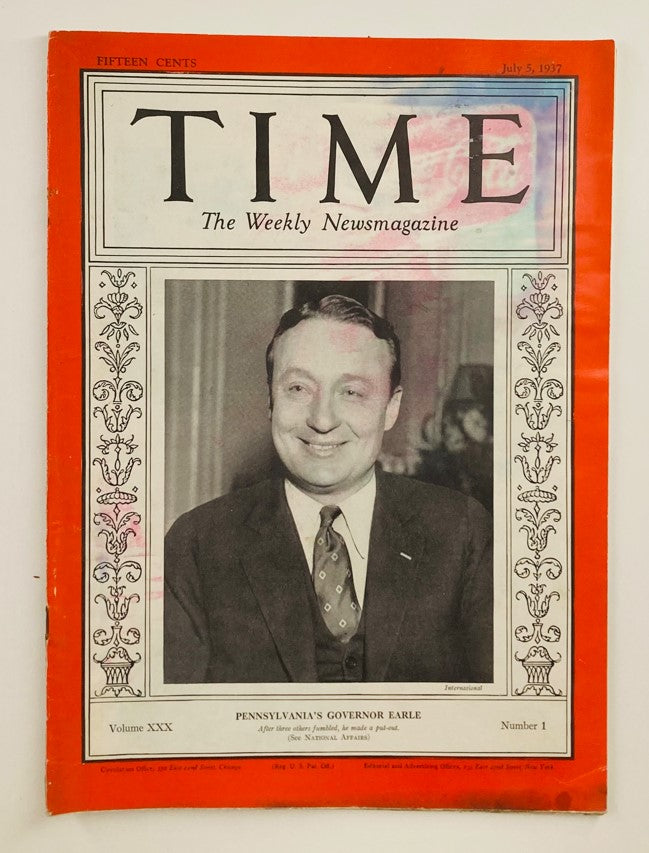
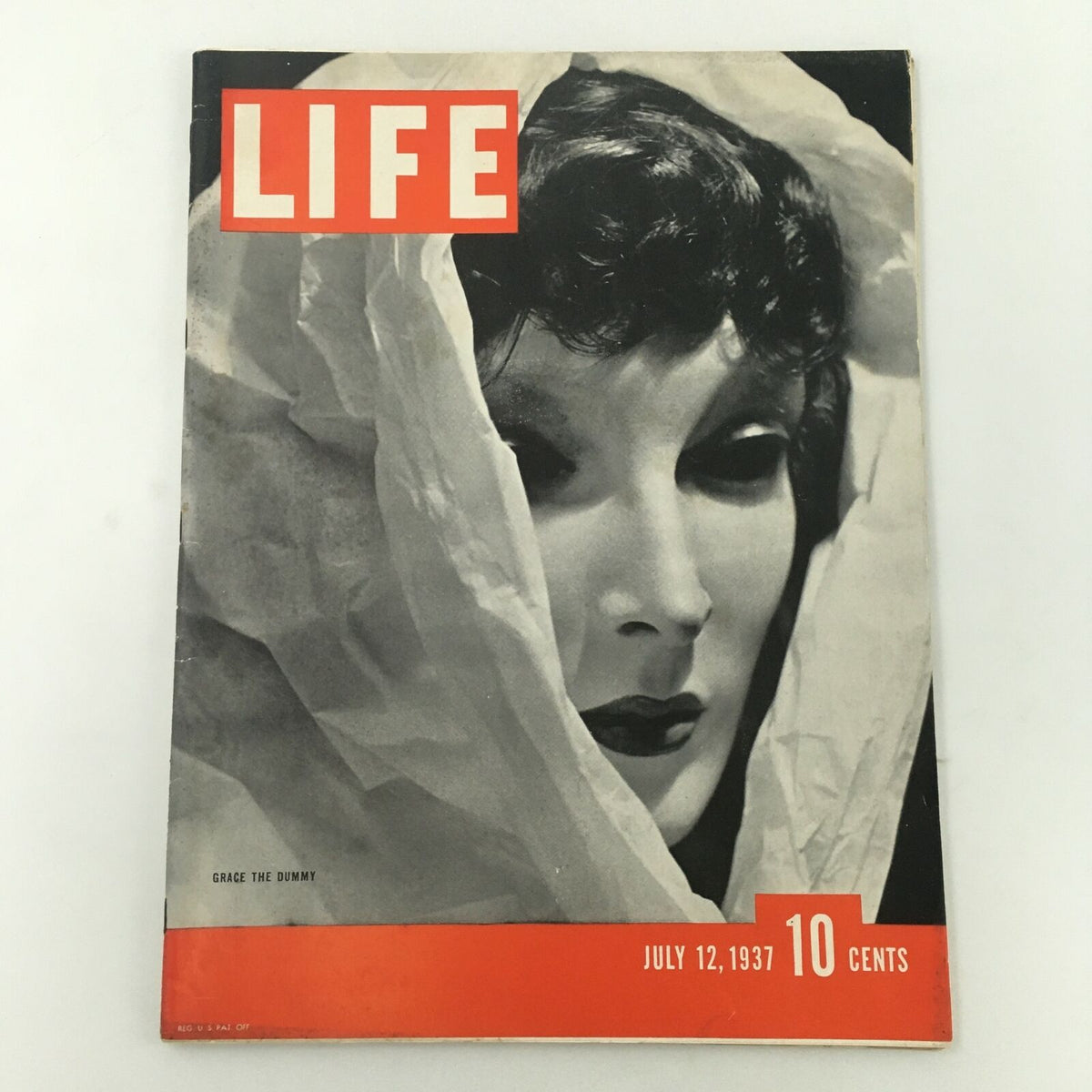
At newsstands across America, Life and Time jostled for attention alongside Look, their covers heavy with photographs of Earhart and dispatches from the Pacific. But July 1937 had more than hard news to offer. At the Del Mar Turf Club — opened on July 3rd with crooner Bing Crosby as president — the sport of kings was suddenly glamorous again, and original magazines from July 1937 captured the celebrity shine of it all in lavish photo spreads.
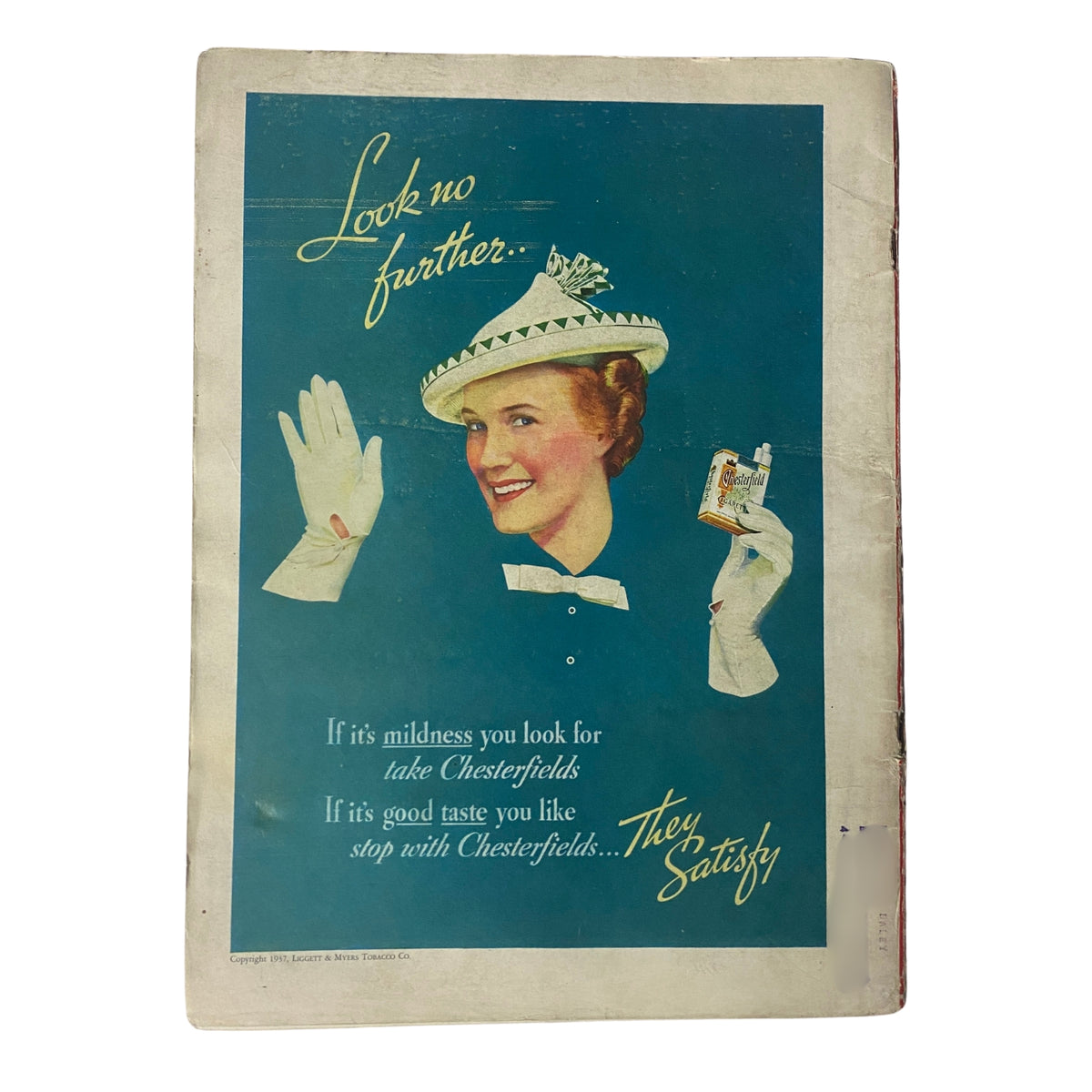
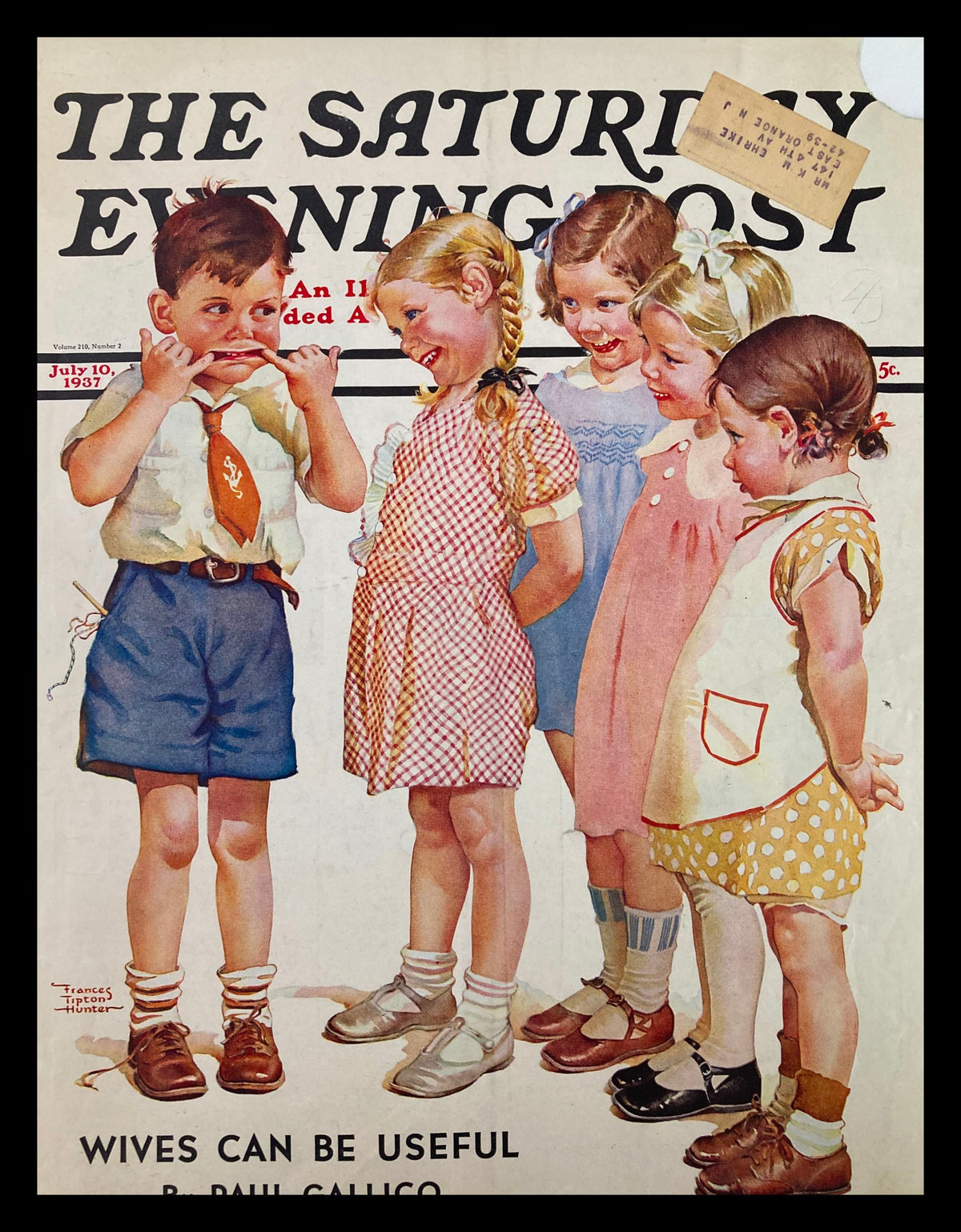
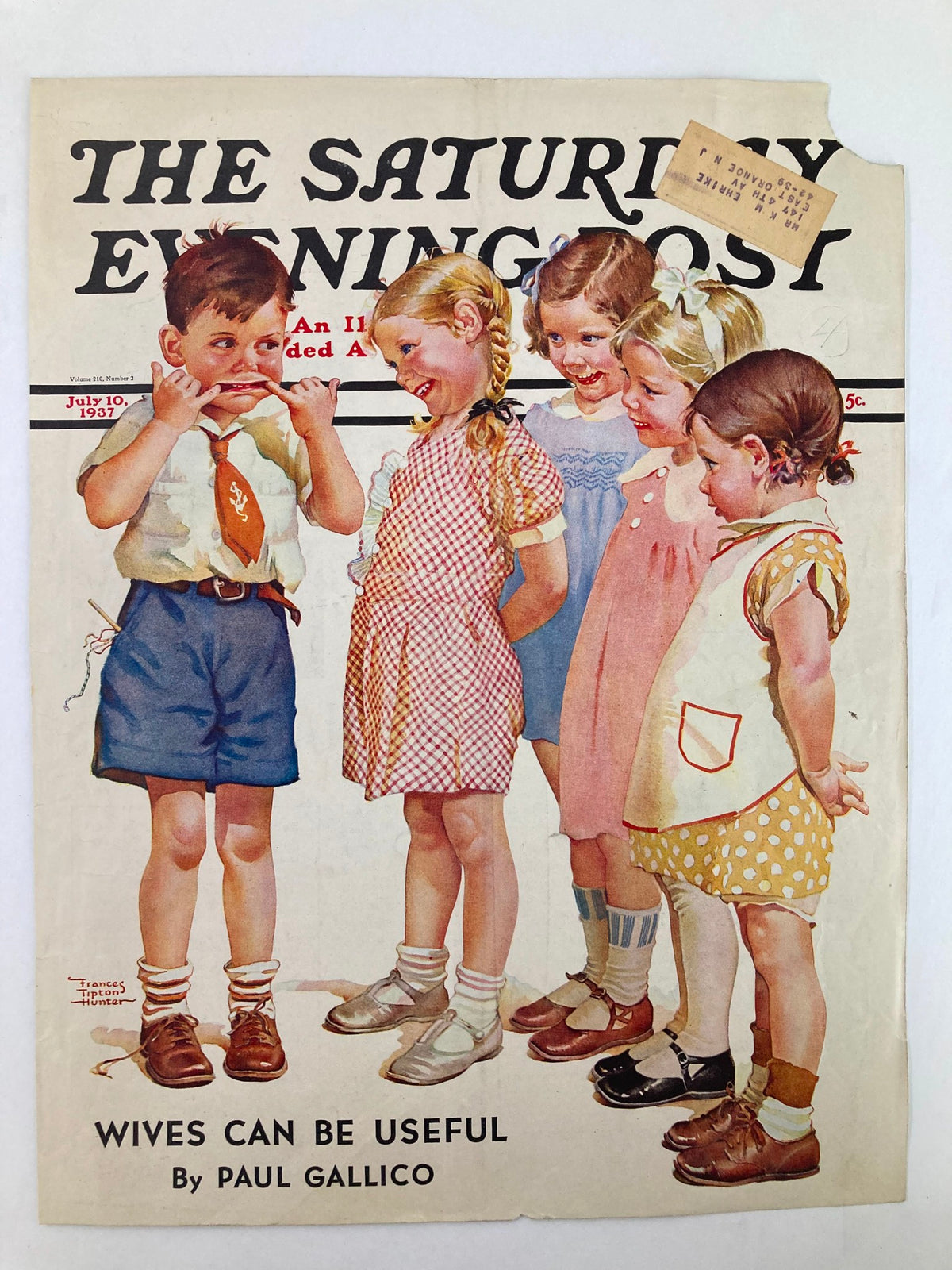
At Wimbledon, Don Budge dominated the men's draw with cool, athletic authority, while Joe DiMaggio launched his first career grand slam for the Yankees, cementing his legend. Django Reinhardt's jazz quintet debuted at La Grosse Pomme in Montmartre that same month, a sound that would reshape popular music across two continents. Sports Illustrated wouldn't yet exist to chronicle it, but Life and the Saturday Evening Post were there — lush with advertisements for streamlined automobiles, summer fashions, and the era's boundless consumer optimism. Lou Gehrig drove in four runs at the 5th MLB All-Star Game, and rare magazines from this summer capture that golden American sports moment in full photographic detail.
Curator's Checklist: What to Look For in July 1937 Magazines
-
The Earhart Disappearance: Life, Time, and Newsweek ran extensive photo coverage of Amelia Earhart's final flight and the subsequent search operation, featuring maps of the Pacific route, portraits of Earhart at the controls, and breathless early wire reports before the silence became permanent.
-
The Marco Polo Bridge Incident: News weeklies including Time and Look chronicled the outbreak of the Second Sino-Japanese War, illustrated with stark photography from the front lines and political cartoons reflecting American anxiety about events unfolding in the Far East.
-
Wimbledon & the American Sports Summer: Sports publications and general-interest magazines showcased Don Budge's championship dominance and DiMaggio's heroics, featuring action photography and profile pieces that read like mythology in the making — the kind of authentic sports journalism that defined the era.
-
Celebrity Culture at Del Mar: With Bing Crosby lending his star power to Del Mar's opening, entertainment and lifestyle sections in vintage magazines from this period brim with photographs of Hollywood luminaries at the track, capturing the easy glamour between the silver screen and the sporting world.
-
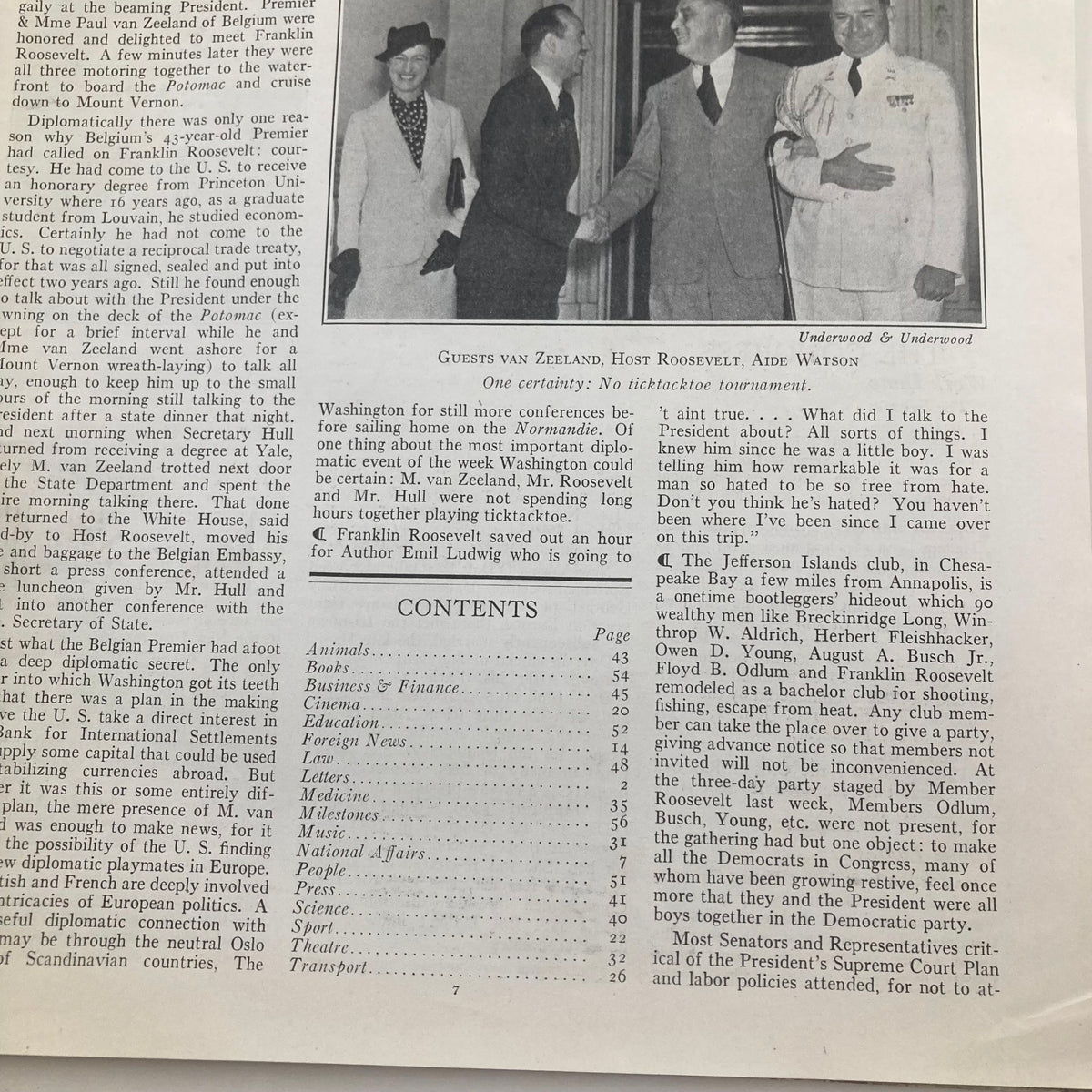
The Political Powder Keg: Time, Newsweek, and Harper's Bazaar each reflected — in their own registers — the month's darker currents: FDR's Supreme Court defeat, Buchenwald's opening, and the arrest of Reverend Niemöller in Nazi Germany, preserved in headlines and editorial illustrations that documented a civilization under strain.
The Perfect Gift
For someone born in July 1937, an original magazine from this charged and consequential month isn't just a piece of old paper — it's a genuine time capsule of the exact world they entered, preserved in the crackling newsprint, period advertisements, and photographs that no museum can recreate.