📖 About this Collection
July 1938: When Daredevils Ruled the Sky
The Historical Context
The summer of 1938 crackled with a restless, audacious energy—the kind that only arrives when the world stands on the edge of something it cannot yet name. Europe's shadows deepened as Benito Mussolini published his chilling anti-Jewish manifesto on July 14th, a document that sent tremors through the international community and signaled the continent's darkening trajectory. Yet Americans looked upward, transfixed by feats of impossible daring. Howard Hughes had just circled the globe in a breathtaking 91 hours, and the Pan Am Yankee Clipper completed the first commercial passenger flight across the Atlantic. This was the world your loved one was born into—tense, thrilling, and hurtling forward at impossible speed, even as ancient hatreds threatened to drag it back.
Meanwhile, a locomotive called the Mallard shattered every record on Britain's East Coast Main Line, reaching 125.9 mph and forever claiming the title of the fastest steam engine in history. President Roosevelt lit the eternal flame at Gettysburg, a nation pausing to honor sacrifice while bracing for what might come next. These were not quiet days.
A Summer of Champions, Comics, and Crooners
Hollywood and the sports pages offered welcome distraction from the gathering storm abroad. In tennis, Don Budge's commanding Wimbledon victory—6-1, 6-0, 6-3 over England's Henry Austin—secured the third leg of his legendary Grand Slam, while Helen Wills Moody dispatched Helen Jacobs for the fourth time in a Wimbledon final, her dominance so total it bordered on myth. Golf had its own drama: Paul Runyan humiliated the heavily favored Sam Snead at the PGA Championship by a record 8 & 7 margin. And in cricket, the incomparable Don Bradman piled up 304 runs against England at Headingley, a performance that left spectators struggling to believe what they had witnessed.
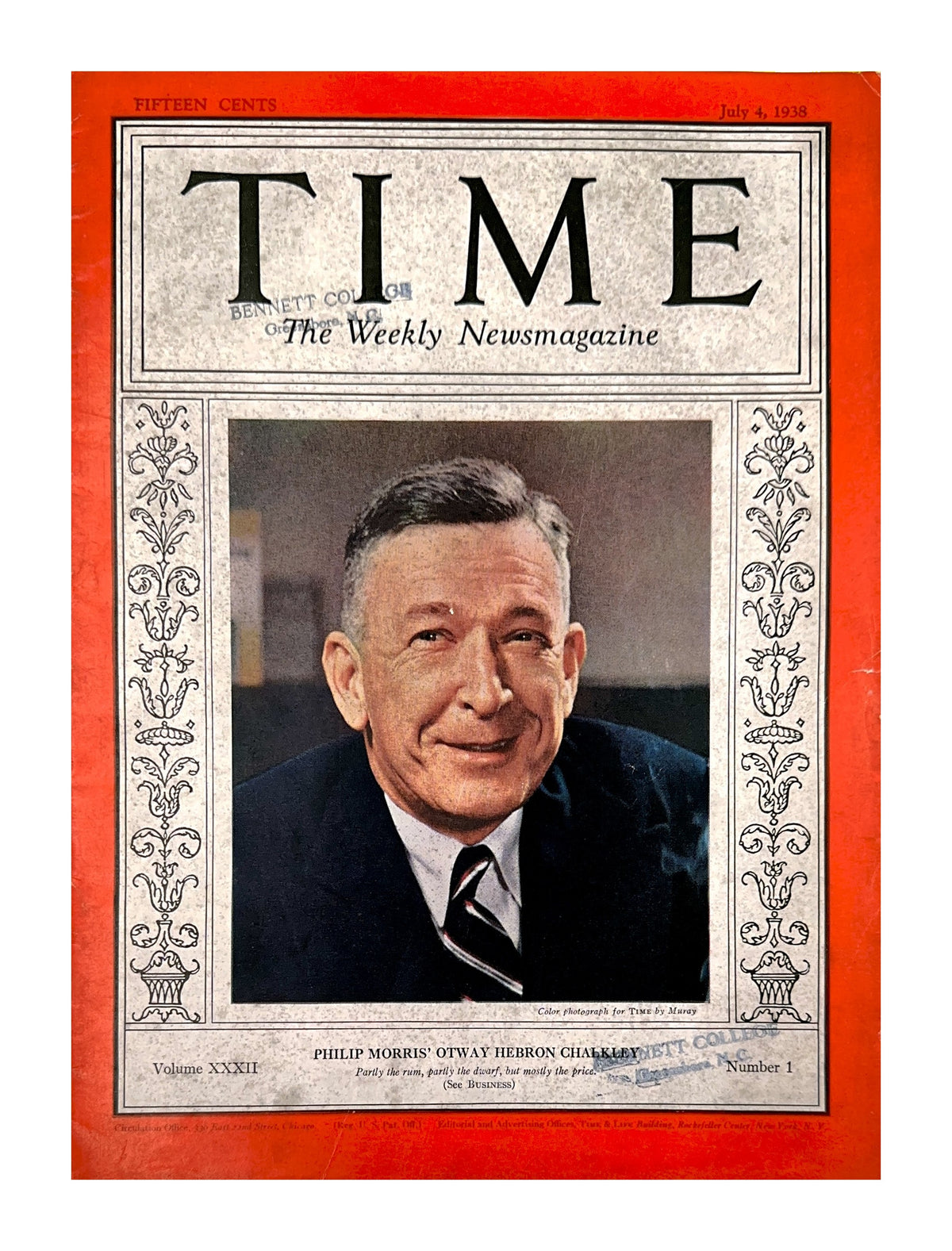
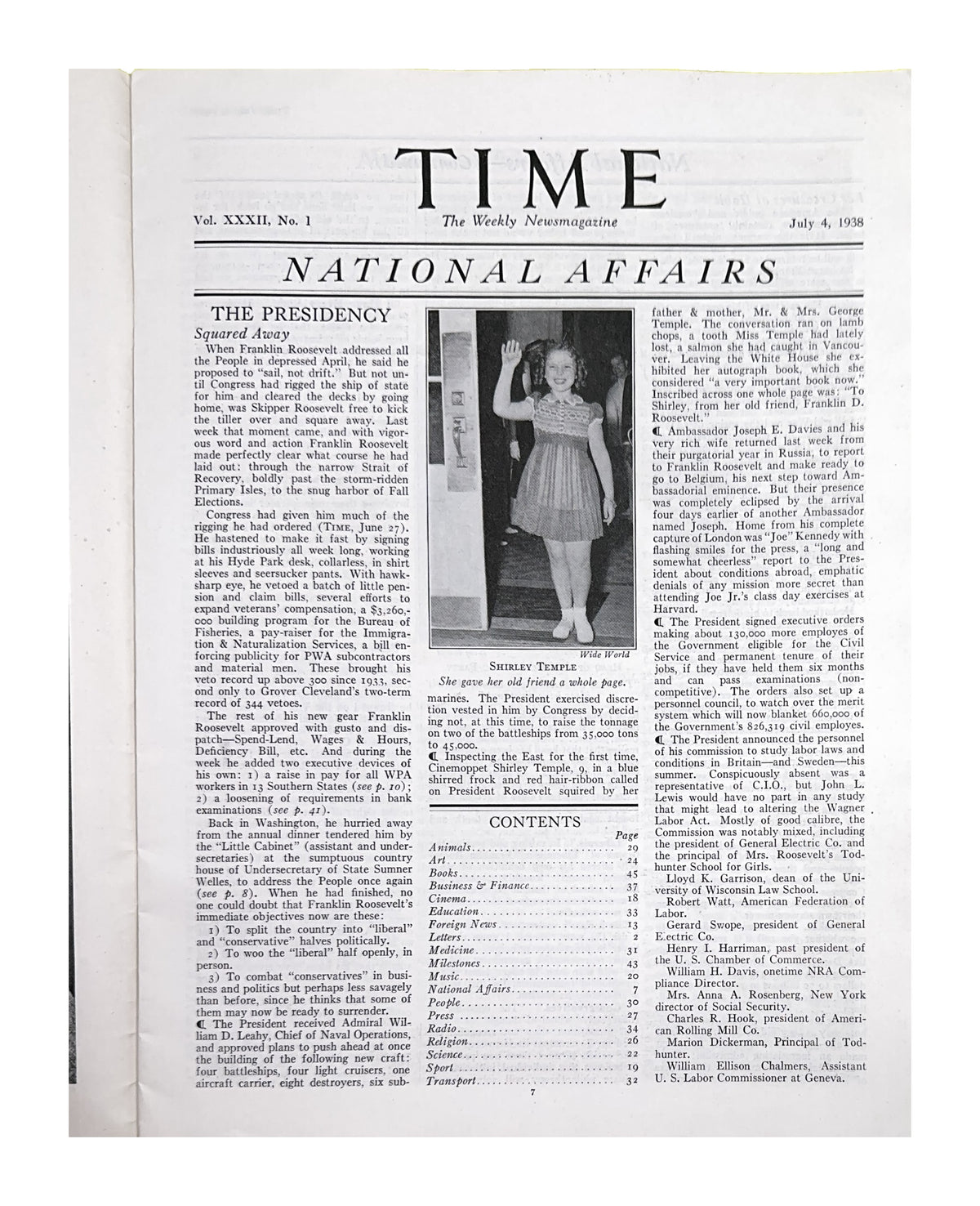
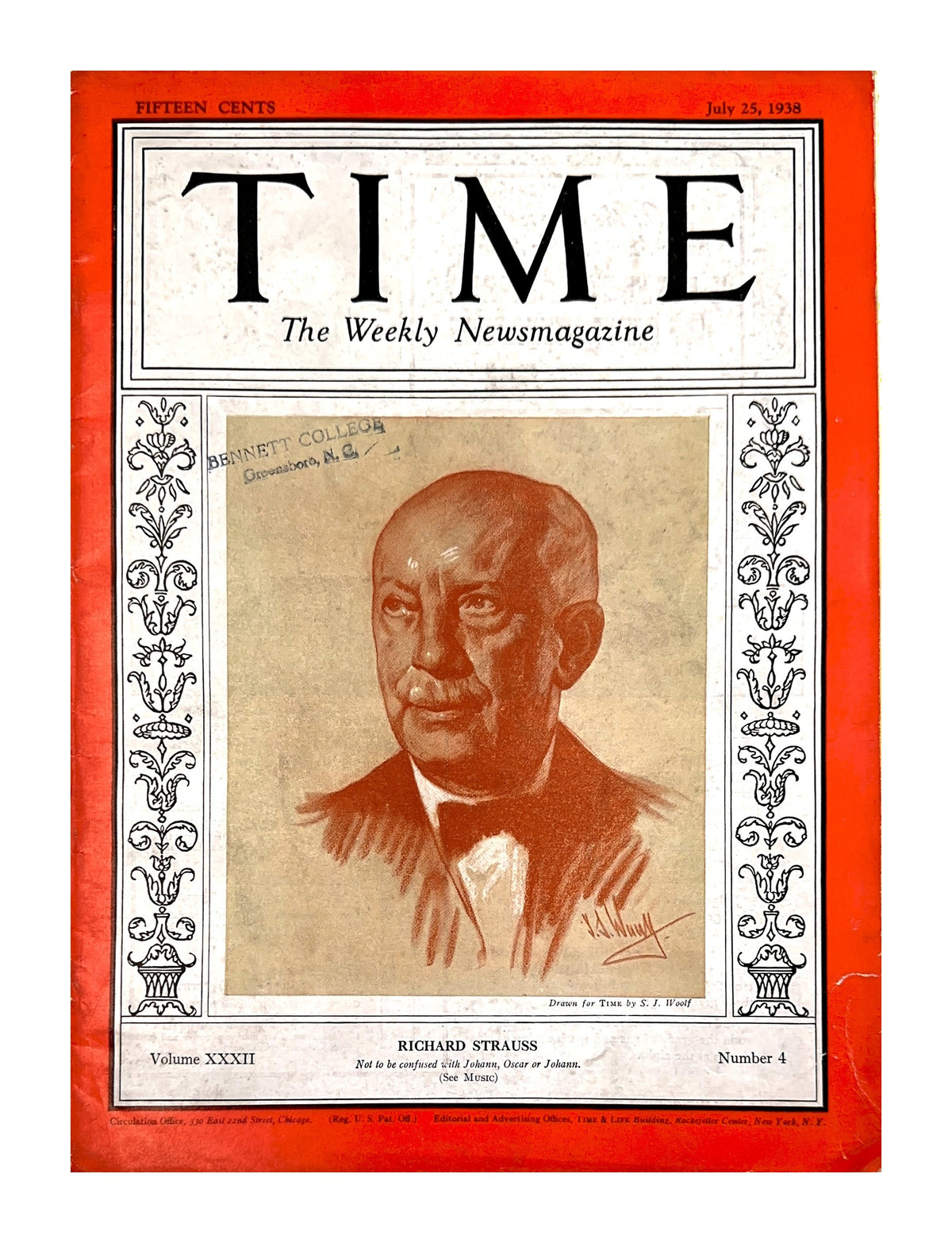
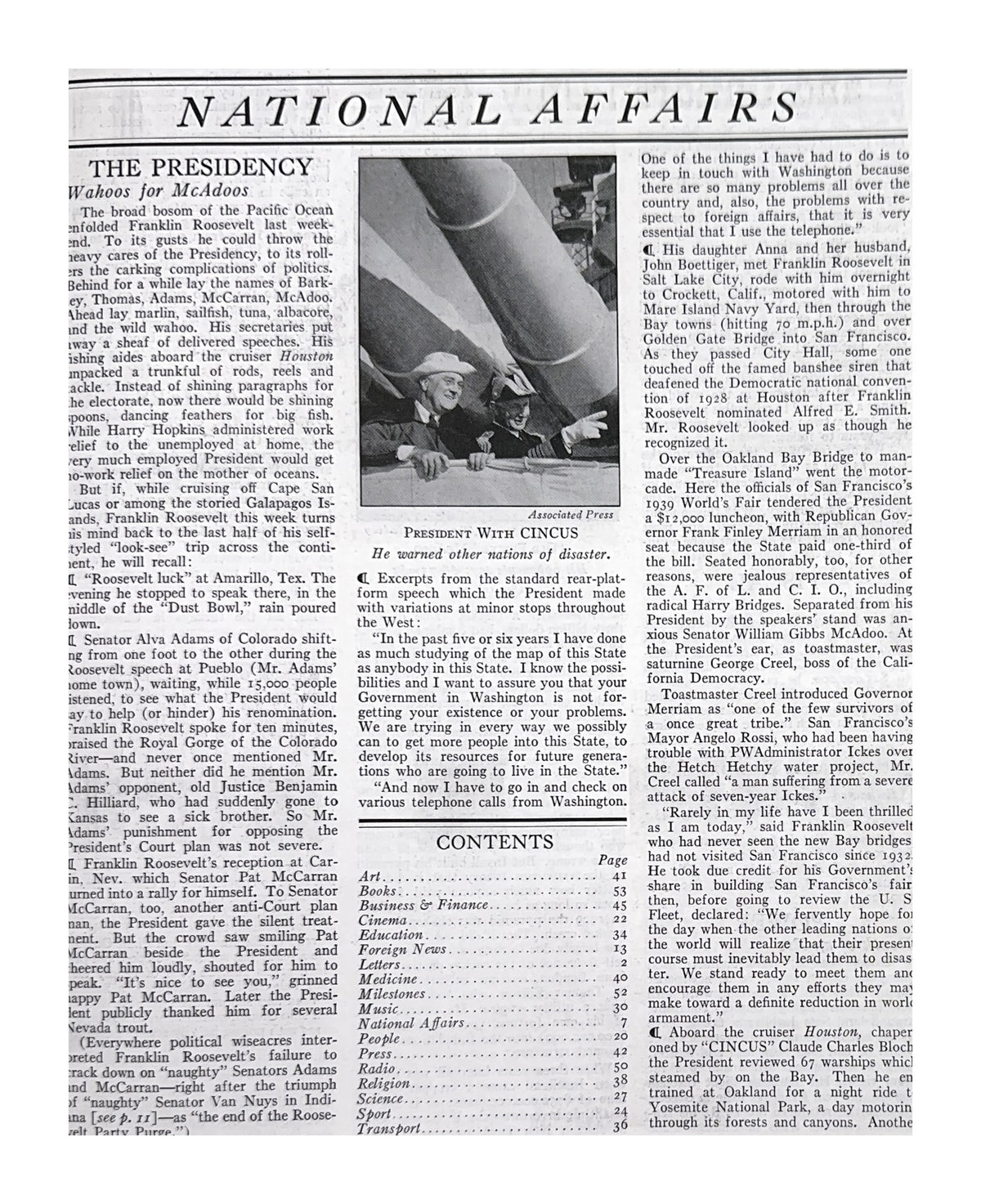
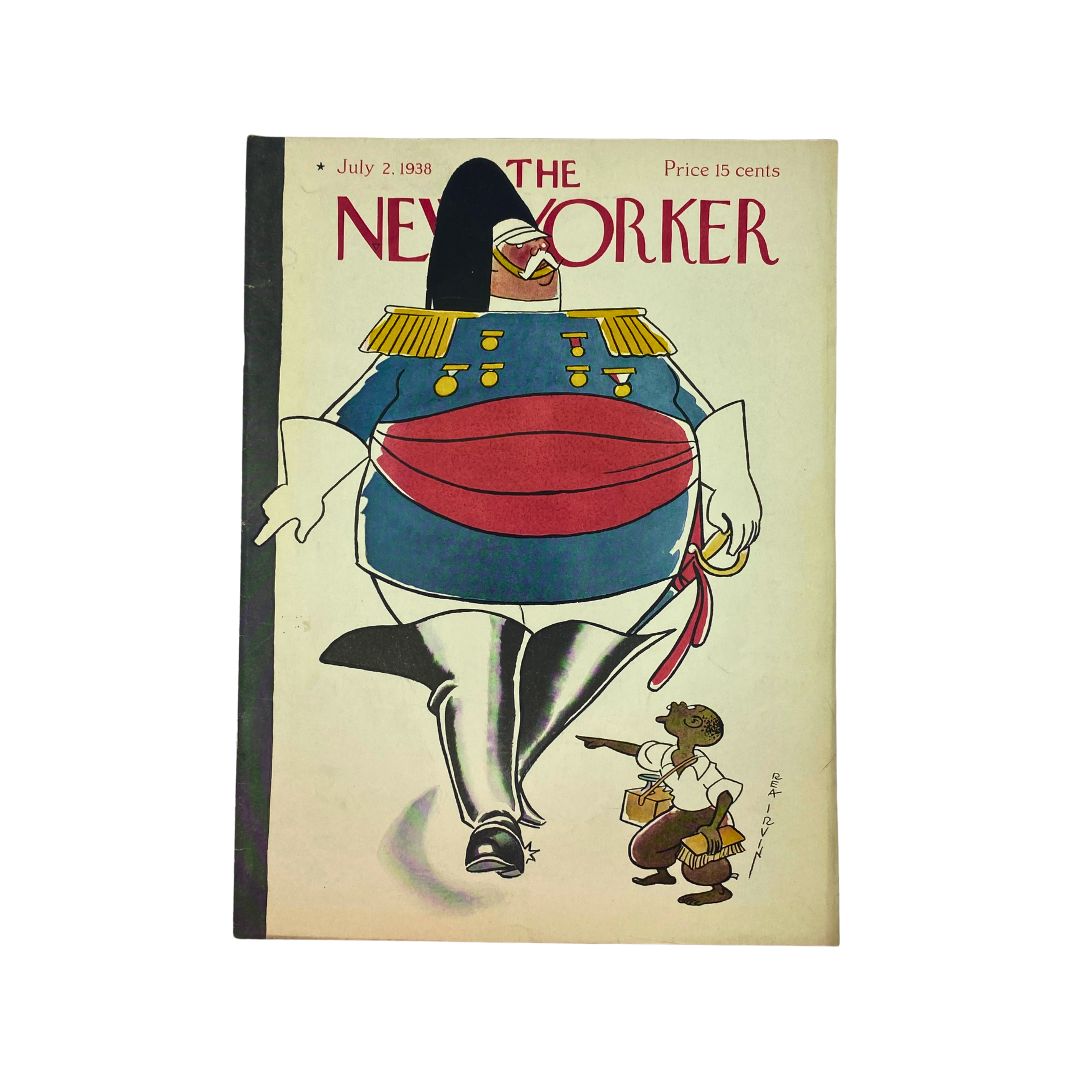
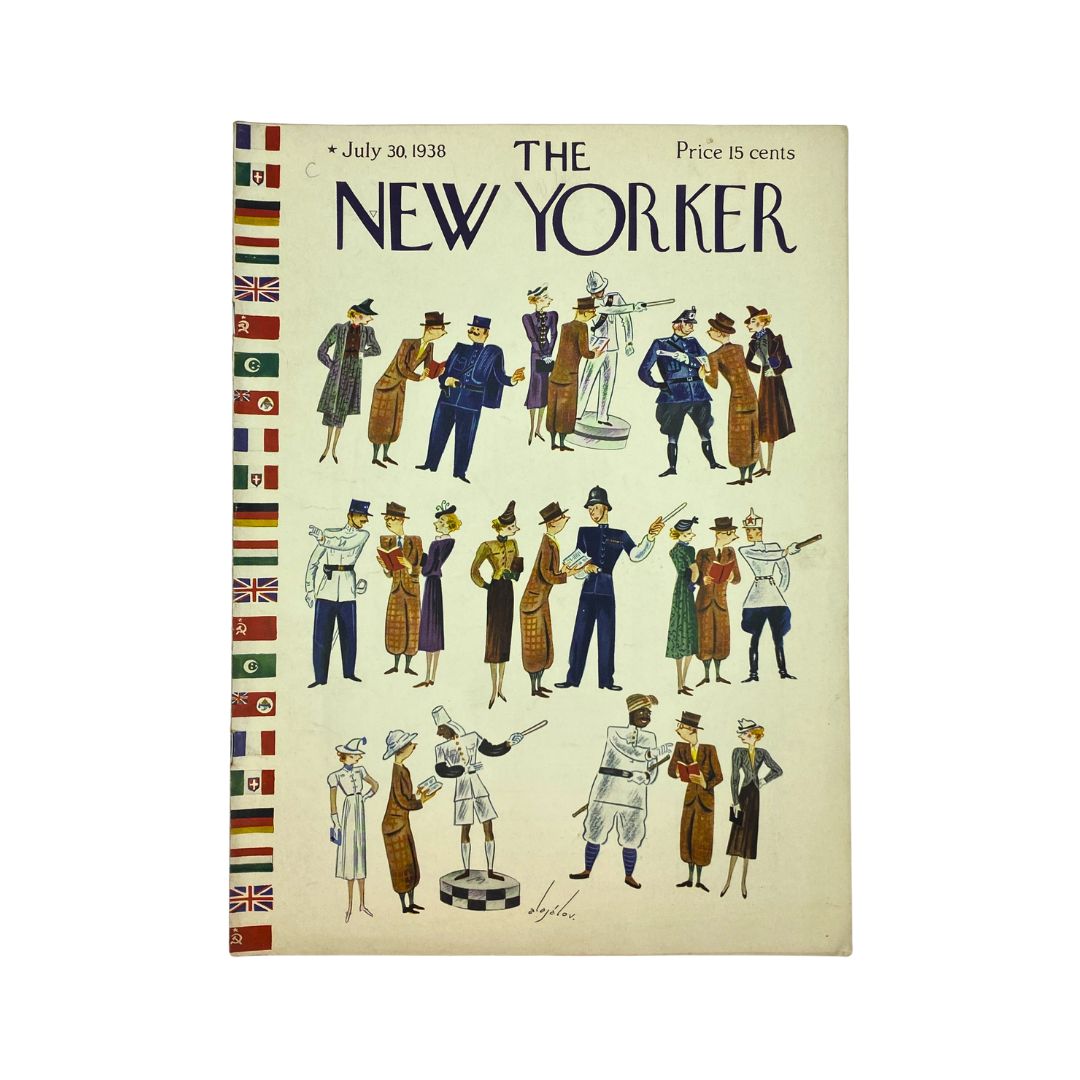
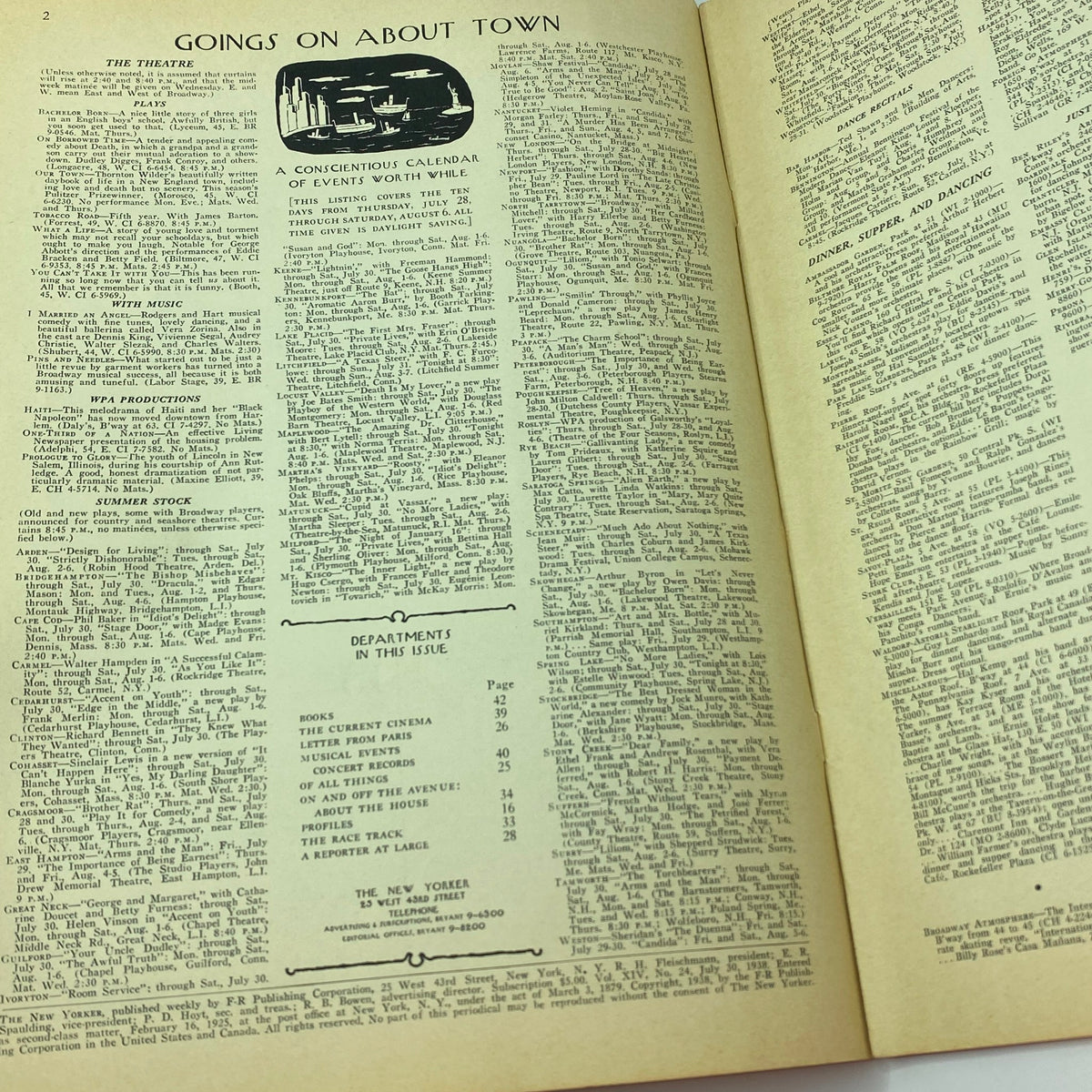
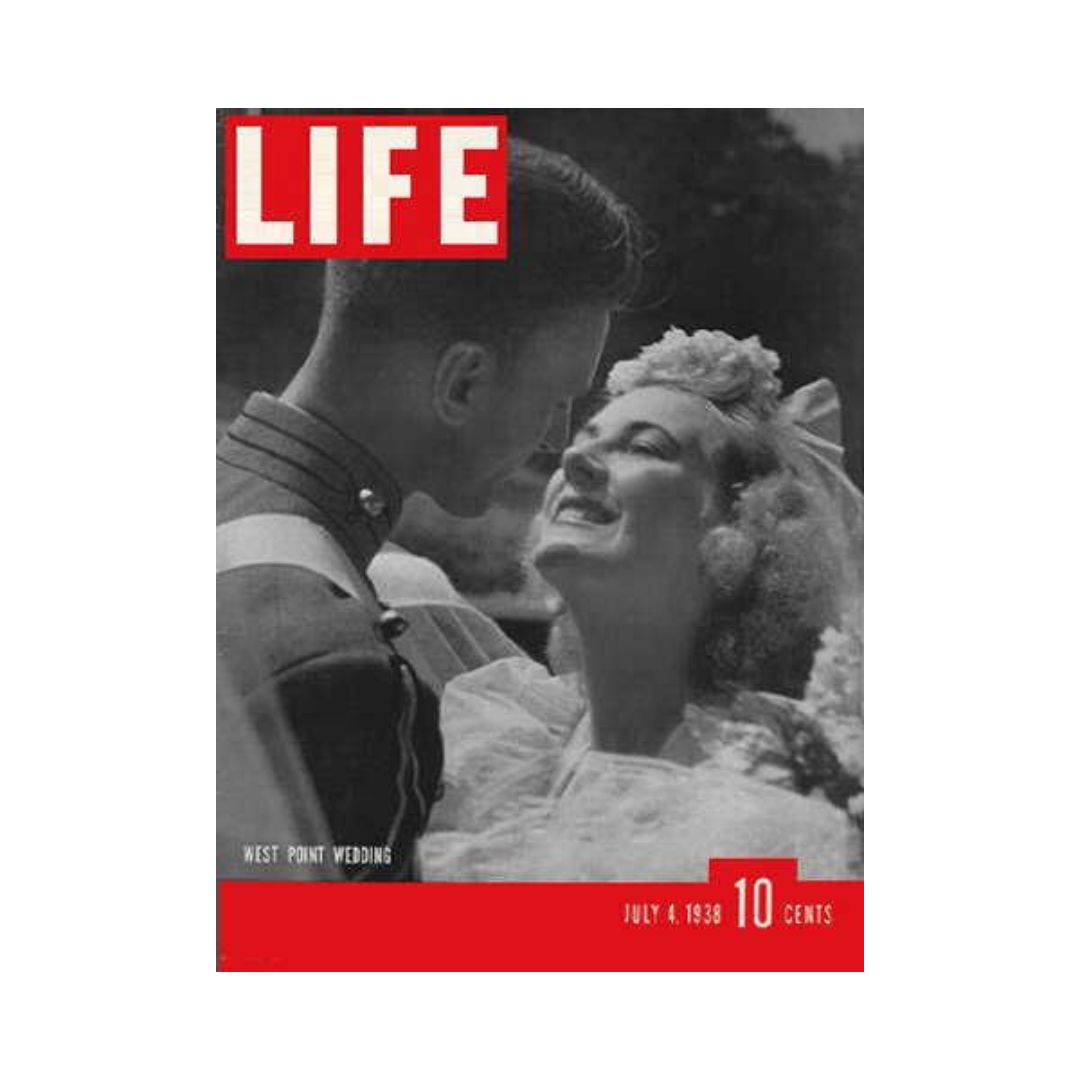
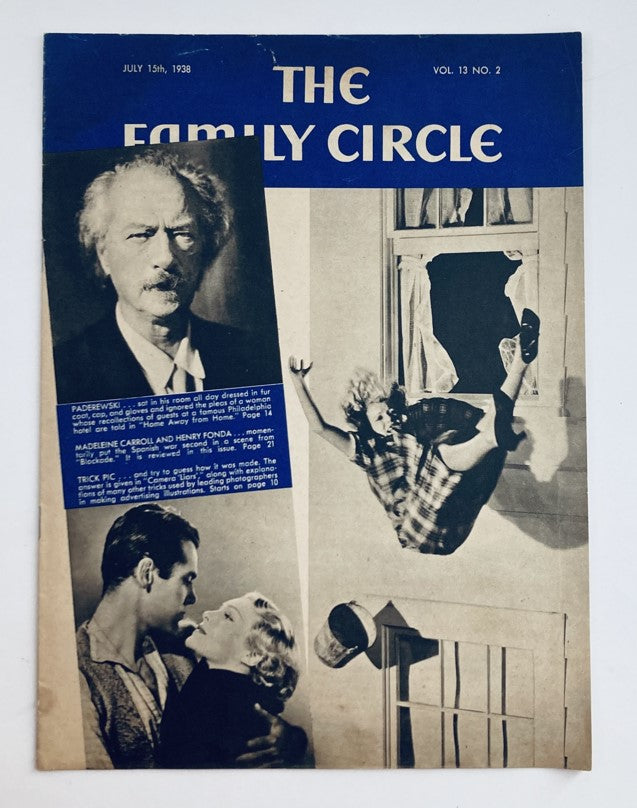
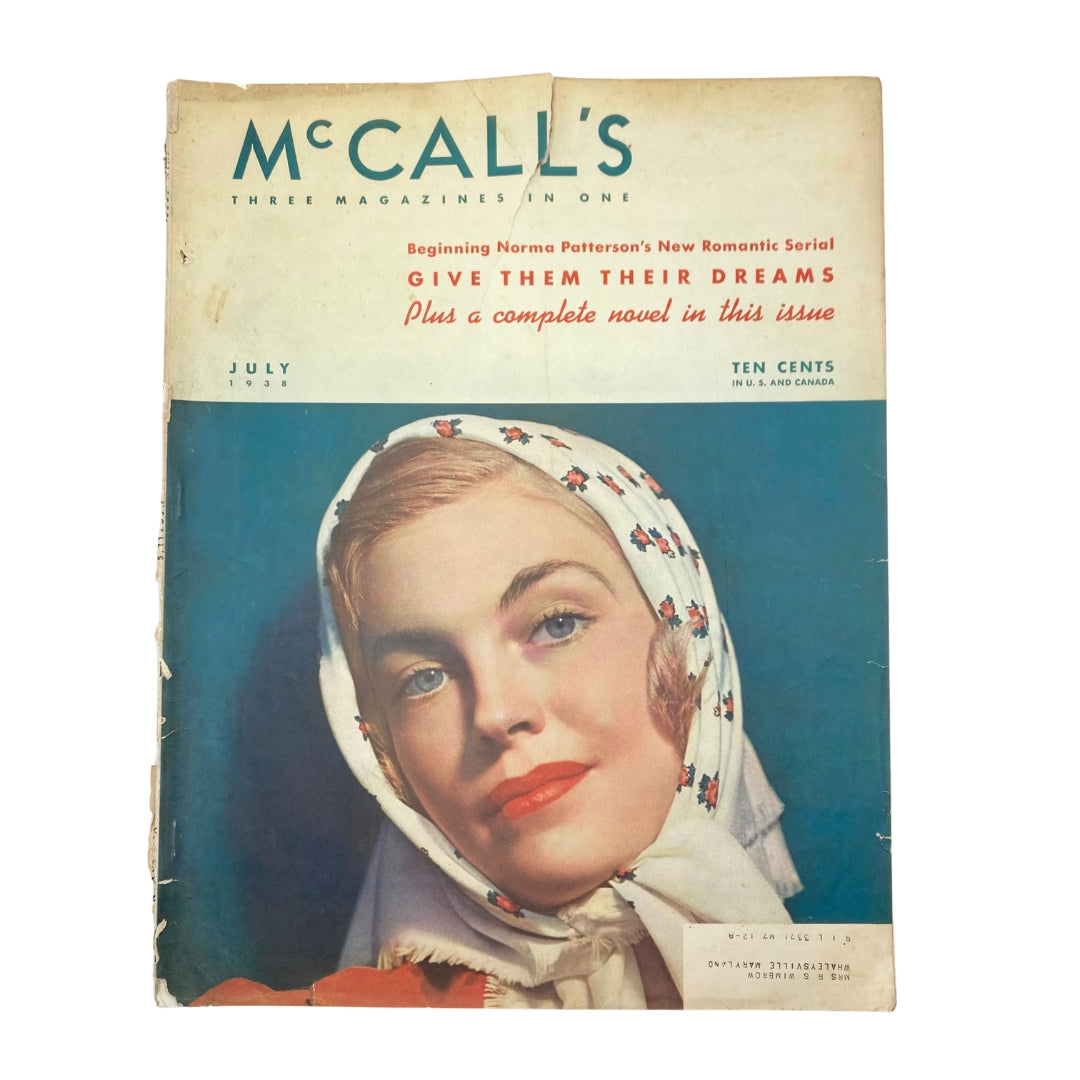
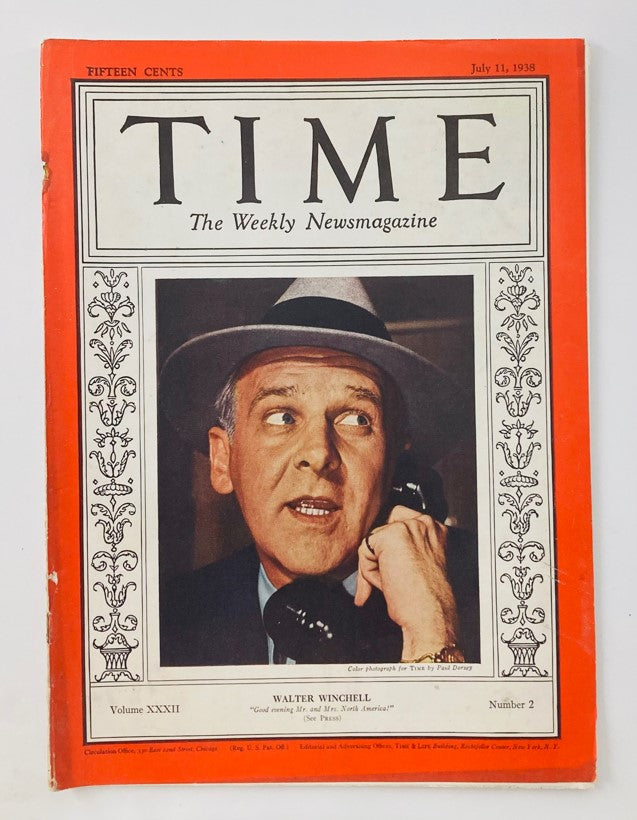
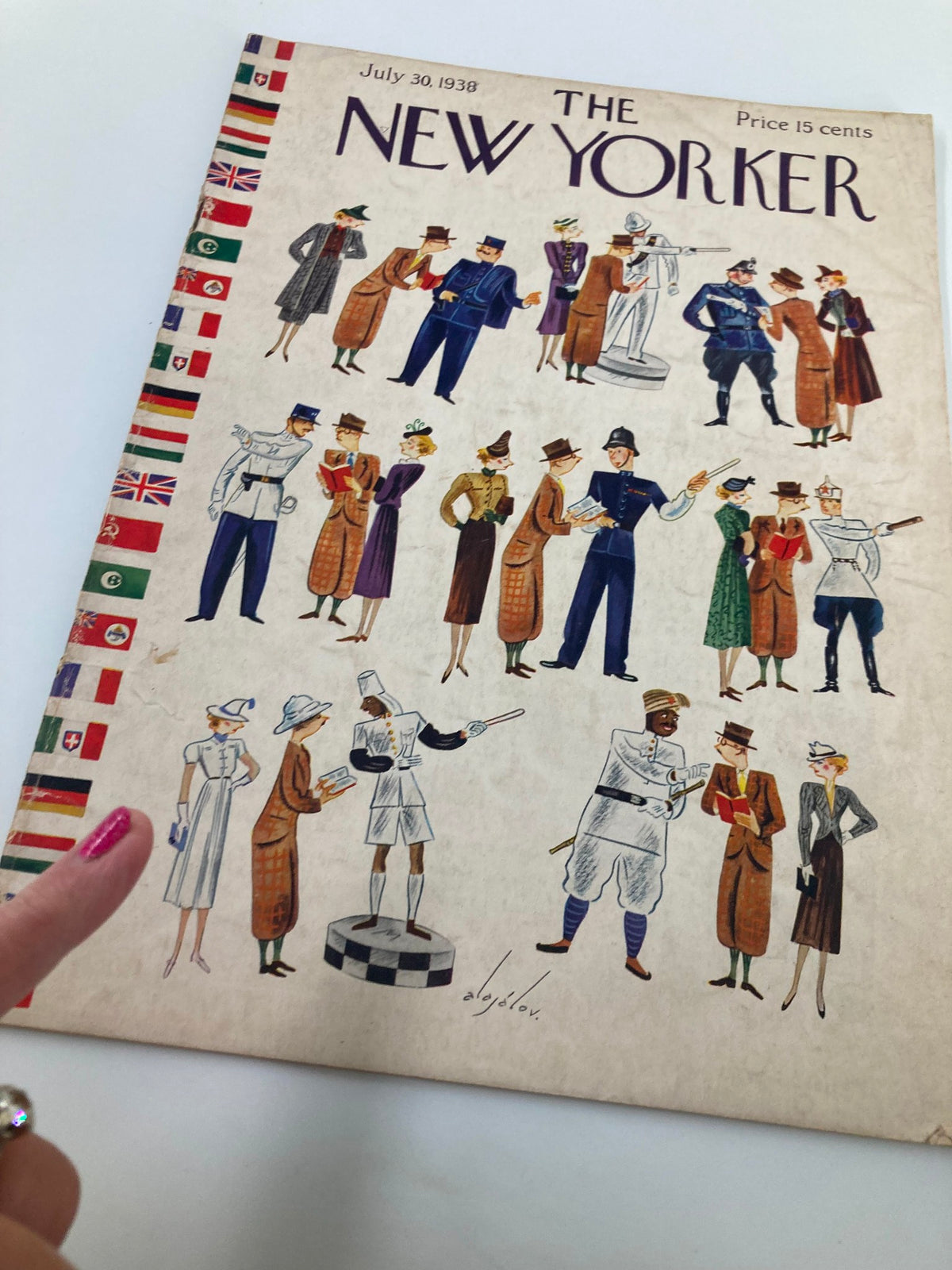
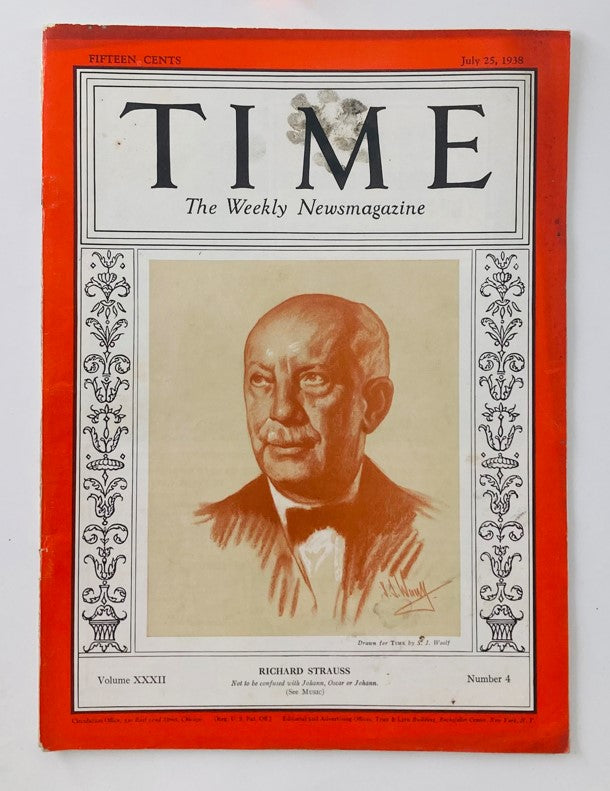
Original magazines from July 1938 capture this remarkable duality in vivid ink and photography—Life and Look splashing Howard Hughes' triumphant grin across their covers, Sports Illustrated's predecessors chronicling Budge's historic campaign, while Time and Newsweek wrestled with the portents emerging from Rome and Berlin. The Tour de France concluded with Italy's Gino Bartali claiming both the general and mountain classifications—one more champion in a summer that seemed to manufacture them.
Curator's Checklist: What to Look For
-
Howard Hughes' Globe-Circling Flight: News and photojournalism magazines including Life and Newsweek featuring full-page spreads of Hughes' triumphant return, illustrated with cockpit photography and route maps across three continents, often alongside advertisements for the emerging commercial aviation industry.
-
Don Budge's Grand Slam Campaign: Rare magazines devoted to tennis and general sports coverage showcasing Budge's dominant Wimbledon performance, chronicling the third leg of his historic run with action photography and statistical breakdowns that collectors of the era's sports journalism will treasure.
-
The Mallard's World Record: Genuine British and American periodicals—from Popular Mechanics to The Saturday Evening Post—featuring illustrated coverage of locomotive No. 4468's 125.9-mph record run, often alongside advertisements for rail travel and automotive brands that defined the decade's obsession with speed.
-
Mussolini's Racial Manifesto: Time, Newsweek, and Look from this month offer authentic, unfiltered editorial responses to Italy's anti-Jewish declaration—primary source documents capturing how Western journalists framed the crisis in real time, preserved exactly as readers absorbed the news in July 1938.
-
"Wrong Way" Corrigan's Accidental Ireland Landing: Vintage magazines of every stripe seized on Douglas Corrigan's comic-heroic flight from New York to Dublin—when he supposedly meant to head to California—filling pages with cartoons, photographs, and wry editorial columns that made him a beloved American folk hero overnight.
The Perfect Gift
For someone born in July 1938, an original magazine from this electrifying month isn't just a piece of paper—it's an authenticated time capsule of the world at its most contradictory and alive, preserved in the genuine headlines, advertisements, and photography of the exact weeks they first arrived in it.