📖 About this Collection
July 1941: Summer of Steel and Shadow
The Historical Context
The summer of 1941 crackled with a terrible electricity. On the Eastern Front, the largest land invasion in human history was reshaping the map of Europe, as German forces pushed deeper into the Soviet Union and Ukraine, the consequences unfolding with terrifying speed. The month's headlines read like dispatches from the edge of civilization itself—and for anyone paying attention, they were. Across the occupied territories, mass atrocities against Jewish communities in Lithuania, Poland, and Ukraine darkened every week of the calendar. Meanwhile in the Pacific theater, President Franklin D. Roosevelt banned oil exports to Japan and demanded Japanese withdrawal from Indochina, a diplomatic confrontation that would define the months ahead. In London, Prime Minister Winston Churchill launched his "V for Victory" campaign on July 19th, giving a war-weary world a symbol of defiance. This was the world your loved one entered—a civilization under extraordinary strain, searching for hope in small, stubborn acts of resistance.
Pop Culture & Life on the American Homefront
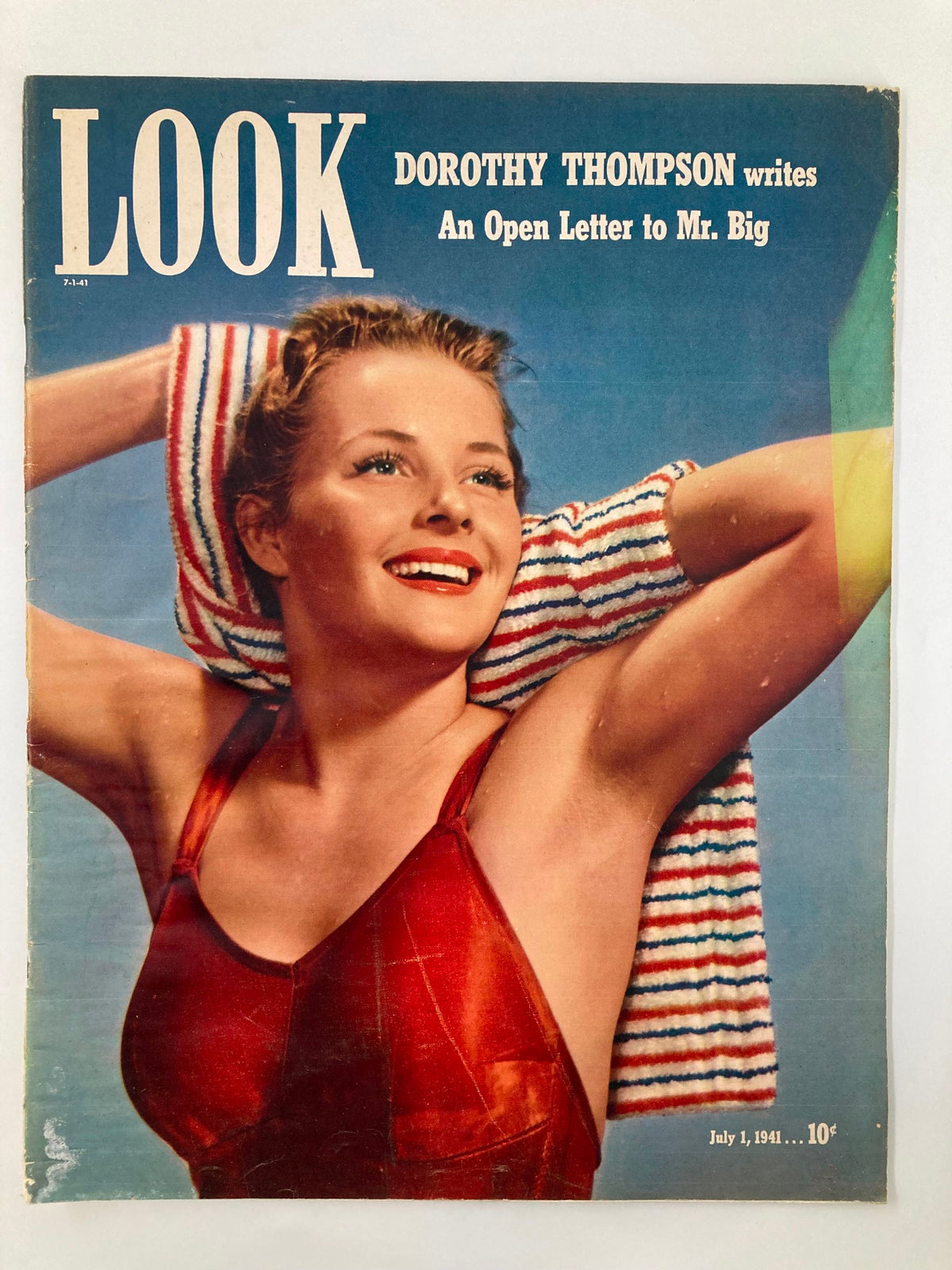
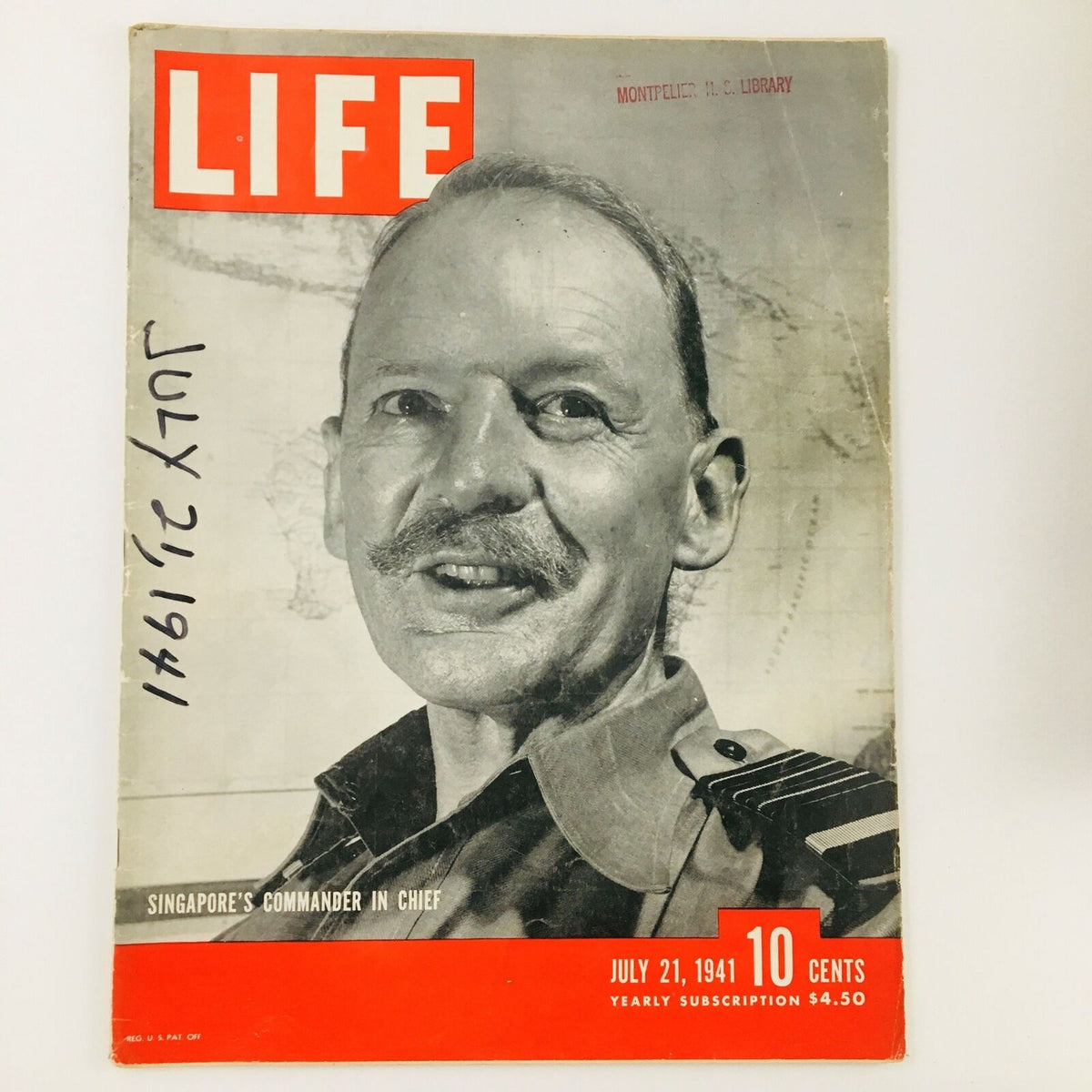
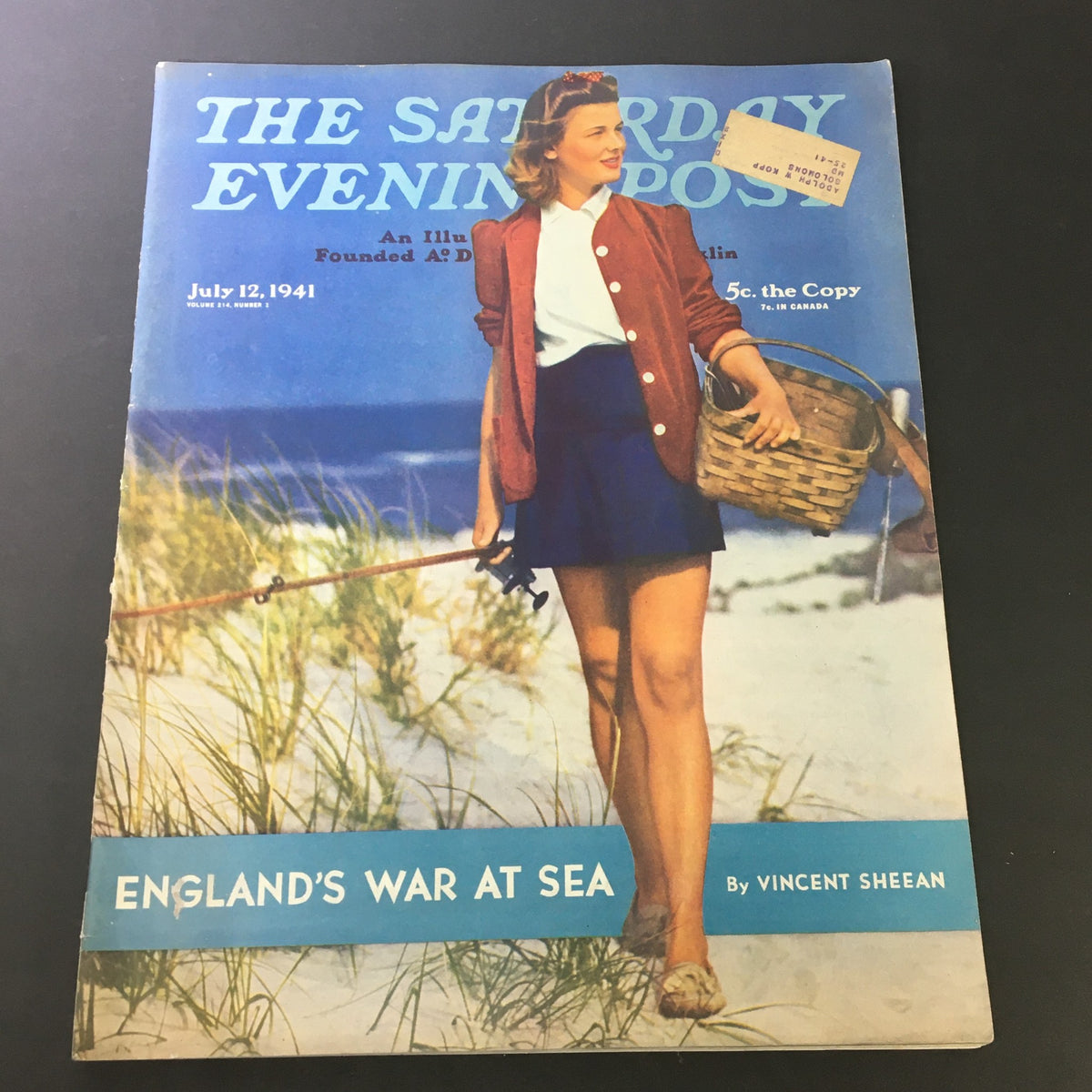
Yet even in that charged summer, American life pulsed forward with a distinctive energy. On July 19th, two cartoon characters debuted under their permanent names for the first time: Tom and Jerry, in the short The Midnight Snack, launched what would become one of Hollywood's most beloved rivalries. On Broadway, Noël Coward's sparkling comedy Blithe Spirit had just premiered in London, its wit a deliberate antidote to the grimness abroad. Baseball offered its own kind of drama: New York Yankees center fielder Joe DiMaggio electrified the nation by extending his historic hitting streak to 56 consecutive games before it finally ended in Cleveland on July 17th—a feat that dominated Life, Time, and Look covers through the month. Original magazines from July 1941 capture this extraordinary tension between war abroad and the stubborn vitality of American daily life, their advertisements full of summer fashions, new automobiles, and household goods that speak to a nation not yet at war but already bracing for it.
Curator's Checklist: What to Look for in July 1941 Issues
-
Joe DiMaggio's Record Streak: Sports coverage and news magazines including Life and Look featuring photographs from Yankee Stadium as DiMaggio extended and then concluded his 56-game hitting streak, often illustrated with action photography and statistical sidebars that made history feel immediate.
-
Churchill's "V for Victory" Campaign: Vintage magazines from this month—particularly Time and Newsweek—showcasing coverage of Churchill's July 19th broadcast, frequently accompanied by portraits of the Prime Minister and maps illustrating the shifting European front.
-
Roosevelt's Pacific Embargo: Issues of Life, Look, and rare magazines from wire-service-affiliated publishers chronicling FDR's oil embargo against Japan, with editorial photographs of the President and diplomatic commentary that now reads as prologue to Pearl Harbor.
-
Tom and Jerry's Cartoon Debut: Entertainment pages and Variety coverage noting the July 19th debut of The Midnight Snack, a small cultural footnote that became a permanent part of American childhood—a detail that makes any July 1941 issue feel surprisingly connected to the present.
-
The Homefront Advertisements: Every issue from this month is a time capsule of the American consumer economy on the cusp of transformation—automobile ads, summer clothing spreads in Vogue and Harper's Bazaar, and appliance campaigns that would soon give way entirely to war bond appeals.
The Perfect Gift
For someone born in July 1941, an original magazine from this extraordinary month isn't just a piece of old paper—it's an authentic window into the precise moment they arrived, preserved in the ink, photography, and advertisements of a world that would never quite be the same again.