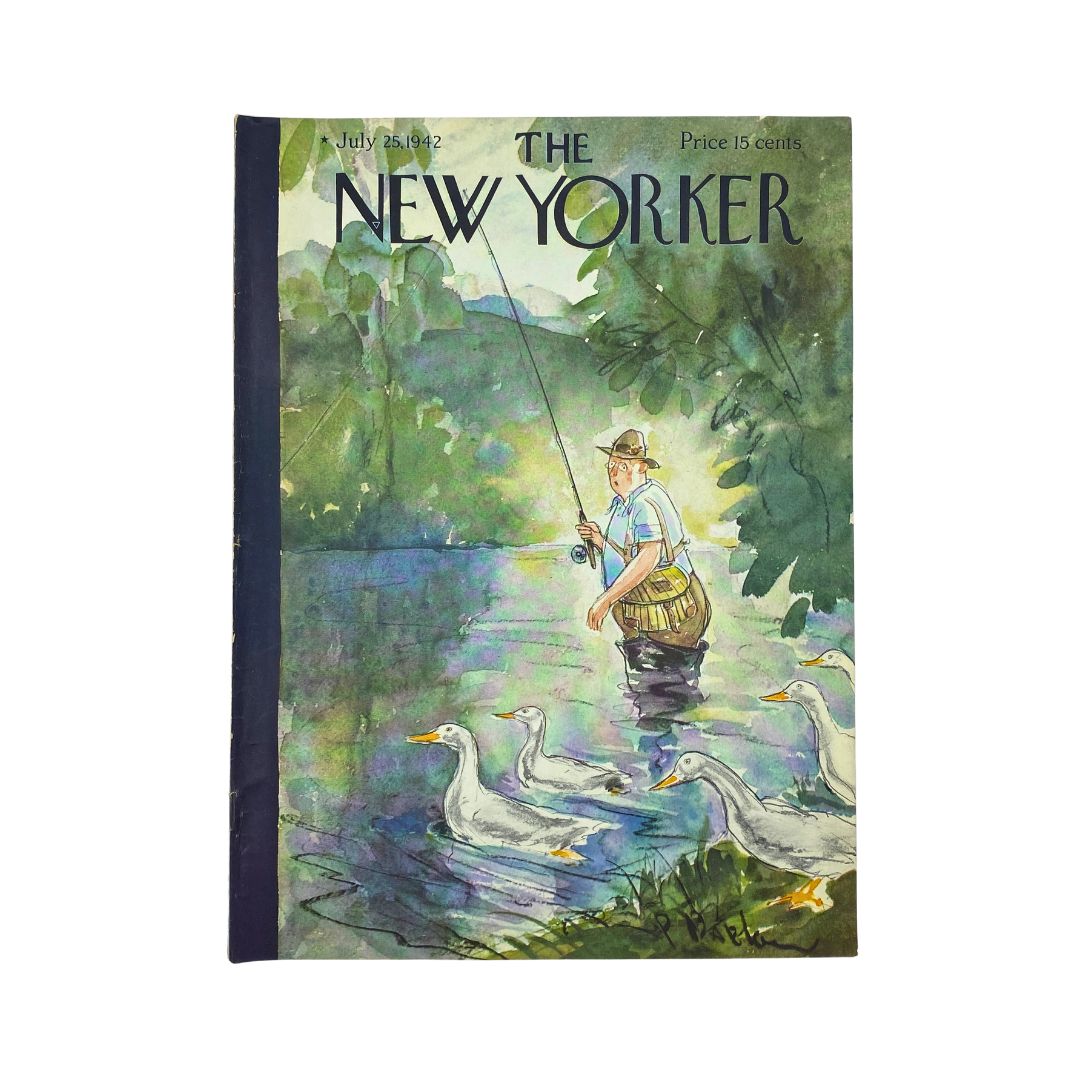
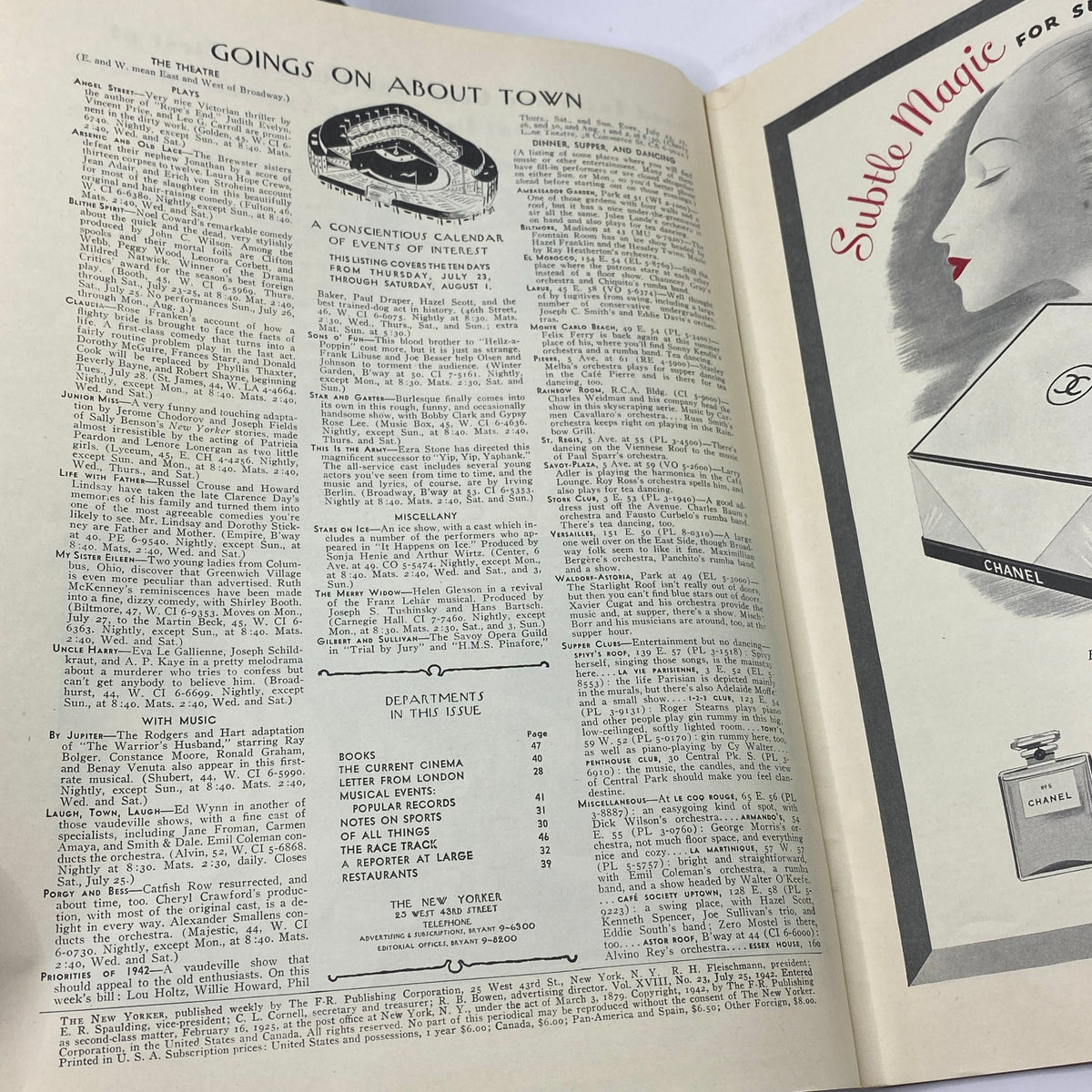
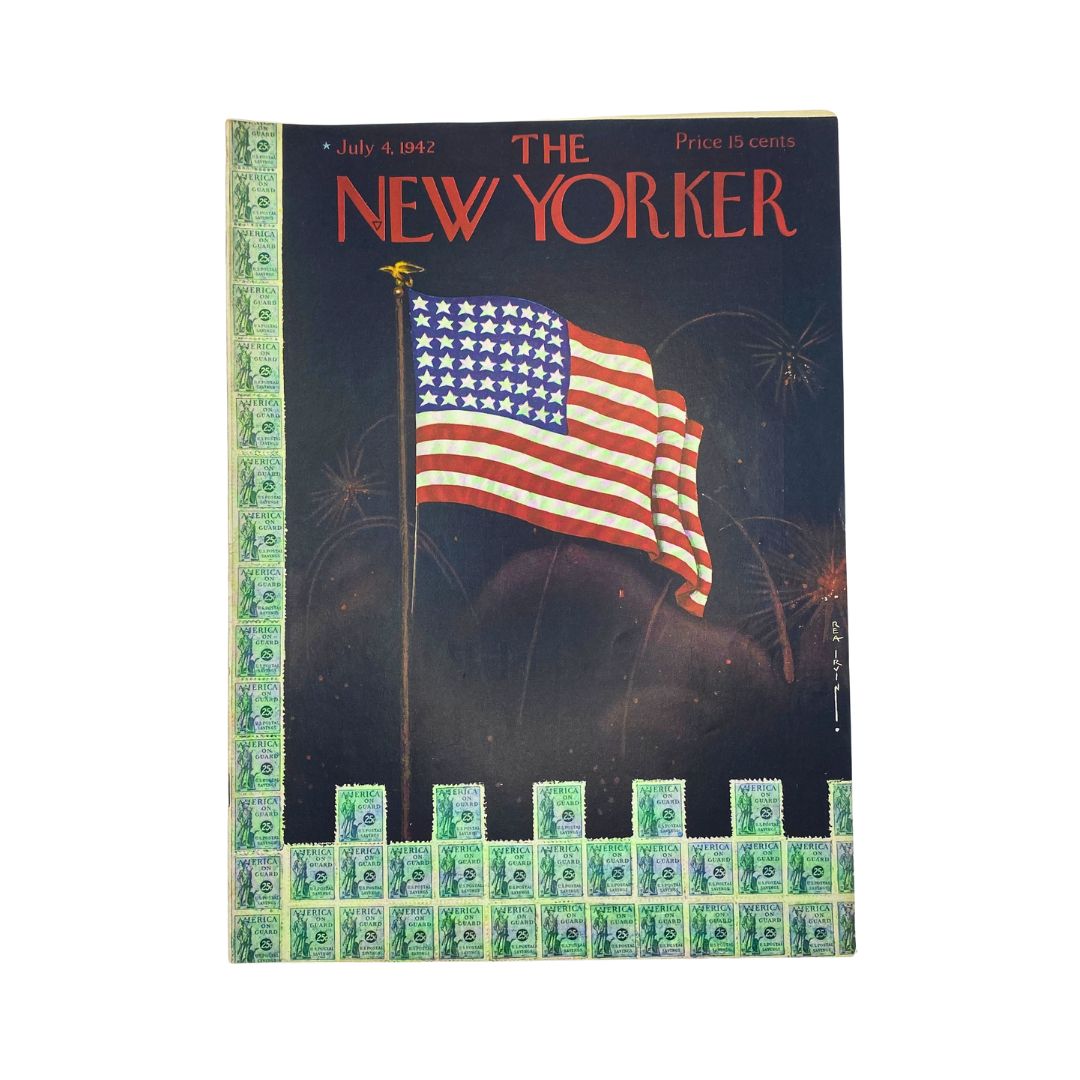
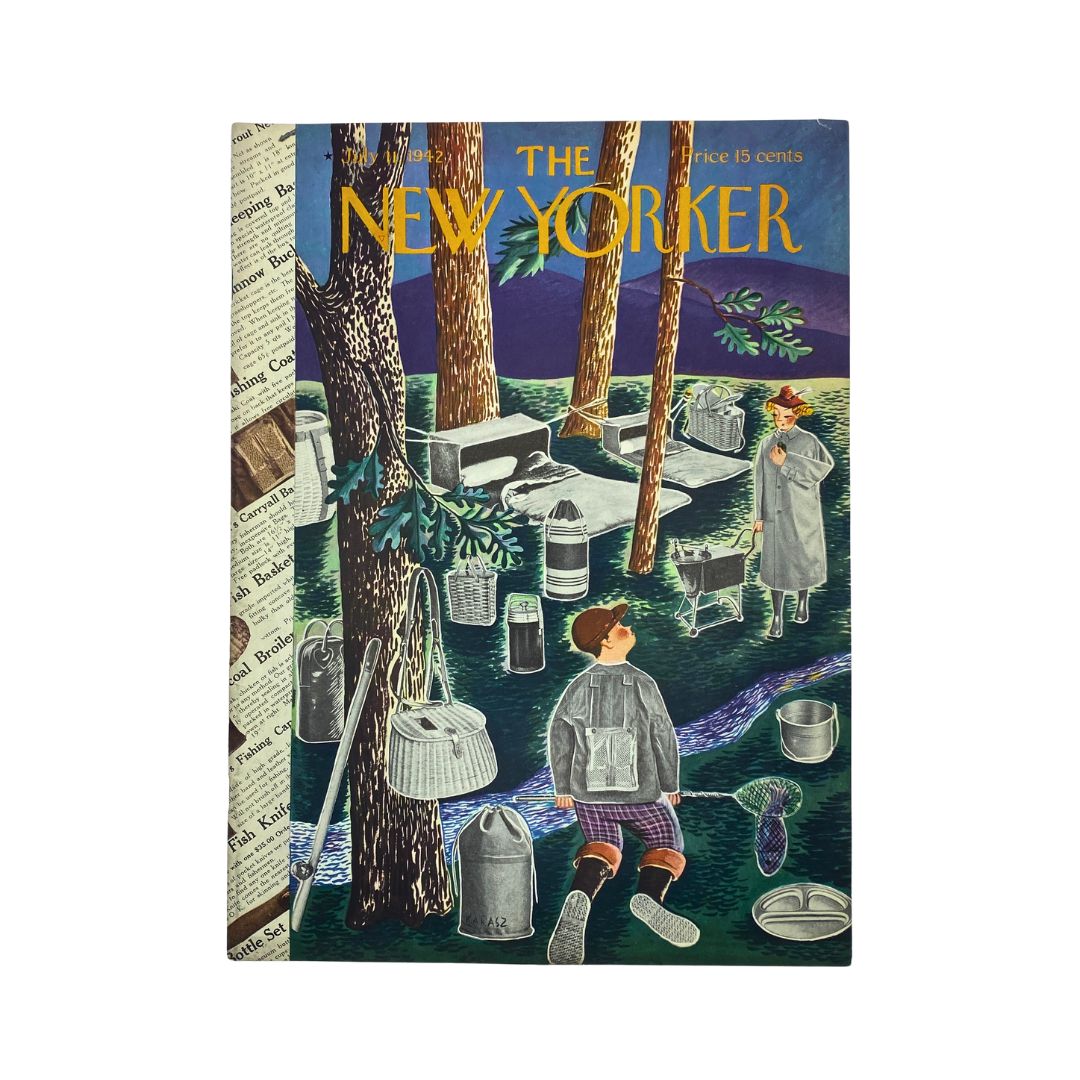
📖 About this Collection
July 1942: The Home Front Holds While Europe Burns
The Historical Context
Europe burned in the summer of 1942, and nowhere did the darkness feel more absolute than in the east. Adolf Hitler issued Directive 45 in late July, committing his armies to a drive on Stalingrad—a decision that would become one of history's great turning points. German forces swept into Rostov-on-Don and pushed toward the Caucasus under Operation Edelweiss, a bid to seize Soviet oil fields that seemed, in those terrible weeks, entirely plausible. Meanwhile, across occupied Europe, the machinery of atrocity accelerated without pause: 300,000 Jews from the Warsaw Ghetto were deported to Treblinka; thousands more were liquidated in Minsk; and in Paris, on a single July night, French police rounded up over 13,000 Jewish men, women, and children and herded them into the Vélodrome d'Hiver stadium. Transport after transport left French internment camps—Drancy, Pithiviers—bound for Auschwitz. This was the world your loved one was born into: a civilization testing, and often failing, its most fundamental moral limits.
Life on the American Home Front
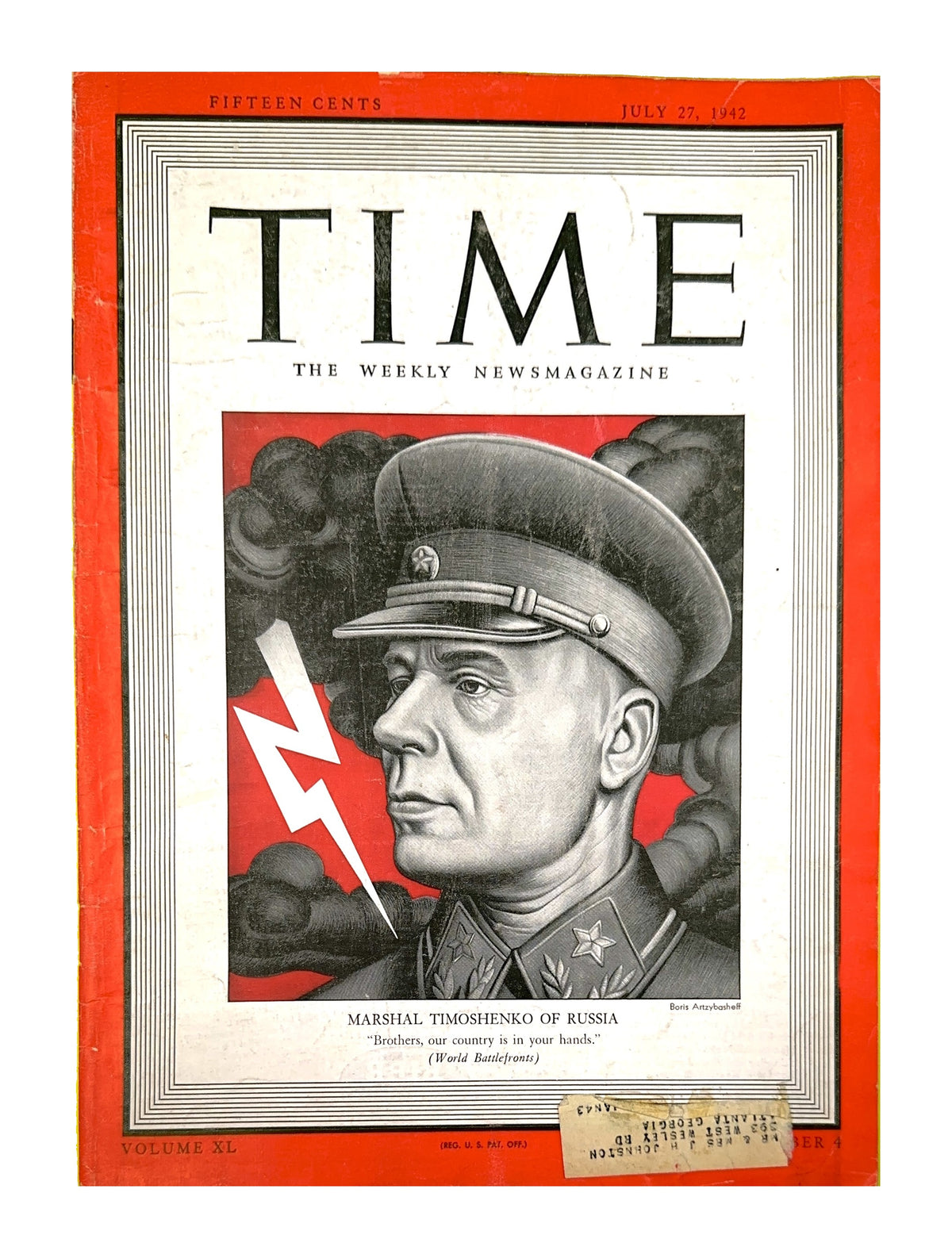
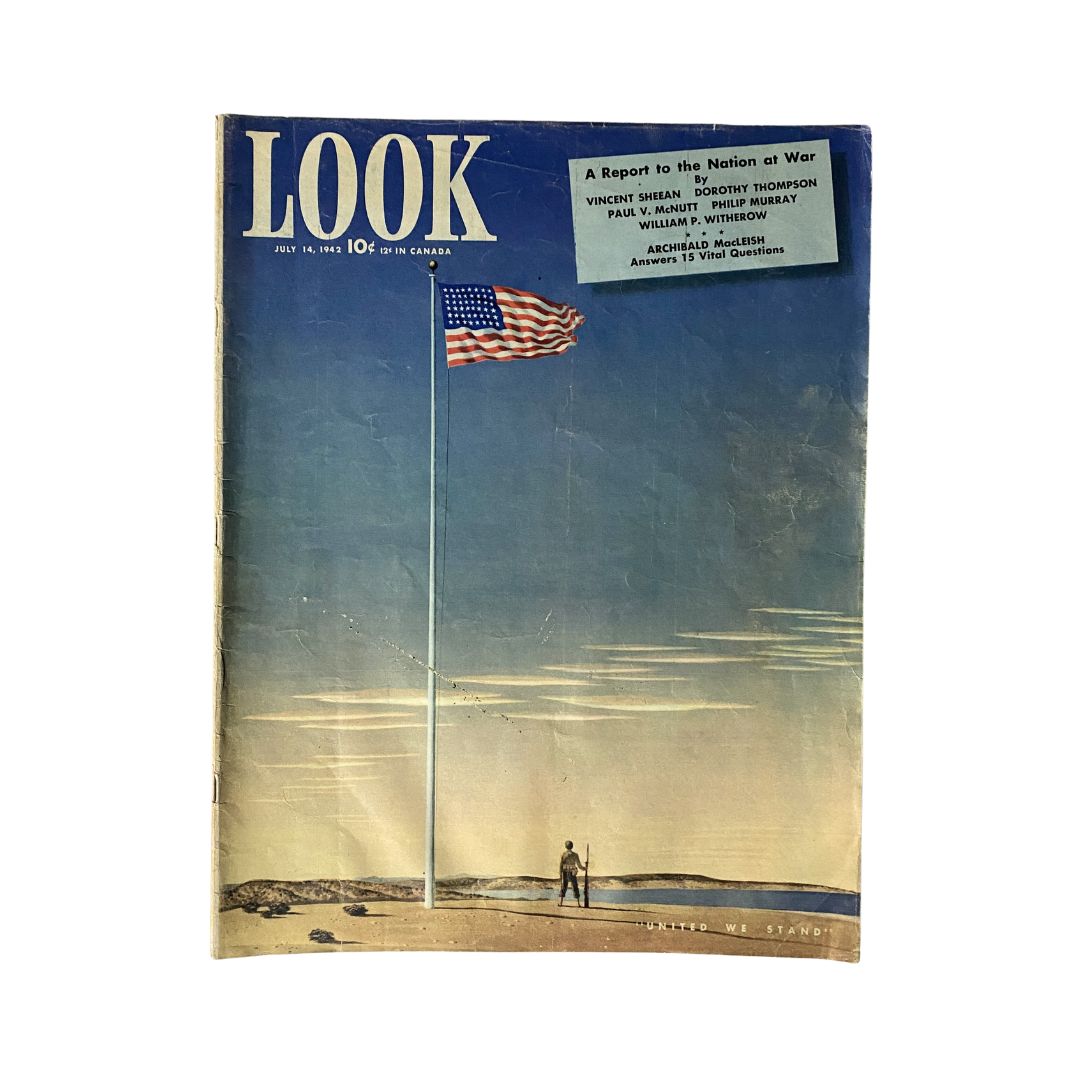
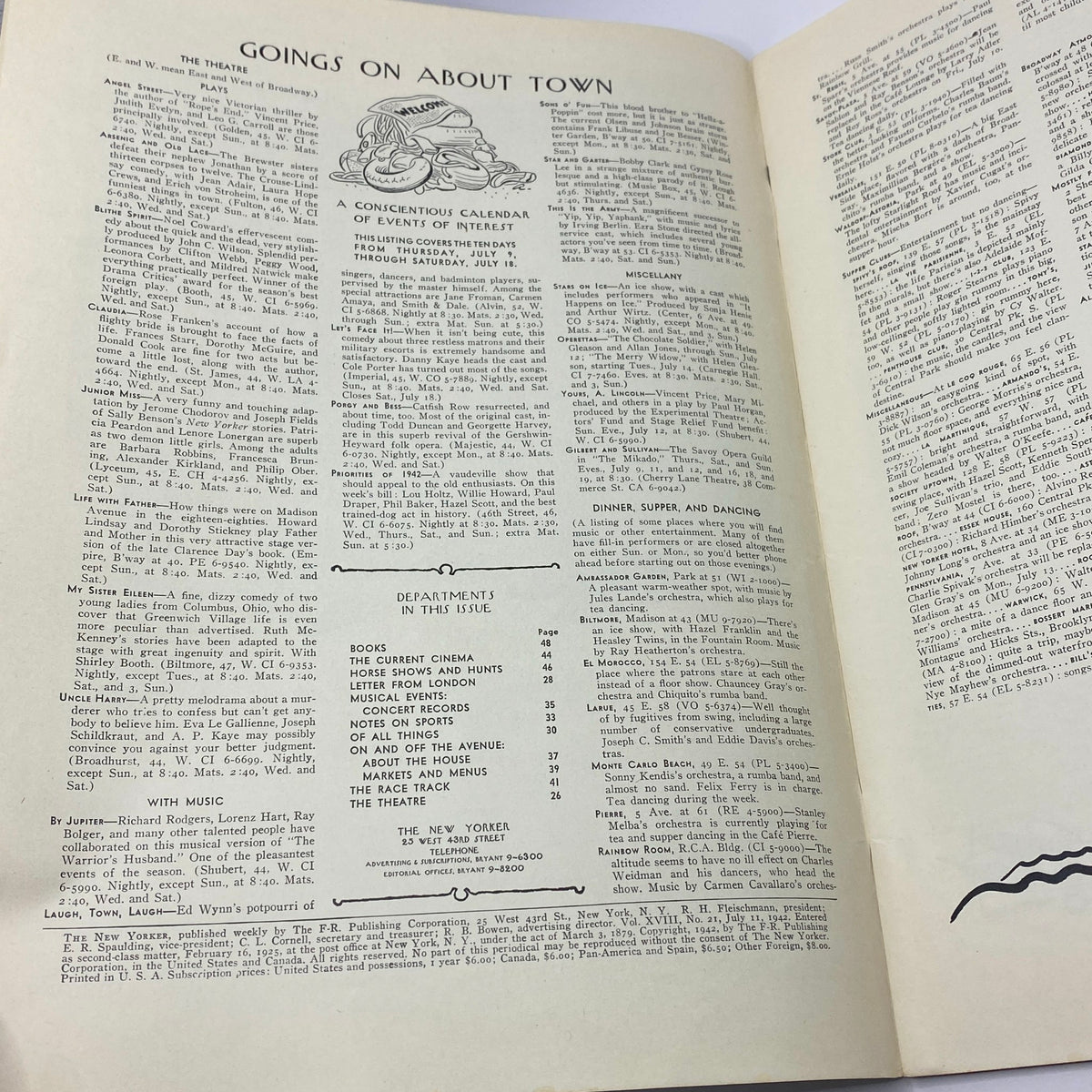
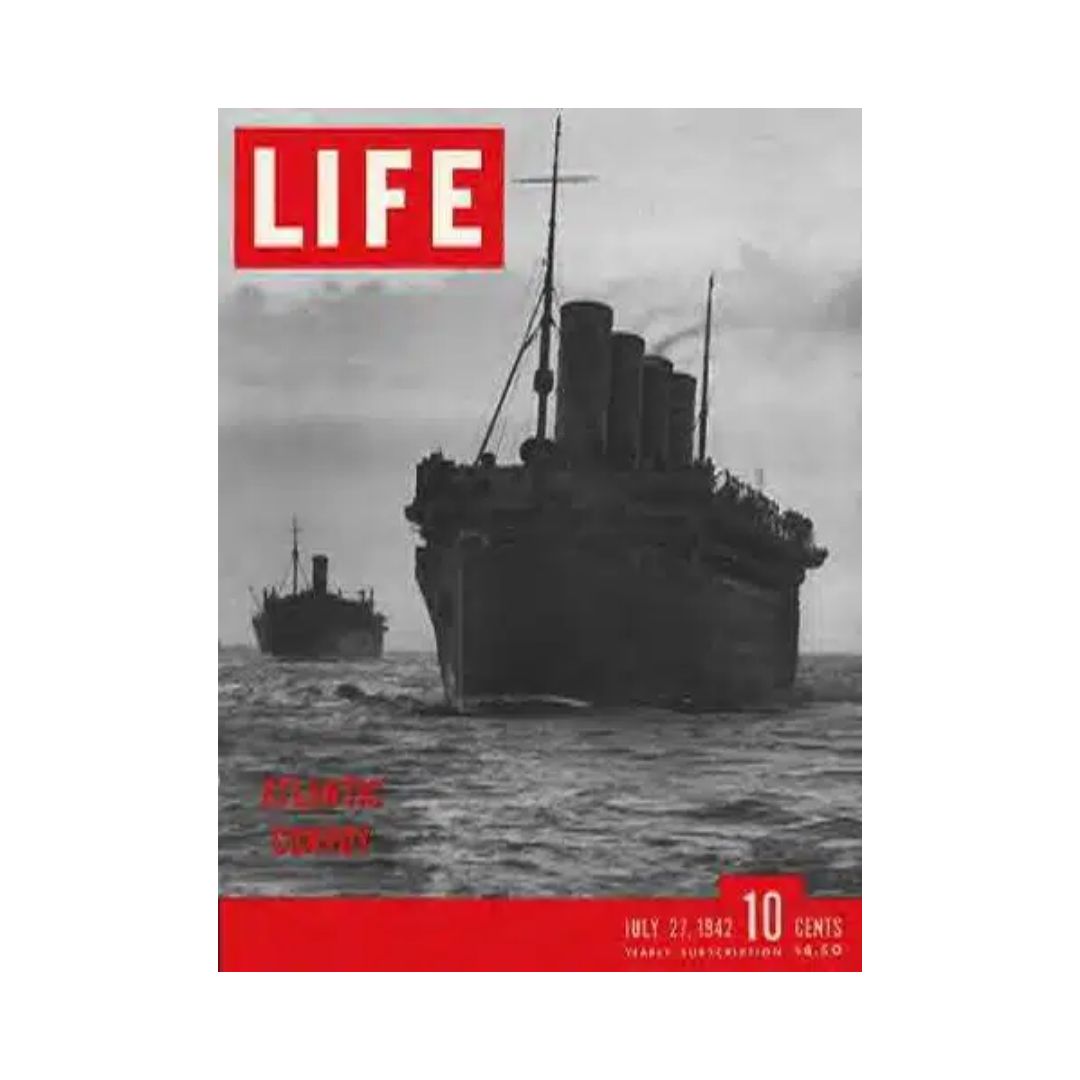
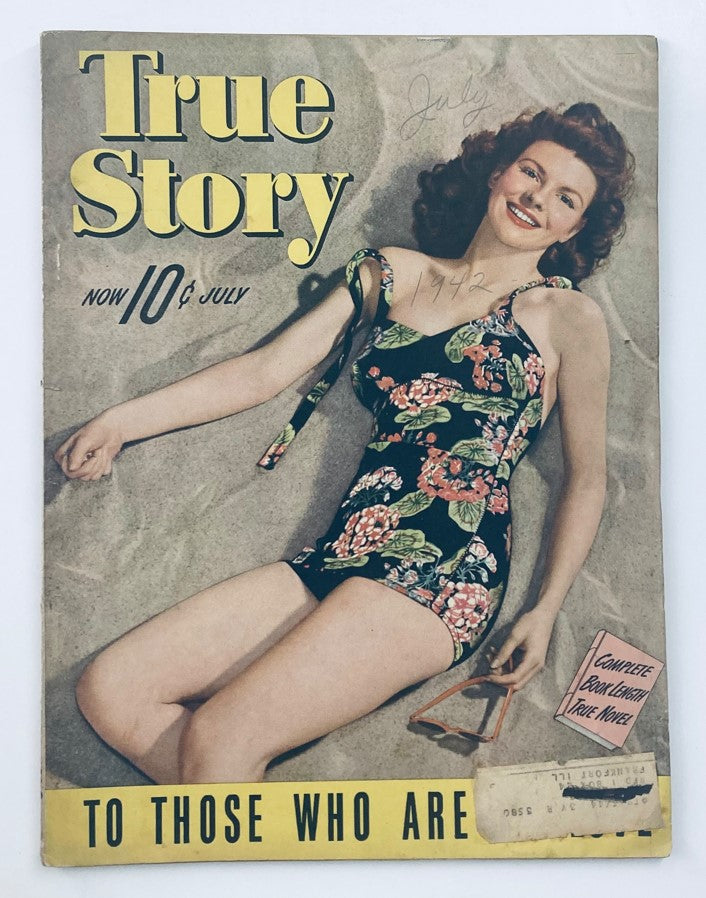
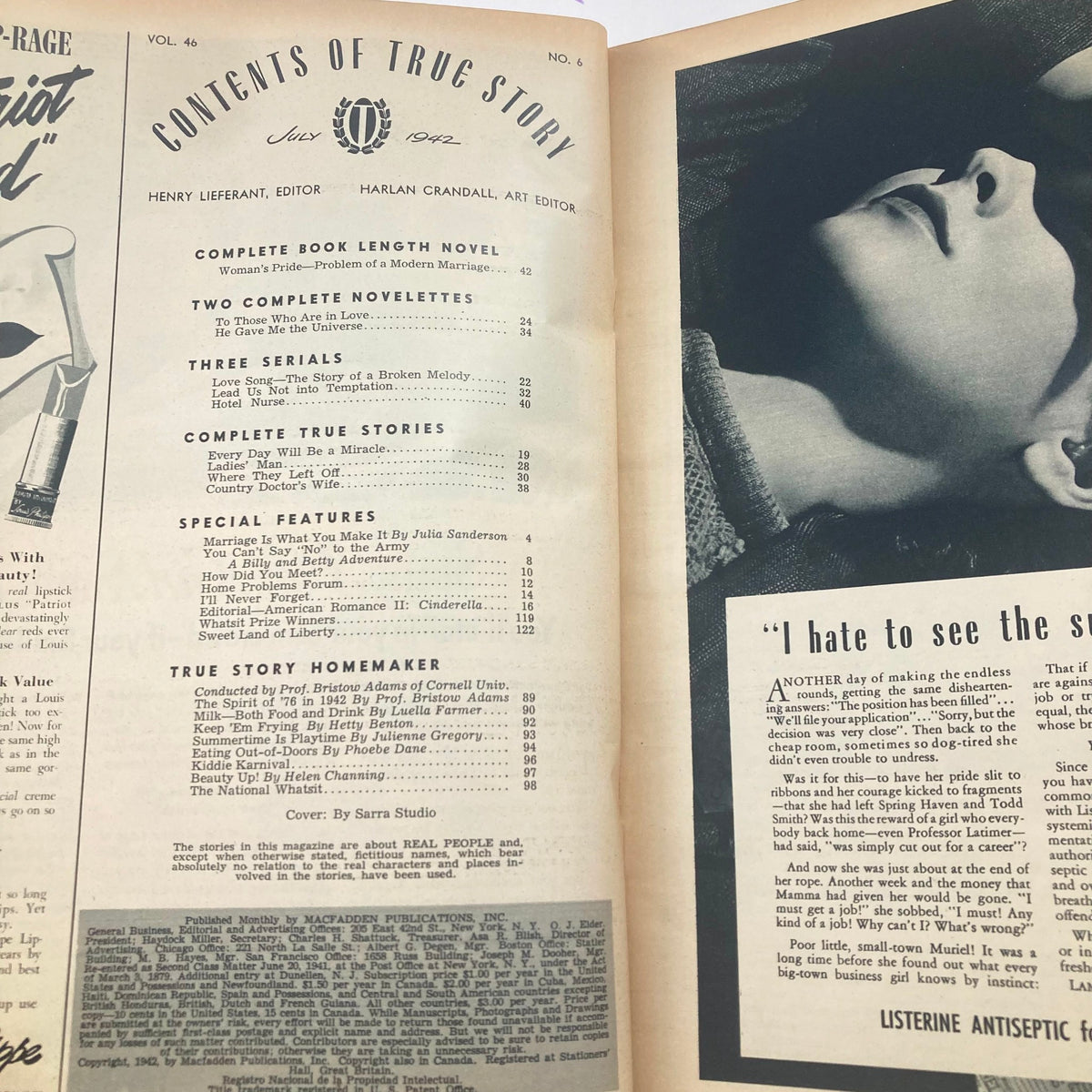
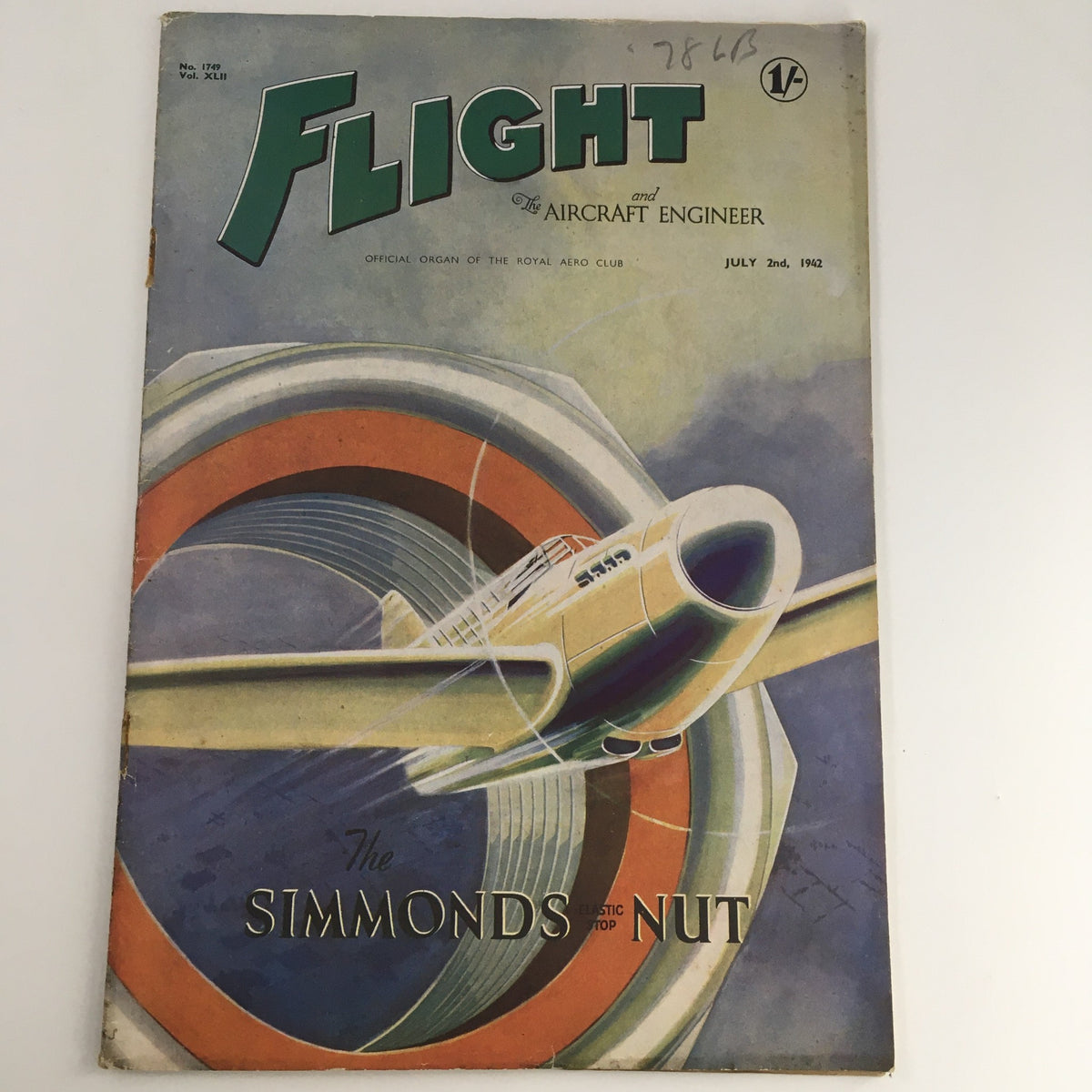
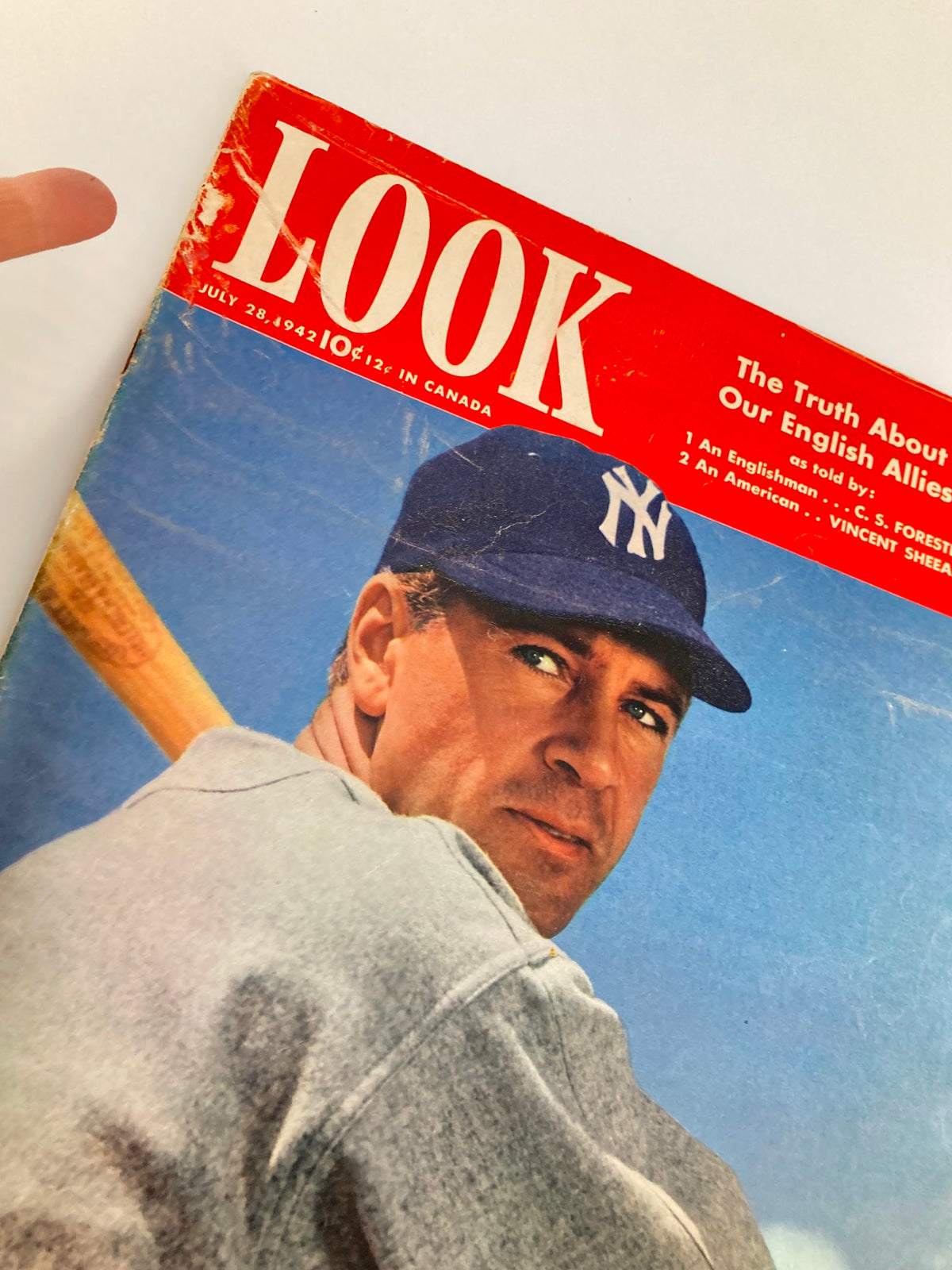
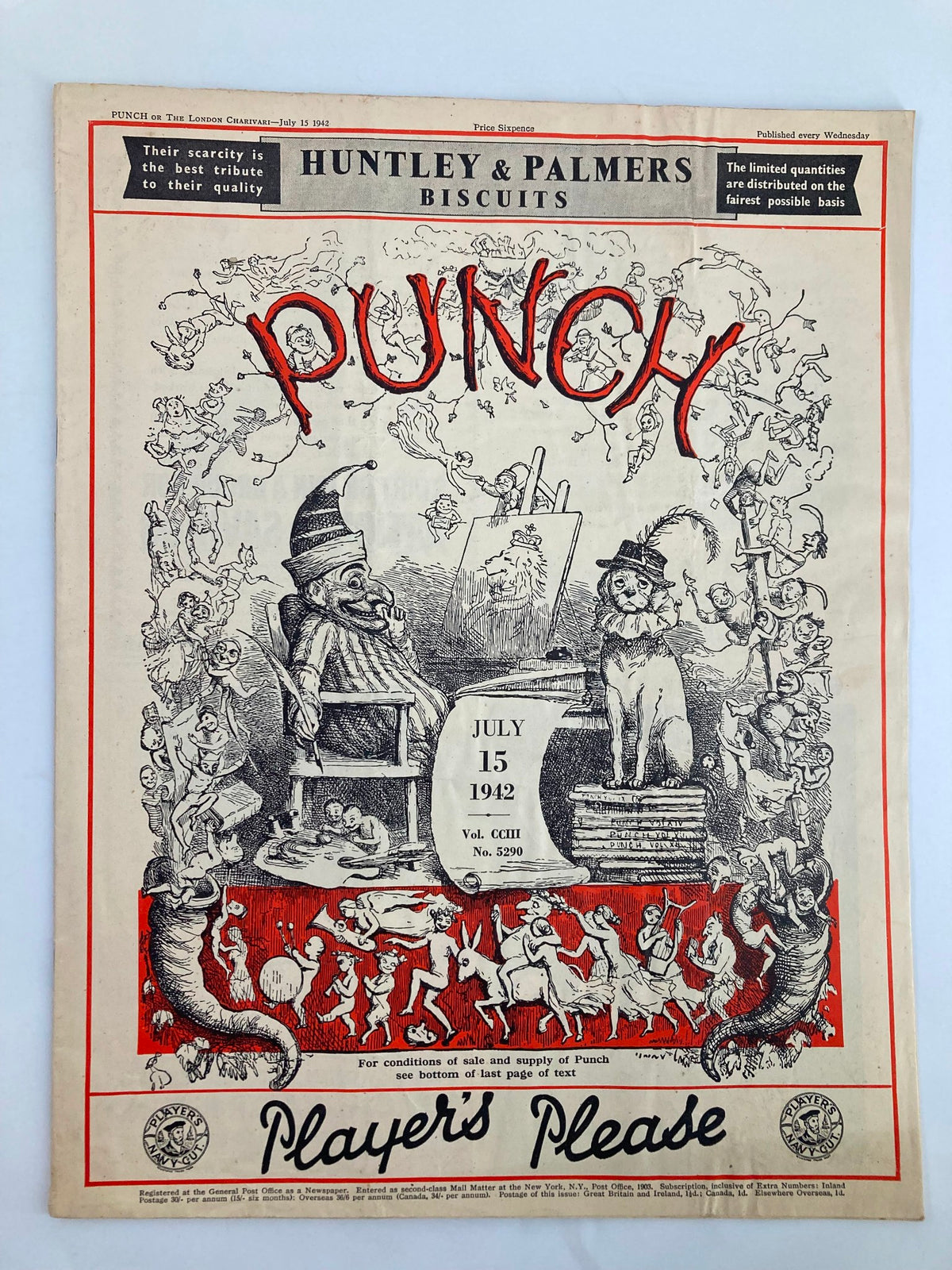
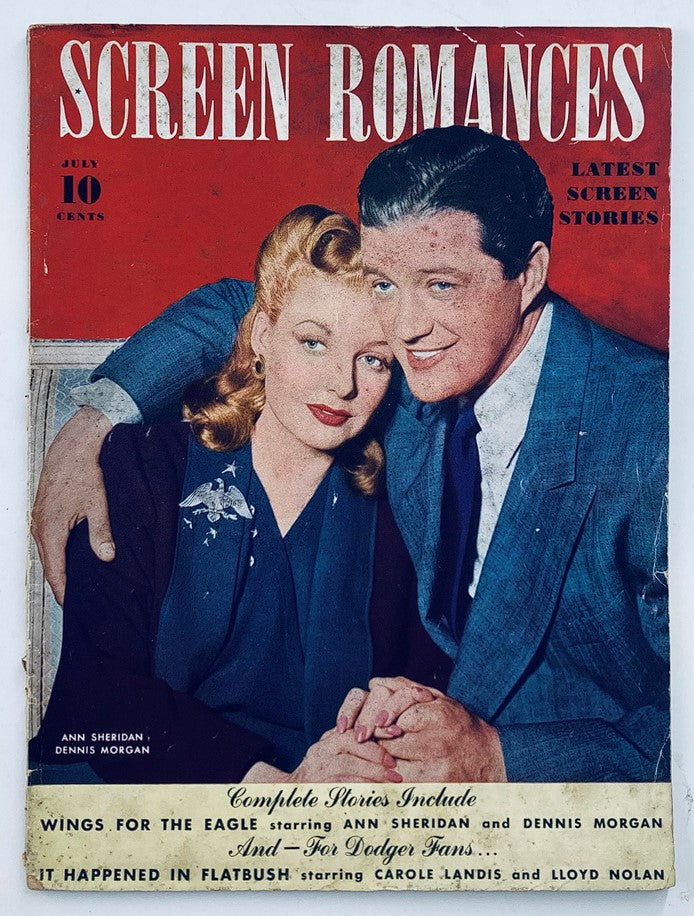
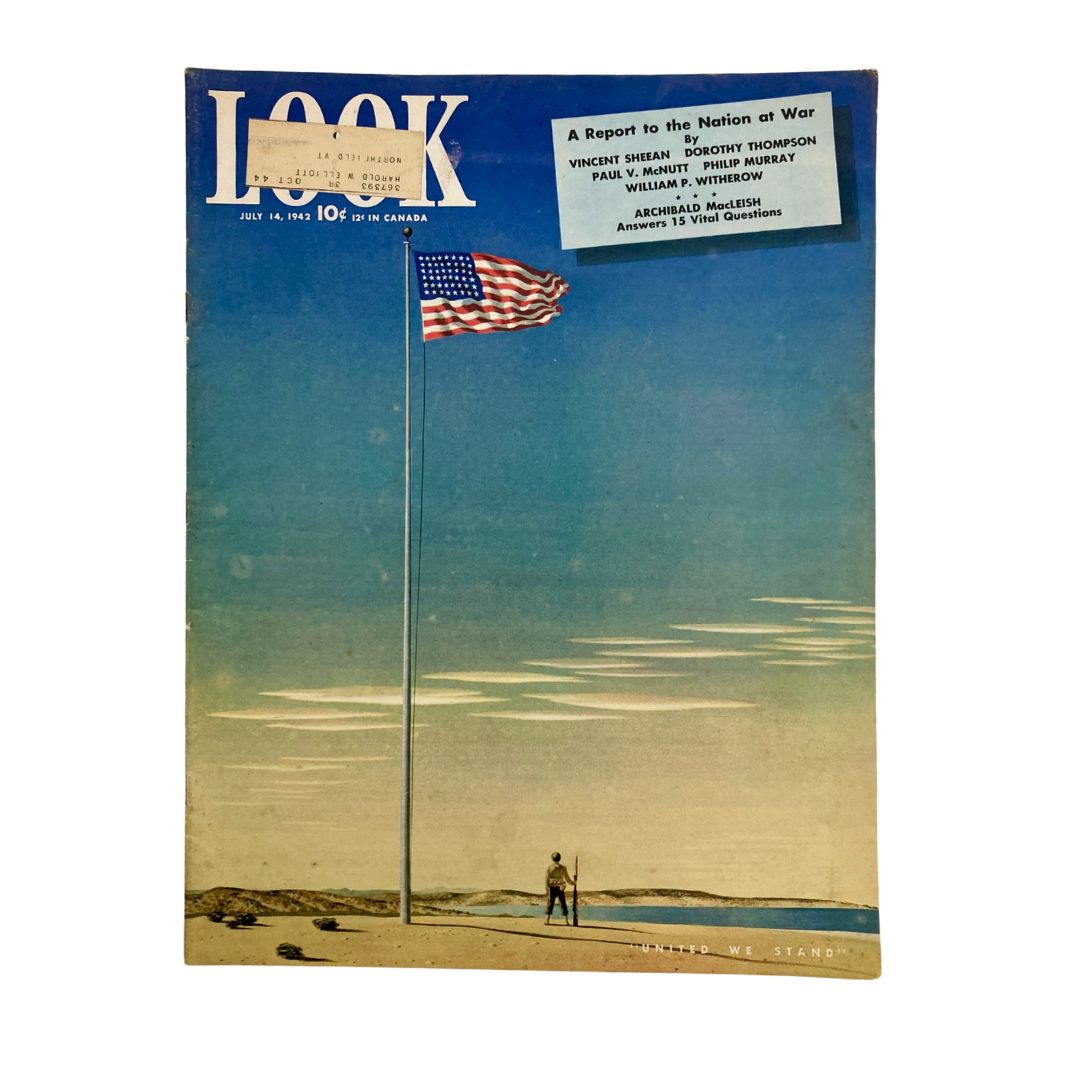
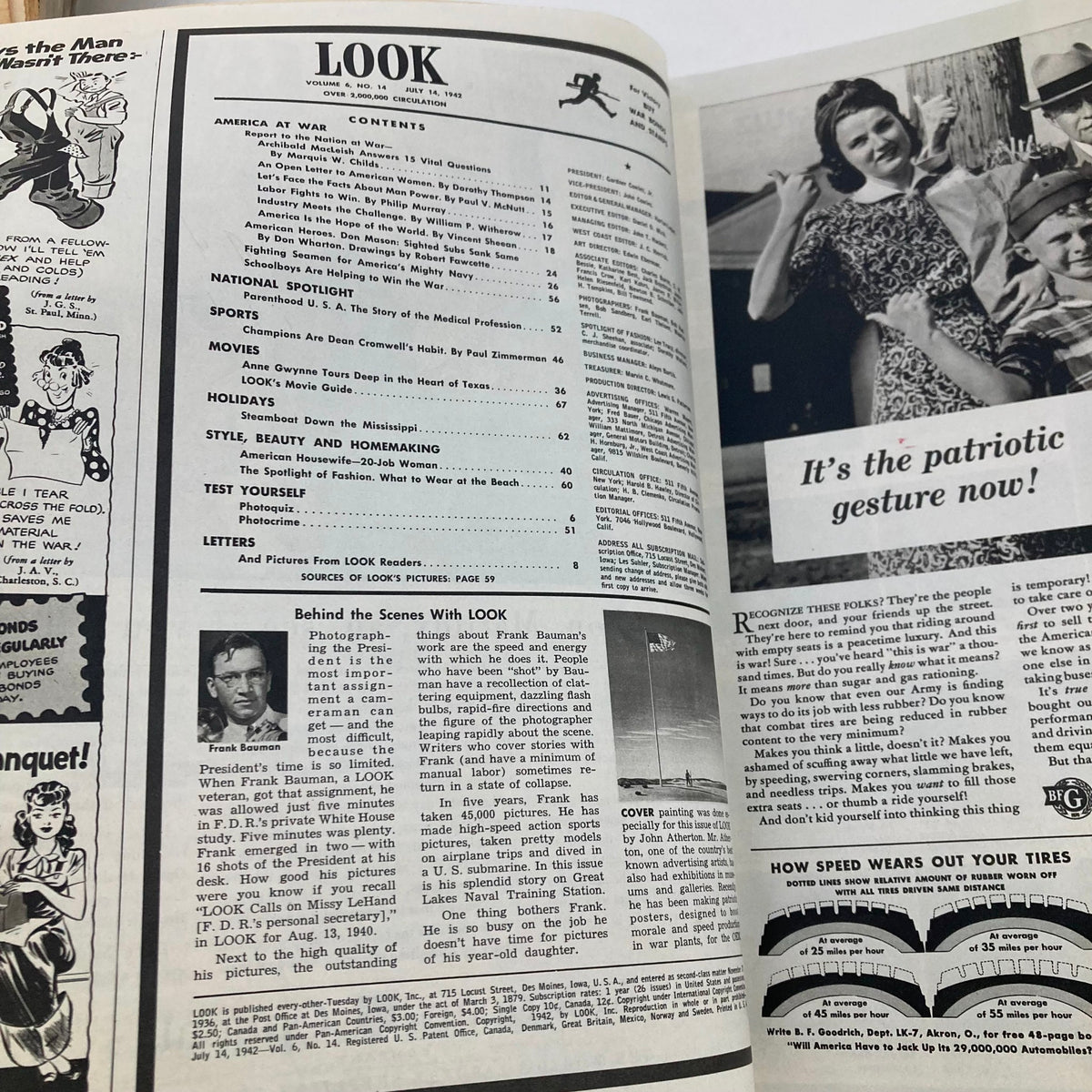
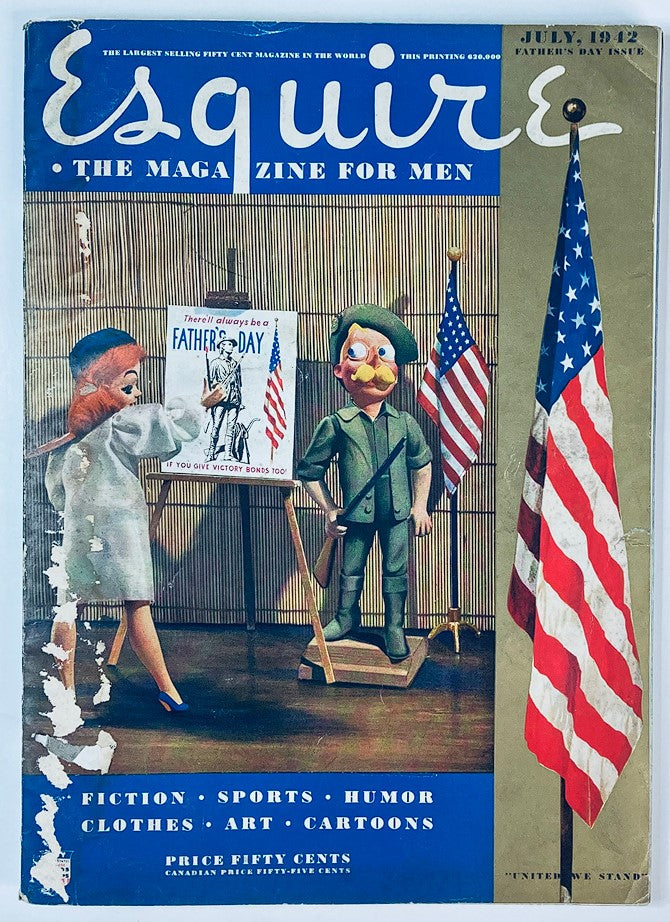
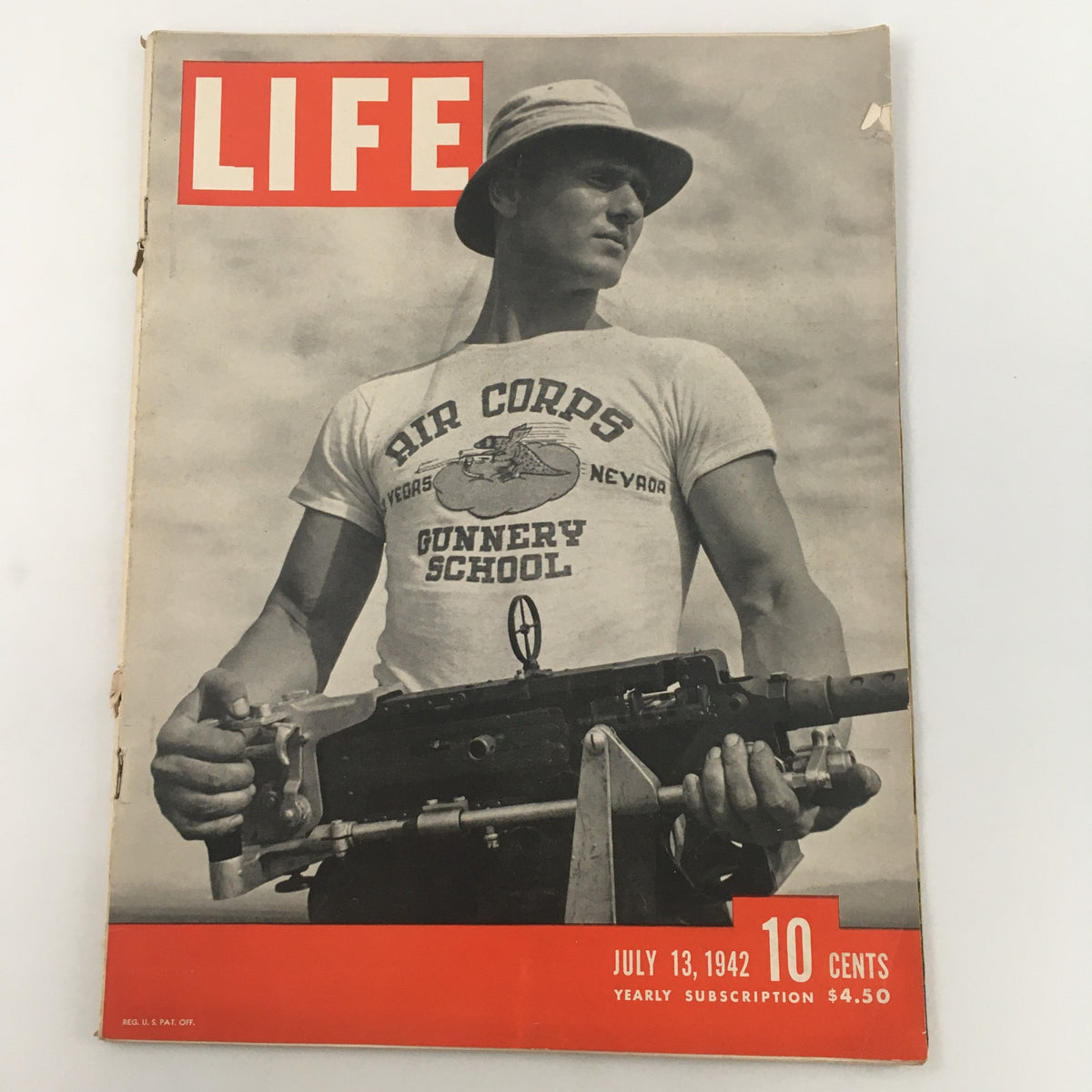
Back in the United States, July 1942 was a month of mobilization and adjustment. Gasoline rationing by coupon began—a daily reminder that the war touched every household, every errand, every fill-up. On July 30th, President Franklin D. Roosevelt signed legislation creating the WAVES (Women's Reserve of the U.S. Naval Reserve), expanding women's formal role in the war effort just days after the first Women's Army Auxiliary Corps recruits began basic training. The cultural mood was patriotic but tense, and original magazines from July 1942 captured it in full: Life and Look ran dramatic photo spreads of the WAAC inductees and WAVES legislation, while Time made waves of its own by placing Russian composer Dmitri Shostakovich on its cover—his defiant Seventh Symphony had just received its American premiere on NBC Radio, conducted by Arturo Toscanini in a nationally broadcast concert on July 19th that transfixed listeners. Newsweek chronicled the rationing regime. Sports Illustrated had not yet launched, but the sporting pages noted the Military All-Star baseball team—featuring Bob Feller—falling 5-0 to the American League All-Stars on July 7th. Genuine advertisements in these pages hawk war bonds alongside refrigerators and nylon alternatives, a rare magazines-era snapshot of a nation simultaneously sacrificing and dreaming.
Curator's Checklist: What to Look For
-
The Eastern Front and the Road to Stalingrad: Time, Life, and Newsweek featuring maps and dispatches from the German push into southern Russia, often illustrated with battlefield photography and annotated campaign maps showing the drive toward Stalingrad and the Caucasus.
-
The Holocaust in Europe: Vintage magazines including Life and international editions chronicling deportations and occupation policies in France and the Netherlands, with rare wartime photojournalism and diplomatic dispatches that document what contemporaries knew—and reported—in real time.
-
The WAVES and Women at War: Life, Look, and women's titles including Vogue and Harper's Bazaar showcasing the new WAVES legislation and WAAC training, with patriotic fashion editorials and government-approved portraits of women in uniform representing a genuine shift in American social fabric.
-
Shostakovich's Seventh Symphony: Time magazine's July 20th issue featuring Shostakovich on its cover is among the most collectible of the year—a single authentic artifact connecting wartime Soviet culture to the American home front, with Toscanini's NBC broadcast celebrated in entertainment and news pages alike.
-
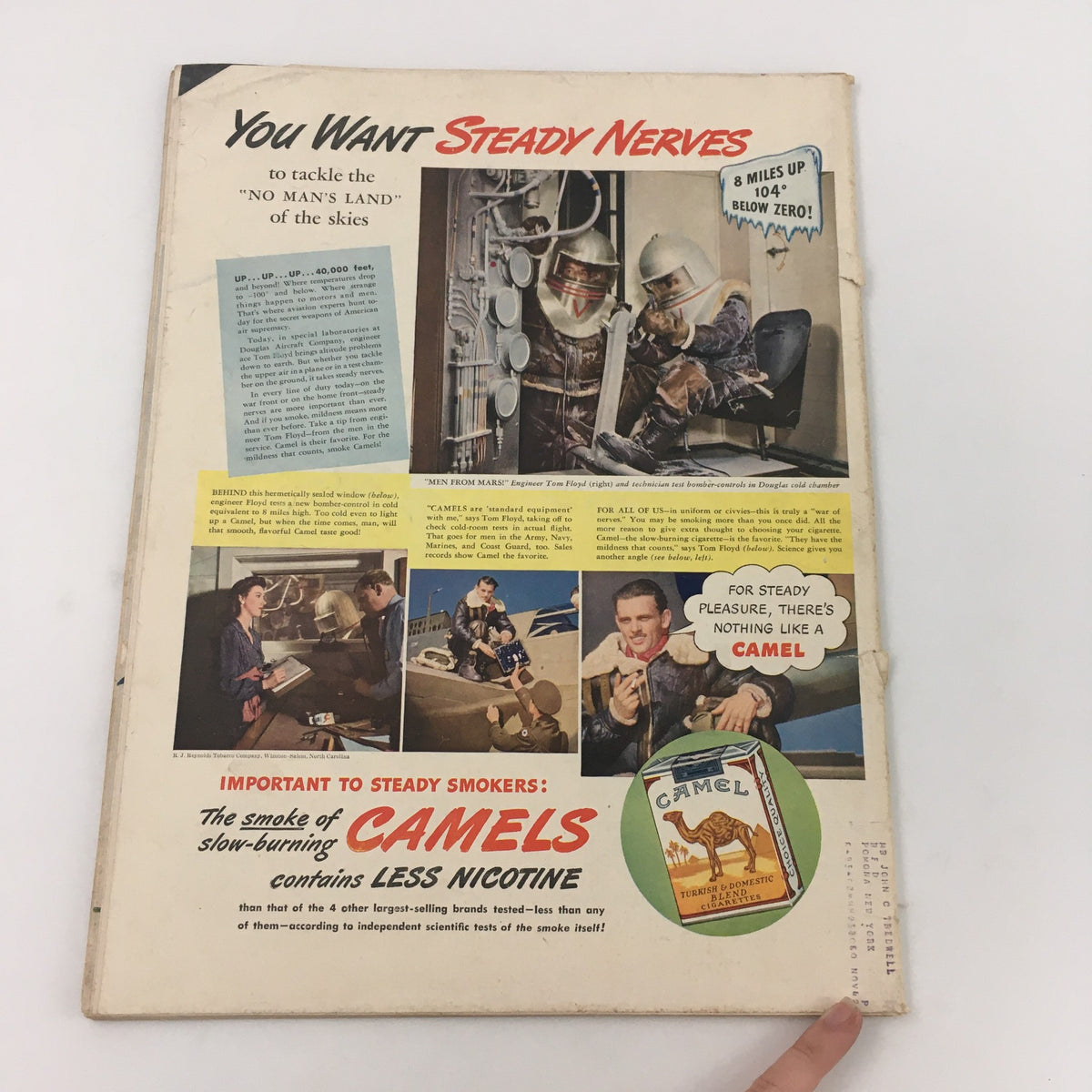
Rationing and the Home Front Economy: Authentic advertisements in Saturday Evening Post, Life, and Popular Mechanics from this month show rationing coupon systems, war bond drives, and consumer goods adjustments—a time capsule of American domestic life under wartime constraint, impossible to reproduce outside original period printing.
The Perfect Gift
For someone born in July 1942, an original magazine from this world-altering month isn't just a paper artifact—it's a genuine time capsule of the most consequential summer of the twentieth century, preserved in authentic headlines, period advertising, and the ink of a civilization fighting for its life.