📖 About this Collection
July 1943: The Month the Axis Began to Break
The Historical Context
The summer of 1943 crackled with a tension that even the most hardened war correspondents had rarely felt before. The eyes of the world turned first to the eastern steppes of the Soviet Union, where the largest tank battle in history was unfolding at Kursk. Operation Citadel—Hitler's desperate gamble to reclaim momentum on the Eastern Front—hurled thousands of German panzers into Soviet lines on July 5th, only to be ground down day by catastrophic day. By July 12th, the Red Army's counter-offensive at Prokhorovka had shattered the myth of German armored invincibility for good.
Then came Sicily. On July 10th, American, British, and Canadian forces stormed the island's beaches in Operation Husky, and within two weeks, General George S. Patton's forces had liberated Palermo. The dominoes were falling fast: on July 25th, Benito Mussolini was arrested by his own Grand Council of Fascism—the man who had ruled Italy for two decades suddenly gone, dismissed by a king. This was the world your loved one entered.
Life, Culture & the Newsstands
Away from the front pages, American life carried on with that particular wartime energy—anxious, resourceful, and shot through with surprising moments of joy. On July 21st, Stormy Weather premiered in theaters, a landmark musical film starring Lena Horne, Bill Robinson, and Fats Waller performing "Ain't Misbehavin'"—one of the most dazzling showcases of Black talent Hollywood had produced. It played to packed houses from coast to coast.
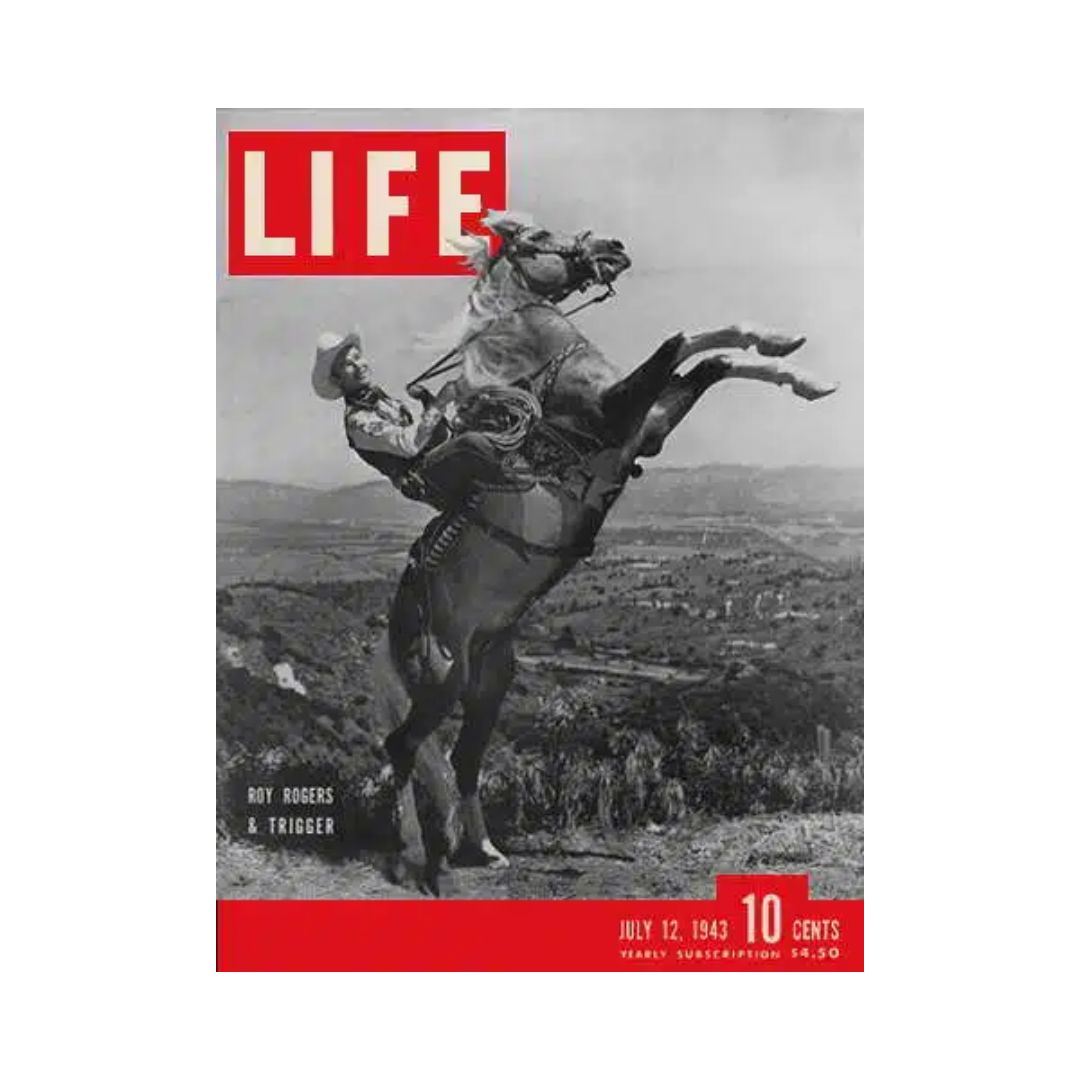
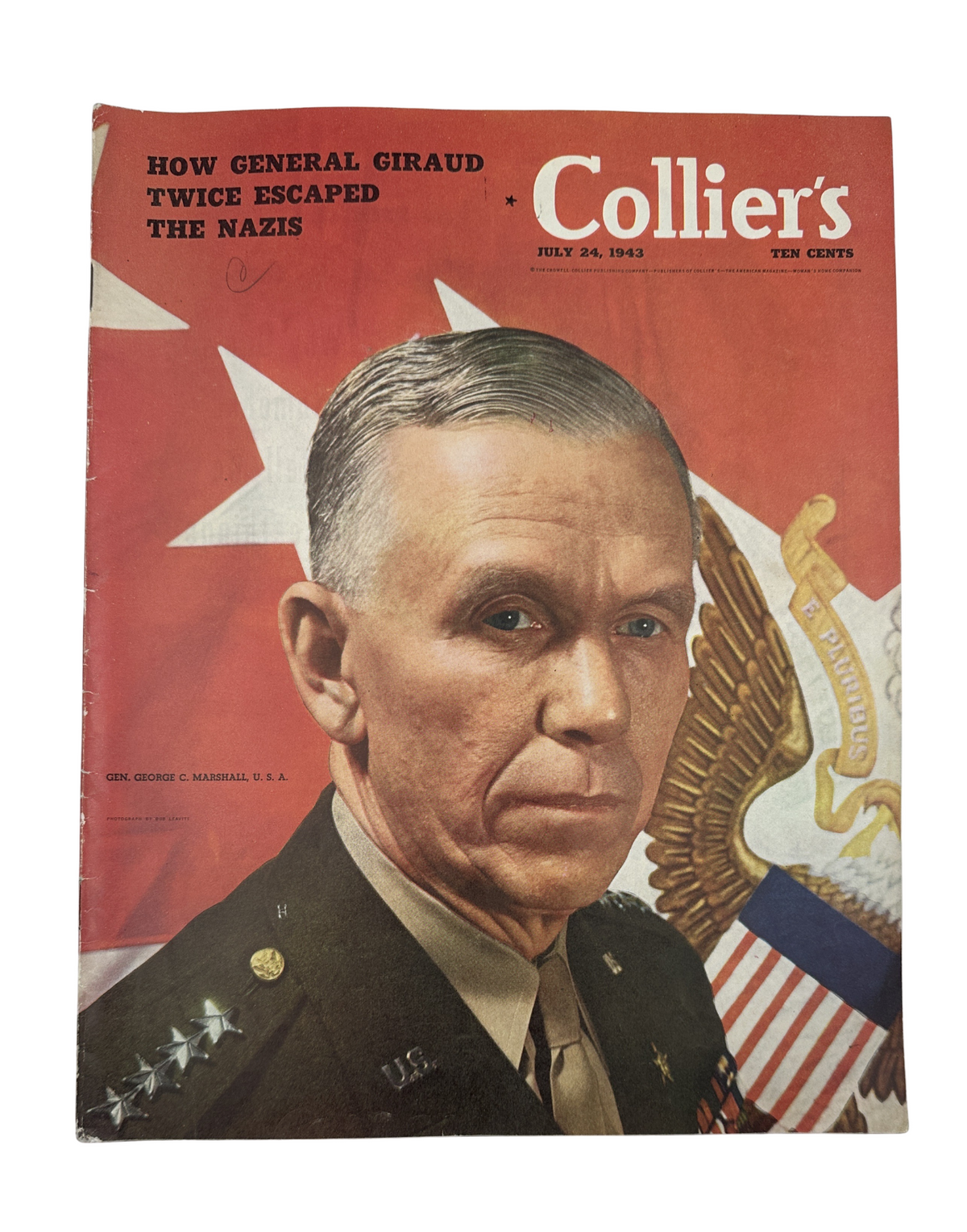
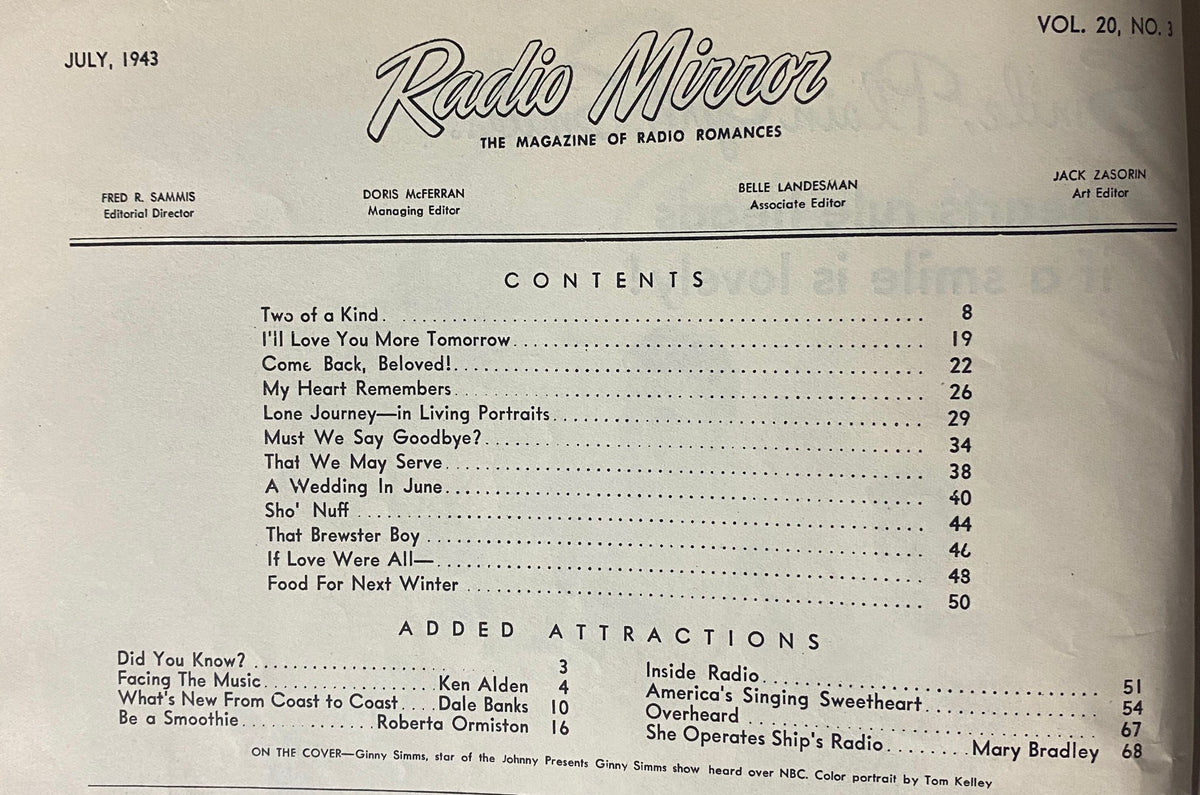
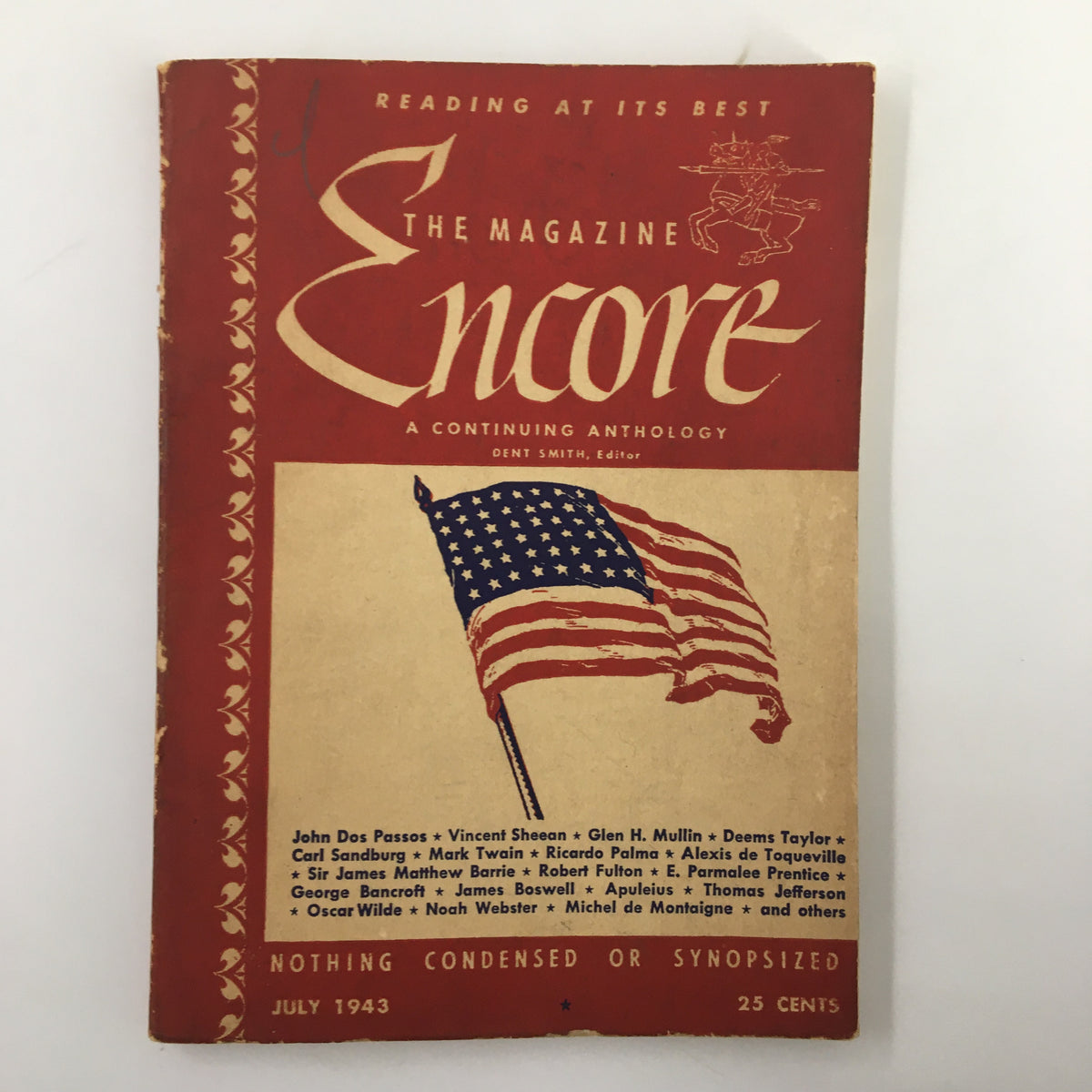
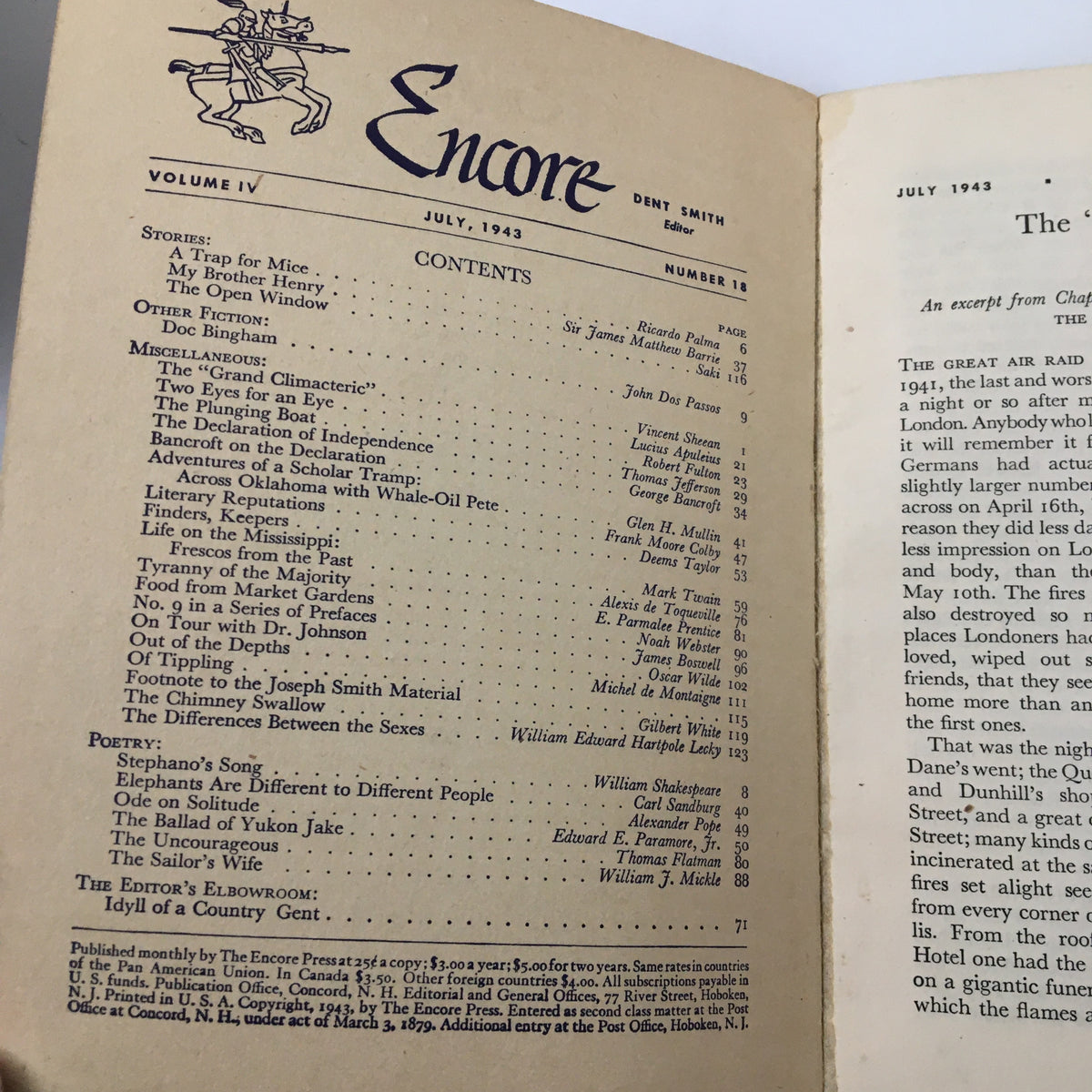
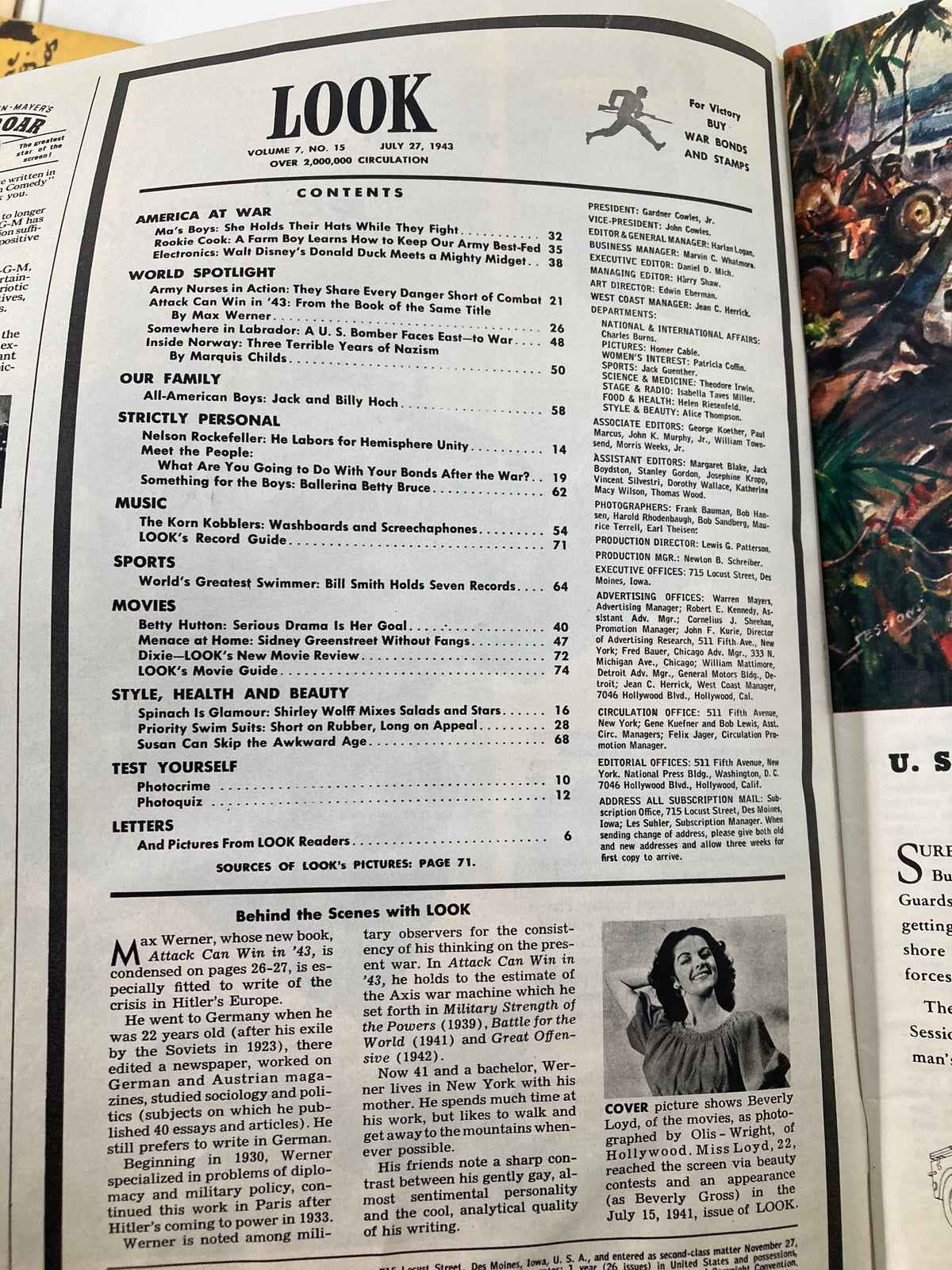
The baseball season brought its own warmth: the AL defeated the NL 5–3 at Shibe Park in Philadelphia in the 11th MLB All-Star Game on July 13th, offering fans a few hours of blissful normalcy. And on July 28th, President Roosevelt gave the country something practical to celebrate—the end of coffee rationing, a small but deeply felt victory on the home front. Original magazines from July 1943 capture all of this with vivid immediacy: Life and Look spread full-page images of the Sicilian landings, Time dissected Mussolini's fall with analytical urgency, and the entertainment press buzzed about Stormy Weather. Even the advertisements—for rationed goods, war bonds, and resourceful household substitutes—tell the story of a nation at war, holding together.
Curator's Checklist: What to Look For
-
The Fall of Mussolini: News weeklies such as Time, Life, and Newsweek ran dramatic front-page coverage of Mussolini's arrest on July 25th, often illustrated with photographs of the Grand Council vote and headlines announcing the end of Italian Fascism—rare magazines capturing a genuine turning point in the war.
-
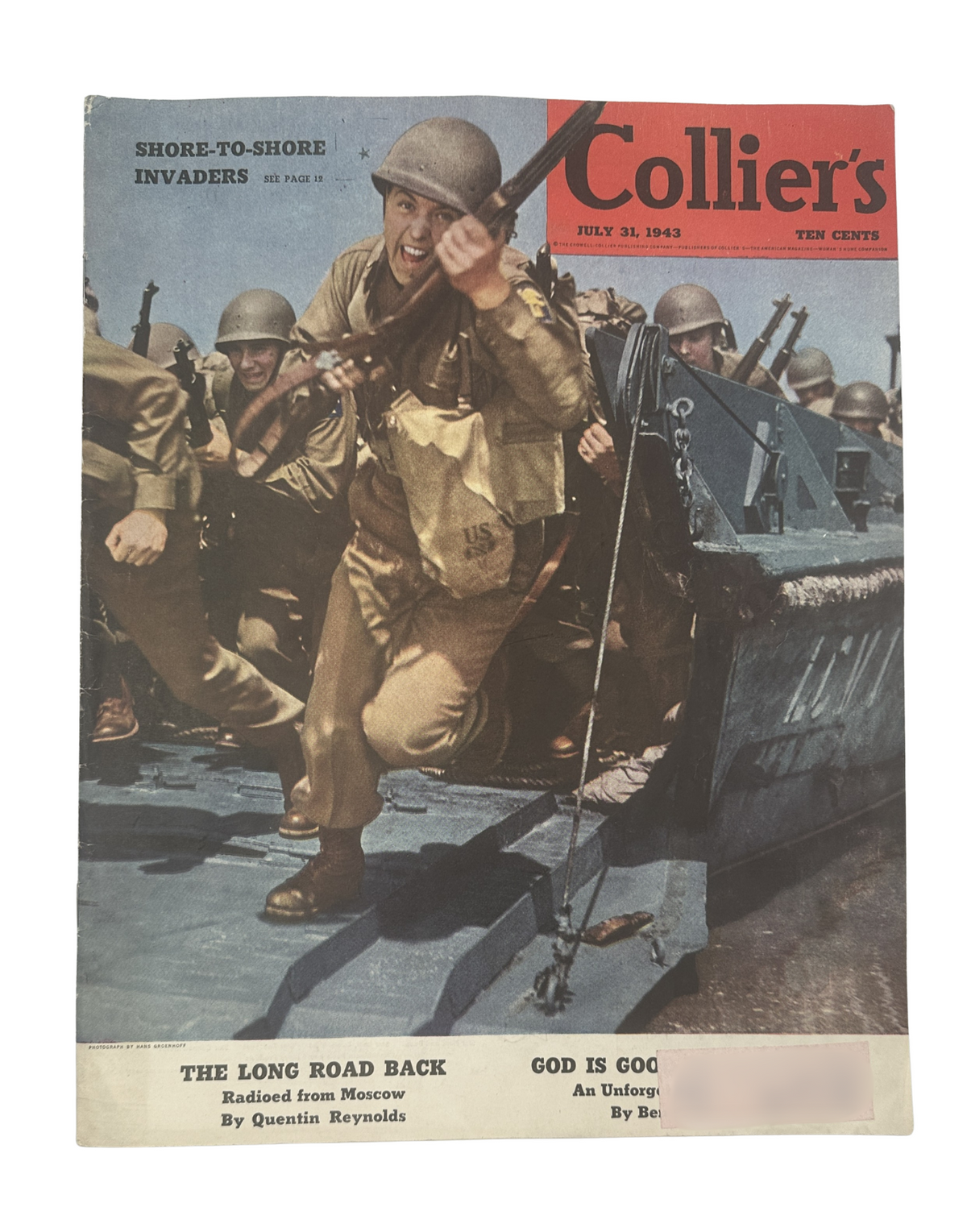
Operation Husky – The Sicily Landings: Life and Look featured extensive photographic spreads of the Allied amphibious invasion on July 10th, showcasing vintage magazines at their documentary finest, with combat photography and maps that guided anxious readers through the campaign.
-
The Battle of Kursk: American news publications provided detailed coverage of the Eastern Front's decisive tank engagement, with Newsweek and Time offering maps, casualty counts, and analysis of Operation Citadel's collapse—authentic windows into the war's pivotal eastern theater.
-
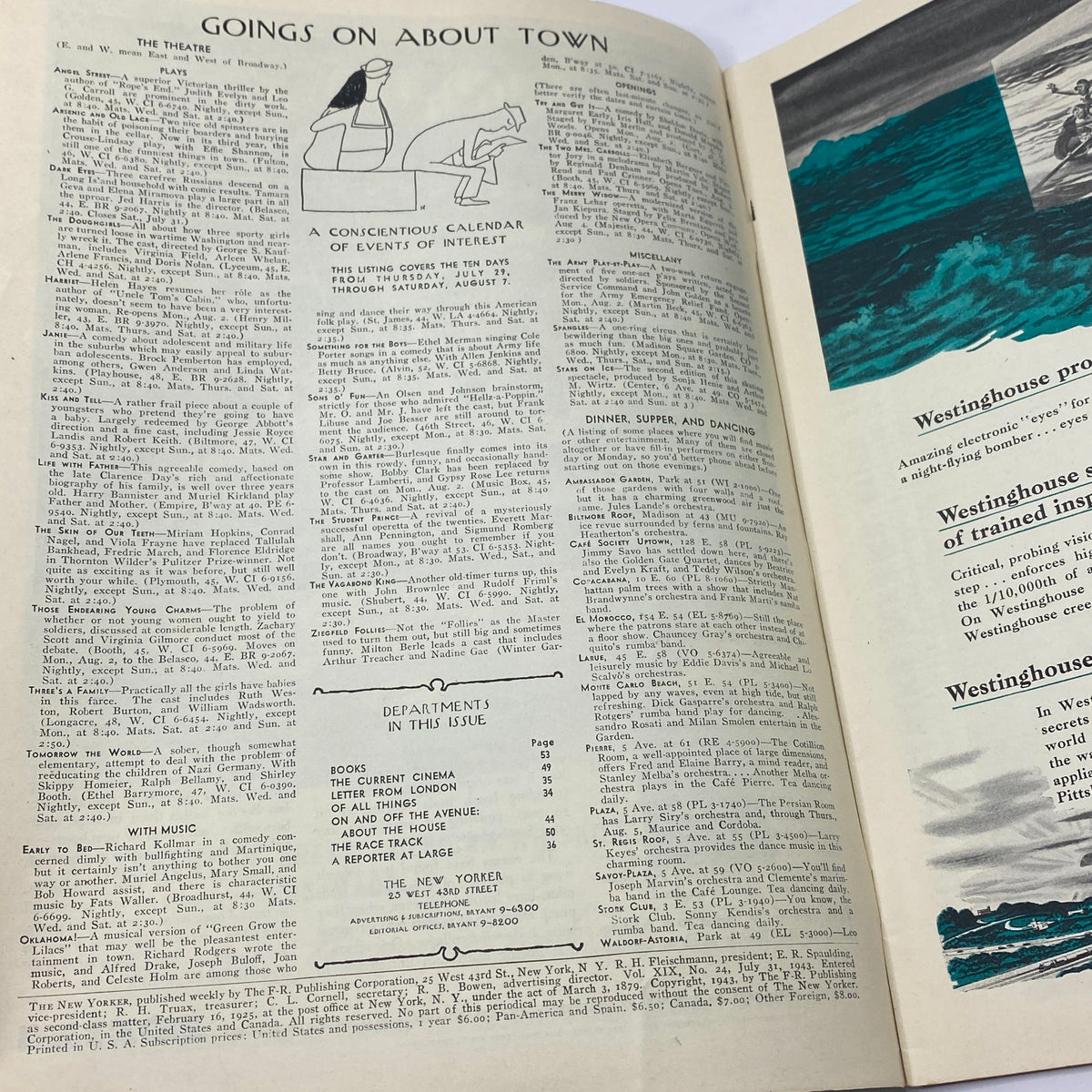
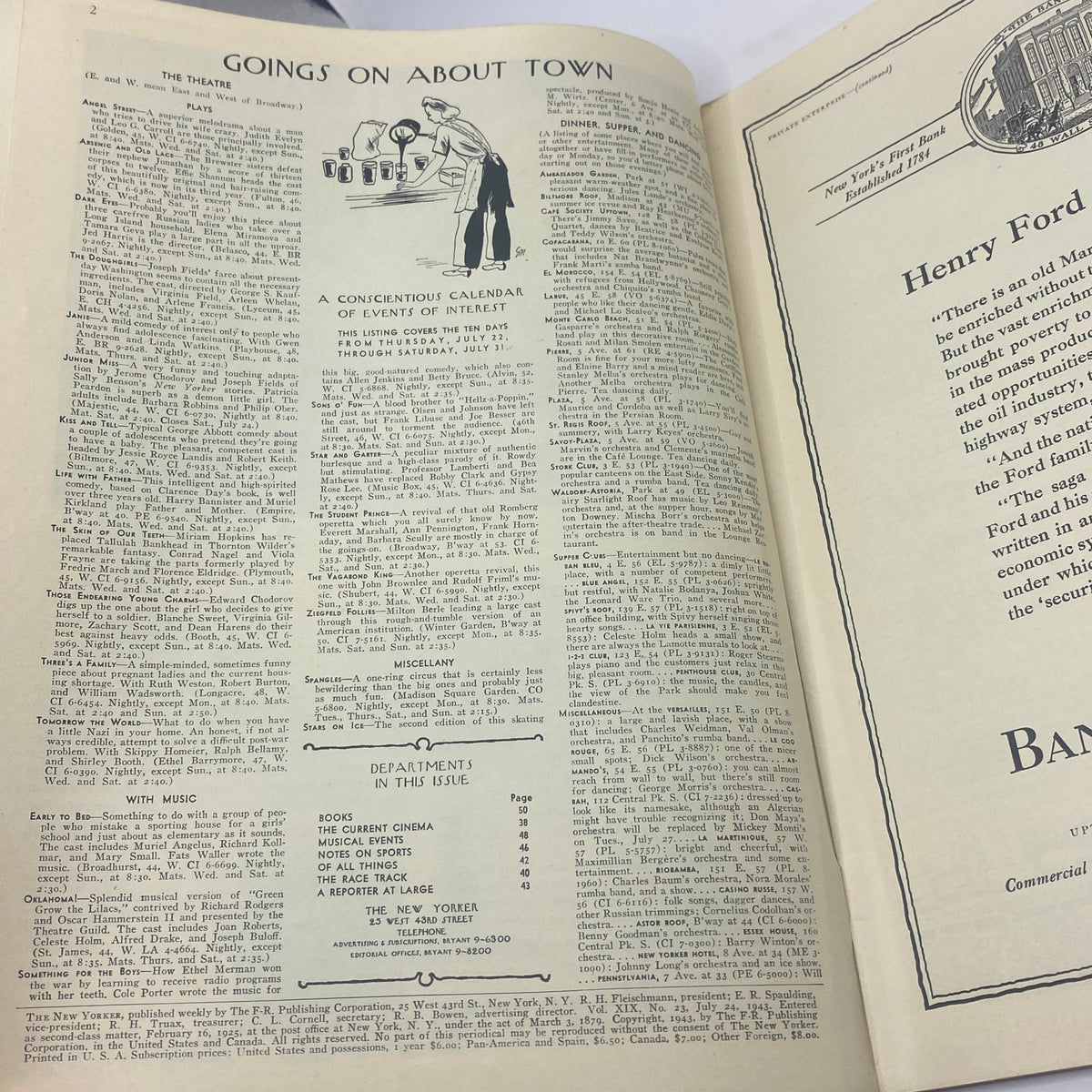
Stormy Weather & Wartime Entertainment: Entertainment and general-interest titles from this month featured reviews and photographic profiles of the landmark film premiere, alongside advertisements for theaters and the kind of wartime leisure that kept morale alive—genuine cultural artifacts of a specific American moment.
-
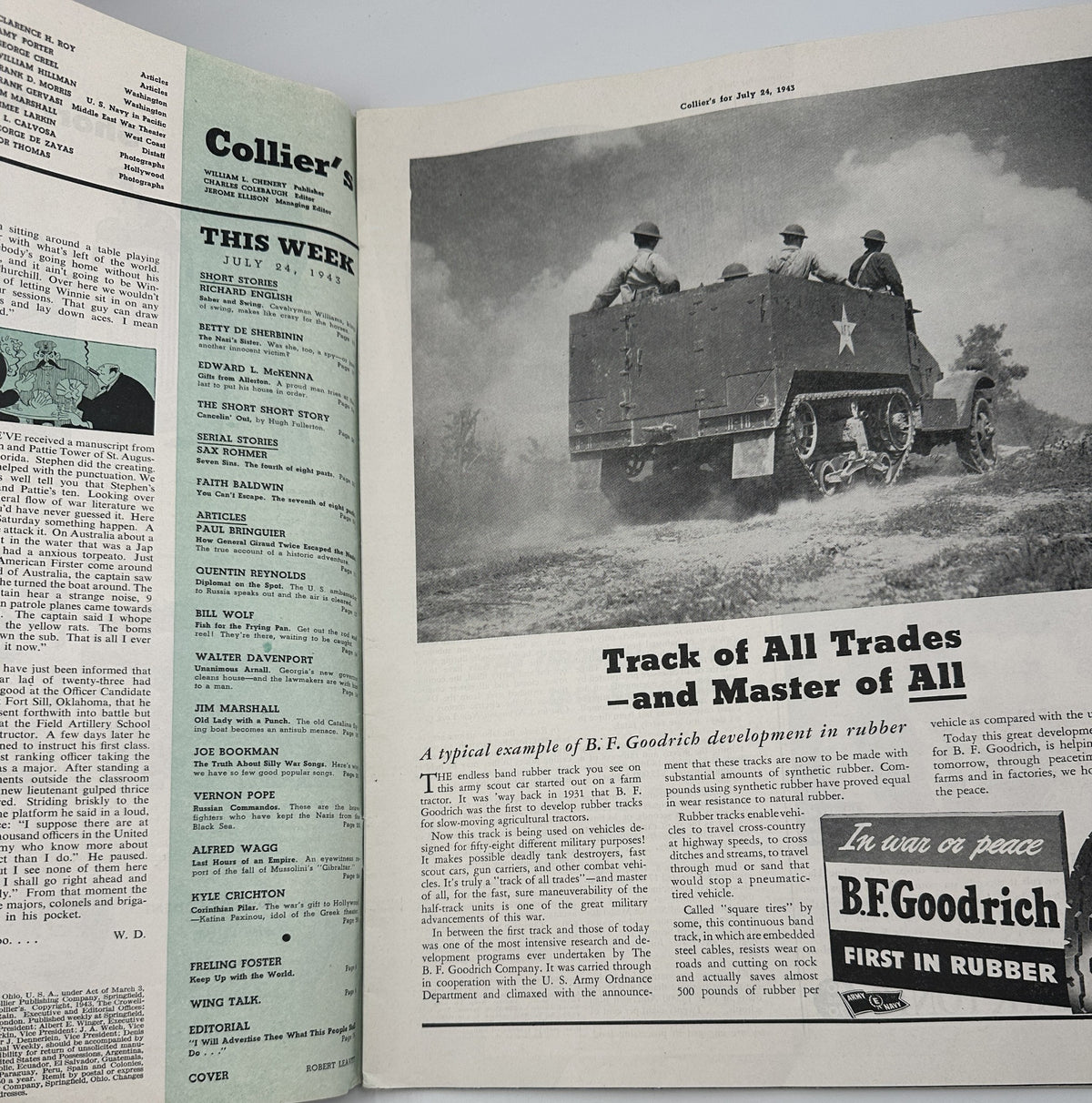
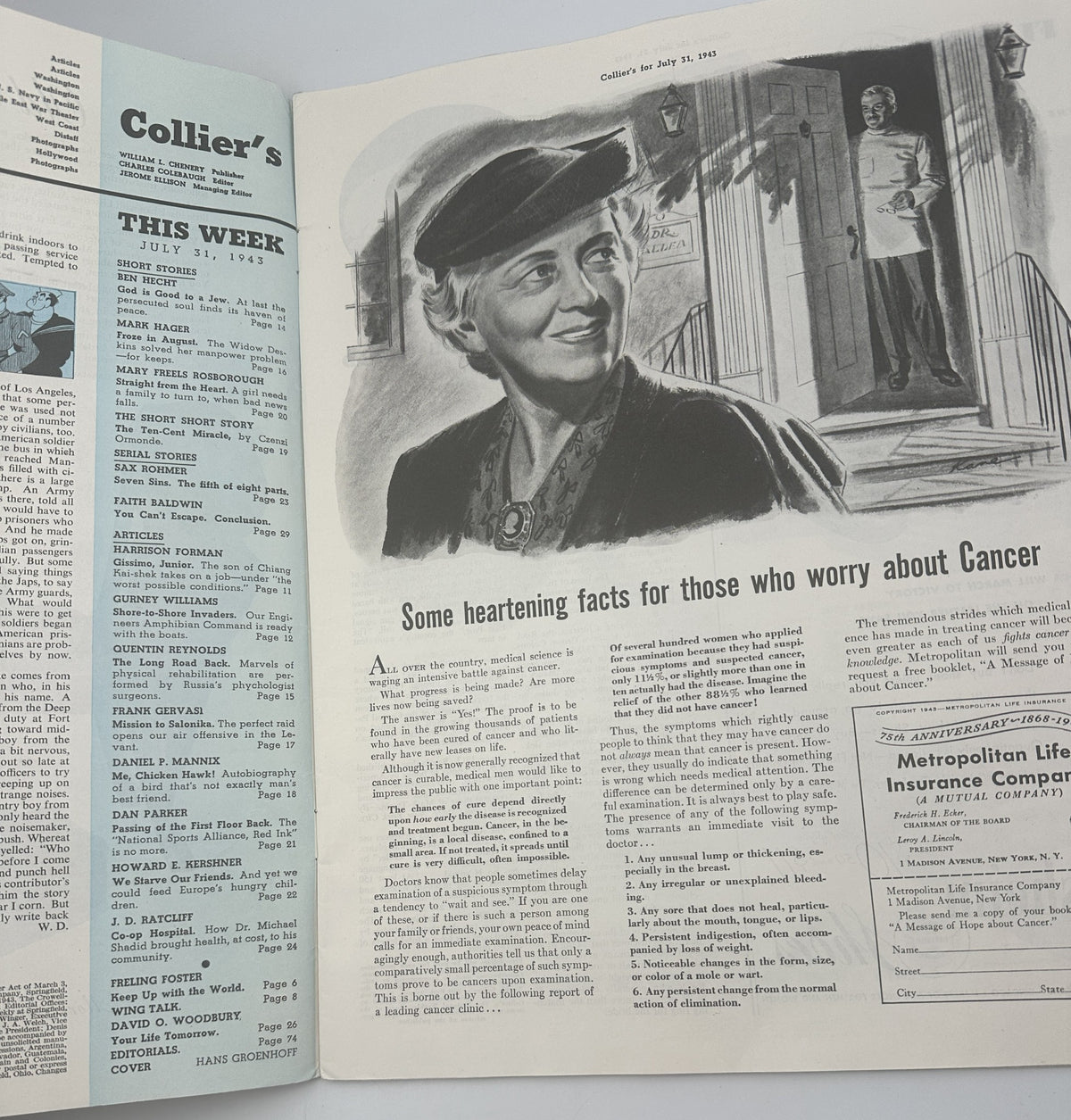
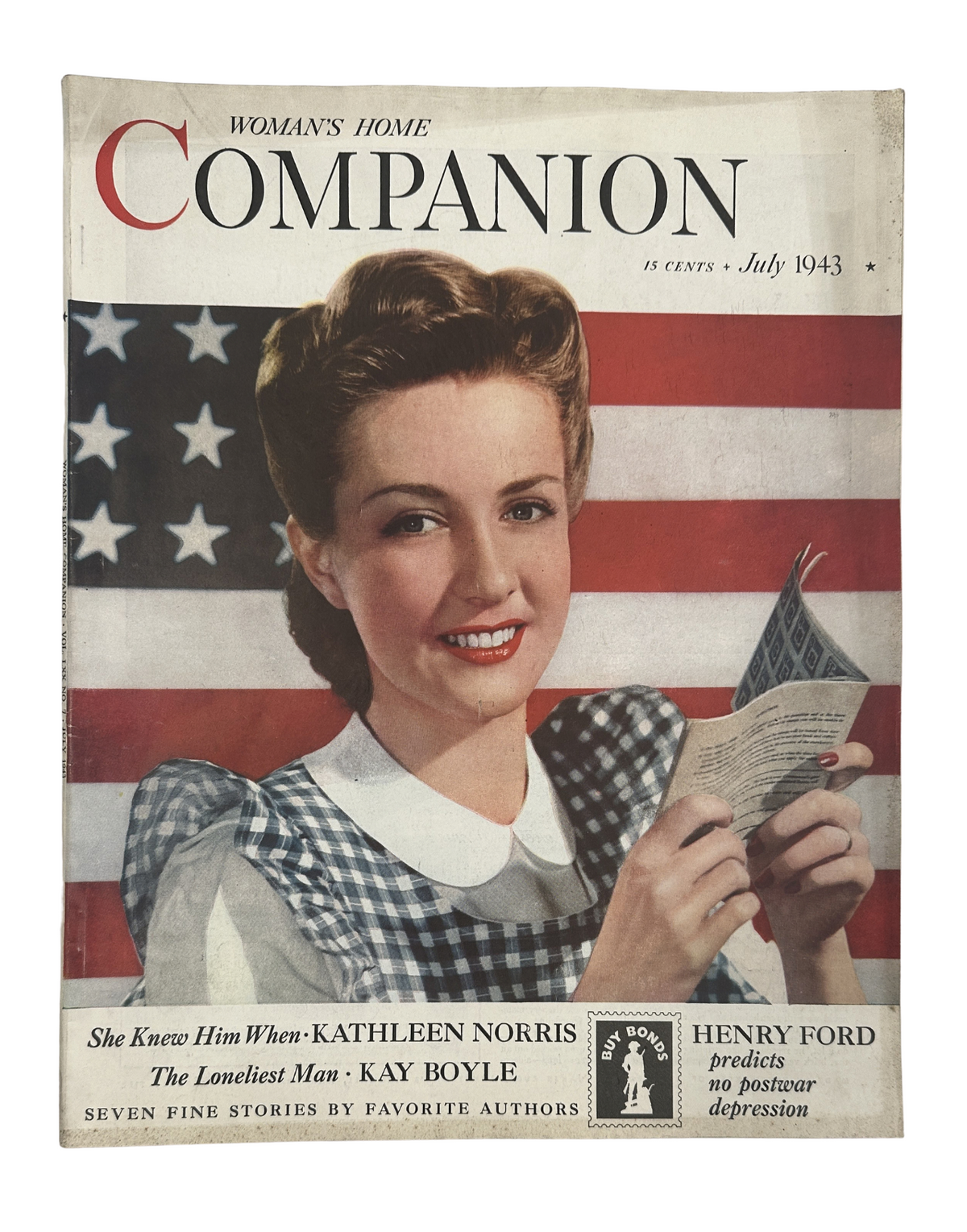
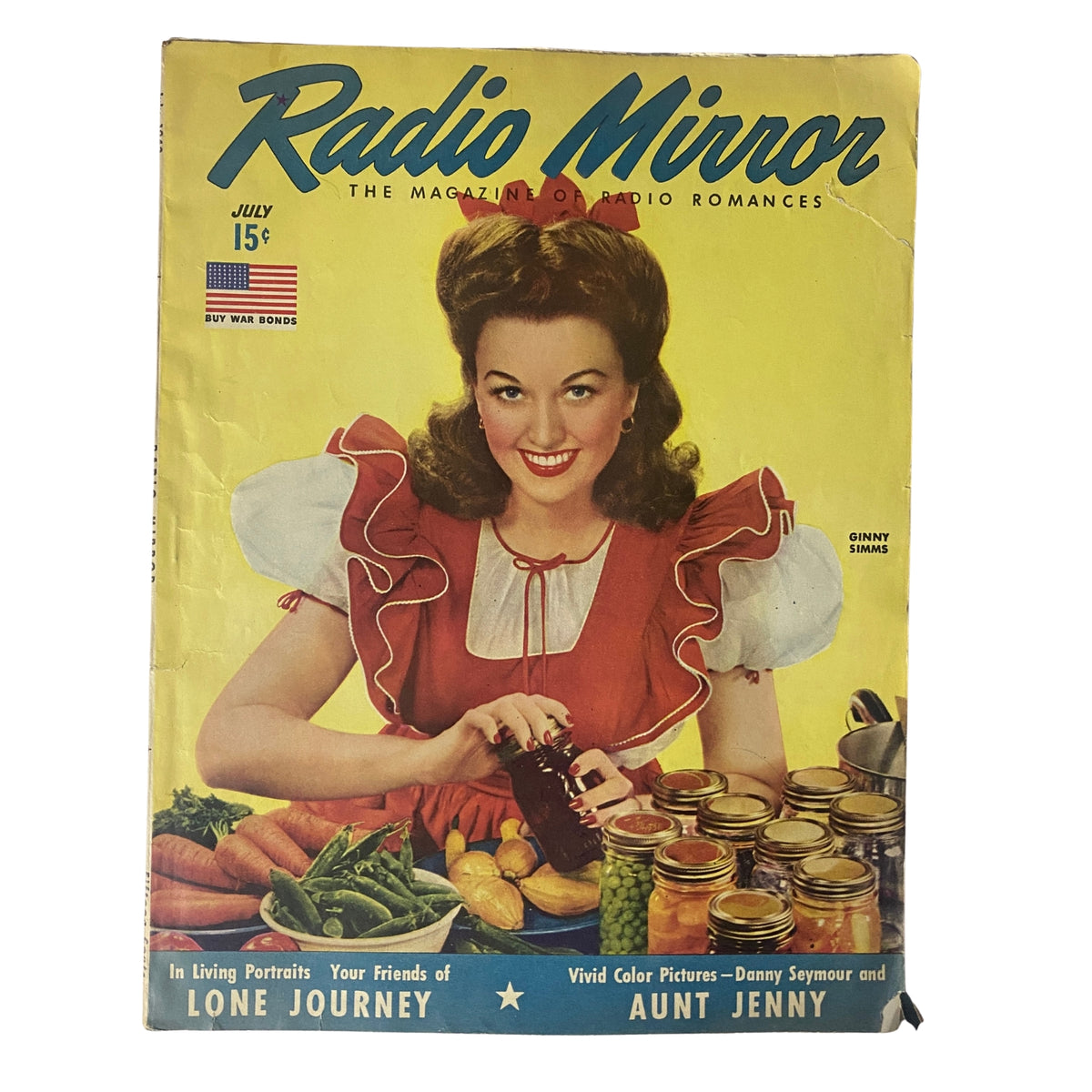
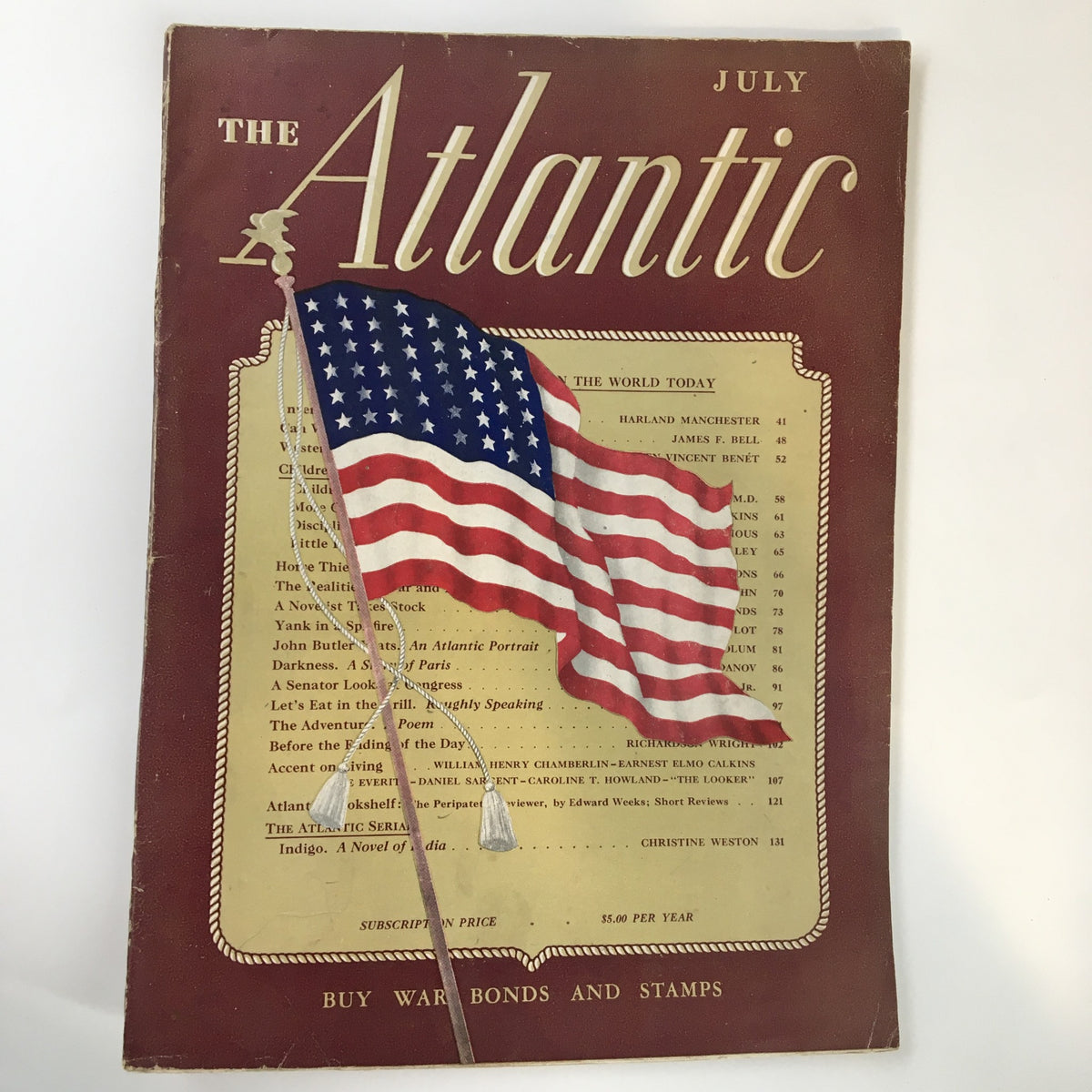
Home Front & Rationing: Perhaps the most intimate find for collectors: the advertisements themselves. Vintage magazines from July 1943 are filled with copy promoting war bonds, rationed staples, and patriotic consumer goods—an authentic time capsule of domestic life that no history book can replicate.
The Perfect Gift
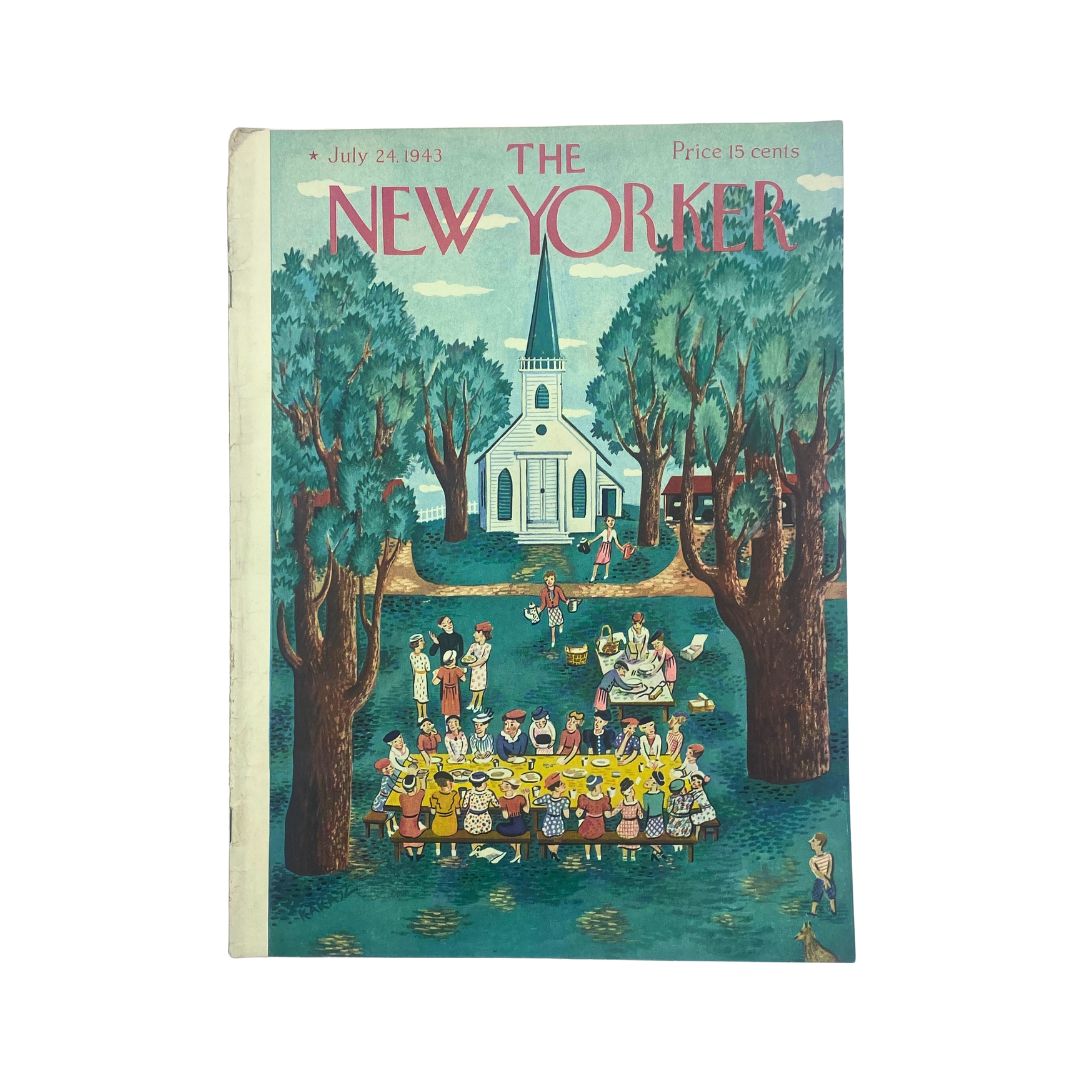
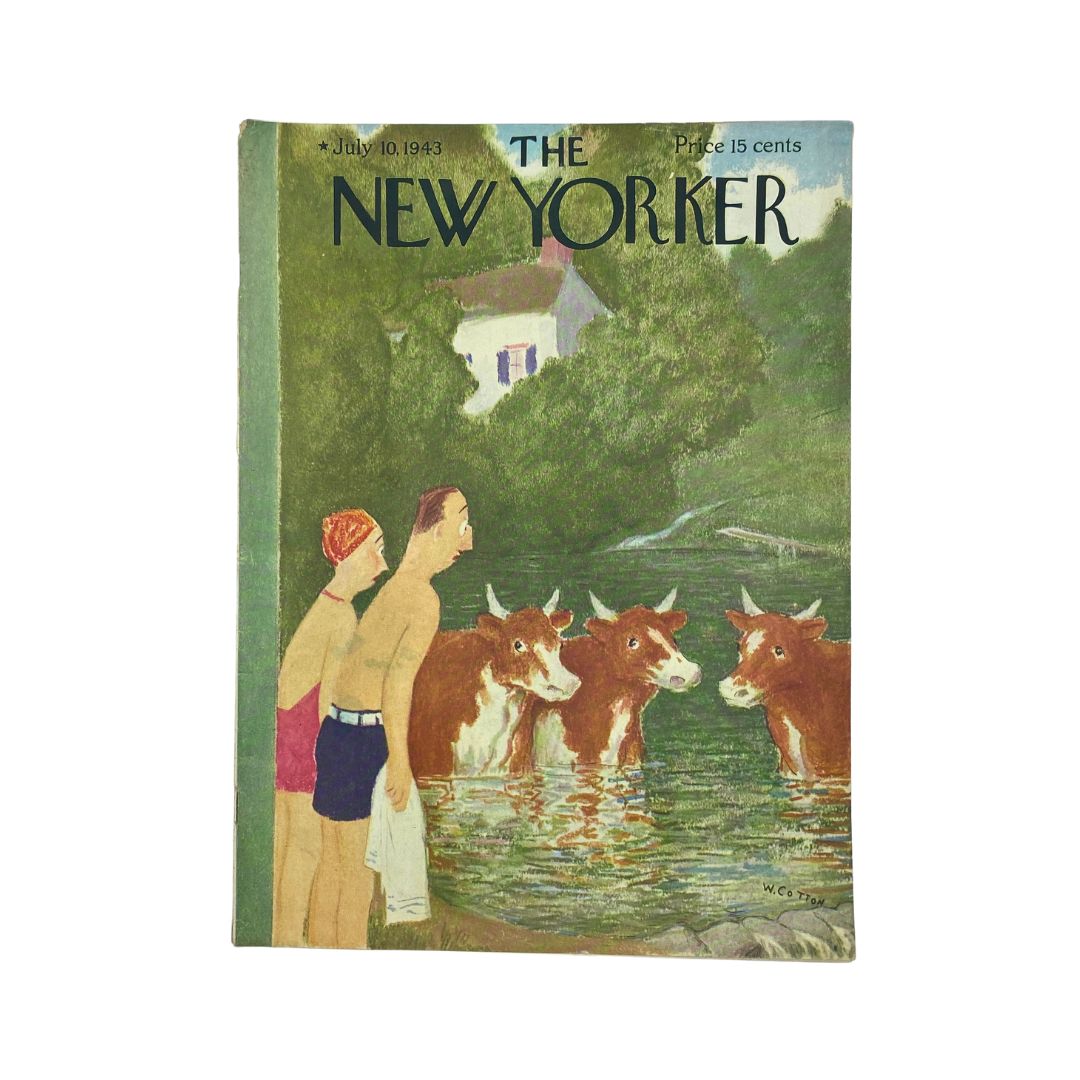
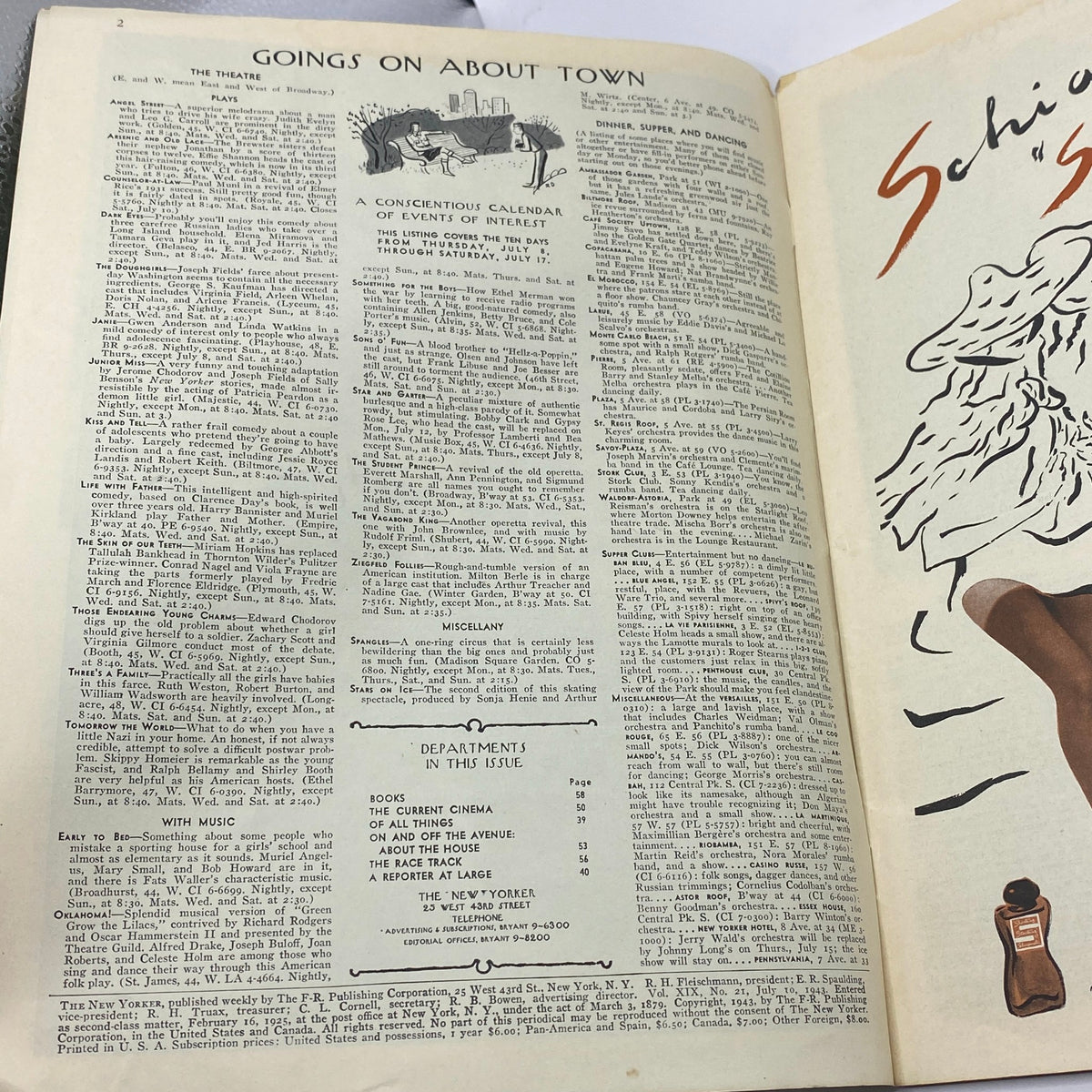
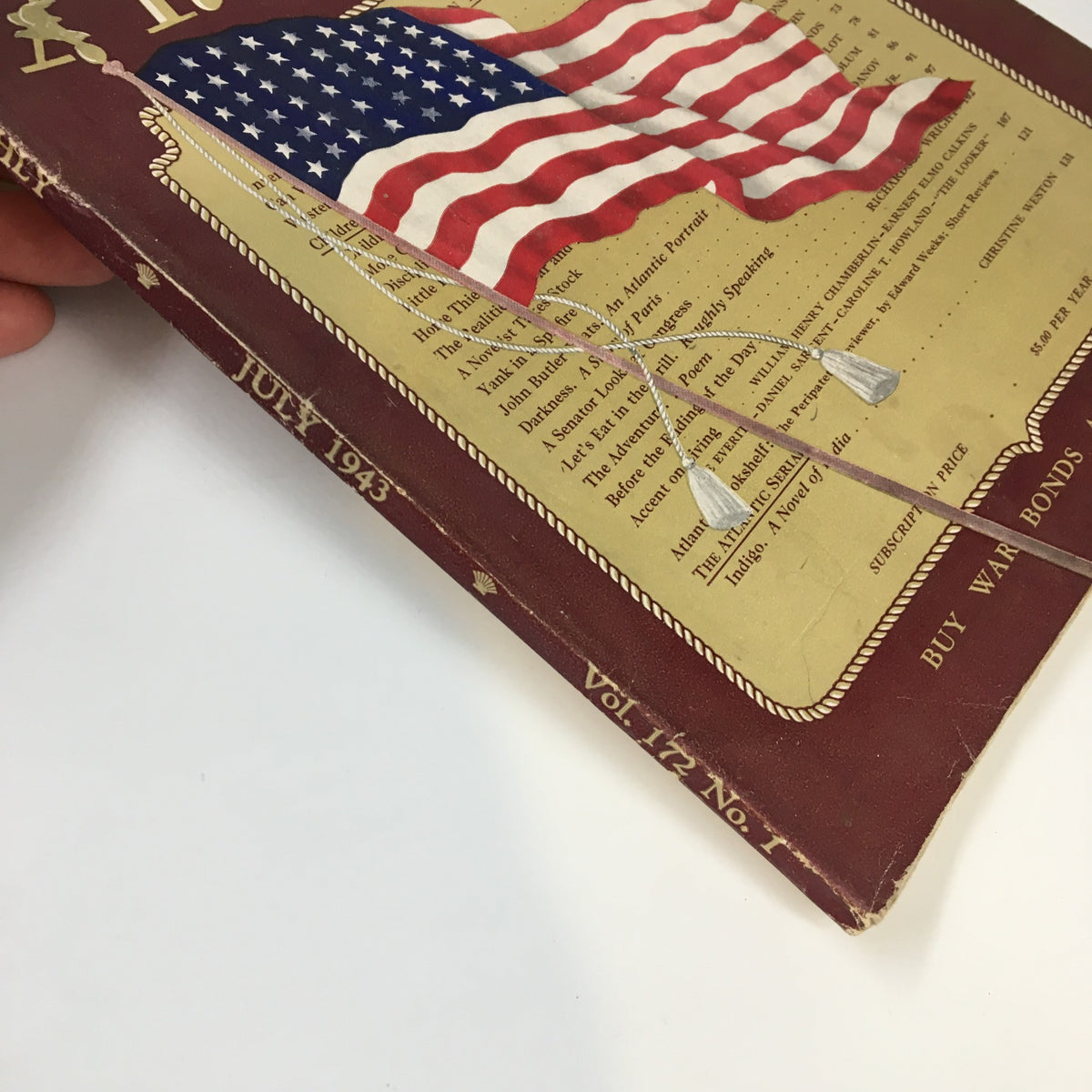
For someone born in July 1943, an original magazine from this world-changing month isn't just a piece of paper—it's a genuine time capsule of the exact week they arrived, preserved in authentic headlines, wartime advertisements, and the era's own urgent, beautiful photography.