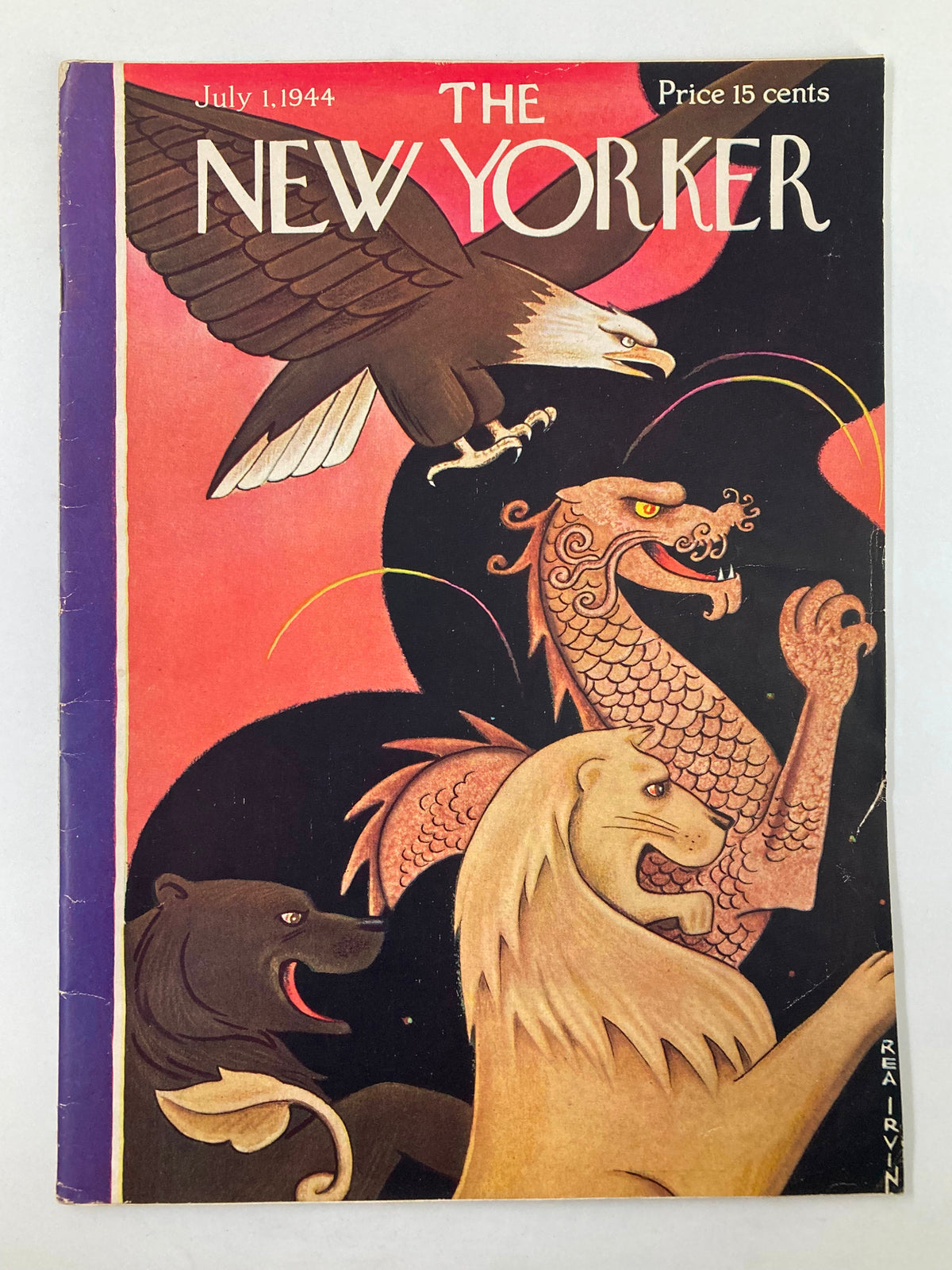
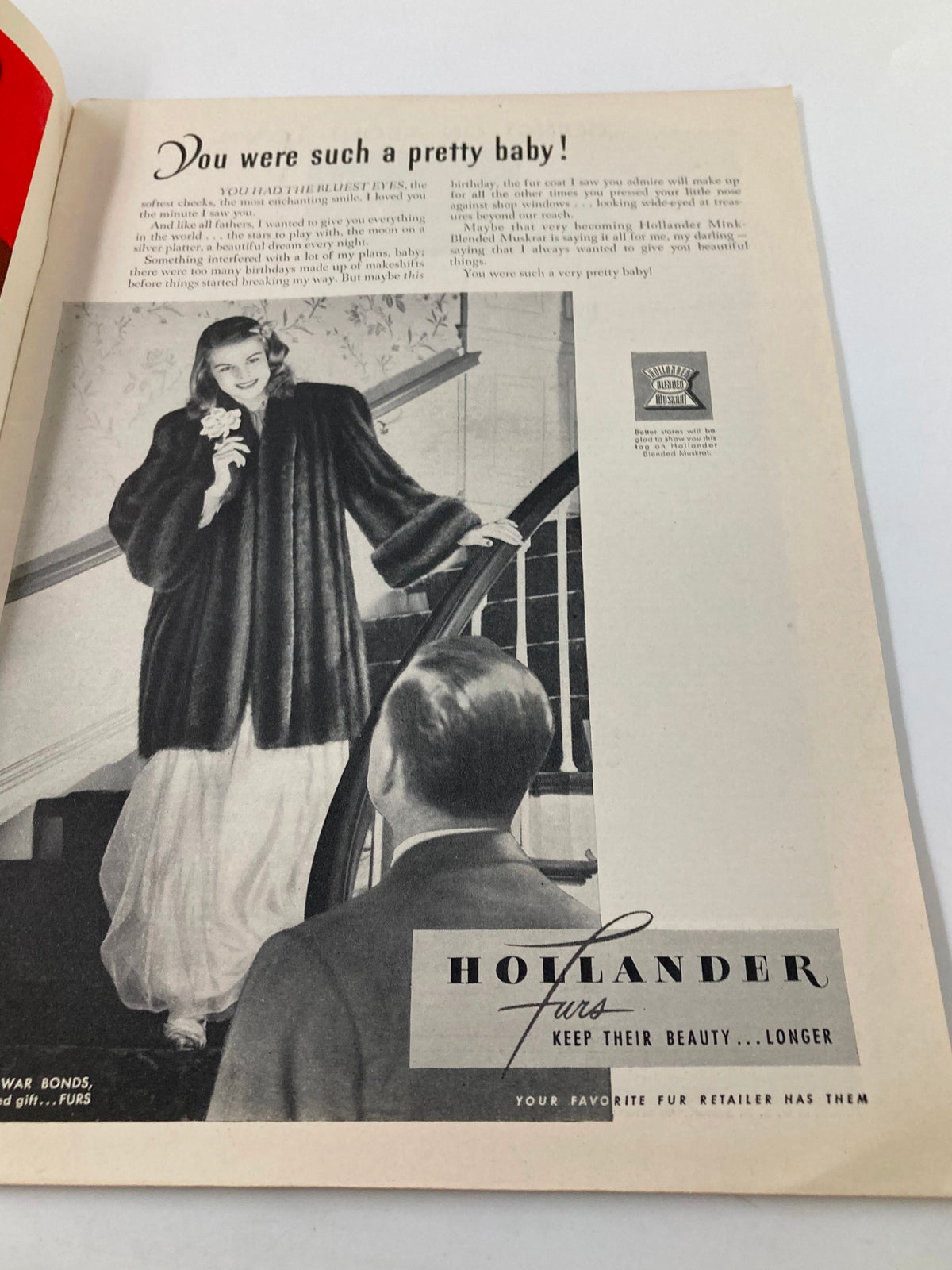
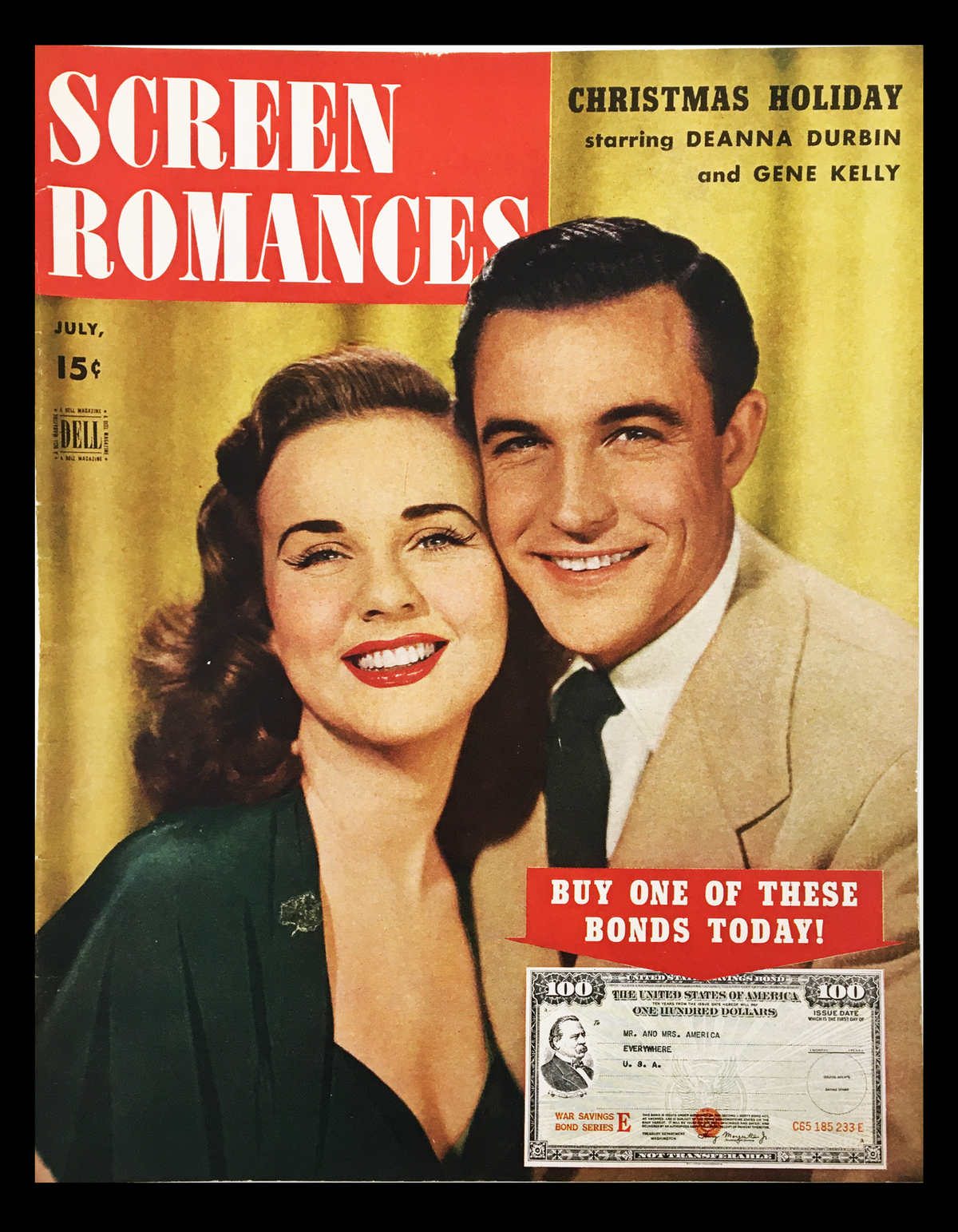
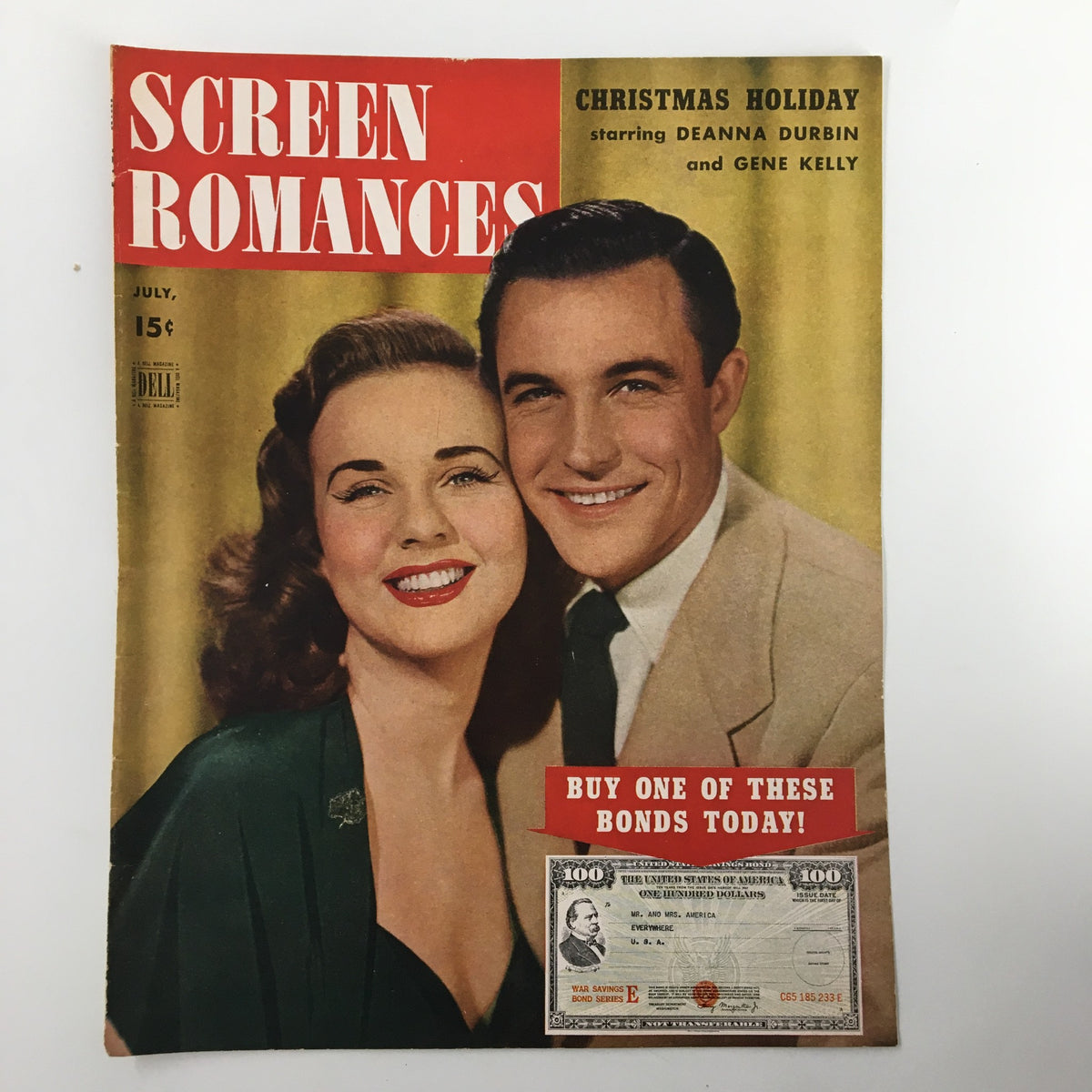
📖 About this Collection
July 1944: Europe on the Knife's Edge
The Historical Context
The summer of 1944 crackled with a tension unlike anything the modern world had known. By July, the Allied landings at Normandy were five weeks old—and the campaign to free Western Europe had reached its most brutal, pivotal stretch. Caen, the Norman city that British and Canadian forces had been fighting to take since D-Day itself, finally fell on July 8th after RAF Bomber Command dropped over 2,500 tons of ordnance on German positions. Then came July 20th: the day the world held its breath. Deep inside Hitler's Wolf's Lair headquarters, Colonel Claus von Stauffenberg detonated a briefcase bomb in a brazen attempt to end the war in a single act. Hitler survived. The reprisals were swift and merciless. Meanwhile, in a quieter but equally momentous drama, delegates from 44 Allied nations gathered at Bretton Woods, New Hampshire, where the economists Harry Dexter White and John Maynard Keynes shaped the financial architecture the world still operates within today. This was the world your loved one entered—one where history was being made on multiple fronts, simultaneously, at a breathless pace.
Pop Culture & Life on the Home Front
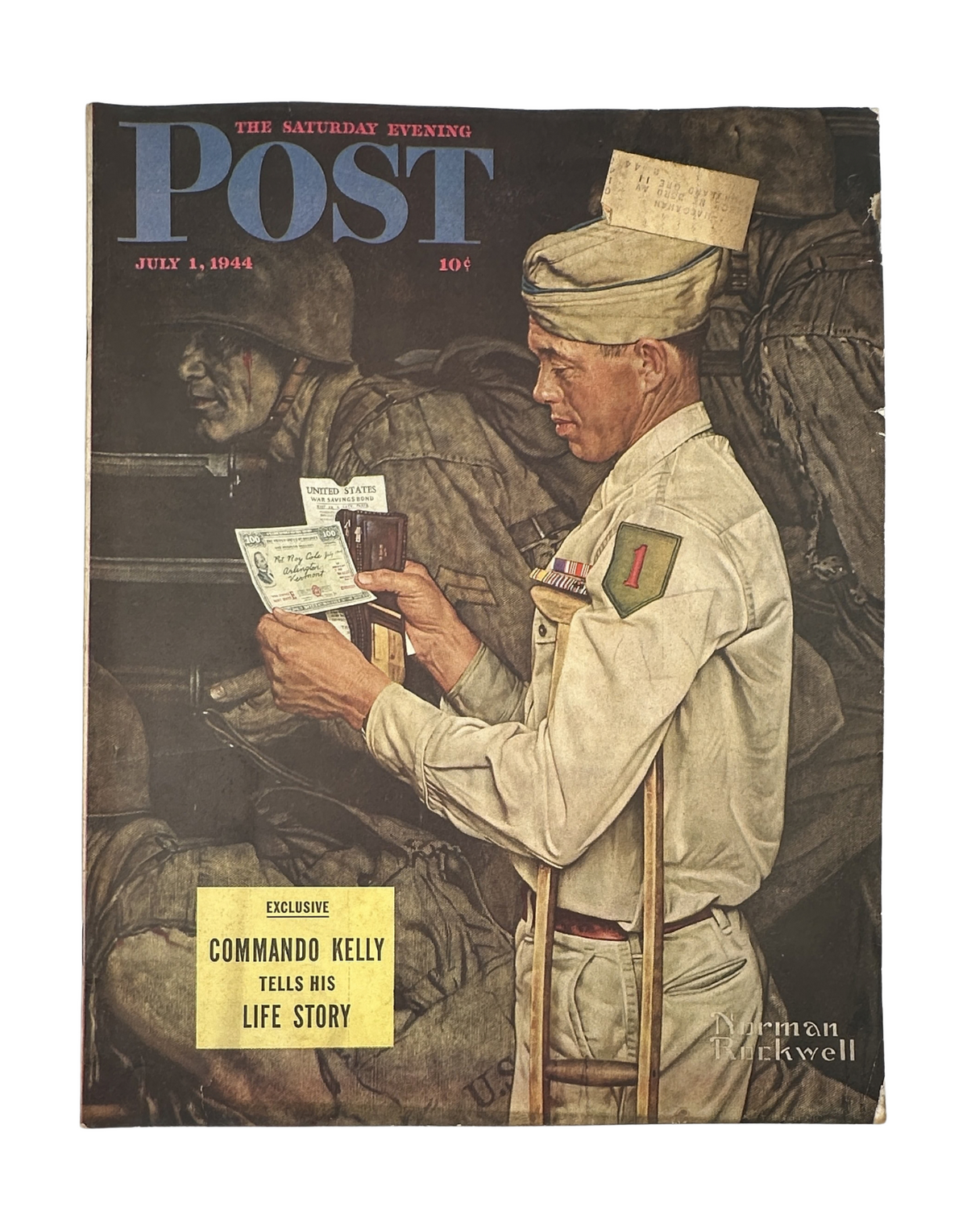
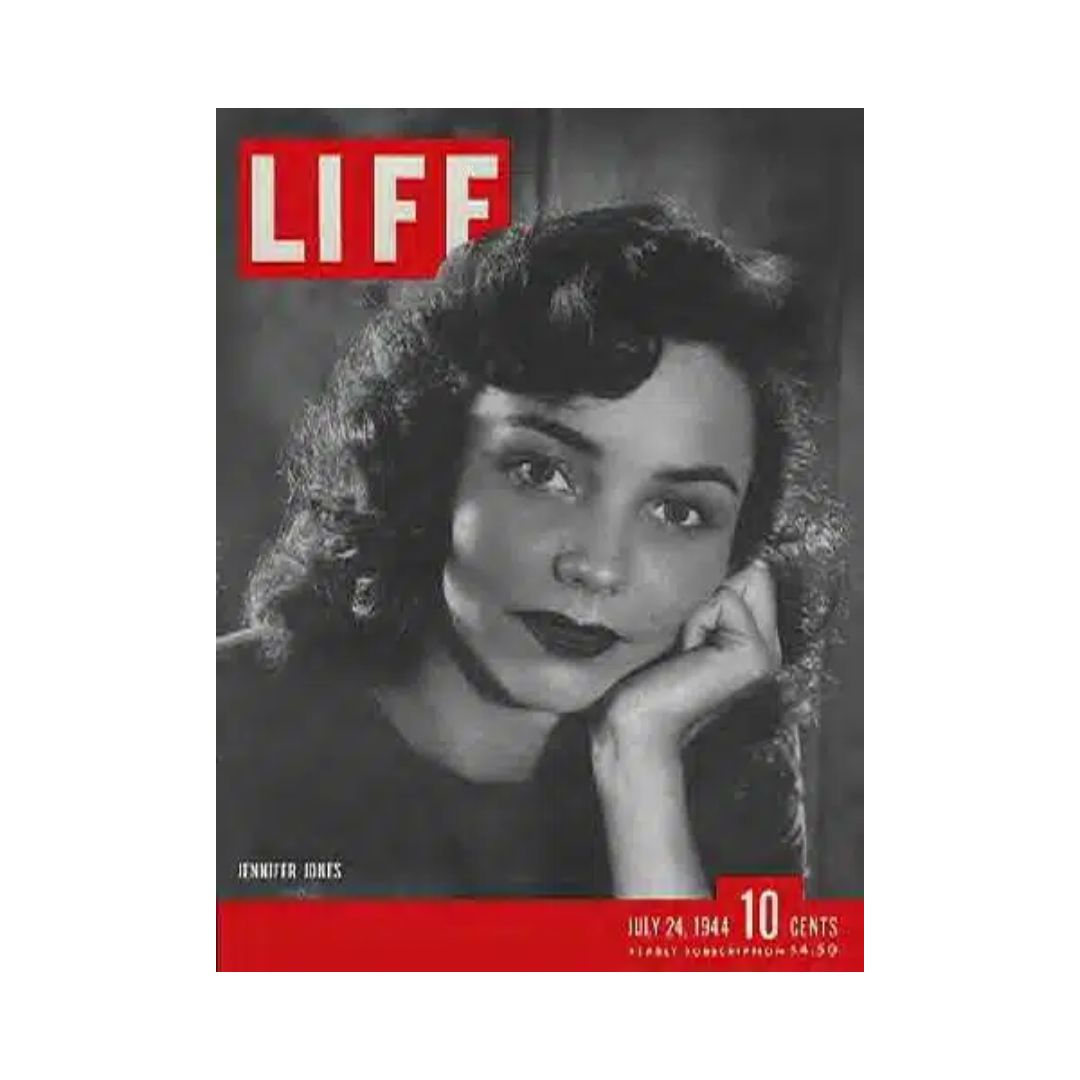
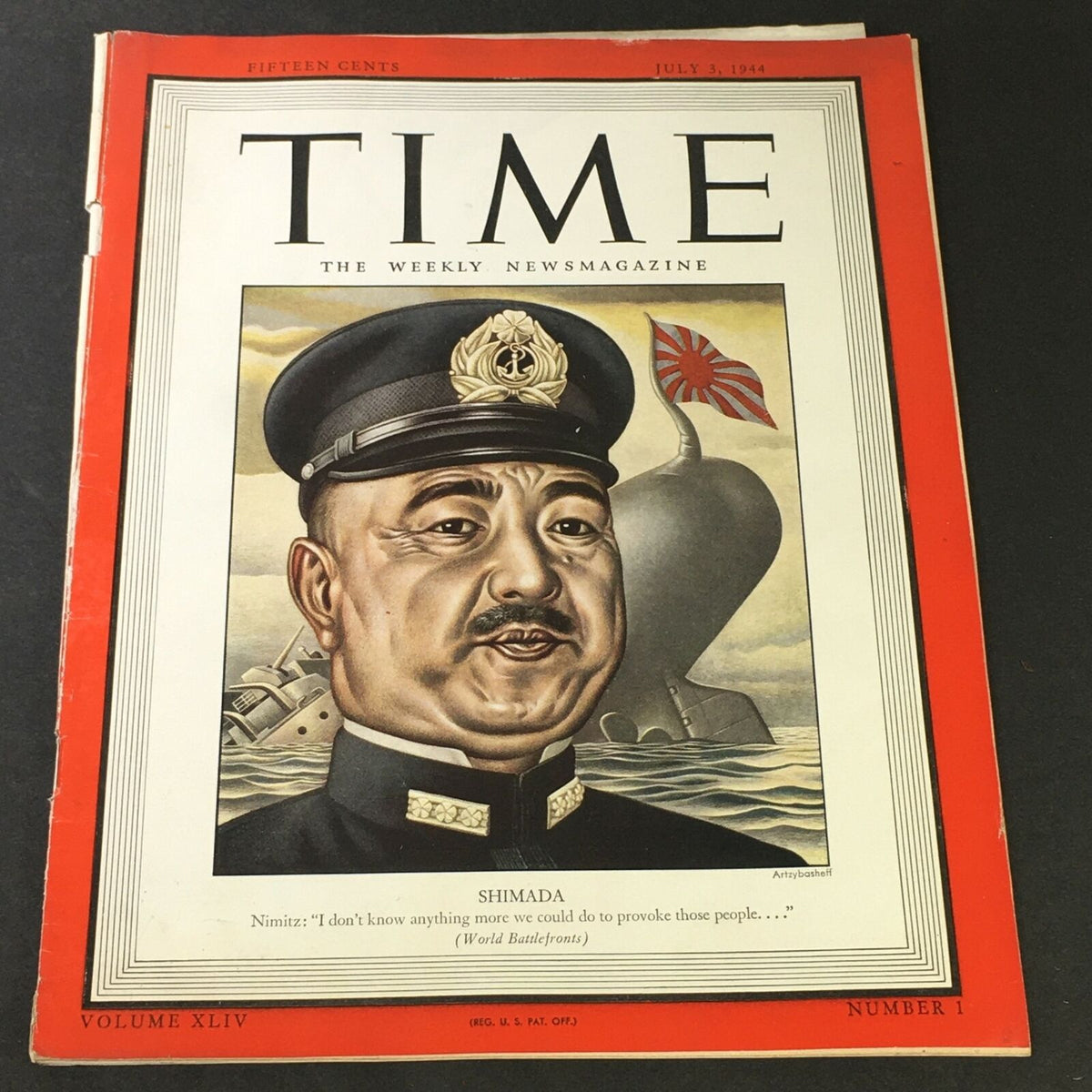
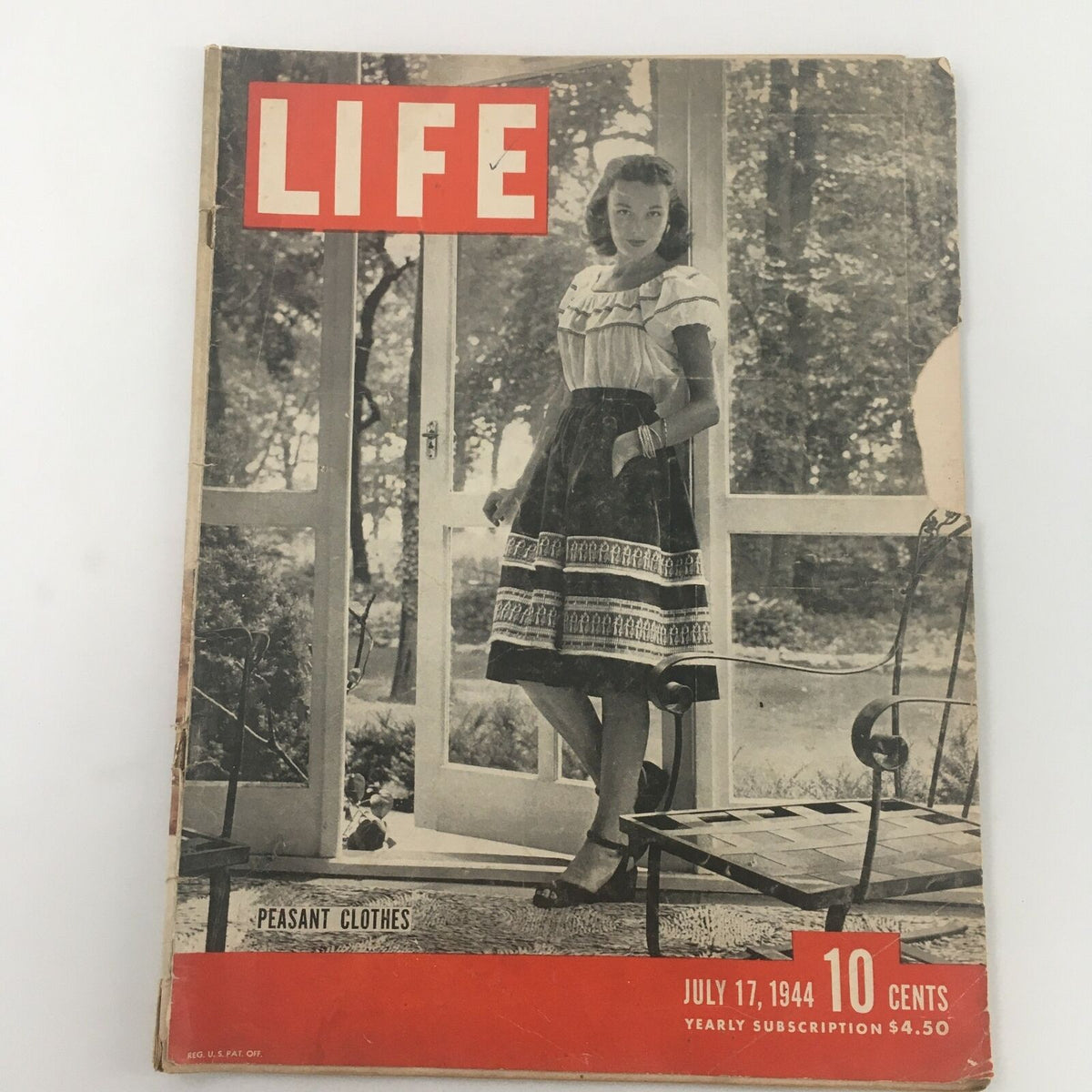
Back home, American life carried on with the particular resilience of a nation at war. On July 3rd, Double Indemnity—Billy Wilder's wickedly sharp film noir starring Fred MacMurray and Barbara Stanwyck—made its debut in Baltimore, serving notice that Hollywood was producing some of its darkest, most sophisticated work. Original magazines from July 1944 captured this cultural duality vividly: Life and Look ran sweeping photo essays on Normandy alongside advertisements for nylon stockings and Victory gardens, while Time dissected the Democratic convention in Chicago, where Franklin Roosevelt accepted his unprecedented fourth presidential nomination on July 20th. On the sports pages, the 12th MLB All-Star Game saw the National League dominate 7–1 at Forbes Field in Pittsburgh. Sports Illustrated would come later, but the sporting press of the day chronicled these rare civilian diversions with the same intensity it brought to war dispatches. Tragedy struck Hartford, Connecticut, on July 6th, when a fire at the Ringling Bros. and Barnum & Bailey Circus tent killed at least 167 people—a story that Newsweek and the Saturday Evening Post covered with somber, unflinching detail.
Curator's Checklist: What to Look For
-
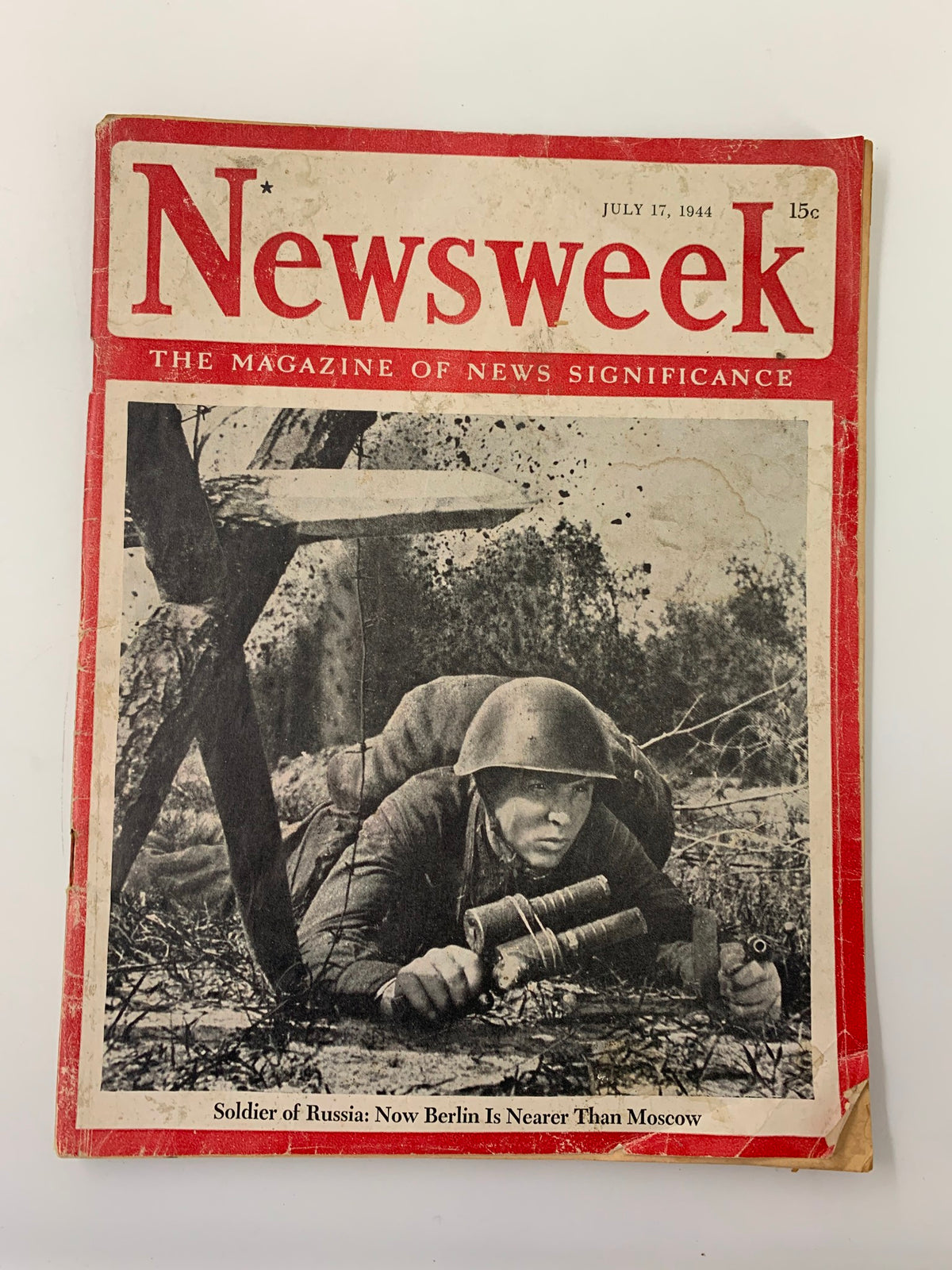
The July 20th Assassination Attempt: News magazines including Time and Newsweek featuring urgent wire-service photography from Hitler's East Prussian headquarters, often illustrated with portraits of the conspirators and maps of the Wolf's Lair compound, capturing the moment the war's outcome seemed to balance on a razor's edge.
-
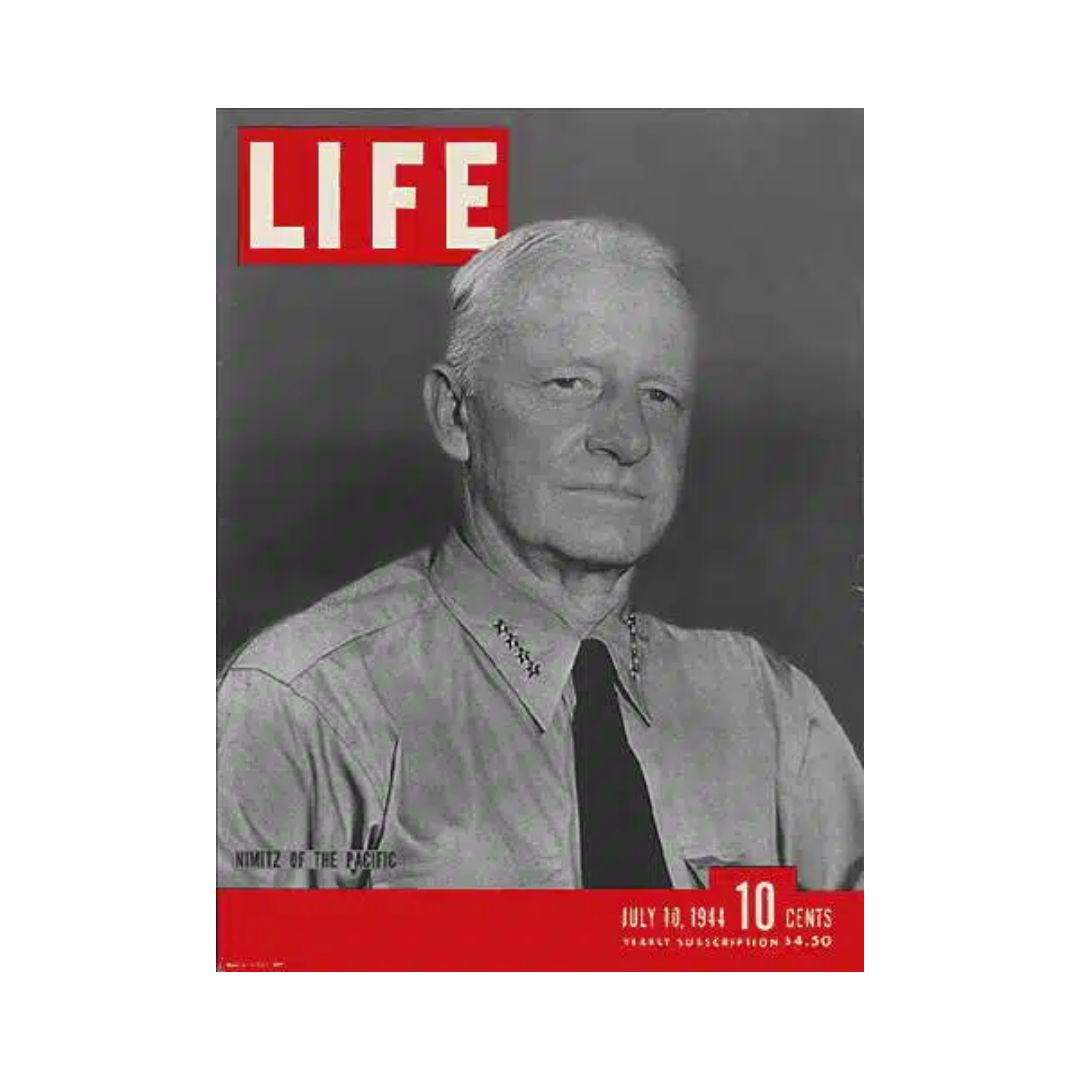
The Fall of Caen and Operation Cobra: Life and Look issues showcasing dramatic combat photography from the Norman bocage, featuring aerial reconnaissance images of bombed-out Caen alongside portraits of Generals Eisenhower, Patton, and Montgomery—authentic visual records of the campaign's grinding, costly progress.
-
The Bretton Woods Conference: Time and rare magazines from financial and news outlets featuring Keynes and White, chronicling the birth of the IMF and World Bank in the New Hampshire mountains—a story that seemed secondary then but proved foundational to the entire postwar world.
-
The Hartford Circus Fire: Life and Newsweek issues with genuine vintage magazines coverage of one of the worst fire disasters in American history, featuring photographs of the Ringling Bros. big top and the community's grief—sober, powerful journalism from an era that did not look away.
-
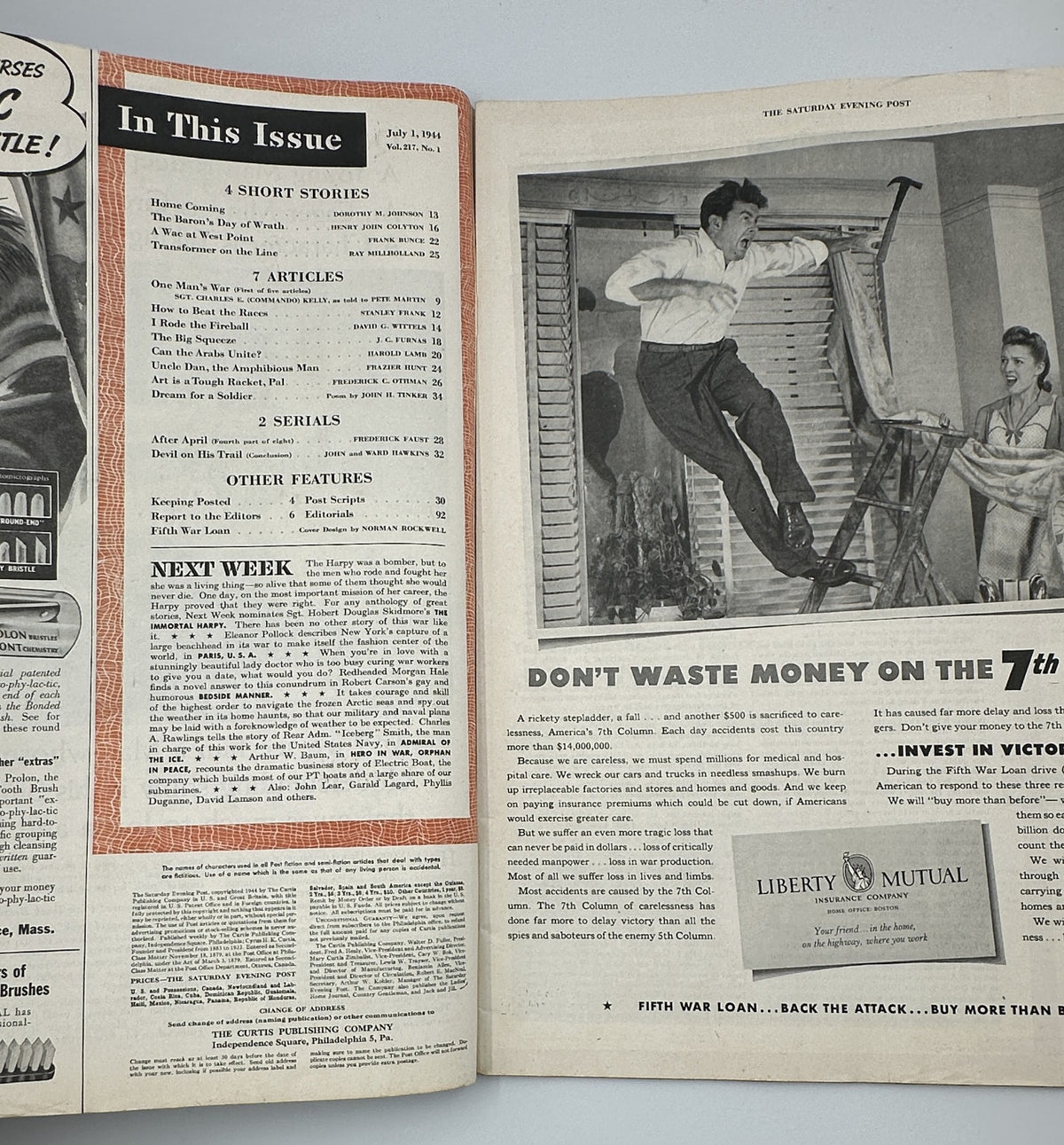
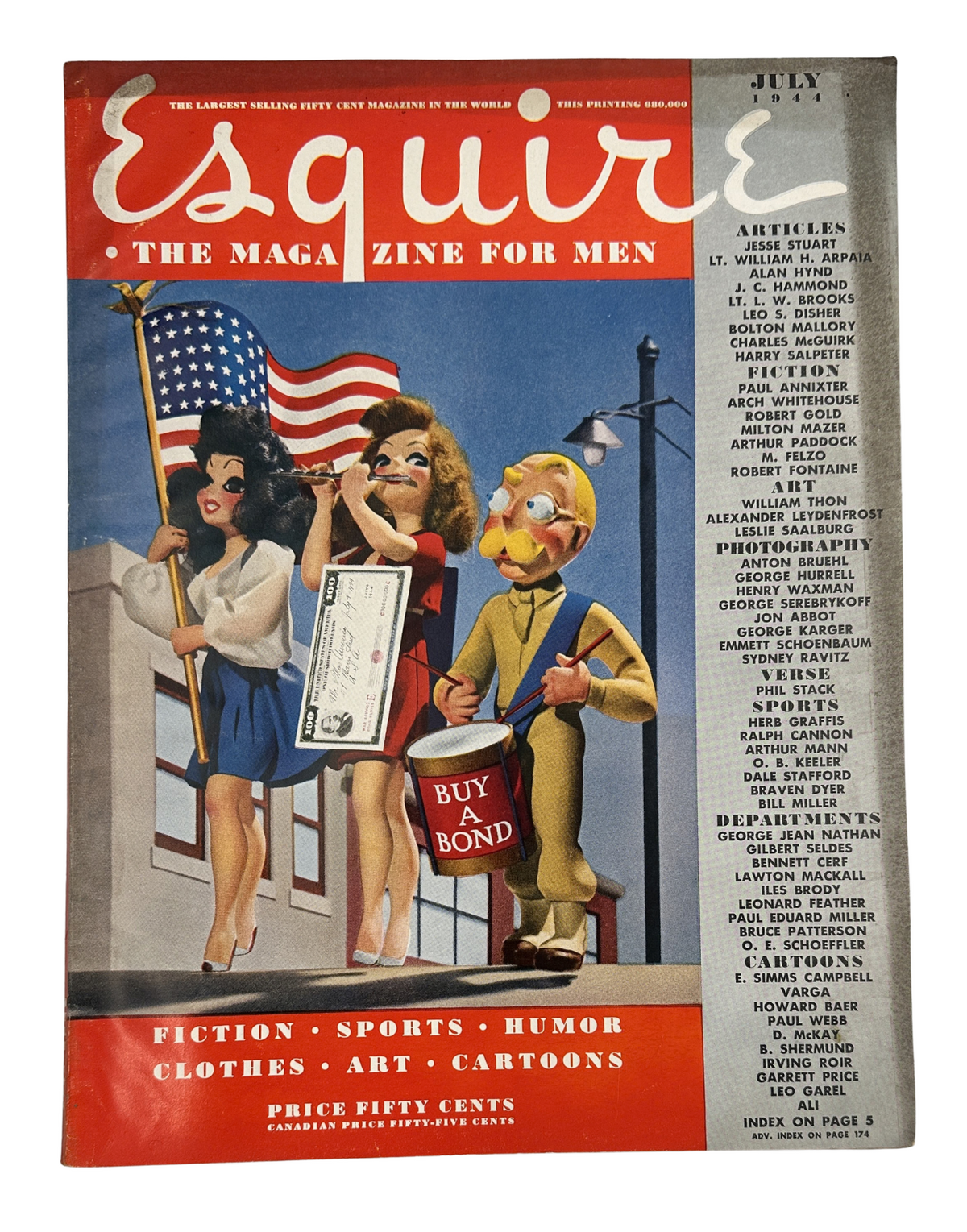
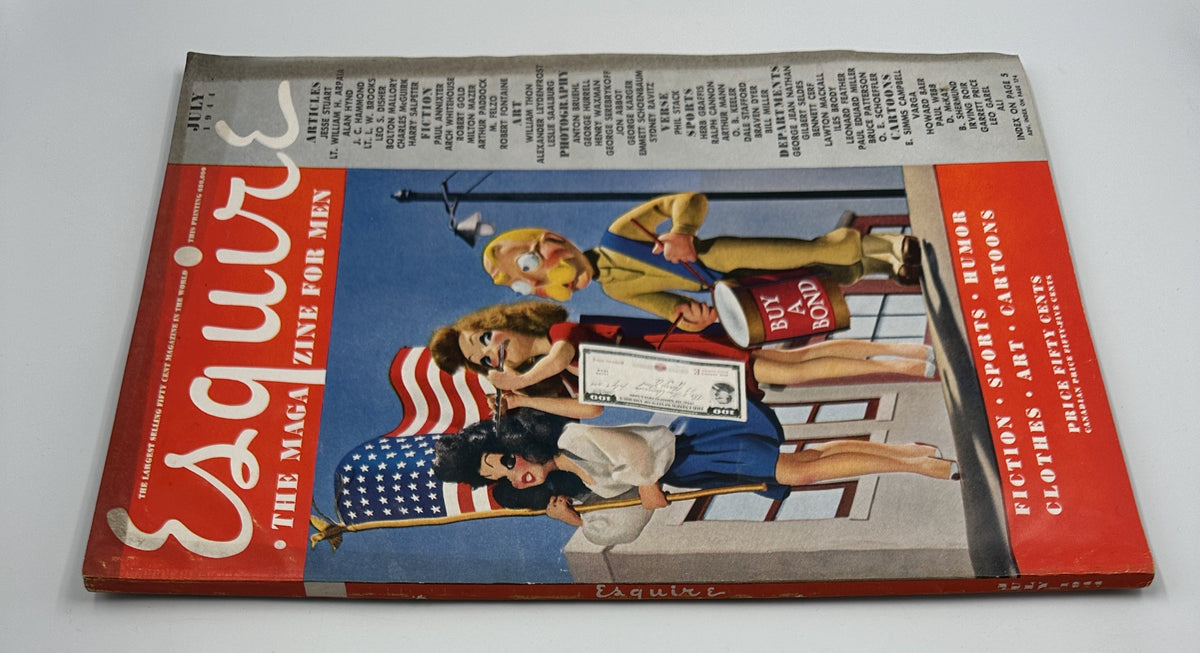
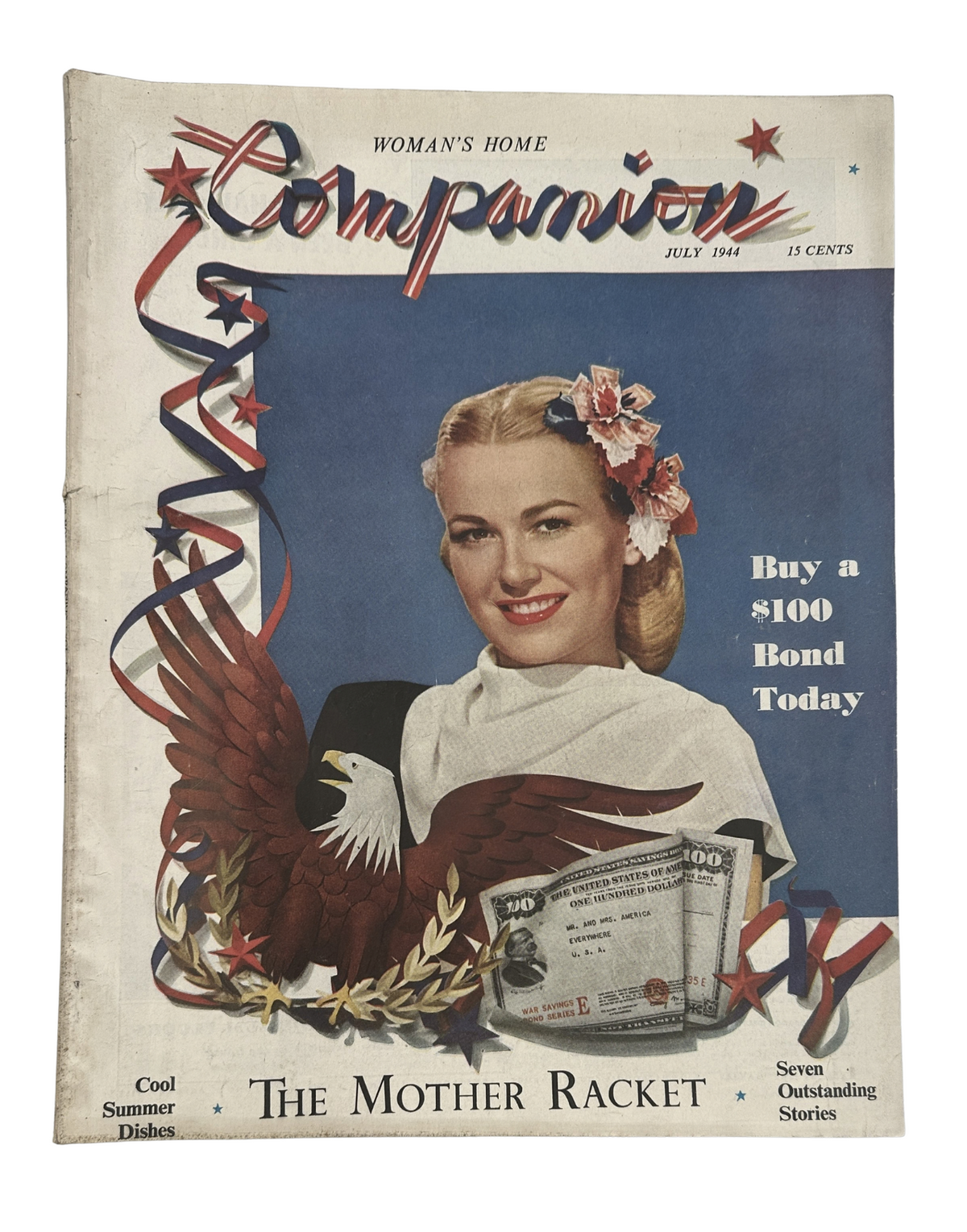
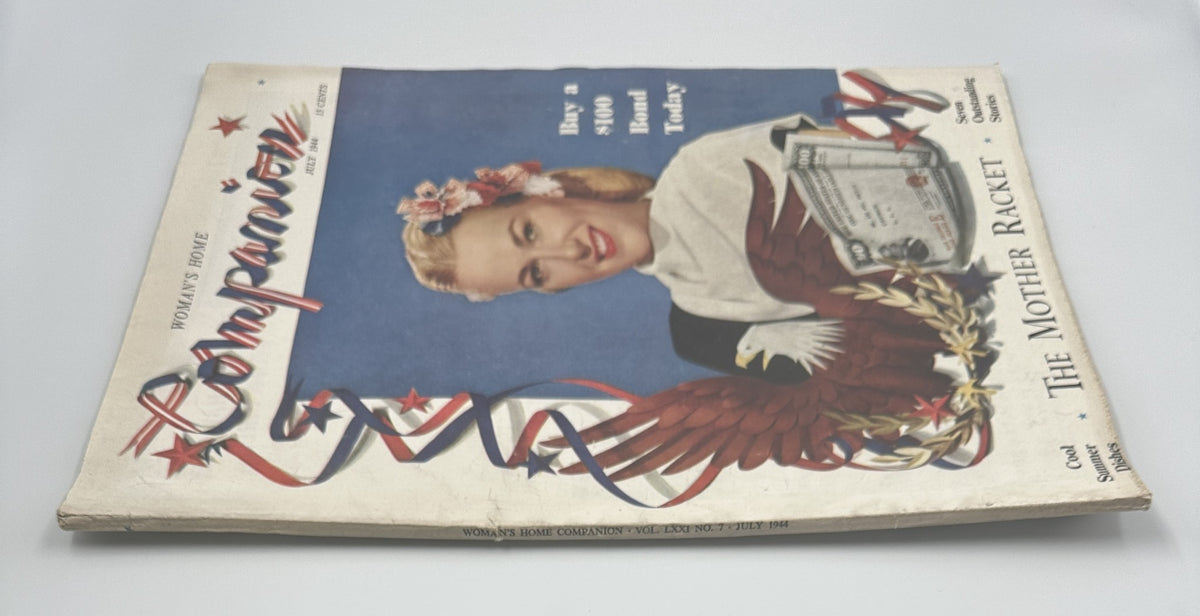
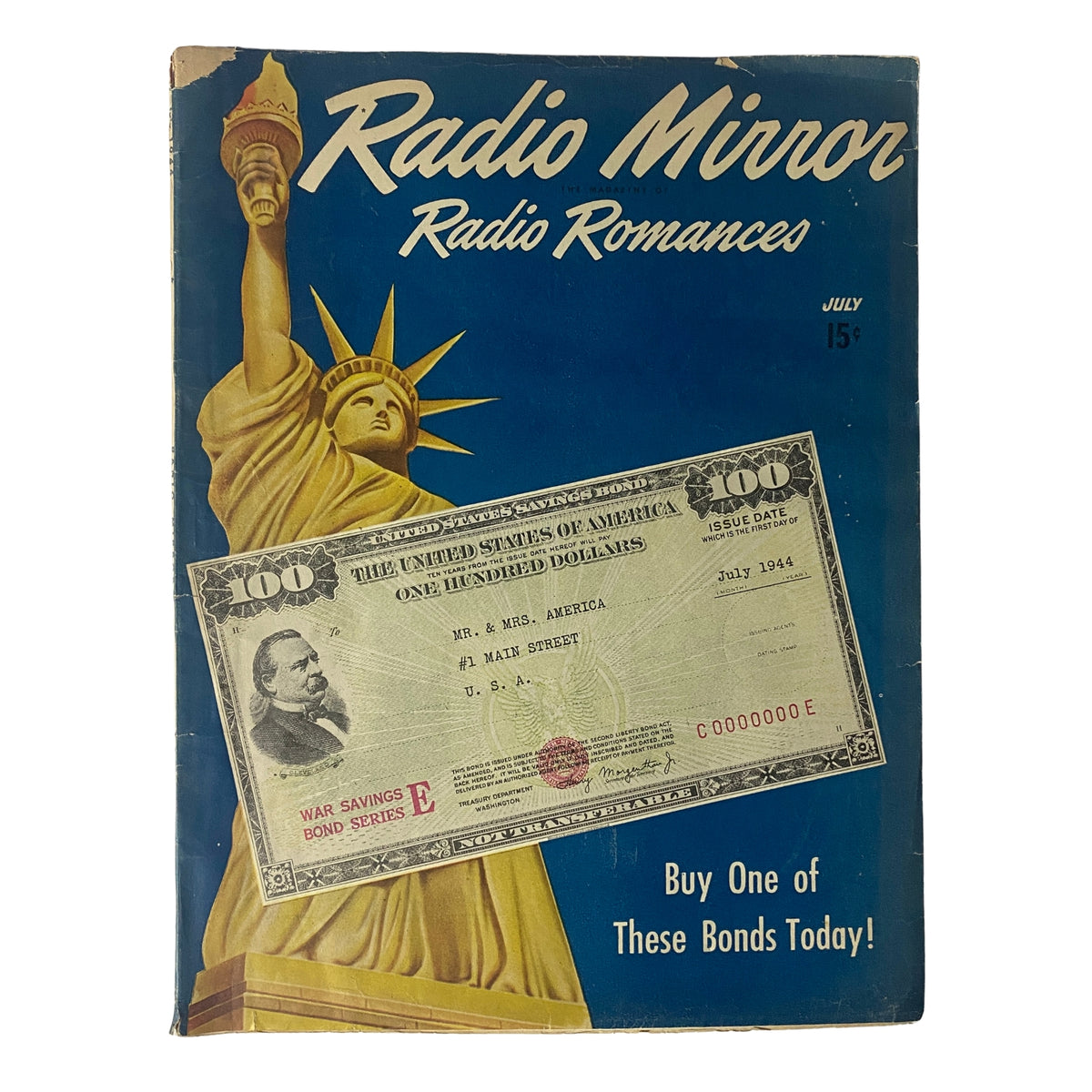
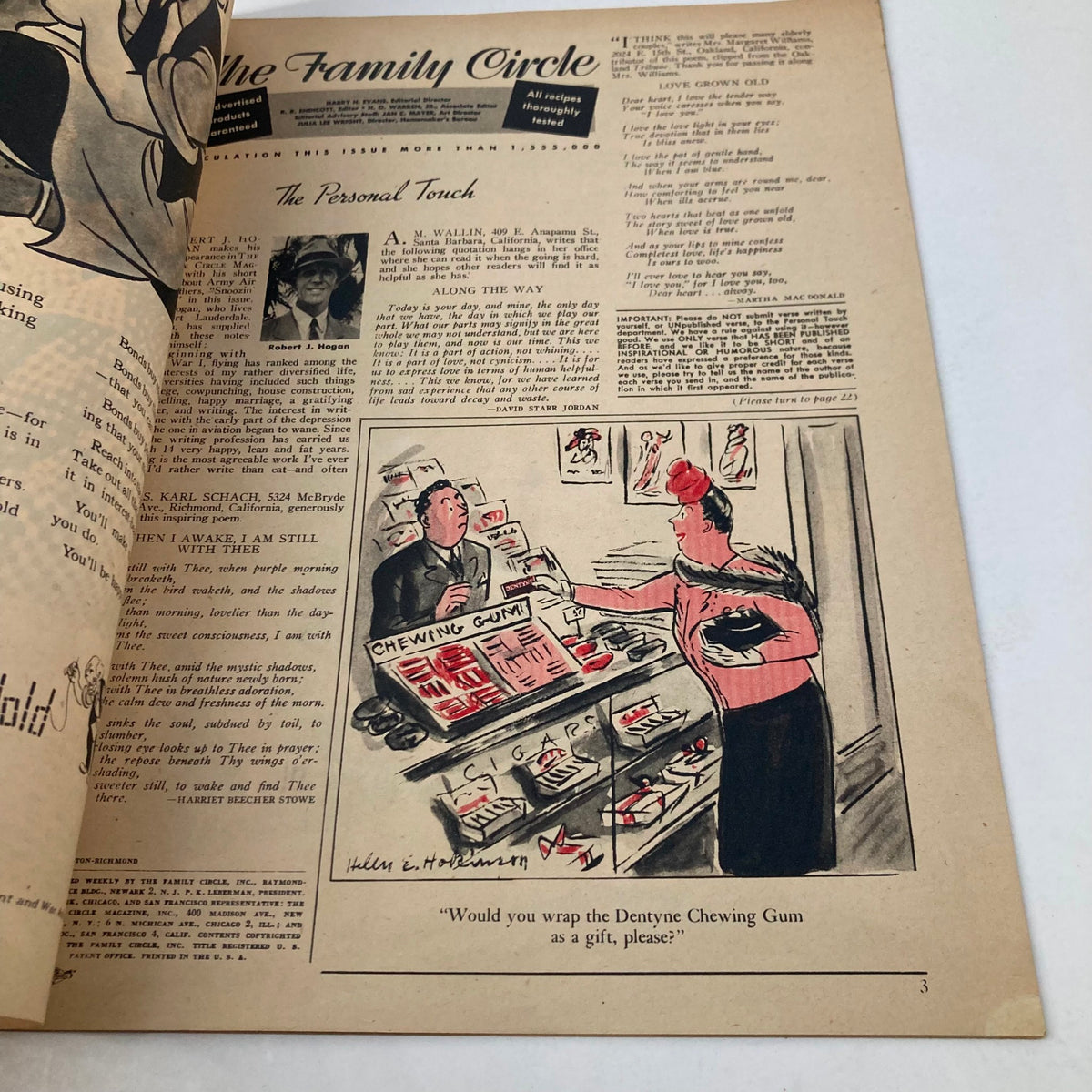
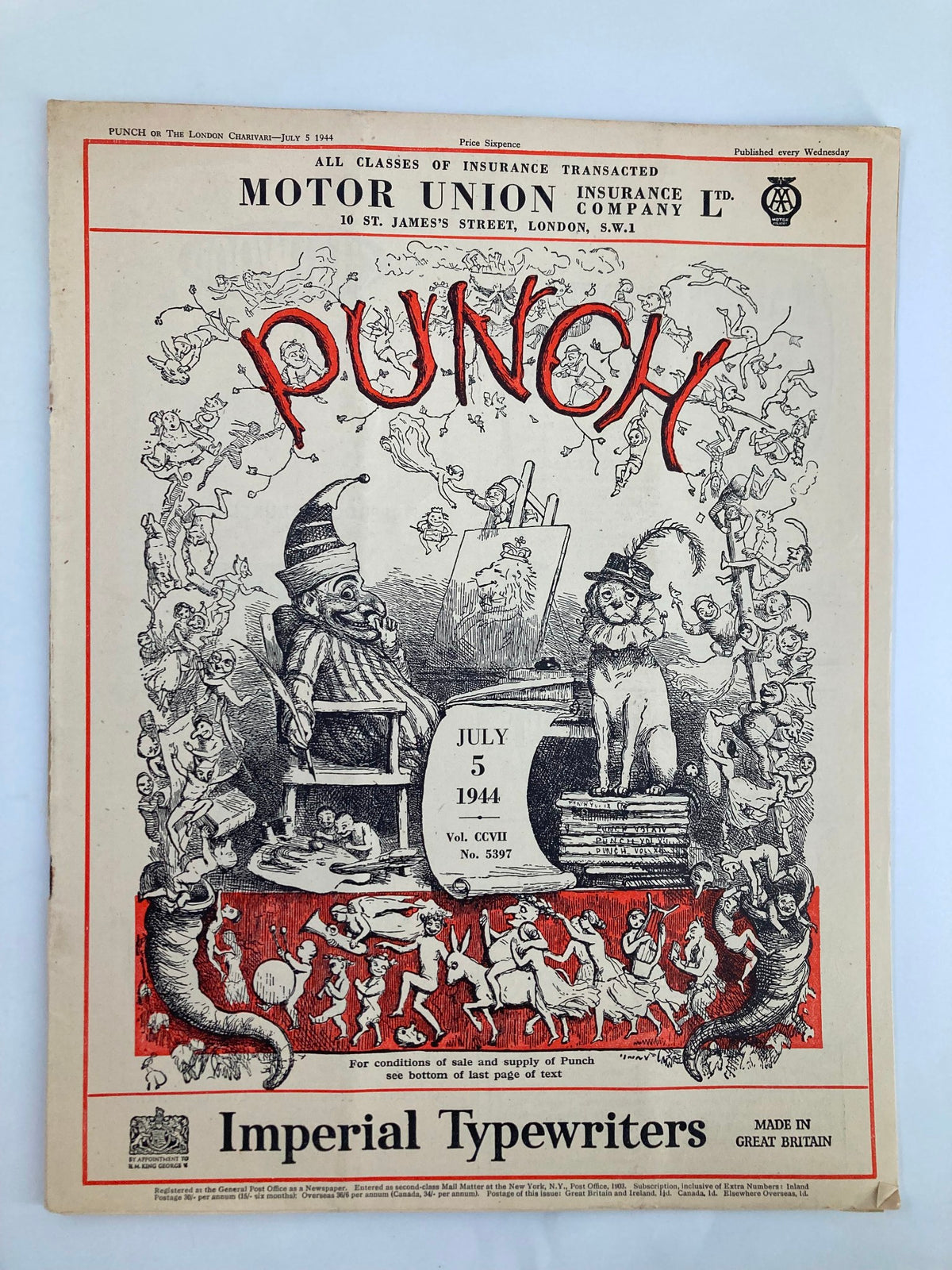
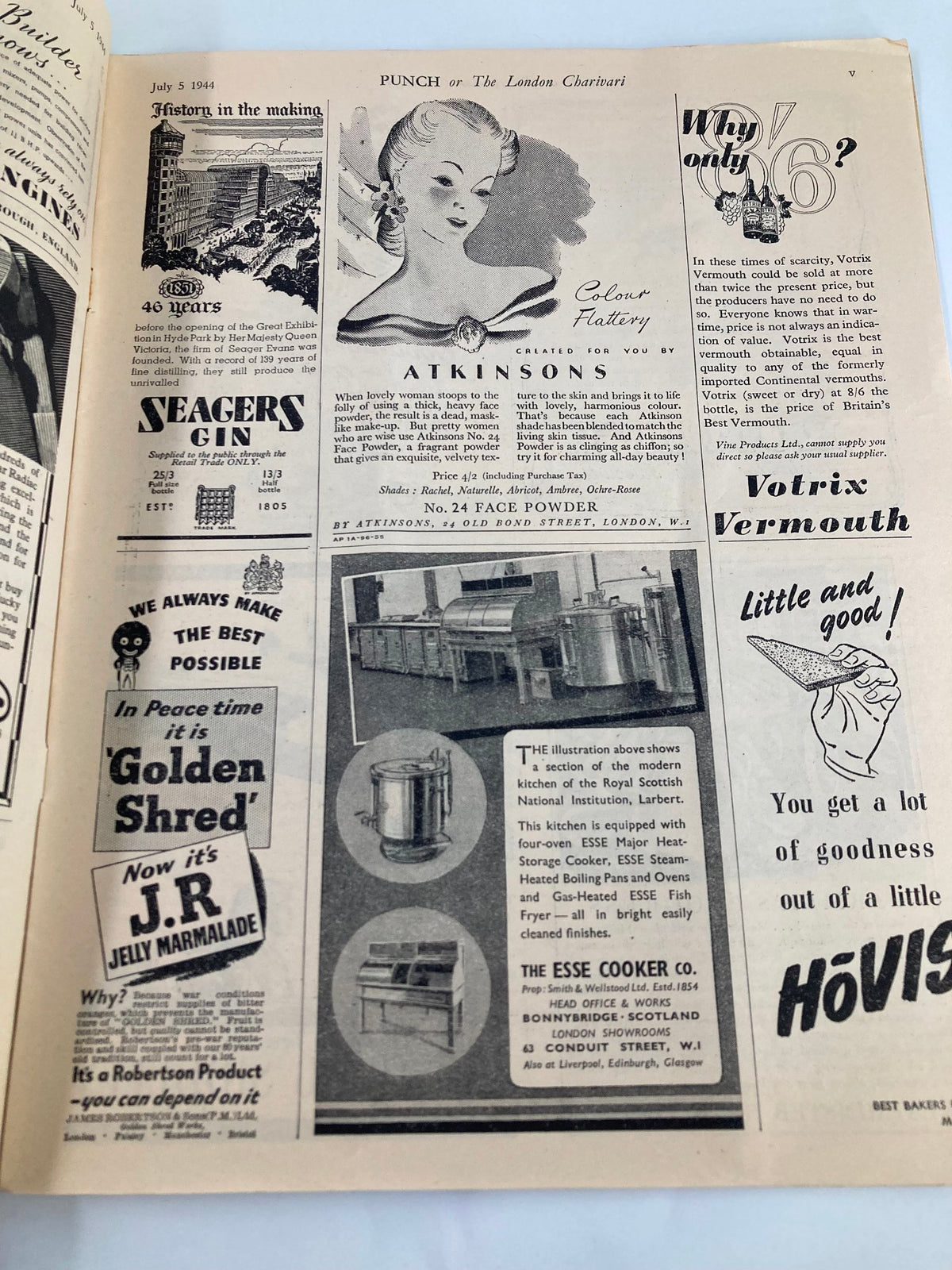
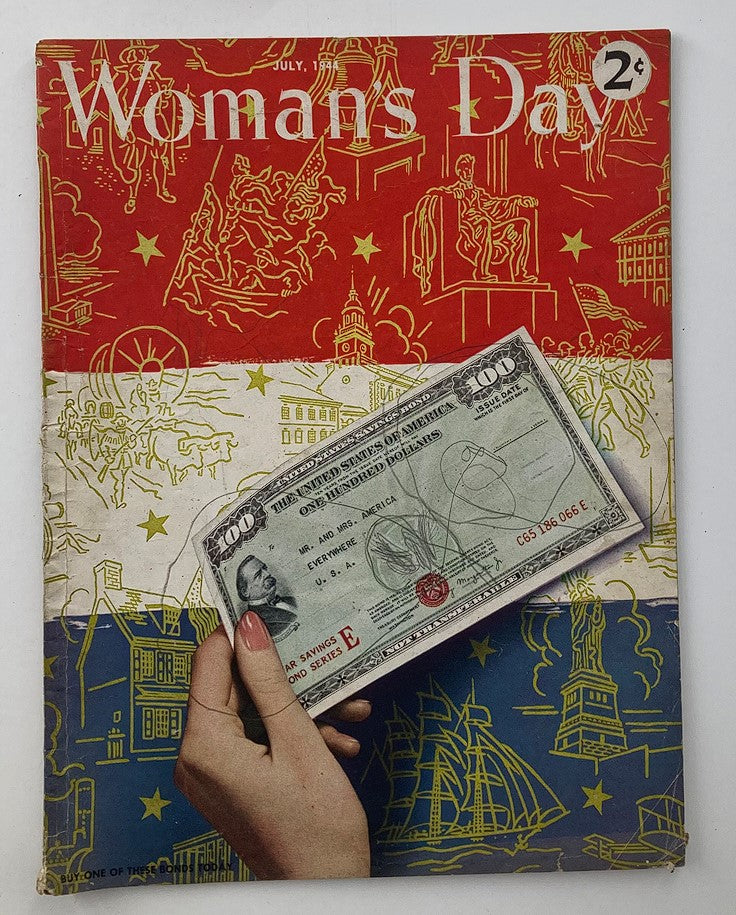
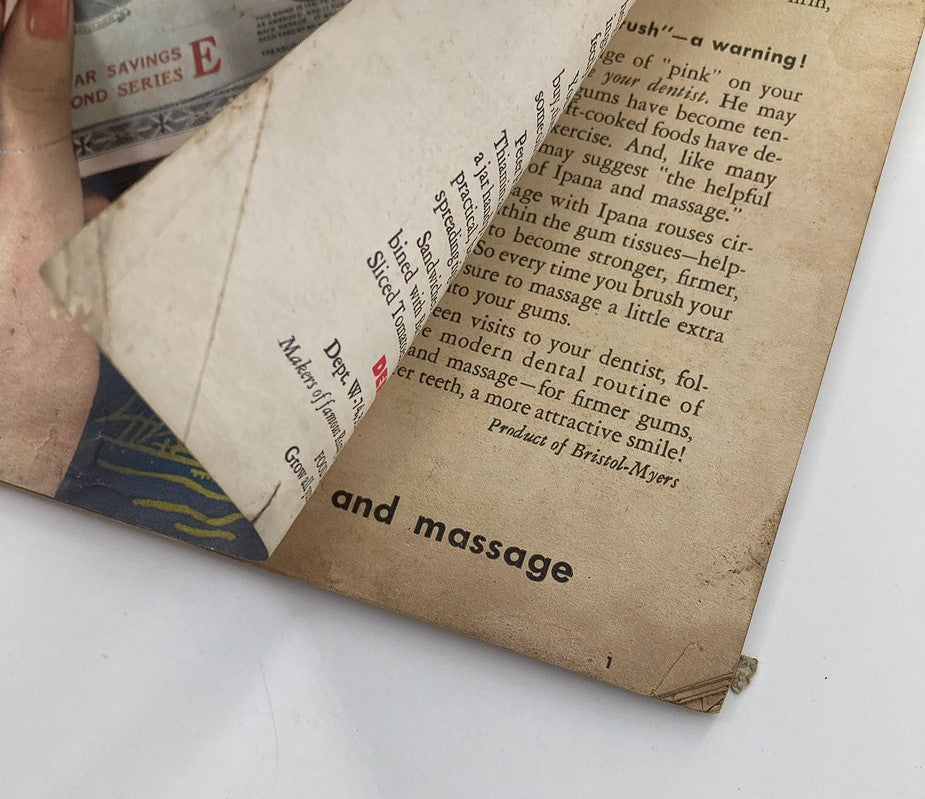
Home Front Advertising: Authentic period advertisements in any magazine from July 1944—war bond campaigns, rationing-era consumer goods, and the distinctive graphic design of the era—serving as a time capsule of daily American life while soldiers fought in Normandy and the Pacific.
The Perfect Gift
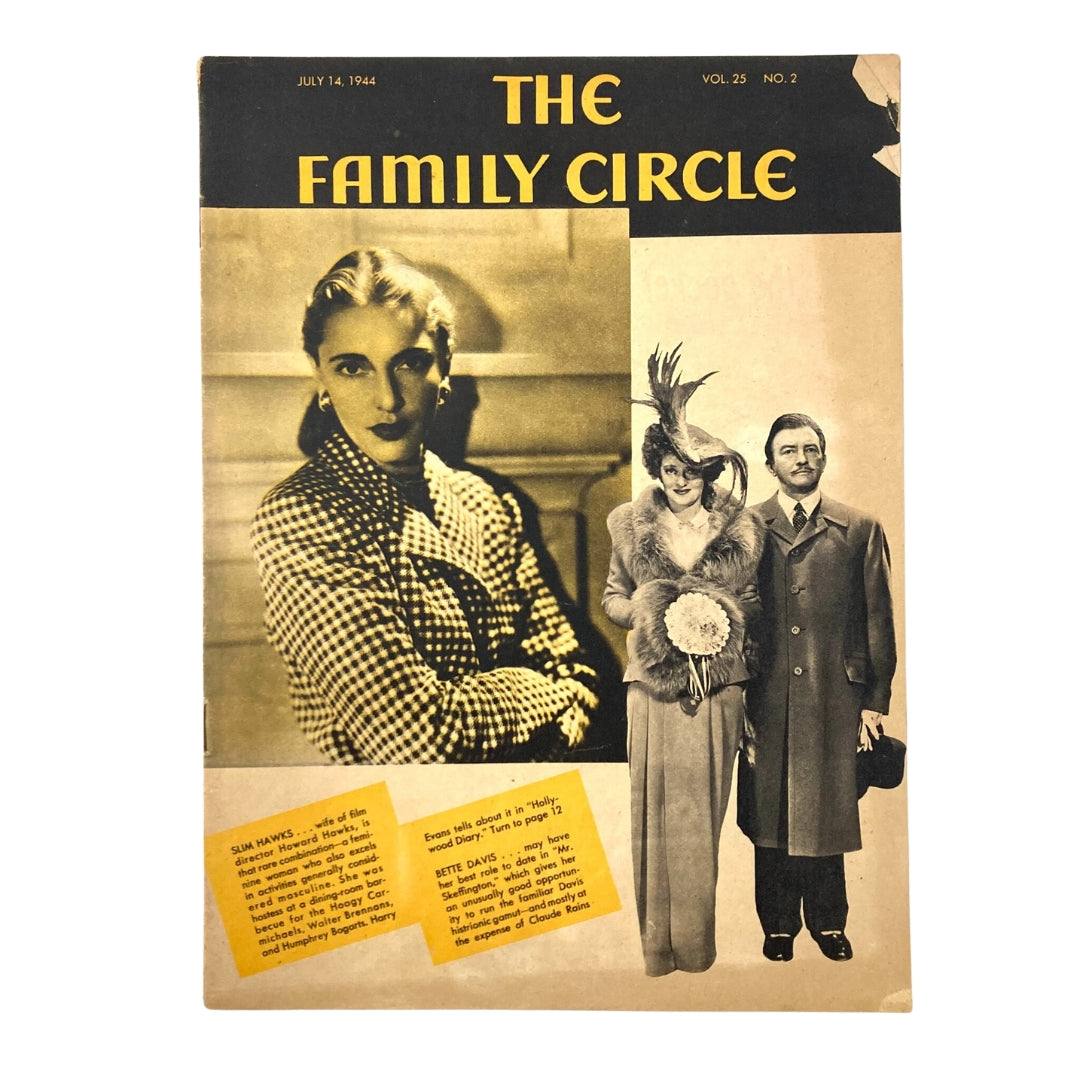
For someone born in July 1944, an original magazine from this extraordinary month isn't just a piece of paper—it's a genuine time capsule of the world at its most consequential, preserved in the authentic headlines, photography, and advertisements of the most pivotal summer of the twentieth century.