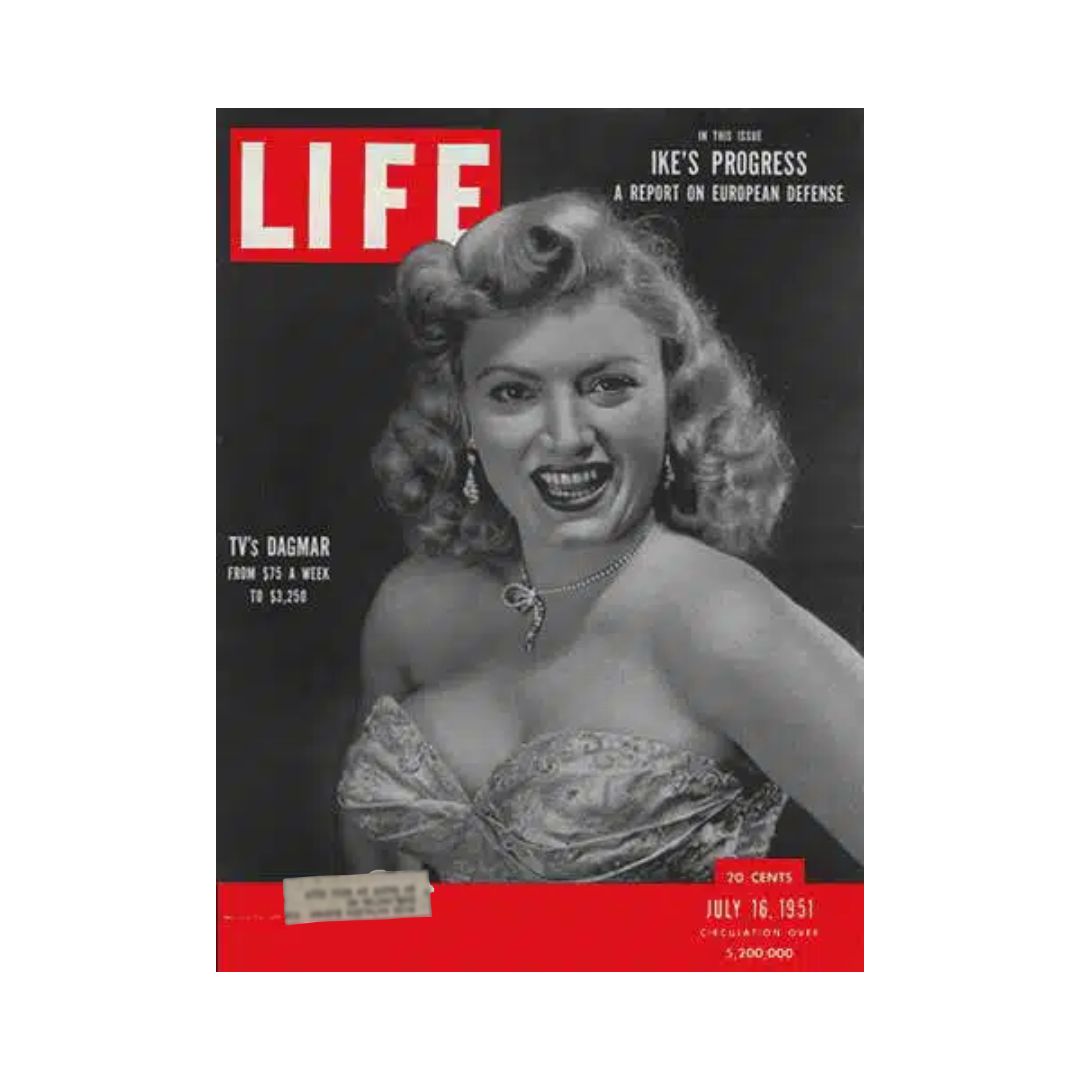
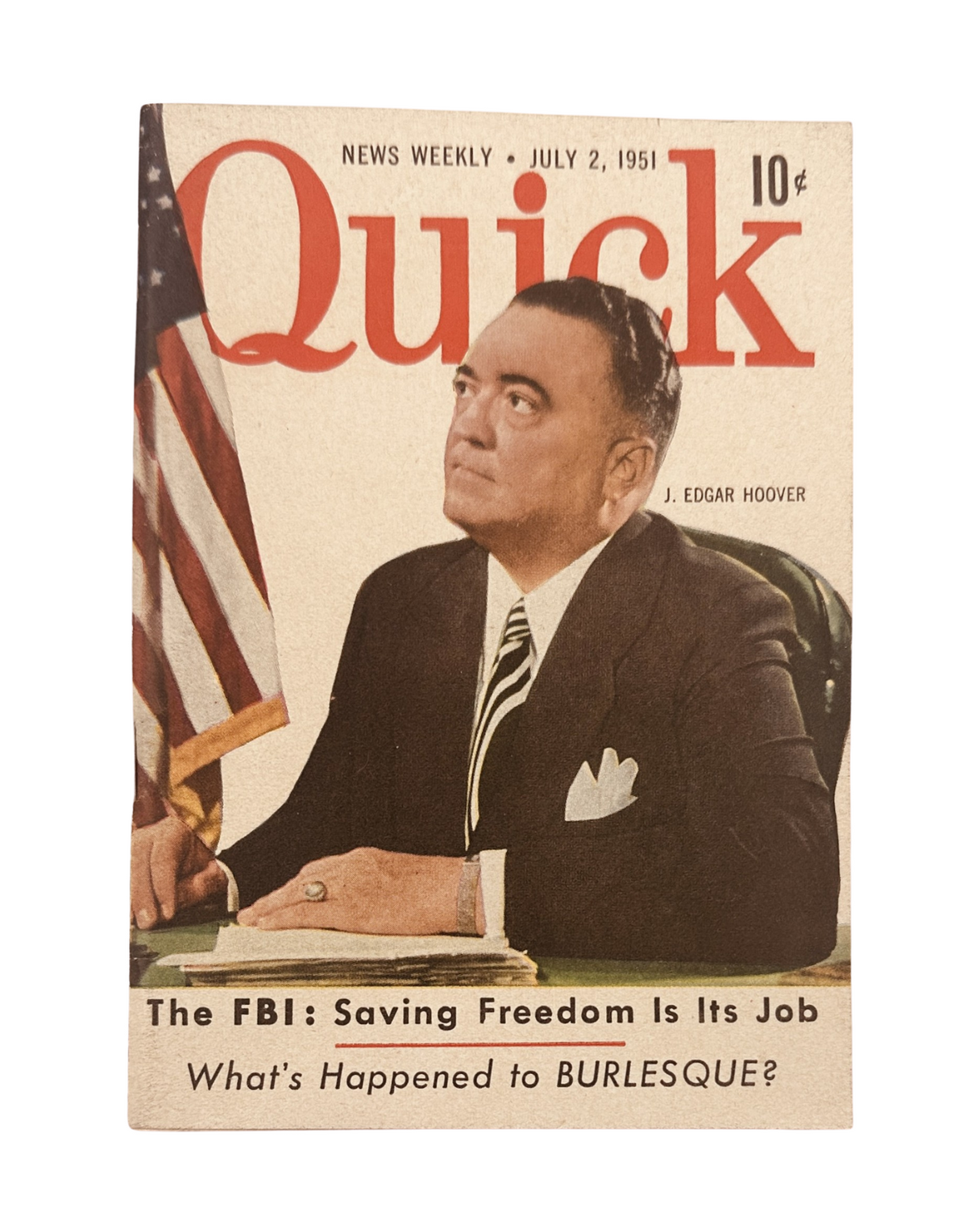
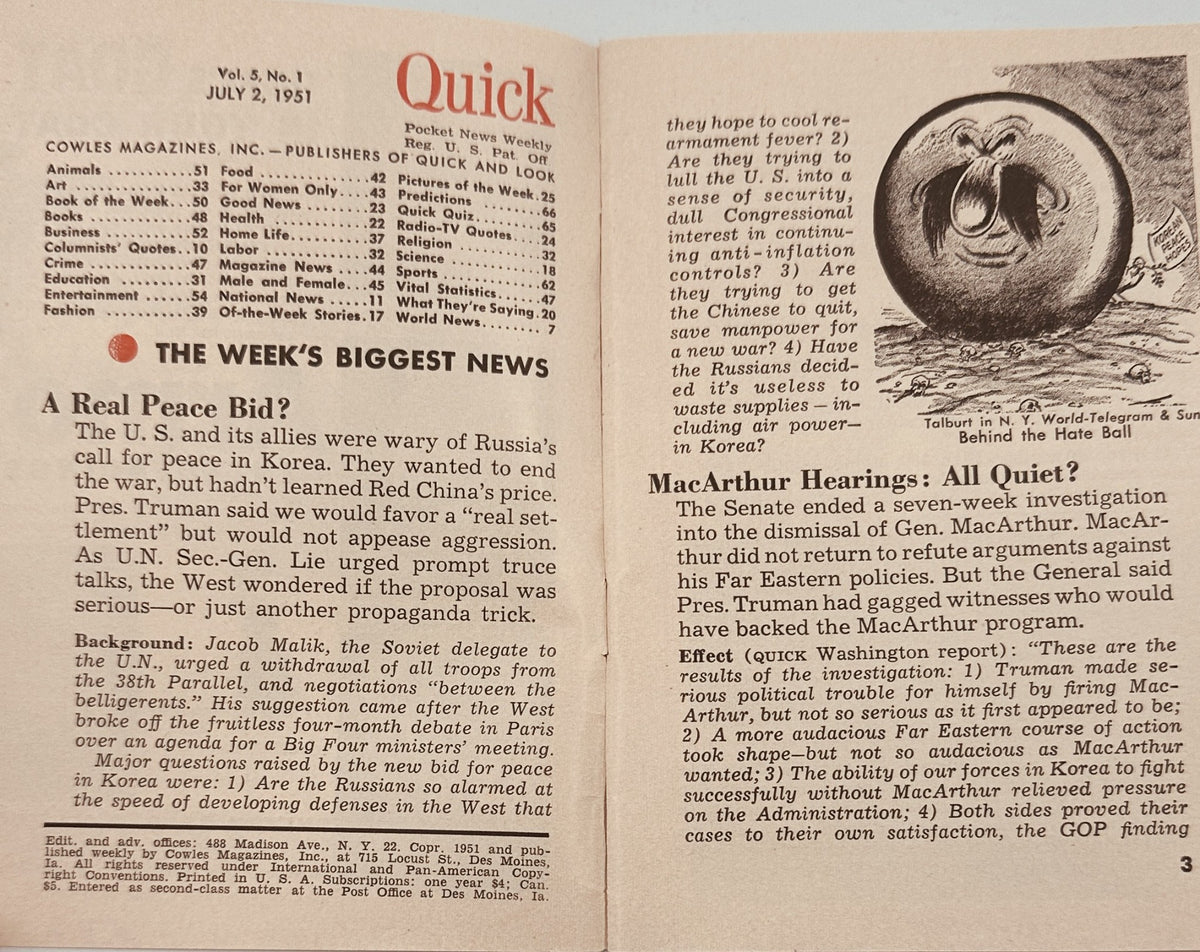
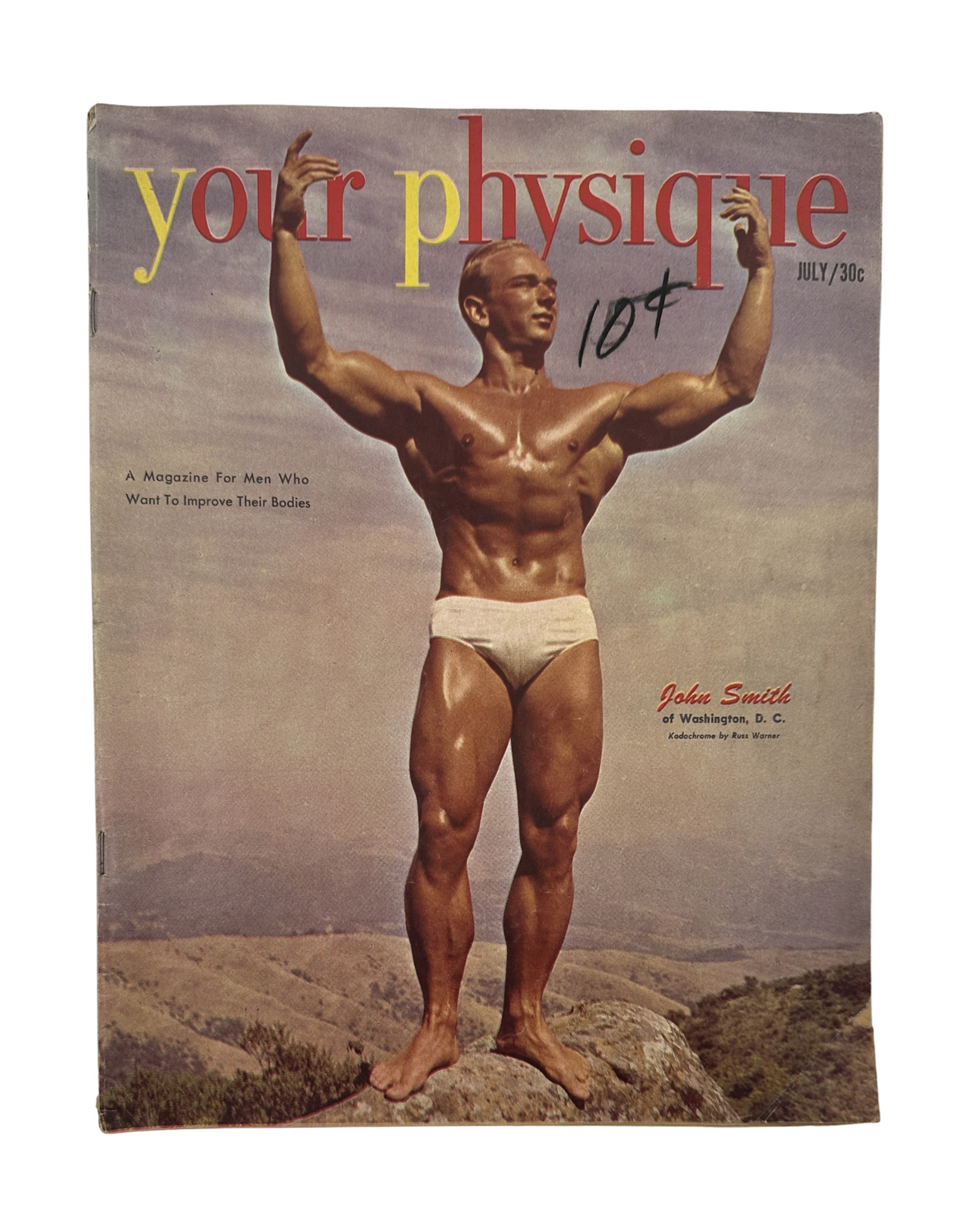
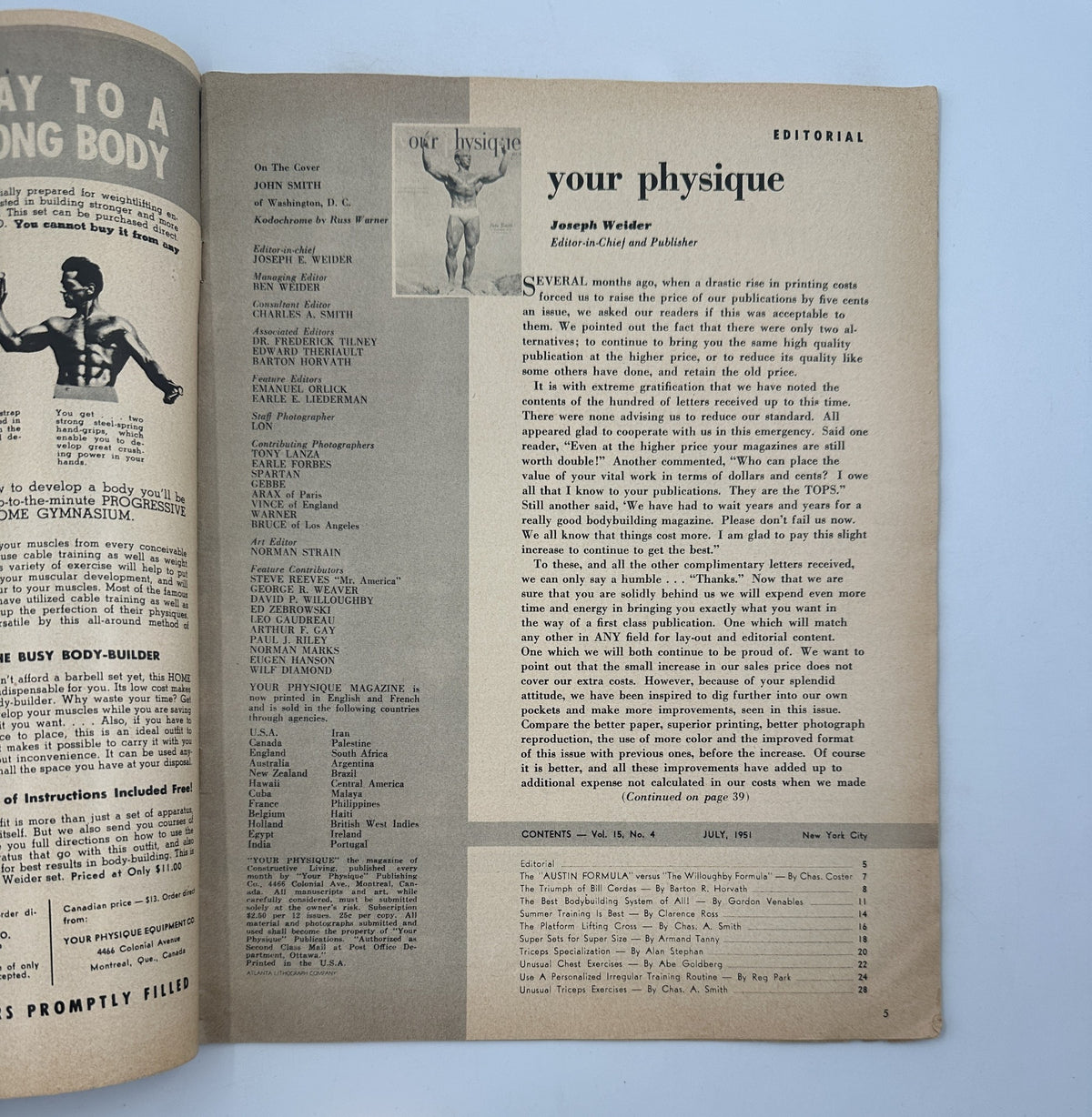
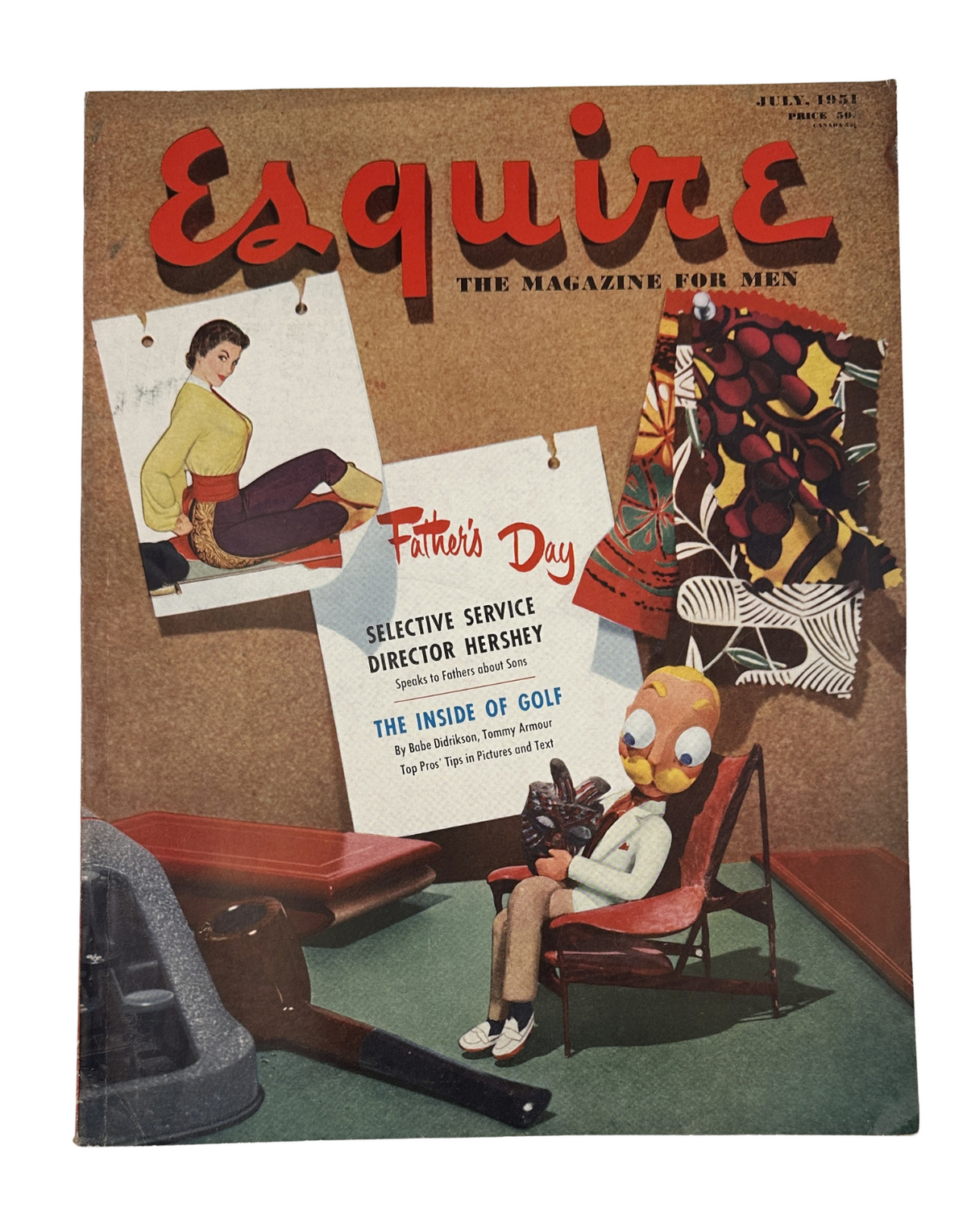
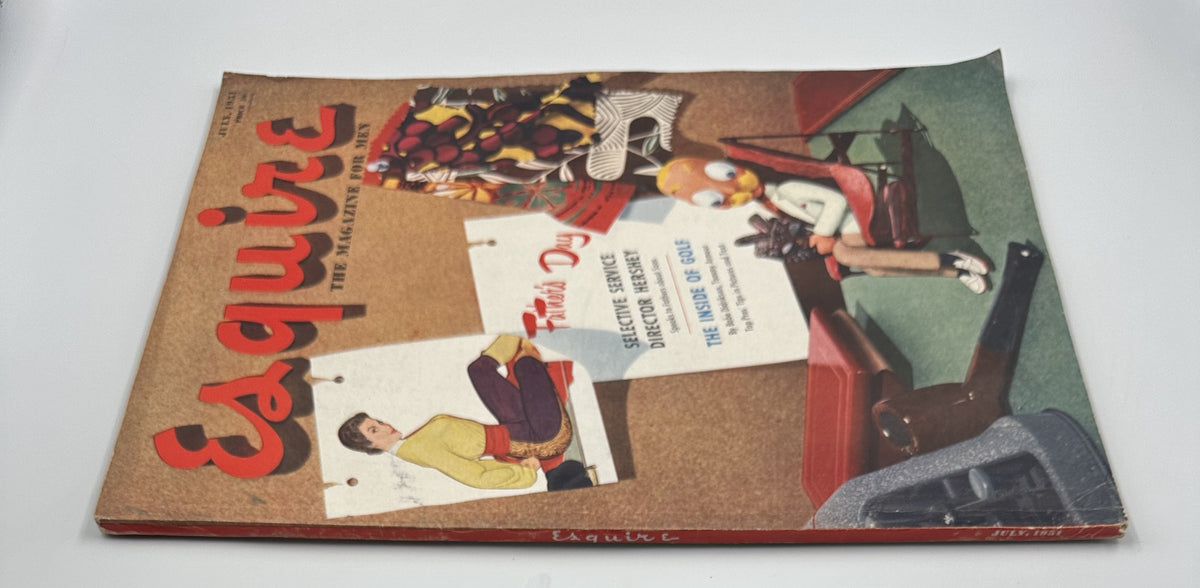
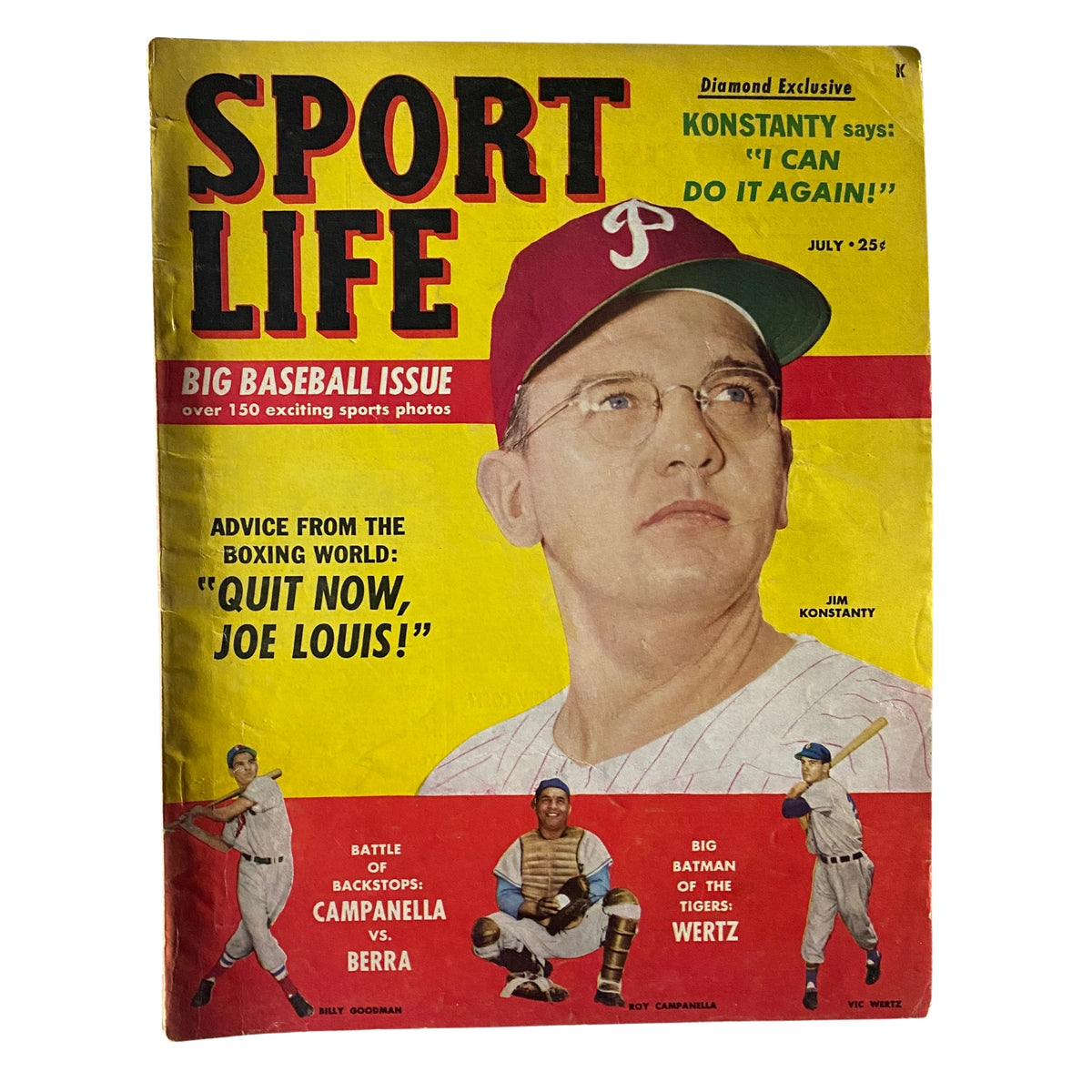
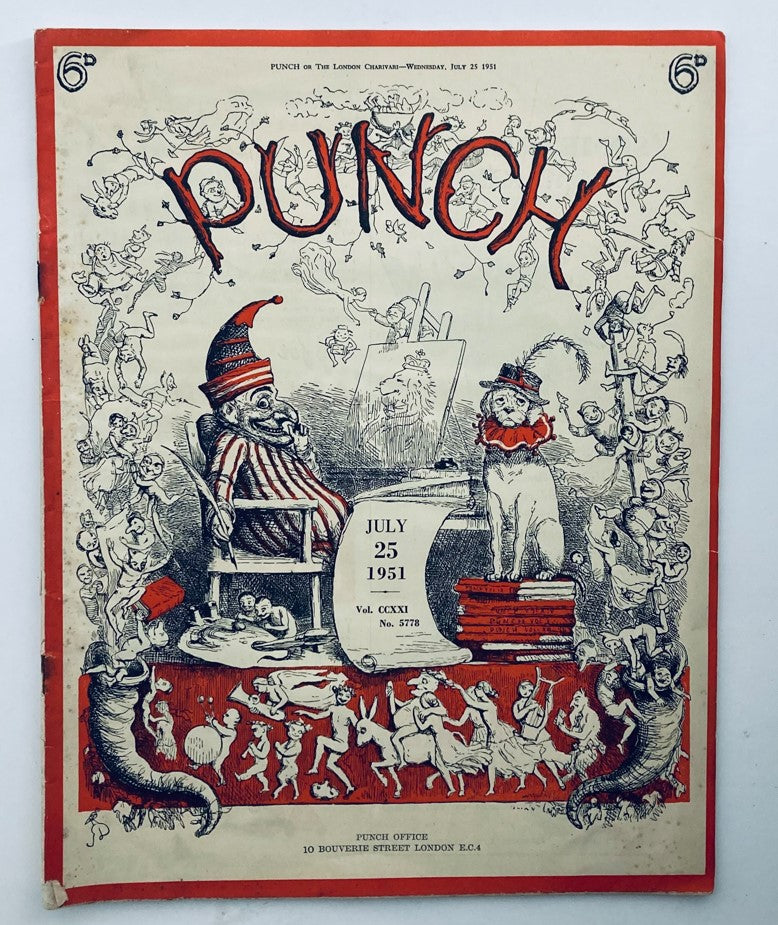
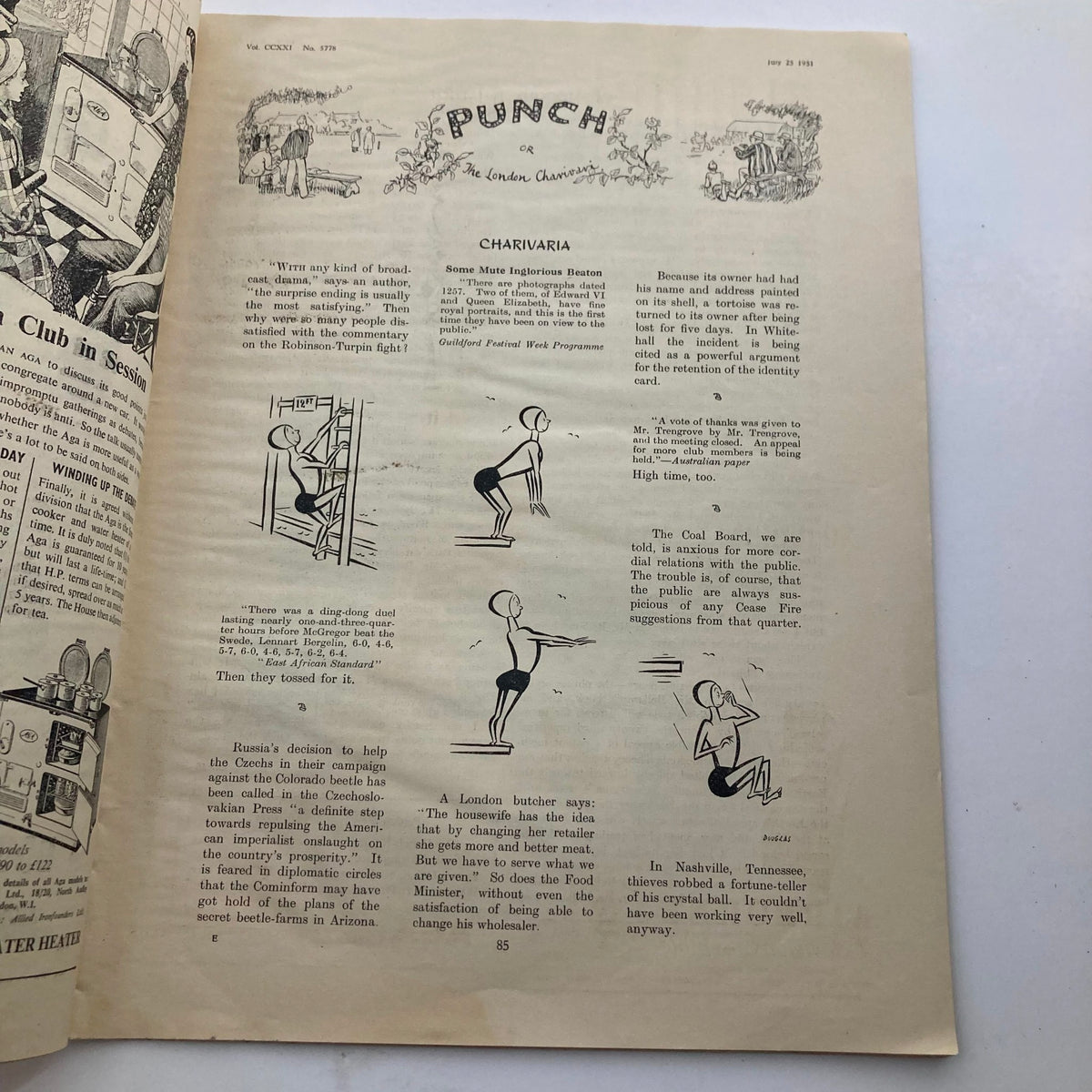
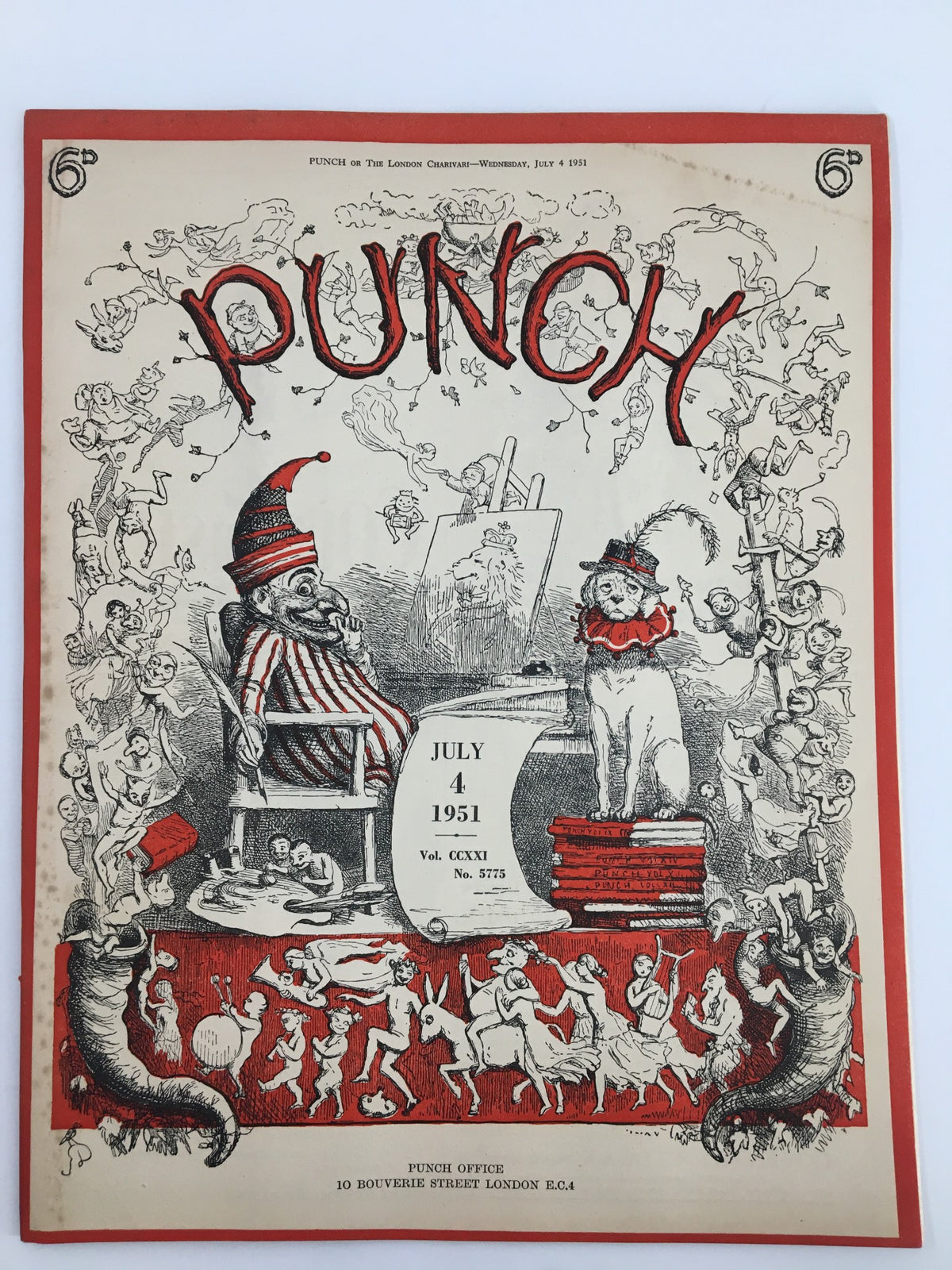
📖 About this Collection
July 1951: The Summer Innovation Changed Everything
The Historical Context
July 1951 hummed with scientific revolution and cultural watershed moments. On July 5th, Bell Labs announced the invention of the junction transistor by William Shockley, John Bardeen, and Walter Houser Brattain—a breakthrough that would miniaturize electronics and ultimately create the modern digital world, though few Americans grasped its significance. Literature found its rebel voice when J.D. Salinger's "Catcher in the Rye" was published on July 16th, introducing Holden Caulfield's disaffected teenage angst to a generation. That same day, Belgium's King Leopold III abdicated in favor of his son Baudouin I, while tragedy struck the Middle East when Jordan's King Abdullah I was assassinated by a Palestinian gunman during Friday prayers in Jerusalem on July 20th. The Korean War armistice talks began in Kaesong on July 10th, offering fragile hope for peace. This was the world your loved one entered in July 1951—a summer when innovation promised utopia while assassination and conflict reminded humanity of its darker impulses.
Pop Culture & Everyday Life
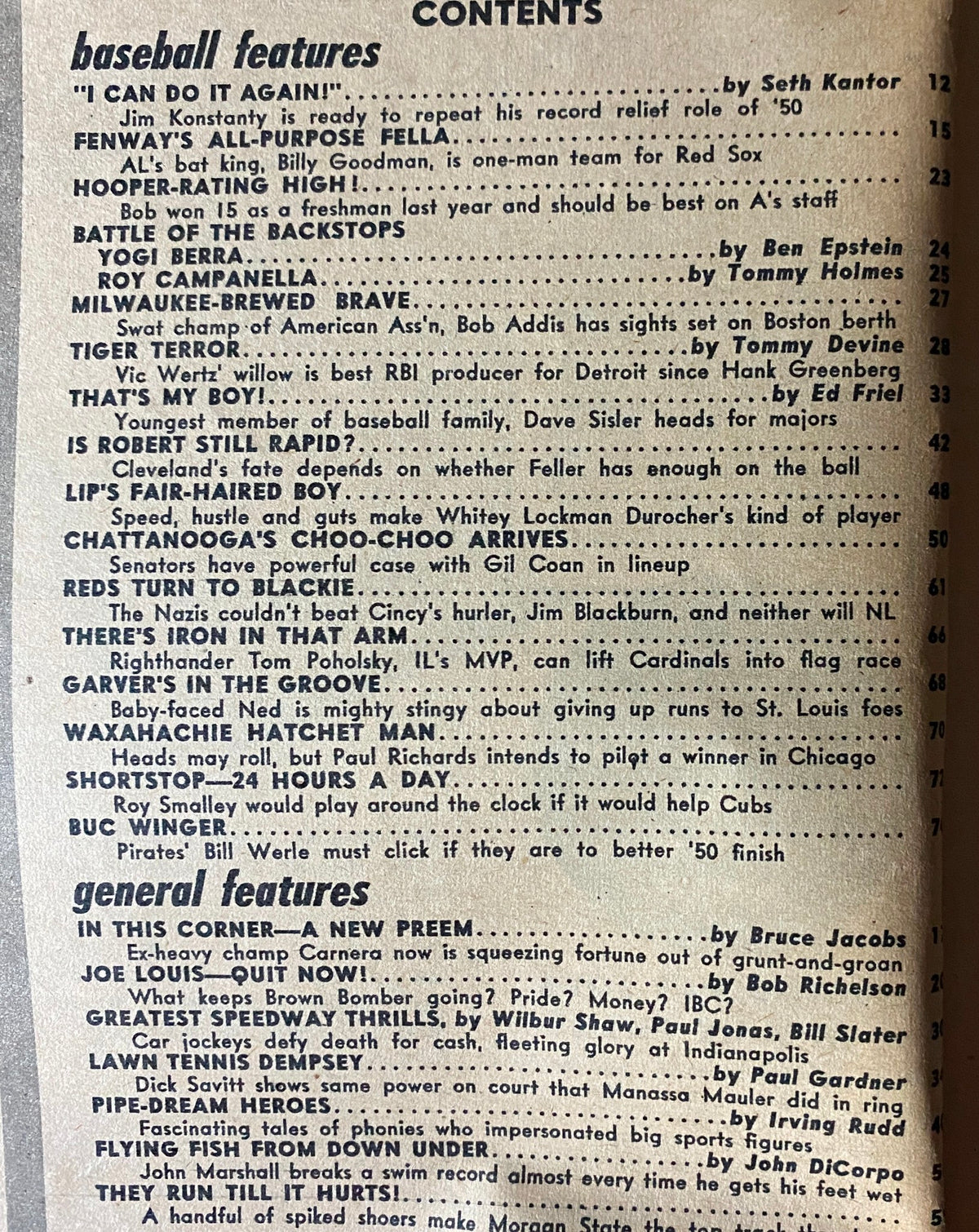
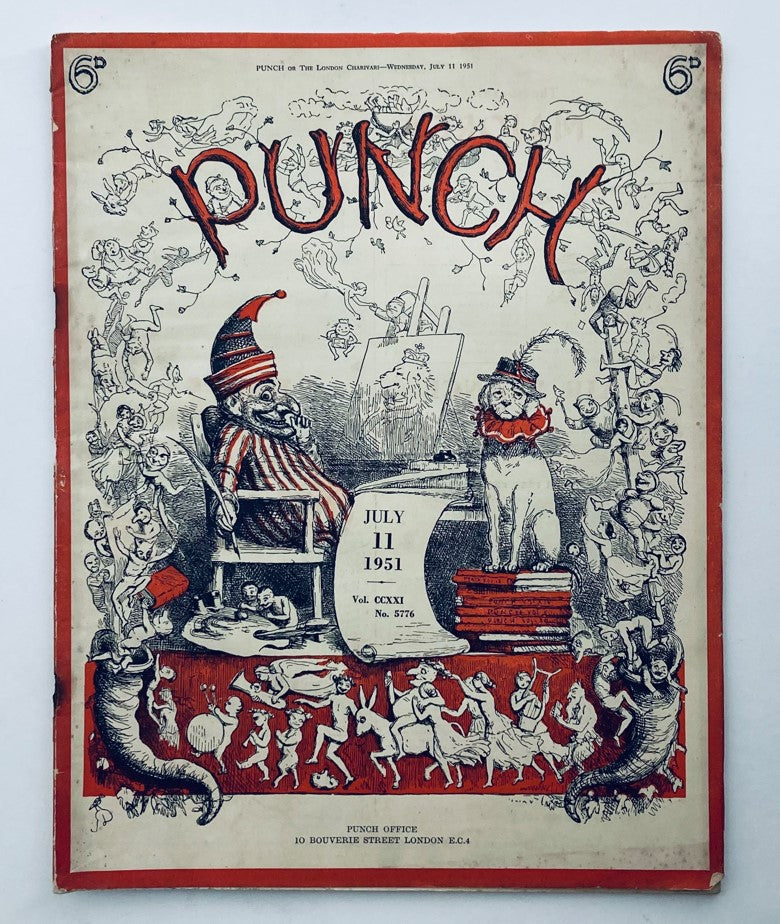
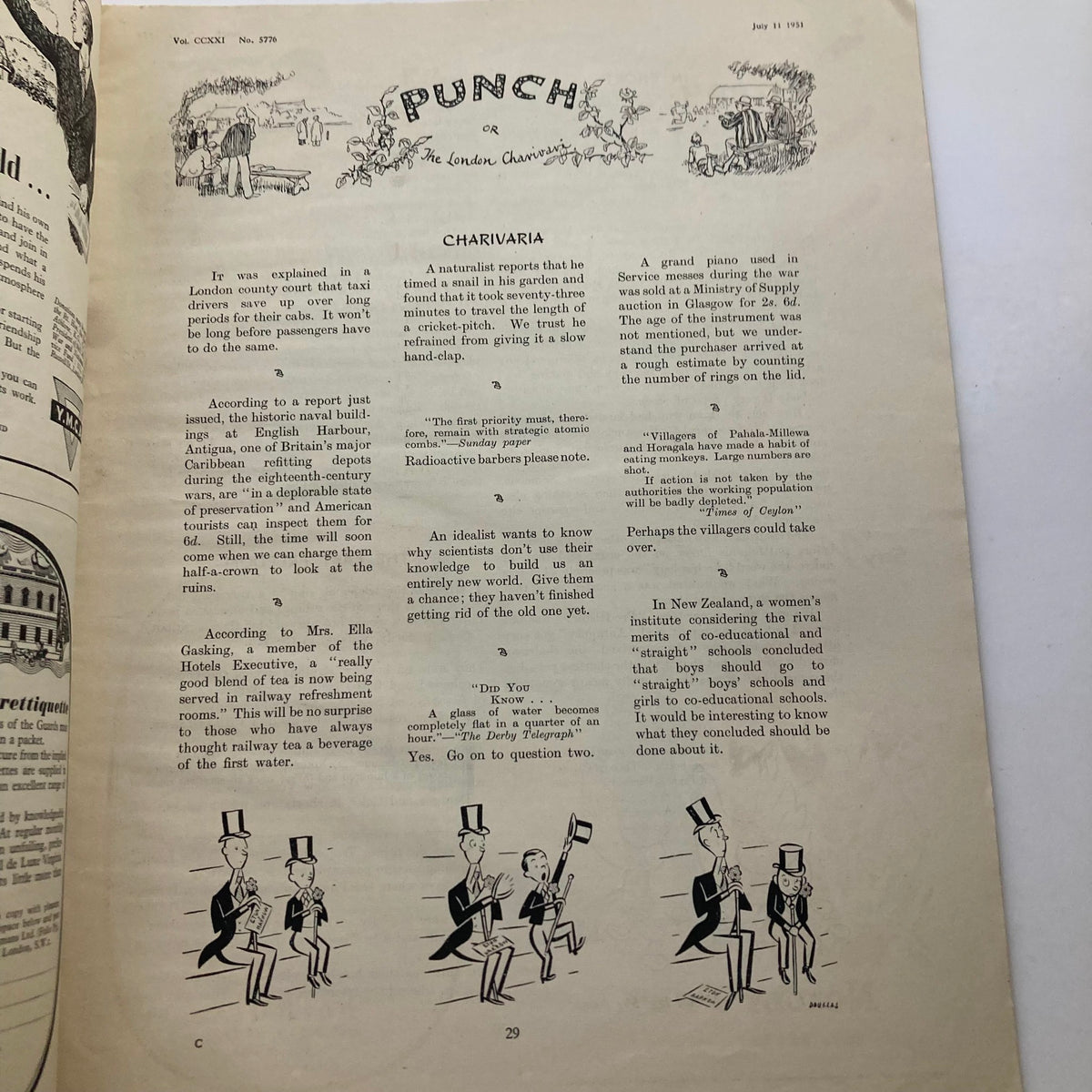
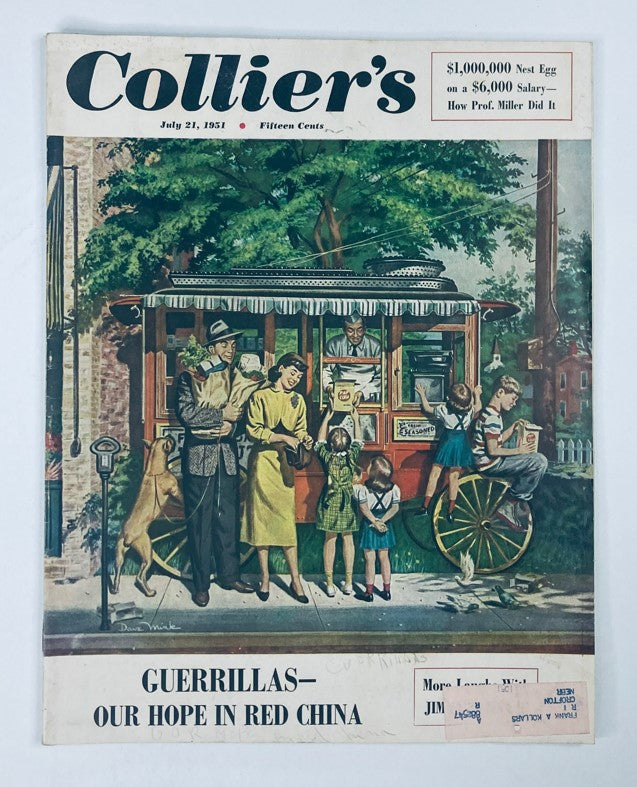
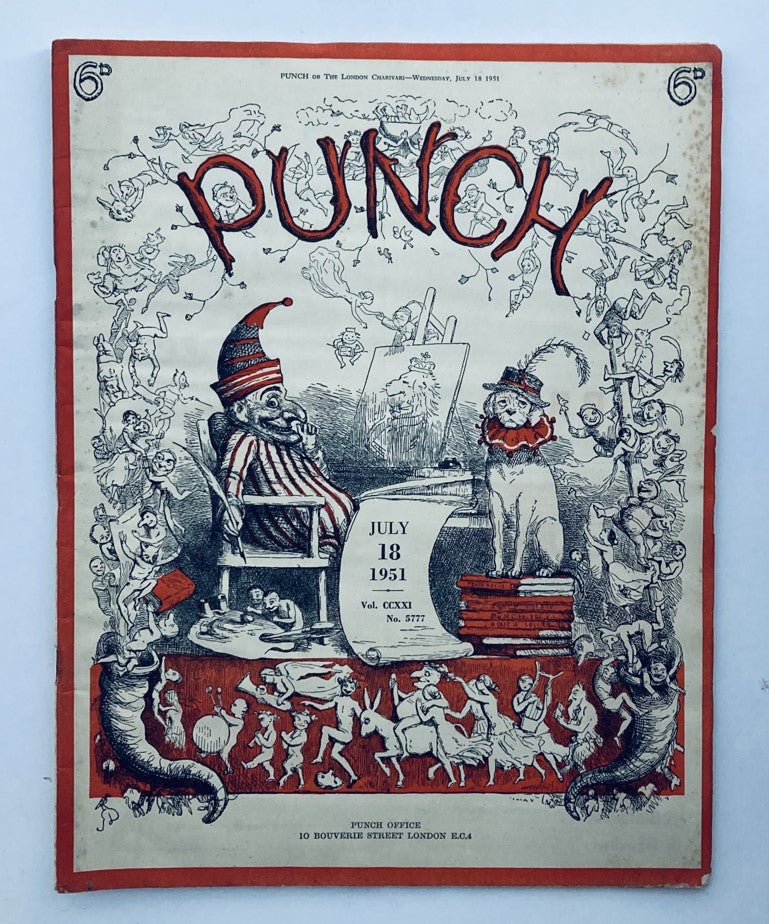
America's summer of 1951 belonged to sports legends and Disney magic. Walt Disney released his animated masterpiece "Alice in Wonderland" on July 28th, bringing Lewis Carroll's fantasy to technicolor life with music by Sammy Fain and Bob Hilliard. Baseball thrilled fans as Bob Feller pitched his third career no-hitter on July 1st for Cleveland, while Yankees pitcher Allie Reynolds matched the feat on July 12th against his former team. The sport's drama intensified when Joe DiMaggio and manager Casey Stengel feuded publicly after Stengel pulled DiMaggio from a game on July 8th. Boxing crowned its oldest champion when 37-year-old Jersey Joe Walcott knocked out Ezzard Charles in seven rounds on July 18th at Forbes Field in Pittsburgh. Tennis history unfolded at Wimbledon as Dick Savitt captured the men's title and Doris Hart dominated Shirley Fry 6-1, 6-0 in the women's final. Original magazines from July 1951 captured these triumphs in sports photography, Disney advertisements promoting the new film, and entertainment features that documented America's postwar cultural confidence.
What You'll Discover in July 1951 Magazines
-
The Transistor Revolution: Science and technology coverage in Popular Mechanics and news weeklies like Time featuring Bell Labs' July 5th transistor announcement, often illustrated with technical diagrams and photographs of the tiny components that would shrink radios from furniture-sized cabinets to pocket devices within a decade.
-
Catcher in the Rye Publication: Literary magazines and book review sections chronicling J.D. Salinger's July 16th novel release, showcasing early reviews, author profiles, and the distinctive dust jacket design that introduced one of American literature's most influential teenage protagonists to an unsuspecting reading public.
-
Disney's Alice in Wonderland: Vintage magazines filled with lavish advertisements for the July 28th premiere, featuring colorful illustrations of the Mad Hatter, Cheshire Cat, and Queen of Hearts, alongside promotional spreads in Life and Look that captured Disney's animation artistry during the studio's golden age.
-
Baseball's No-Hit Summer: Sports periodicals documenting both Bob Feller's July 1st masterpiece and Allie Reynolds' July 12th gem, rare magazines featuring action photography and statistical analysis of these pitching performances, often accompanied by coverage of the DiMaggio-Stengel controversy that exposed tensions in the Yankee dynasty.
-
Middle East Assassination Crisis: News publications like Newsweek and international affairs magazines covering King Abdullah I's July 20th assassination in Jerusalem, illustrated with photojournalism from the scene and political analysis of Jordan's succession crisis that rippled through a region already volatile with Cold War tensions.
The Perfect Gift
For someone born in July 1951, an original magazine from this transformative summer isn't just memorabilia—it's a genuine artifact capturing the exact moment when transistors began shrinking the future, Holden Caulfield spoke for alienated youth, and sports heroes made history, preserved in authentic advertisements and photography.