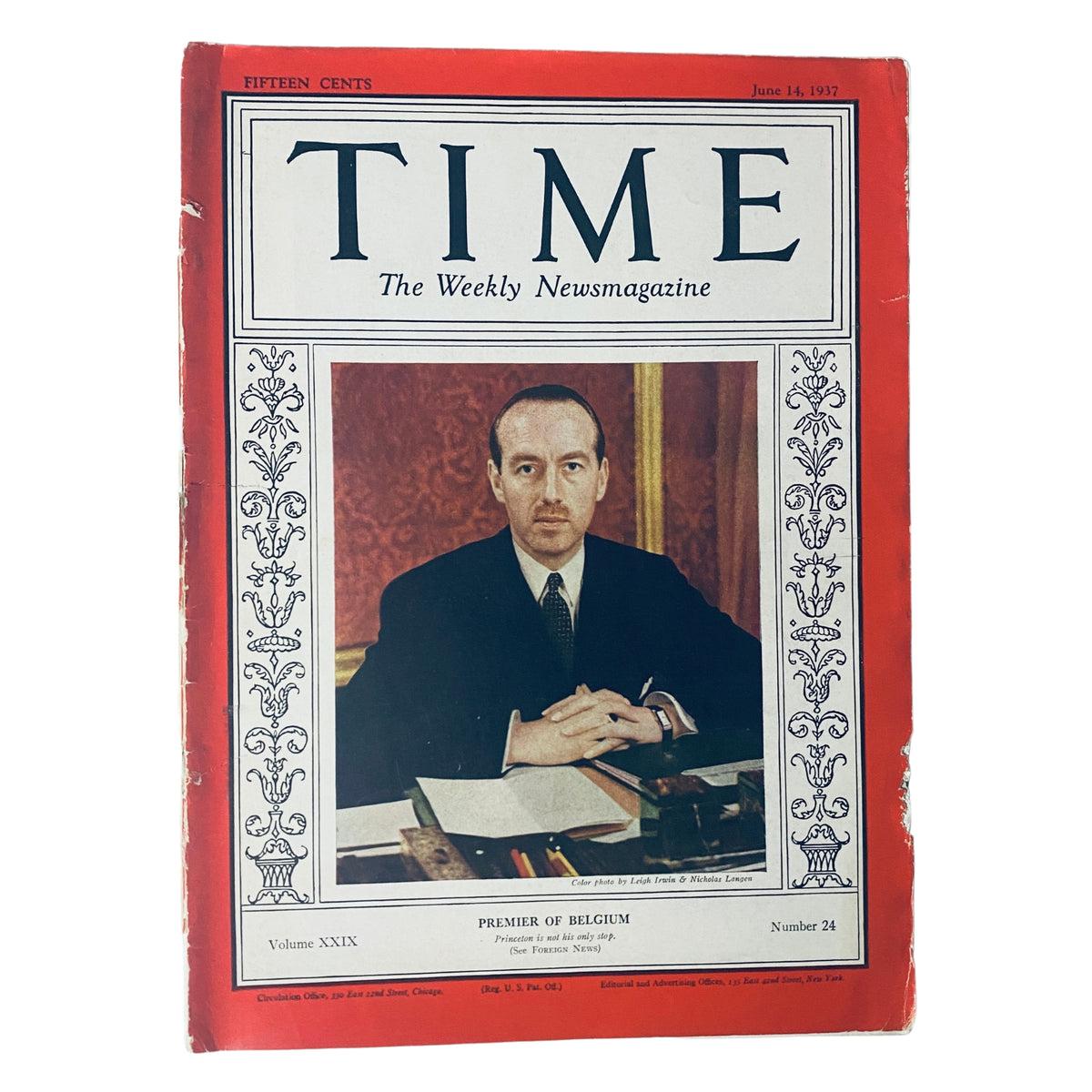
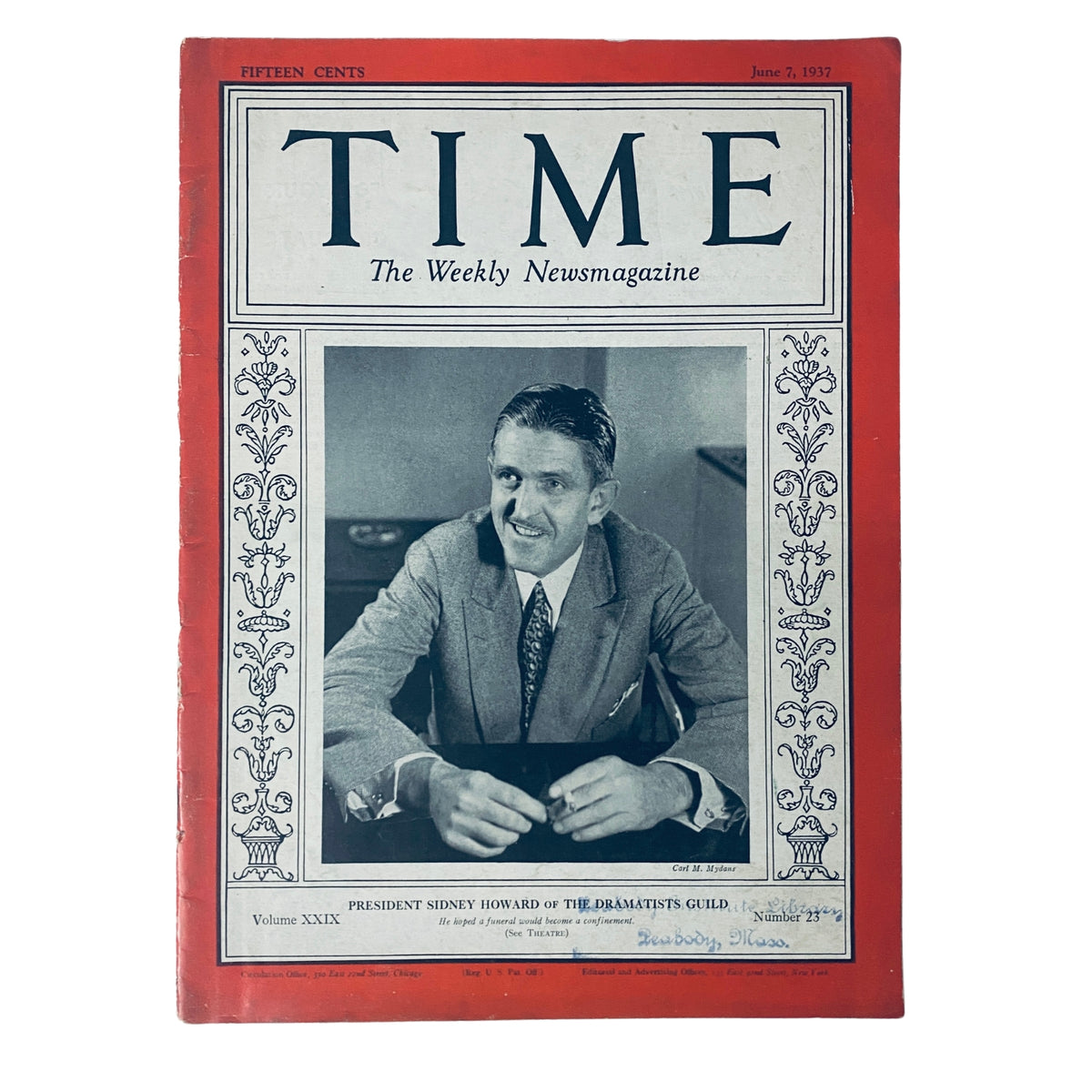
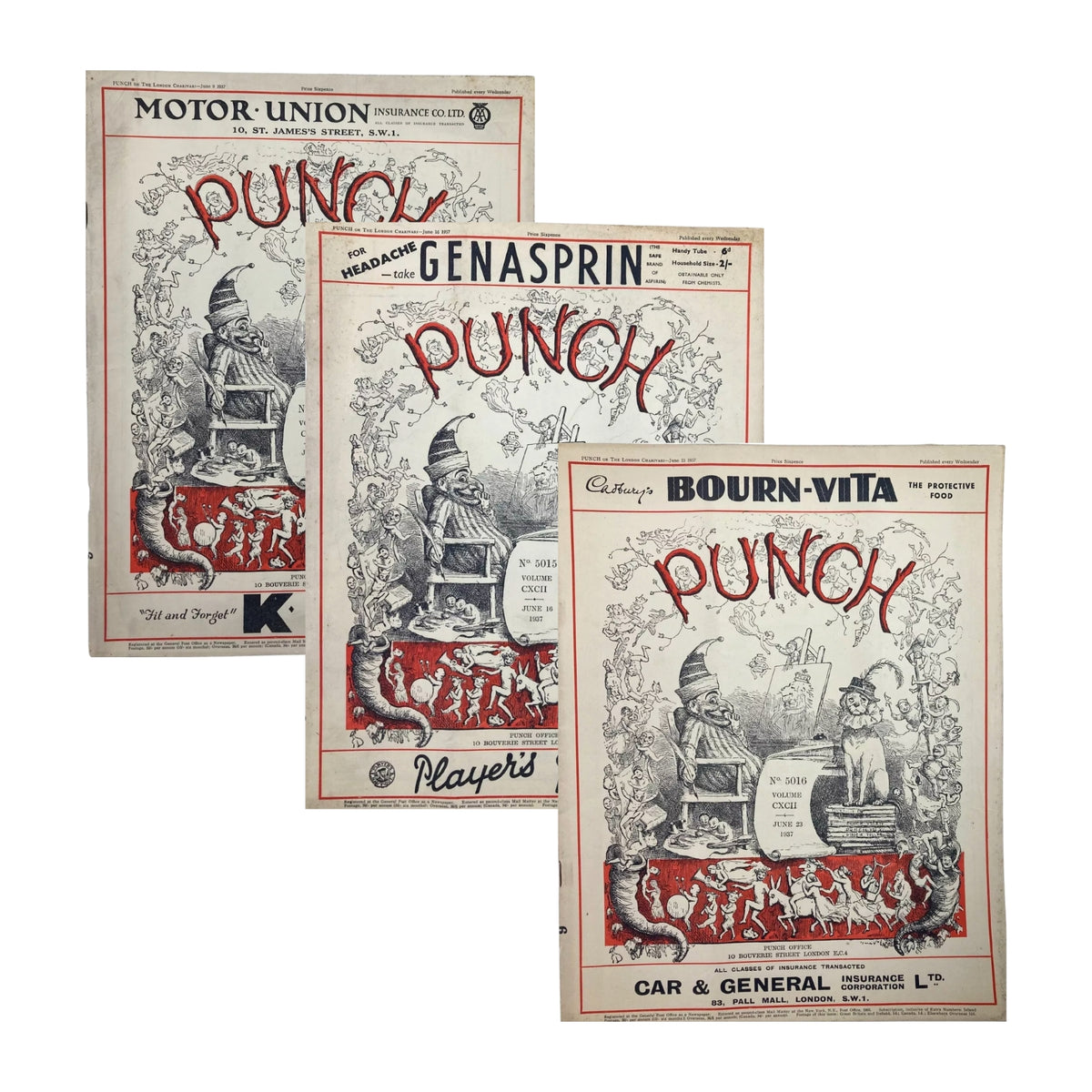
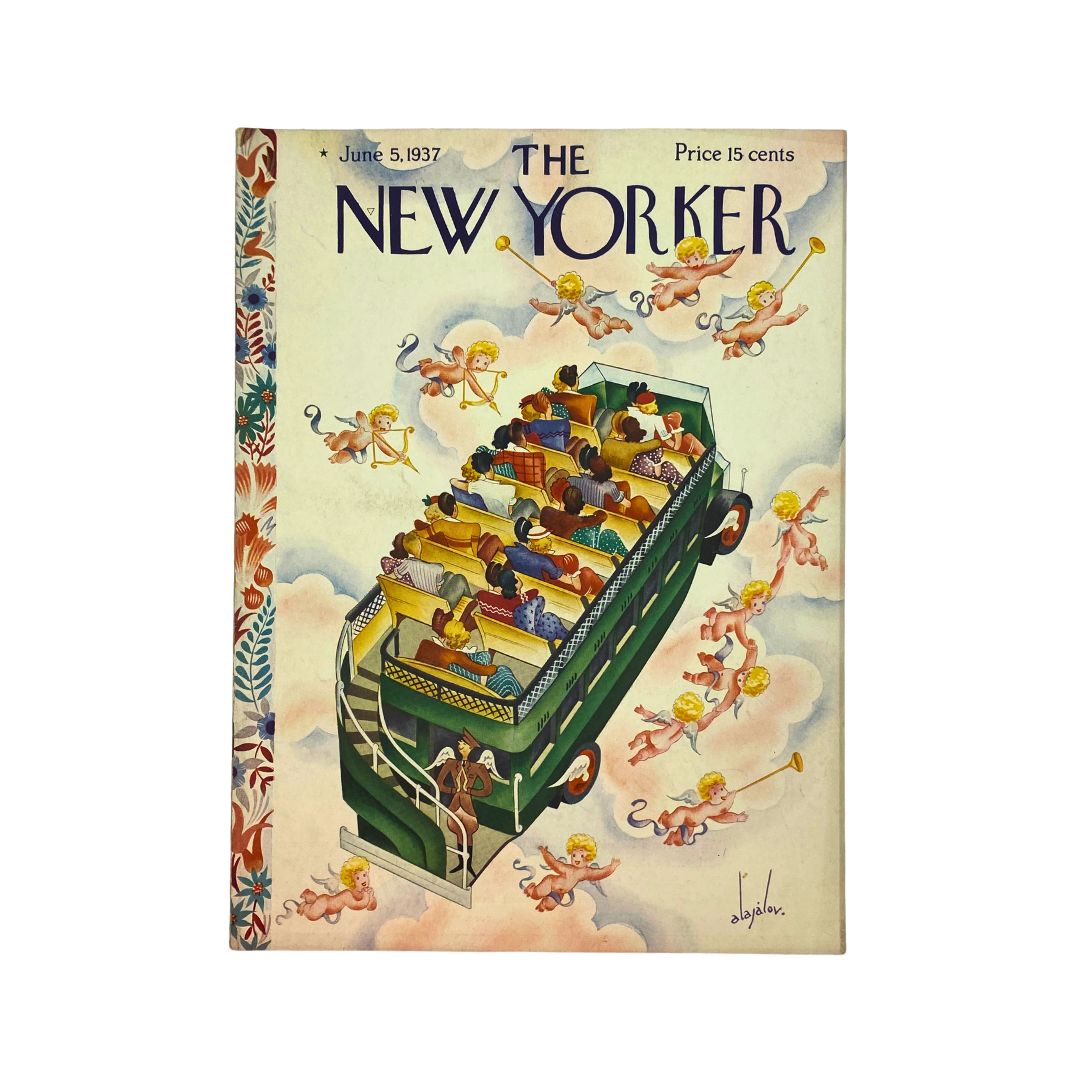
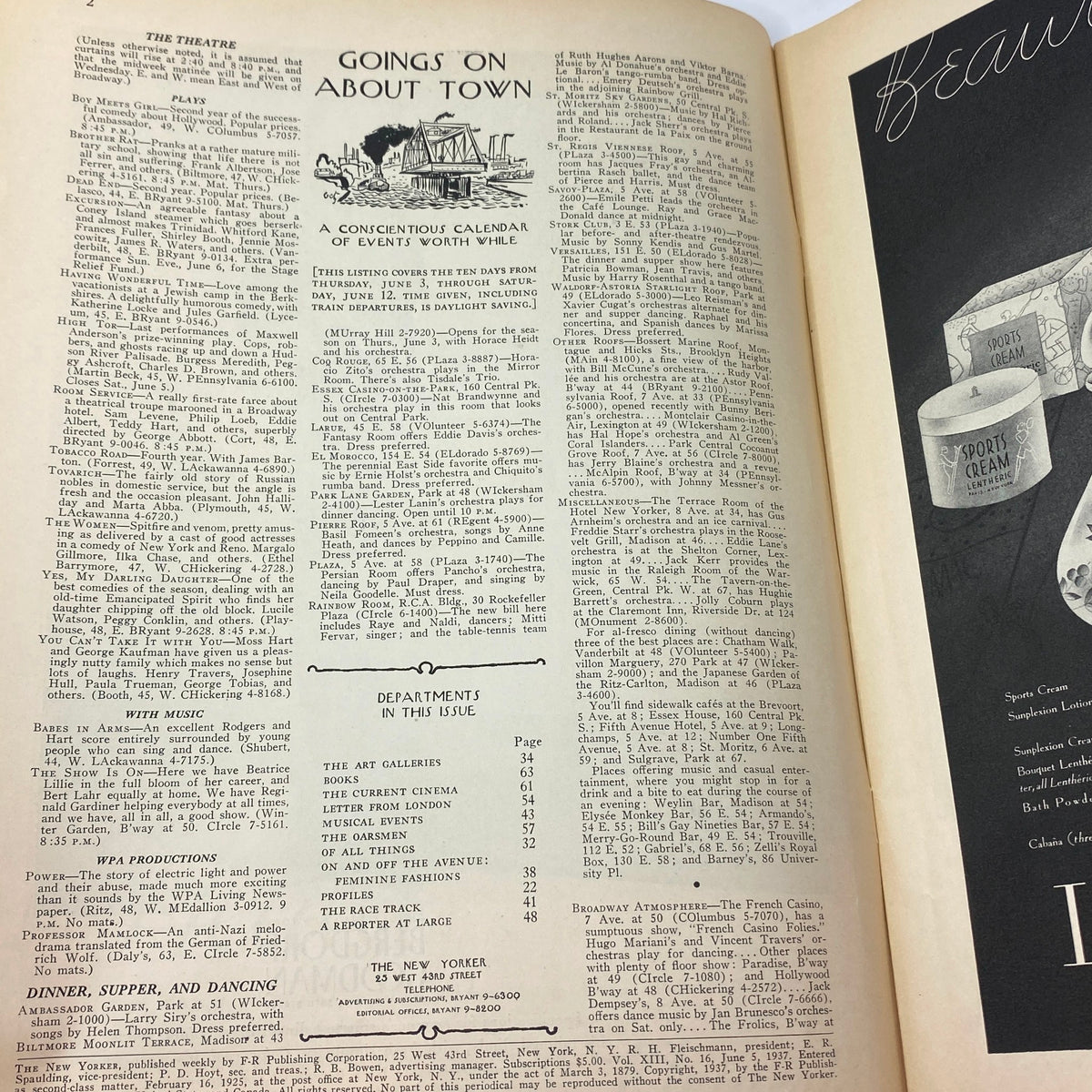
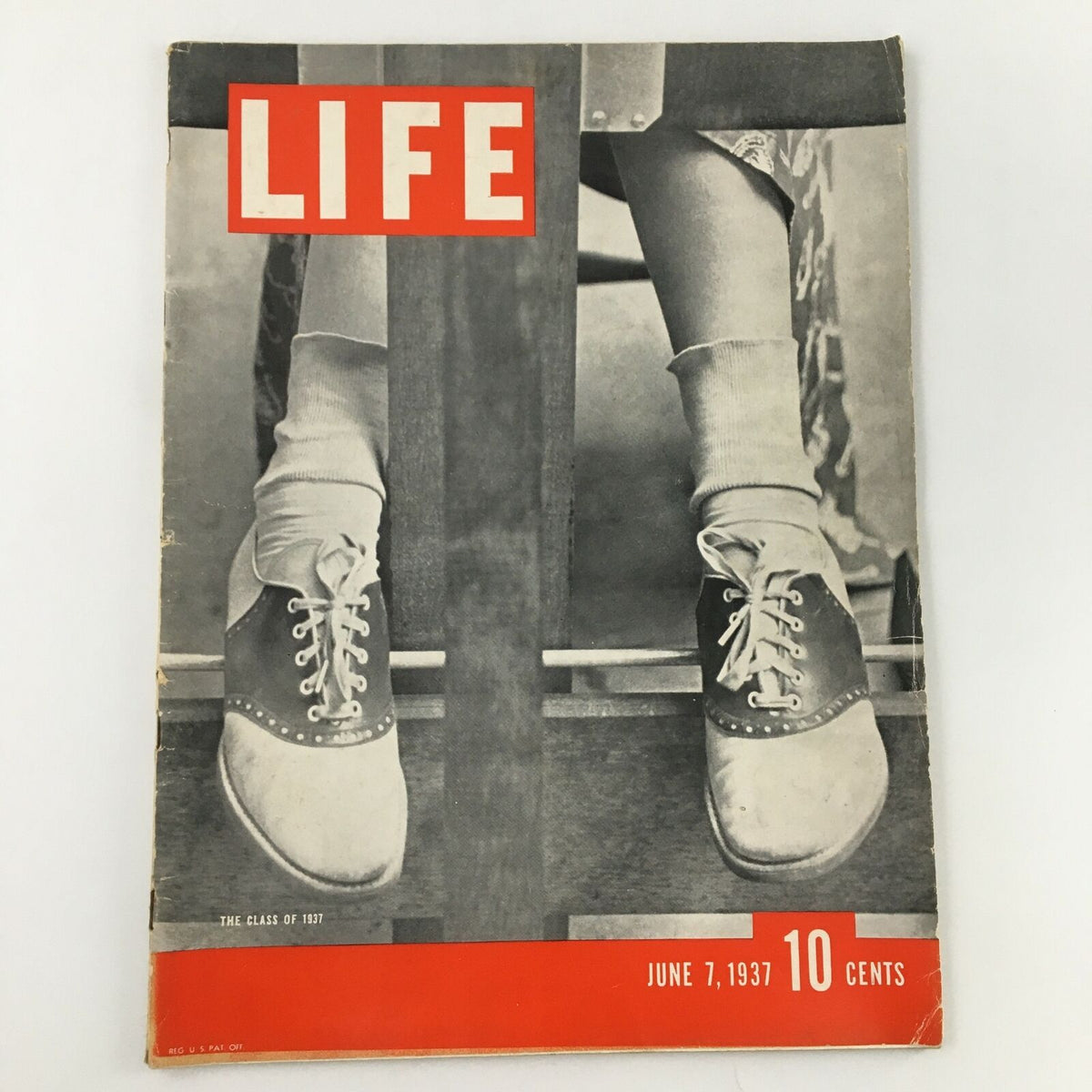
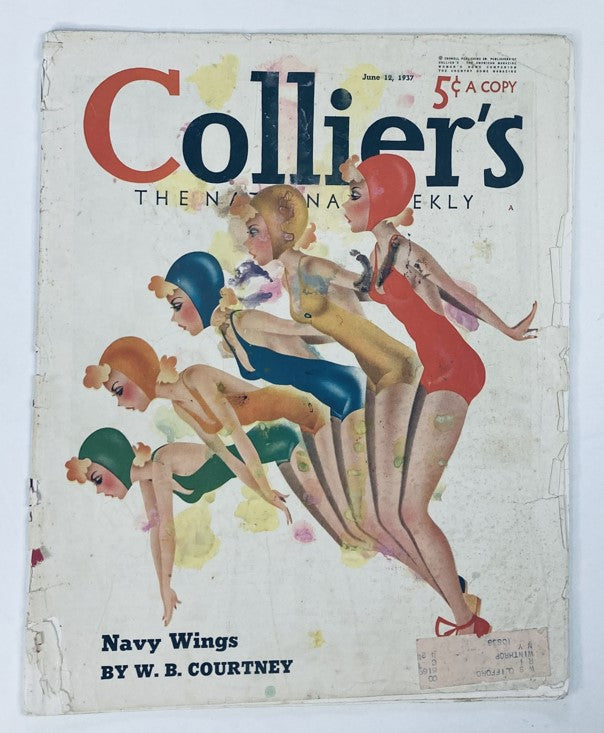
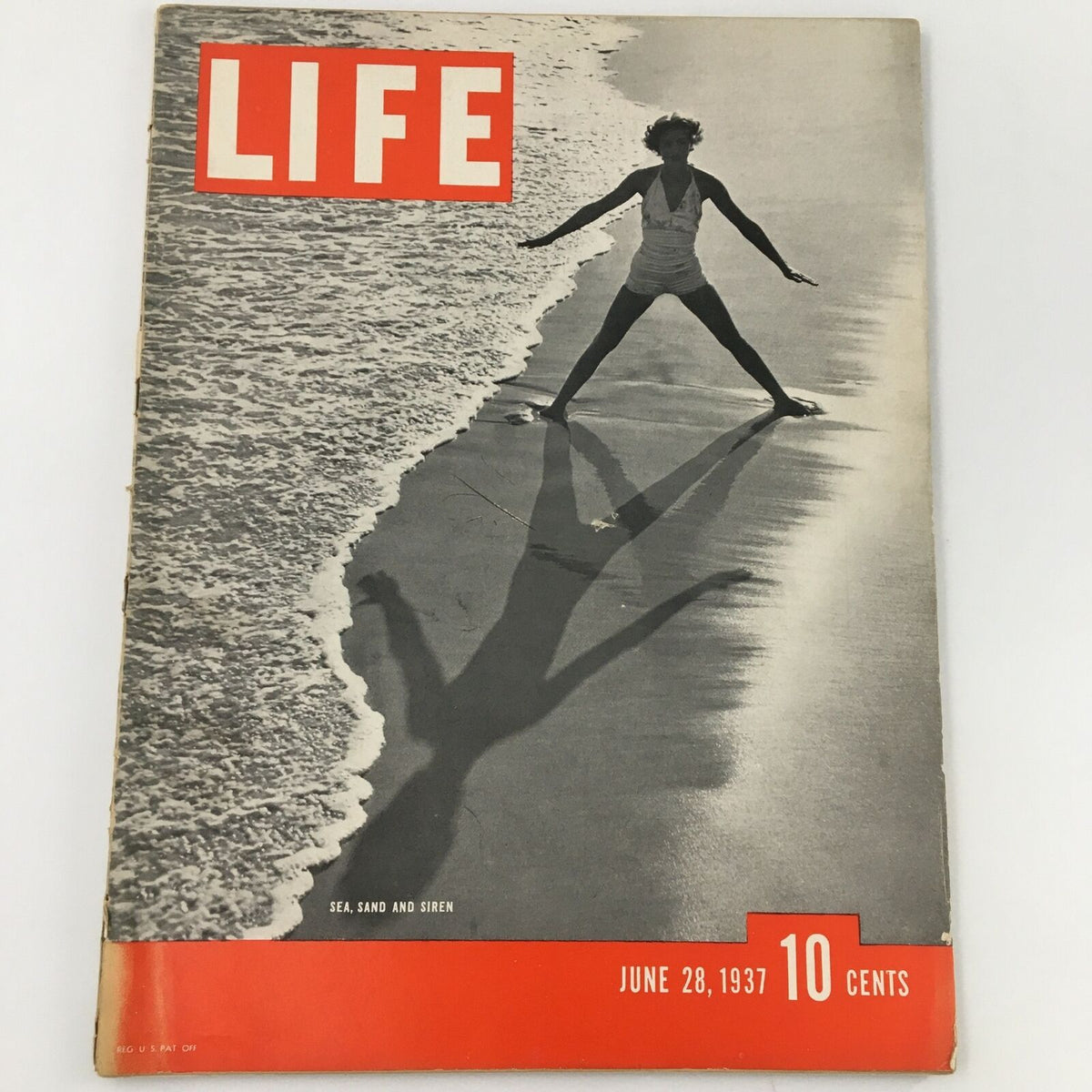
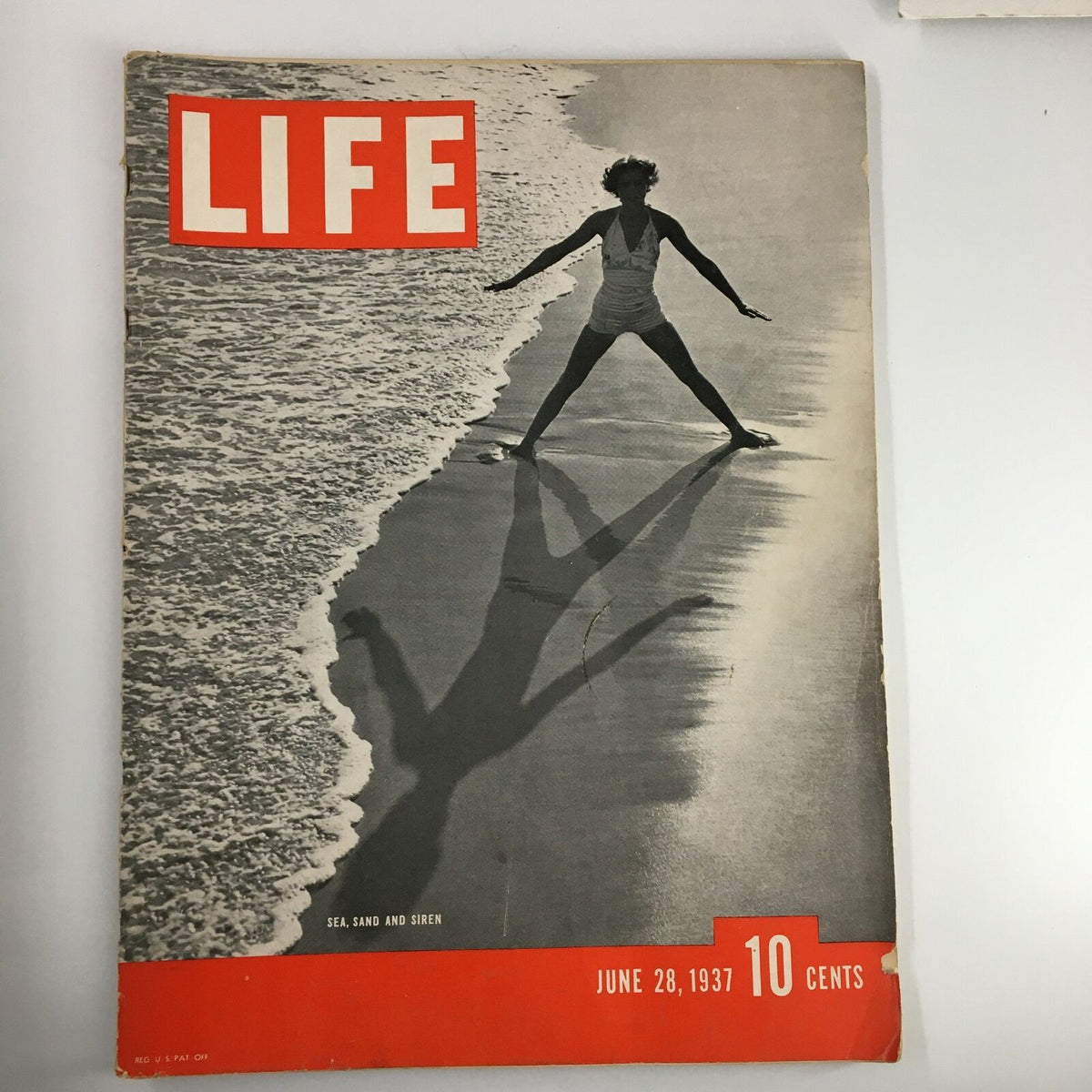
📖 About this Collection
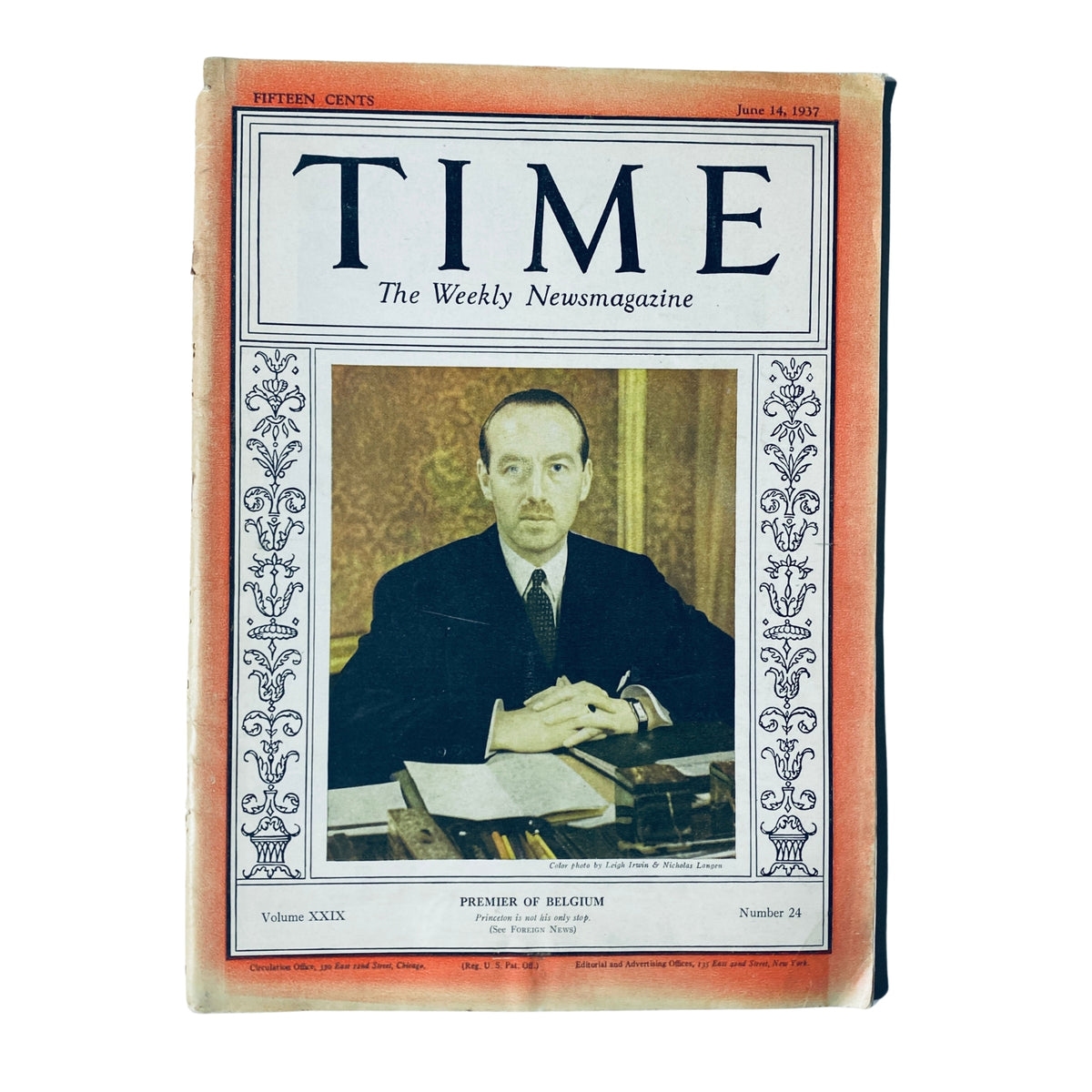
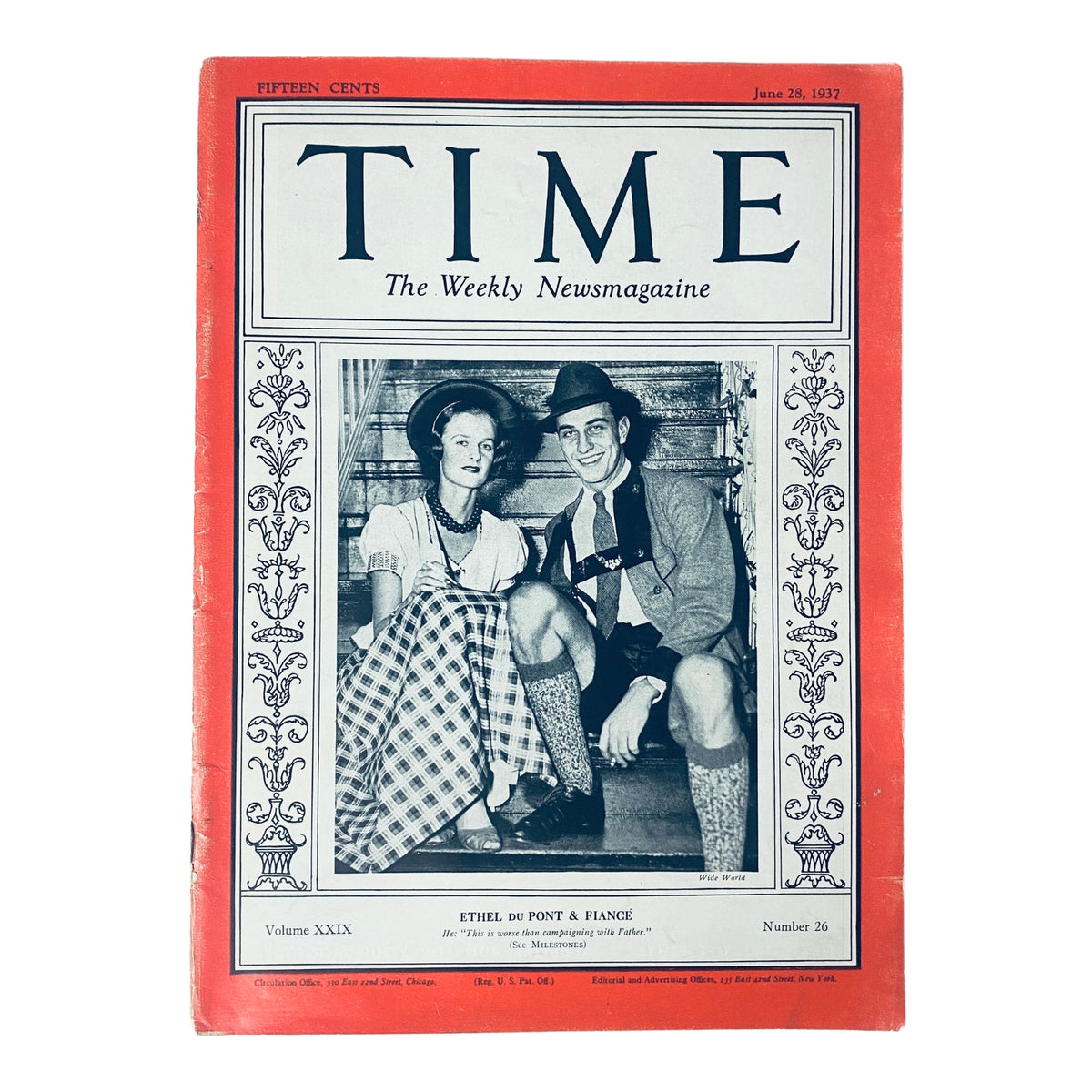
June 1937: The Month a Champion Rose
The Historical Context
June 1937 arrived weighted with tension. Europe watched uneasily as Francisco Franco's Nationalist forces swept into Bilbao on June 19th, the fall of the Basque city marking a ruthless turn in the Spanish Civil War—a conflict that felt, to many readers, like a dress rehearsal for something far larger. Across the Soviet Union, a different kind of violence unfolded in secret: eight Red Army generals were tried and shot in a single day, Stalin's Great Purge consuming the very commanders who had built his military. On the Atlantic coast, a hurricane of social anxiety swirled around labor, wages, and the shape of the future—while Henry Ford quietly answered with a bold experiment, cutting his workers' week to 32 hours. This was the world your loved one entered: one crackling with ideological conflict, where headlines from Madrid, Moscow, and Detroit landed on the same breakfast table, and ordinary people sensed, correctly, that nothing would ever be quite the same.
Culture, Sport, and the Sound of a New Era
At the movies, audiences were still laughing—the Marx Brothers' A Day at the Races galloped into theaters on June 11th, directed by Sam Wood, bringing their anarchic brilliance to the world of horse racing and high society. But the defining cultural moment of the month came from Chicago's Comiskey Park on June 22nd, where Joe Louis knocked out James J. Braddock in the eighth round to claim the world heavyweight boxing title. The image—Louis standing over a fallen champion—dominated newsstands within days. Original magazines from June 1937, particularly Life and Time, captured that electrifying moment in full-spread photography that no digital archive can replicate. In music, something quieter but equally seismic was unfolding: on June 19th, Delta Blues guitarist Robert Johnson completed his second—and final—legendary recording session in Dallas, laying down tracks that would shape American music for generations. Meanwhile, on the Frankfurt stage, Carl Orff's Carmina Burana received its world premiere on June 8th, introducing a choral work that audiences couldn't quite name yet but would never forget.
The Curator's Checklist: What to Look For
-
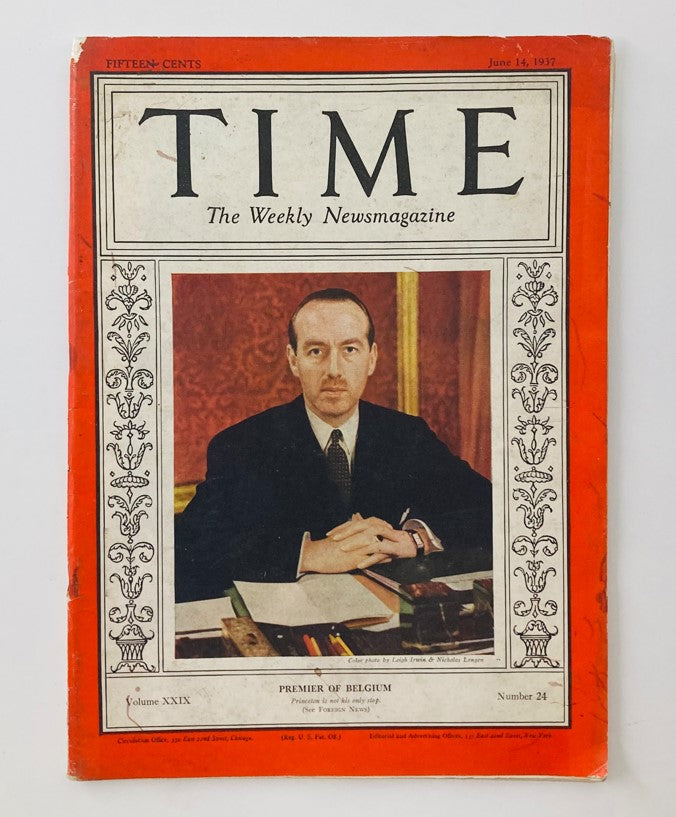
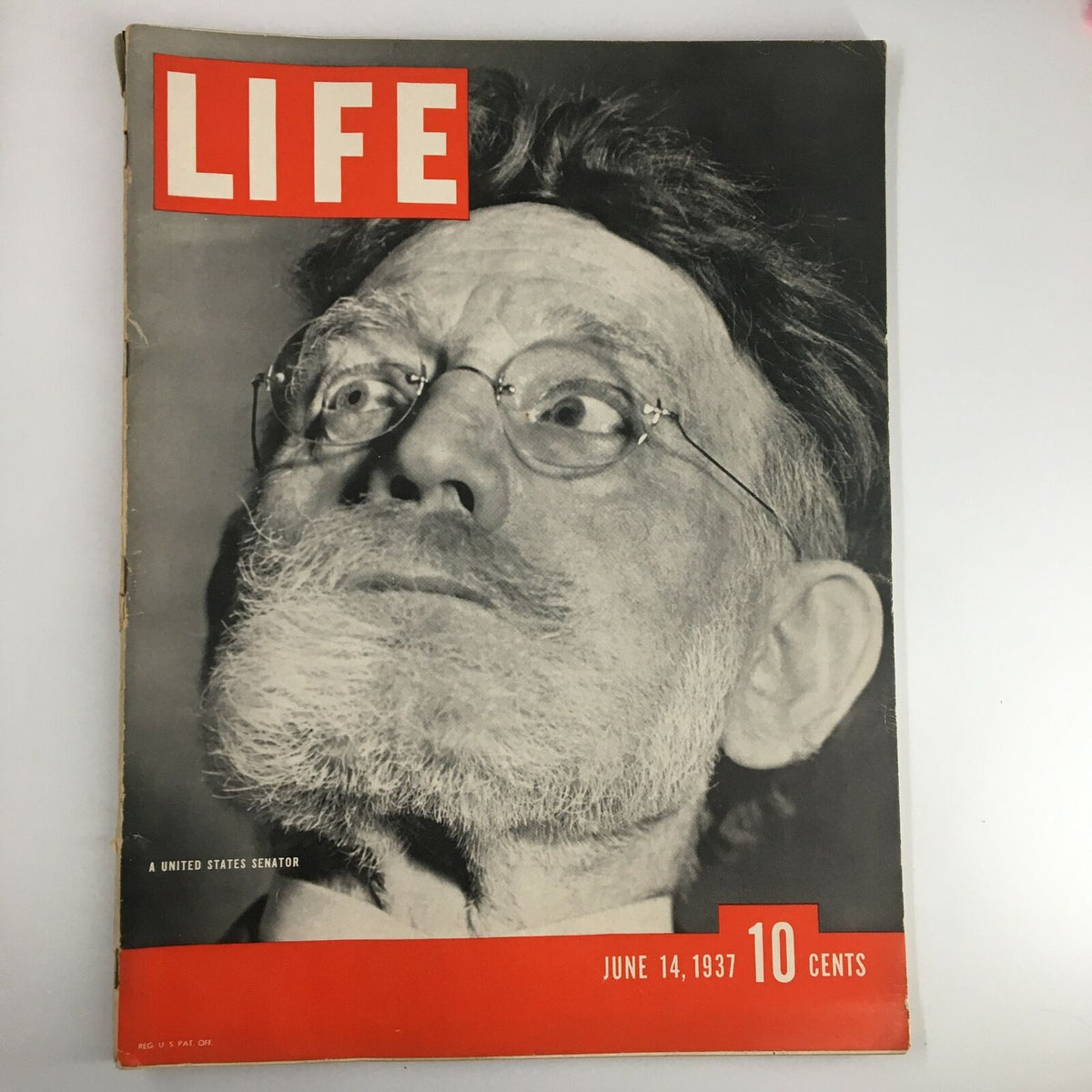
Joe Louis's Championship Victory: Life, Time, and Look featuring full-spread photography of the Comiskey Park knockout, often illustrated with ringside action shots and crowd reactions that place you directly inside that historic eighth round.
-
The Spanish Civil War and the Fall of Bilbao: News weeklies like Time and Newsweek showcasing detailed front-page maps of the Basque region alongside dispatches from correspondents on the ground—rare magazines from this period carry an urgency that modern reprints simply cannot replicate.
-
Stalin's Great Purge: Time and Life chronicling the Soviet show trials with editorial illustration and stark portrait photography, preserving the chill of a moment when the world first grasped the machinery of totalitarian justice.
-
Henry Ford's 32-Hour Workweek: Vintage magazines from June 1937 featuring advertisements for Ford automobiles alongside labor-focused editorial coverage, offering a fascinating window into Depression-era anxieties about work, wages, and the American future.
-
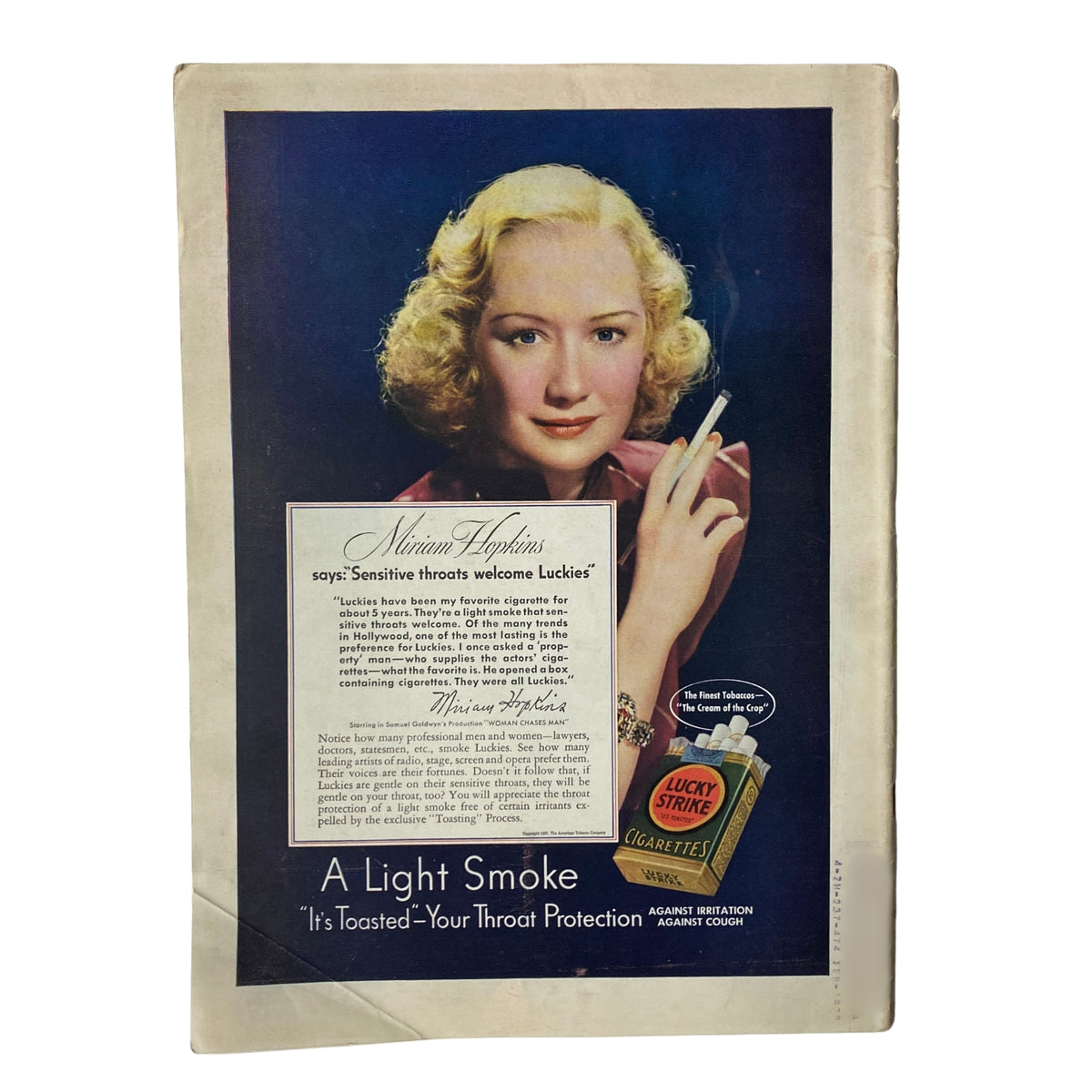
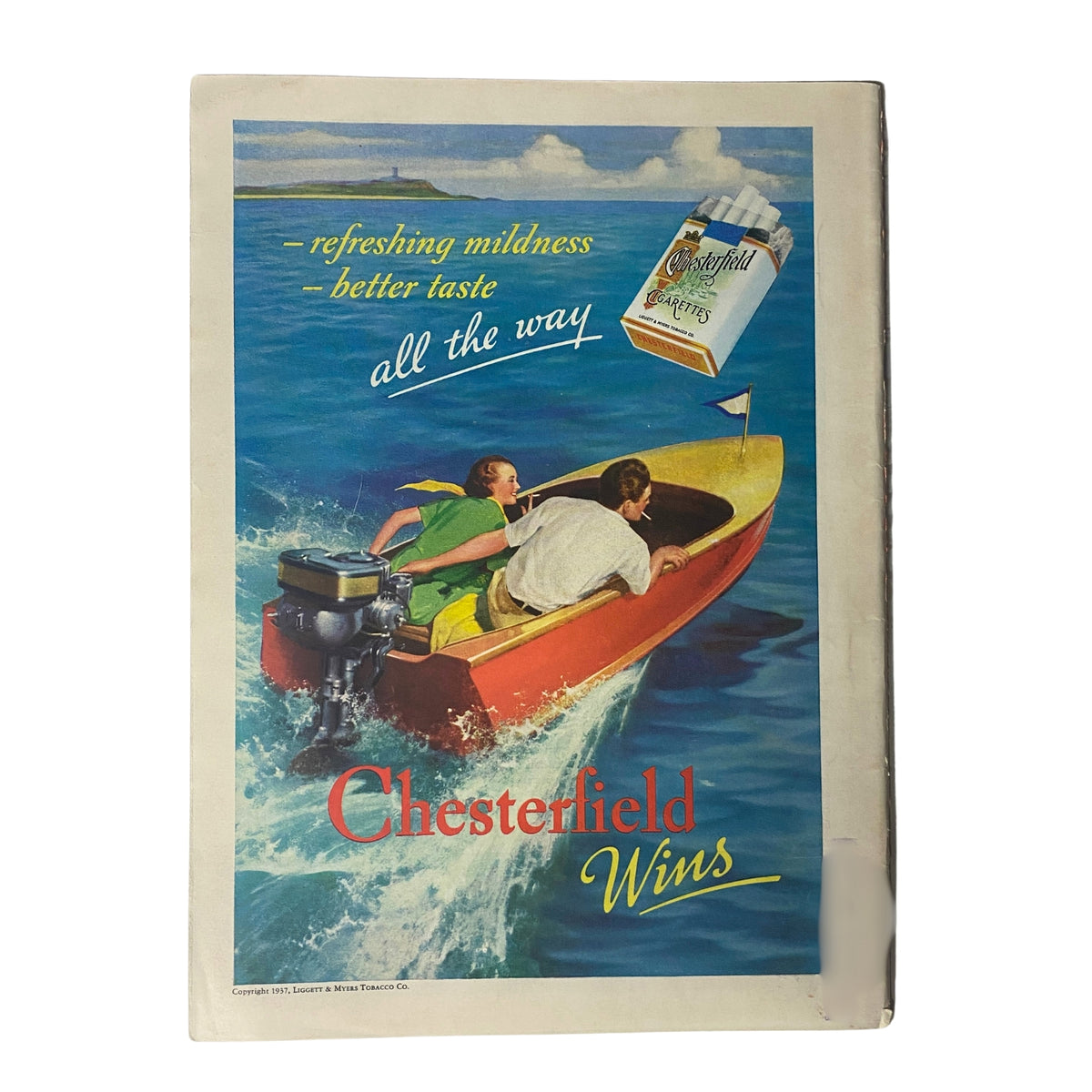
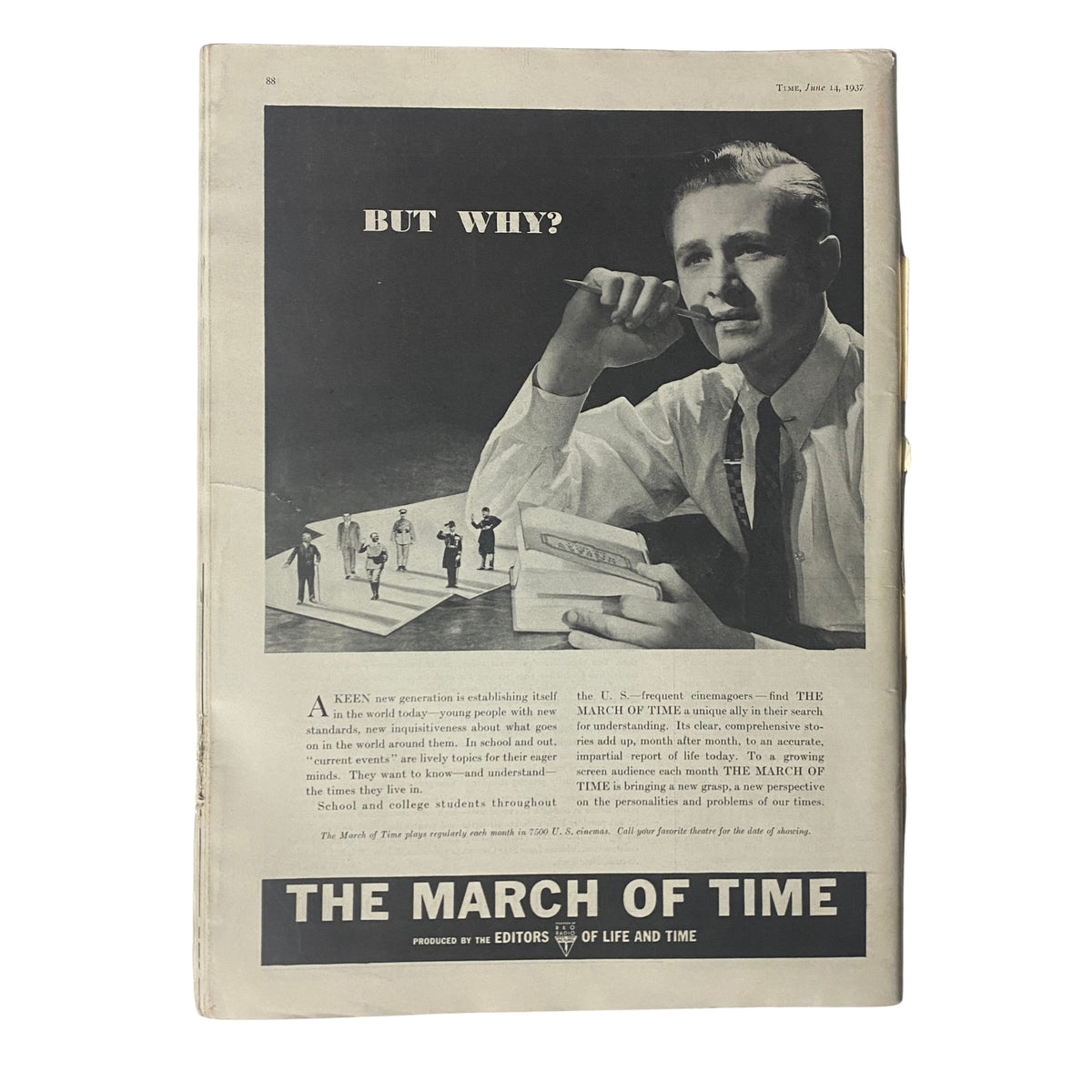
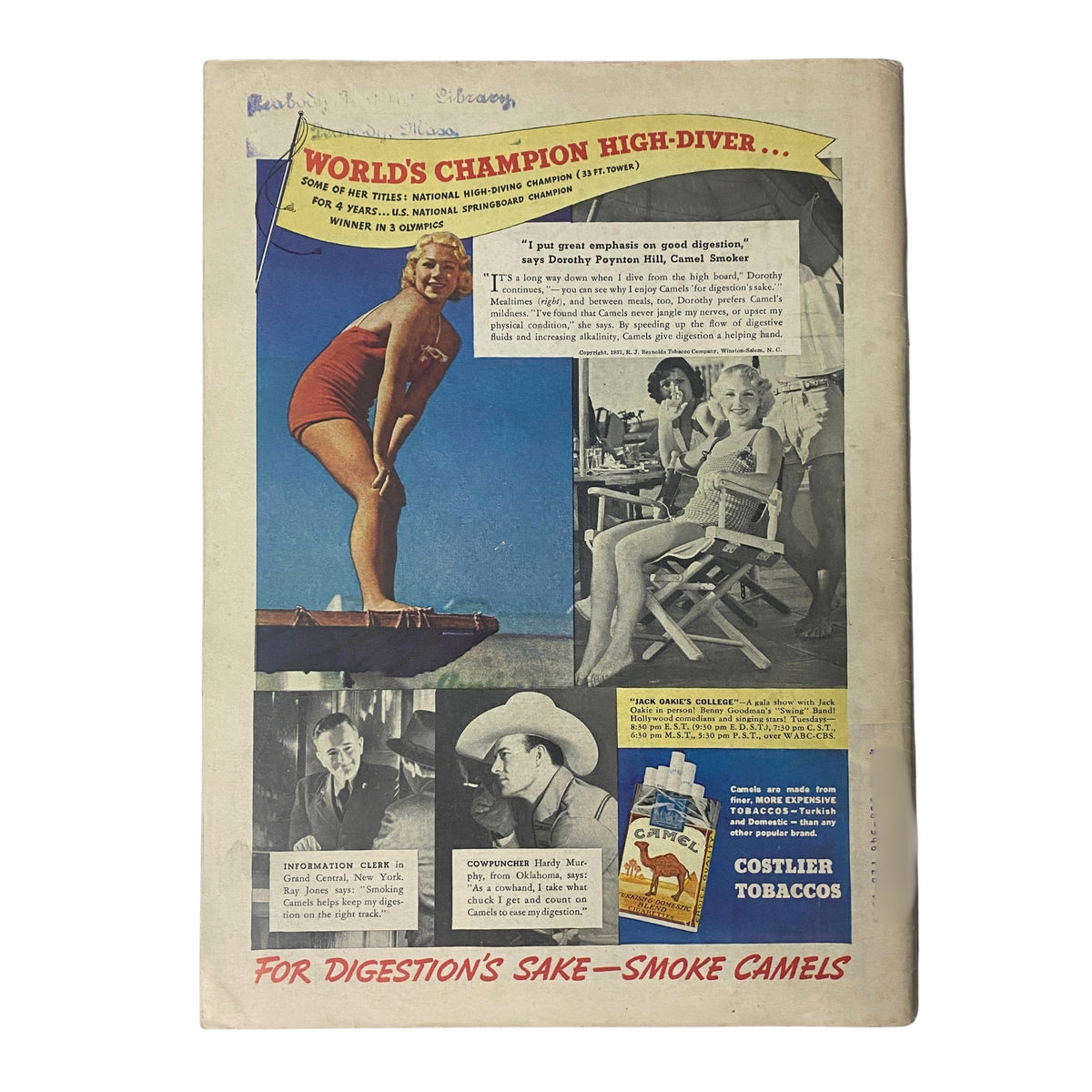
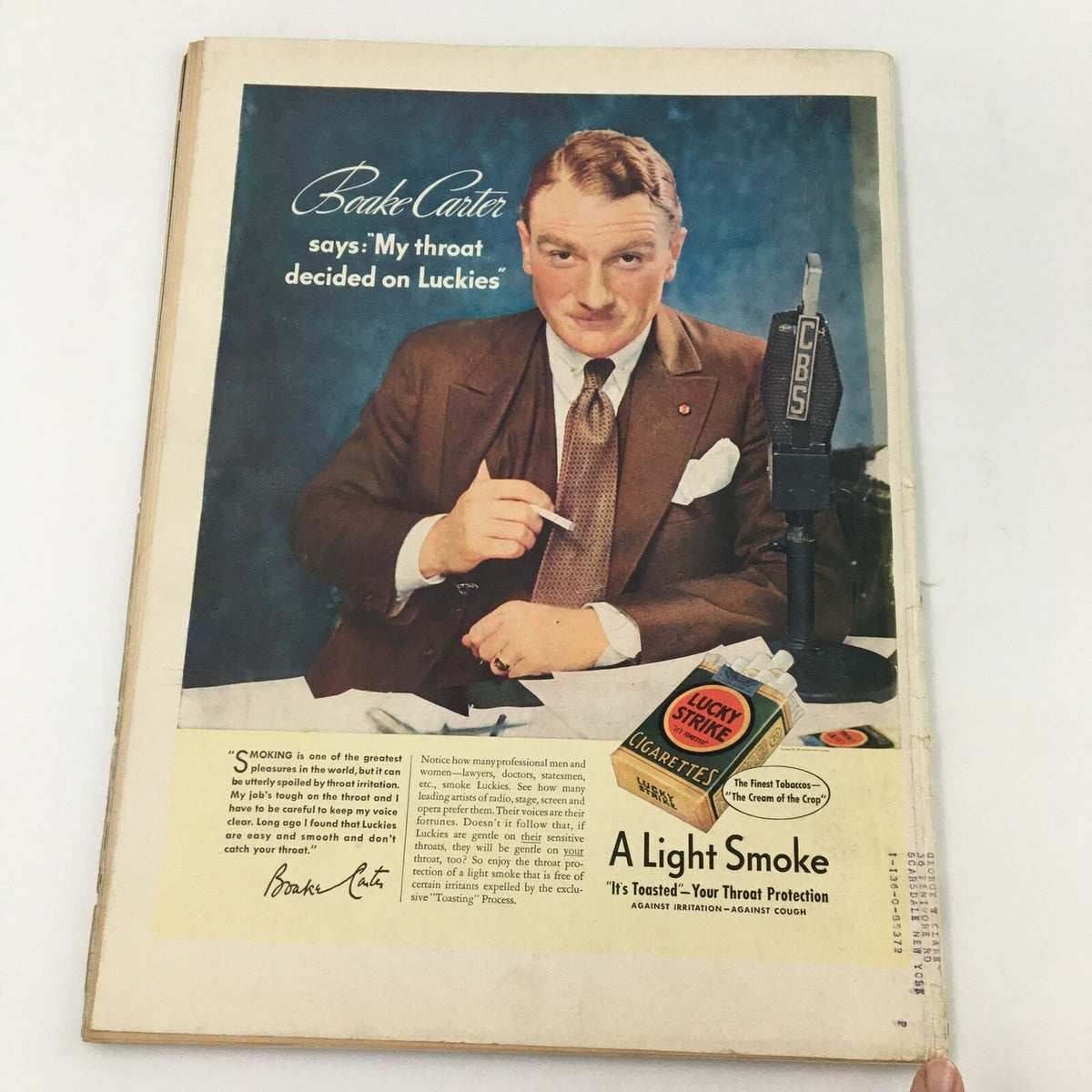
The Marx Brothers and Hollywood's Golden Summer: Variety and entertainment-focused publications showcasing promotional stills and reviews of A Day at the Races, often alongside authentic period advertisements for theaters, studio fashions, and consumer goods of the era.
The Perfect Gift
For someone born in June 1937, an original magazine from this charged and consequential month isn't just a piece of paper—it's a genuine time capsule, preserved in the authentic headlines, photographs, and advertisements of the exact world they arrived into.