📖 About this Collection
June 1939: Innocence at the Edge of History
The Historical Context
Europe balanced on a knife's edge that June, the smell of coming catastrophe unmistakable to anyone paying attention. The most haunting story of the month belonged not to generals or politicians, but to a ship: the MS St. Louis, carrying 907 Jewish refugees who had fled Europe seeking sanctuary, turned away from American shores and forced to sail back toward the continent many would never escape. Roughly a quarter of those passengers would perish in the Holocaust. The world watched. The world did nothing.
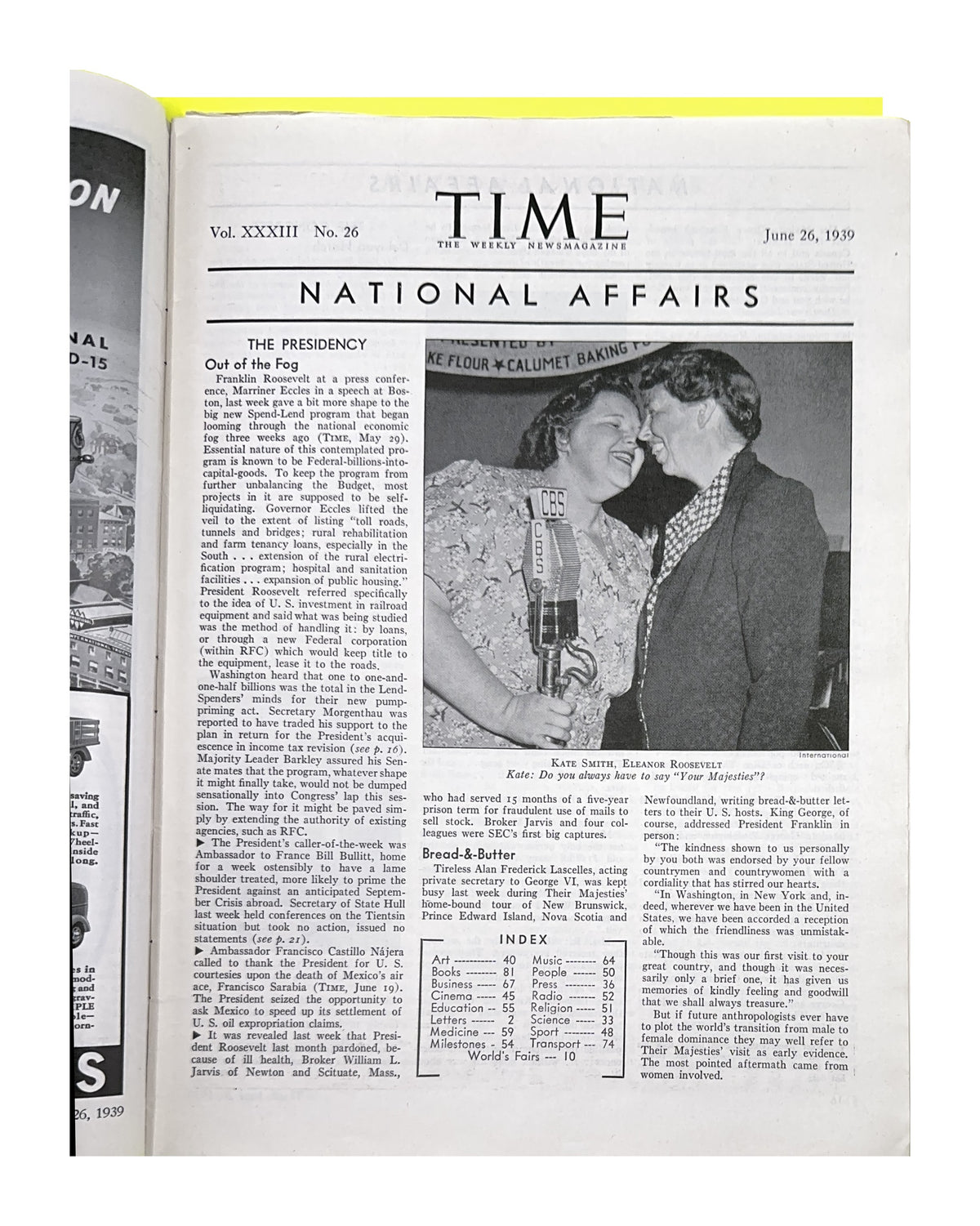
Against this grim backdrop, the remarkable unfolded. King George VI and Queen Elizabeth crossed the Atlantic to become the first British monarchs to set foot on American soil, dining with FDR at Hyde Park and — in one of history's most human moments — tasting their first hot dogs. Meanwhile, in a New York hospital, doctors confirmed what Lou Gehrig had quietly feared: amyotrophic lateral sclerosis, ending the career of baseball's Iron Horse at 35. This was the world your loved one entered — innocent in its routines, yet trembling on the edge of transformation.
Culture & Life in June 1939
At Yankee Stadium on June 28th, Joe Louis defended his heavyweight title for the seventh time, stopping Tony Galento in the fourth round before a roaring crowd. But the fight that made history had come earlier in the month — on June 1st, the Louis-versus-Nova heavyweight bout became the first major boxing match ever broadcast on American television, a medium just beginning its conquest of the living room. Sports fans also celebrated the formal dedication of the Baseball Hall of Fame in Cooperstown on June 12th, enshrining the national pastime in marble and memory.
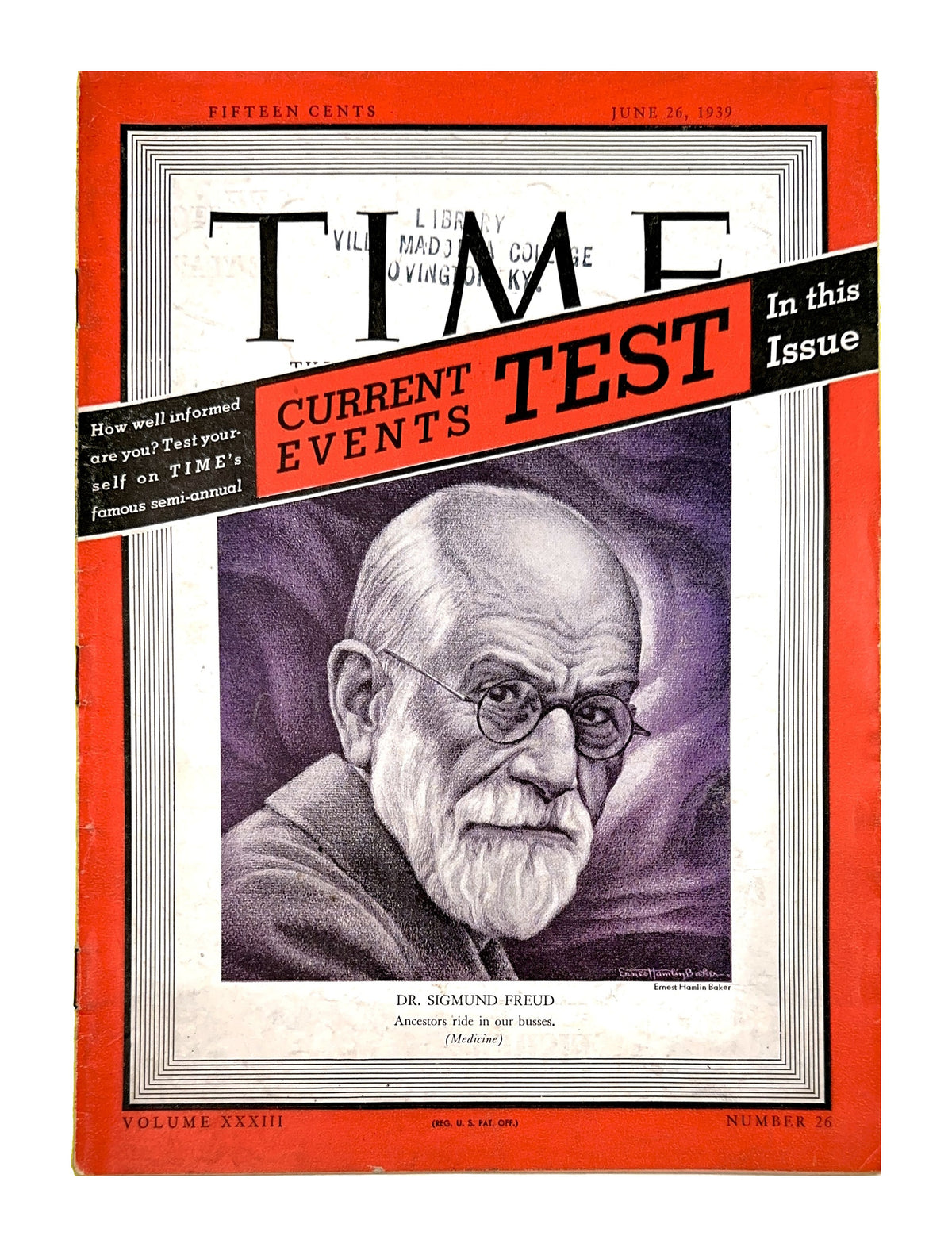
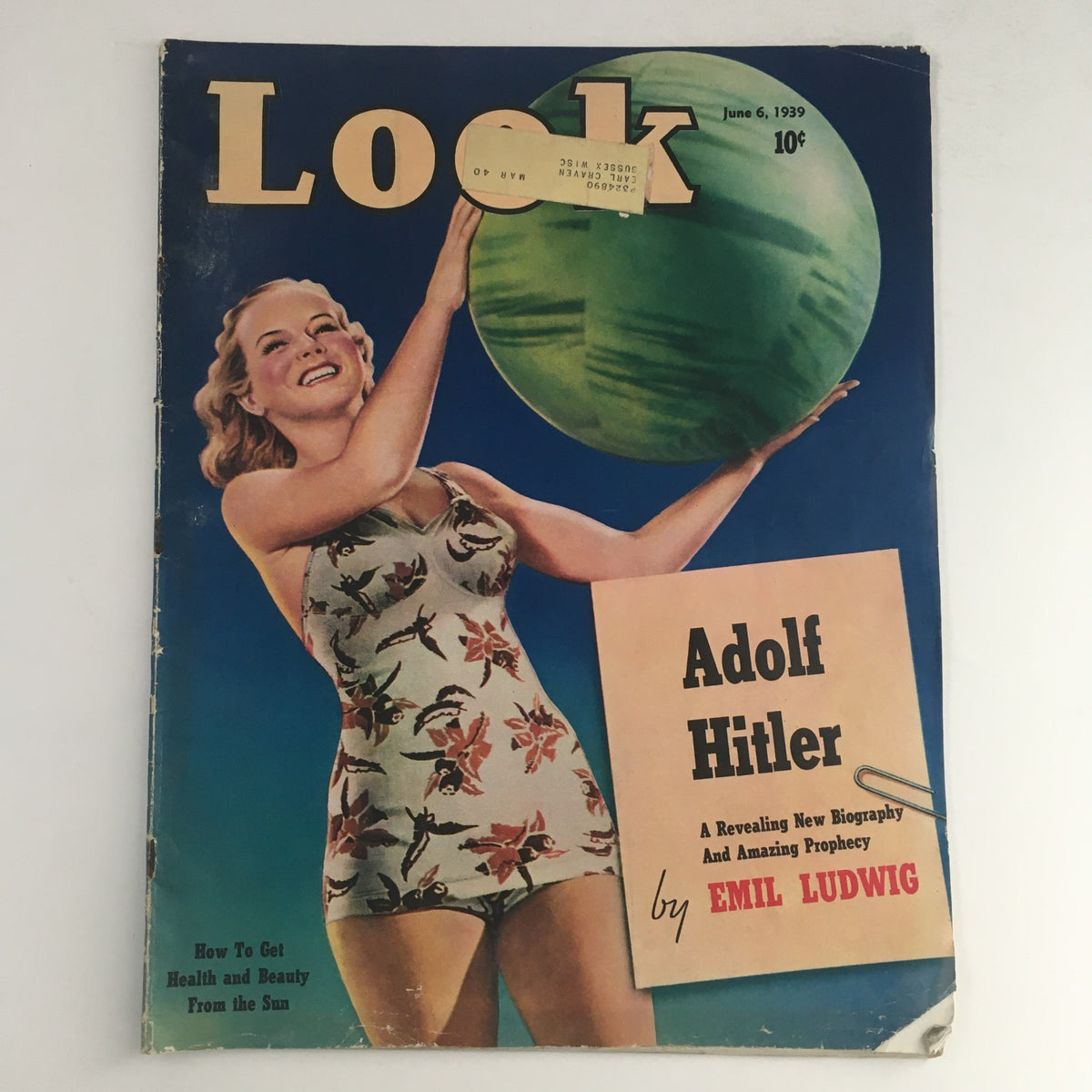
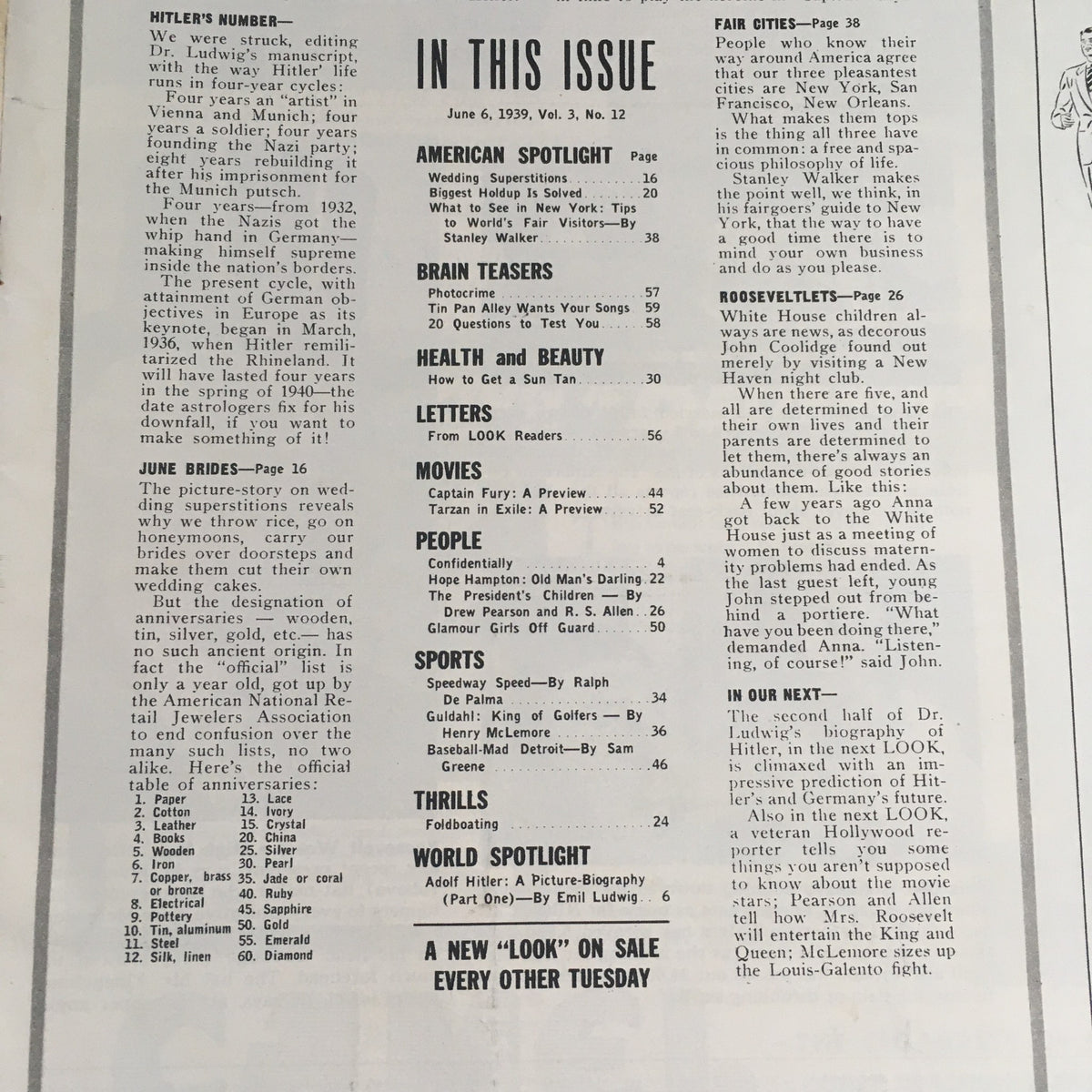
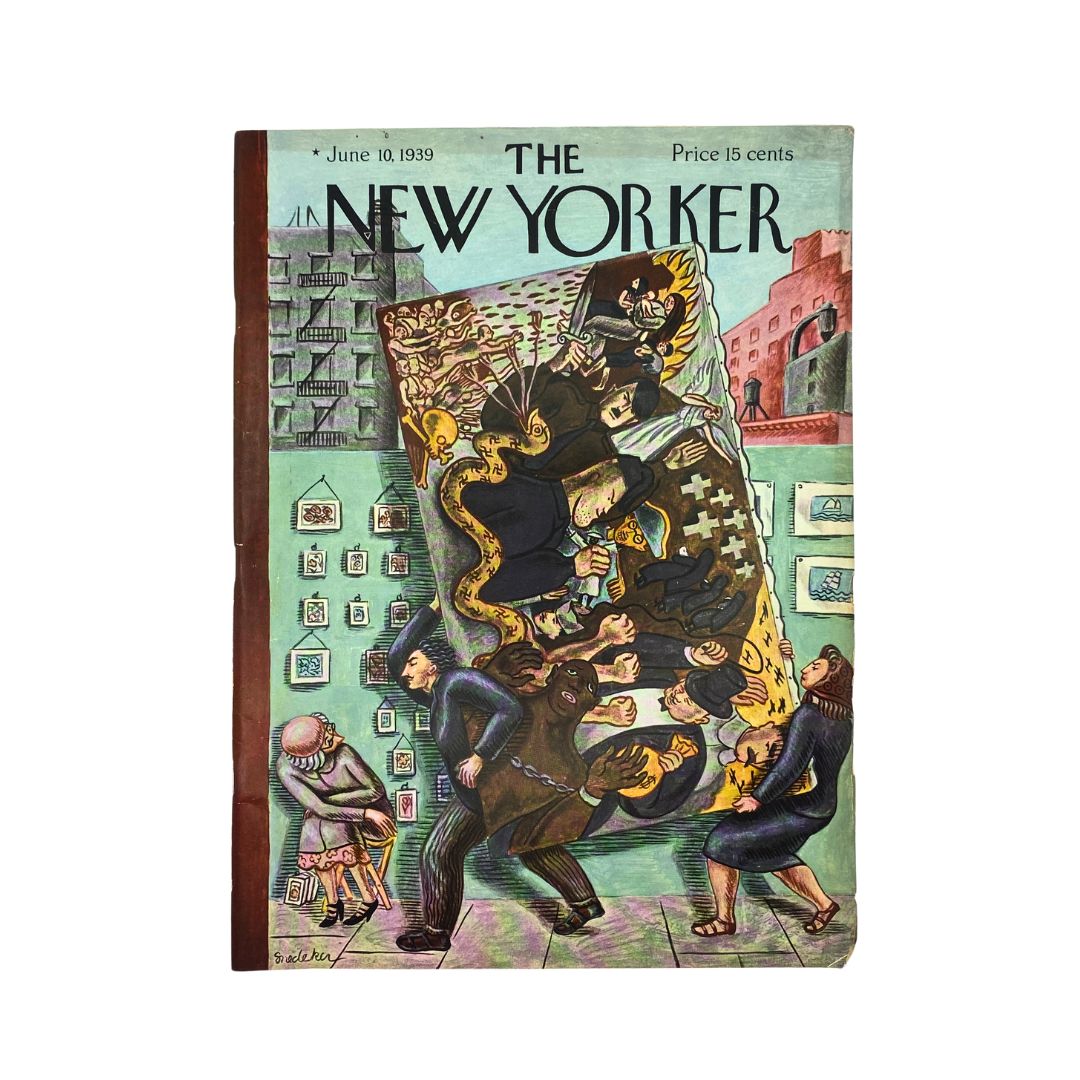
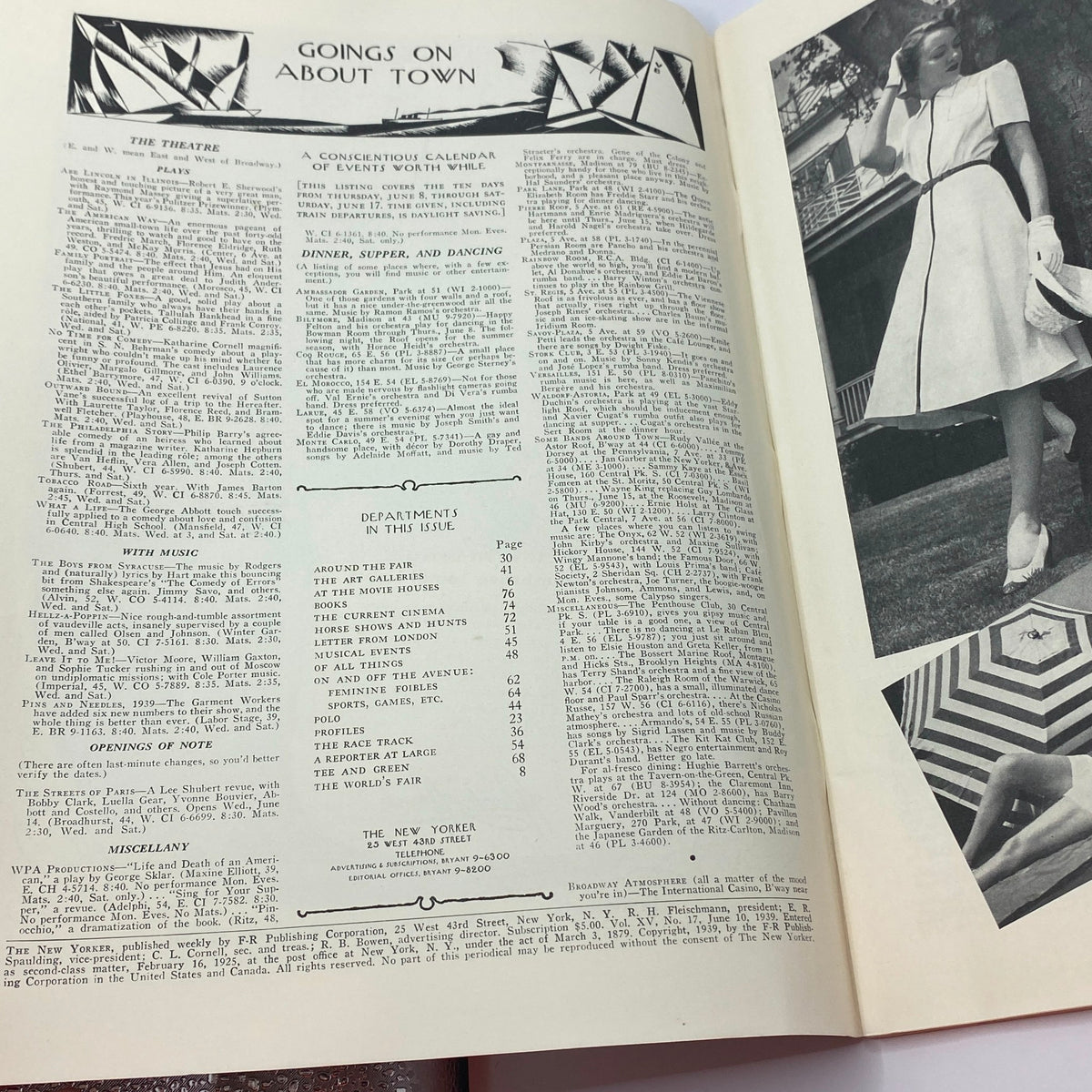
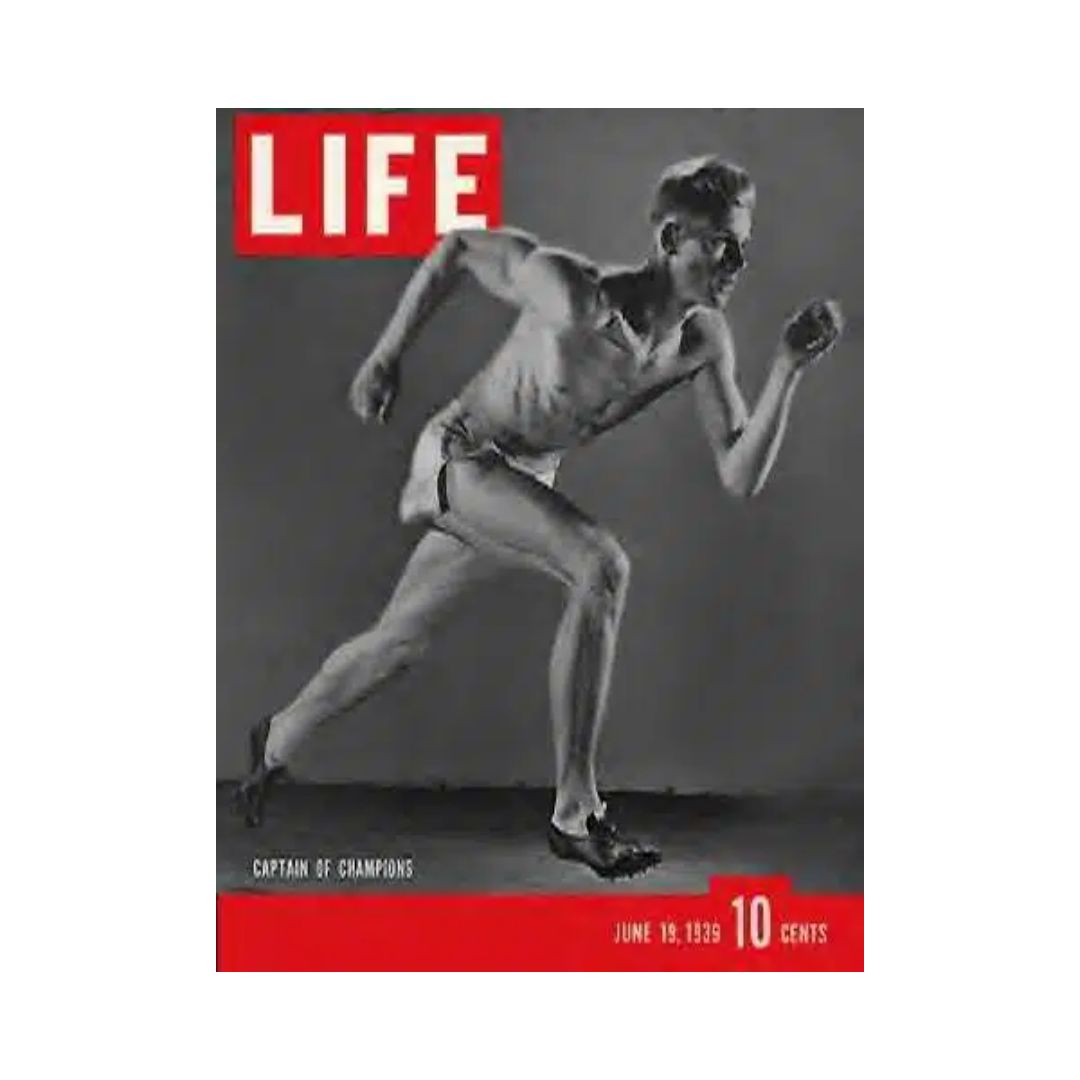
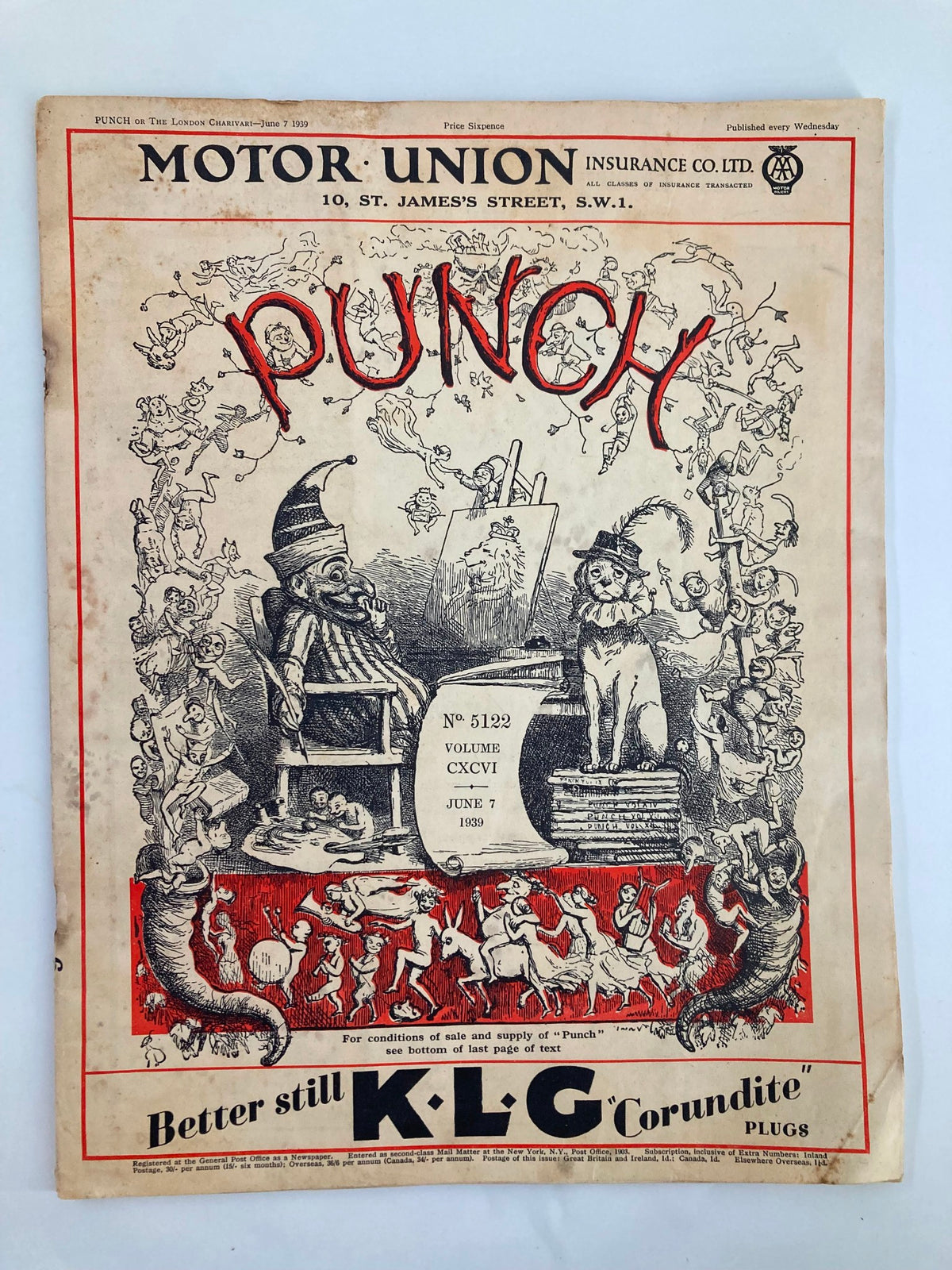
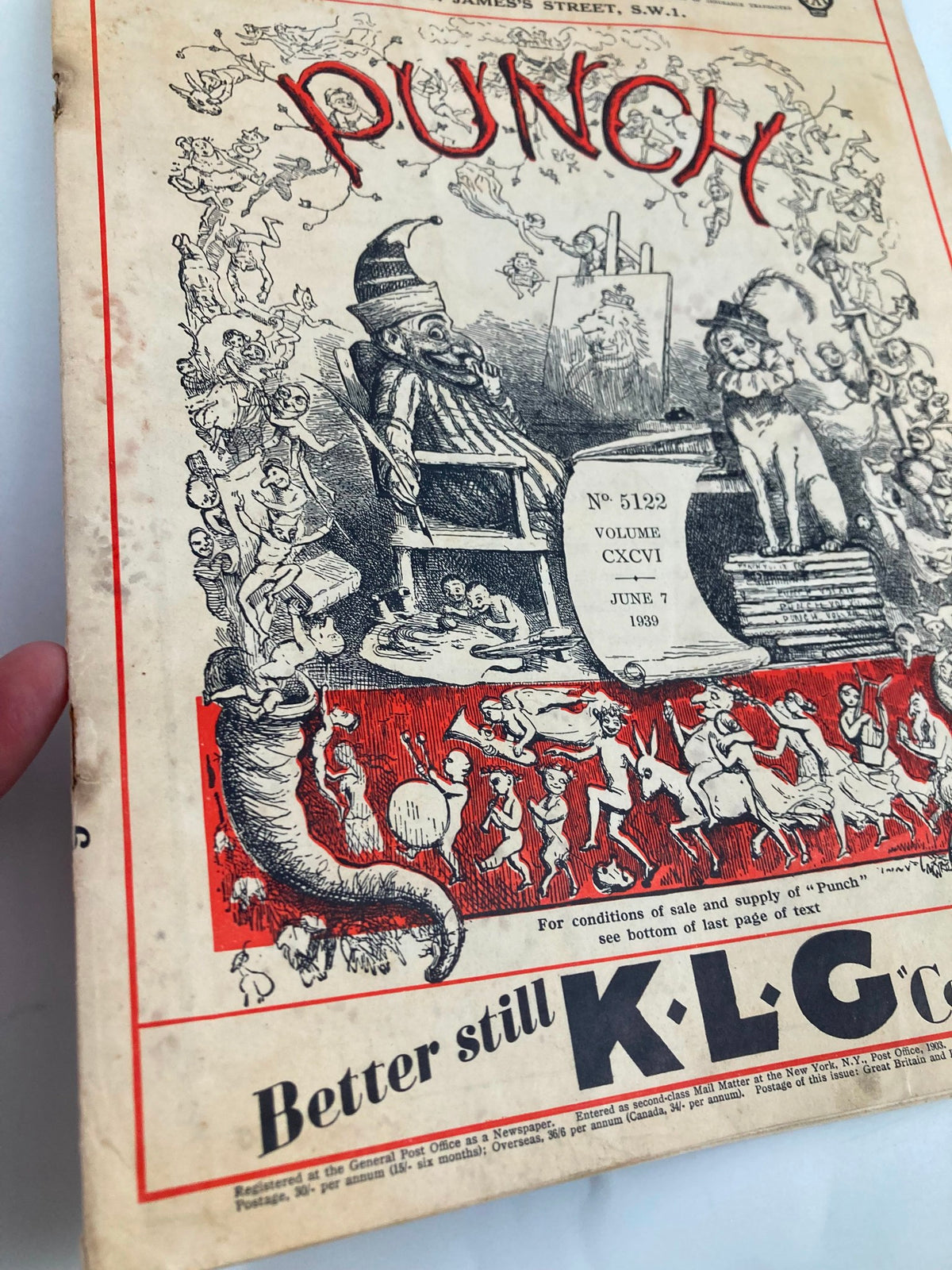
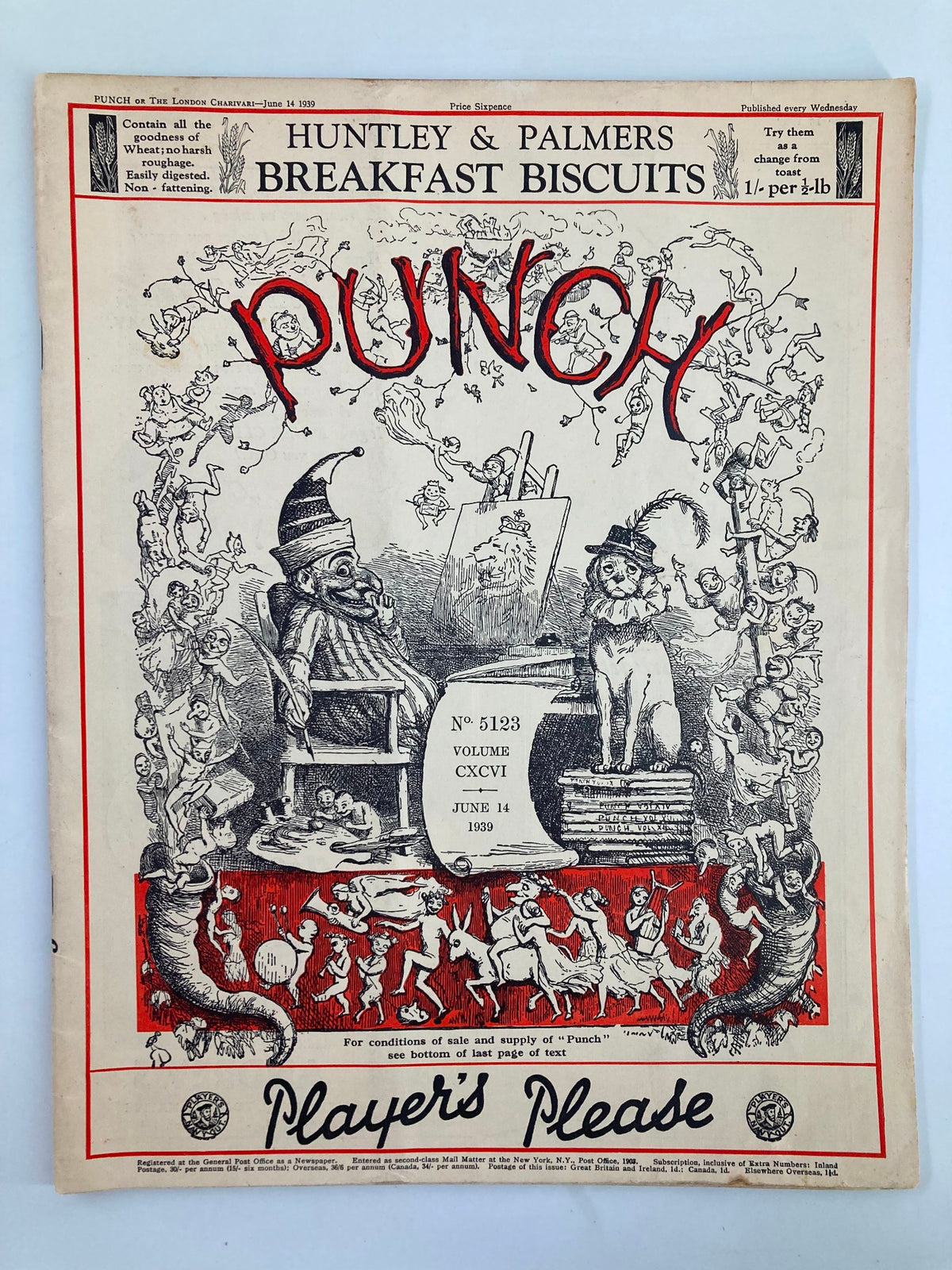
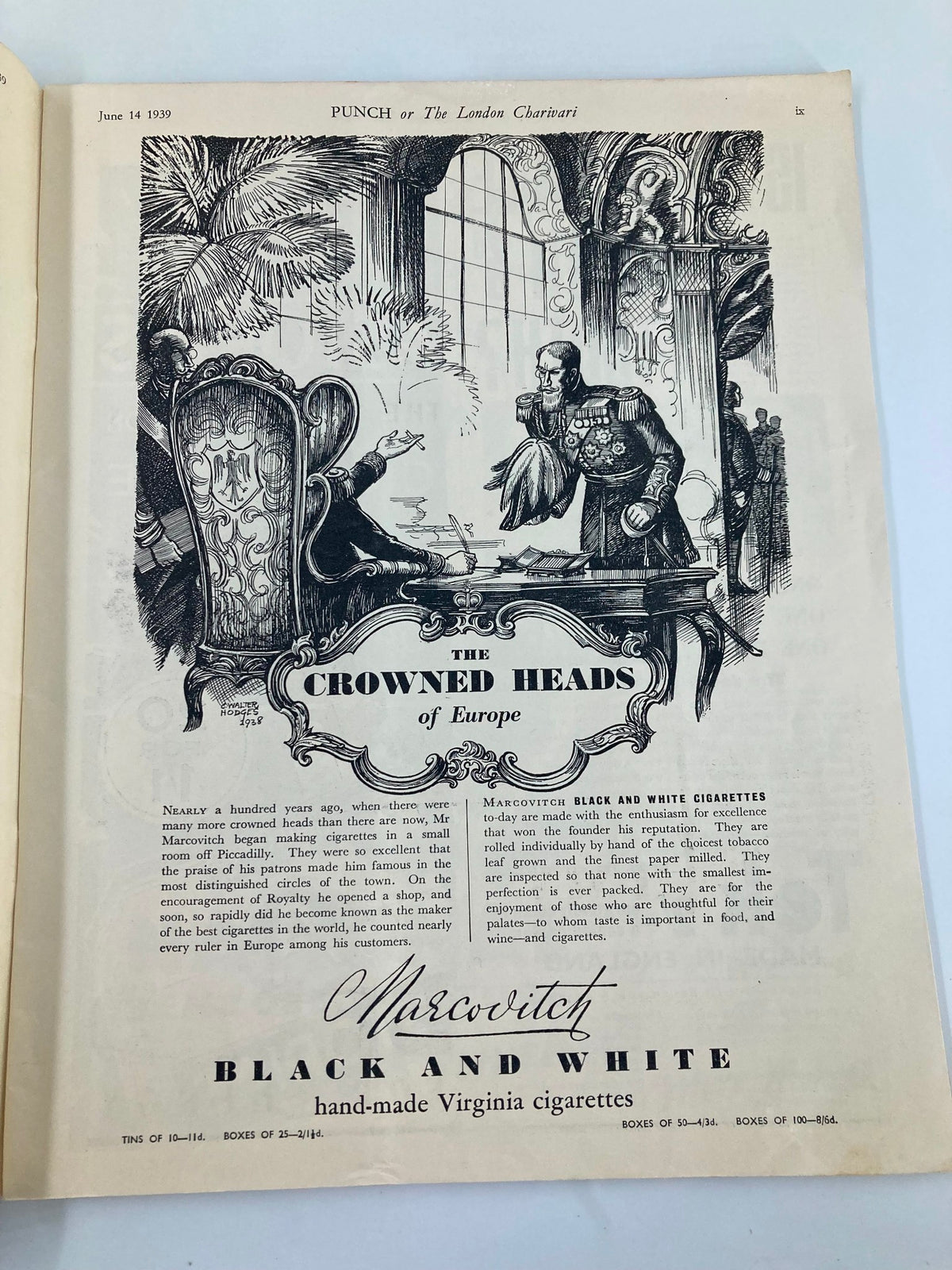
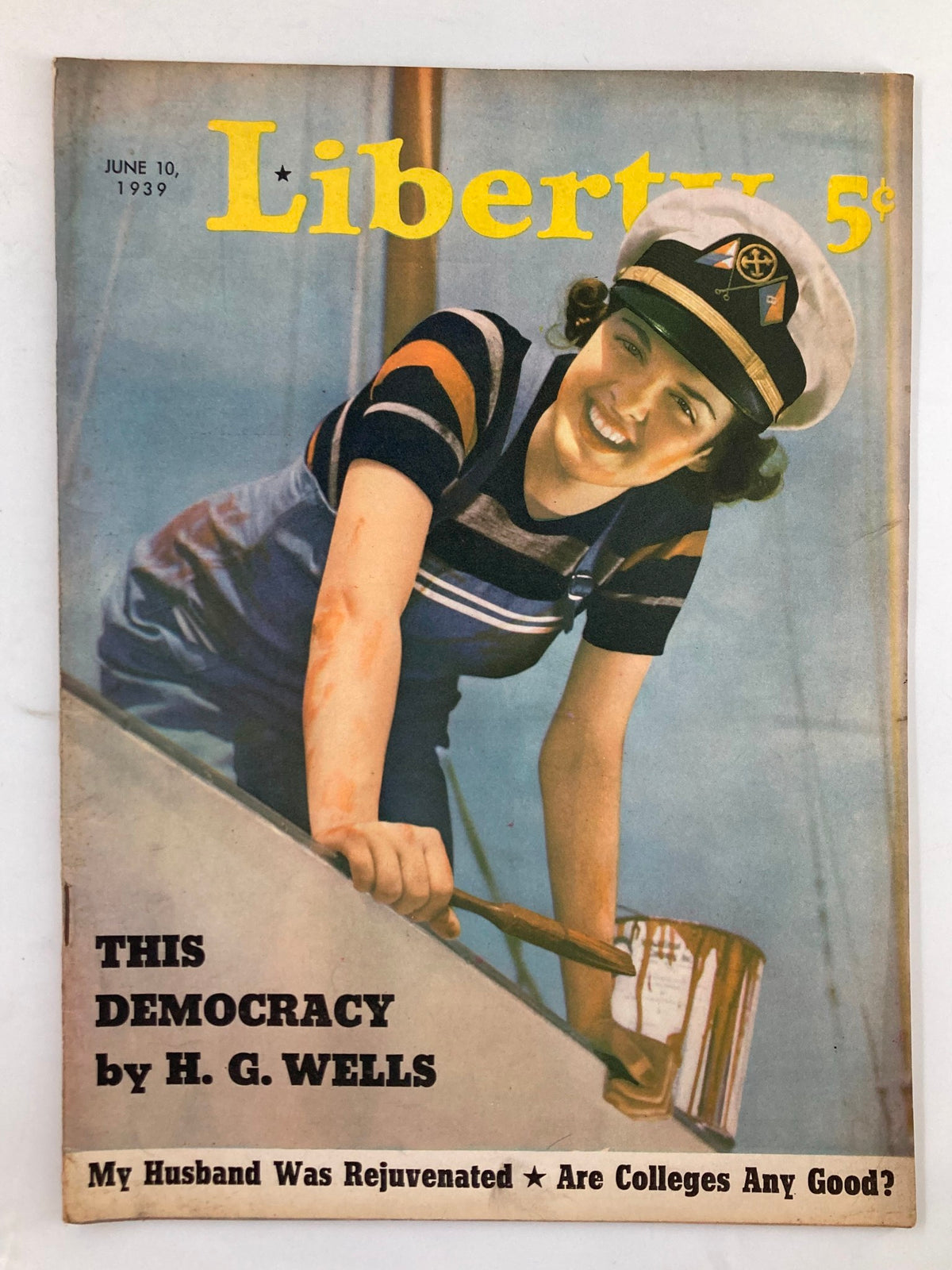
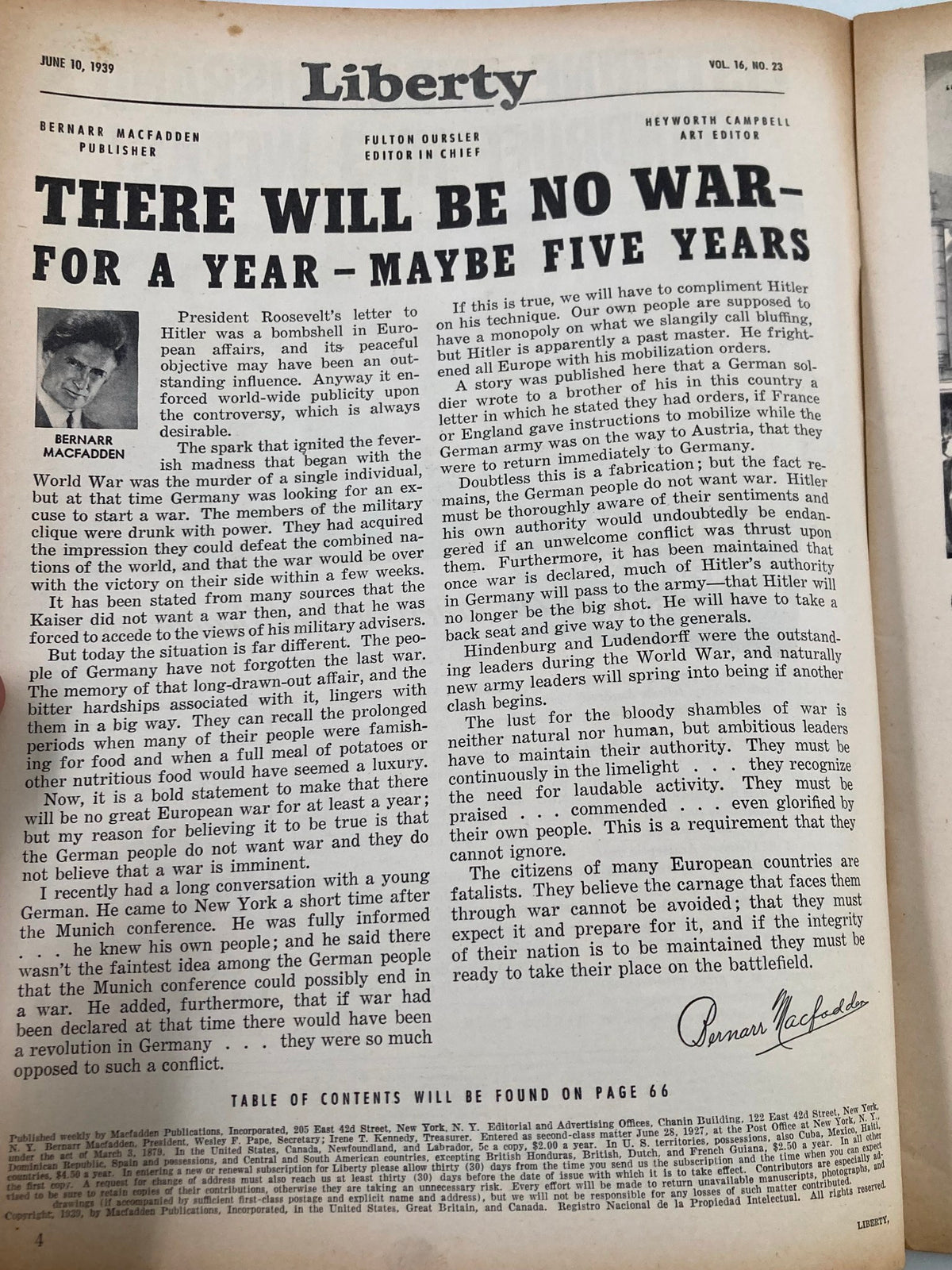
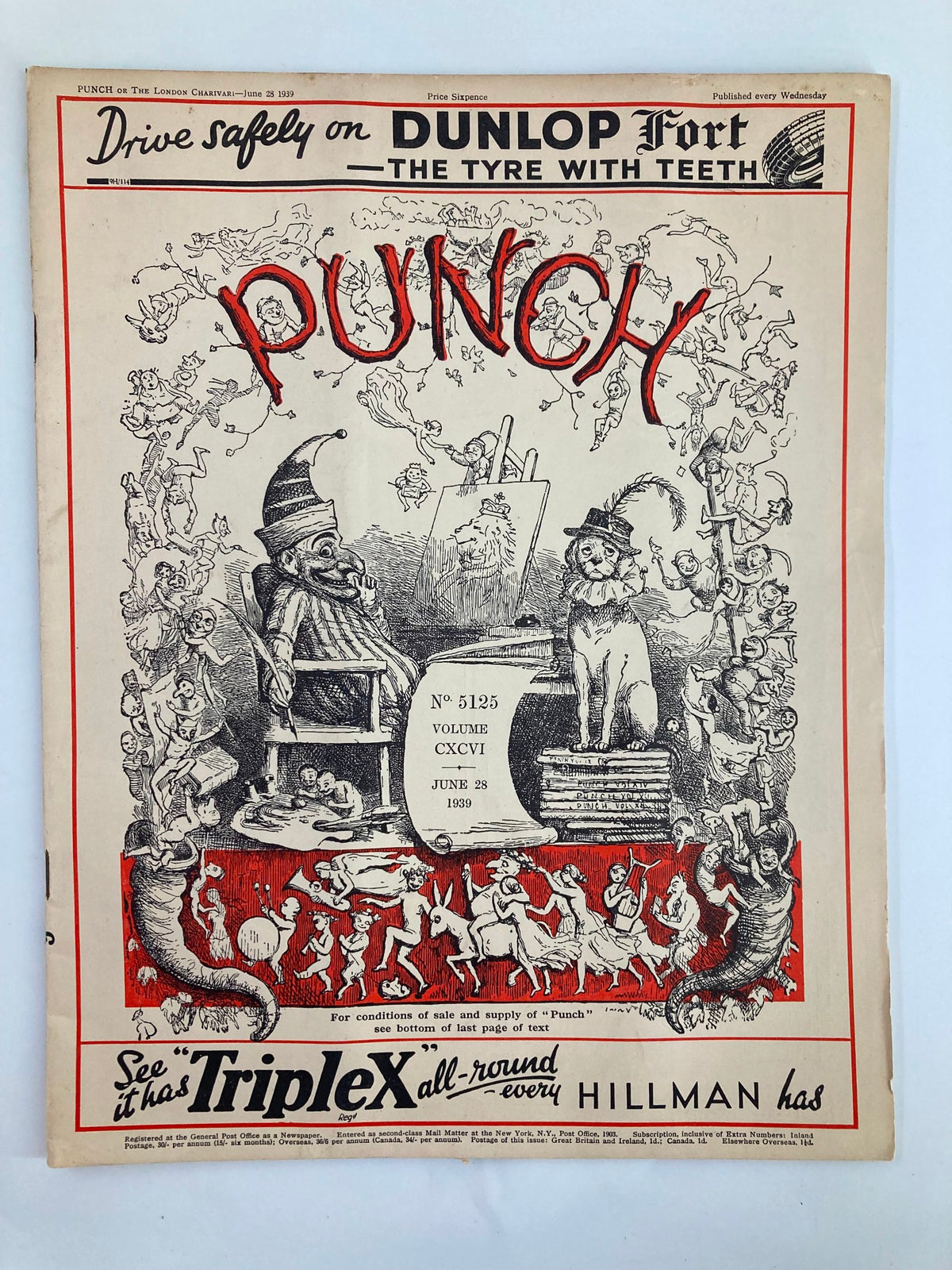
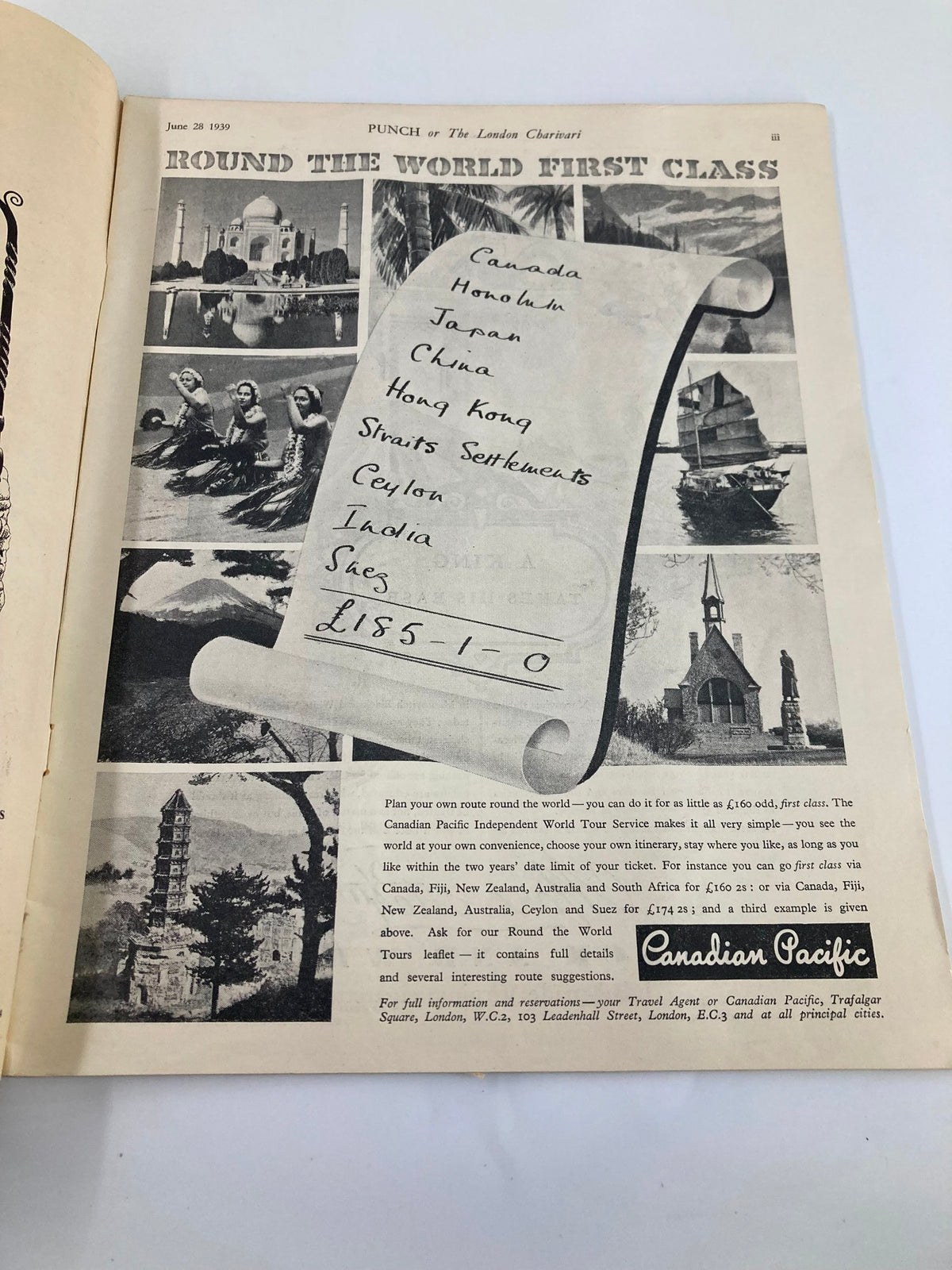
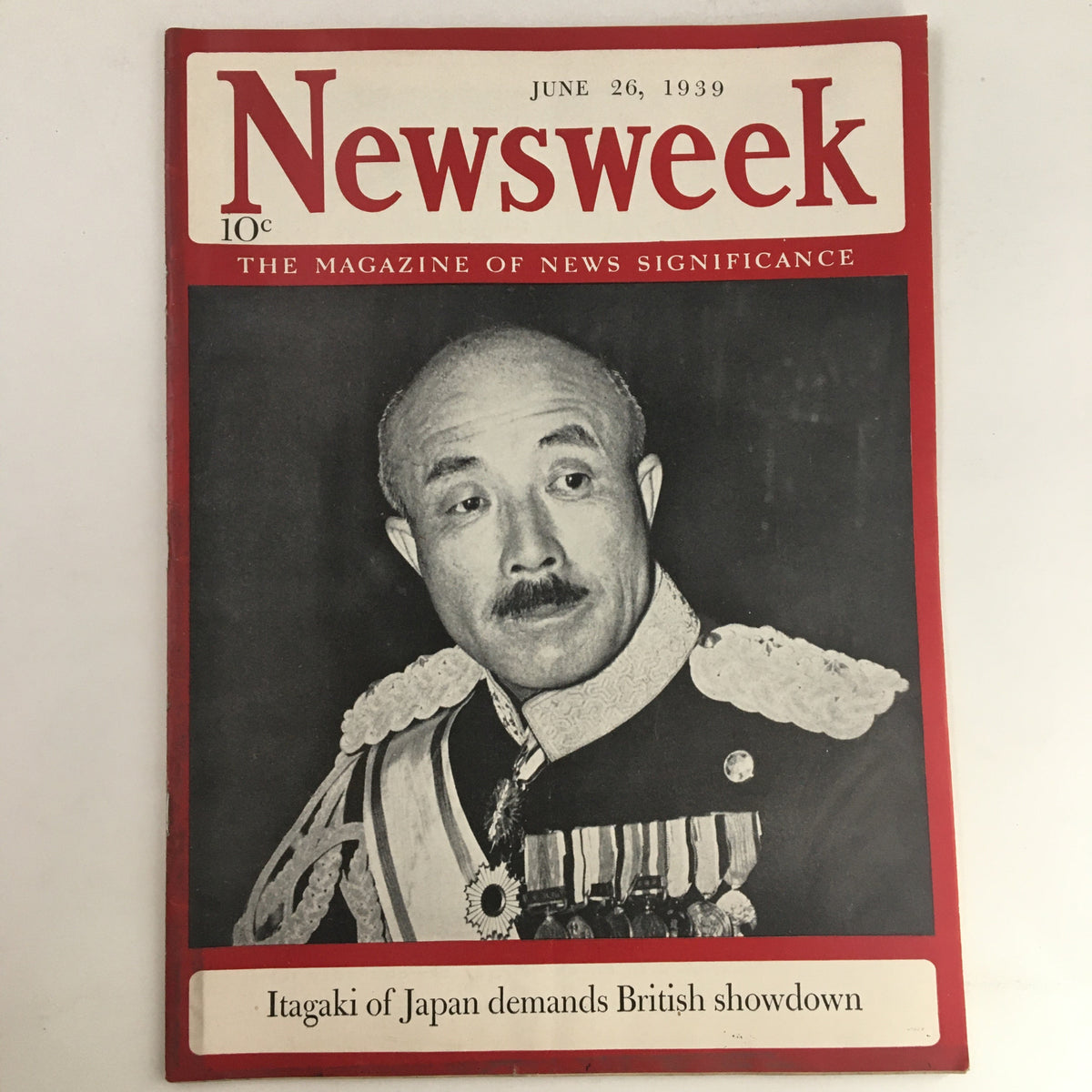
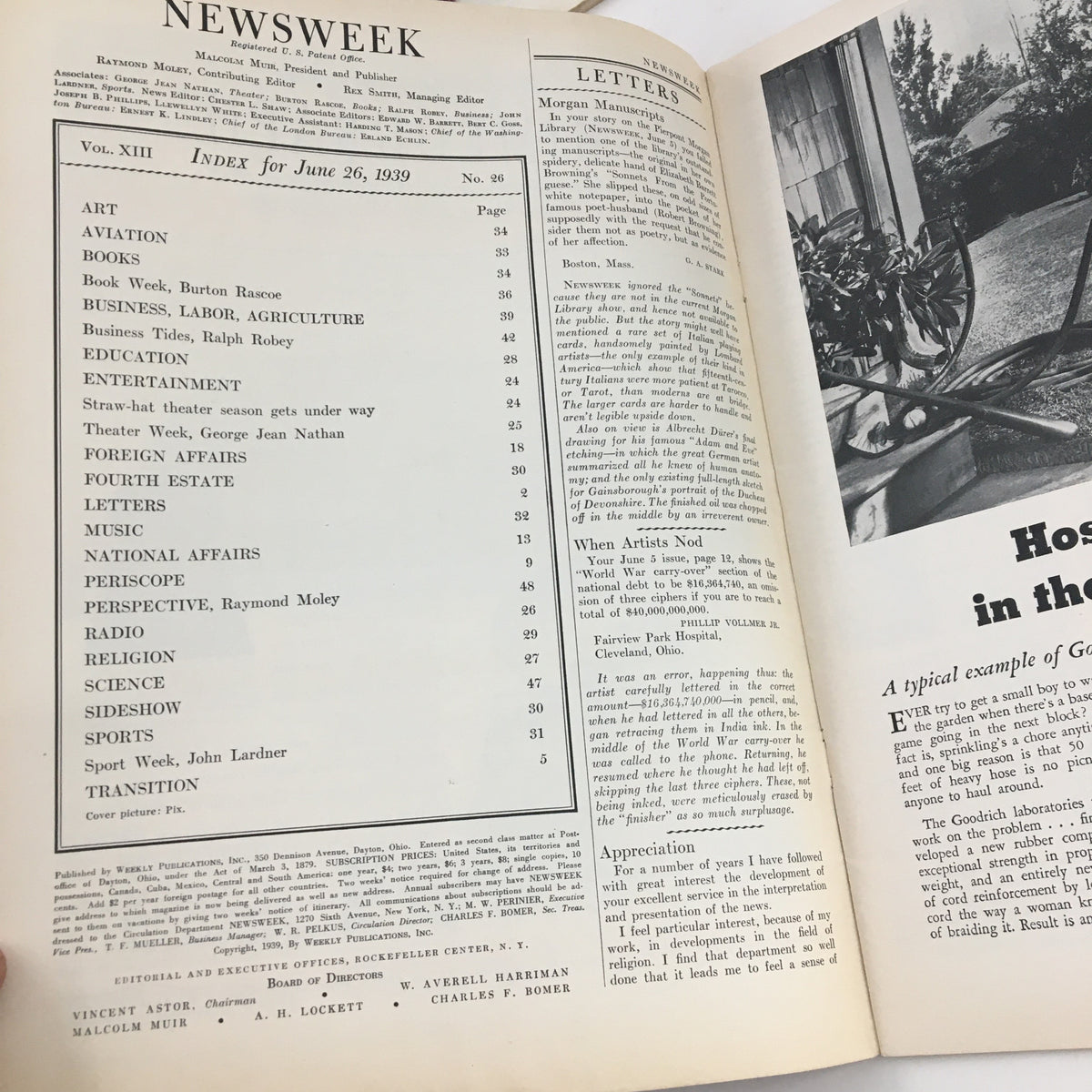
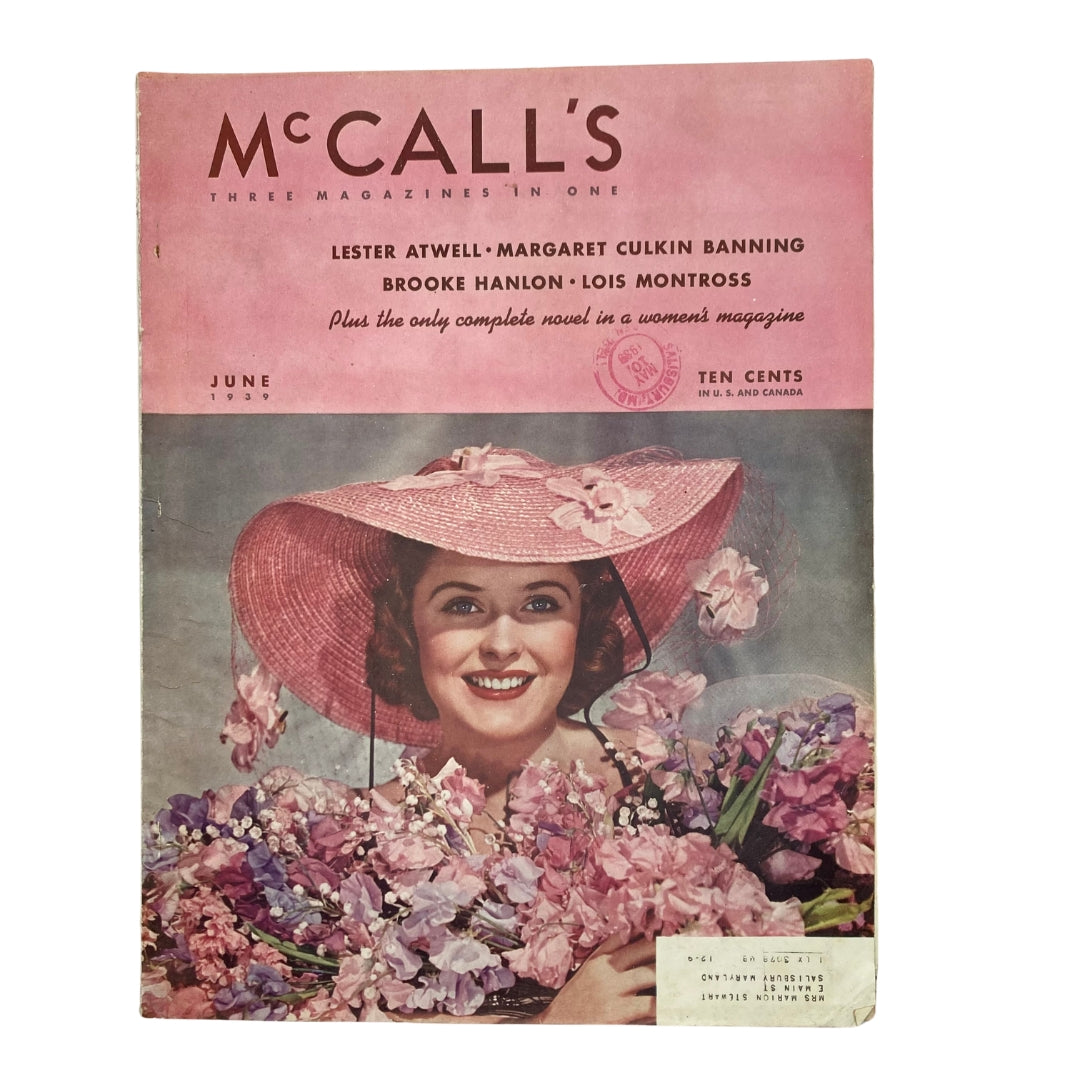
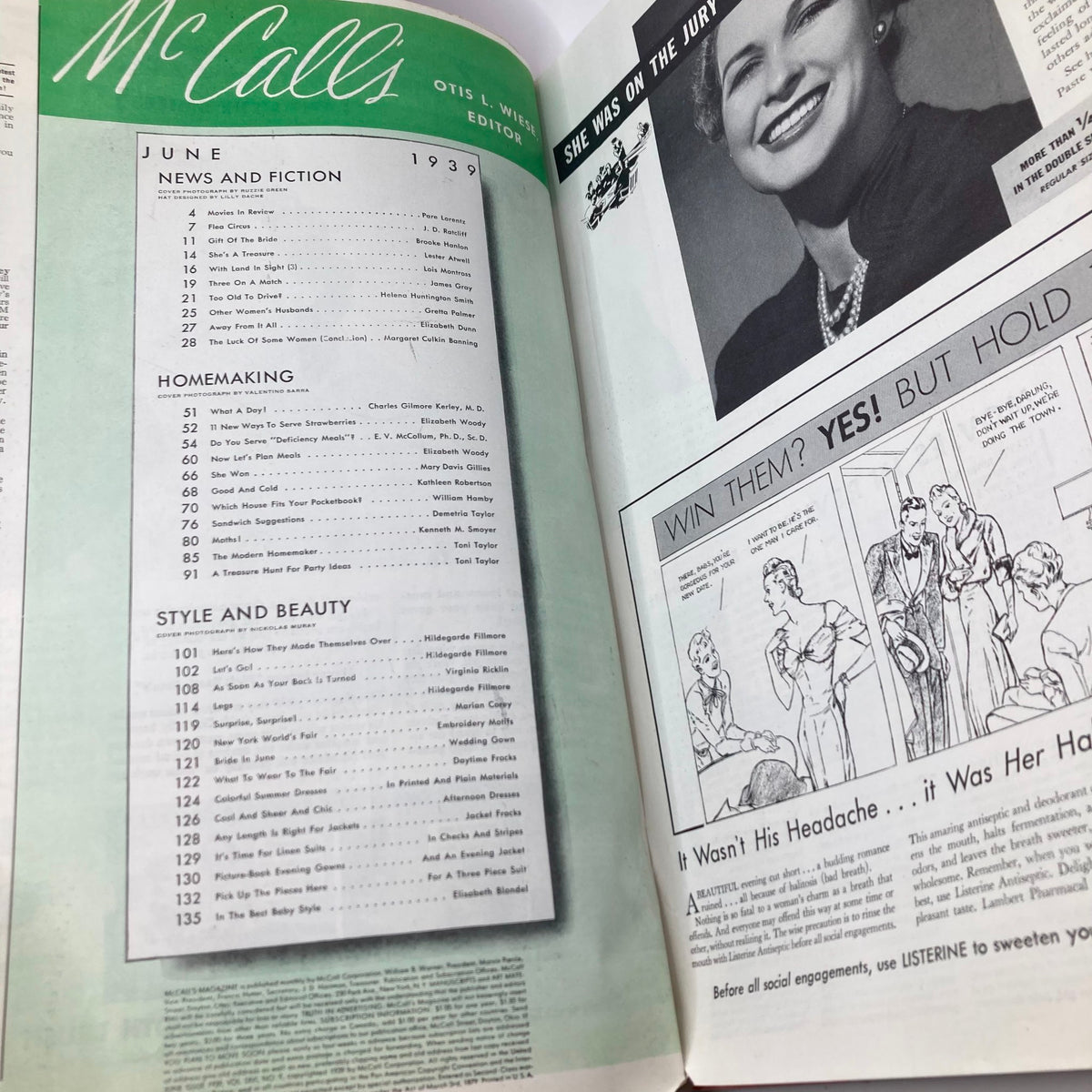
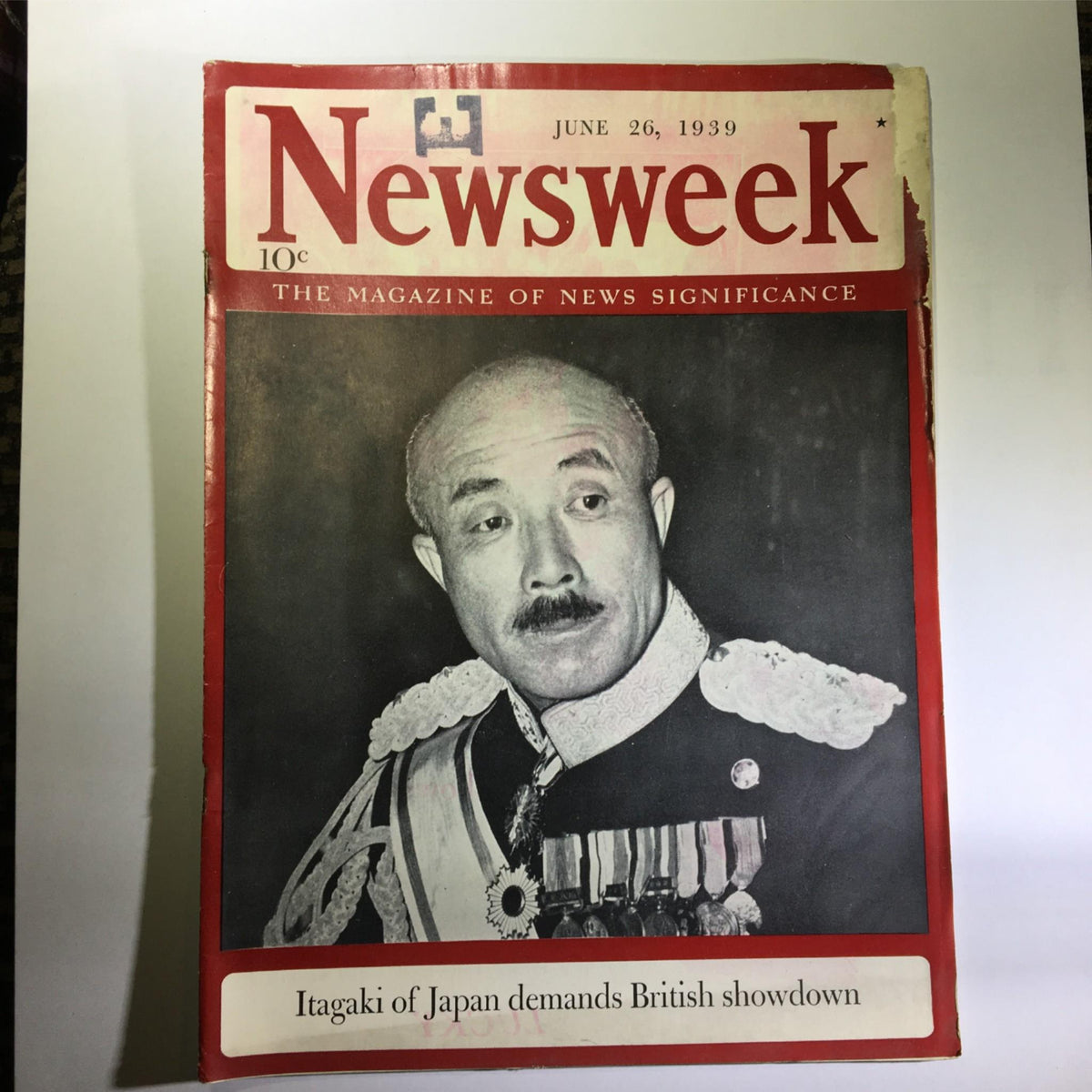
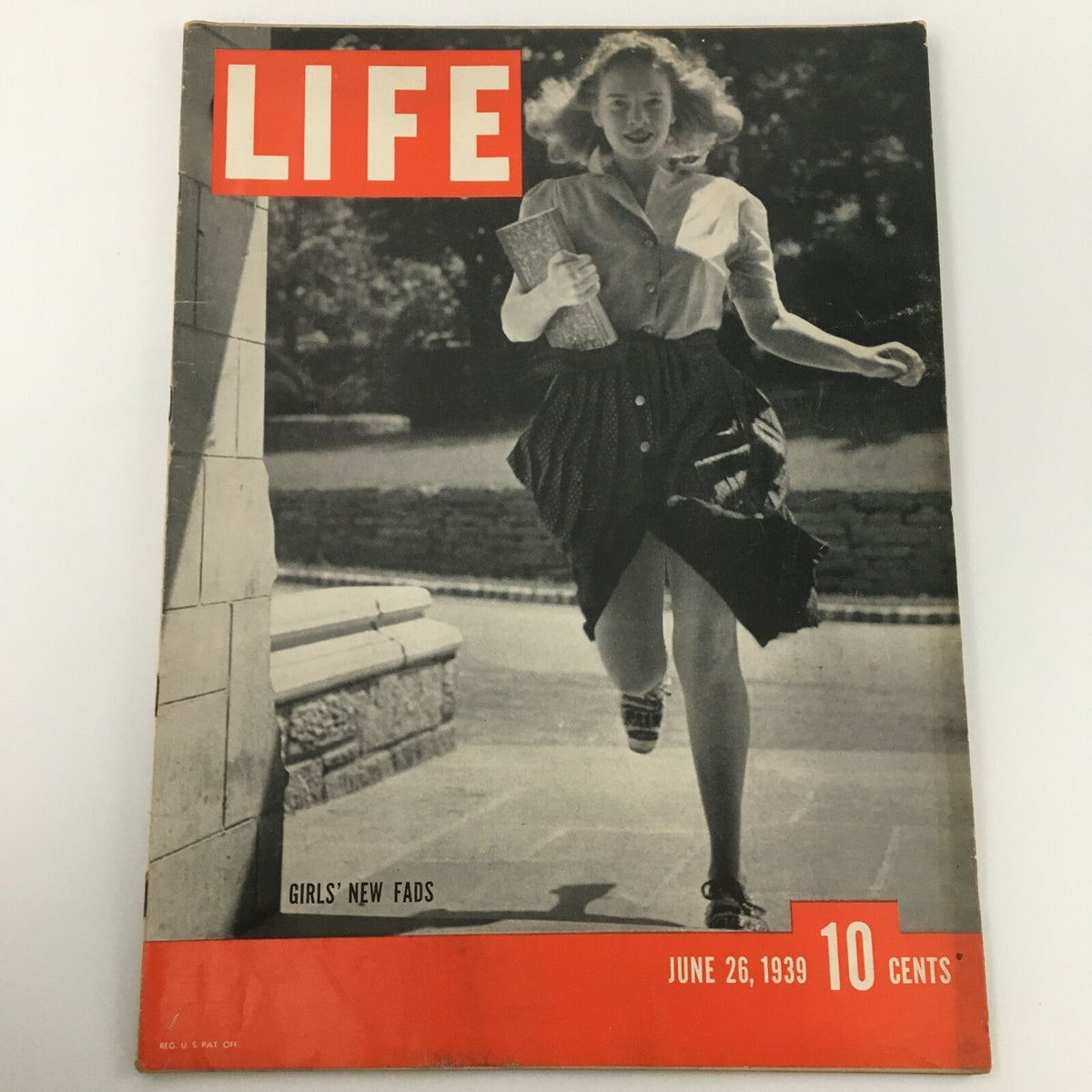
Original magazines from June 1939 captured a culture still dressed in the elegance of the late Depression era — streamlined fashions, radio sponsors, the last advertisements for a peacetime world. Life magazine's photojournalism documented the royal visit in sweeping detail. Time and Newsweek wrestled with the refugee crisis and European tensions. The Saturday Evening Post offered readers the comfortable America they wanted to believe in. Pan American Airways opened its transatlantic southern route that same month, and those rare magazines carry the wonder of it — aviation ads promising a shrunken world, even as that world prepared to tear itself apart.
Curator's Checklist: What to Look For
-
The MS St. Louis Crisis: News magazines such as Life, Time, and Newsweek featuring coverage of the refugee ship's tragic rejection, illustrated with photographs of the passengers aboard and editorial commentary on America's immigration debate — authentic documents of a moral reckoning that history would not forget.
-
The Royal American Visit: Life and Look showcasing extensive photo spreads of King George VI and Queen Elizabeth's US tour, featuring images of the monarchs with FDR at Hyde Park and the famous hot-dog luncheon — vintage magazines offering a rare, intimate window into wartime diplomacy at its most disarmingly human.
-
Lou Gehrig's Retirement: Sports pages and Time covers chronicling the Yankees' announcement of Gehrig's diagnosis, with photographs of the beloved first baseman — a genuine time capsule of the moment a nation grieved a living legend still in his prime.
-
First Boxing Match on Television: Variety and general-interest magazines documenting the Baer-Nova bout's historic broadcast, alongside early television advertisements showing the primitive sets that brought the fight into American homes for the very first time.
-
Baseball Hall of Fame Dedication: Life, Look, and The Saturday Evening Post carried full features on Cooperstown's opening ceremonies on June 12th — preserved tributes to America's pastime at its most ceremonial, from a summer that still believed the good things would last.
The Perfect Gift
For someone born in June 1939, an original magazine from this singular month isn't just a keepsake — it's an authenticated portrait of innocence at the edge of history, preserved in the original headlines, photographs, and advertisements of the precise week they arrived.