📖 About this Collection
June 1942: The World at War's Turning Point
The Historical Context
The summer of 1942 crackled with the kind of tension that only comes when civilization itself feels uncertain. June opened with the world holding its breath somewhere in the Pacific, where American naval forces met the Japanese fleet near a tiny atoll called Midway. What followed over four extraordinary days was nothing less than the pivot point of the Second World War—Japan's carrier fleet, the same force that had struck Pearl Harbor just six months earlier, was shattered. Admiral Chester Nimitz's decisive victory on June 4–7 changed the entire calculus of the Pacific conflict, and the news broke across American newsstands like a thunderclap of cautious hope.
Yet the month offered no room for celebration. On June 21, Field Marshal Erwin Rommel's Afrika Korps captured Tobruk, sending shockwaves through Allied command and forcing an emergency summit: President Franklin D. Roosevelt and Prime Minister Winston Churchill convened at Hyde Park within hours of the news. Simultaneously, in the occupied village of Lidice, Czechoslovakia, Nazi forces enacted a horrifying act of collective punishment. This was the world—defiant, brutal, and searching for light—into which your loved one was born.
Culture Under Wartime Skies
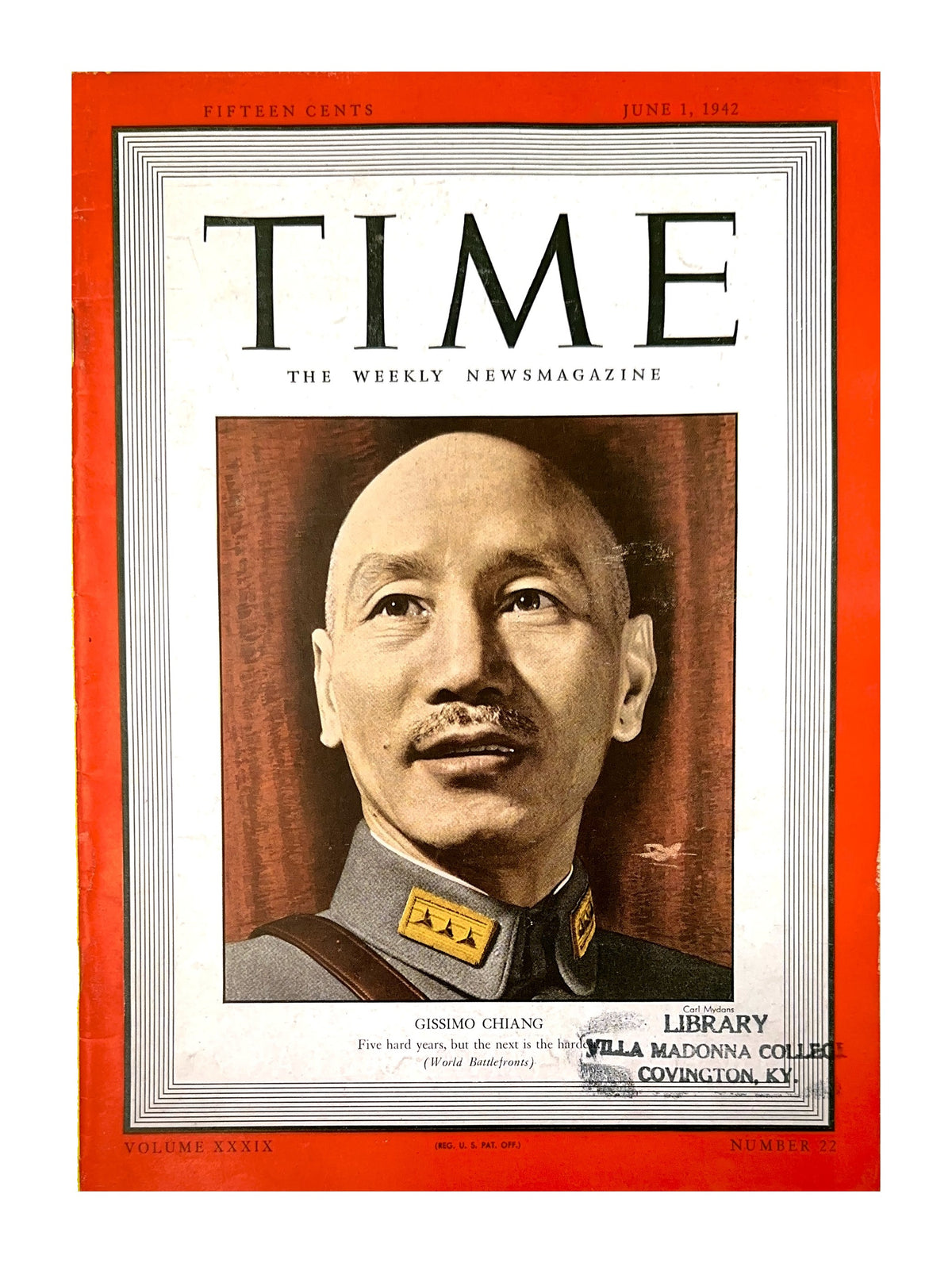
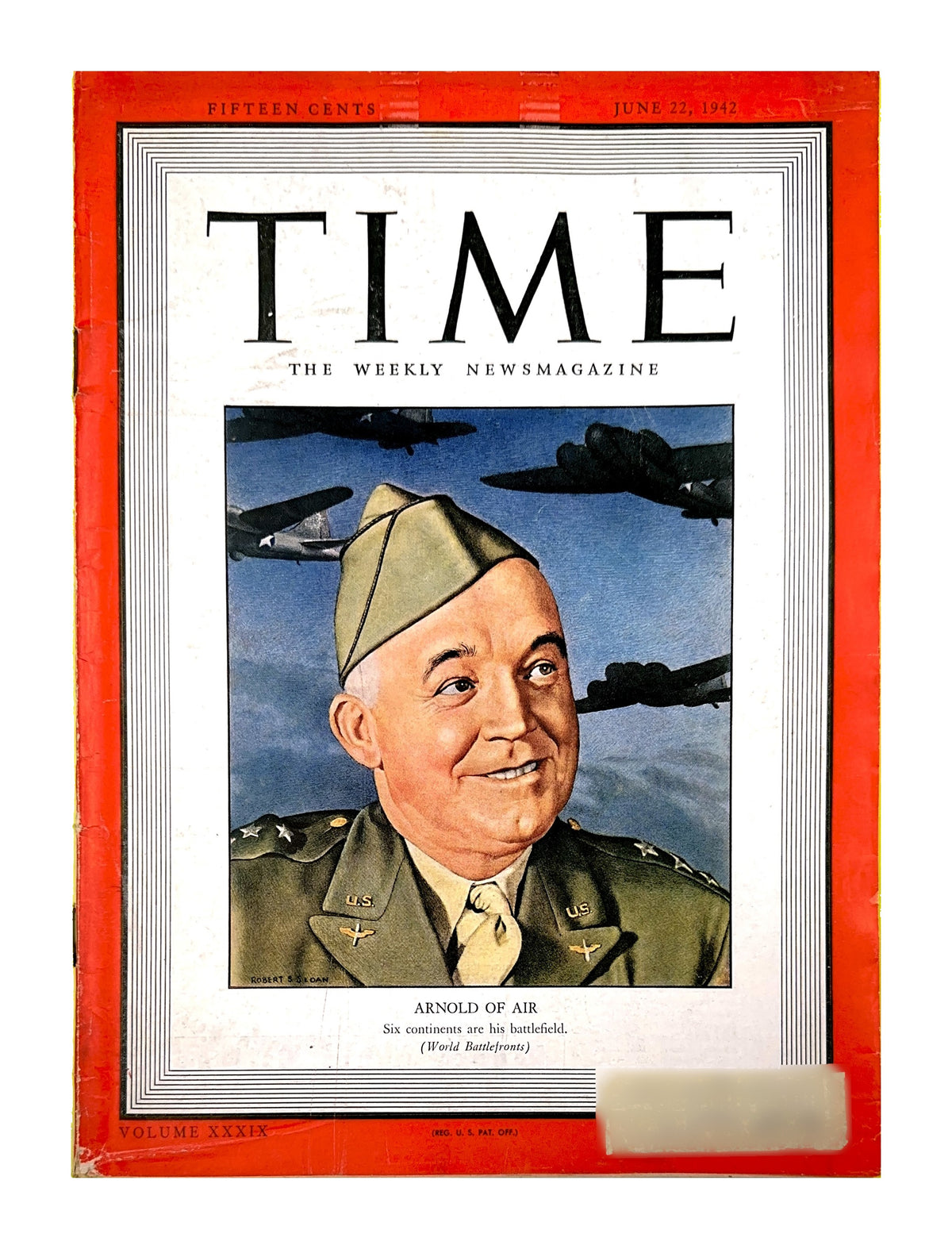
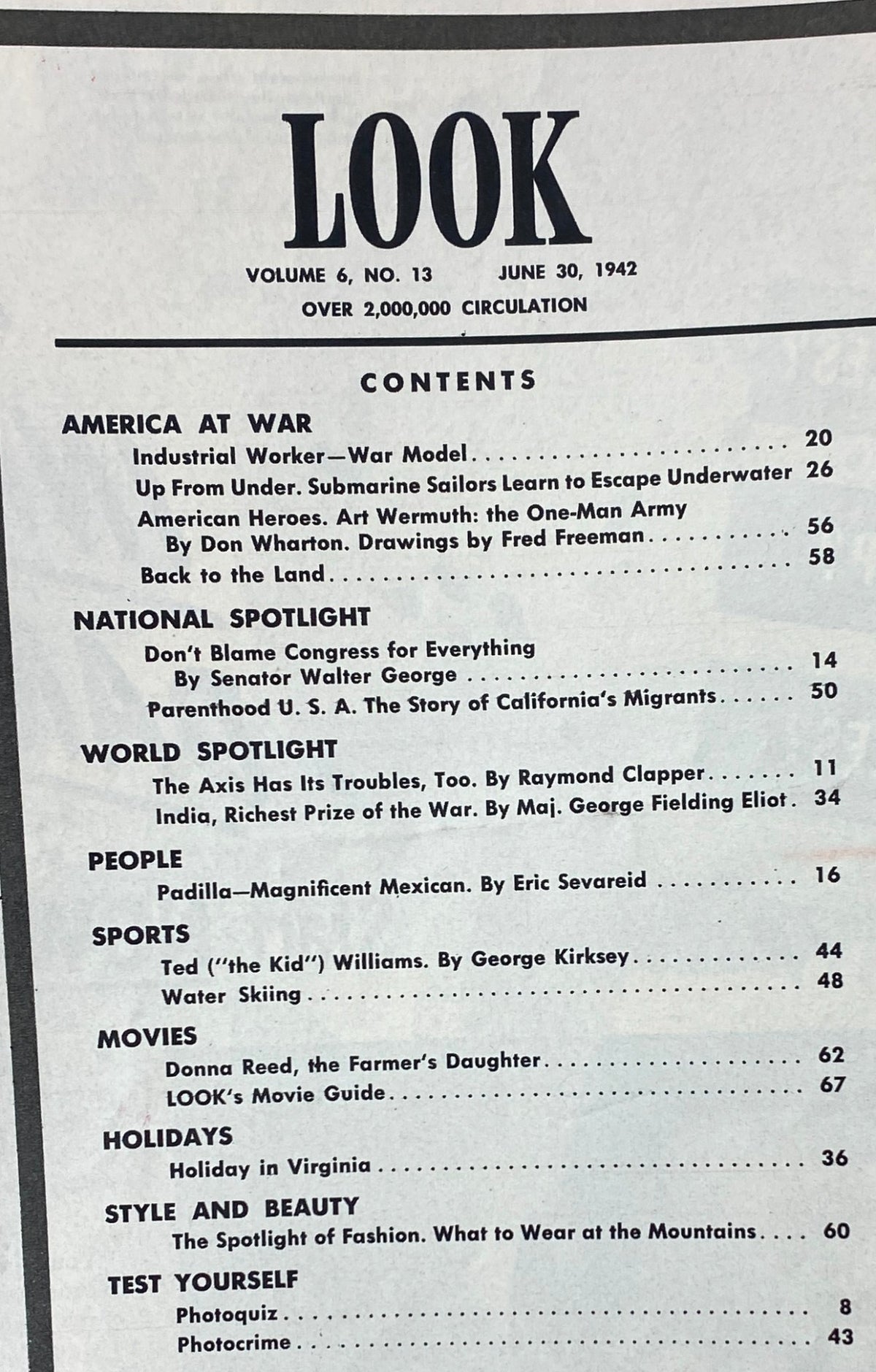
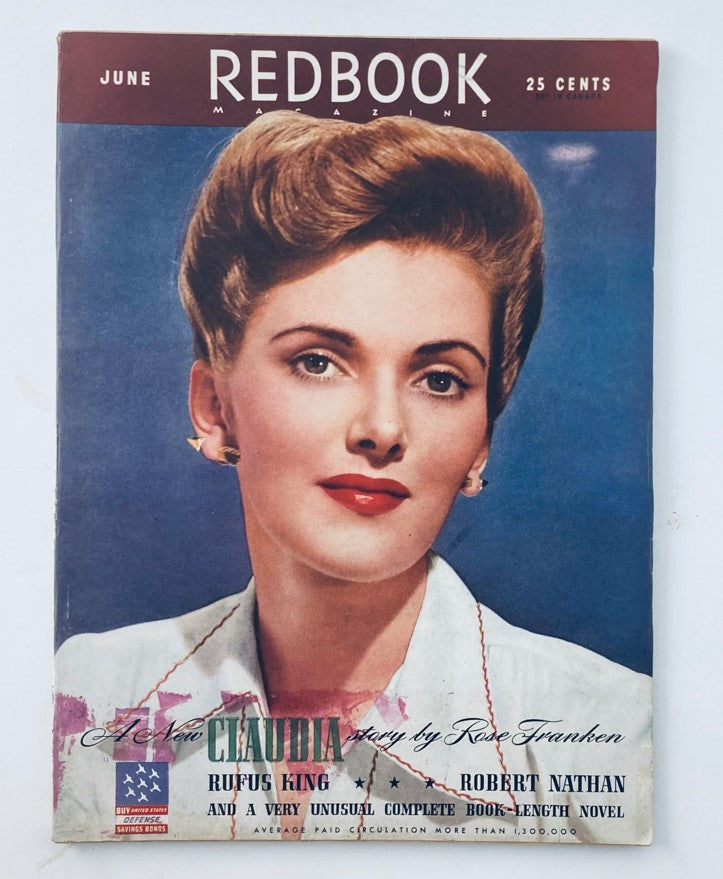
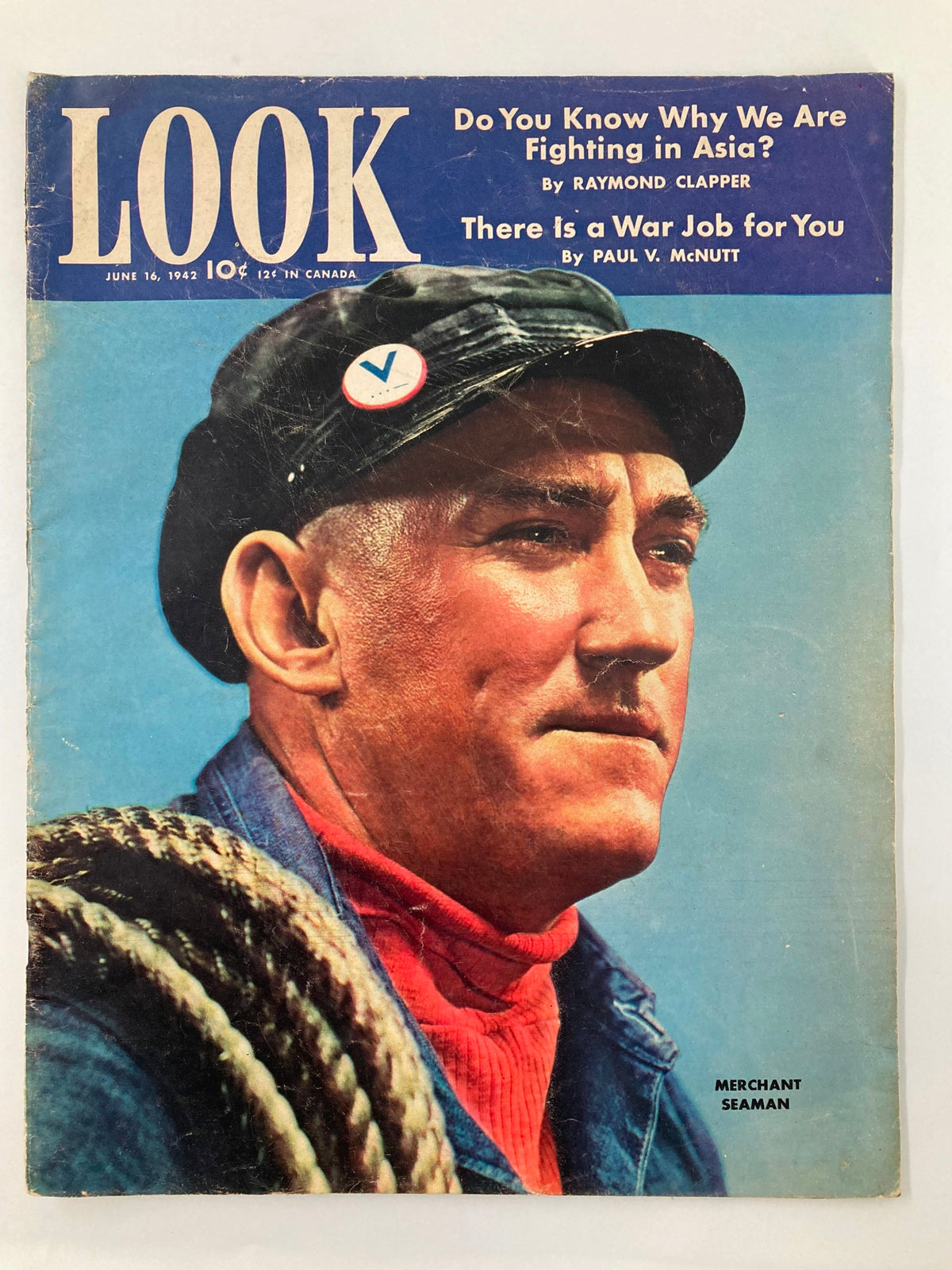
Hollywood understood its assignment in June 1942. Mrs. Miniver, William Wyler's stirring portrait of a British family weathering the Blitz, opened in American theaters and became an immediate sensation—it would go on to win Best Picture at the 1943 Academy Awards, with Greer Garson's performance giving audiences both catharsis and courage. Original magazines from June 1942 capture this cultural moment vividly: Life and Look ran full spreads on the film's emotional resonance, while Time wrestled with the war's human cost week after week.
On the radio, Bing Crosby stepped into a recording studio on June 8 to lay down "Silent Night"—a moment of quiet grace amid the noise of war, destined to become one of the best-selling singles in history. Sports offered its own drama: at the 74th Belmont Stakes, jockey Eddie Arcaro guided Shut Out to victory. And in a laboratory in Bridgeport, Connecticut, the first bazooka rocket launcher rolled off a production line, a detail that would appear—alongside war bond advertisements and patriotic copy—in the rare magazines that documented this moment on the home front.
Curator's Checklist: What to Look For
-
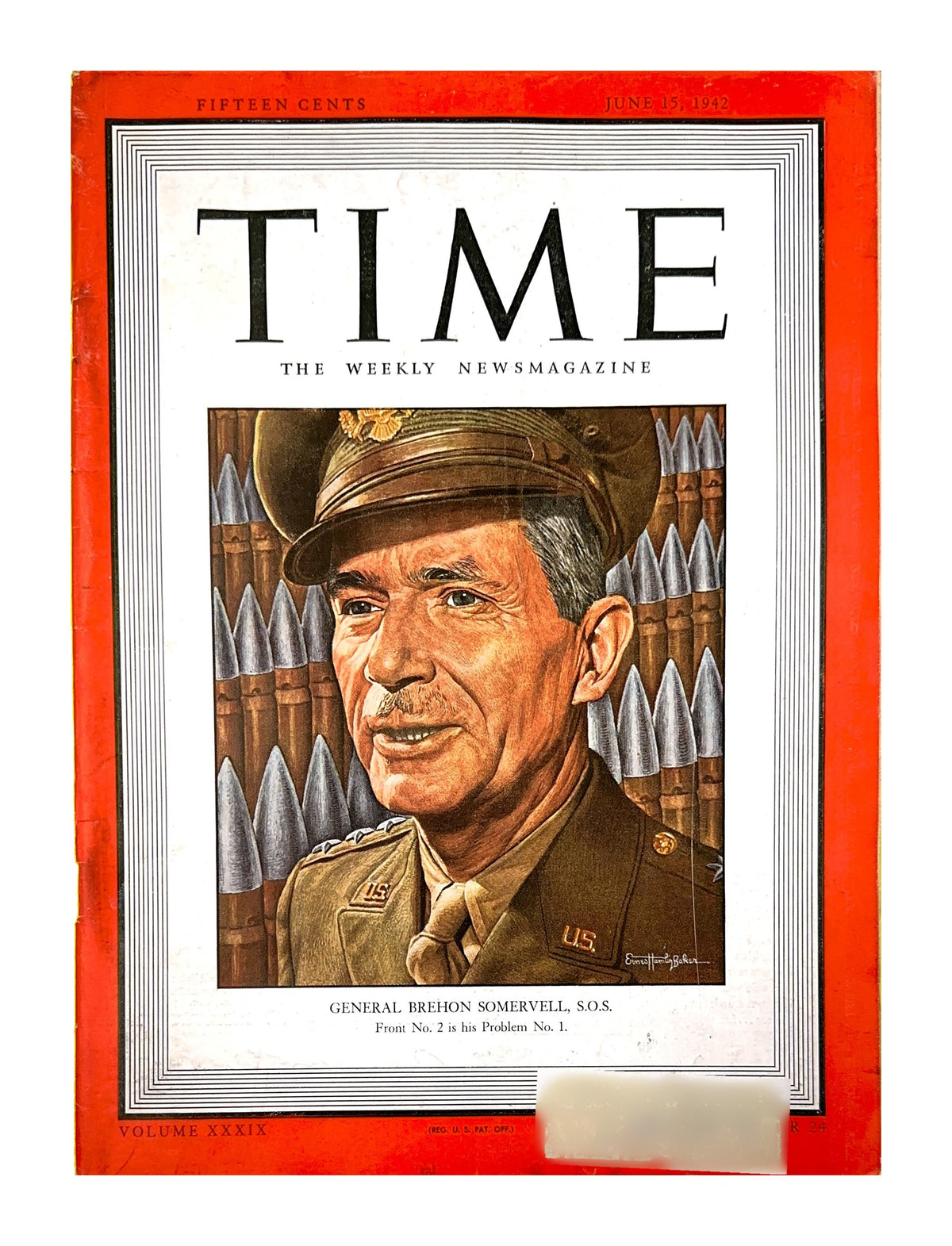
Battle of Midway Coverage: Life, Time, and Newsweek featuring urgent Pacific theater photography and maps, often illustrated with aerial reconnaissance images and portraits of Admiral Chester Nimitz, marking Japan's first major WWII naval defeat.
-
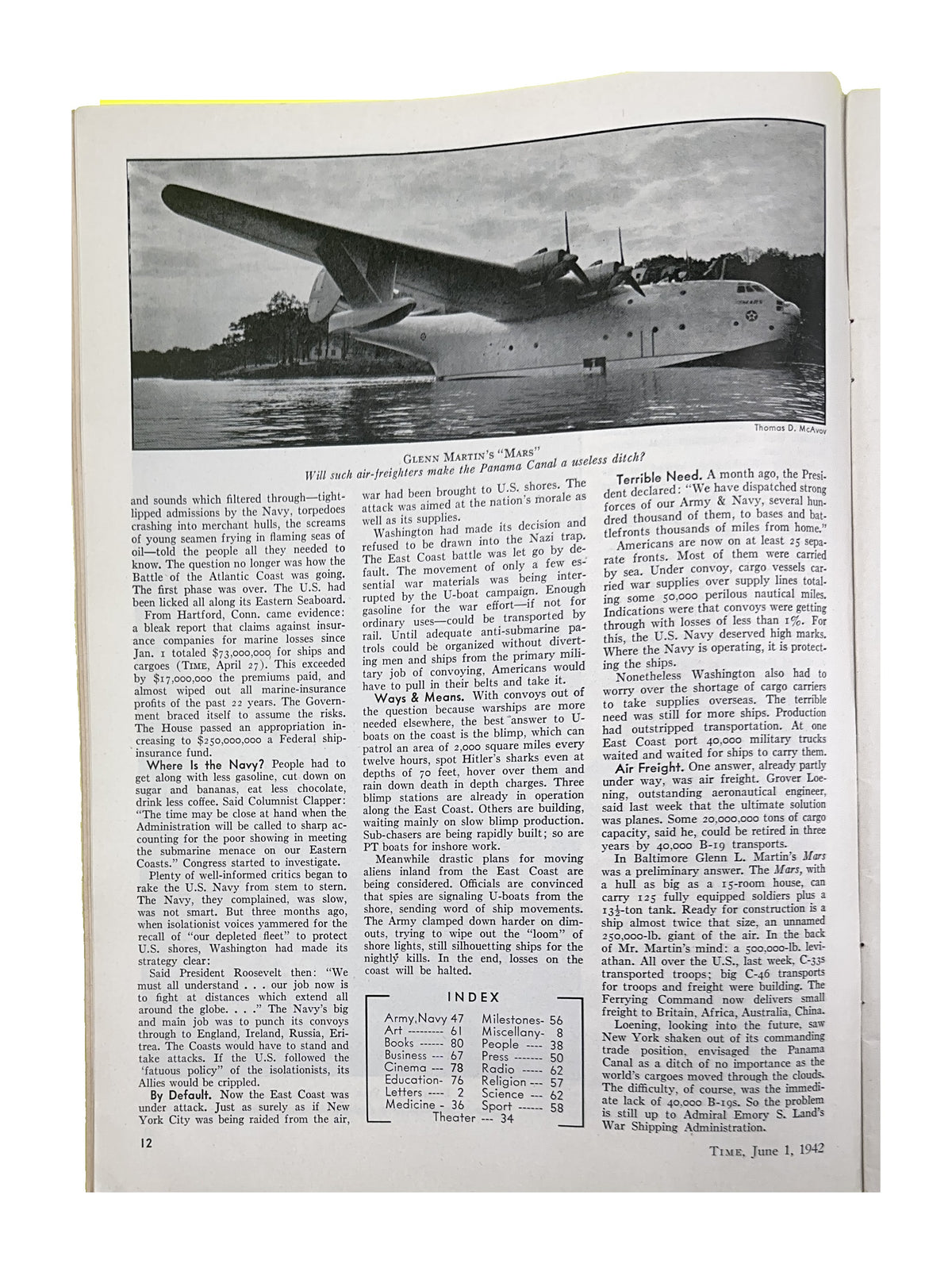
Rommel and the Desert War: News and picture magazines showcasing North Africa campaign dispatches, with dramatic photography of the fall of Tobruk and vintage magazines carrying wire-service images of German Panzer units advancing across Libyan sand.
-
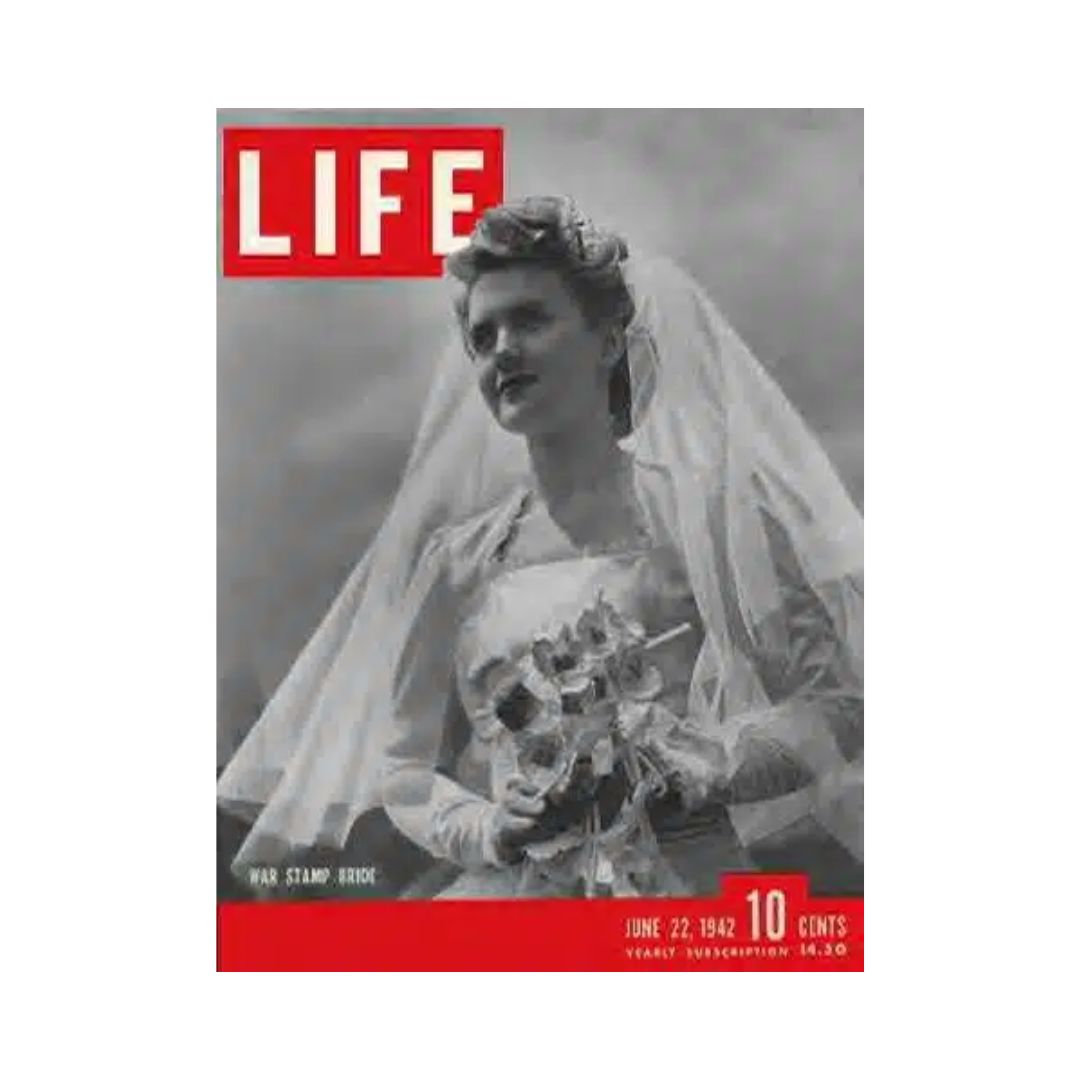
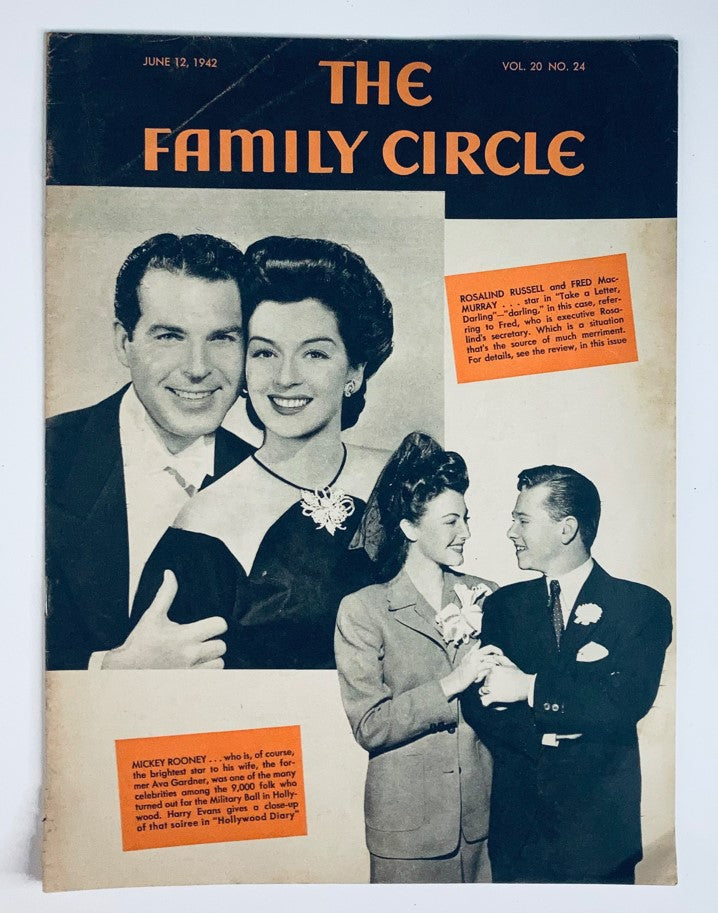
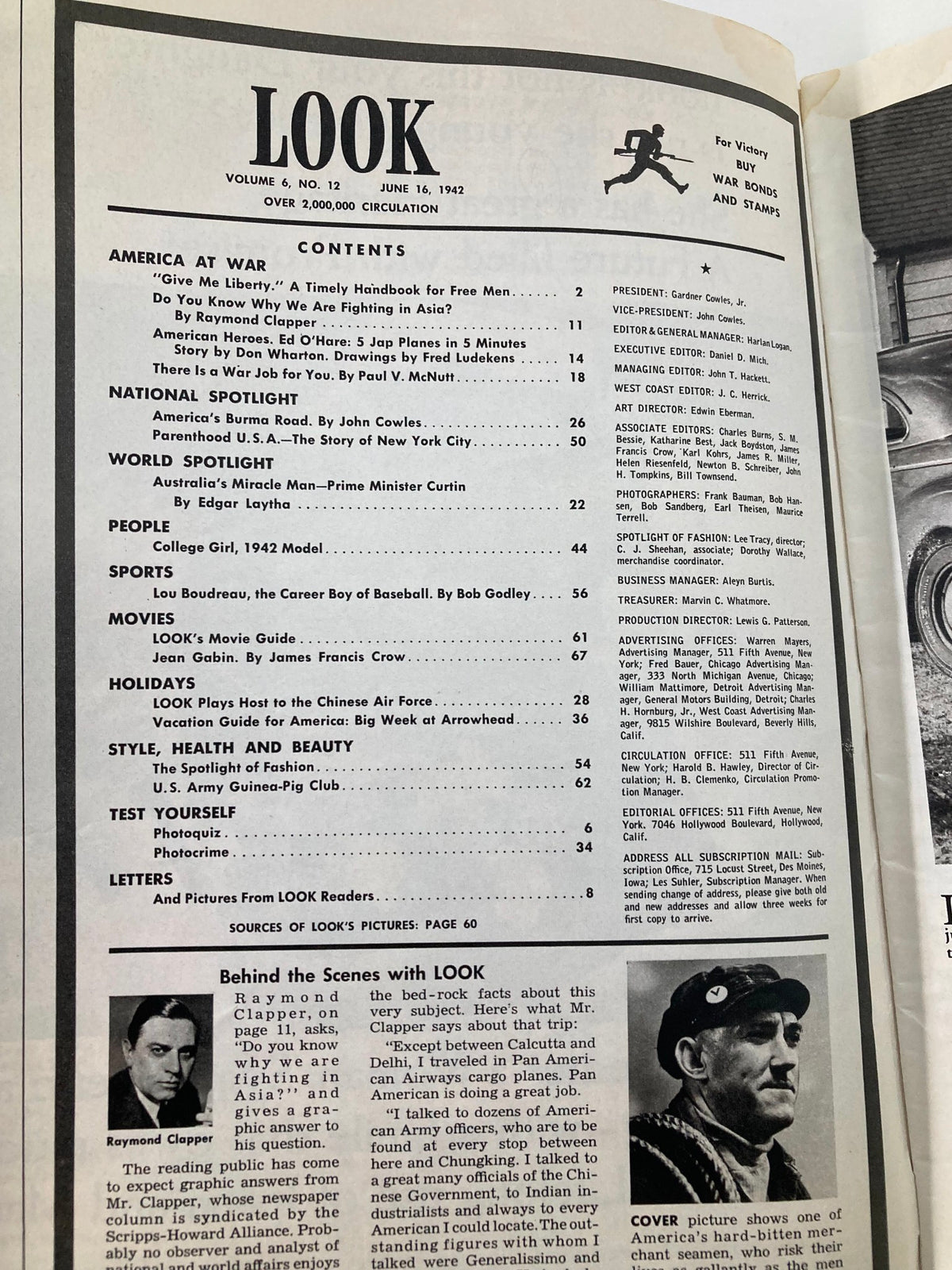
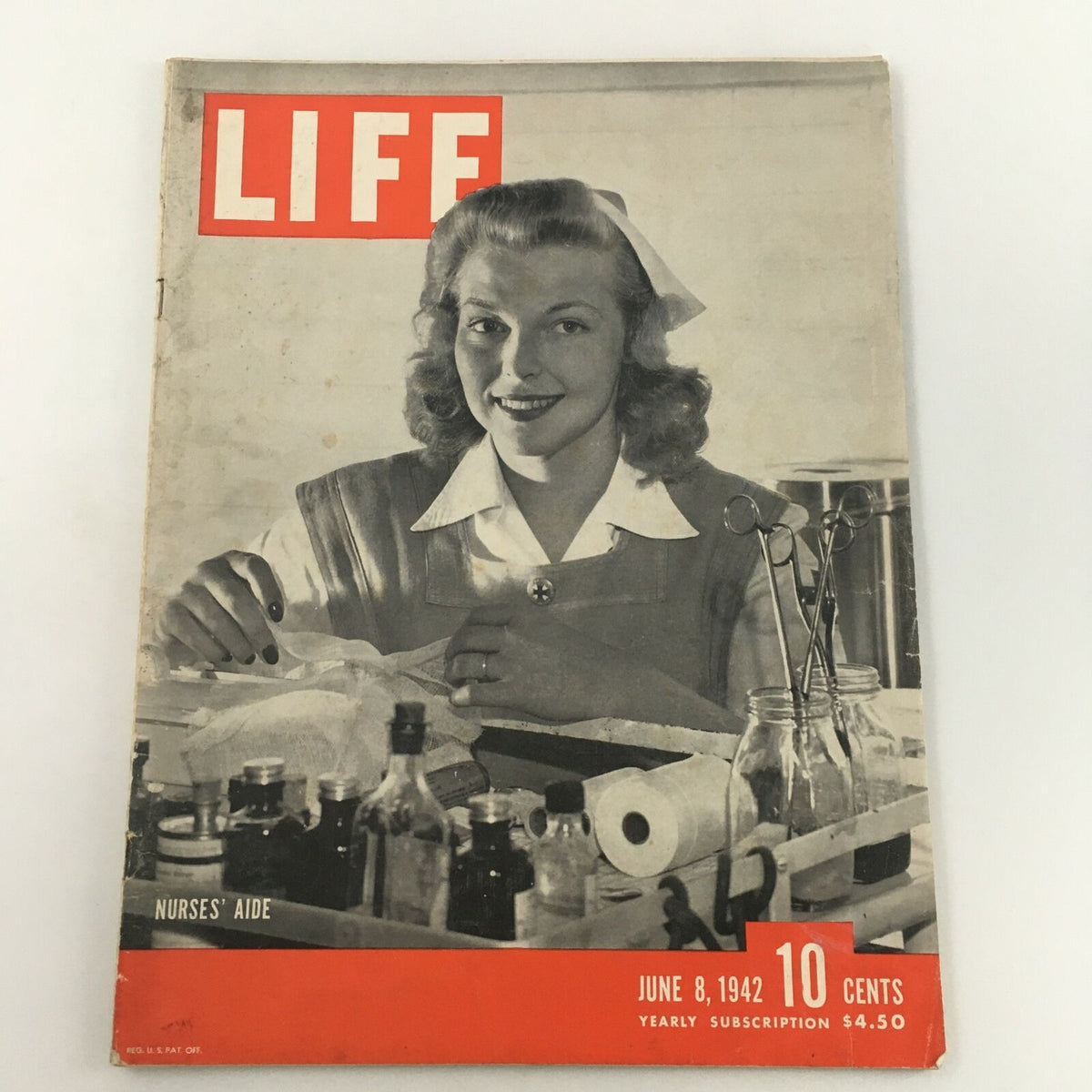
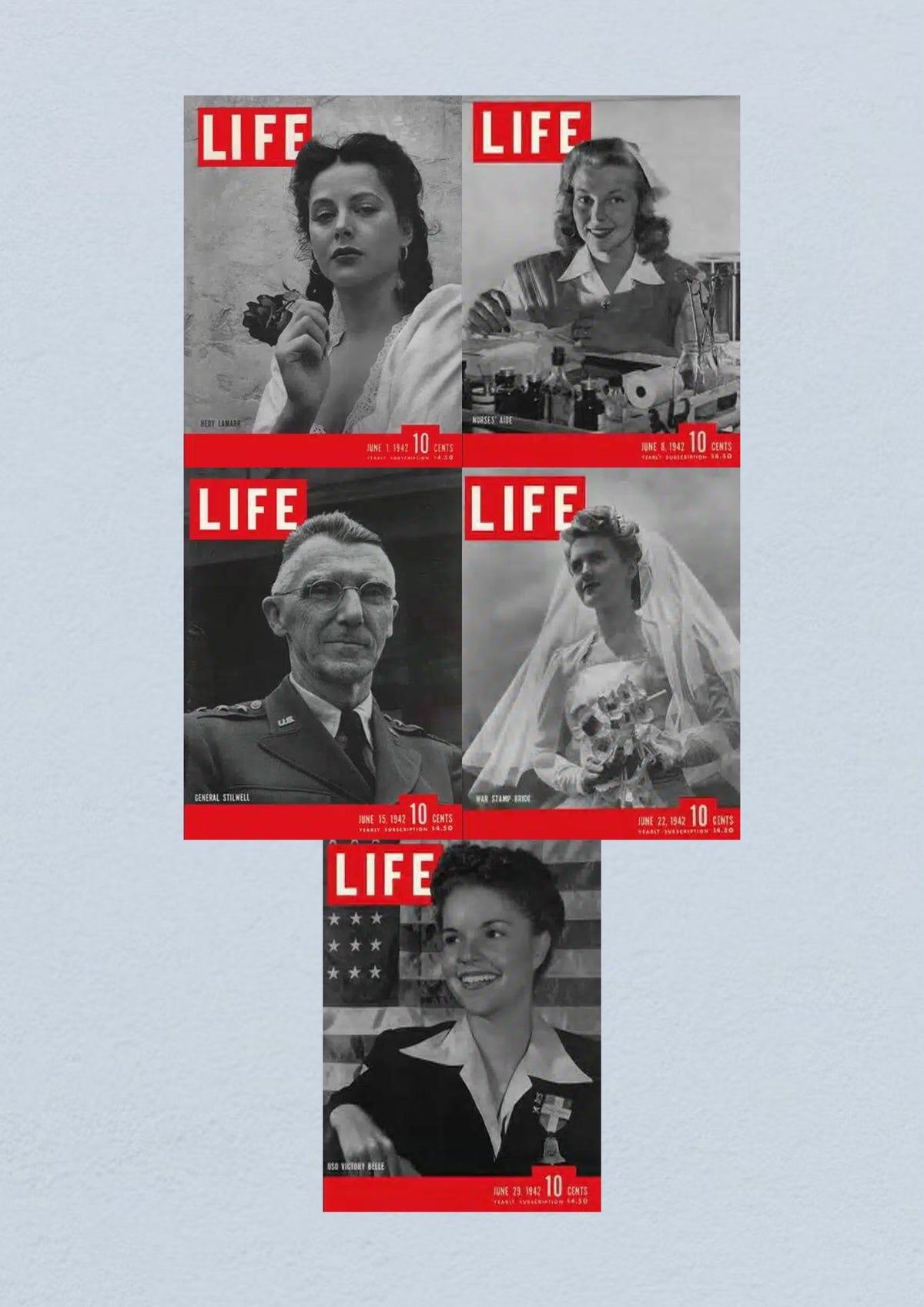
Wartime Hollywood: Life and Look issues featuring spreads on Mrs. Miniver and the studios' war effort, showcasing glamour photography of Greer Garson alongside advertisements reflecting genuine home-front rationing culture.
-
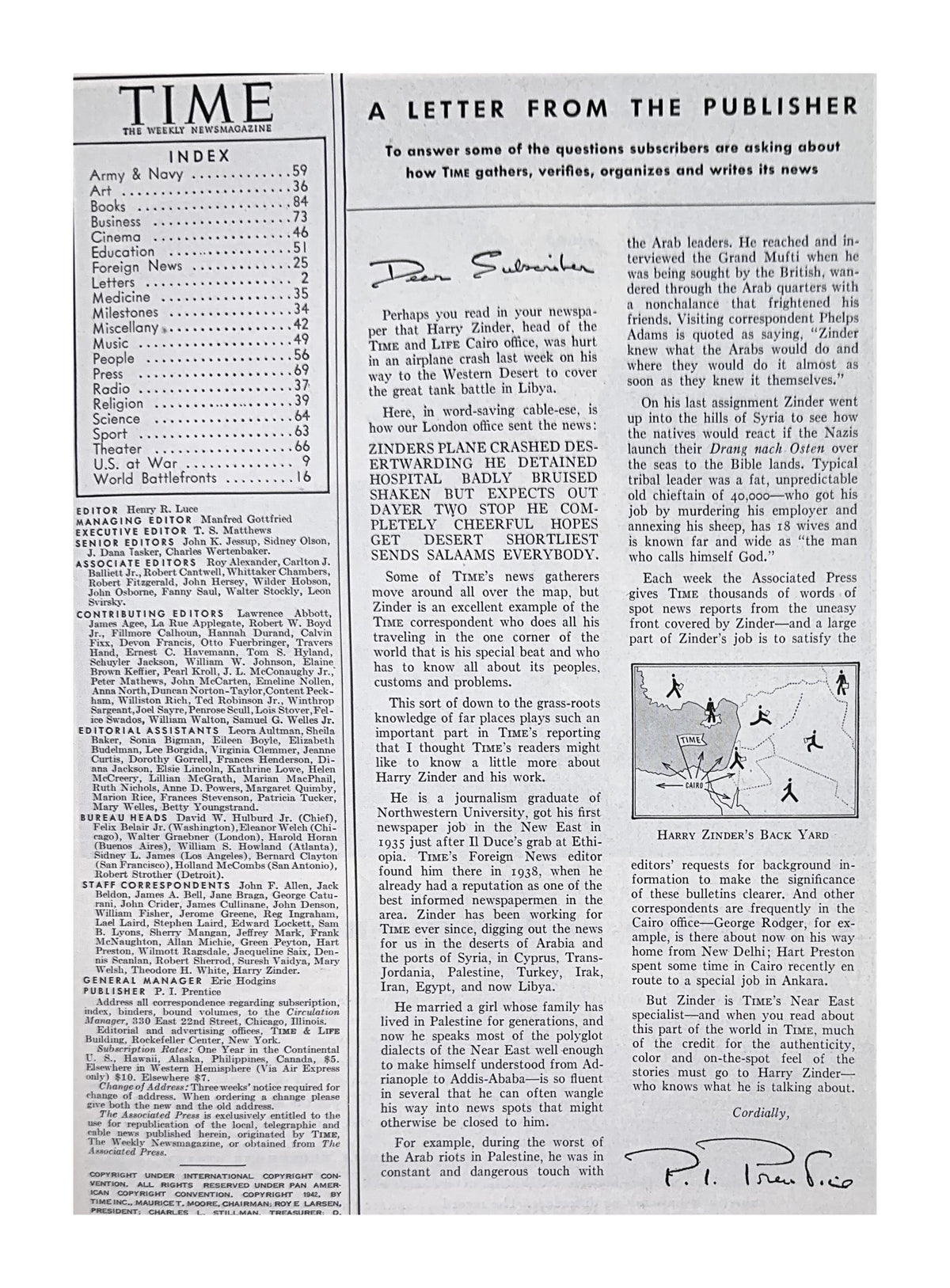
The Nazi Terror in Europe: Time and Newsweek chronicling the destruction of Lidice and the deportation orders against Dutch Jews—sobering primary-source journalism that documents the Holocaust's escalation as it was being reported, week by week.
-
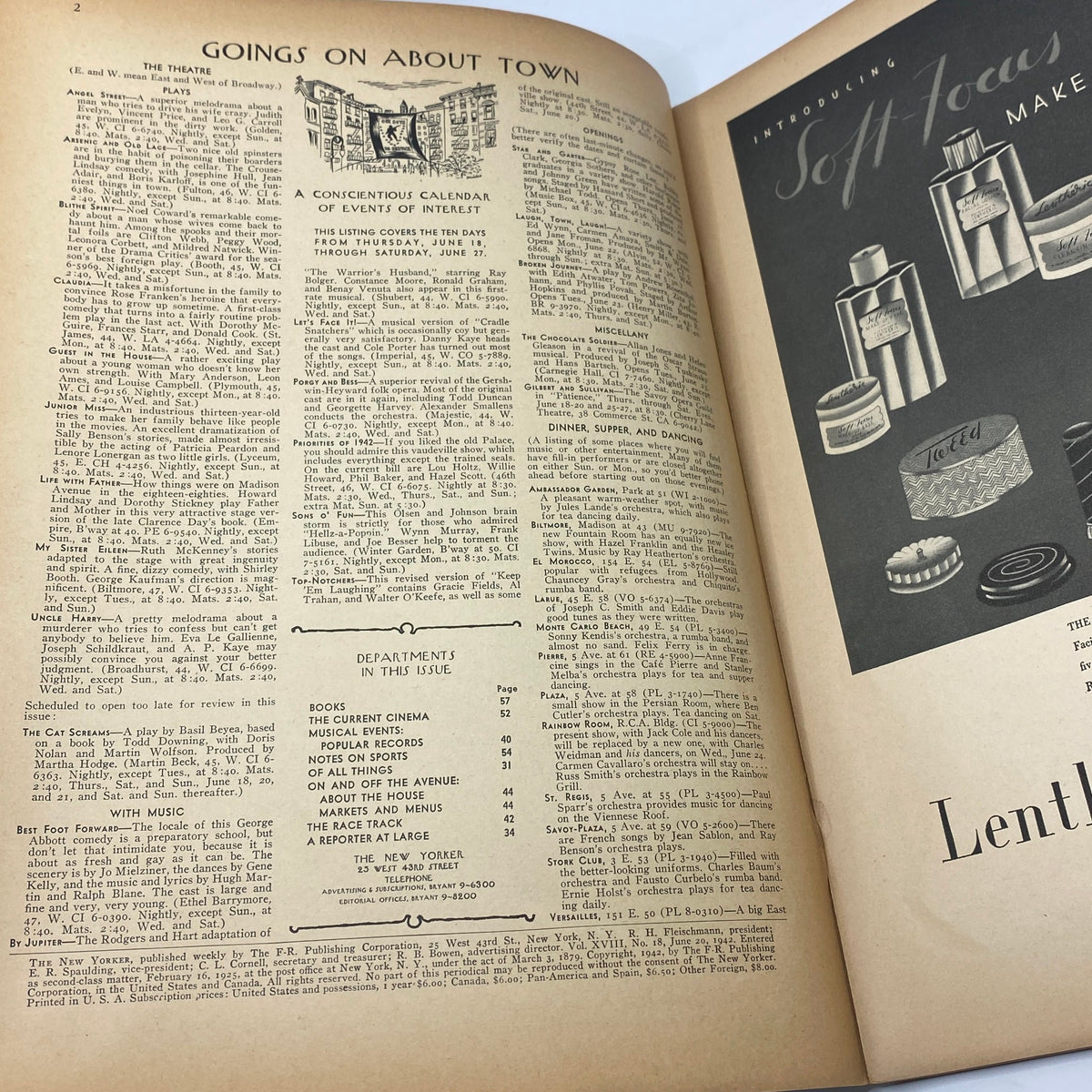
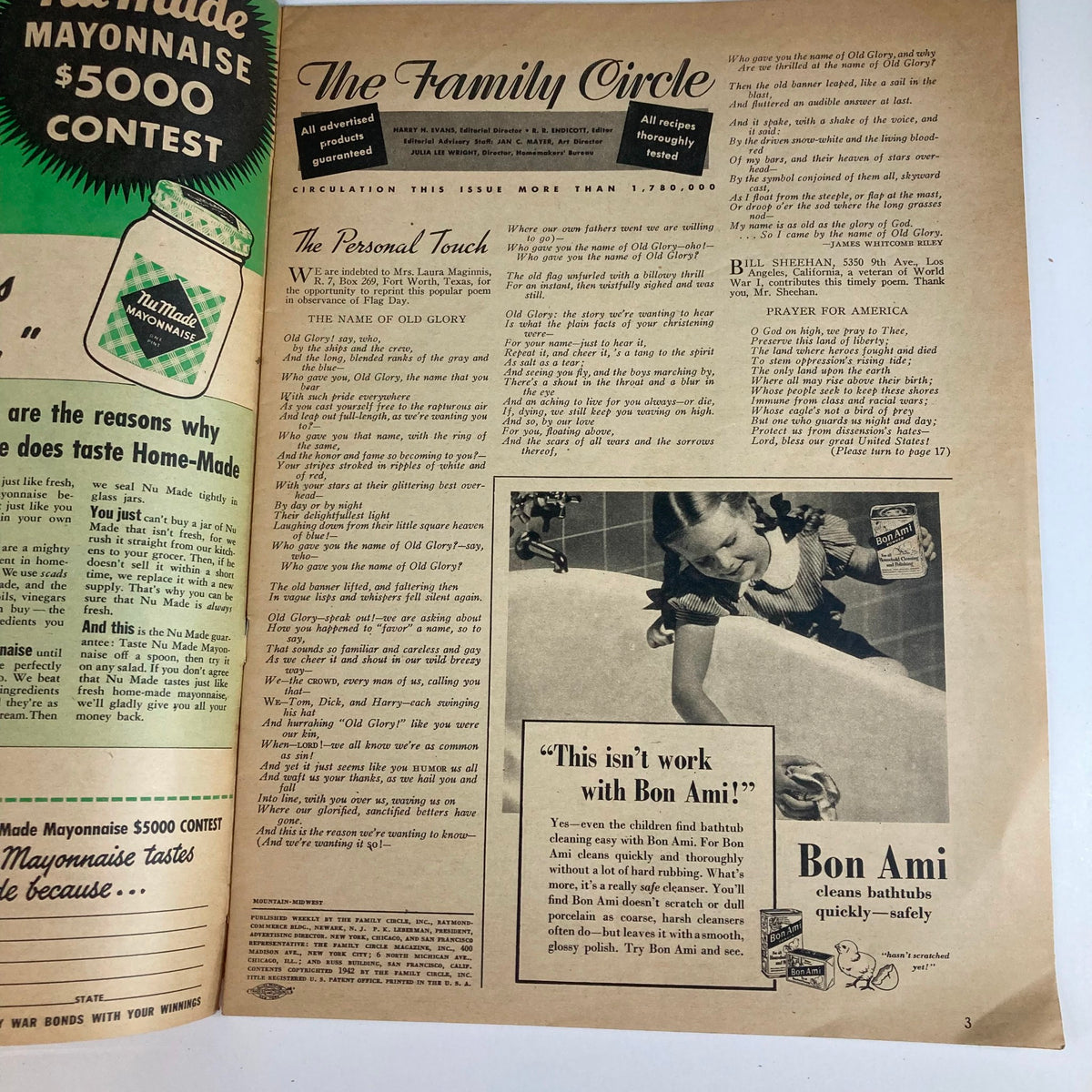
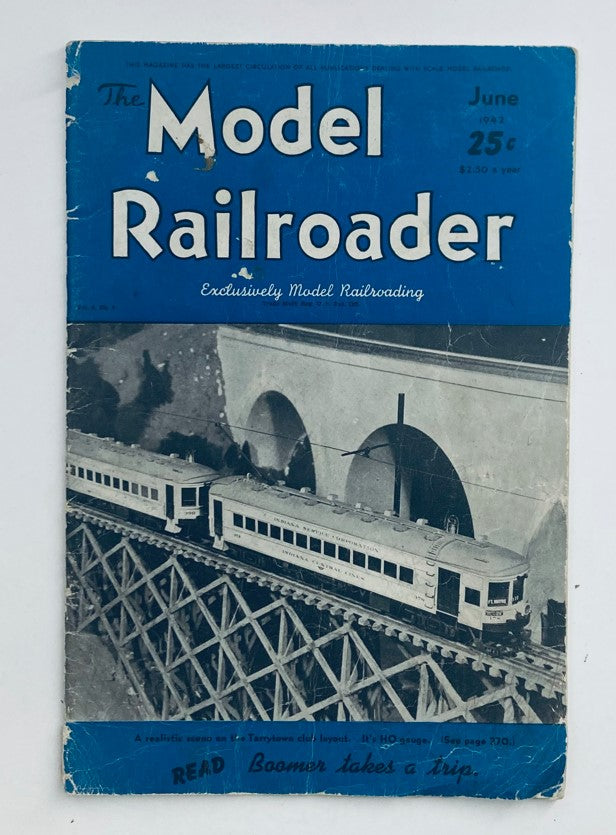
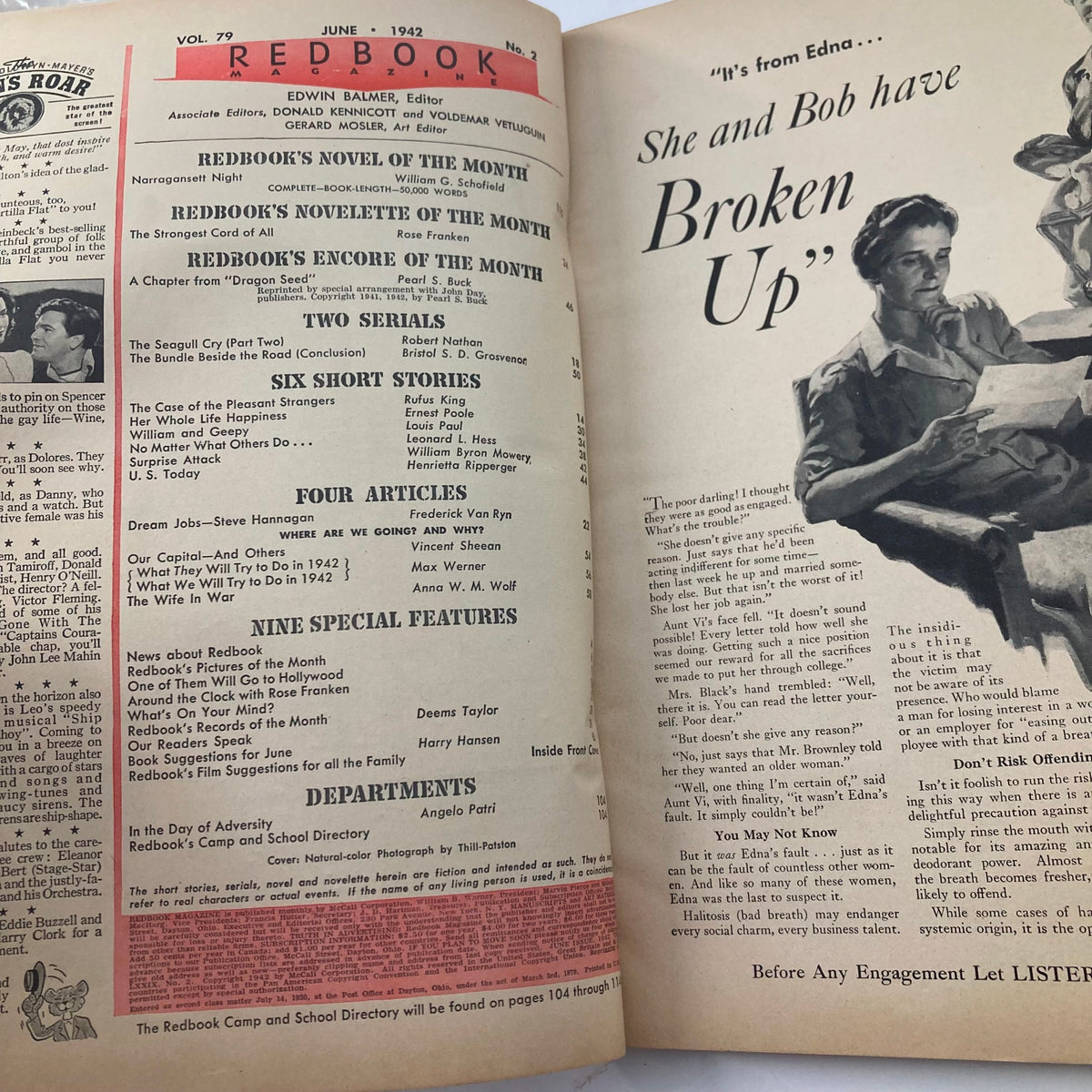
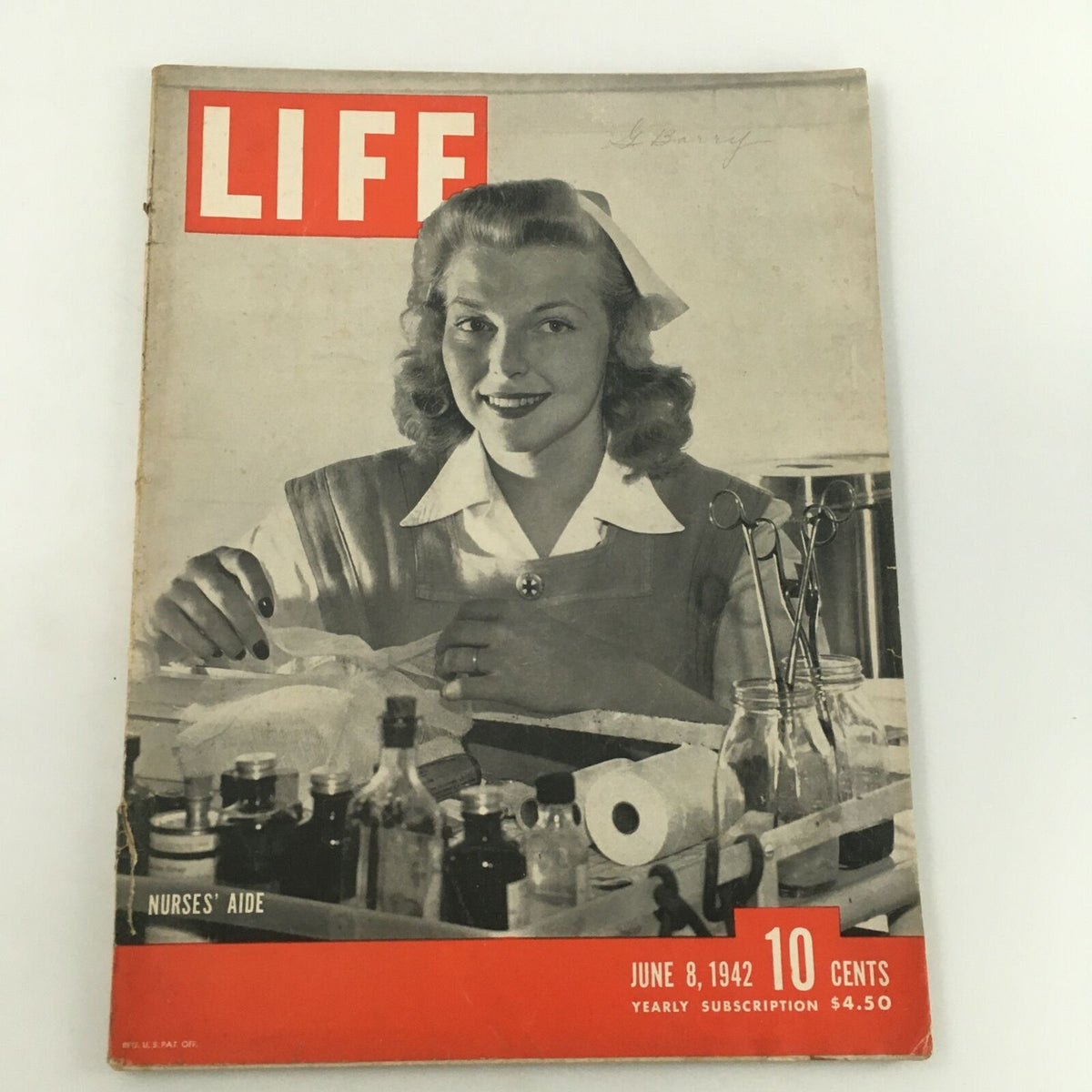
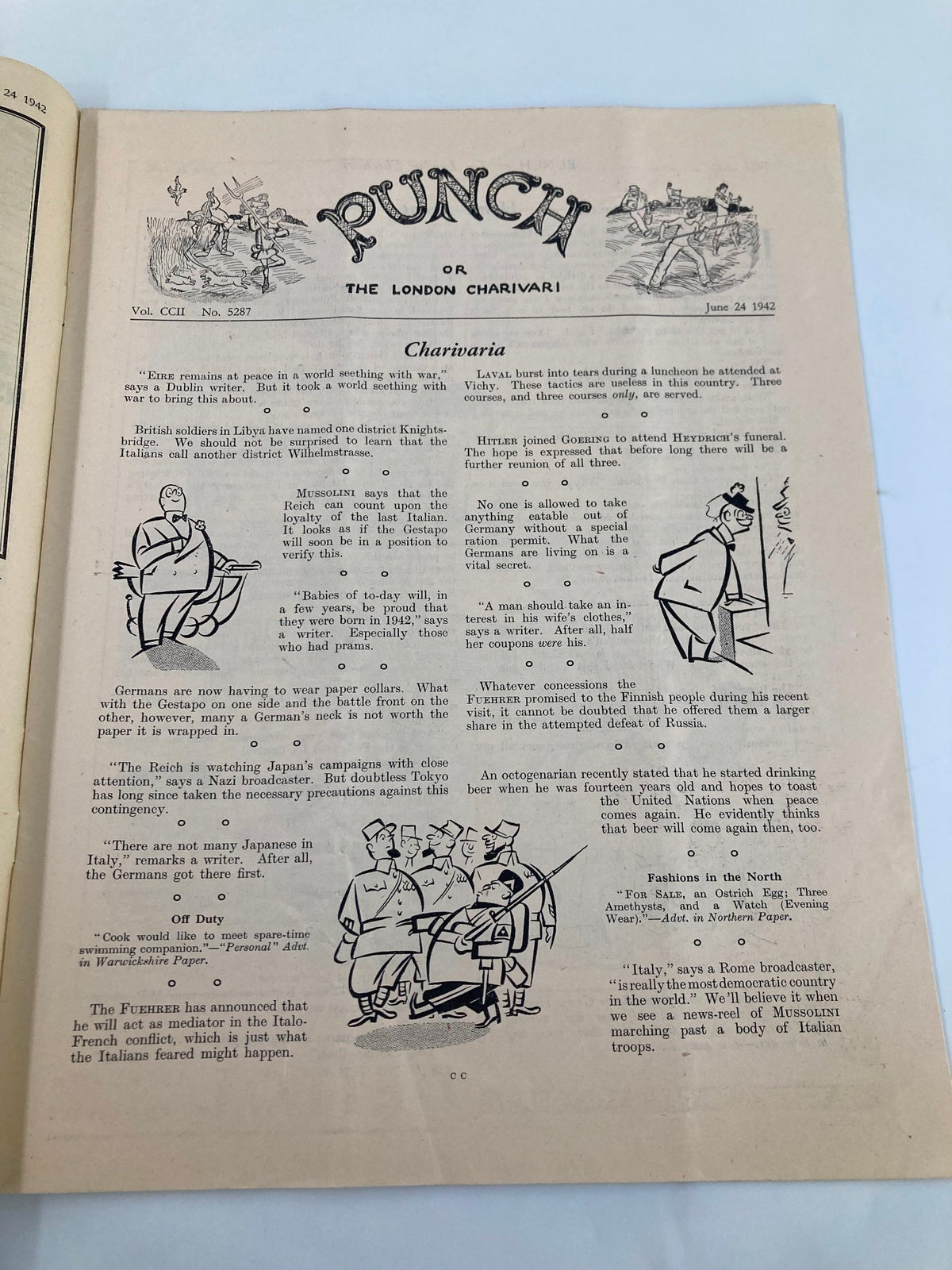
Home Front & Mobilization: Saturday Evening Post and Popular Mechanics issues filled with authentic period advertisements for war bonds, defense industry employment, and the industrial ingenuity of wartime America—a genuine time capsule of civilian life under mobilization.
The Perfect Gift
For someone born in June 1942, an original magazine from this pivotal month isn't just a piece of paper—it's an authenticated portal to the exact world they entered, preserved in the period typography, genuine wartime advertisements, and urgent front-page headlines that no reproduction can replicate.