📖 About this Collection
June 1944: The Month the World Held Its Breath
The Historical Context
Before dawn on June 6, 1944, the largest seaborne invasion in history shattered the silence along fifty miles of Norman coastline. Operation Overlord — D-Day — had begun. One hundred and fifty-six thousand Allied troops poured onto beaches code-named Utah, Omaha, Gold, Juno, and Sword, and the fate of Western civilization pivoted on that single tide. General Eisenhower, who had agonized over weather reports and postponed the assault by a full day, had finally given the order. Rommel, the German commander tasked with defending the Atlantic Wall, was on leave in Germany, a devastating absence that would haunt the Reich.
But the landings were only the opening act. By month's end, Cherbourg had fallen to American forces, Rome had been liberated — the first European Fascist capital to crack — and President Roosevelt had signed the GI Bill of Rights, quietly reshaping the future awaiting every soldier who survived. This was the world your loved one entered: a world trembling between catastrophe and an almost unbearable hope.
Life on the Home Front and Beyond
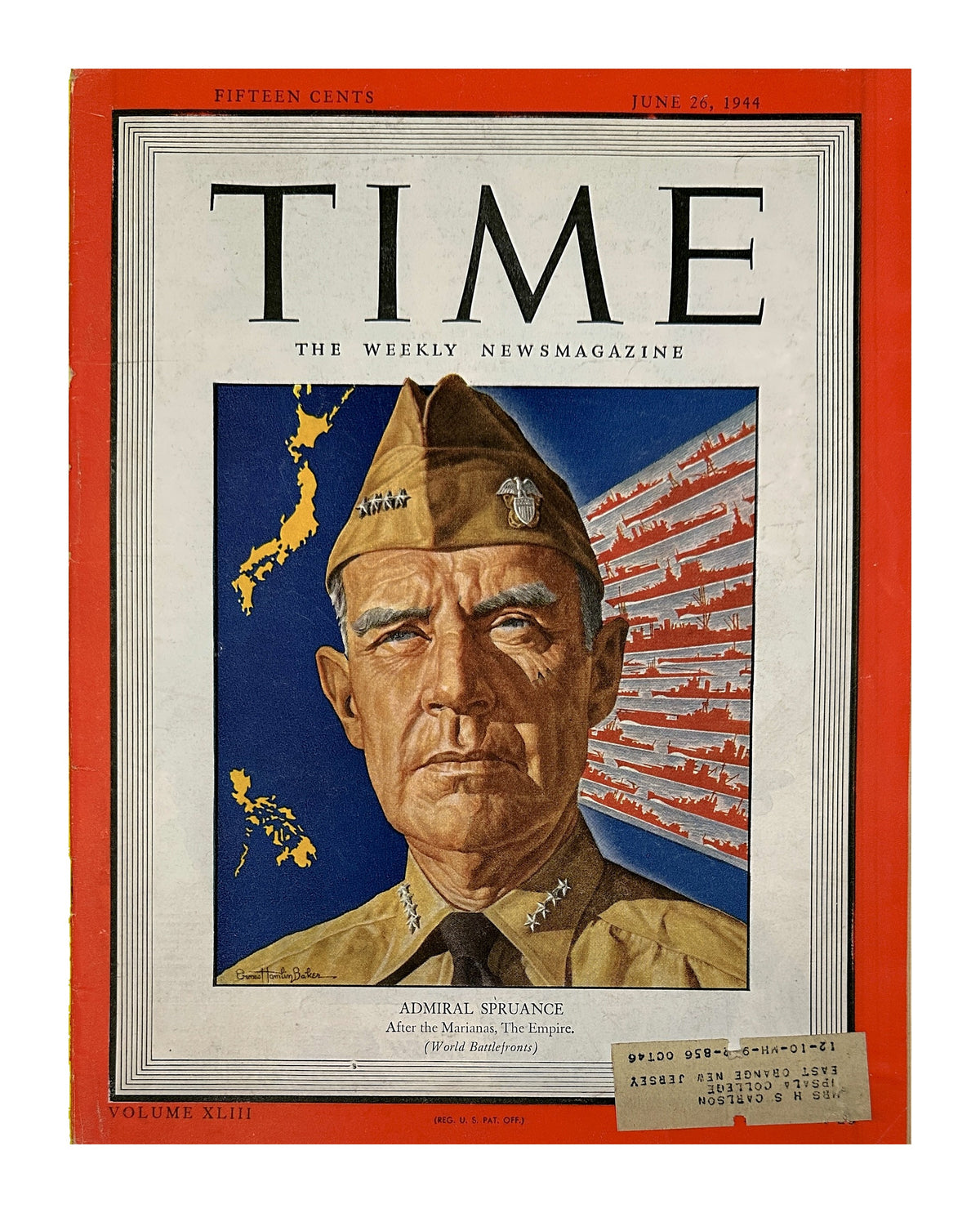
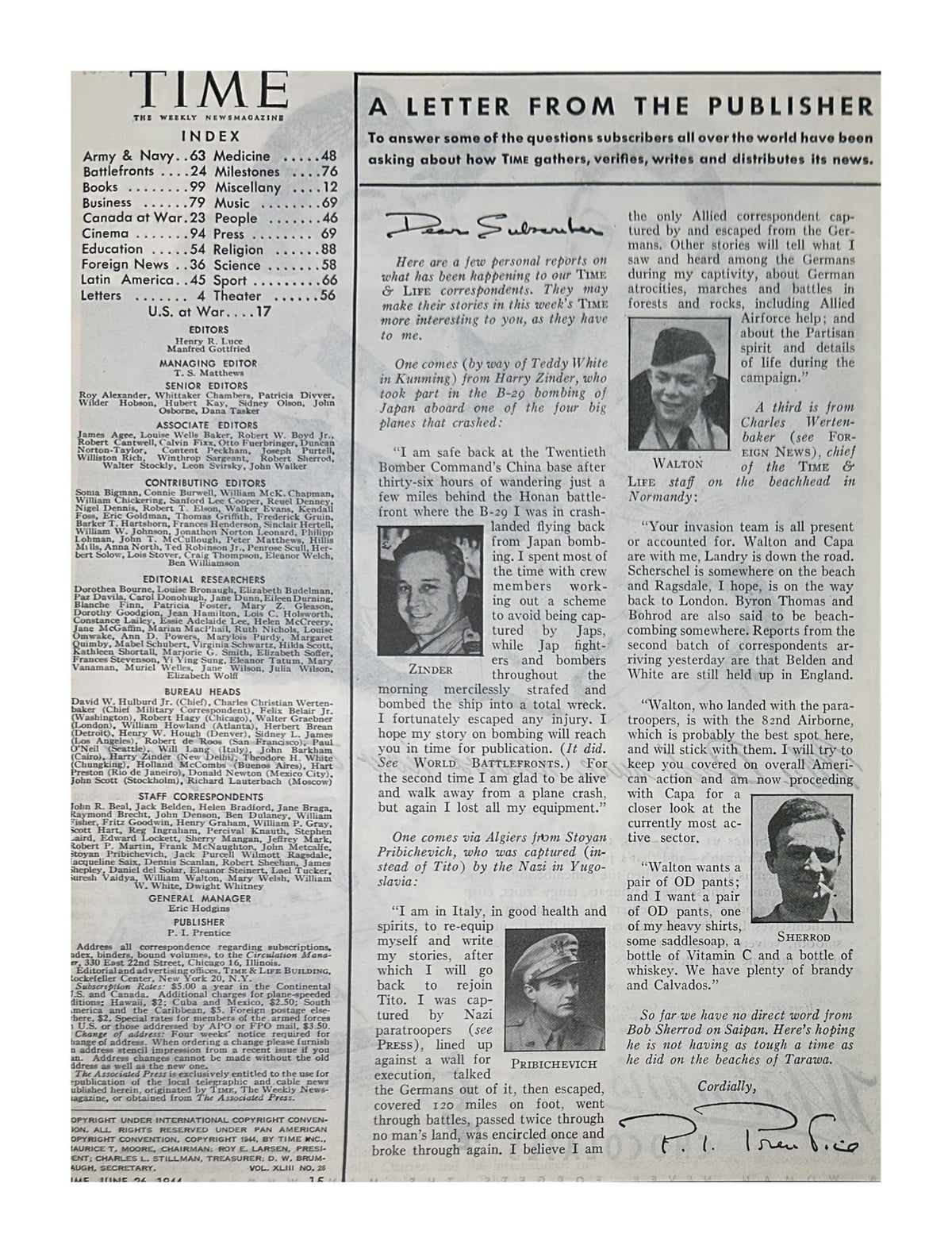
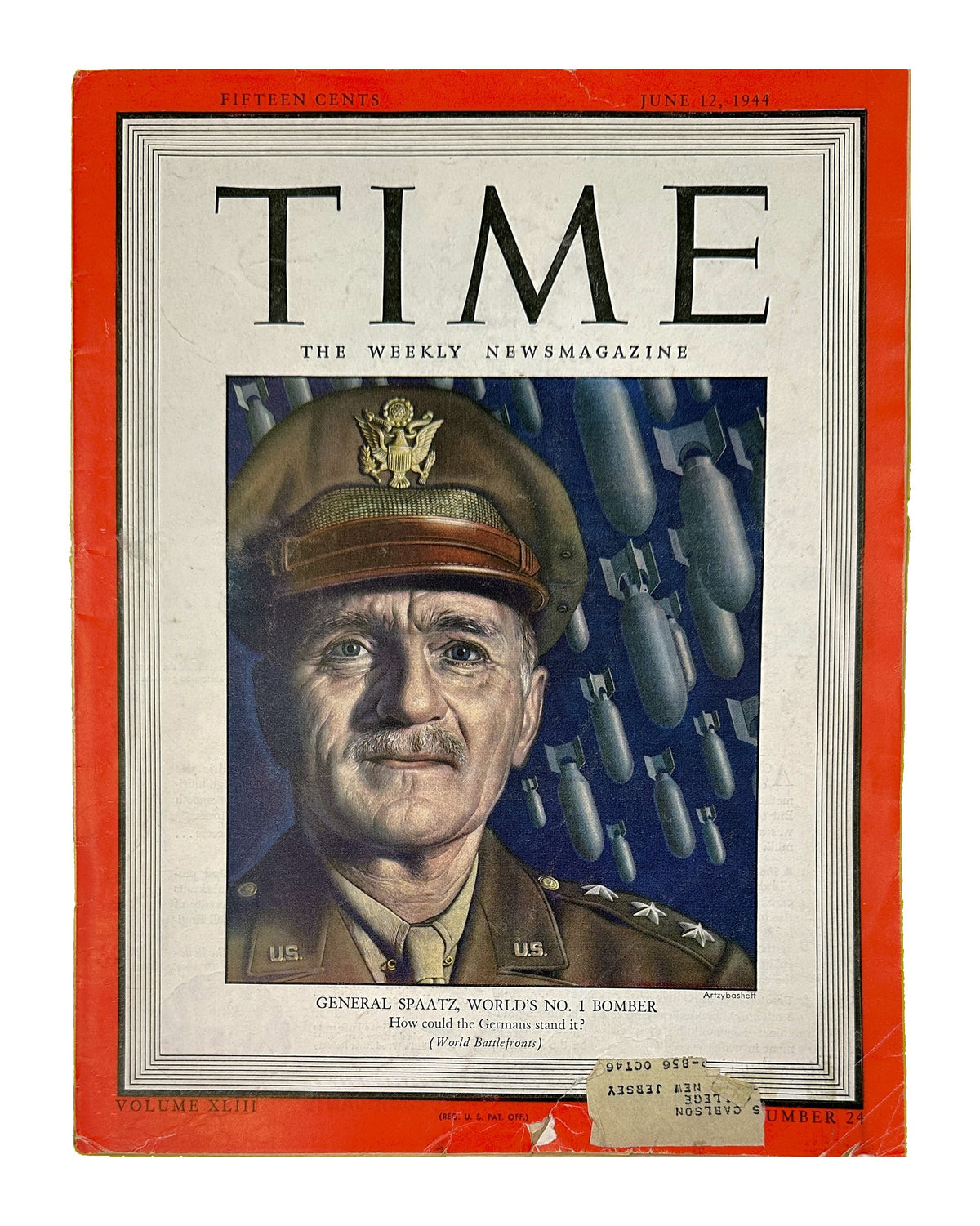
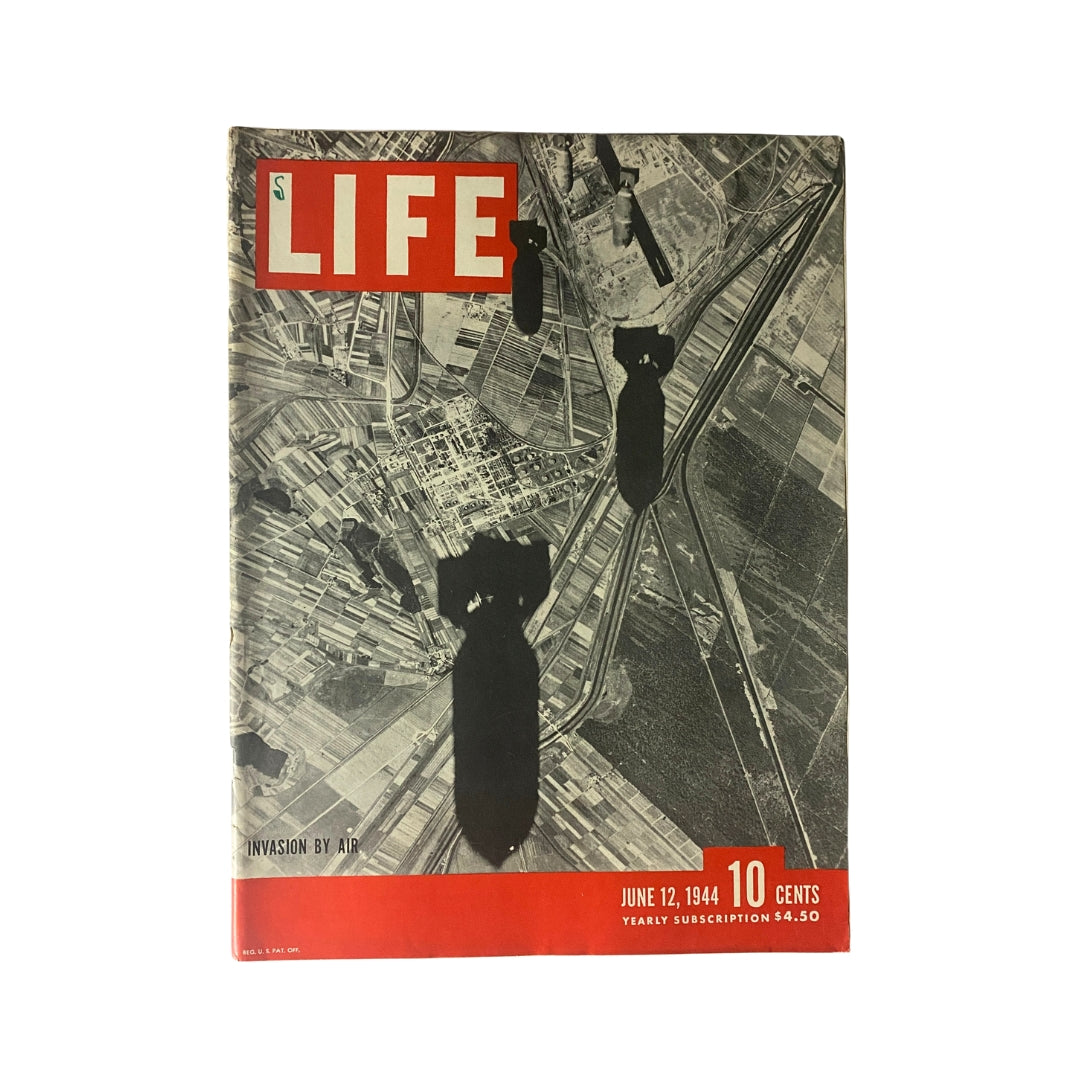
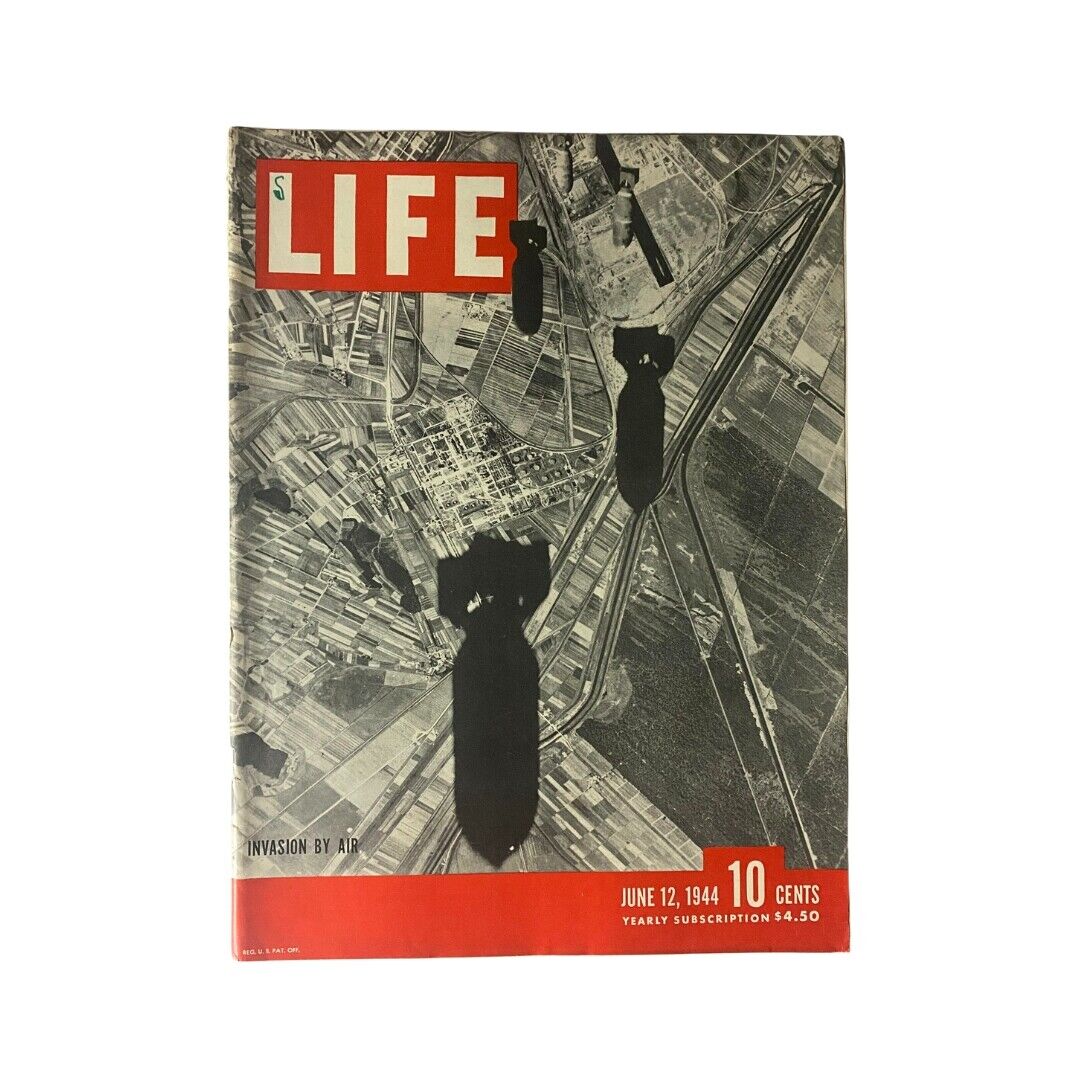
While generals plotted on maps, American culture pressed forward with a stubborn, purposeful vitality. Newsreels played to packed theaters where audiences watched grainy footage of soldiers wading through surf, and Life magazine rushed Robert Capa's extraordinary D-Day photographs — the "Magnificent Eleven" — into print within two weeks of the landings, making them among the most visceral images of the entire war. Time and Newsweek dedicated cover after cover to the Normandy campaign, their pages thick with maps, casualty estimates, and dispatches from embedded correspondents.
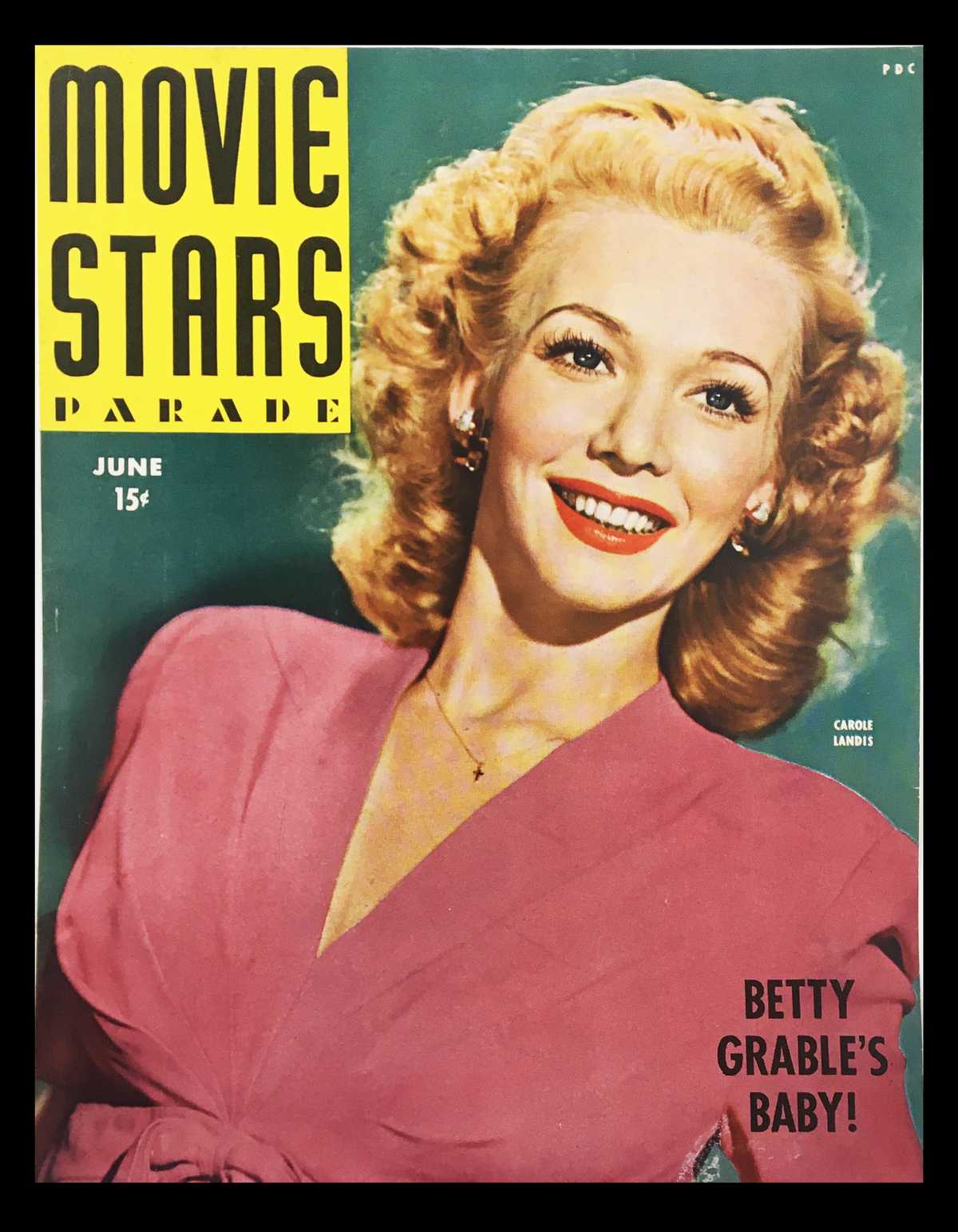
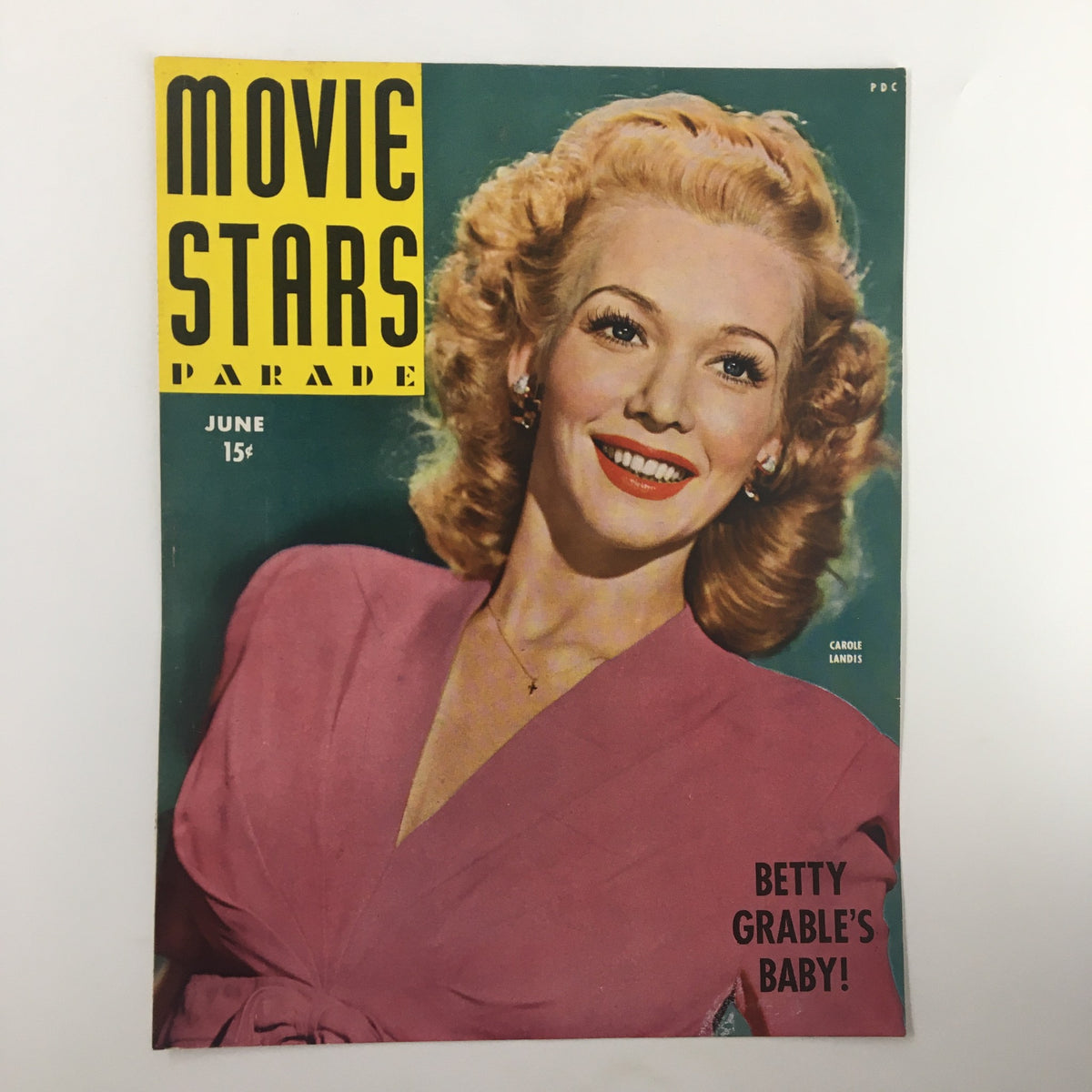
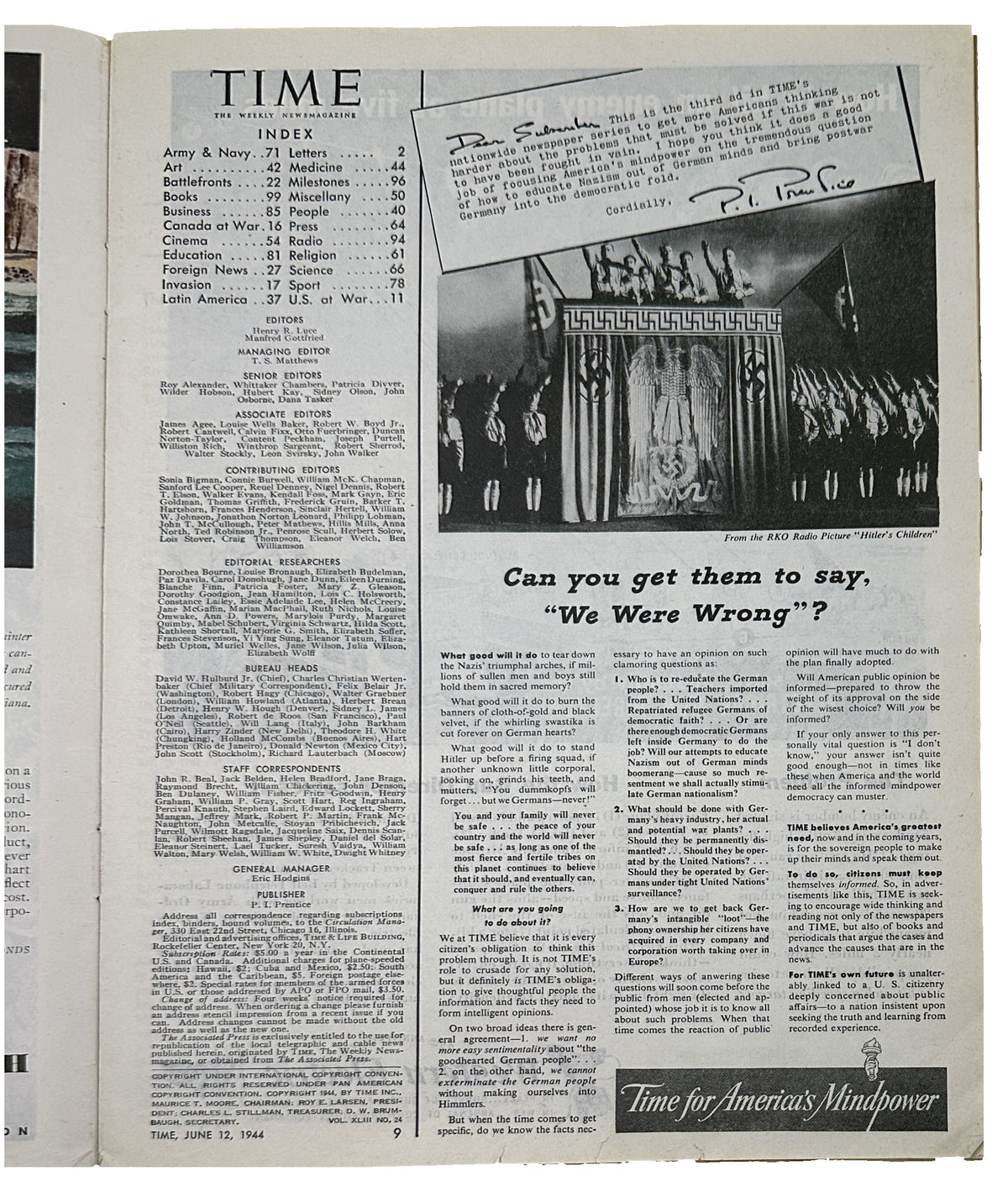
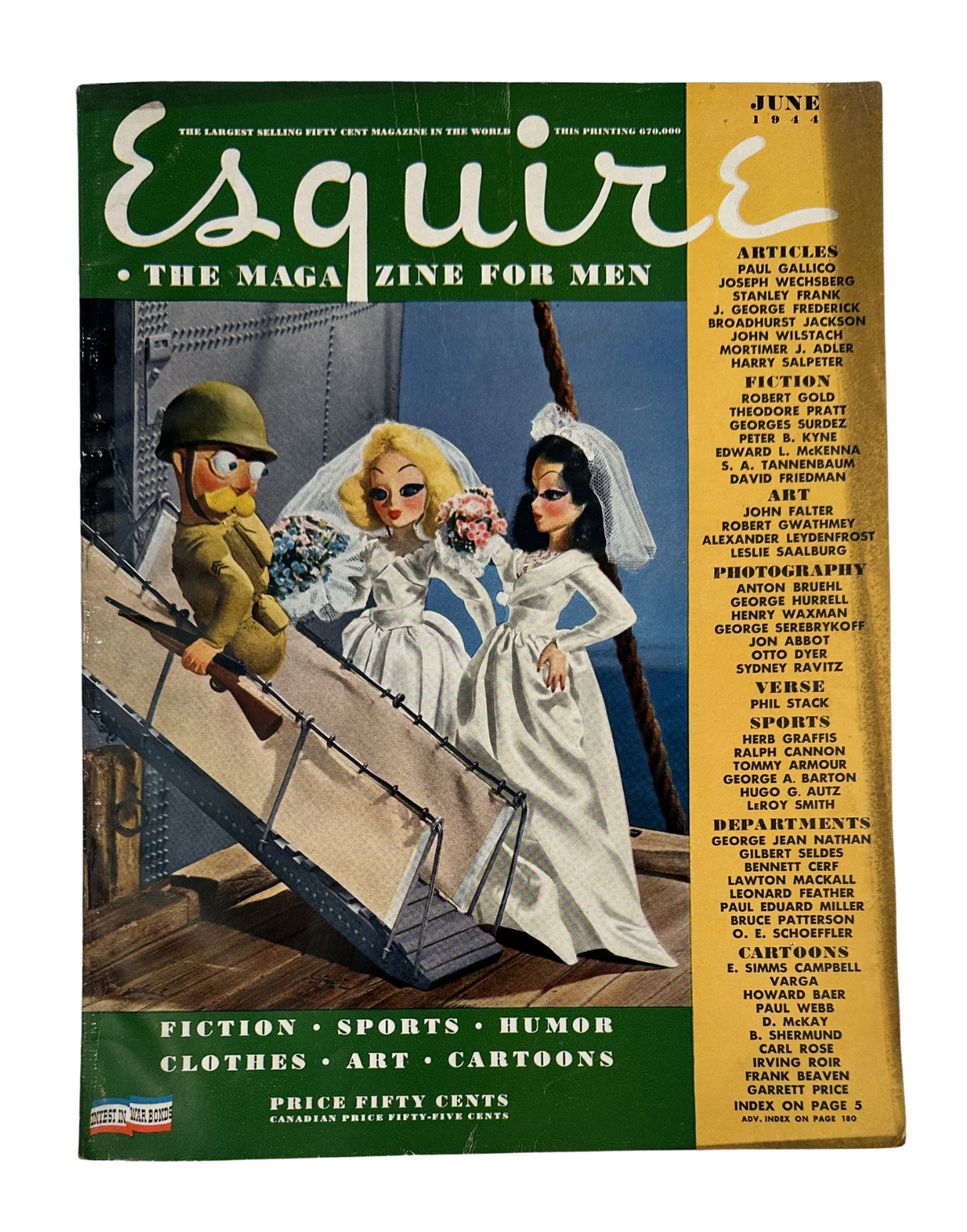
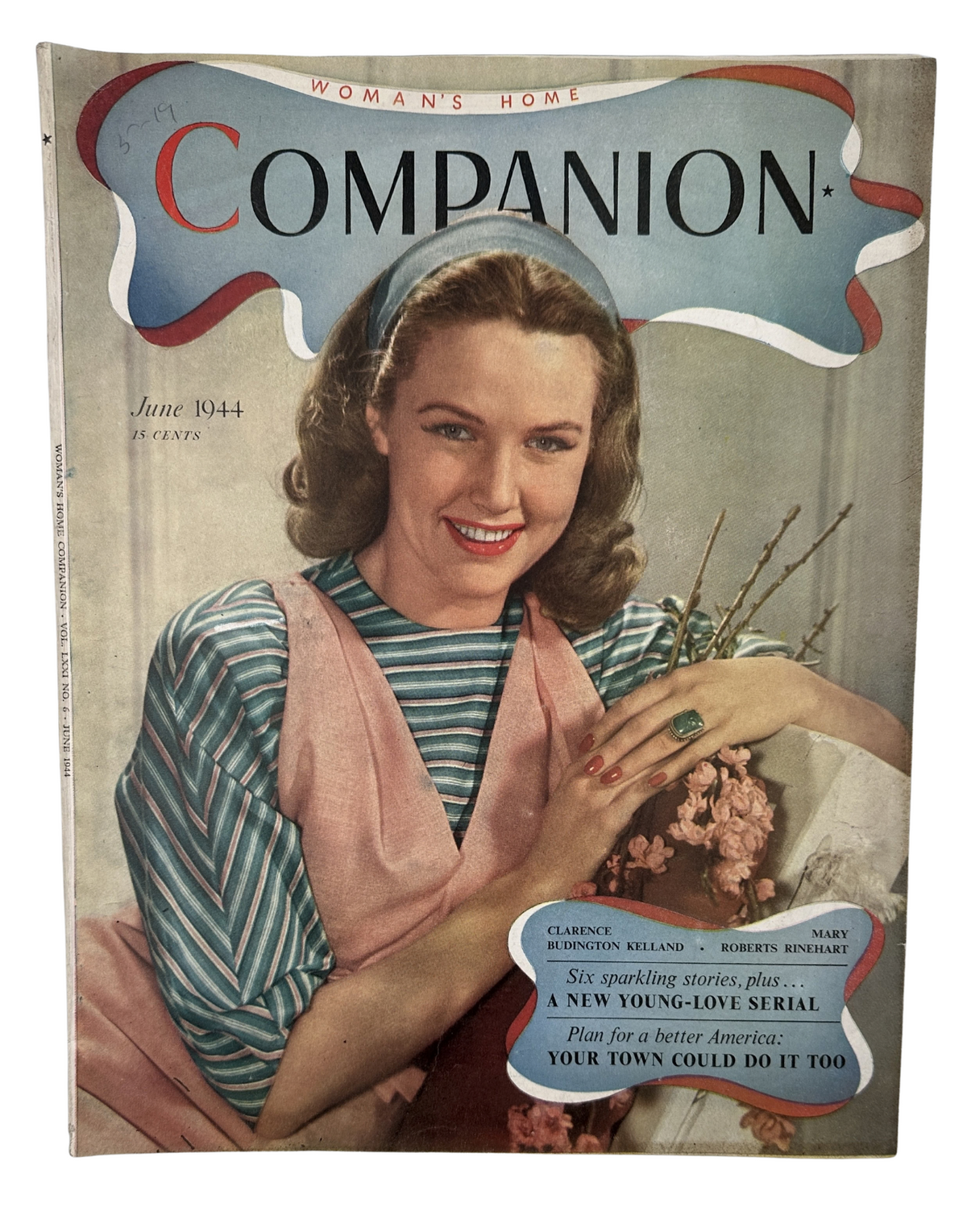
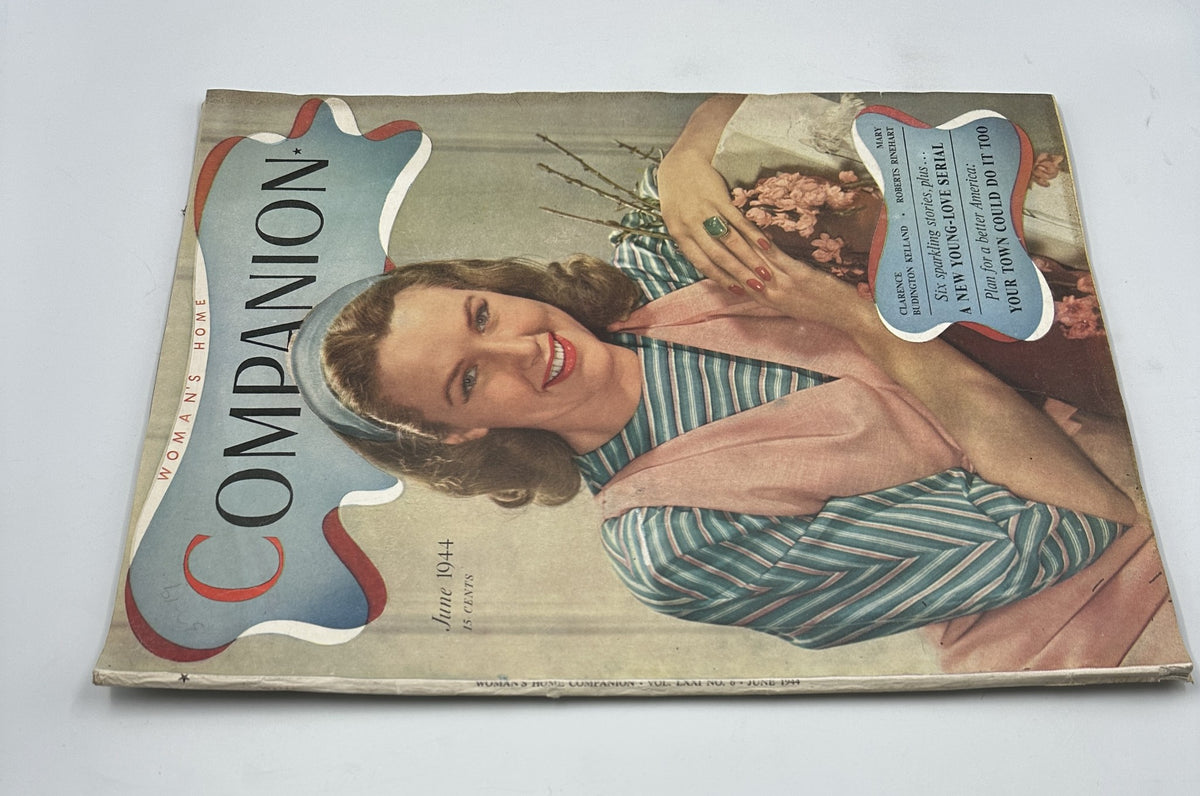
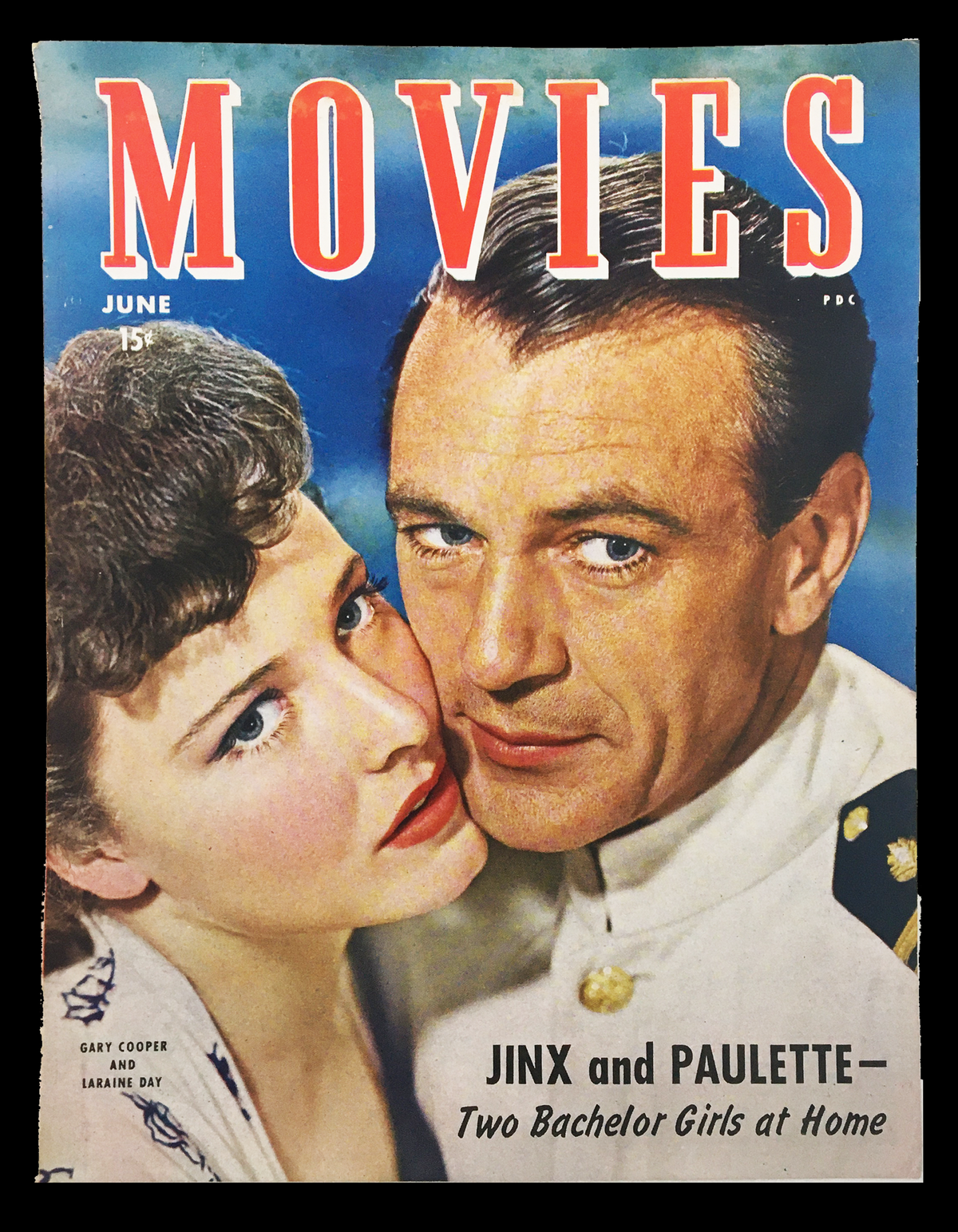
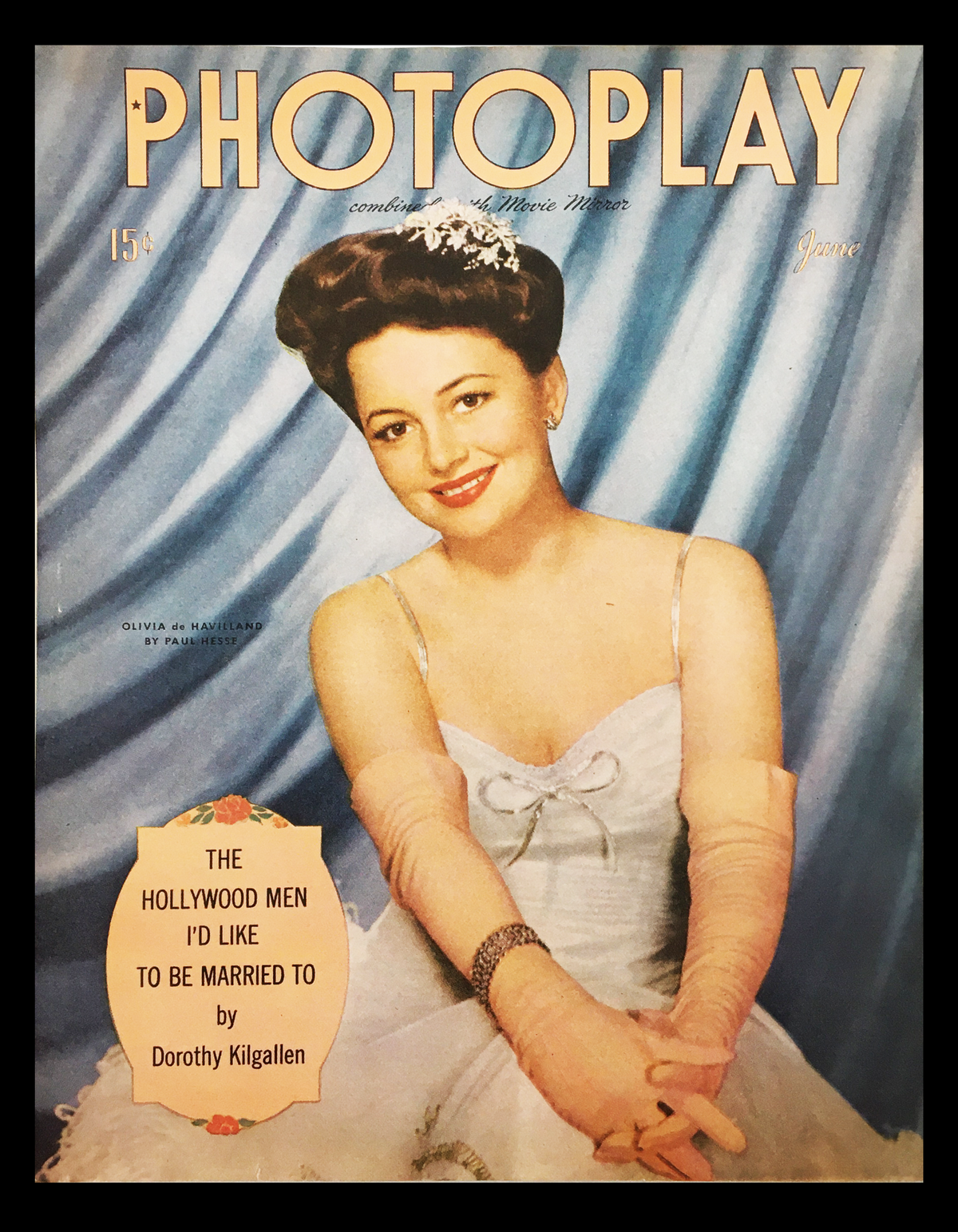
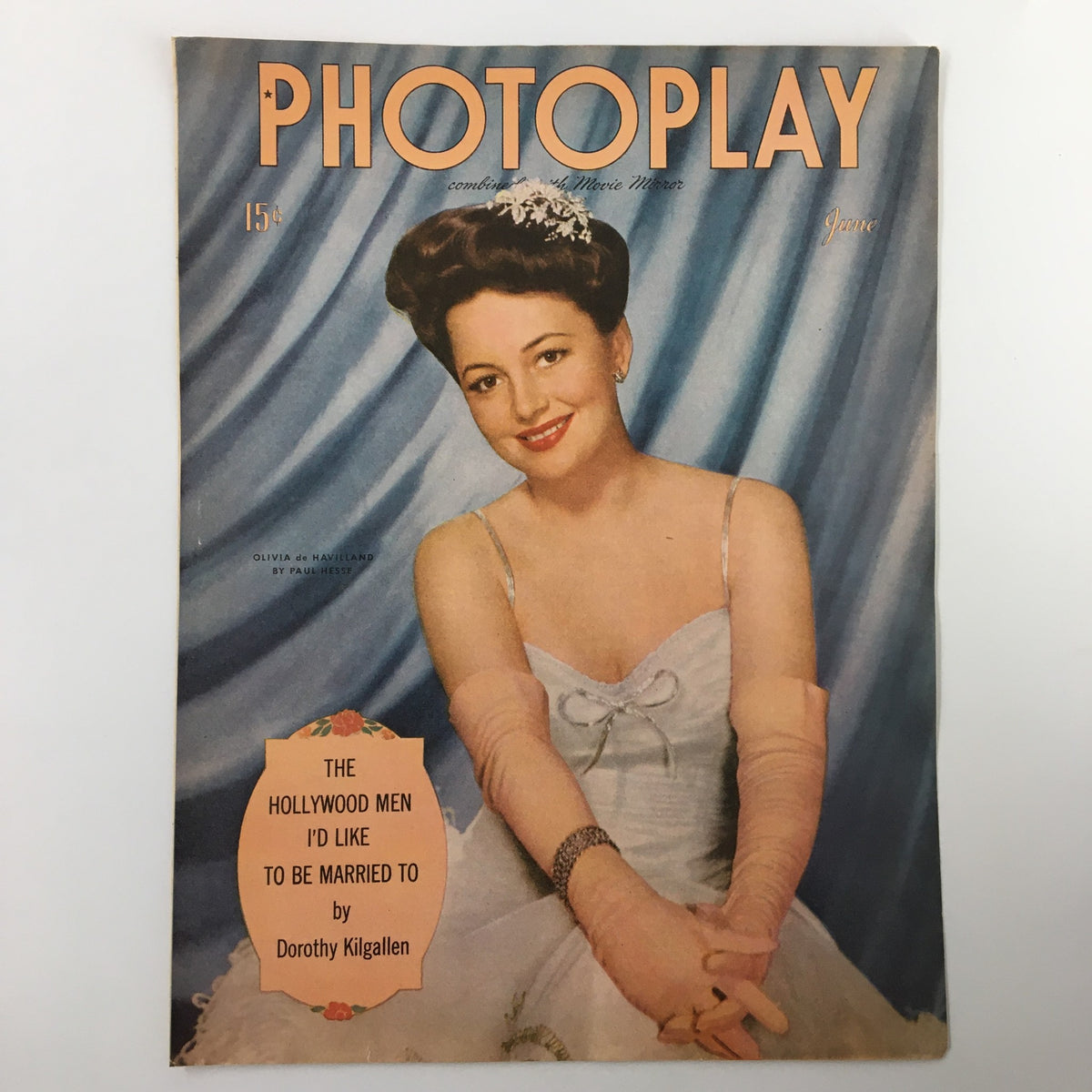
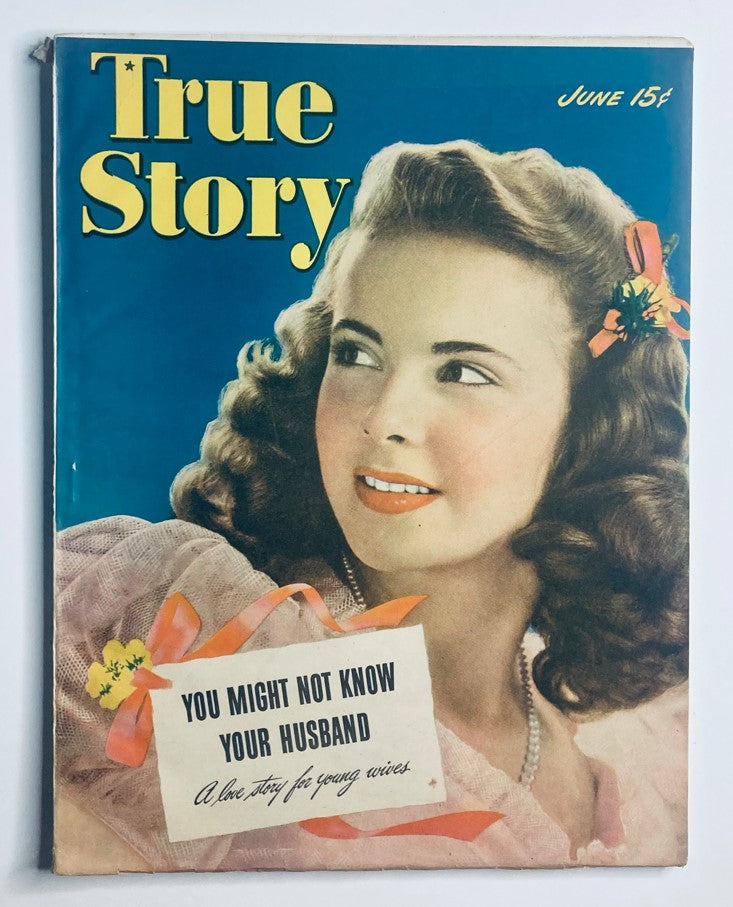
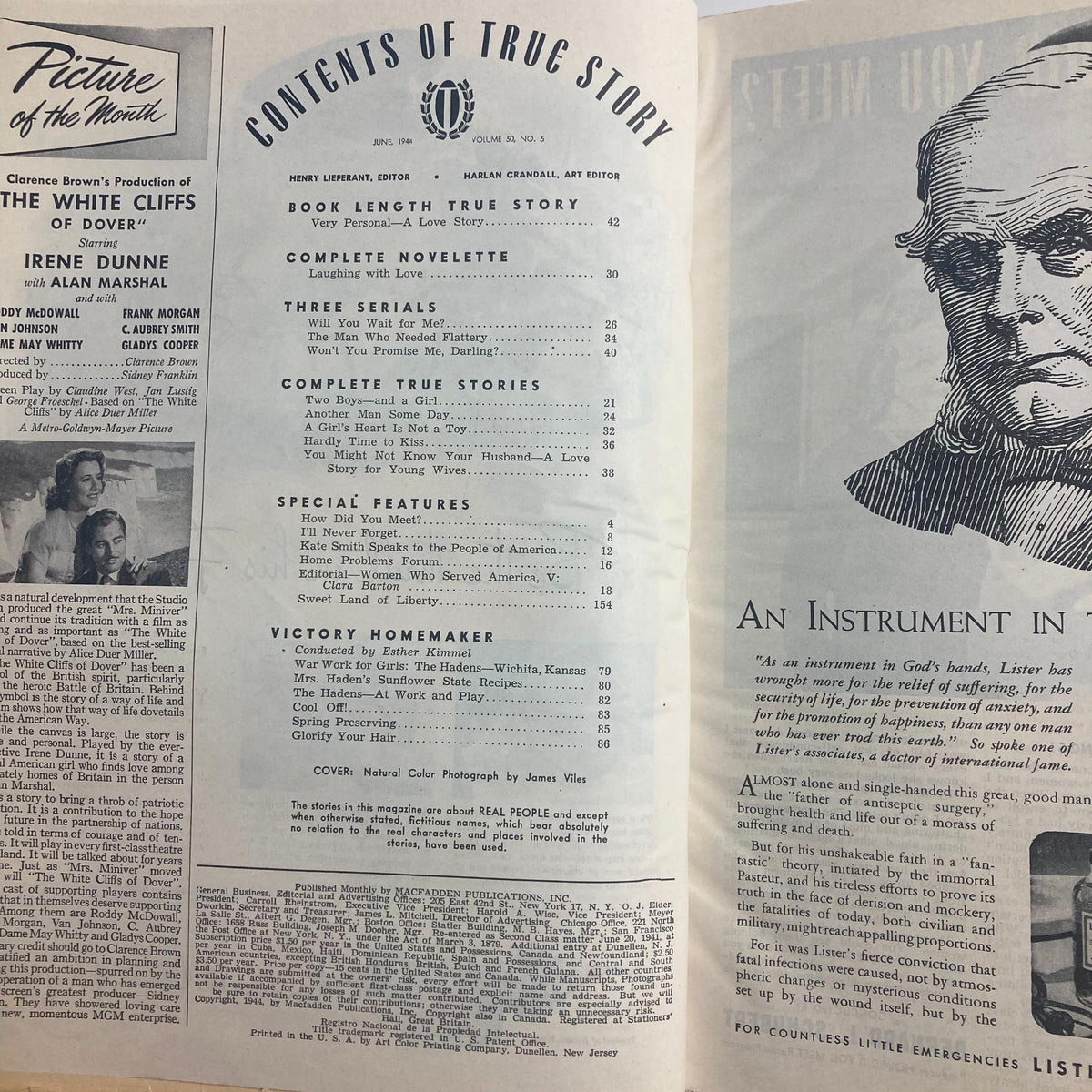
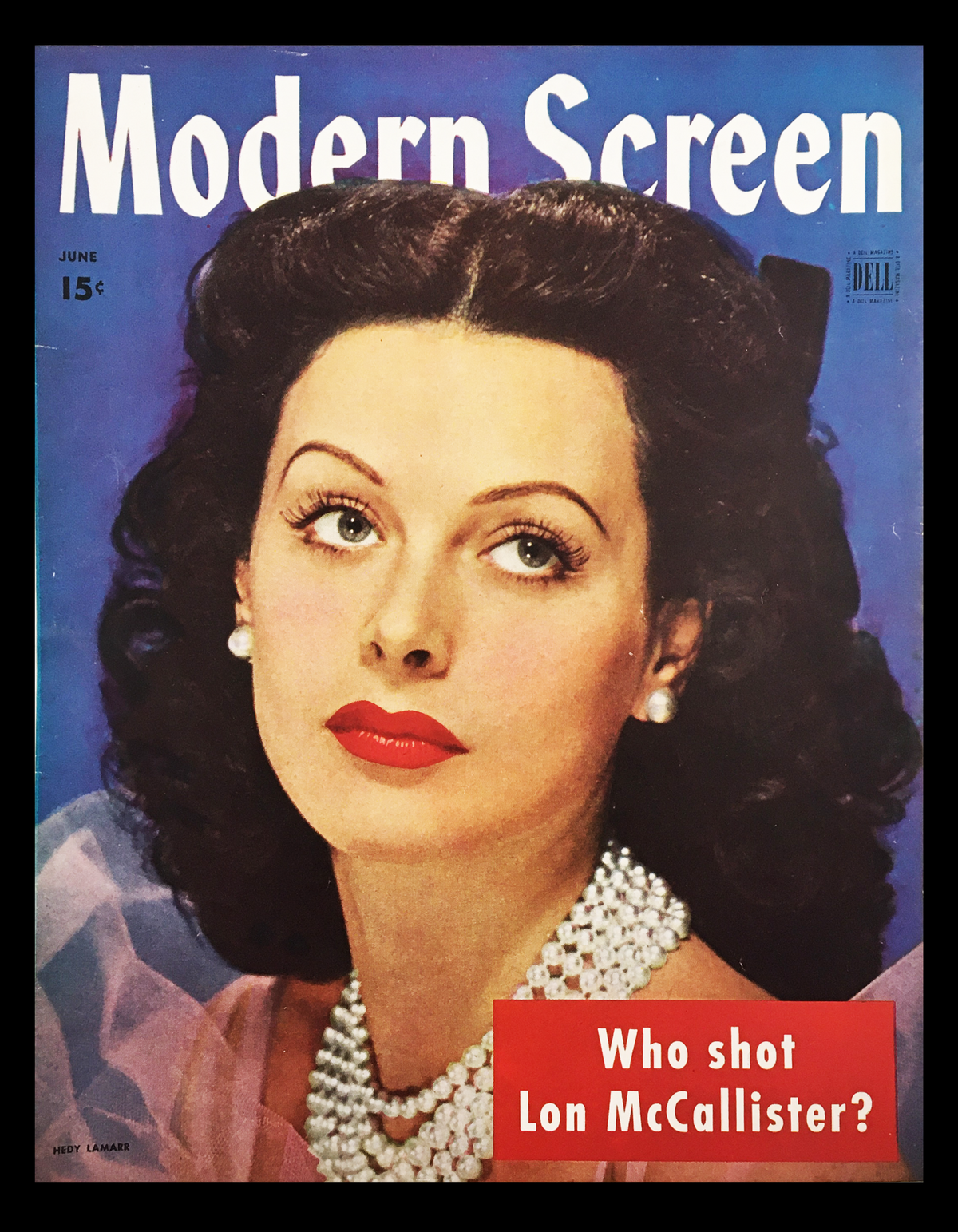
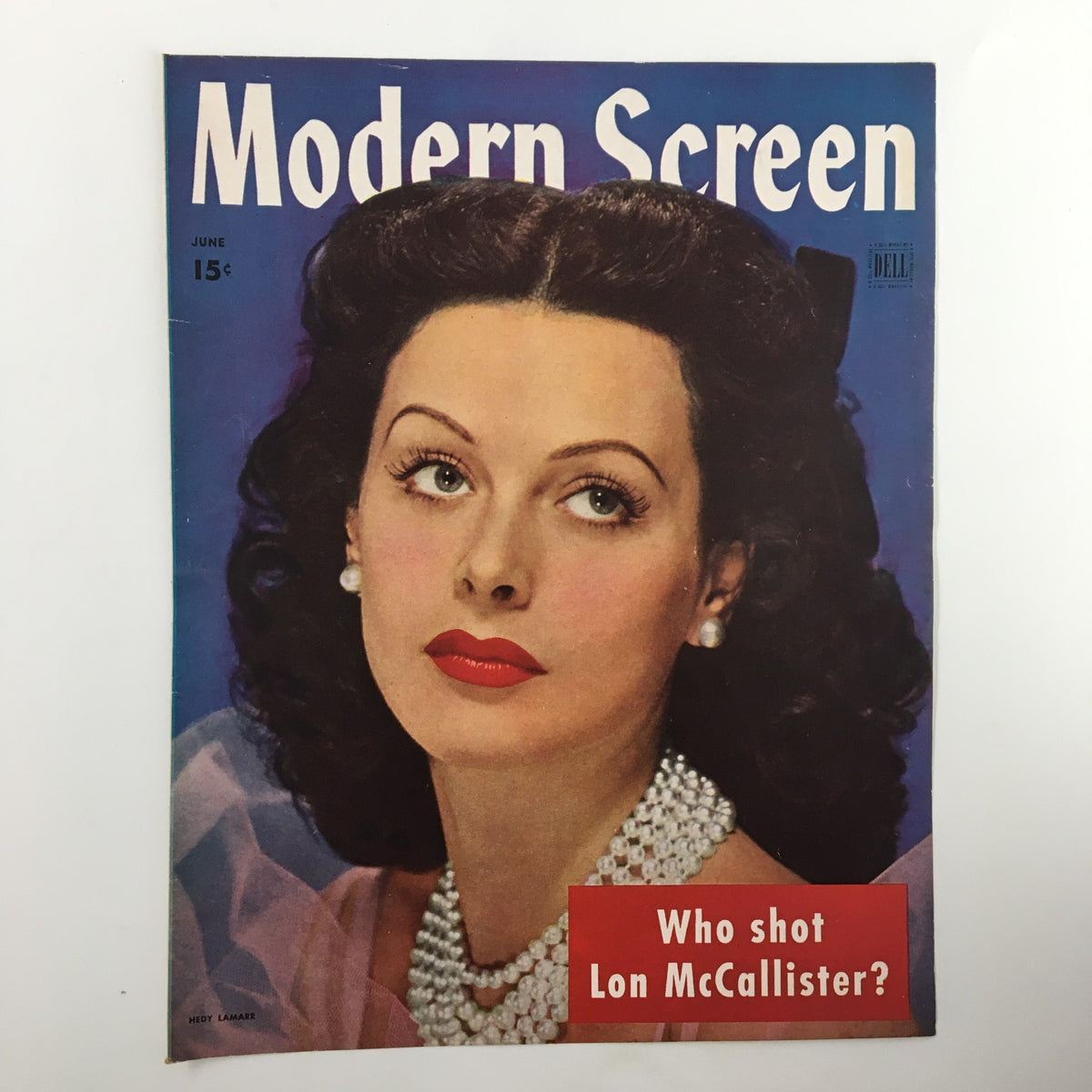
Baseball paused on June 6 — all Major League games were cancelled in honor of the invasion — yet within days the season resumed, because normalcy itself felt like resistance. At fifteen years old, Joe Nuxhall debuted for the Cincinnati Reds, becoming the youngest player in modern MLB history, a human-interest story that offered readers a momentary exhale. Original magazines from June 1944 capture this precise tension: advertisements for war bonds and V-mail services running alongside lipstick ads and recipes, the domestic and the desperate existing on the same glossy page.
Curator's Checklist: What to Look For
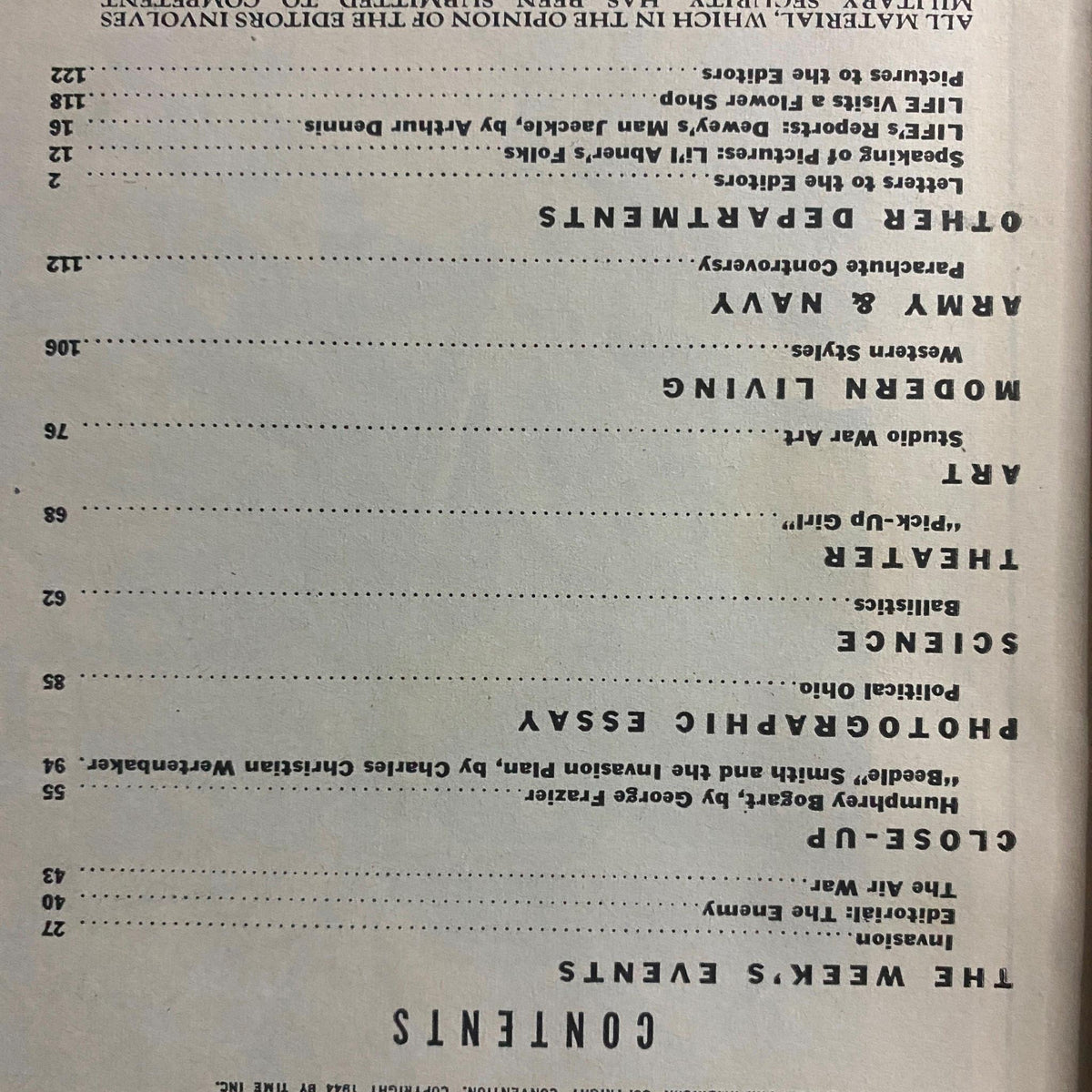
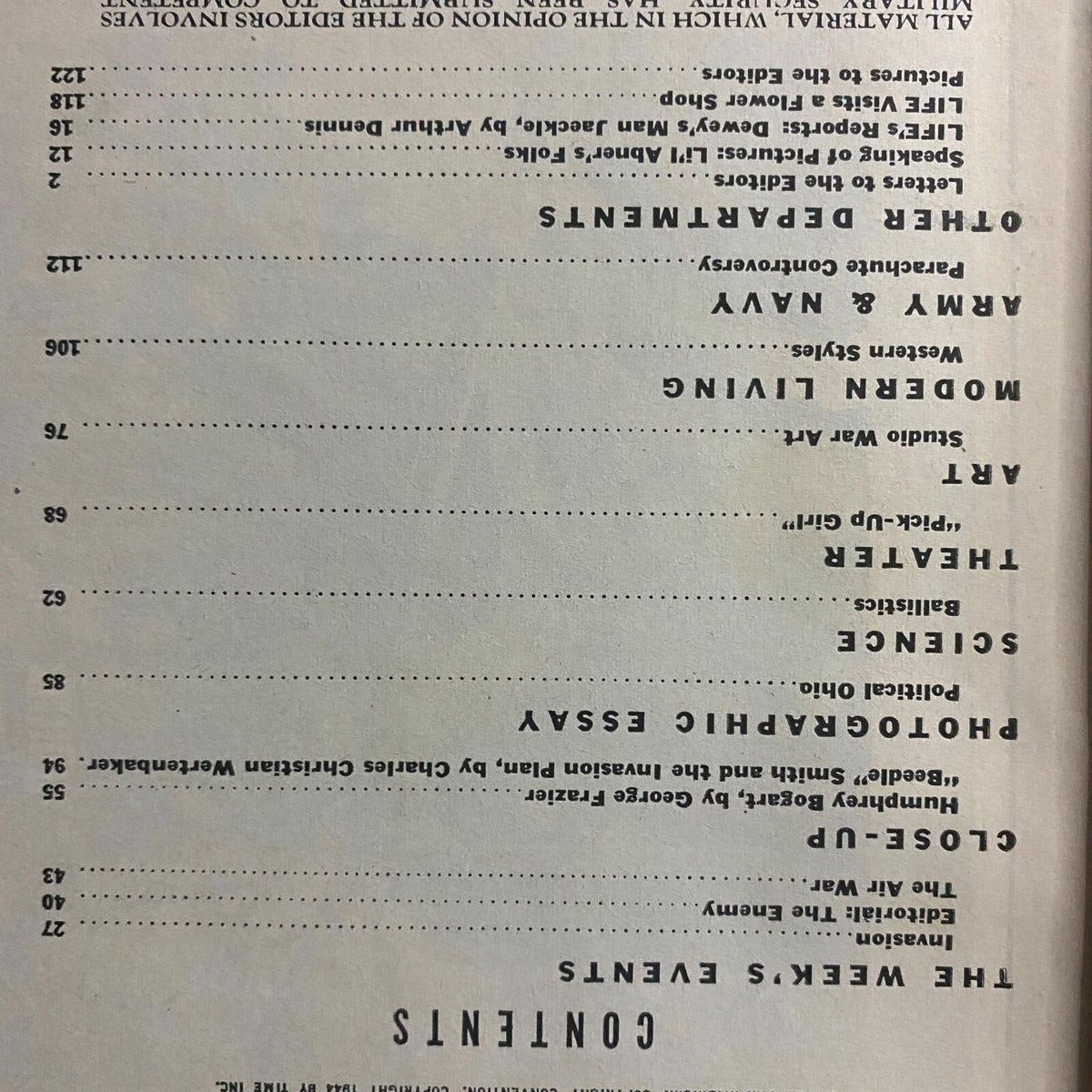
- D-Day Coverage: News-focused titles such as Life, Time, and Newsweek featuring maps of the Normandy beachheads, illustrated with aerial reconnaissance photography and portraits of Eisenhower, Montgomery, and Bradley — some issues rushed to press within 48 hours of the landings.
- The Liberation of Rome: Look for vintage magazines covering the 5th Army's entry into Rome on June 4–5, often showcasing striking photographic spreads of jubilant Italian civilians and the first Allied flags raised over a European capital city.
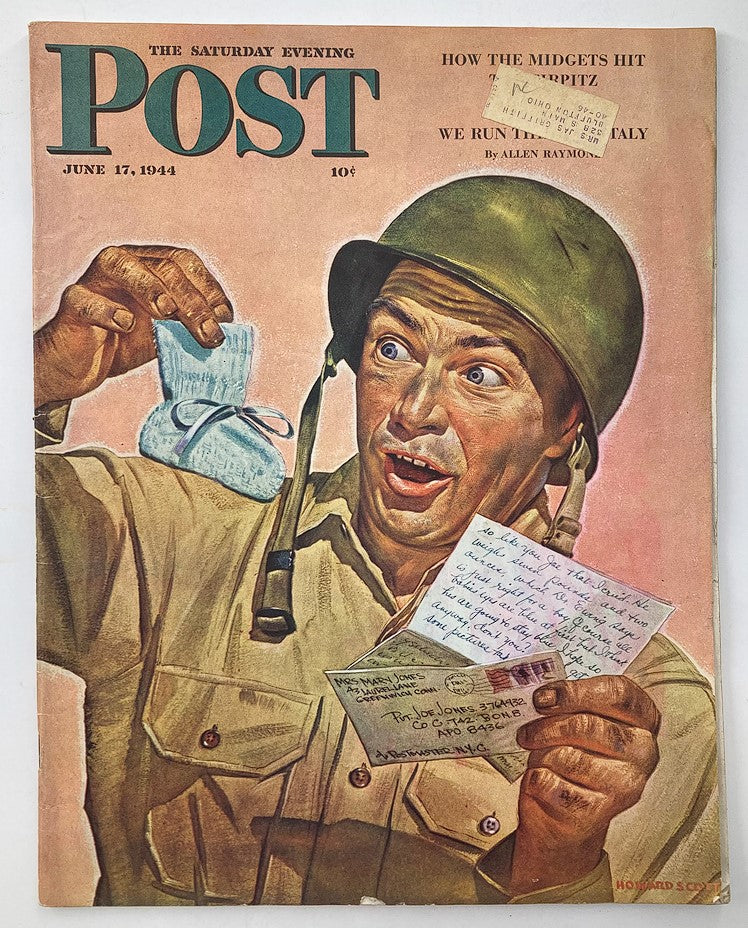
- The GI Bill: Saturday Evening Post and similar publications of June 1944 frequently ran editorials and advertisements framing the Servicemen's Readjustment Act as a promise to returning veterans — a rare magazines find that connects wartime sacrifice to postwar American ambition.
- Robert Capa's Photographs: Life magazine issues from late June 1944 are among the most collectible of the war years, chronicling Capa's "Magnificent Eleven" images from Omaha Beach — an authentic visual record that no reproduction can replicate.
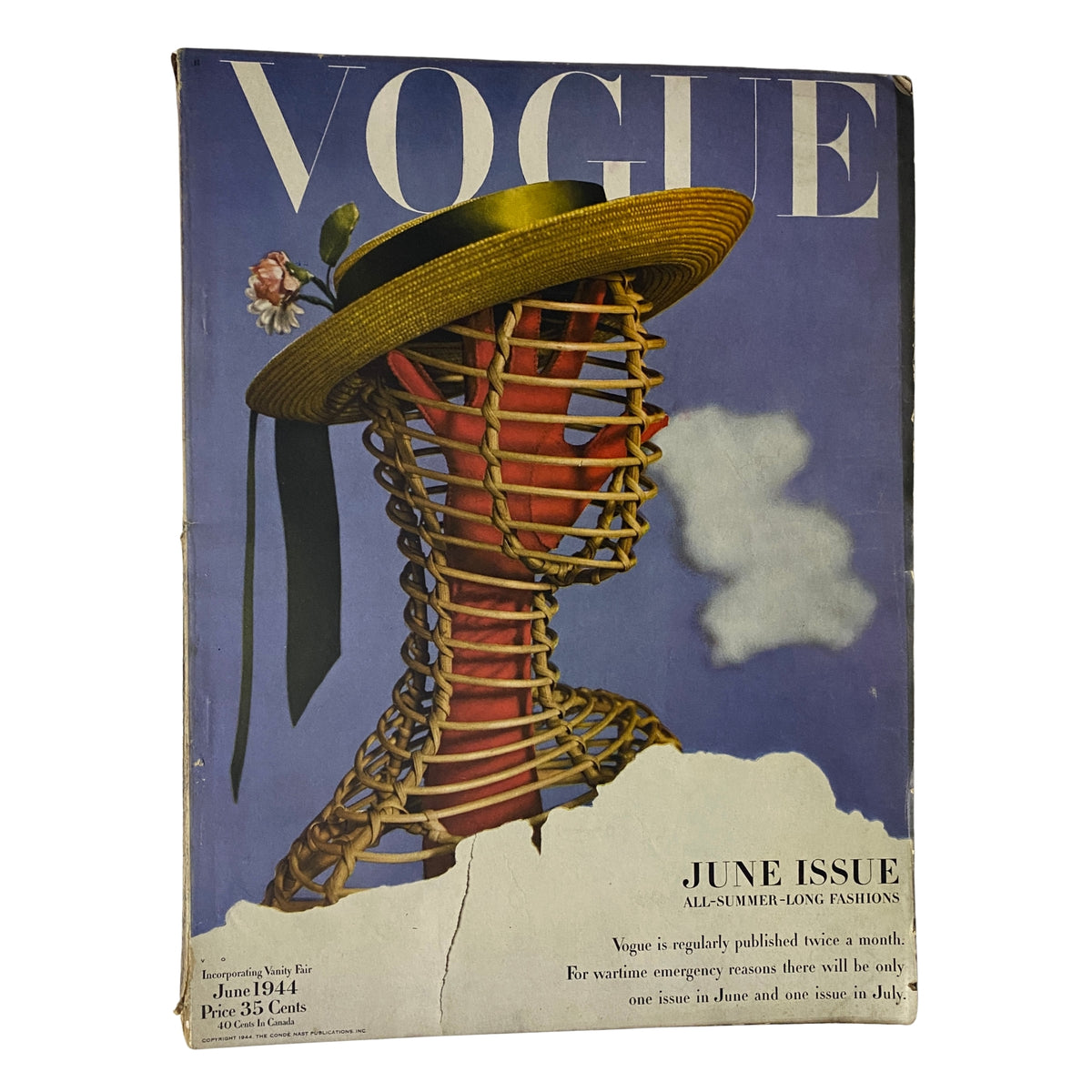
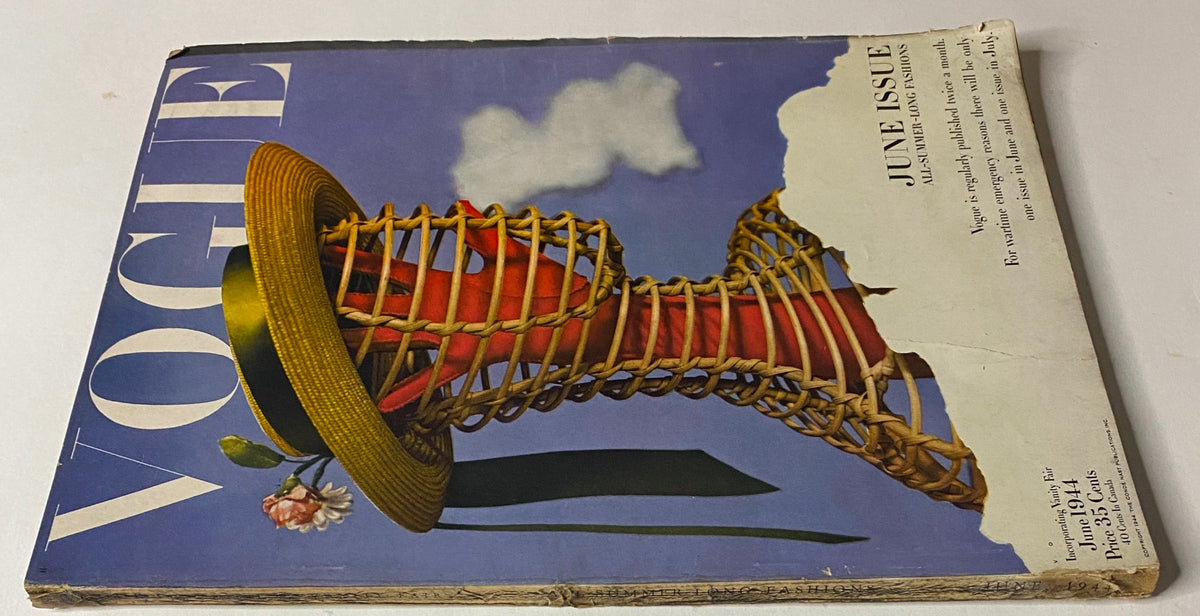
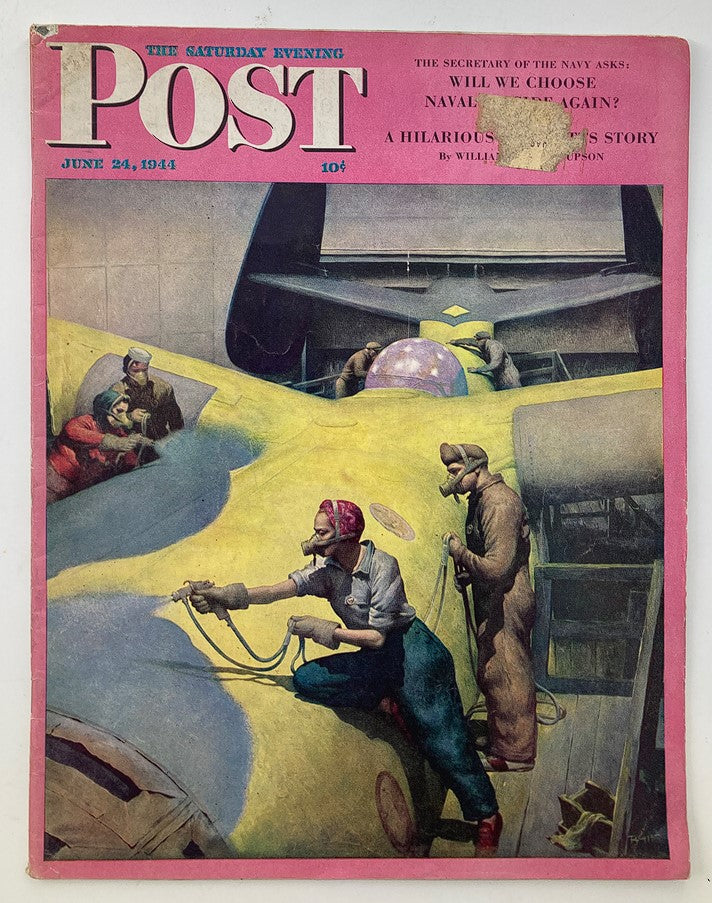
- The Home Front Aesthetic: Authentic advertising pages in Vogue, Harper's Bazaar, and Look from this month reveal the wartime economy's fingerprints: utility fashion, rationing culture, and the quiet dignity of women managing households — a genuine time capsule of civilian life mid-invasion.
The Perfect Gift
For someone born in June 1944, an original magazine from this world-altering month isn't just a keepsake — it's an authenticated fragment of the most consequential thirty days of the twentieth century, preserved in the headlines, photographs, and advertisements that reached American hands the very week history changed.