📖 About this Collection
June 1945: When the World Made Peace
The Historical Context
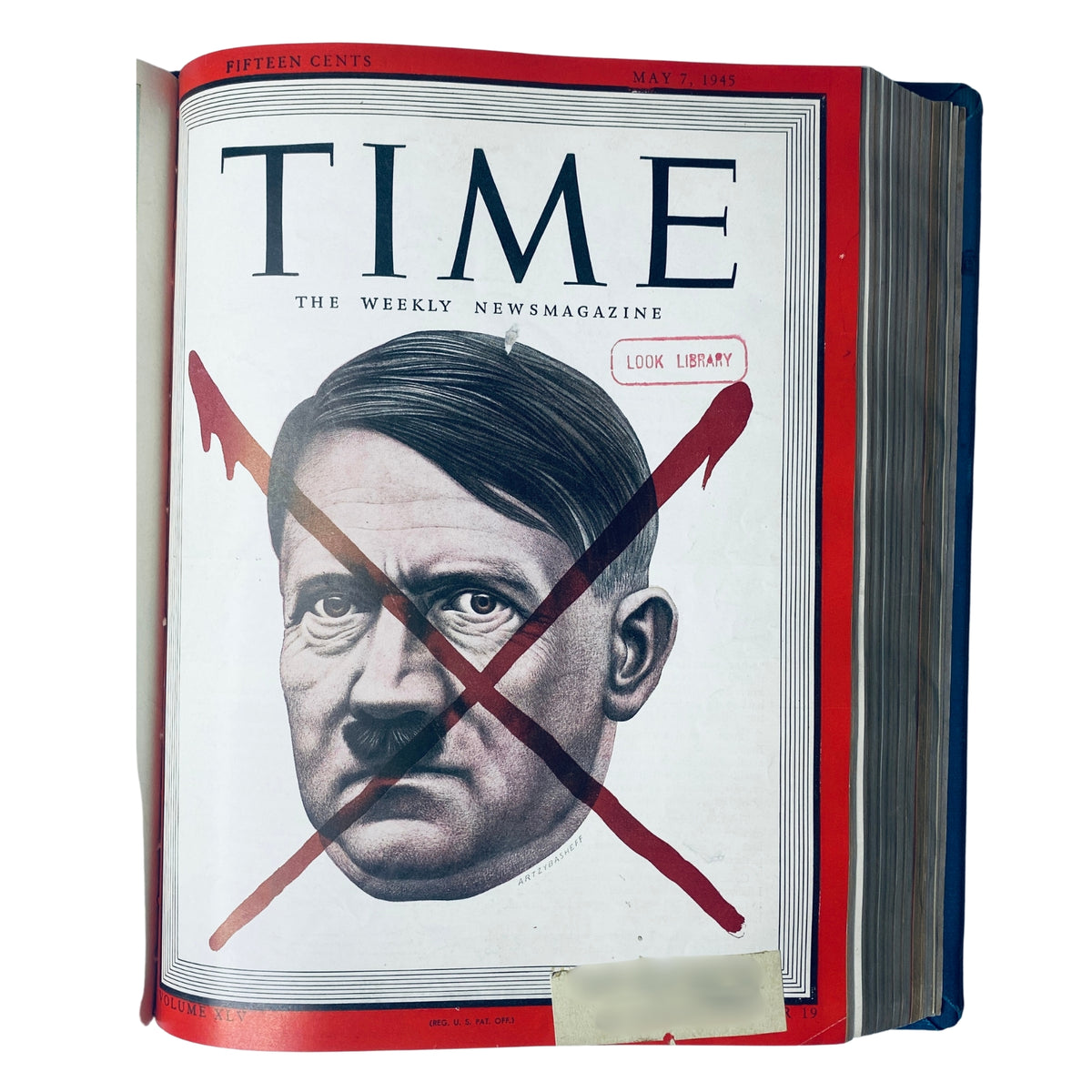
The guns in Europe had finally fallen silent. June 1945 opened with the Allied Powers doing something unprecedented in modern history—formally assuming supreme authority over a defeated Germany through the Berlin Declaration, dividing a shattered nation into occupation zones while millions of displaced people began the long walk home. The world exhaled, but only partially. In the Pacific, U.S. Marines were still fighting and dying on the coral ridges of Okinawa, a brutal island campaign that wouldn't conclude until the month's final weeks when the Imperial General Headquarters in Tokyo announced the island's fall—at a cost of staggering lives on both sides. Then, on June 26, fifty nations gathered in San Francisco to sign the United Nations Charter, planting the first institutional seed of a world that might, just might, choose cooperation over catastrophe. This was the world your loved one entered: exhausted, hopeful, and remaking itself from rubble.
A Culture Catching Its Breath
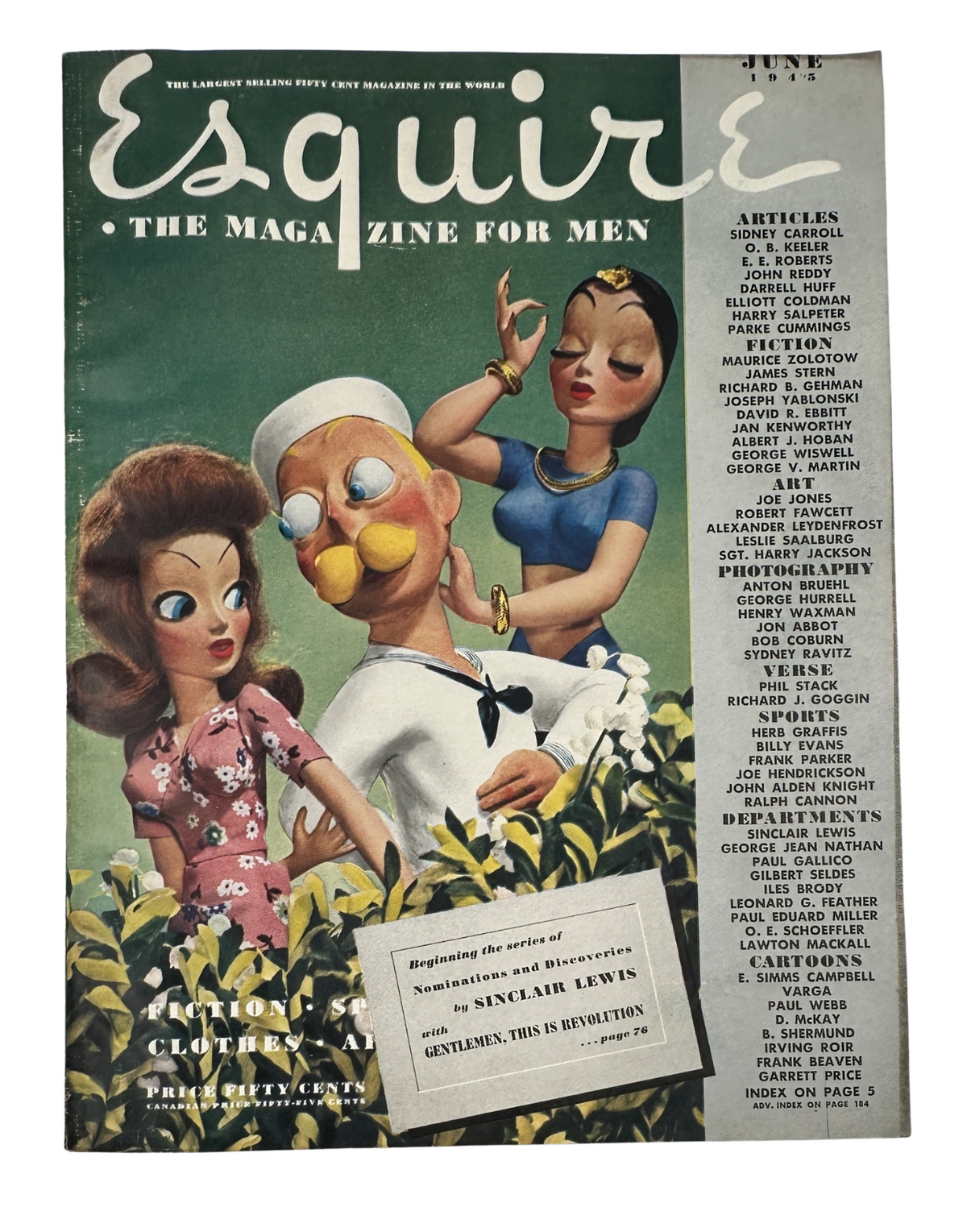
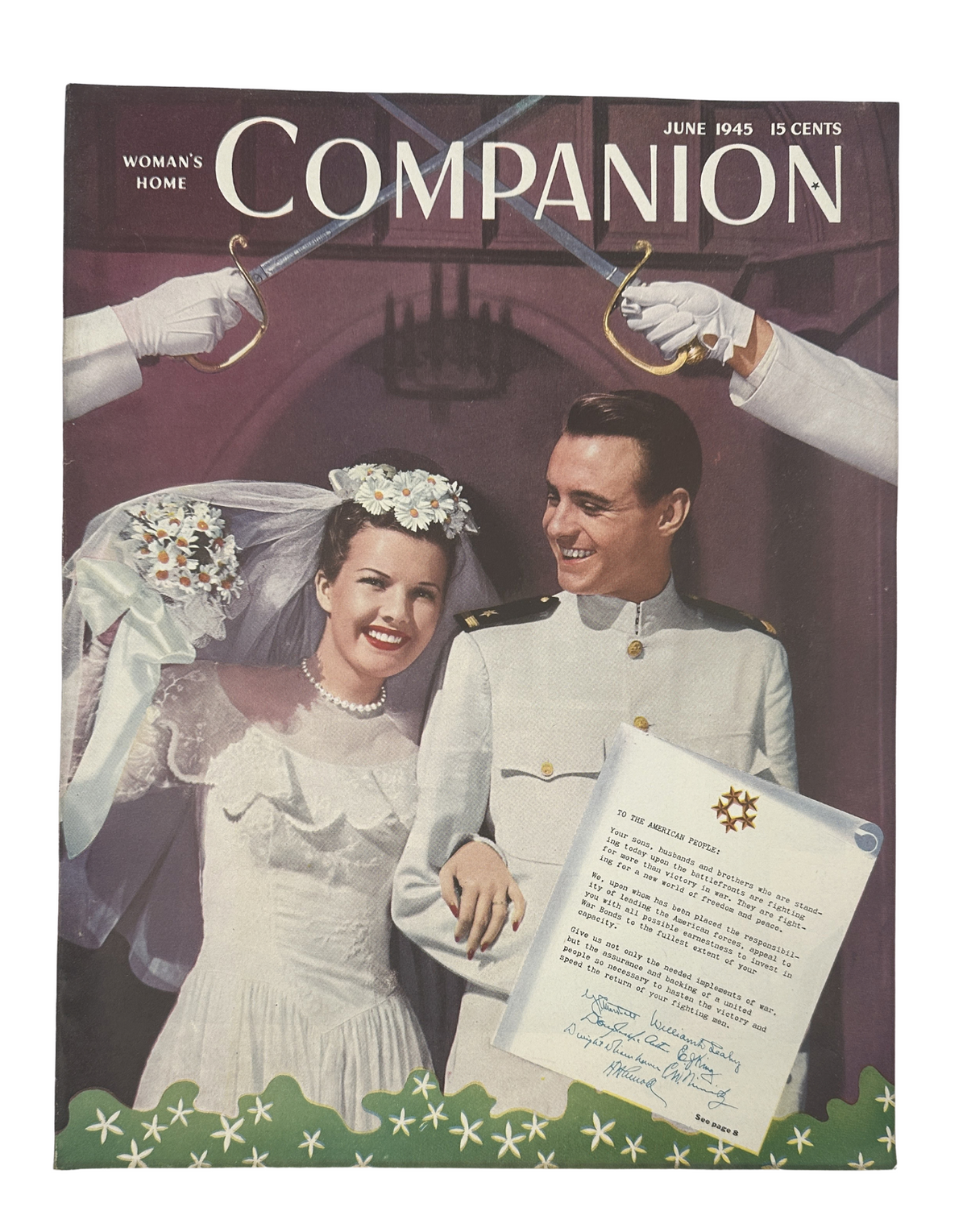
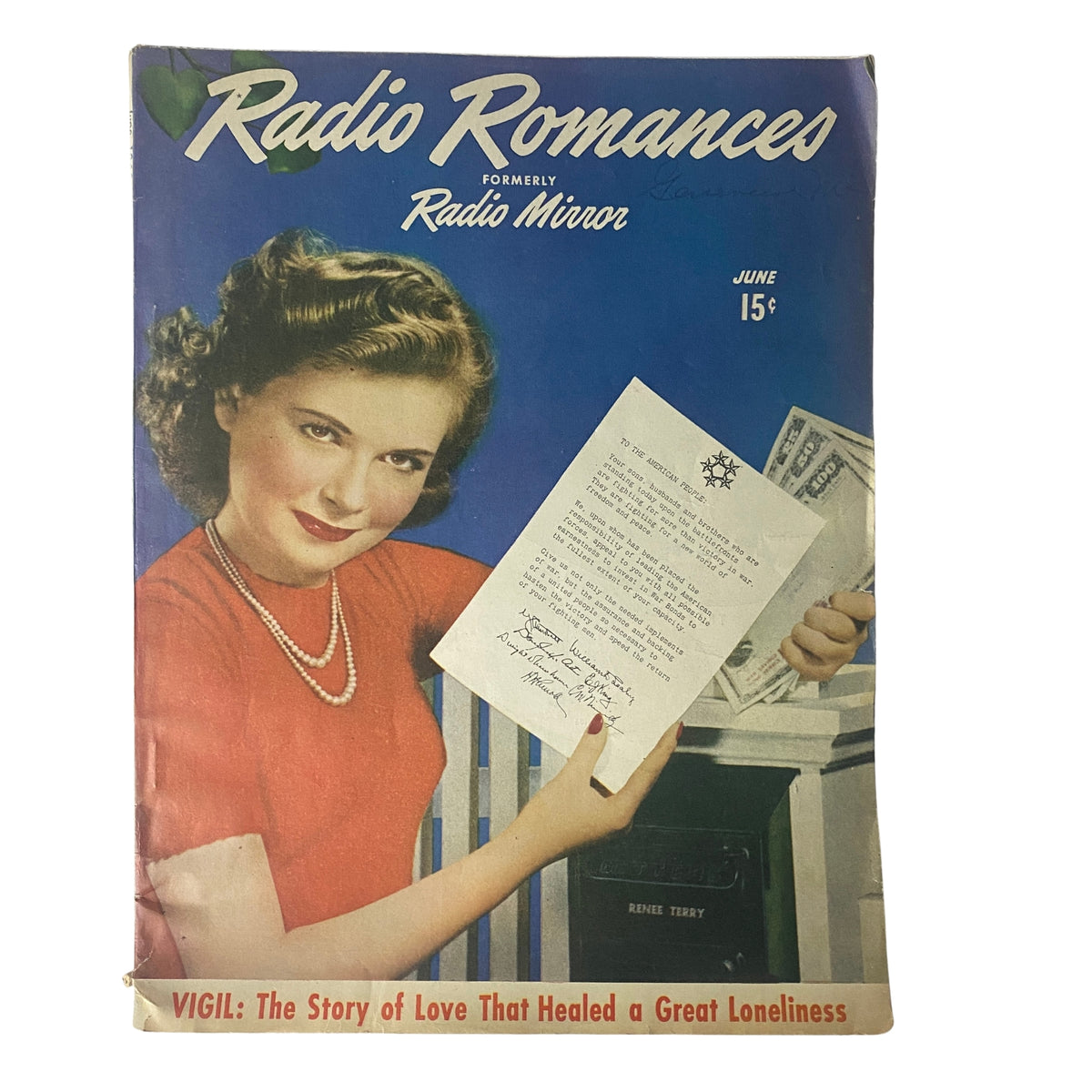
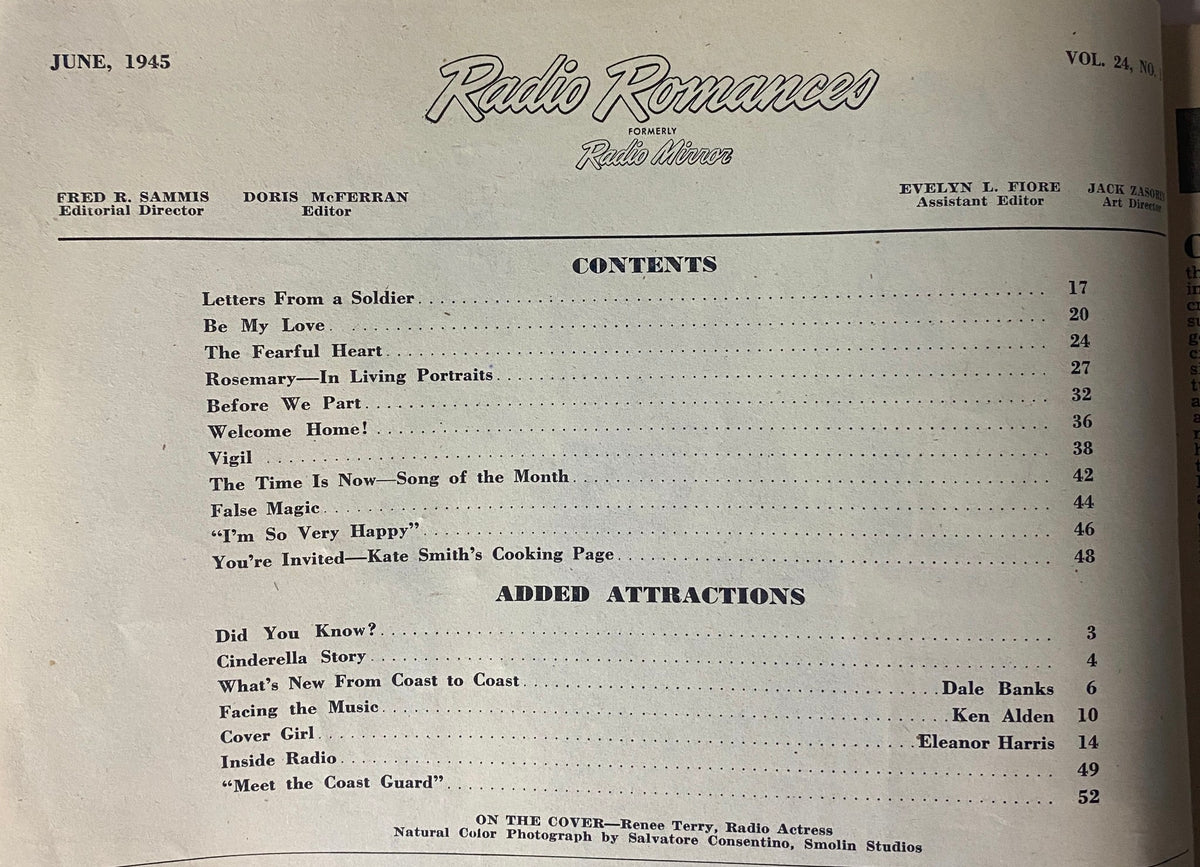
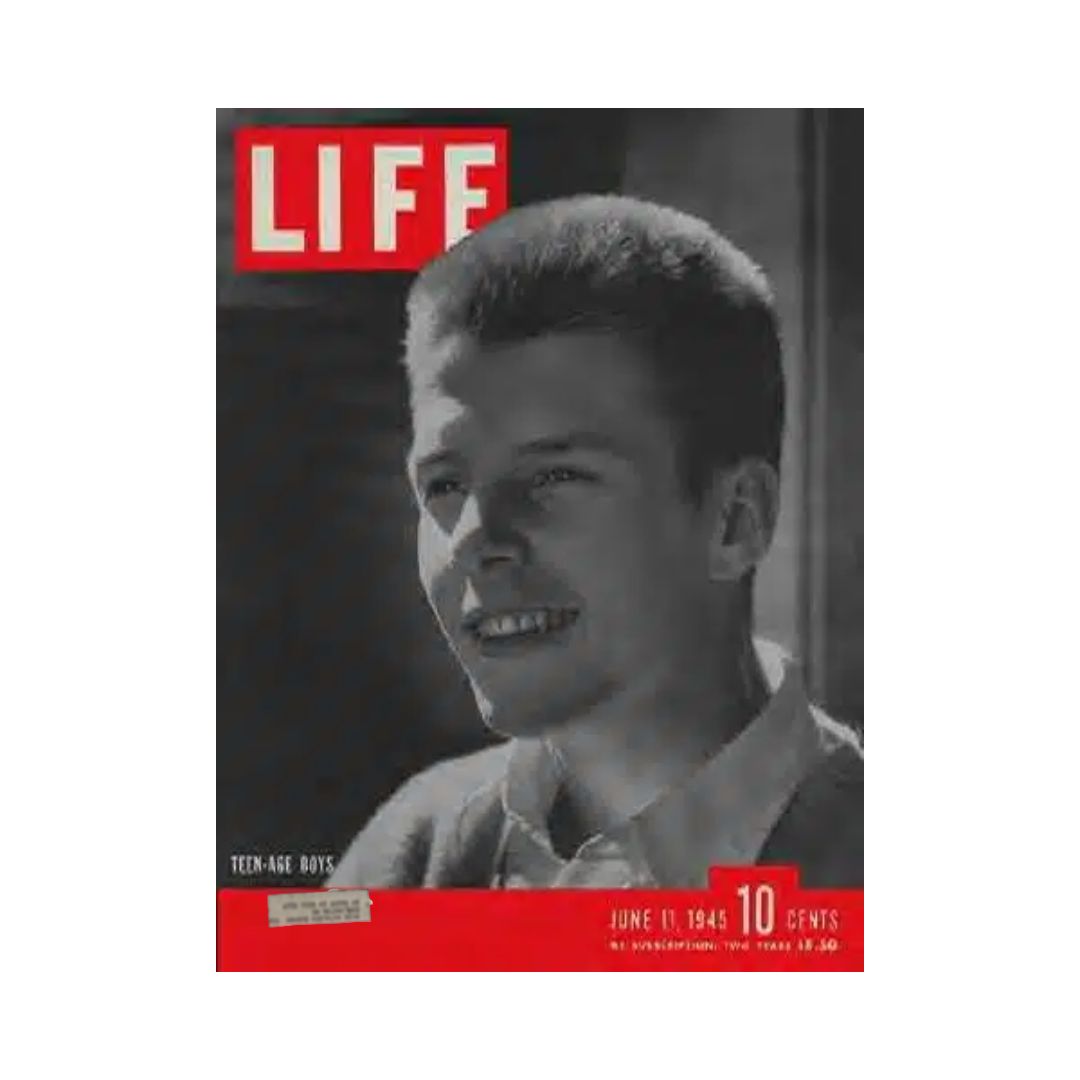
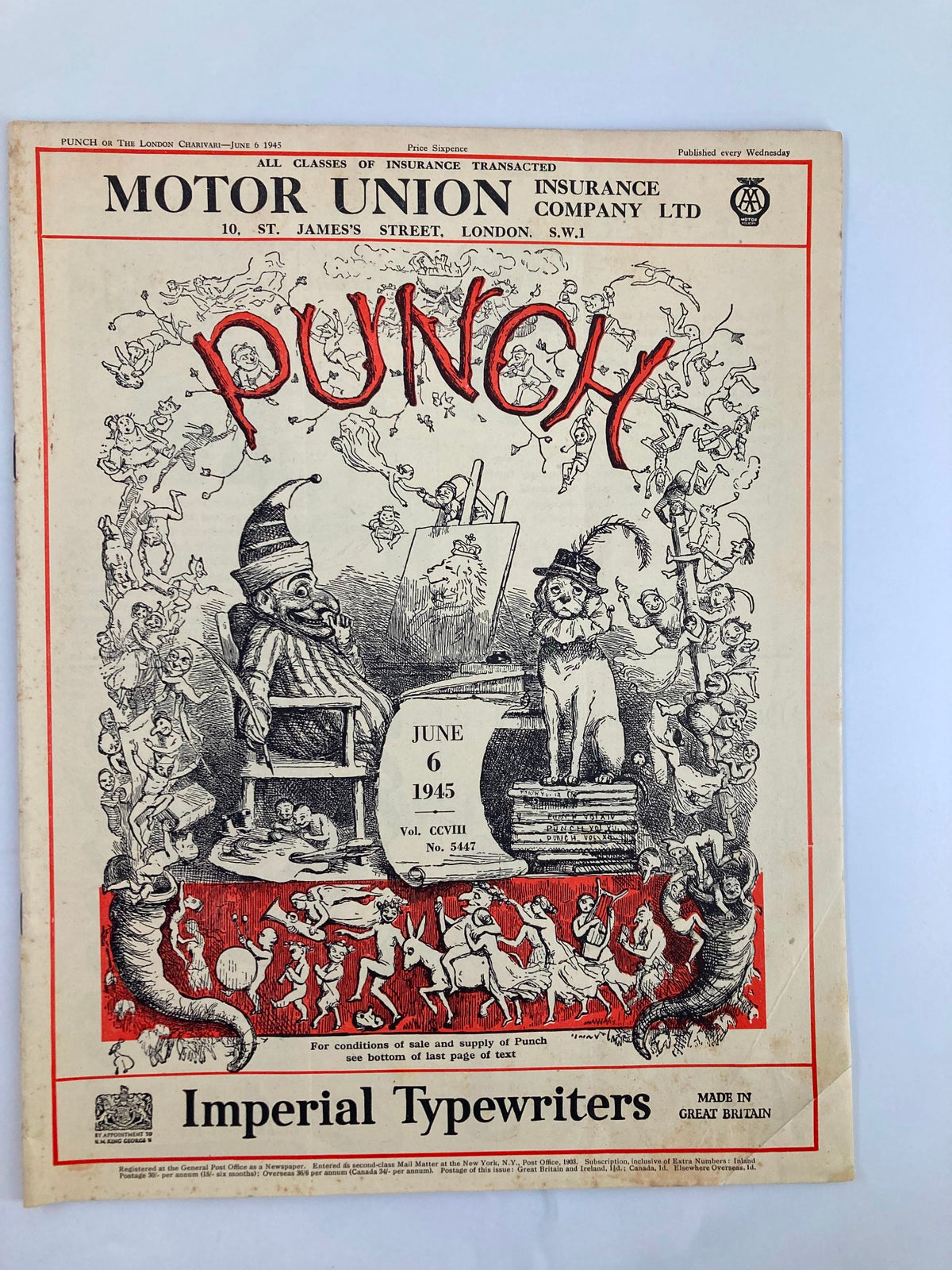
Even as war dominated the front pages, life was finding its footing again. On June 5, London audiences witnessed the premiere of Benjamin Britten's opera Peter Grimes at Sadler's Wells—a landmark night for British music that signaled the arts returning to the stage after years of wartime austerity. At the racetrack, the legendary jockey Eddie Arcaro dominated the season, riding Hoop Jr. to victory at the 71st Kentucky Derby in June and then steering Pavot to a win at the Belmont Stakes, continuing a career that would eventually make him the most celebrated rider of his era. On the lighter side, Warner Bros. released the cartoon A Gruesome Twosome, one of Tweety's earliest appearances on American screens—a small, cheerful reminder that even in the shadow of global conflict, audiences craved laughter. Original magazines from June 1945 captured all of it: the solemnity of peace negotiations, the triumphs on the turf, and the culture slowly learning how to be itself again.
Curator's Checklist: What to Look for in June 1945 Magazines
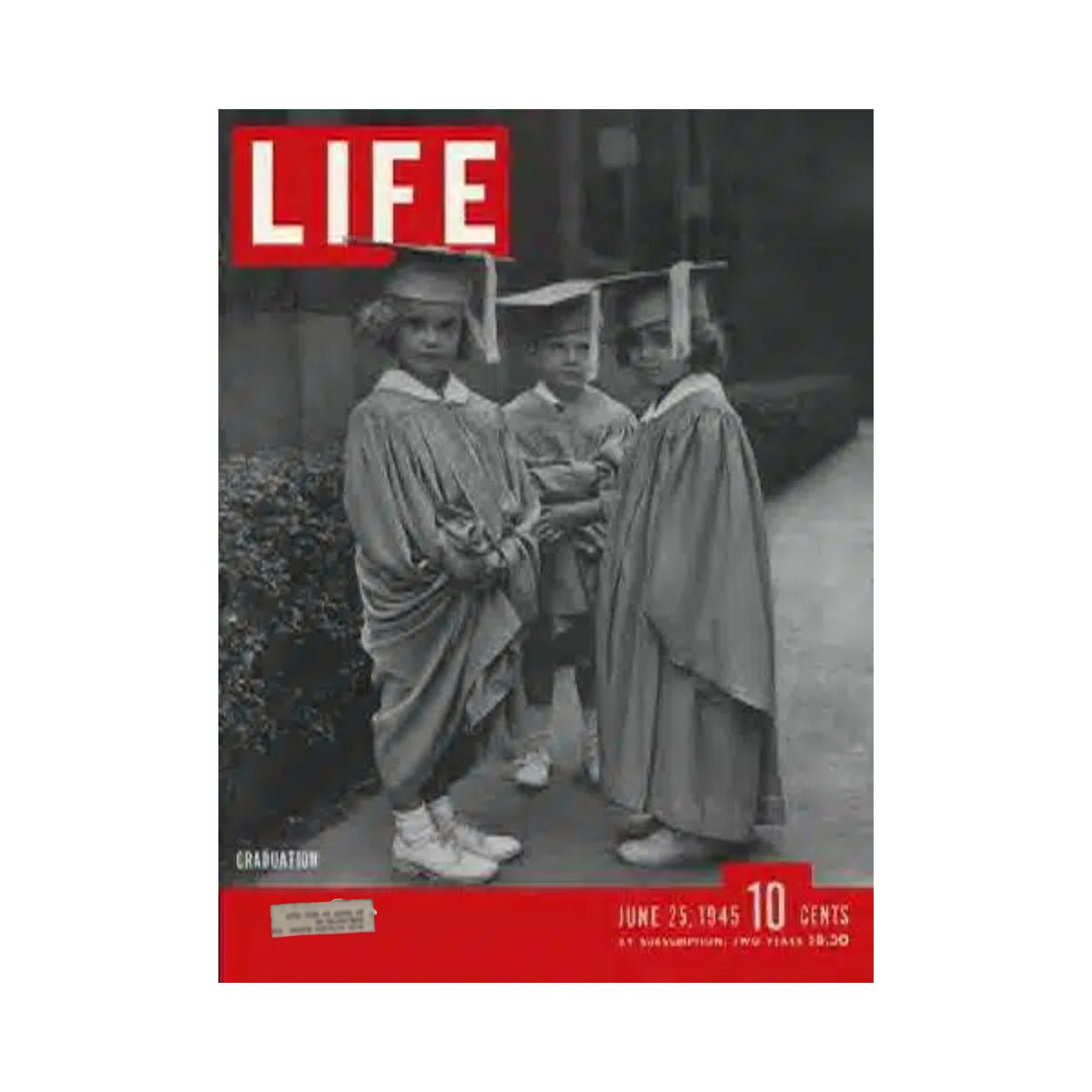
- UN Charter Signing: Issues of Time, Life, and Newsweek featuring coverage of the San Francisco ceremony, illustrated with photographs of delegates from fifty nations, often with full-page spreads on the new international body's structure and ambitions—rare magazines documenting the birth of the modern world order.
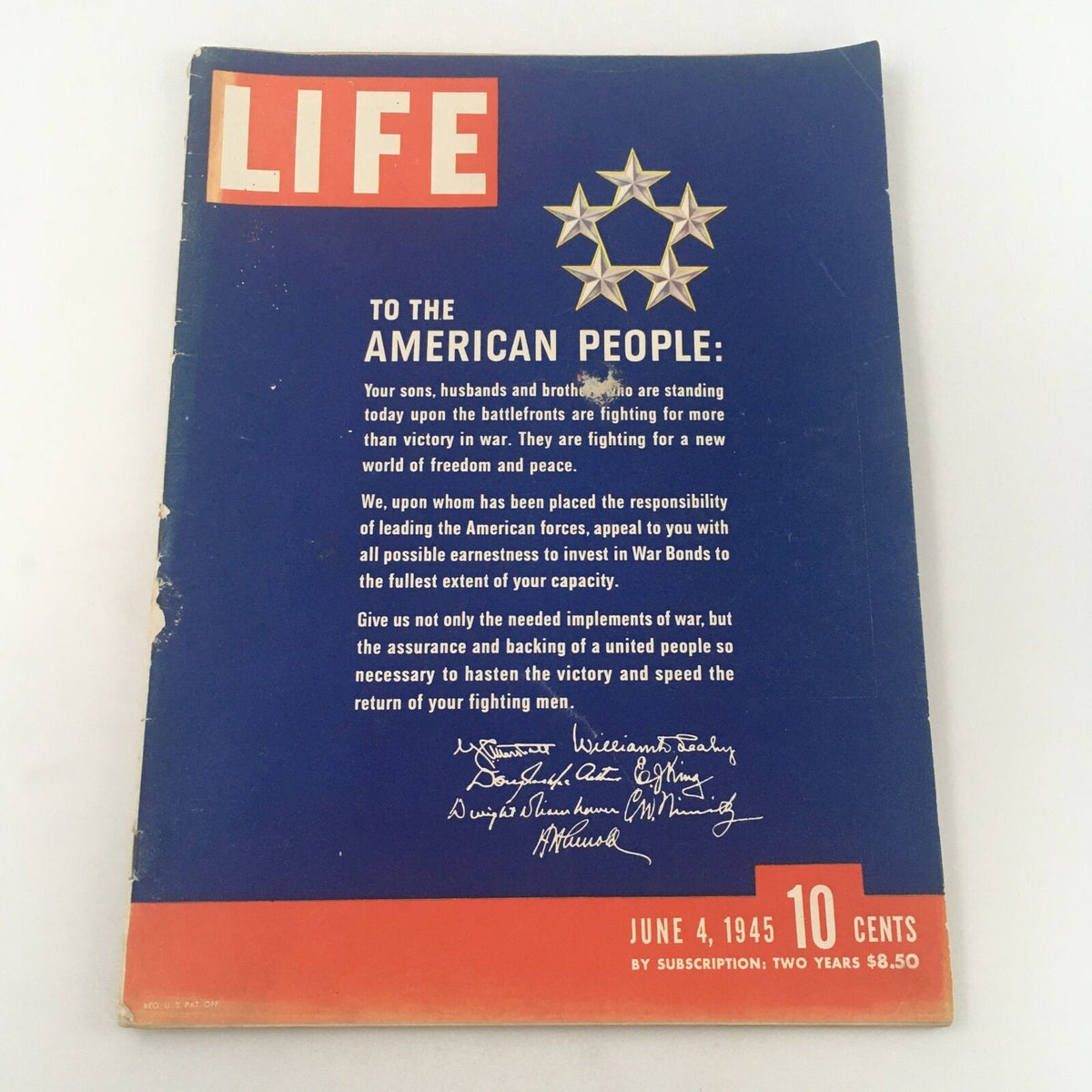
- Victory in the Pacific: Life and Look showcasing frontline photography from Okinawa's final days, chronicling the U.S. Marines' conquest of Kunishi Ridge and the island's fall—visceral, unfiltered imagery that no reproduction can match.
- Operation Paperclip & German Rocket Scientists: Popular Mechanics and news weeklies featuring early coverage of Wernher von Braun's transfer to American custody, a story whose full implications would unfold across the next decade in space race headlines.
- Eddie Arcaro & the Racing Season: Sports Illustrated predecessors and vintage sports periodicals showcasing the Kentucky Derby and Belmont Stakes victories, preserving authentic racing photography and the era's hand-lettered sports typography.
- Benjamin Britten's Peter Grimes Premiere: Cultural and arts publications including Vogue and highbrow periodicals of the period, featuring reviews and photographs from London's reopened stages—genuine artifacts of postwar European cultural revival.
The Perfect Gift
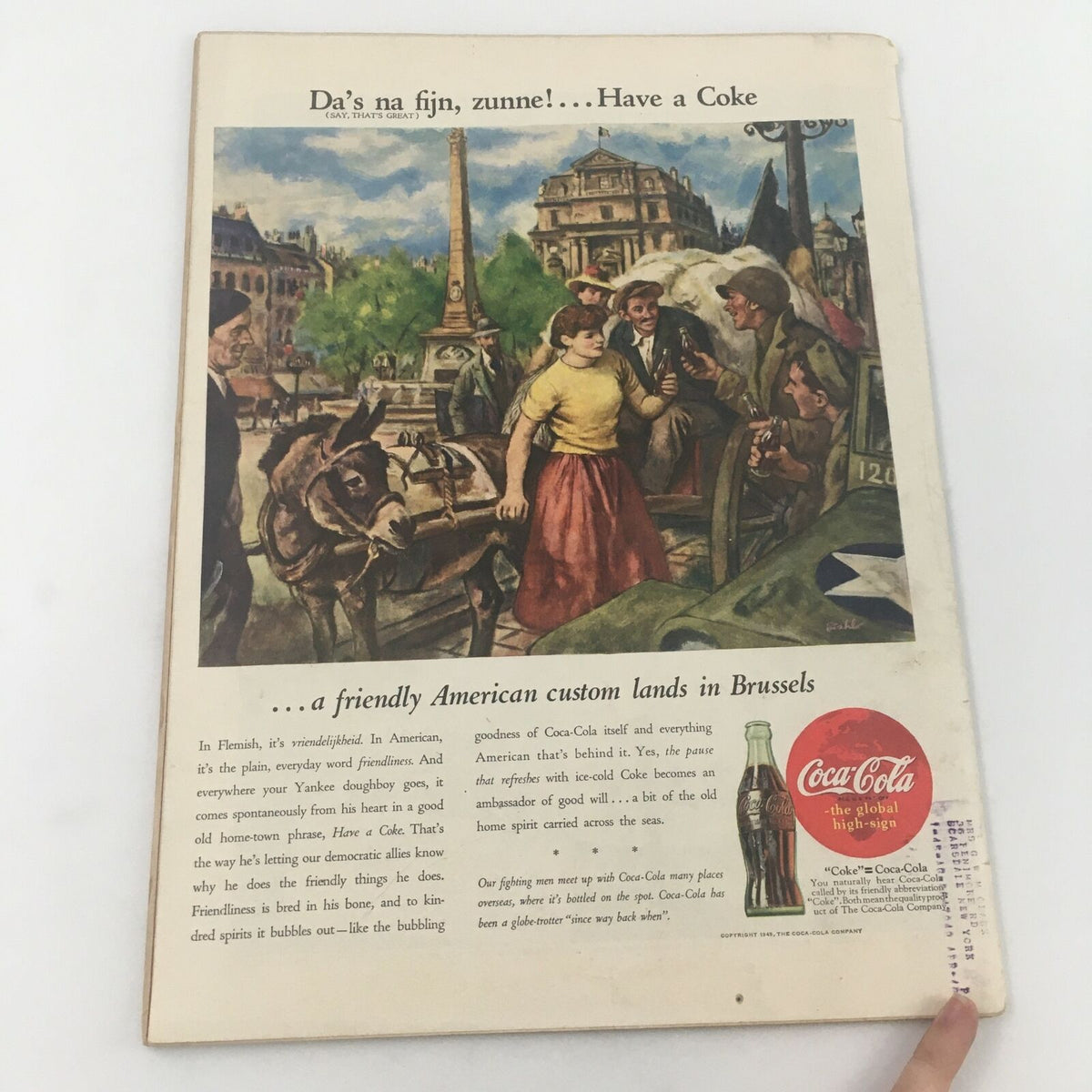
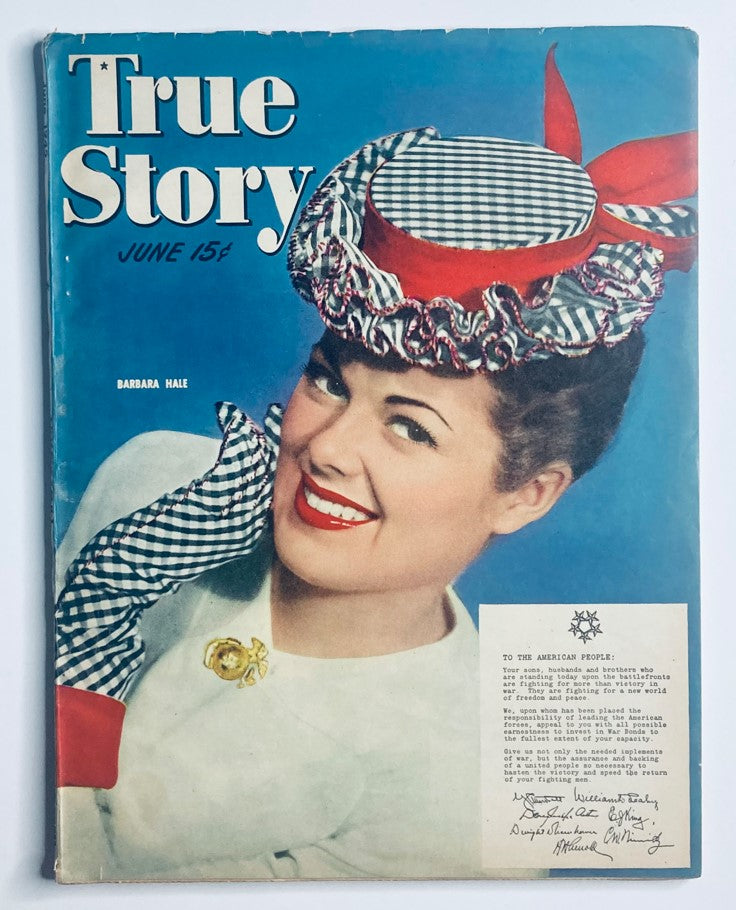
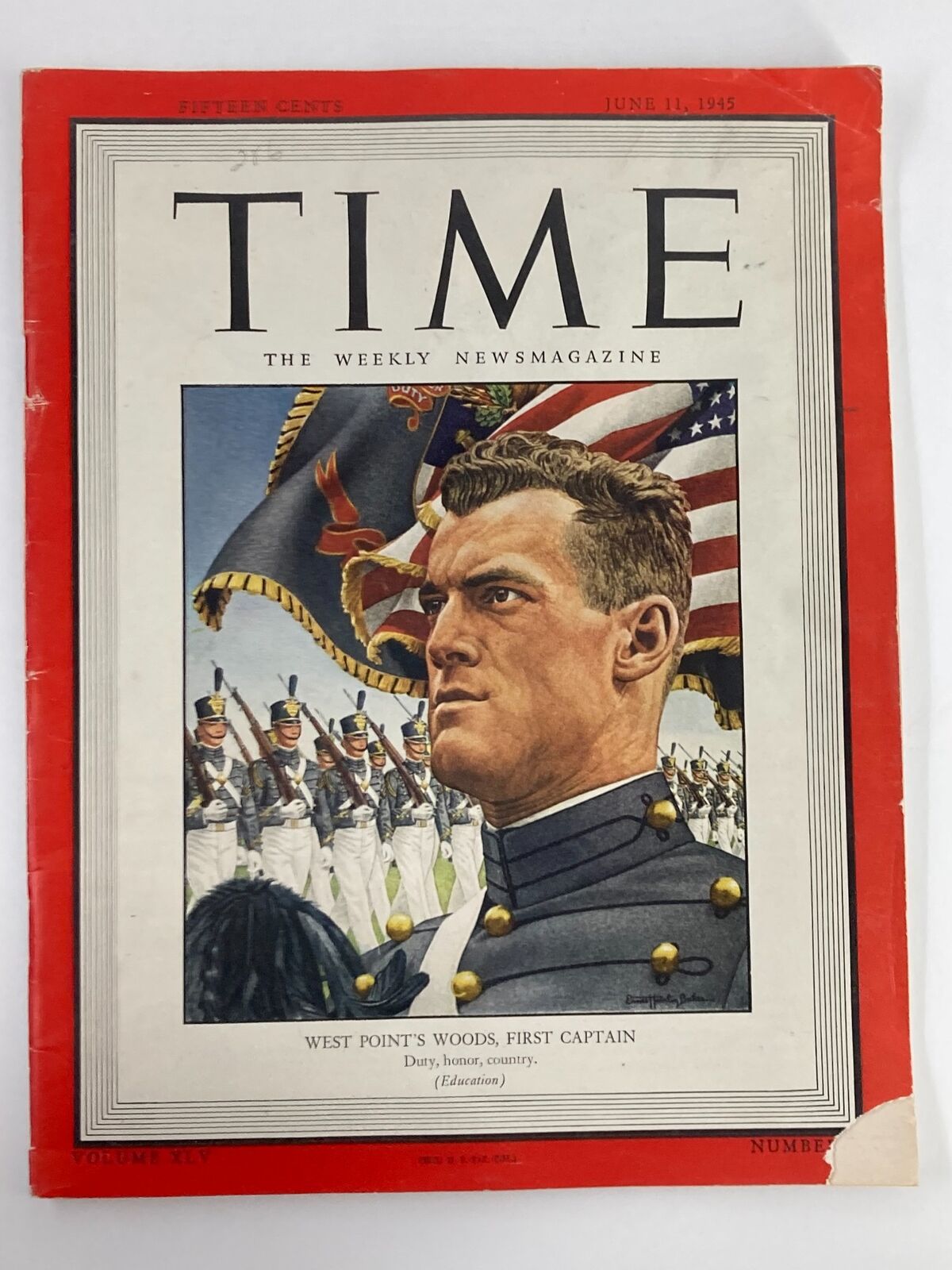
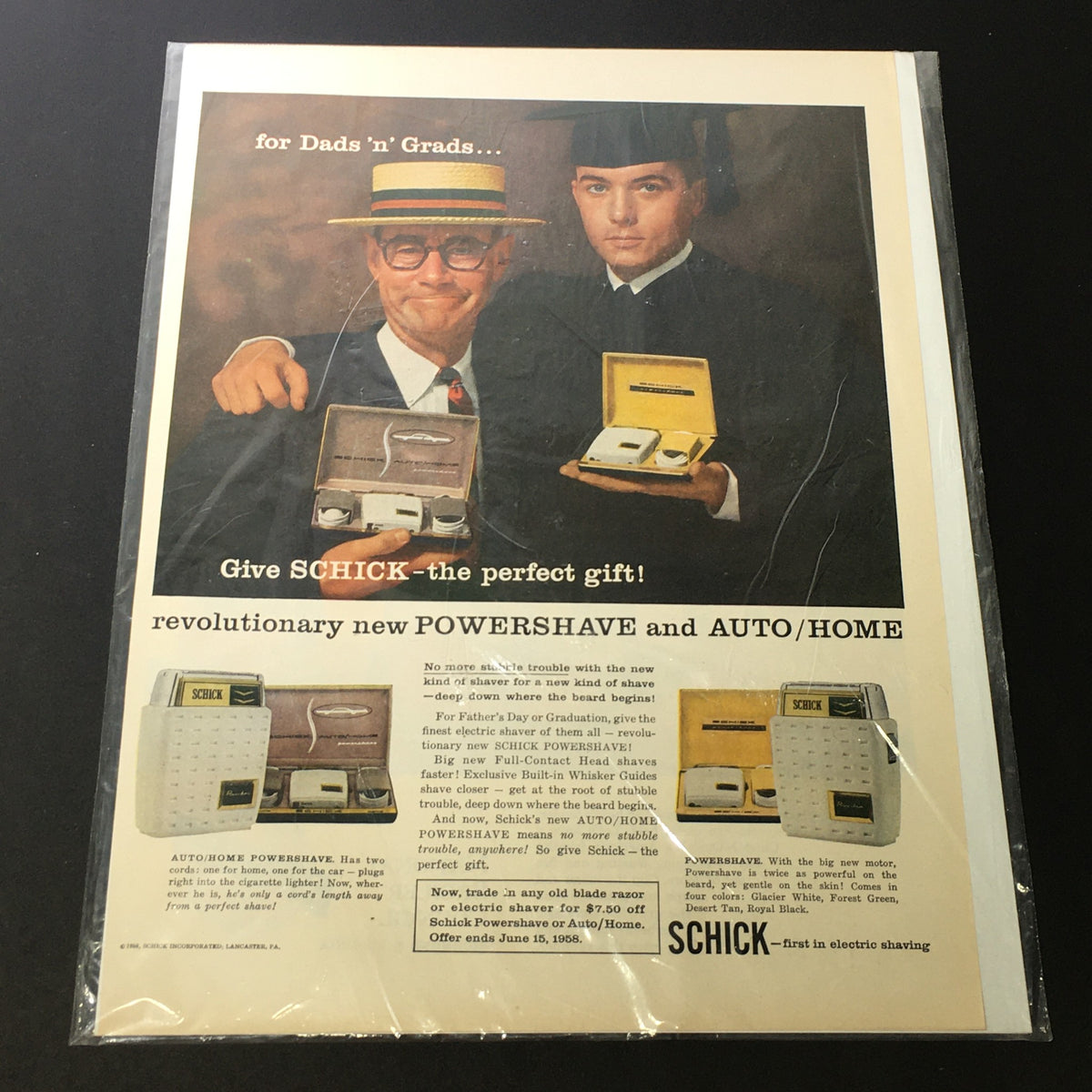
For someone born in June 1945, an original magazine from this pivotal month isn't just a piece of old paper—it's an authenticated time capsule of the exact world they arrived in, preserved in genuine wartime typography, authentic period advertisements, and the unfiltered headlines of history still being made.