📖 About this Collection
June 1947: The Month the World Was Remade
The Historical Context
June 1947 arrived not with quiet optimism but with the electric hum of a civilization reordering itself. On the fifth day of the month, Secretary of State George Marshall stood at a Harvard commencement podium and outlined a plan so audacious it would reshape the map of Western Europe—offering American dollars to rebuild a continent shattered by war. The Marshall Plan wasn't merely policy; it was a declaration that the postwar world had truly begun. Against this backdrop of reconstruction, Congress was engaged in its own defining battle: the Taft-Hartley Act, restricting the power of trade unions, survived President Truman's veto on June 23rd, rewriting the relationship between American labor and capital for generations. Meanwhile, the Office of Price Administration—the agency that had rationed sugar, tires, and nylons since Pearl Harbor—quietly disbanded on June 1st, dissolving the last bureaucratic ghost of wartime America. This was the world your loved one entered: raw, consequential, and full of possibility.
Culture at a Crossroads
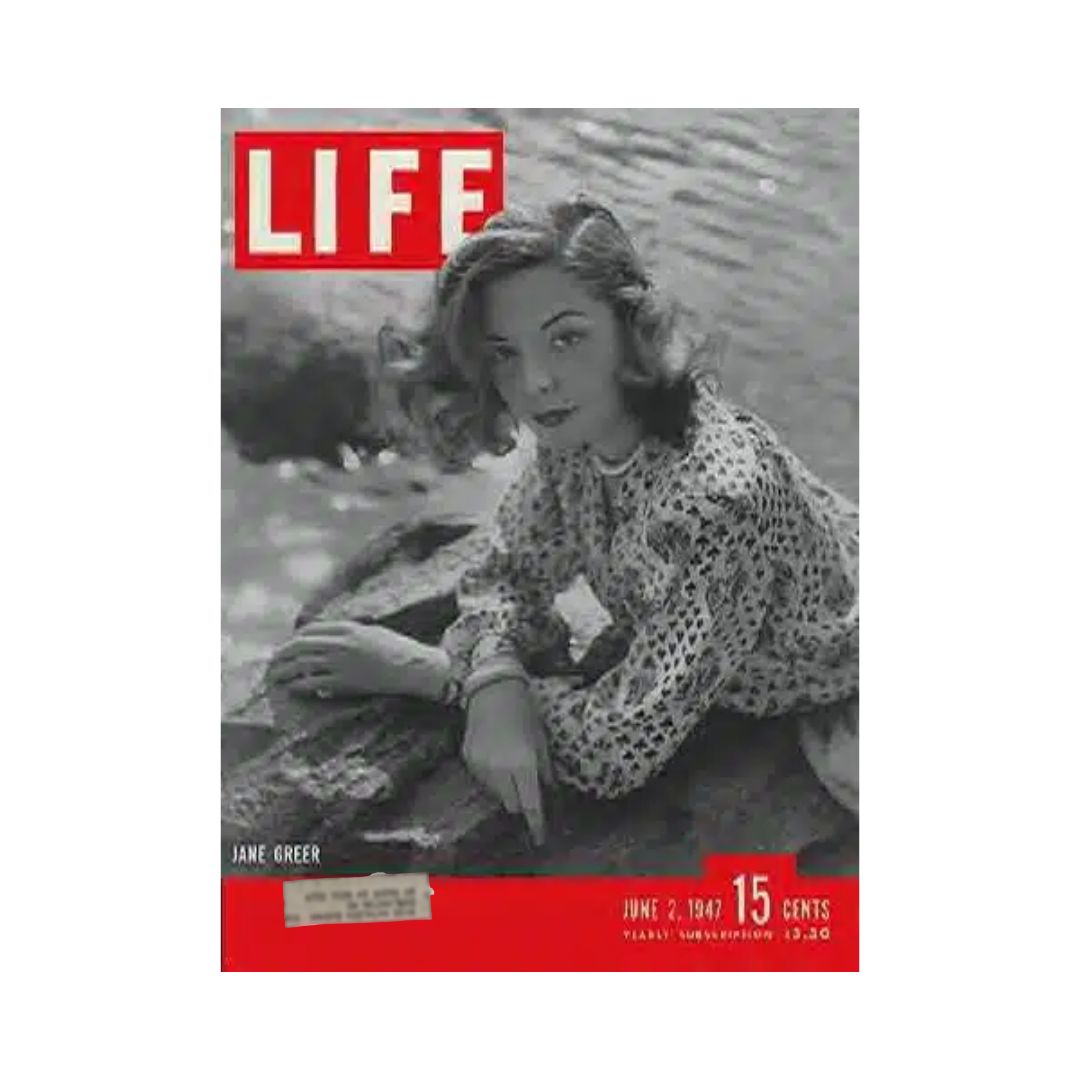
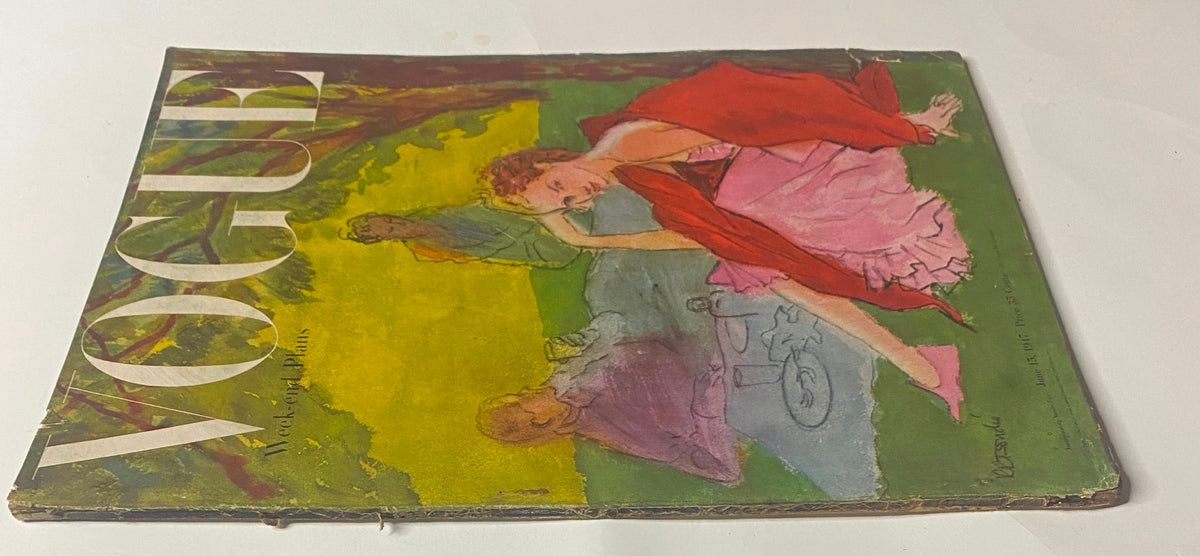
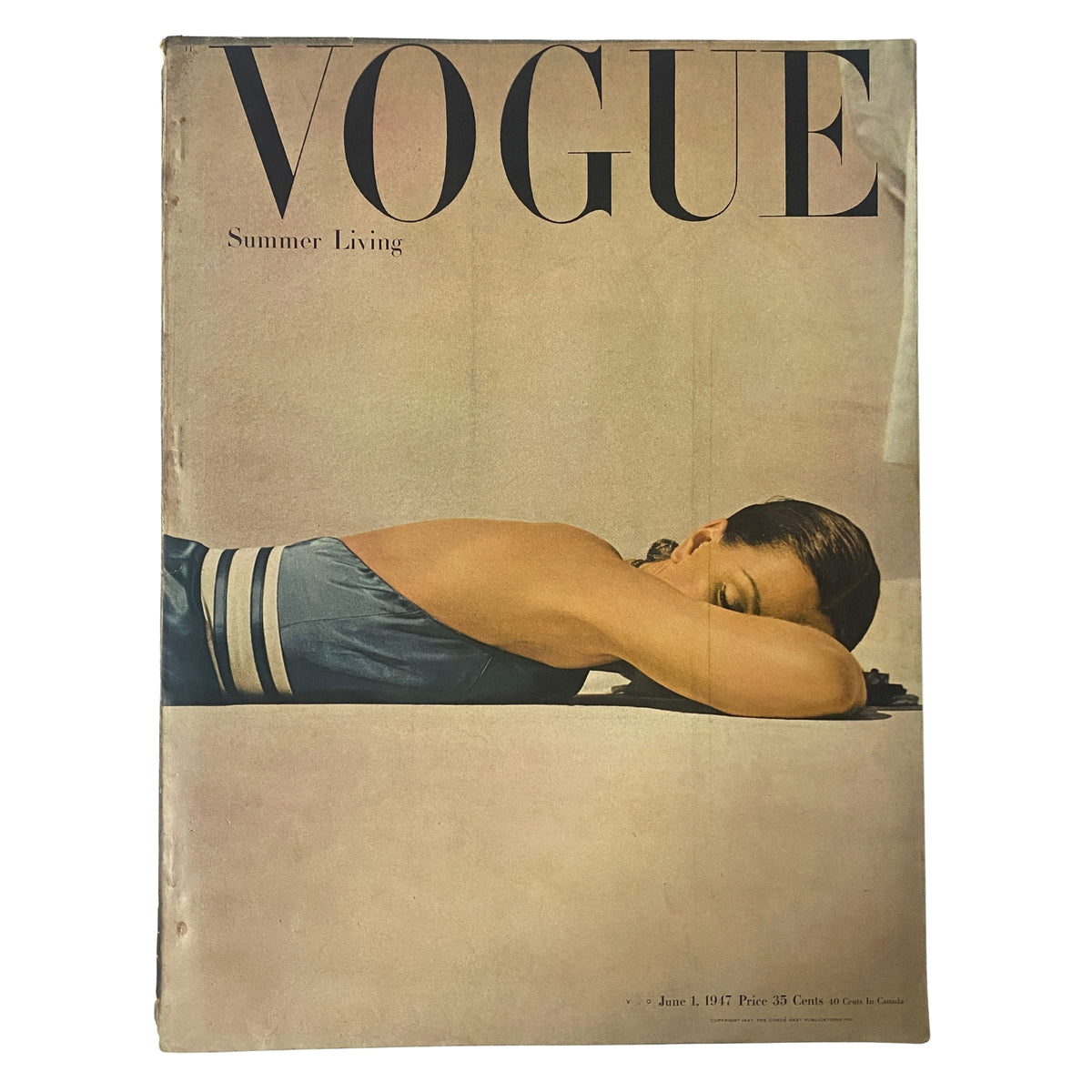
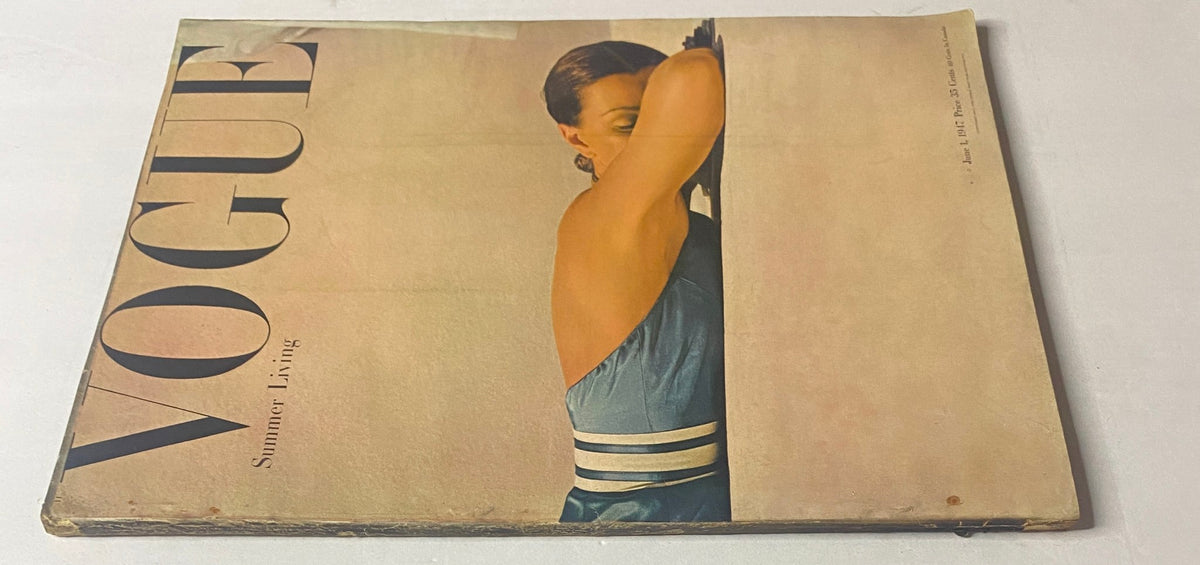
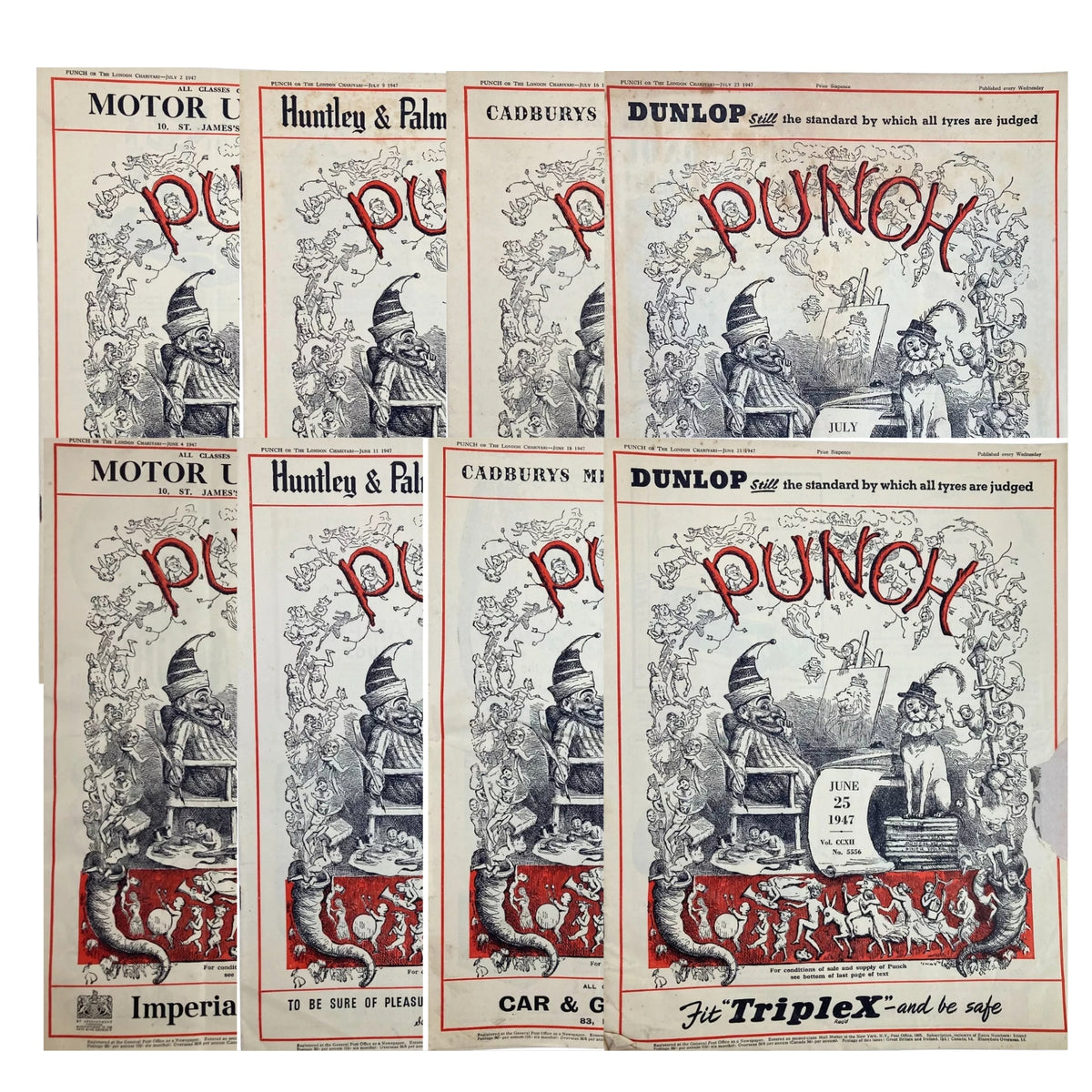
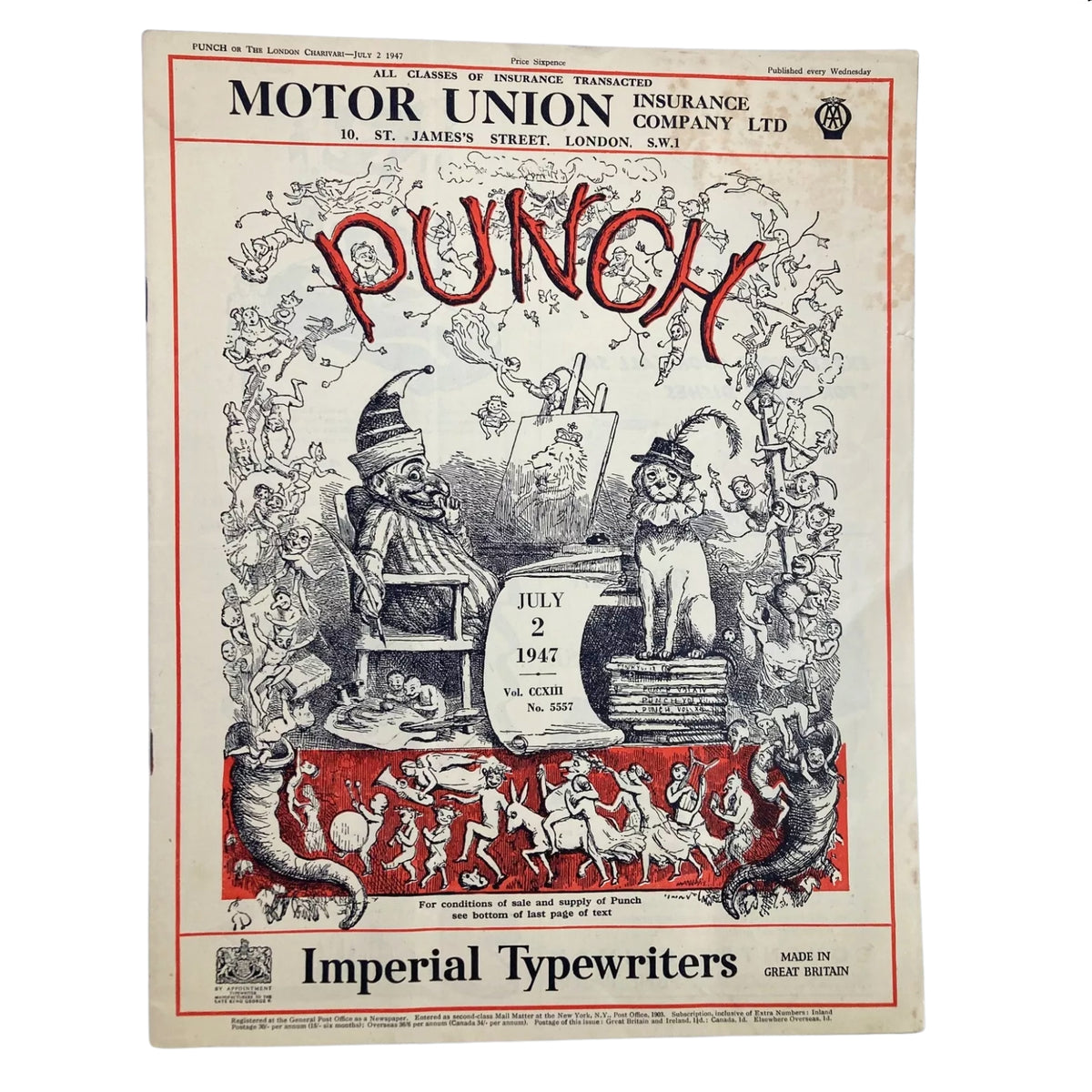
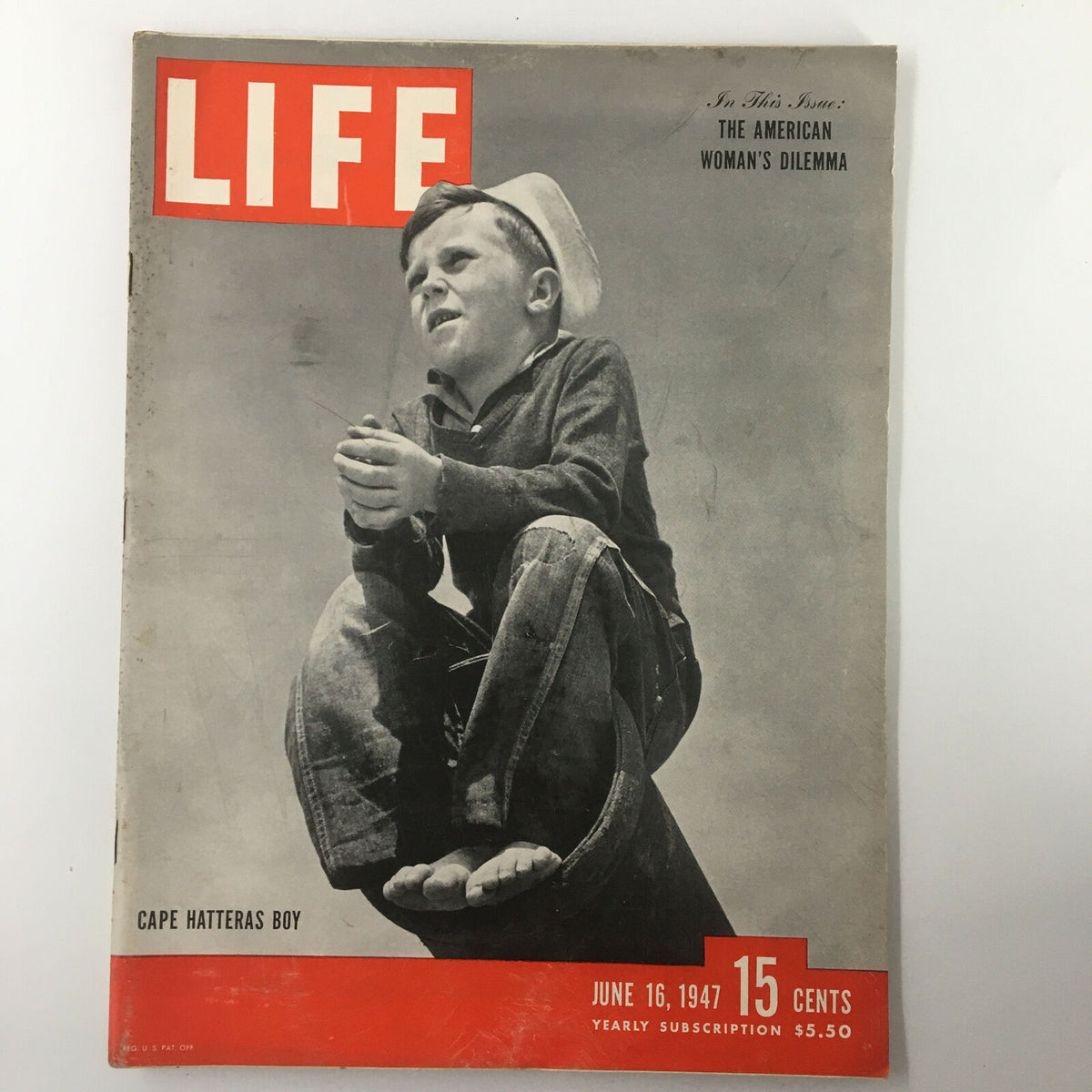
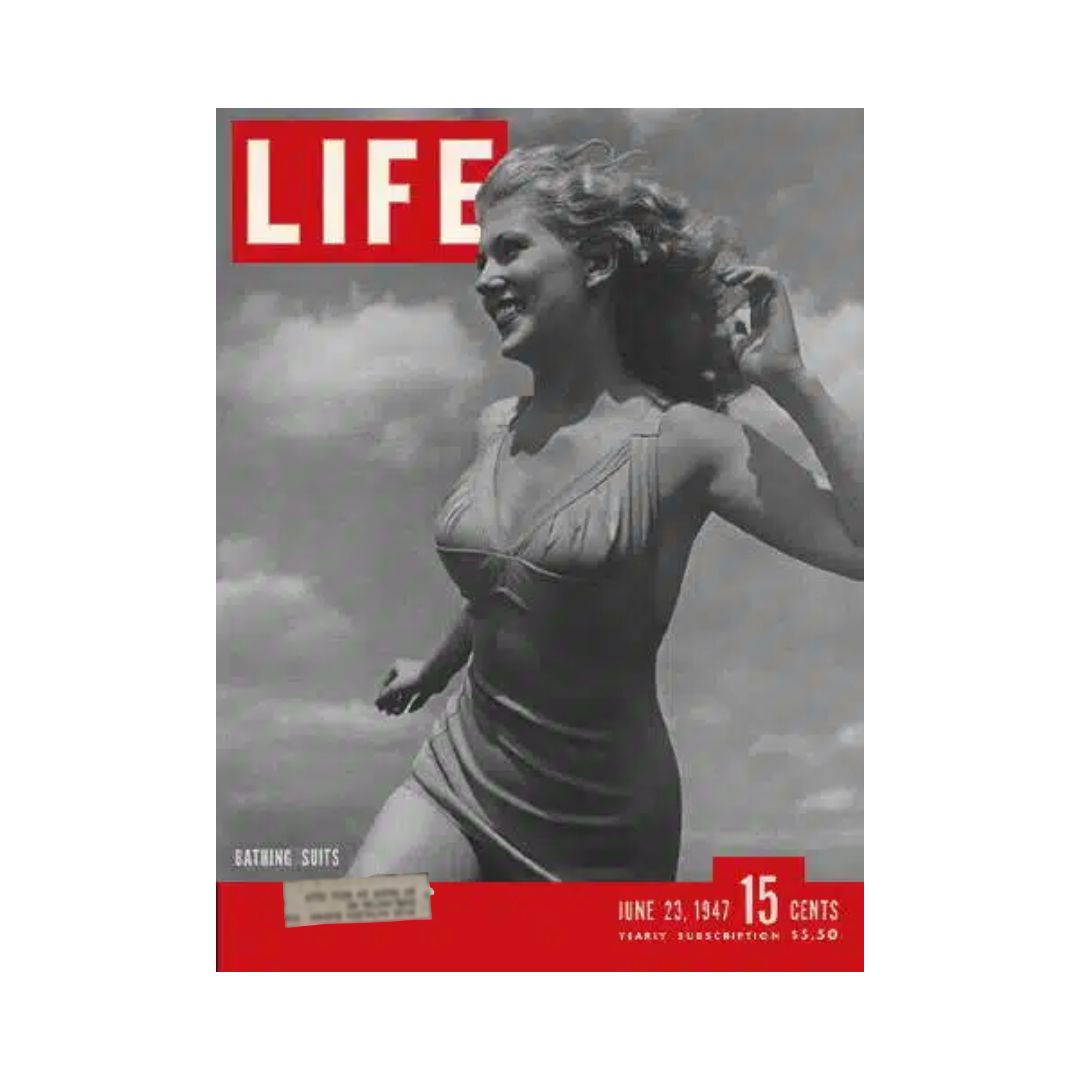
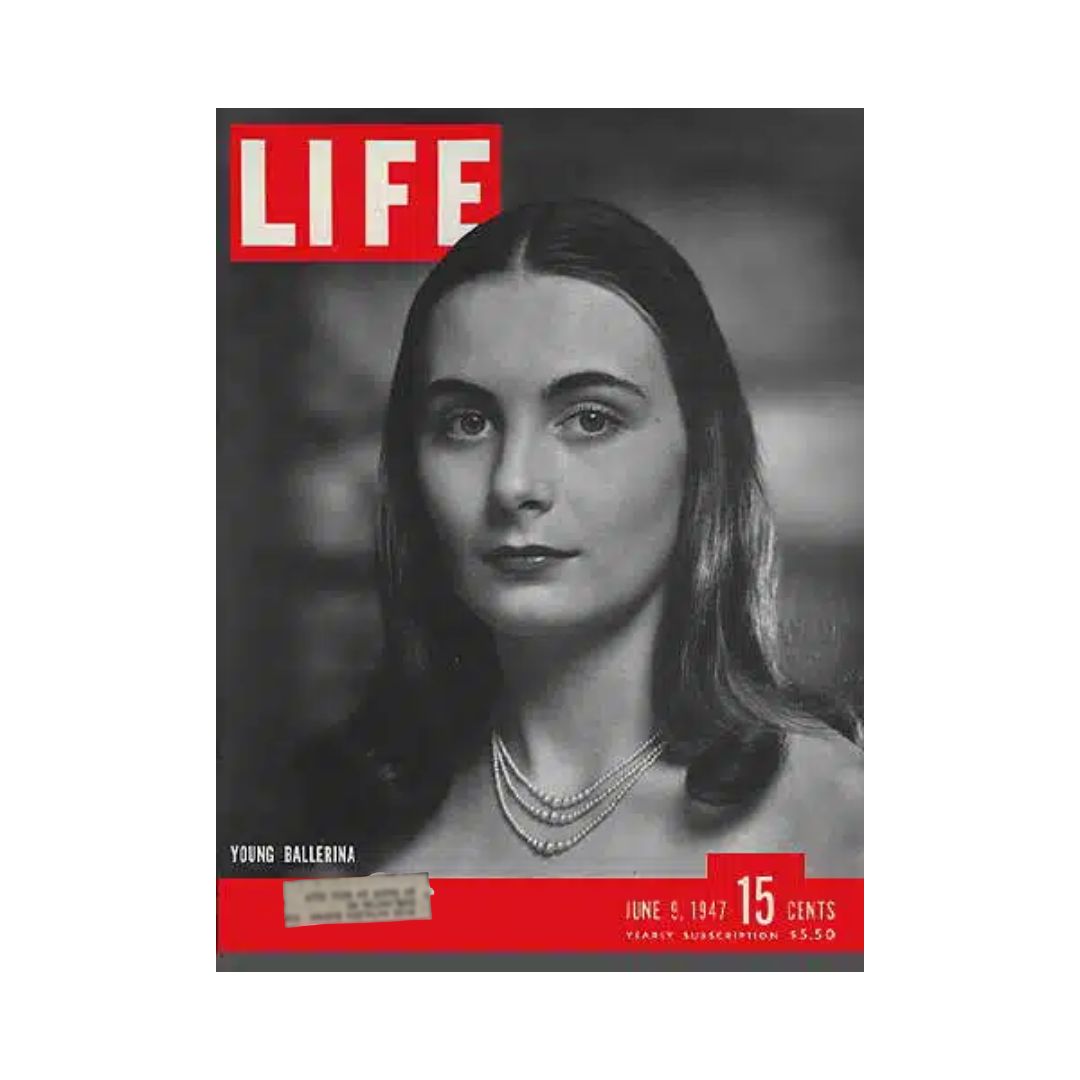
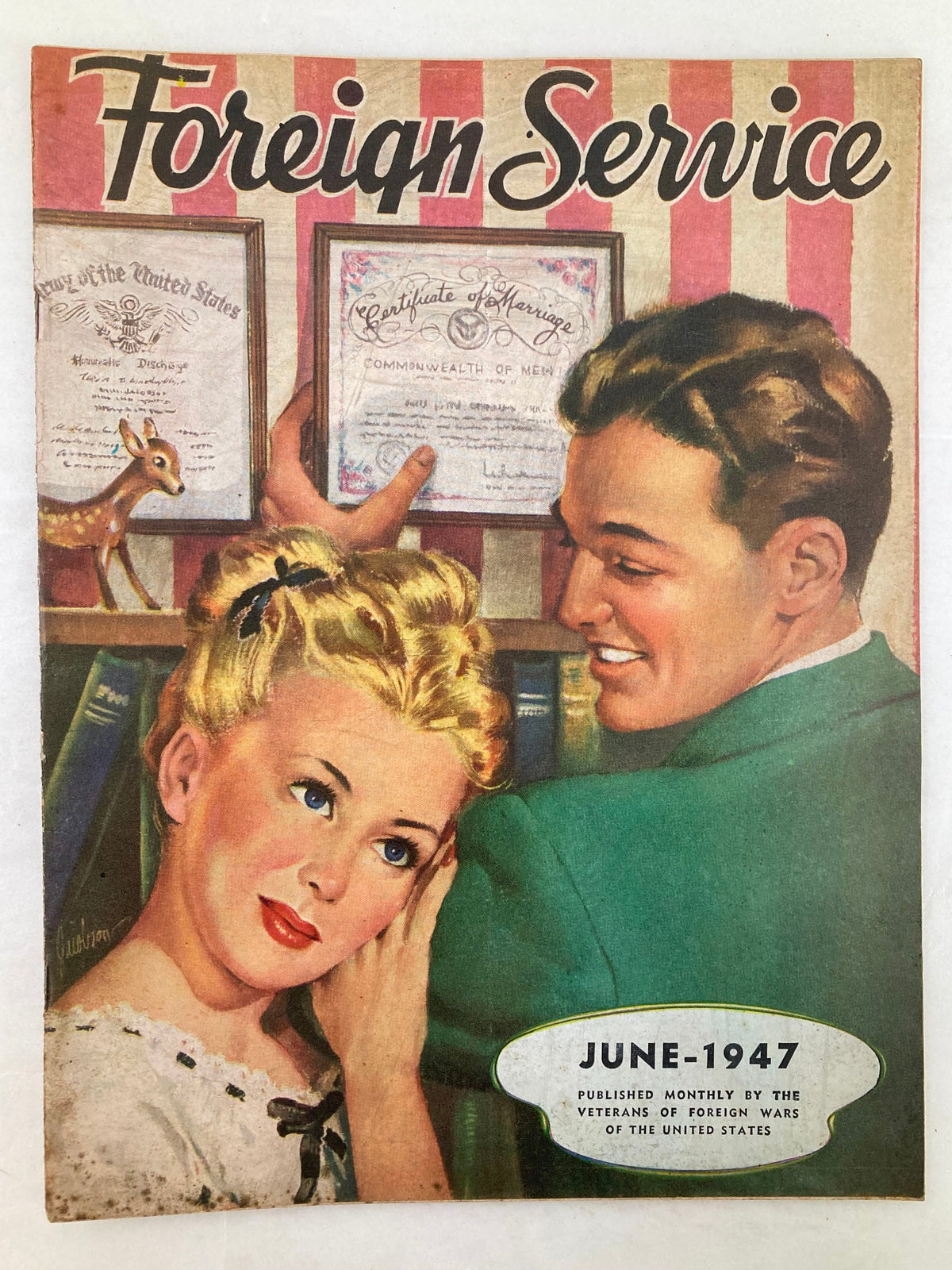
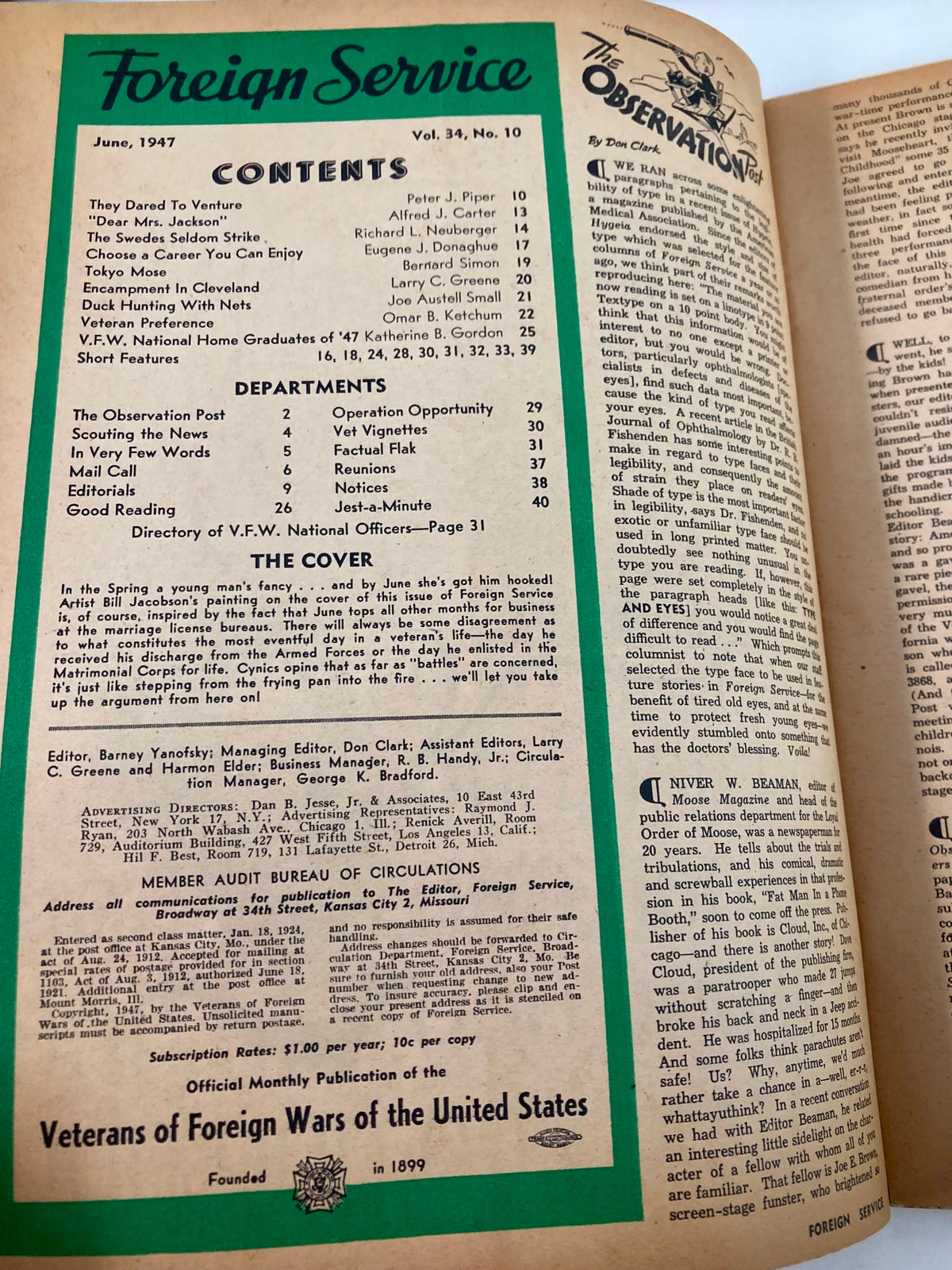
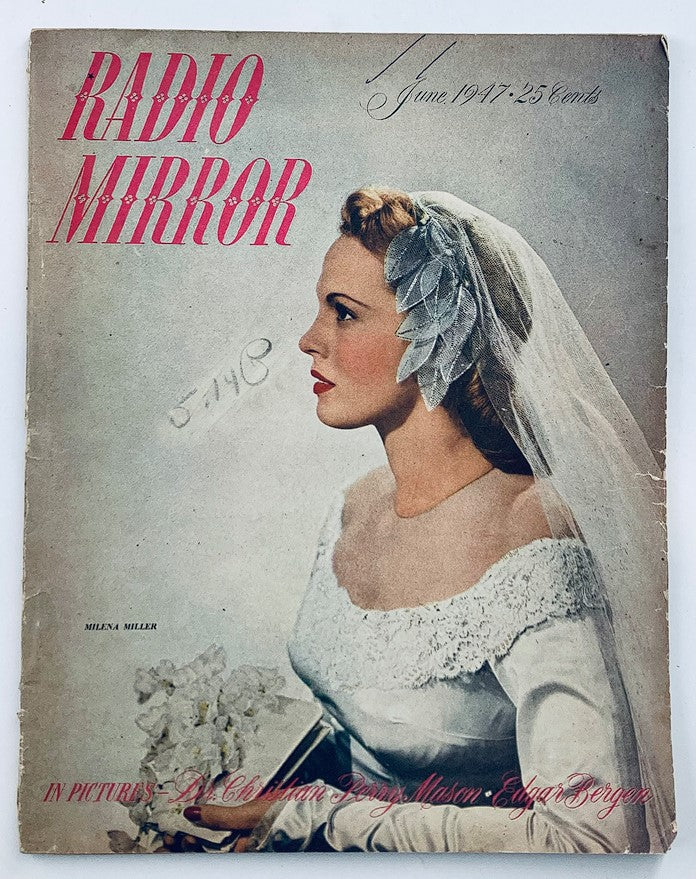
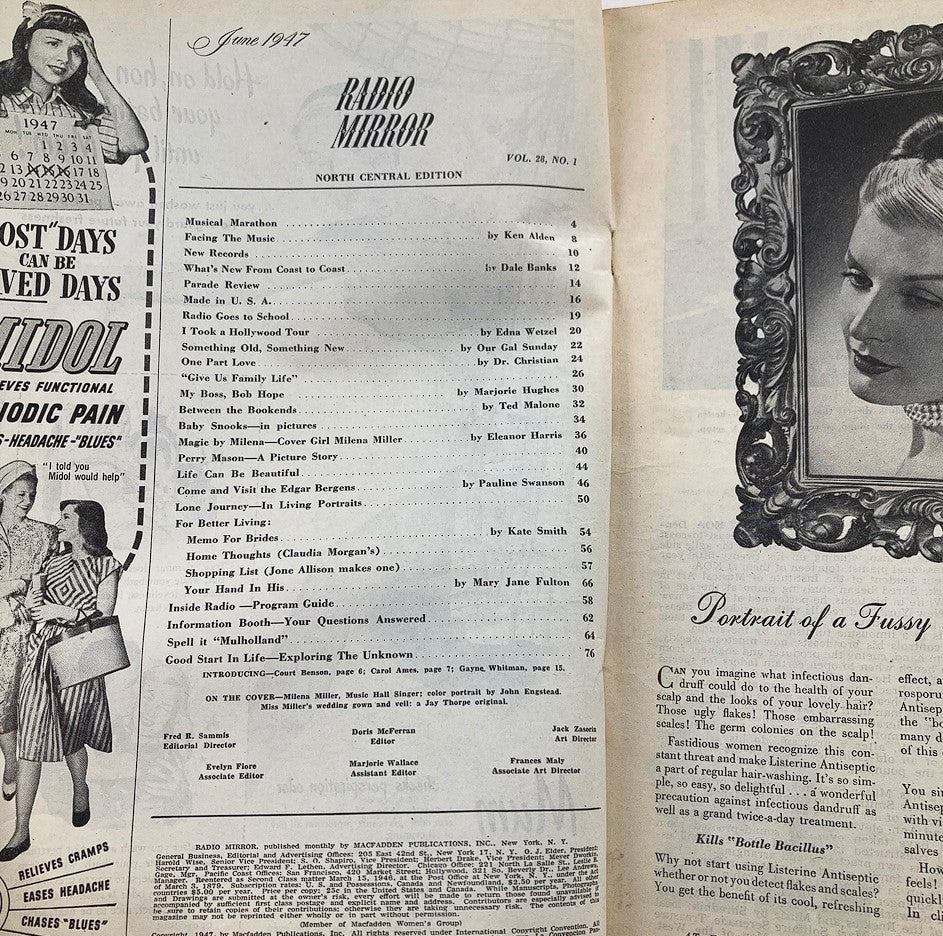
What did people press their noses against shop windows to see in June 1947? At the cinema, a warm-hearted film called Miracle on 34th Street opened on June 11th, starring Maureen O'Hara and John Payne in a story so enduring it would become a Christmas perennial for the next eight decades. Original magazines from June 1947 capture a pop culture landscape in transition—advertisements celebrating the end of sugar rationing, feature spreads on Jackie Robinson stealing home for the first time with the Brooklyn Dodgers, and coverage of Babe Didrikson becoming the first American woman to win the British Amateur Women's Golf Championship. Sports Illustrated wouldn't exist for another seven years, but Life and Look gave readers vivid photographic spreads of Joe Louis knocking out Tami Mauriello. On an experimental note, pilot Ken Arnold reported seeing flying saucers over Mount Rainier on June 24th—a story that Time and Newsweek covered with equal parts fascination and skepticism, seeding America's UFO obsession for decades to come. On the radio, Red Ingle and Jo Stafford's novelty hit "Temptation" climbed to number one, a moment of national levity in a serious season.
Curator's Checklist: What to Look For
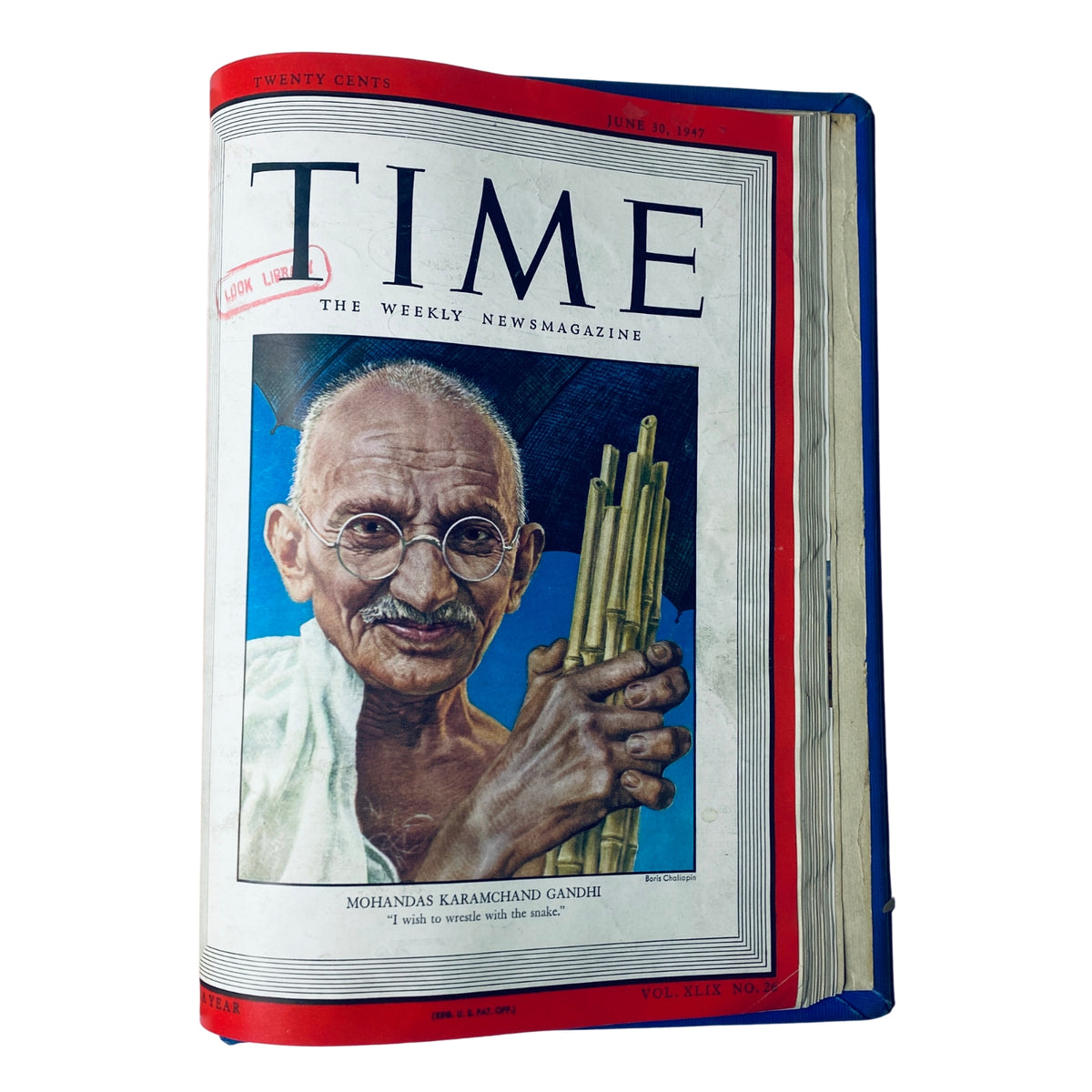
- The Marshall Plan Coverage: News weeklies like Time, Life, and Newsweek ran extensive features on Secretary Marshall's Harvard speech, illustrated with photographs of bombed-out European cities alongside portraits of Marshall himself—look for the June issues carrying maps of proposed aid routes across Western Europe.
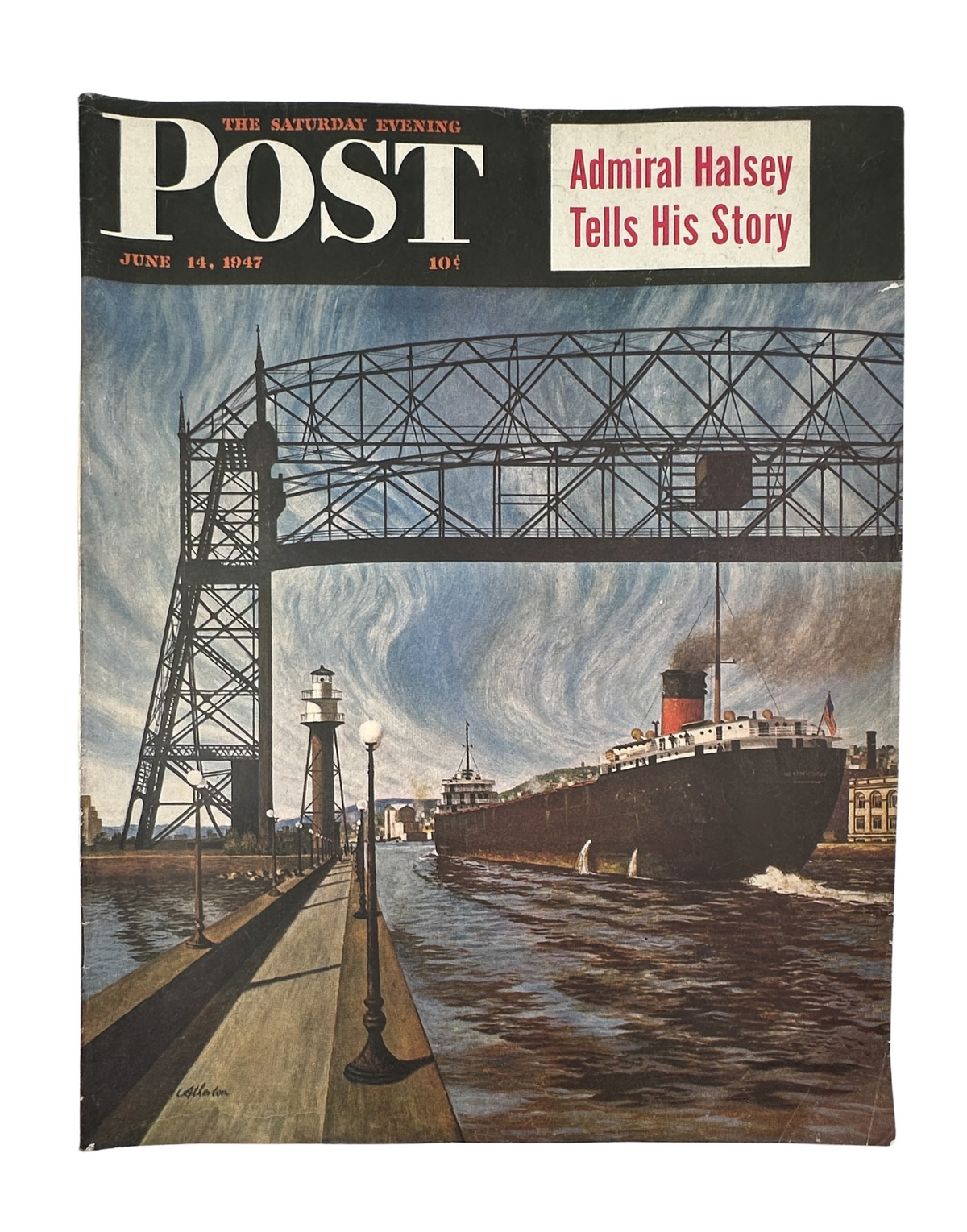
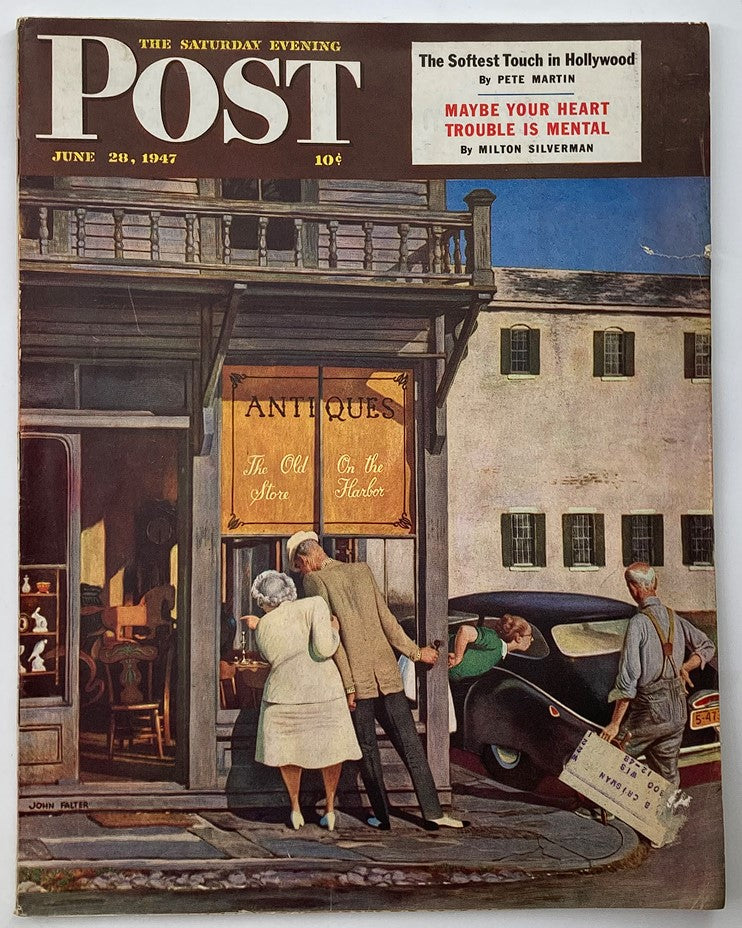
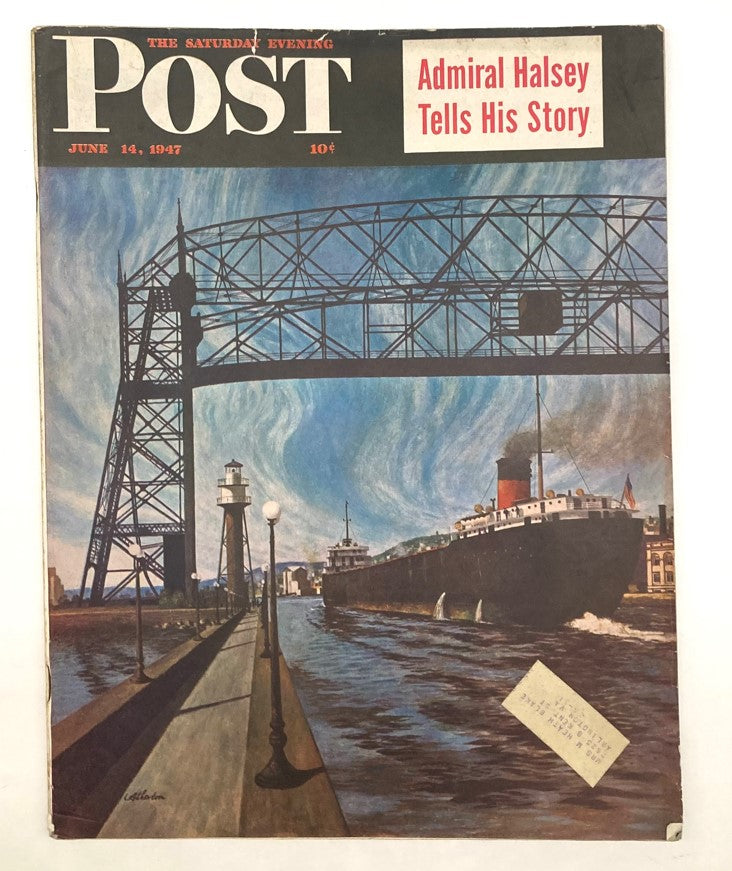
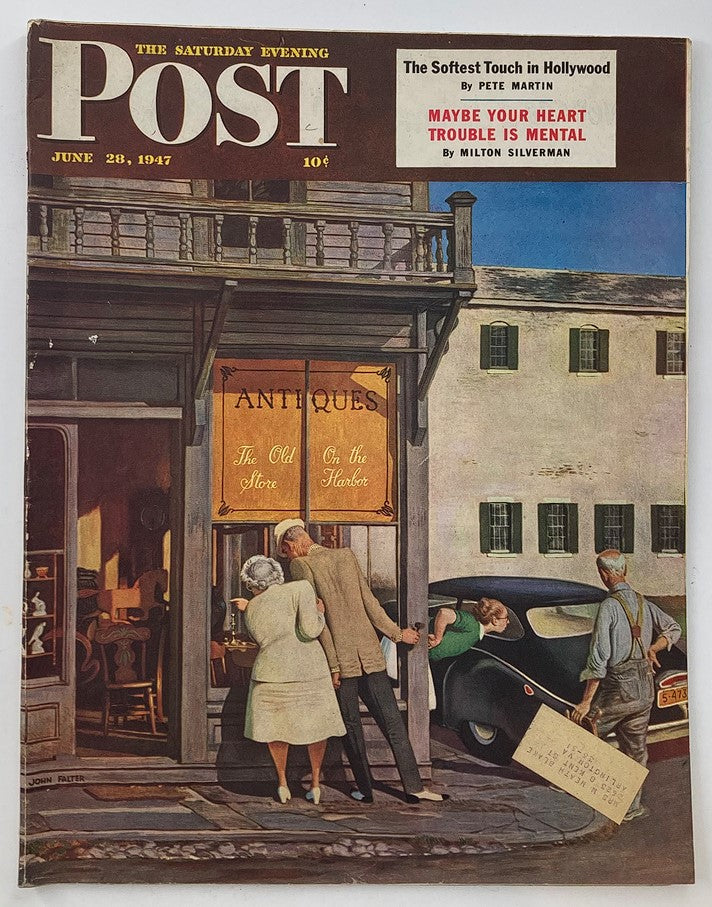
- Taft-Hartley Act Debate: Political magazines and general-interest publications including the Saturday Evening Post devoted prominent editorial space to this landmark labor legislation, often featuring striking imagery of union picket lines and factory floors alongside photographs of a defiant President Truman.
- Jackie Robinson and the Breaking of Baseball's Color Barrier: Brooklyn Dodgers coverage in Life and Look frequently showcased Robinson in action; his June 24th stolen home appears in sports pictorials of the era, making these vintage magazines extraordinary documents of civil rights history in real time.
- Anne Frank's Diary Publication: European editions and internationally-minded American publications noted the June 25th Dutch publication of Het Achterhuis; rare magazines from this month that carry this story are among the most historically significant artifacts a collector can hold.
- The Flying Saucer Sensation: Ken Arnold's Mount Rainier sighting on June 24th exploded across the American press; Time, Newsweek, and popular science publications captured the precise moment "flying saucers" entered the cultural vocabulary, making issues from this month a remarkable time capsule of a nation's imagination taking flight.
The Perfect Gift
For someone born in June 1947, an original magazine from this pivotal month isn't just a birthday gift—it's a genuine portal into the world as it existed the moment they arrived, preserved in authentic headlines, advertisements, and photographs no reproduction can replicate.