📖 About this Collection
June 1954: The Month Decency Confronted Demagoguery
The Historical Context
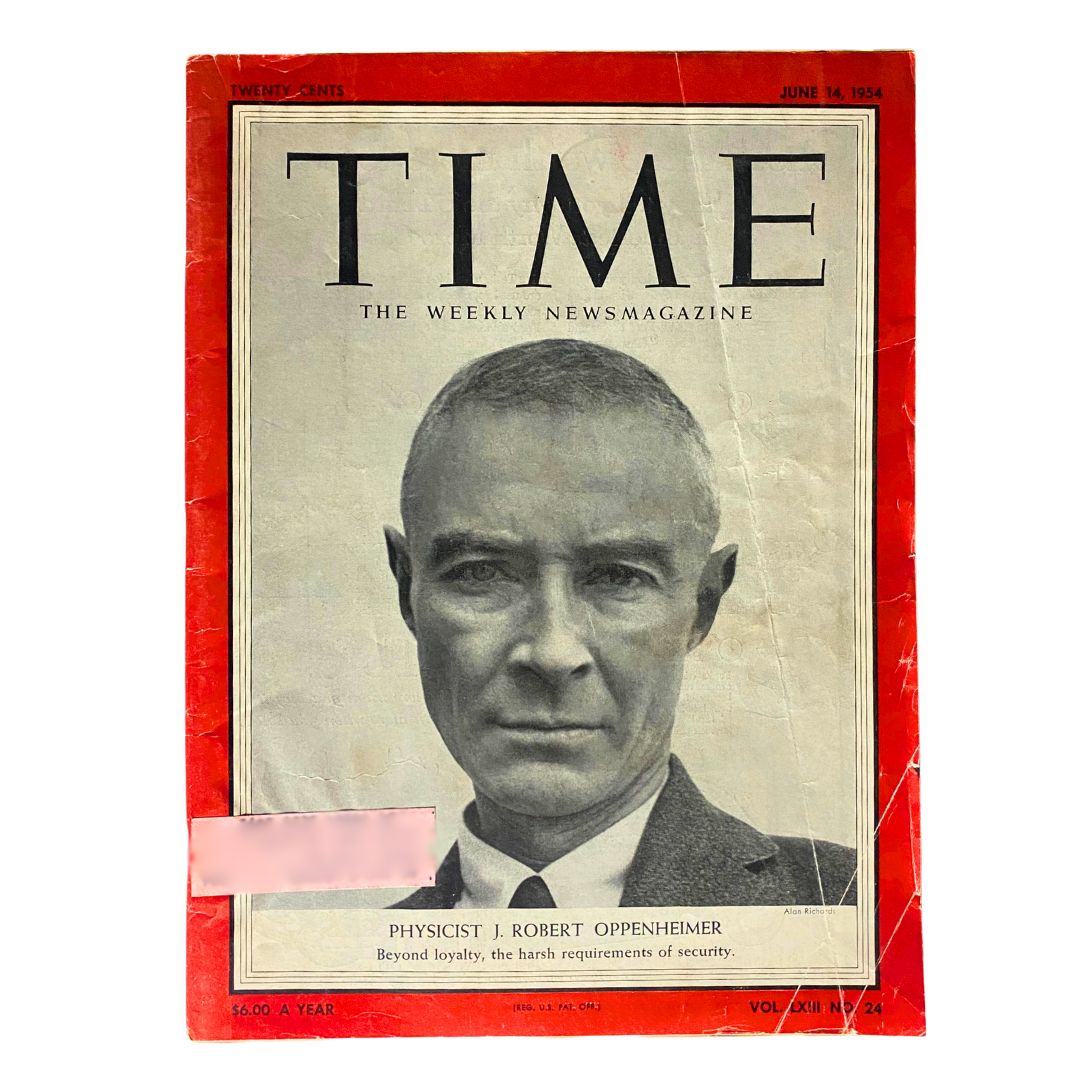
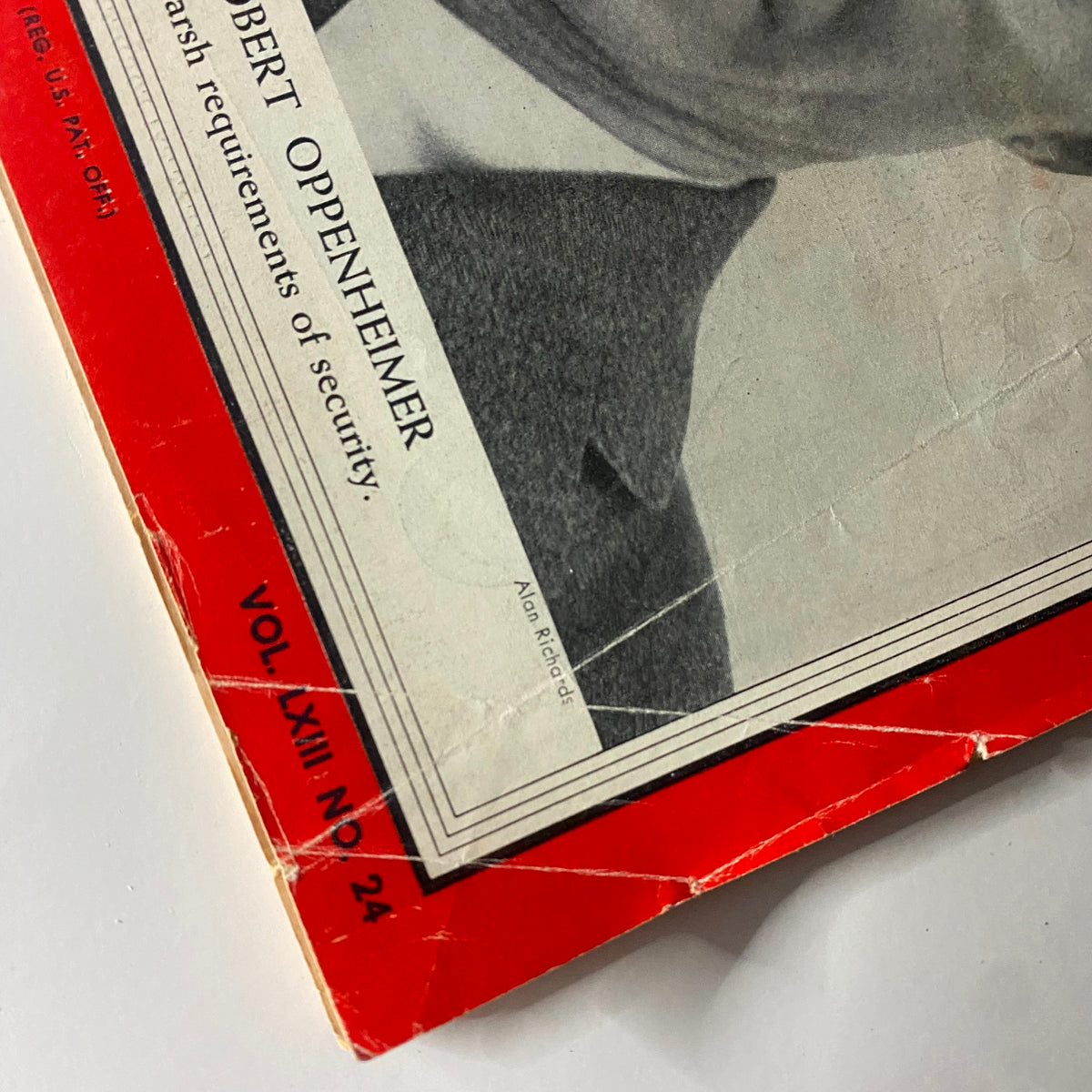
The nation held its breath as Senator Joseph McCarthy's witch hunt reached its dramatic crescendo. On June 9th, attorney Joseph Welch delivered the devastating question that would define an era: "Have you no sense of decency, sir?" The Army-McCarthy hearings, broadcast into millions of American living rooms, finally exposed the senator's tactics for what they were. But June 1954 carried deeper undercurrents—President Eisenhower quietly added "under God" to the Pledge of Allegiance on June 14th, CIA-backed forces overthrew Guatemala's democratically elected government on June 27th, and Dr. Robert Oppenheimer, father of the atomic bomb, saw his security clearance revoked on June 29th. The Cold War wasn't just being fought abroad; it was reshaping American institutions from within. This was the world your loved one entered—a nation grappling with the price of security and the meaning of patriotism.
Pop Culture & Everyday Life
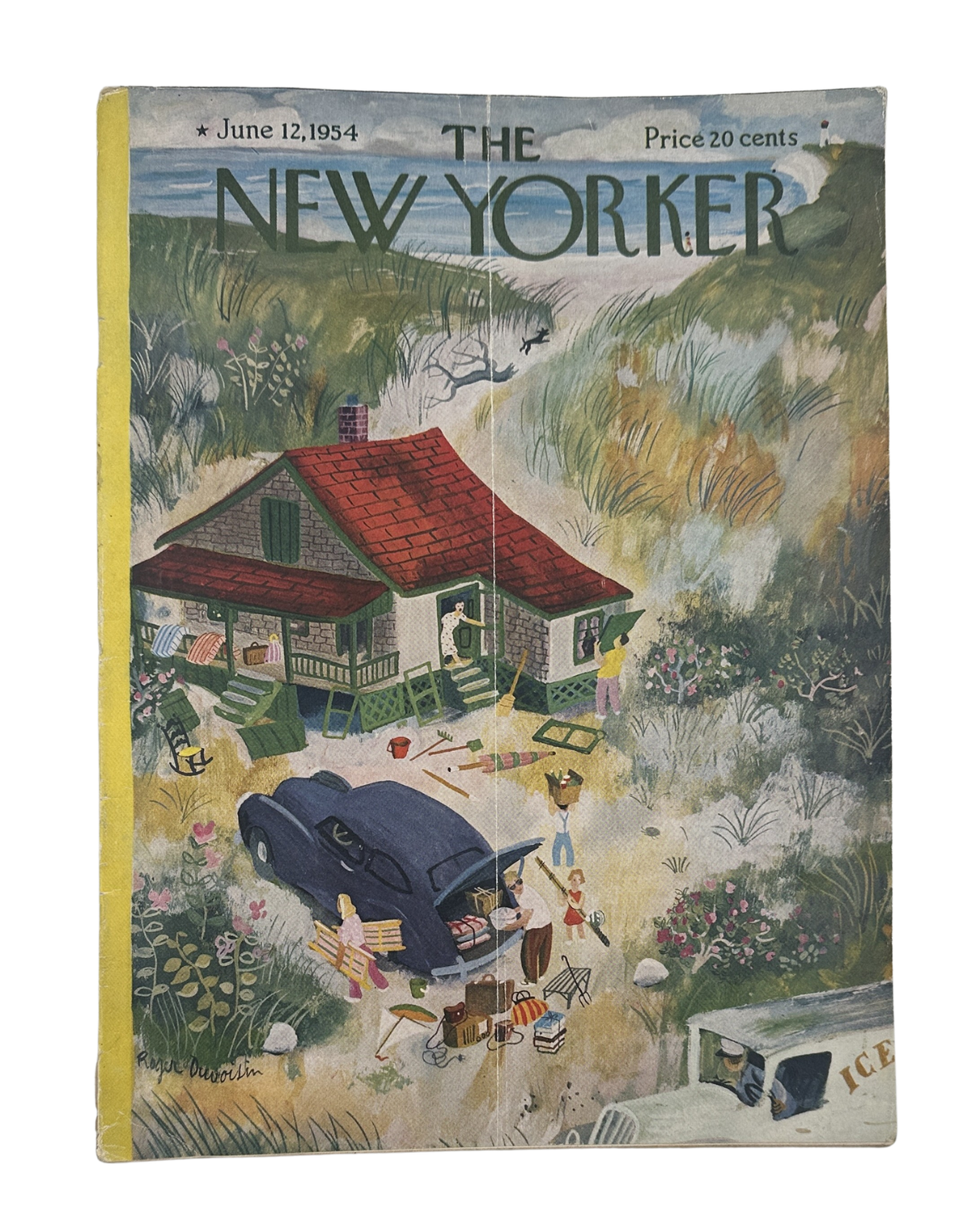
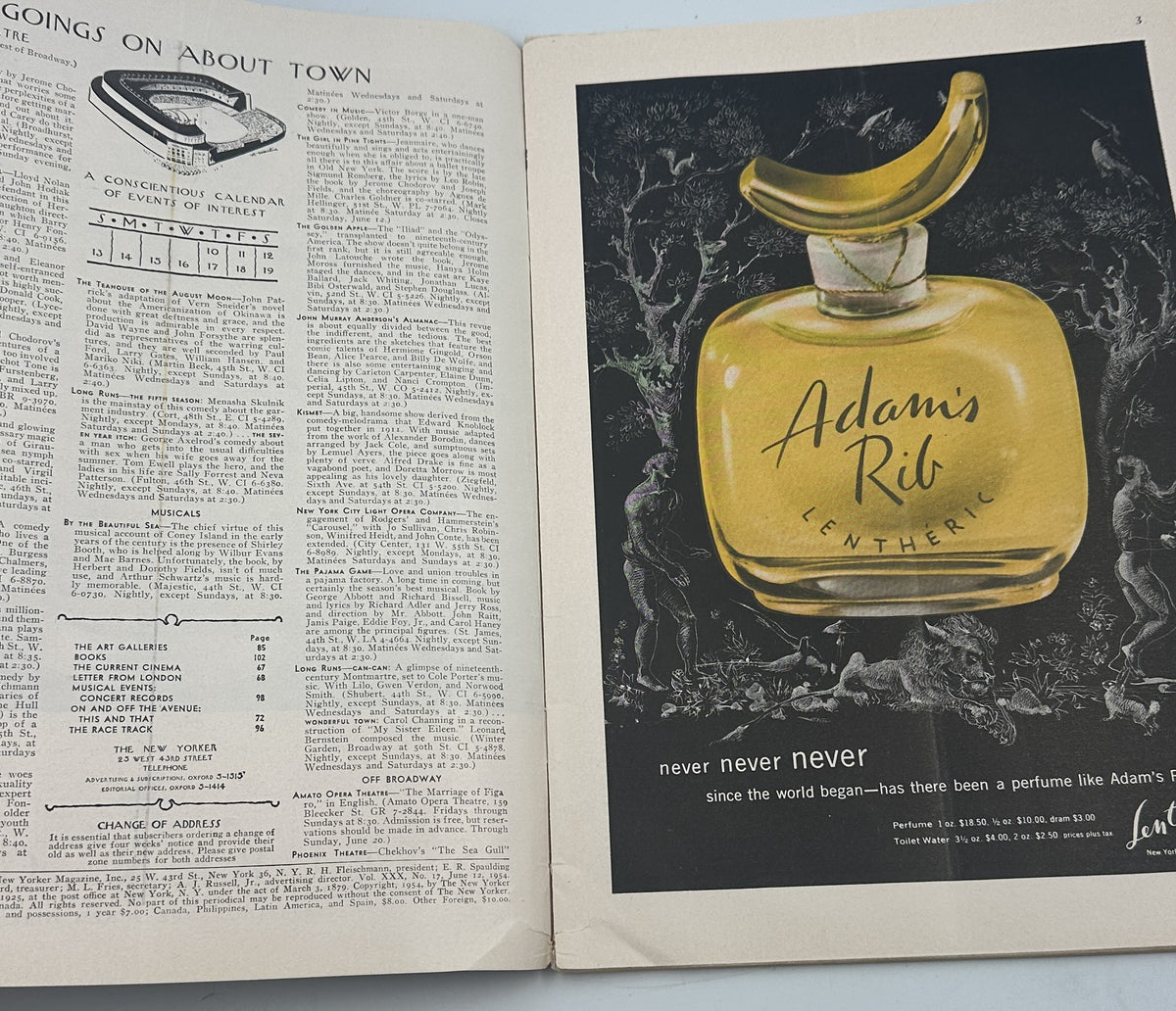
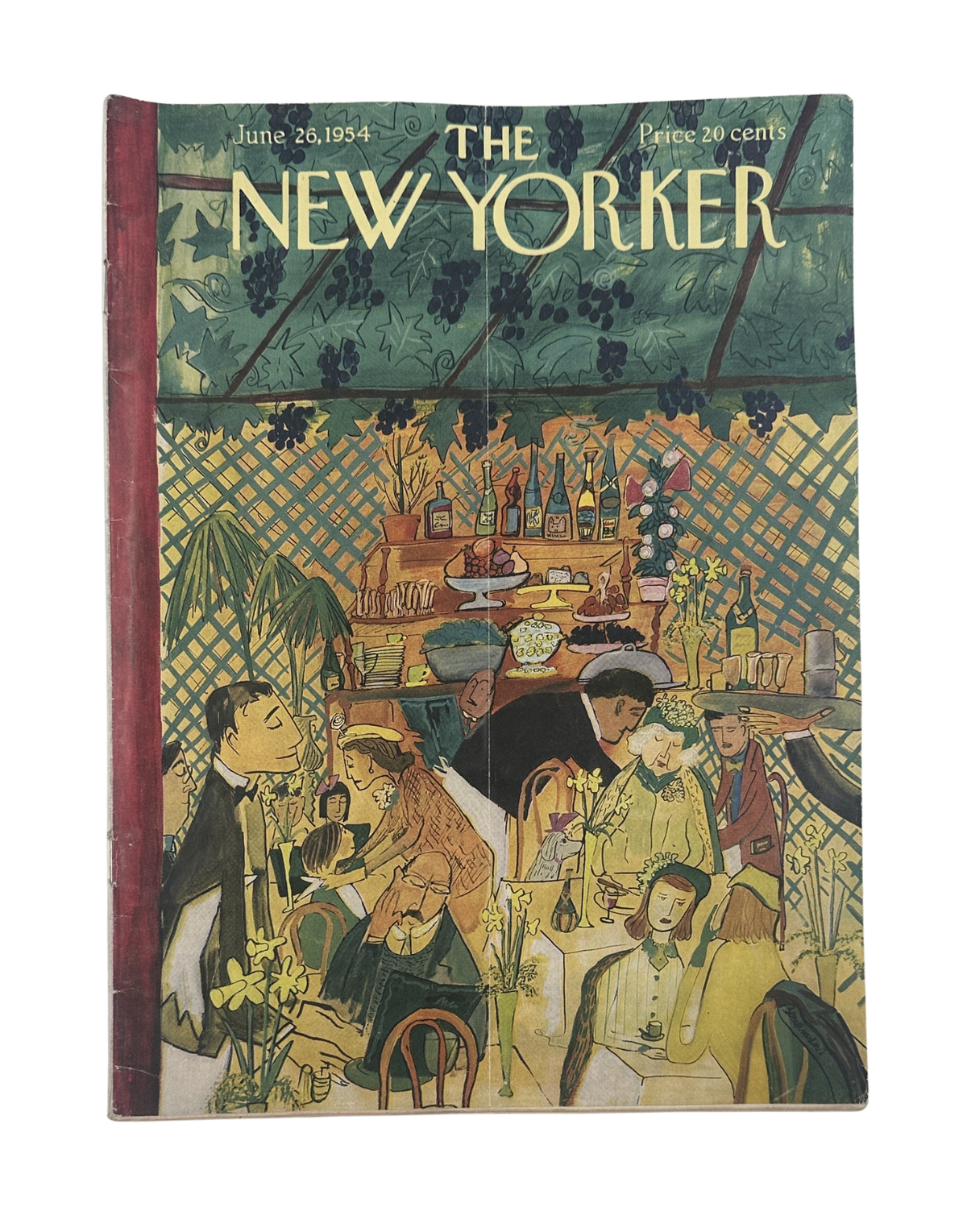
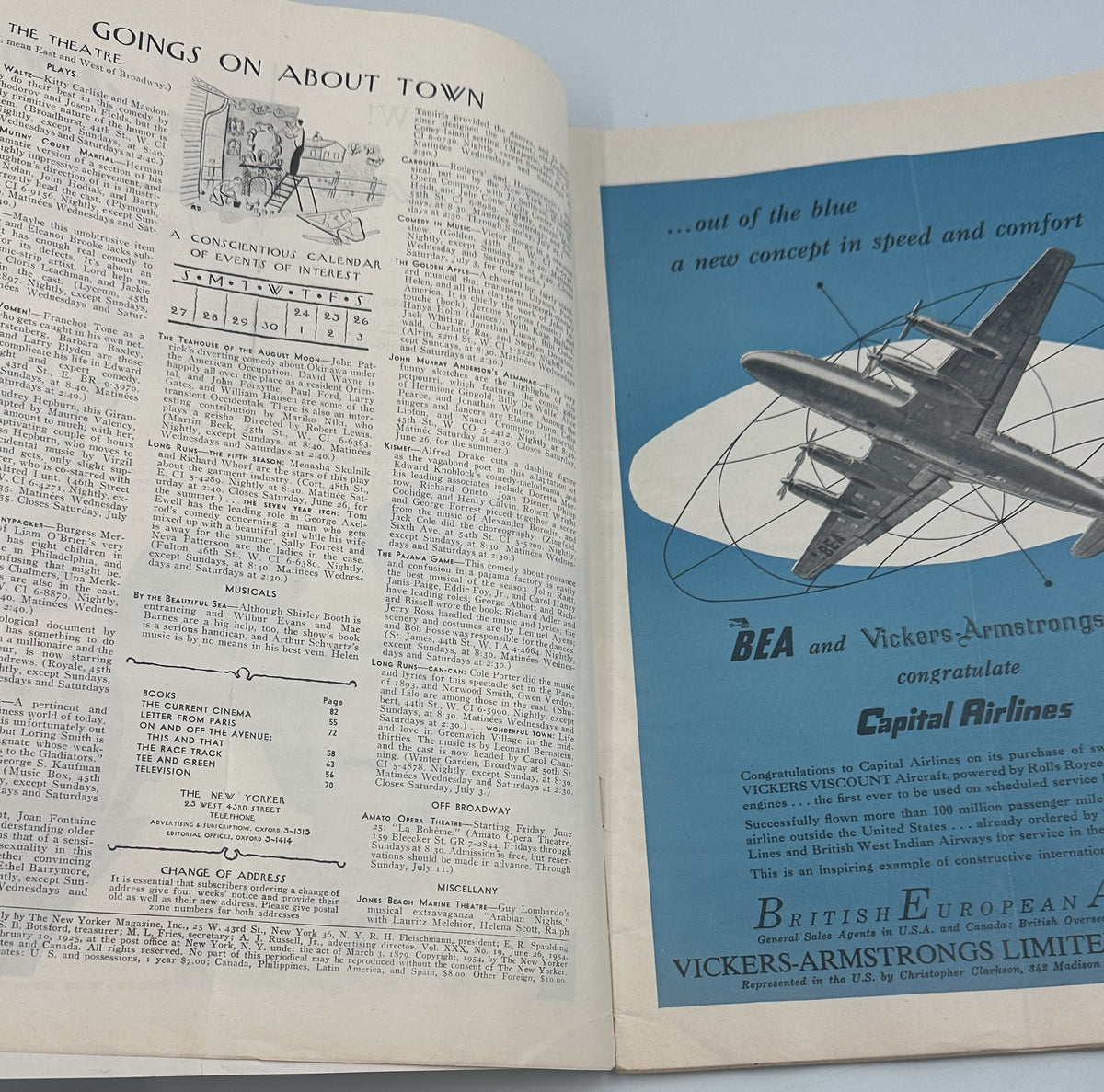
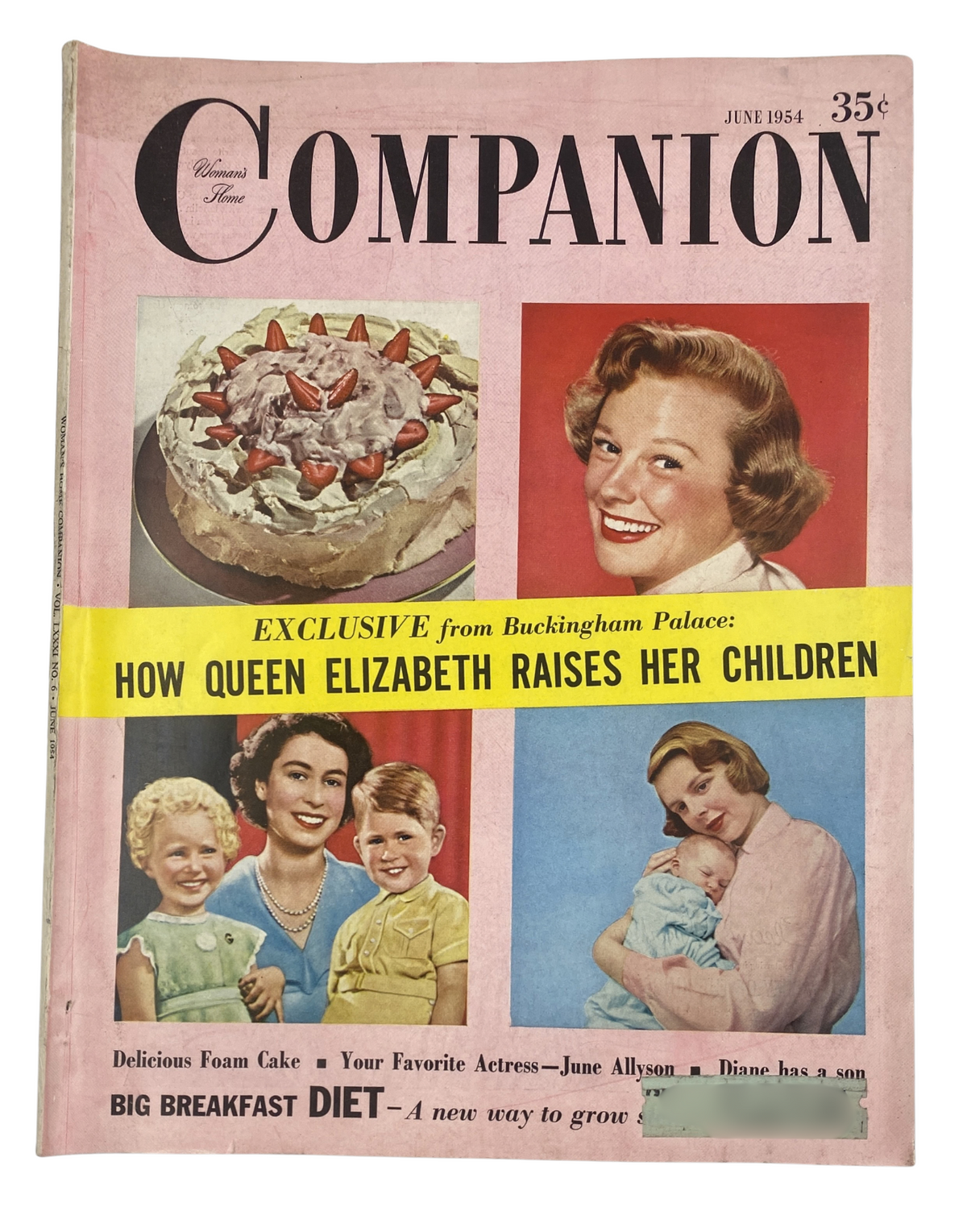
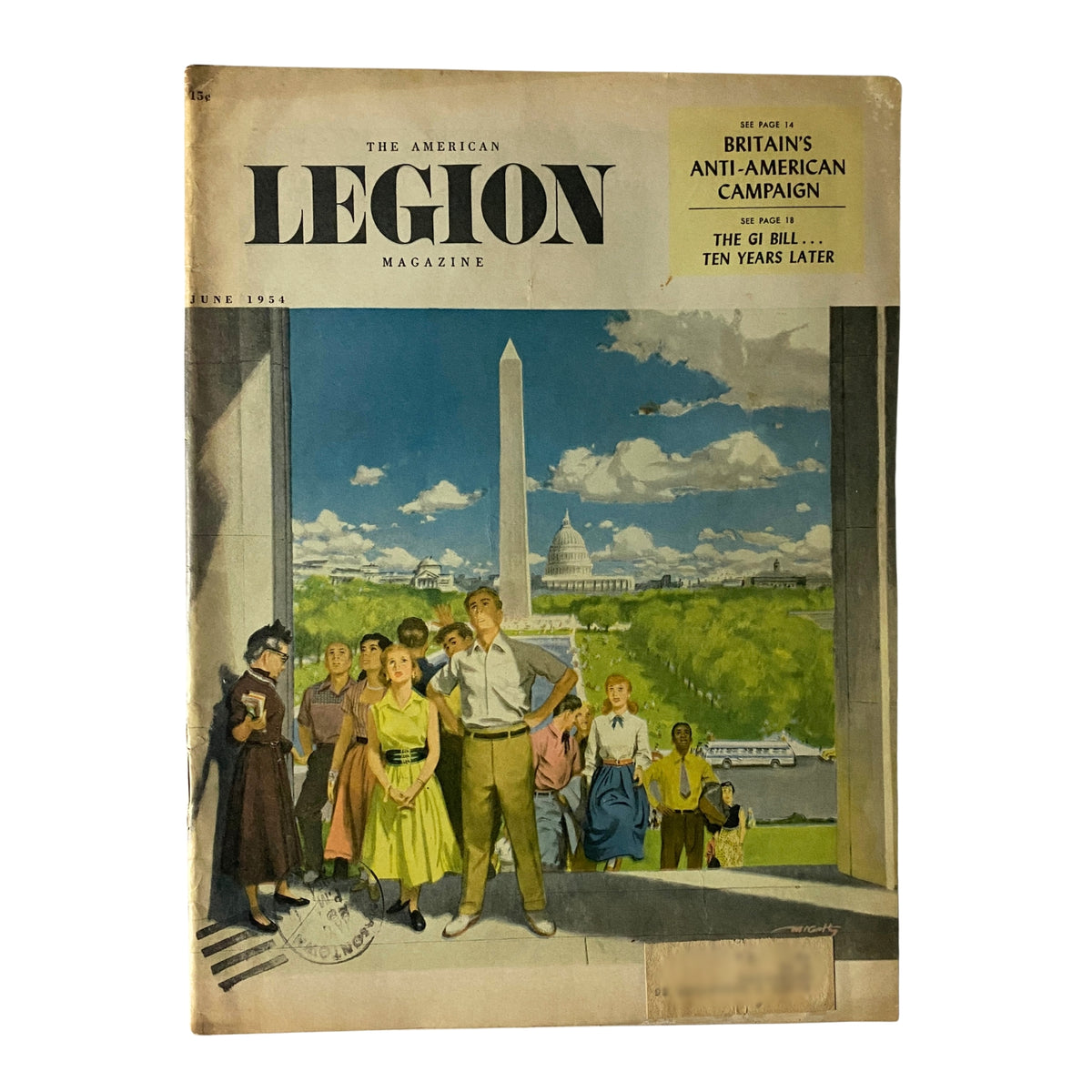
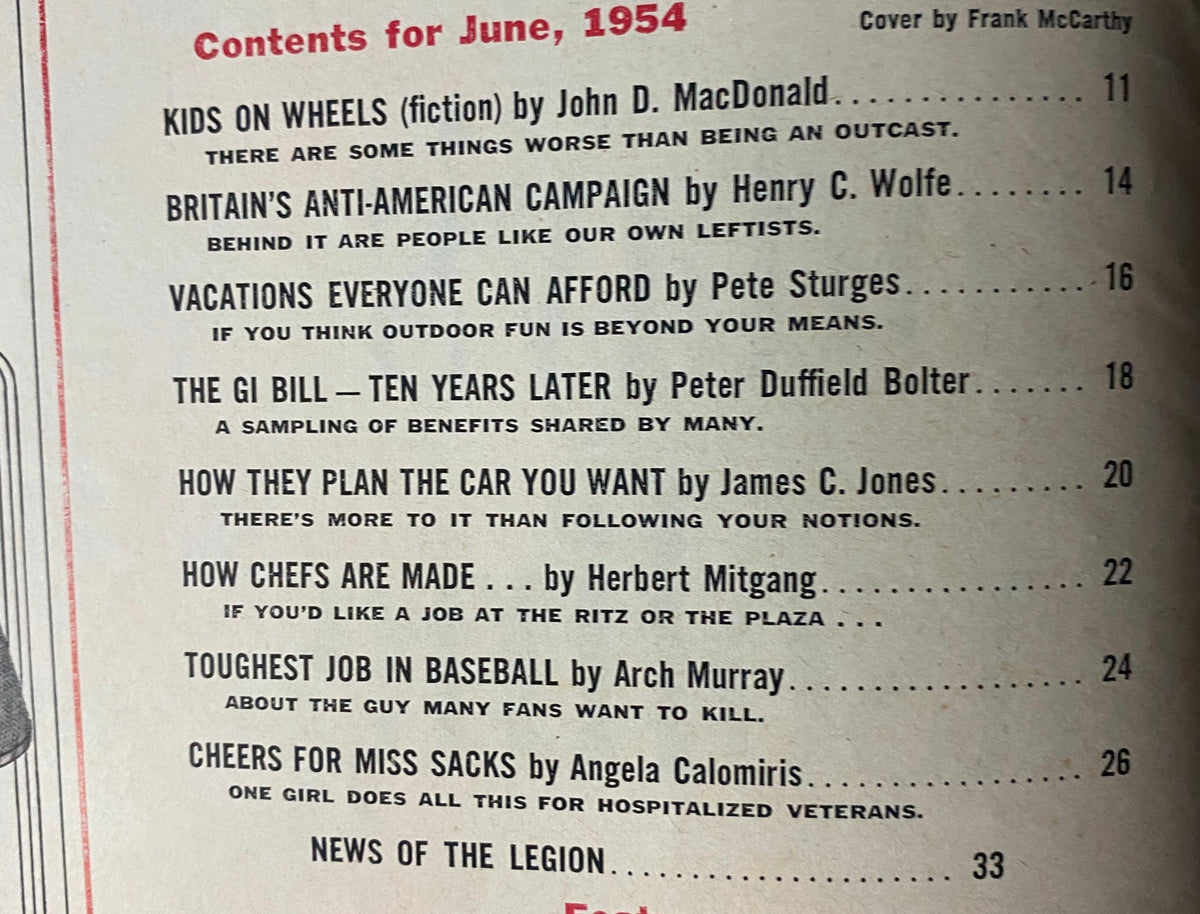
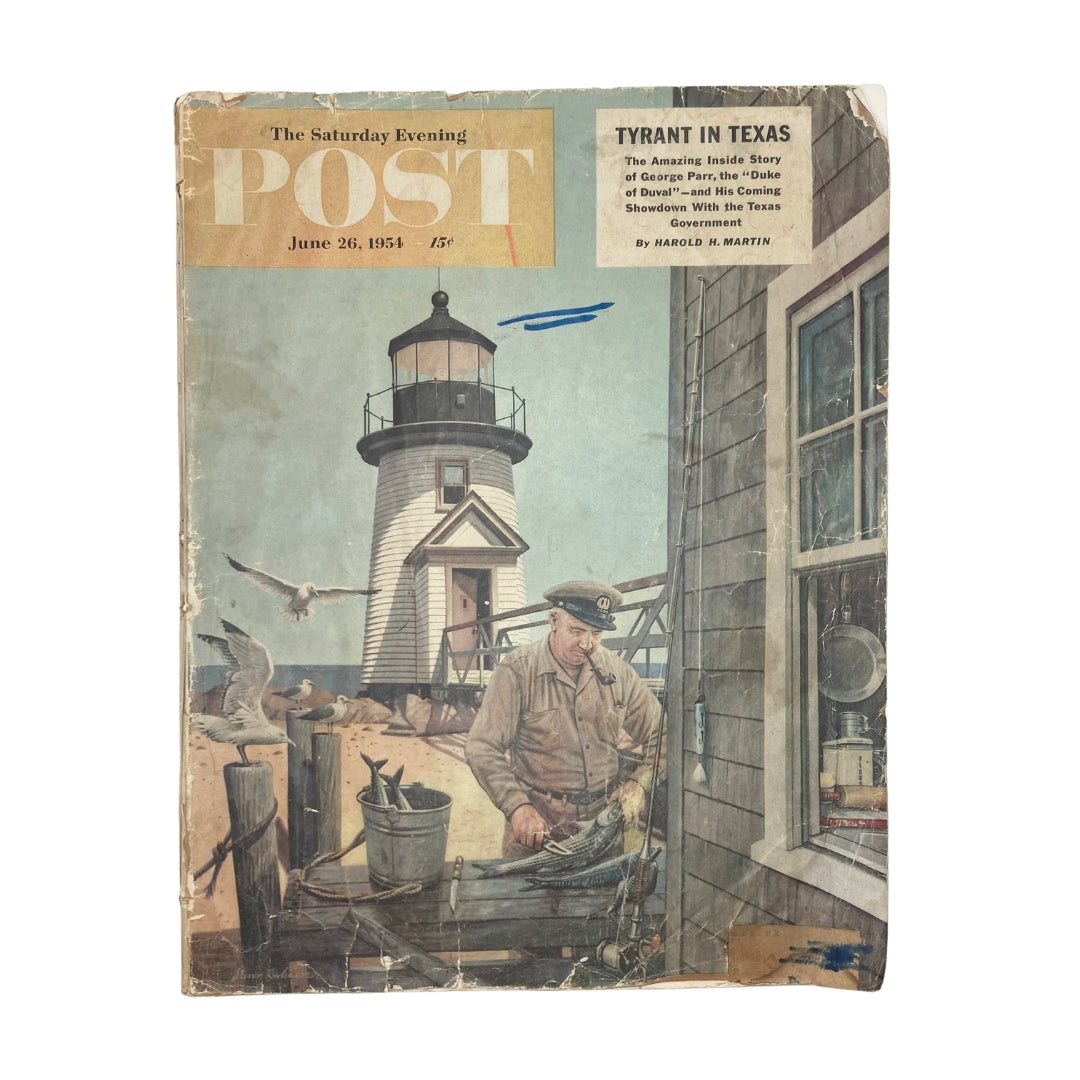
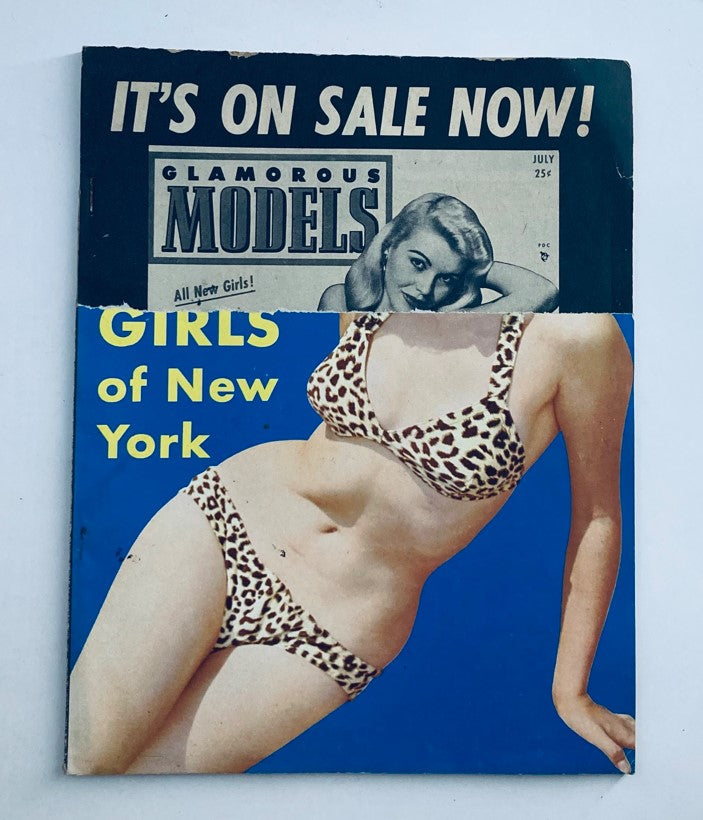
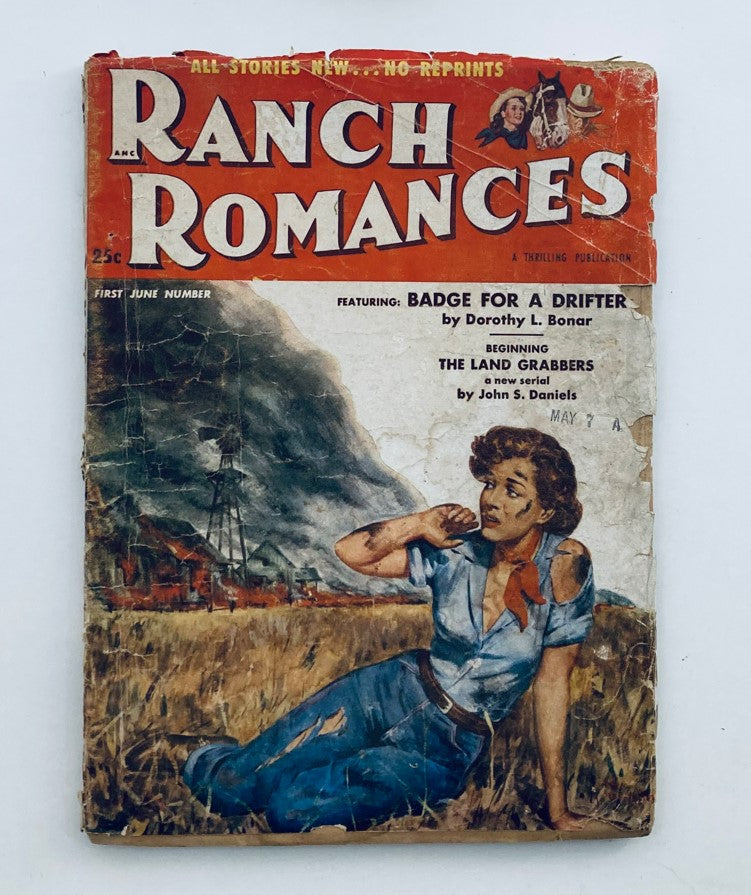
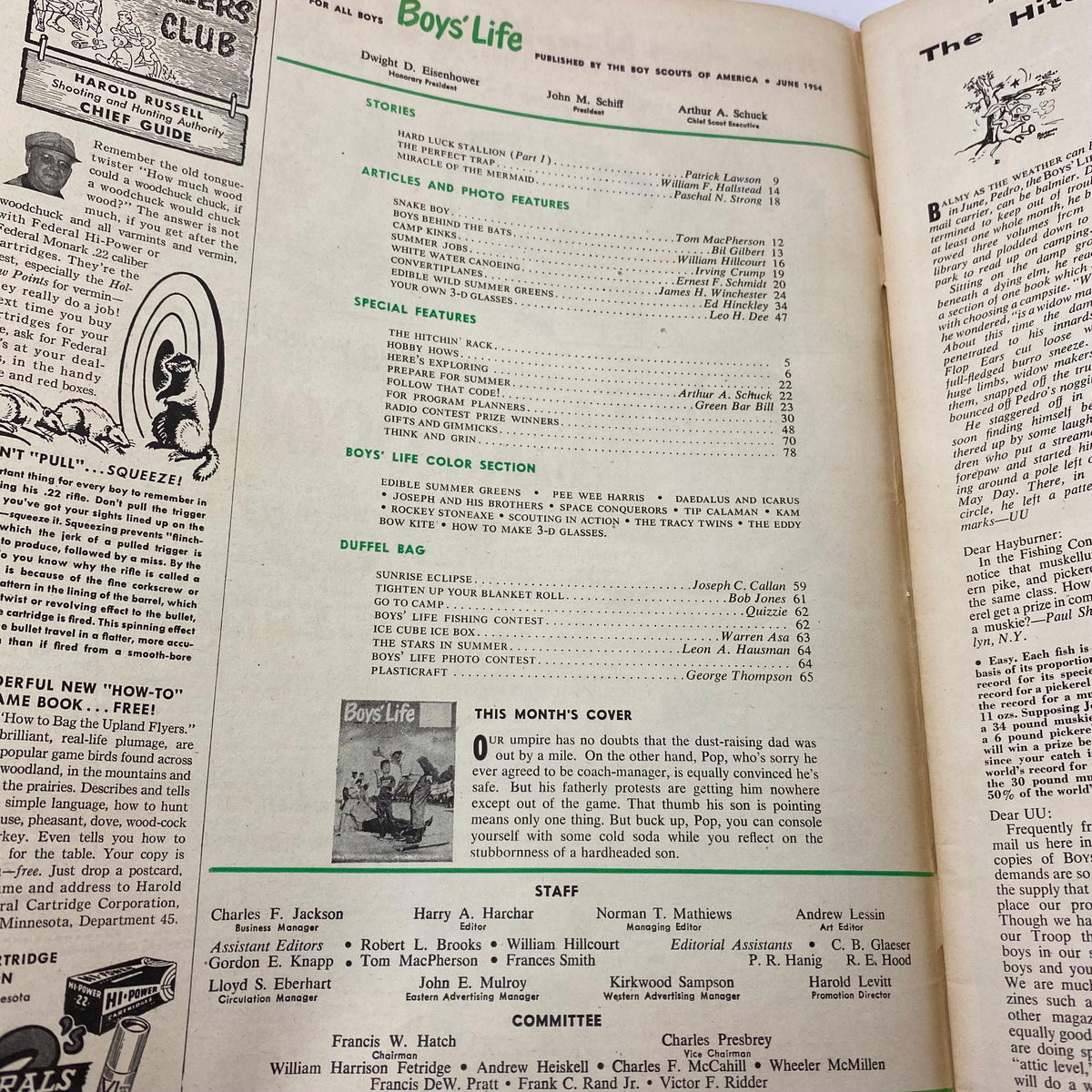
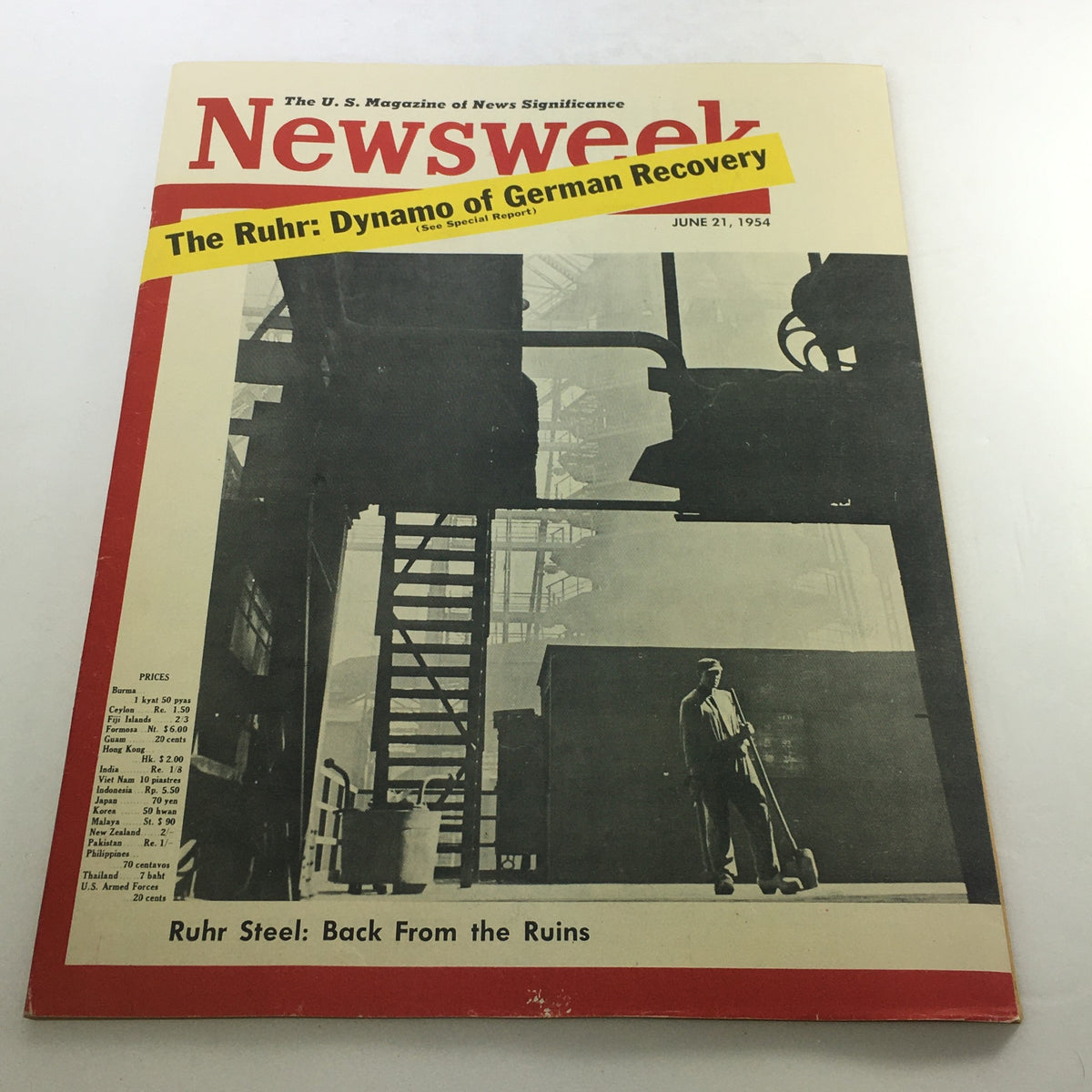
While politics dominated the headlines, Americans sought escape in their entertainment. The final episode of "Your Show of Shows" aired on NBC on June 5th, ending television's golden age of live comedy after four groundbreaking seasons. On movie screens nationwide, audiences discovered Taz, the Tasmanian Devil, making his chaotic debut in Warner Bros.' "Devil May Hare" on June 19th—a cartoon character who would become iconic for generations. Sports fans witnessed Rocky Marciano successfully defend his heavyweight title against Ezzard Charles at Yankee Stadium on June 17th, the same venue where Baltimore Orioles manager Jimmy Dykes was ejected from both games of a doubleheader. Original magazines from June 1954 captured these cultural moments in real time: Life and Look featured the McCarthy hearings with dramatic photography, TV Guide chronicled the end of beloved programming, Sports Illustrated (just months old) covered boxing and baseball's pivotal moments, while Time and Newsweek dissected the political earthquakes reshaping America's place in the world. These authentic pages preserved the advertisements, fashion, and zeitgeist of mid-century America.
What to Look For: Curator's Checklist
-
The Army-McCarthy Showdown: News magazines like Time, Newsweek, and Life featuring dramatic photographs from the televised Senate hearings, often showcasing Joseph Welch's confrontation and McCarthy's visible decline, with editorial cartoons reflecting the nation's shifting sentiment toward the Red Scare.
-
Cold War Shadow Operations: Look and Life issues chronicling the Guatemala coup and Oppenheimer's security clearance revocation, illustrated with stark photography that captured America's nuclear anxiety, frequently paired with vintage advertisements for fallout shelters and civil defense materials that defined the era.
-
Sports Glory Captured: Sports Illustrated and general interest rare magazines showcasing Rocky Marciano's title defense at Yankee Stadium, the US Open at Baltusrol, and baseball's no-hitters, featuring the grainy action photography and Kodak film advertisements that transported readers to ringside.
-
Television's Evolution: TV Guide featuring farewell tributes to "Your Show of Shows" alongside previews of summer programming, while general entertainment magazines documented the medium's rapid expansion with advertisements for Admiral and RCA television sets promising families a window to the world.
-
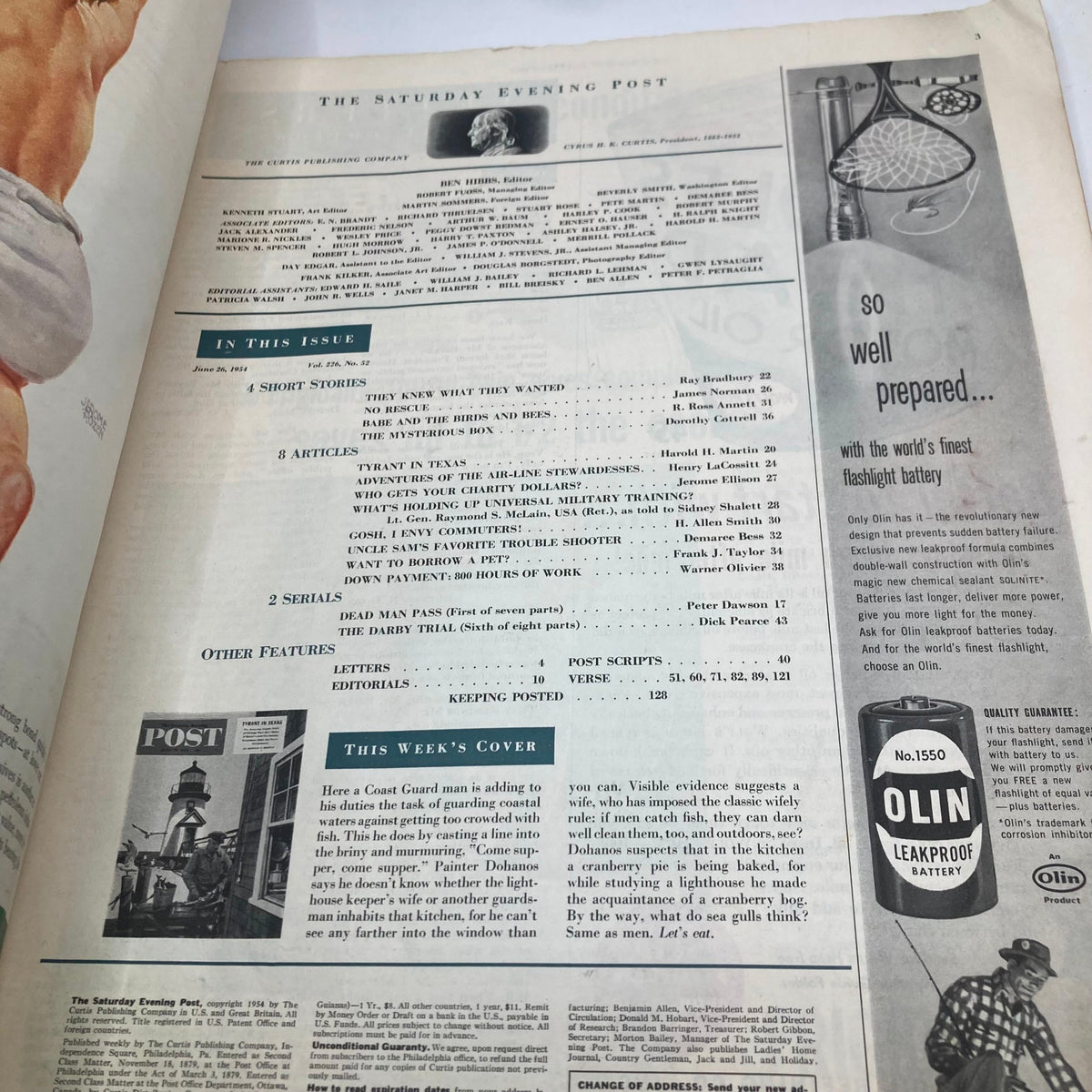
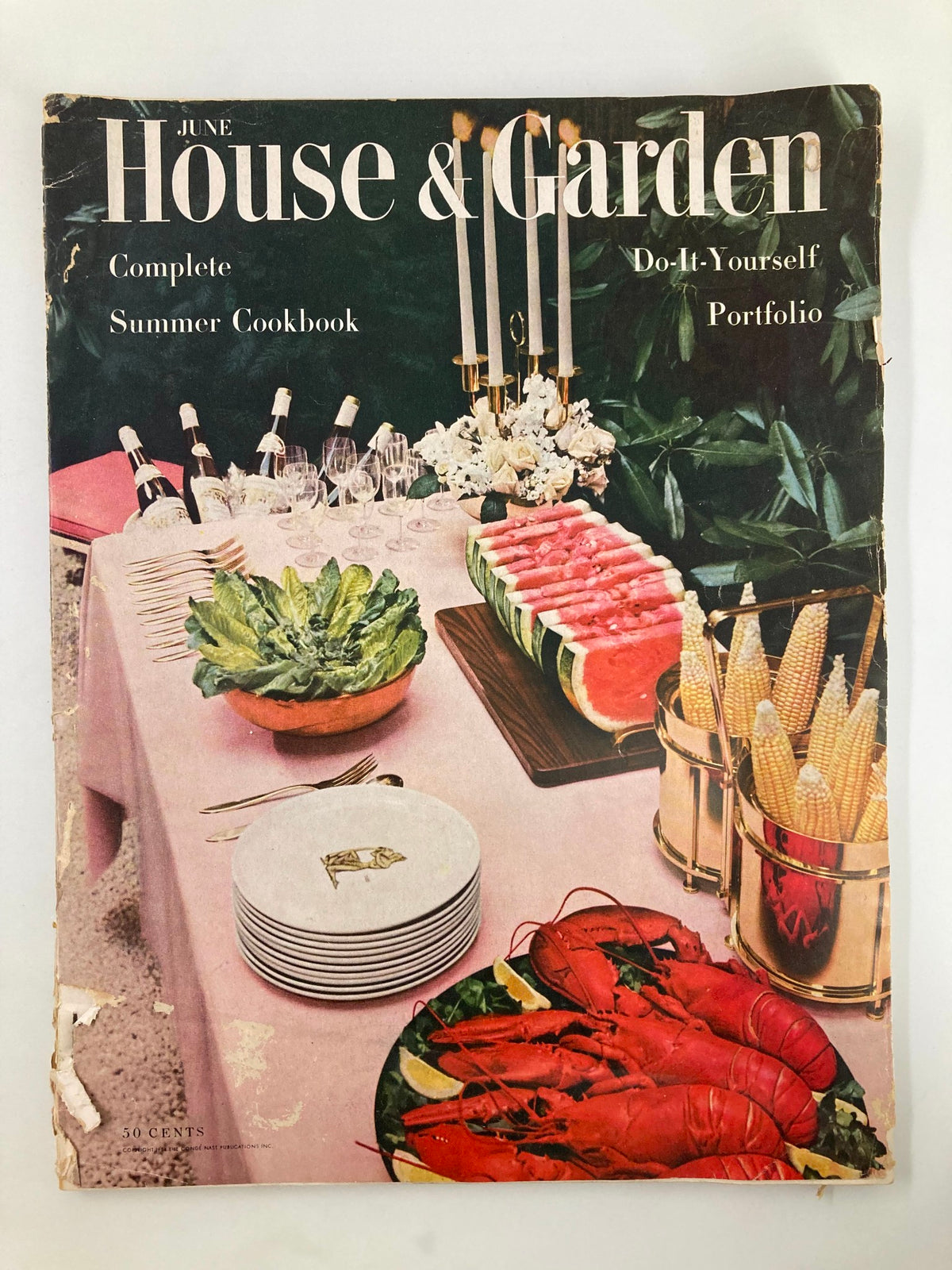
Everyday Atomic Age Living: Vogue, Harper's Bazaar, and Saturday Evening Post preserving June 1954's fashion sensibilities and consumer culture—from tailored summer suits to household appliances—all infused with the optimistic yet anxious spirit of postwar prosperity documented in genuine period advertising.
The Perfect Gift
For someone born in June 1954, an original magazine from this consequential month isn't just a reproduction—it's an authenticated witness to the moment America's conscience spoke truth to power, preserved in newsprint, photography, and advertisements that no digital archive can replicate. These vintage magazines serve as tangible time capsules, making them the ideal birthday gift for anyone who entered the world during this pivotal chapter of the Cold War era.