📖 About this Collection
Kanye West: Architecture of a Cultural Earthquake
The Legend & The Legacy
Before the algorithm decided what was relevant, before the timeline collapsed hours into seconds, the cultural conversation moved at the speed of print — and few figures of the early 21st century commanded that conversation with the ferocity, complexity, and sheer creative force of Kanye West. Emerging from Chicago's South Side as a producer who stitched soul samples into sonic cathedrals, he became a rapper who redrew the boundaries of what hip-hop could say, look like, and aspire to. His 2004 debut The College Dropout arrived not merely as an album but as a cultural thesis — a rejection of gangsta posturing in favor of vulnerability, ambition, and self-examination. Magazines responded accordingly, because here was a figure who demanded to be written about: a Black man from the Midwest who spoke openly about insecurity and genius in the same breath, who wept on television during Hurricane Katrina, who interrupted award ceremonies and then made music of breathtaking beauty in the aftermath. His story was too volatile, too layered, and too cinematically compelling to exist only in sound. It had to be seen — on covers, in profiles, in photographs — to be fully believed.
Inside the Archive
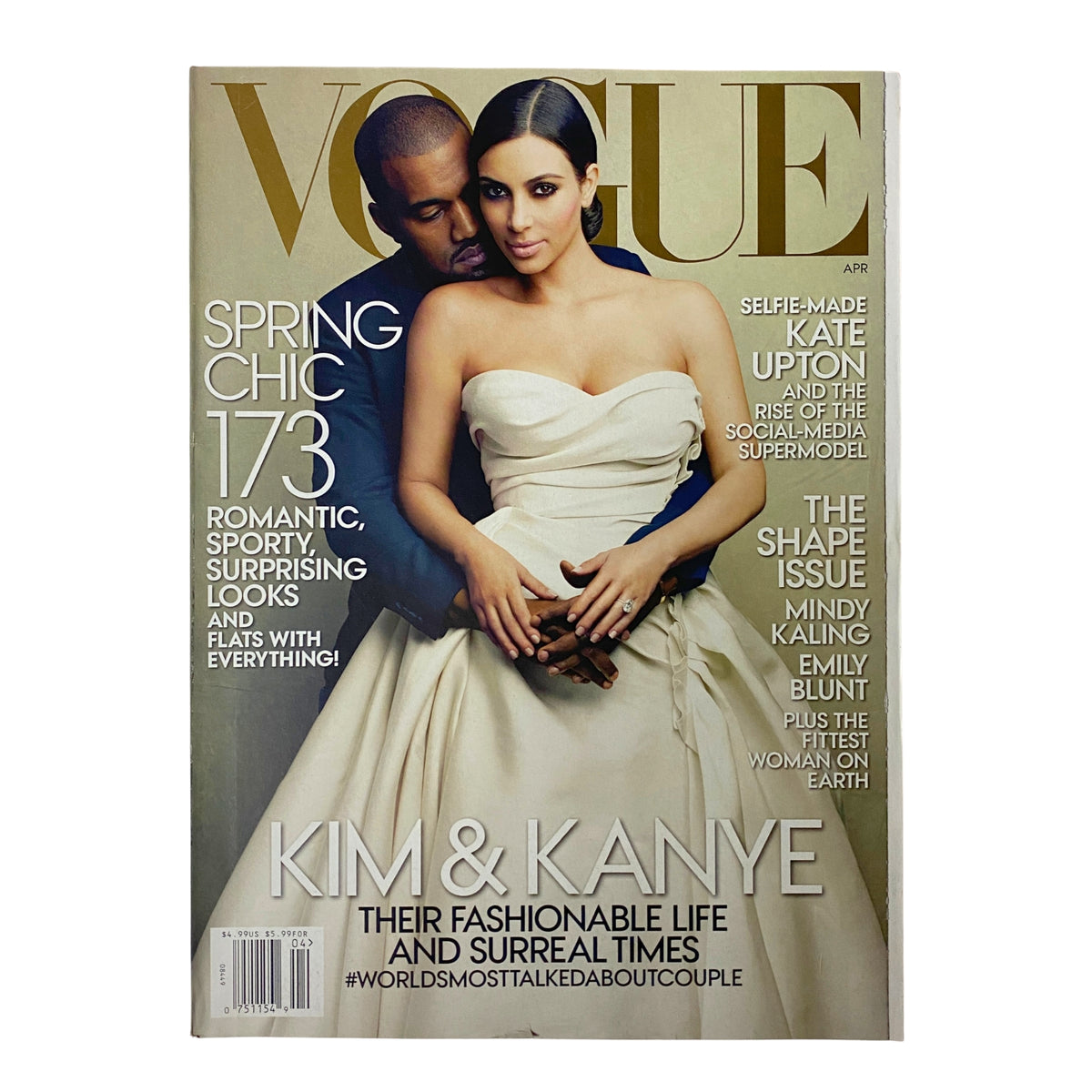
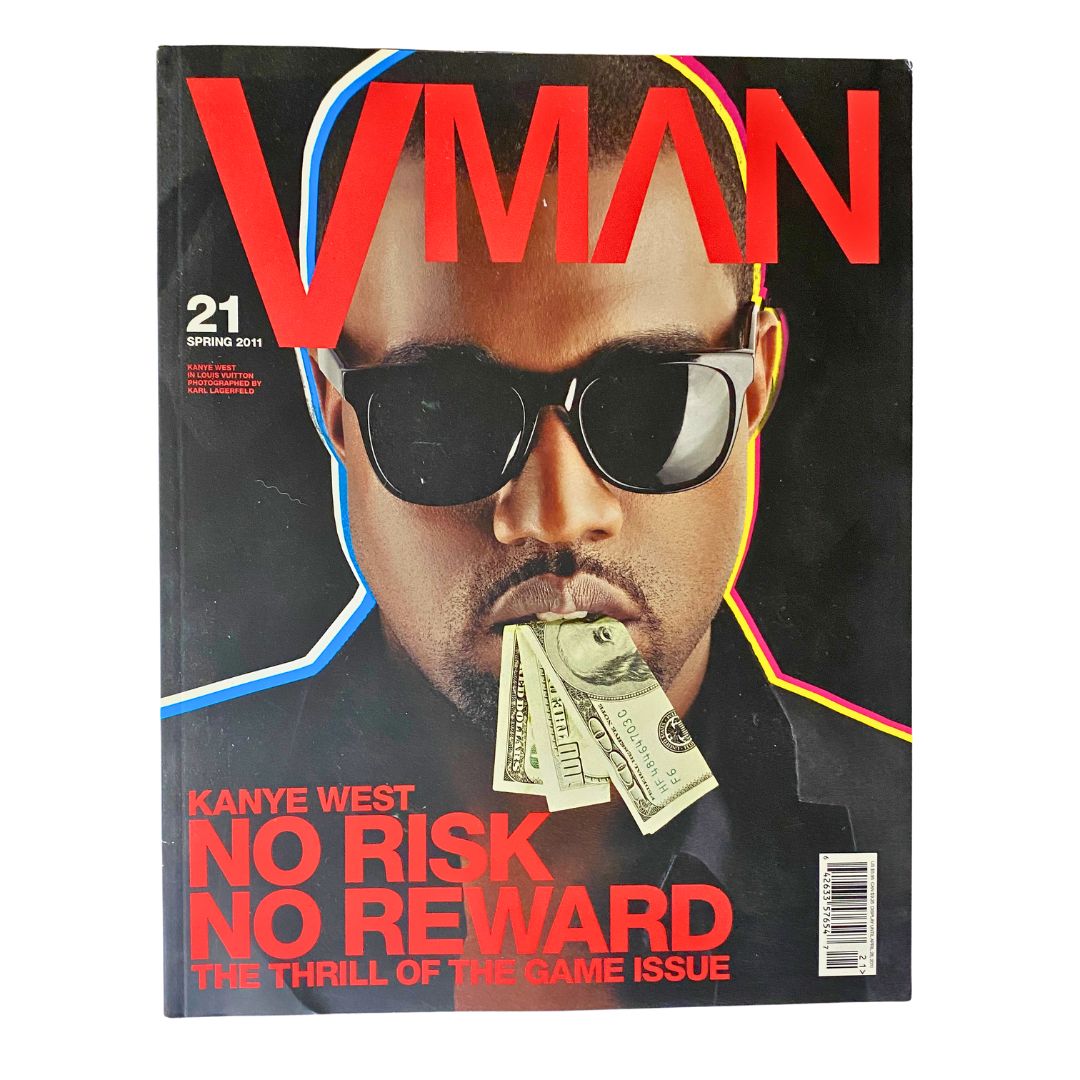
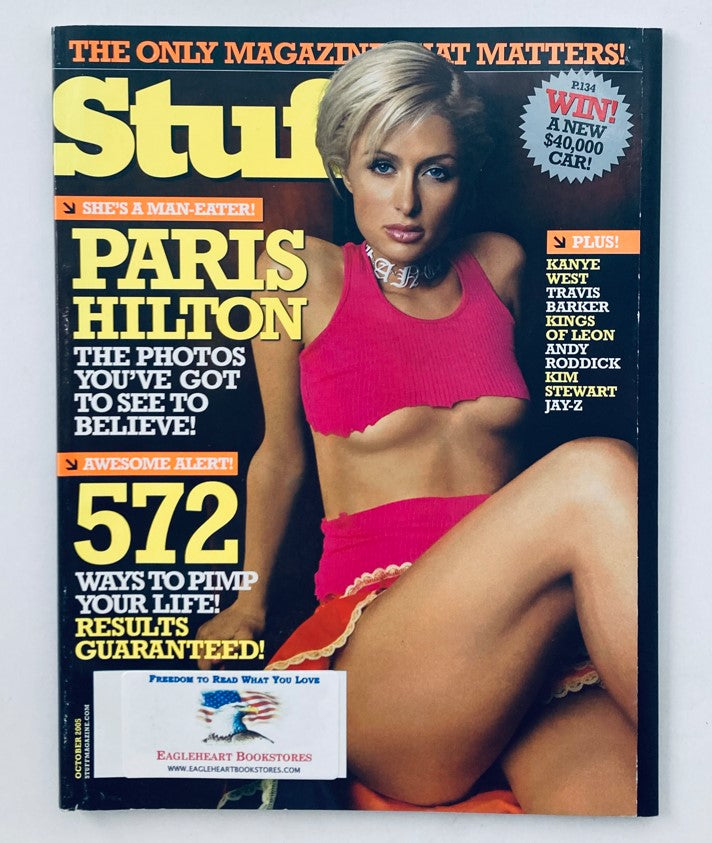
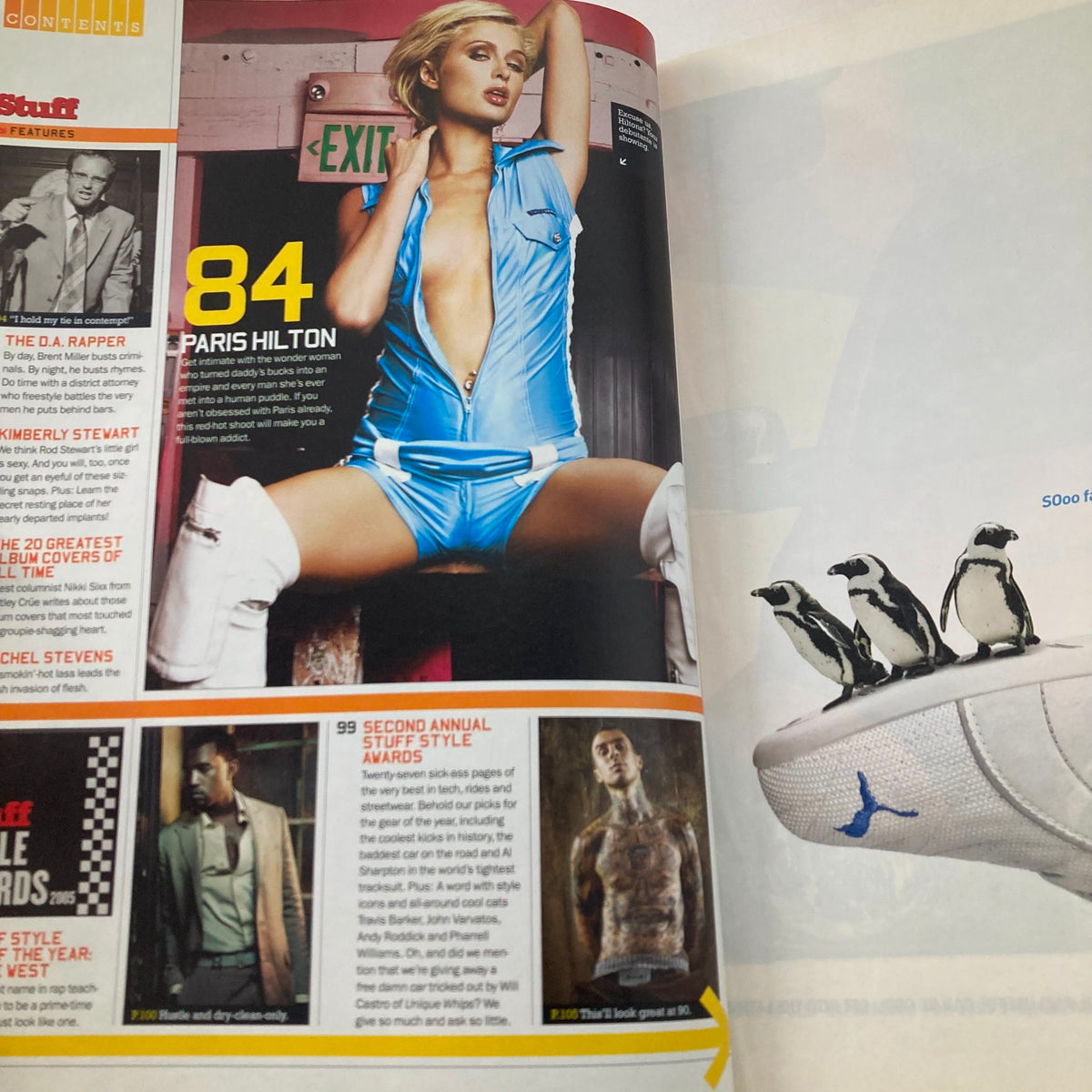
Vintage magazine coverage of this singular artist reflects the turbulent, transformative arc of a career that forced editors and photographers to constantly rethink their approach. Early profiles in Rolling Stone captured him with the eager, wide-eyed energy of a man who had bet everything on himself and won — earnest, polo-shirted, grinning. As the years progressed and the mythology deepened, fashion publications like Vogue and GQ began to treat him not merely as a musician but as a legitimate aesthetic force, framing him in stark, high-contrast editorial shoots that reflected his growing obsession with architecture, design, and what he called "beauty." Hip-hop's own chroniclers at XXL documented the internal conversation: how the culture received him, debated him, canonized and interrogated him in equal measure. The photography evolved alongside the man — from vibrant, street-level energy to austere, almost monastic minimalism — while the editorial tone in mainstream press swung between reverence and wariness, capturing a subject who never permitted a simple read. International style magazines from Paris and London added yet another dimension, framing him through a European lens that often granted him the status of avant-garde provocateur long before American mainstream media was prepared to do the same.
Curator's Checklist: Highlights Often Include
- Early-career breakthrough coverage (2004–2006): Features and reviews responding to The College Dropout and Late Registration, often capturing the surprise and critical euphoria of discovering an entirely new voice in hip-hop
- The "Graduation" era fashion and culture crossover: Editorial spreads and profiles from approximately 2007 onward, documenting his collision with high fashion, his collaboration with artists like Takashi Murakami, and the cultural moment when music and streetwear became inseparable
- Award ceremony and cultural flashpoint coverage: News-magazine and entertainment-press issues responding to high-profile public moments — pieces that capture how print media processed and framed controversy in real time, before social media could dissolve the story overnight
- Fashion week and design world features (2011–2015): Coverage from style-forward publications documenting his serious pursuit of a second career in fashion, including his Parisian design studies and early collections — a chapter often overlooked in his musical biography
- Album-era cultural retrospectives: Long-form profiles tied to landmark releases such as My Beautiful Dark Twisted Fantasy, widely acclaimed as a generational artistic statement, in which writers attempted to reconcile the chaos of the public figure with the majesty of the work
The Collector's Value
There is something irreplaceable about holding a magazine that was printed, distributed, and purchased during the actual moment it describes — a physical artifact of how a culture felt in real time, unrevised by hindsight. A vintage issue featuring this once-in-a-generation artist carries that weight in every detail: the particular warmth of the offset-printed ink, the slightly waxy resilience of a glossy cover stock that has survived decades without apology, the perfume of aged paper that no digital archive can replicate. And surrounding every profile, every photograph, every full-bleed cover shot are the advertisements, the competing headlines, the cultural context of the era — a full immersive document of a specific moment in time. For collectors of hip-hop and Black cultural history, early 21st-century fashion and streetwear heritage, or contemporary art and music memorabilia, these publications offer something no streaming platform or retrospective documentary can: the unmediated, primary-source record of genius being recognized as it happened. Explore the current available inventory below and find the piece of this story that belongs in your collection.