📖 About this Collection
Kareem Abdul-Jabbar: The Sky Hook and the Examined Life
The Legend & The Legacy
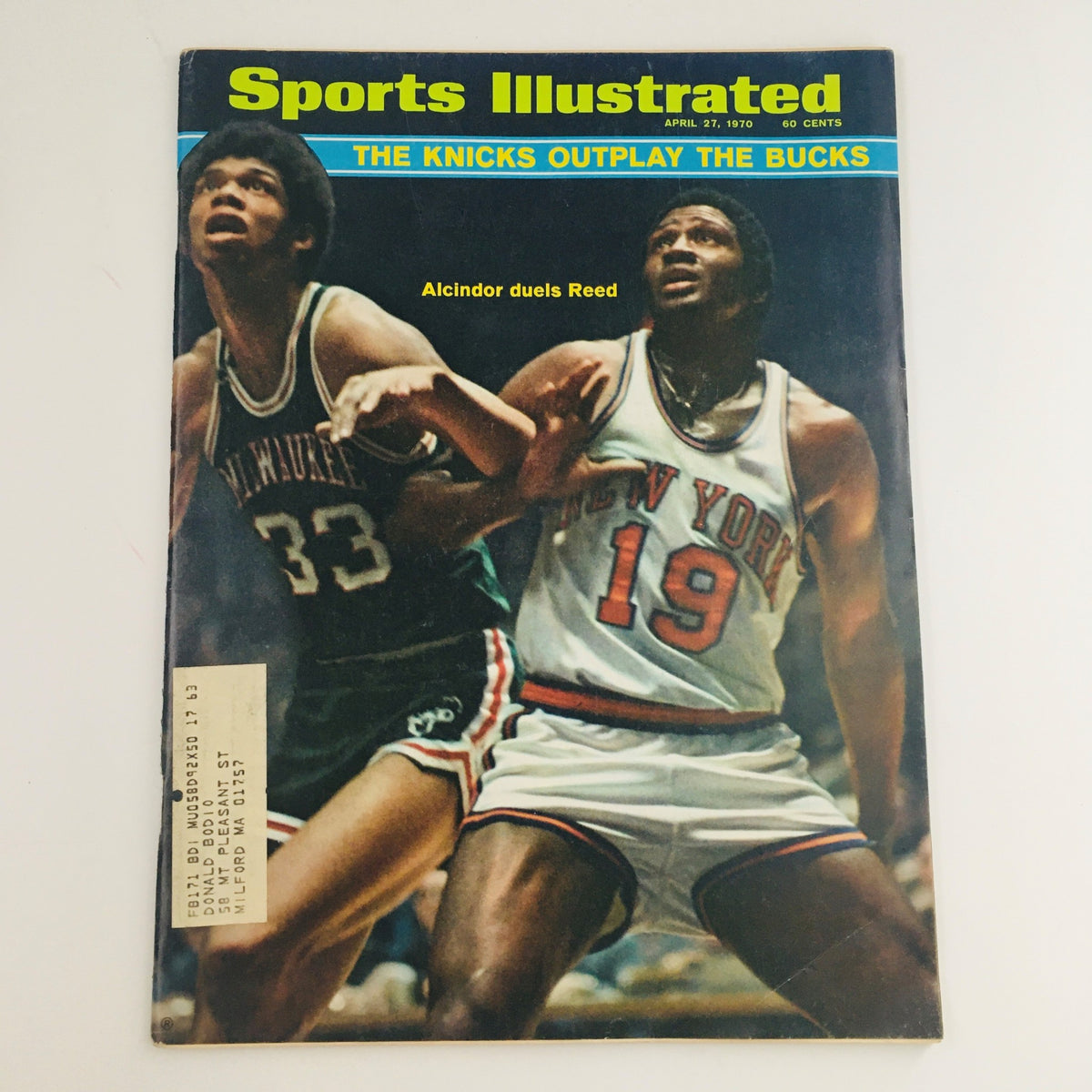
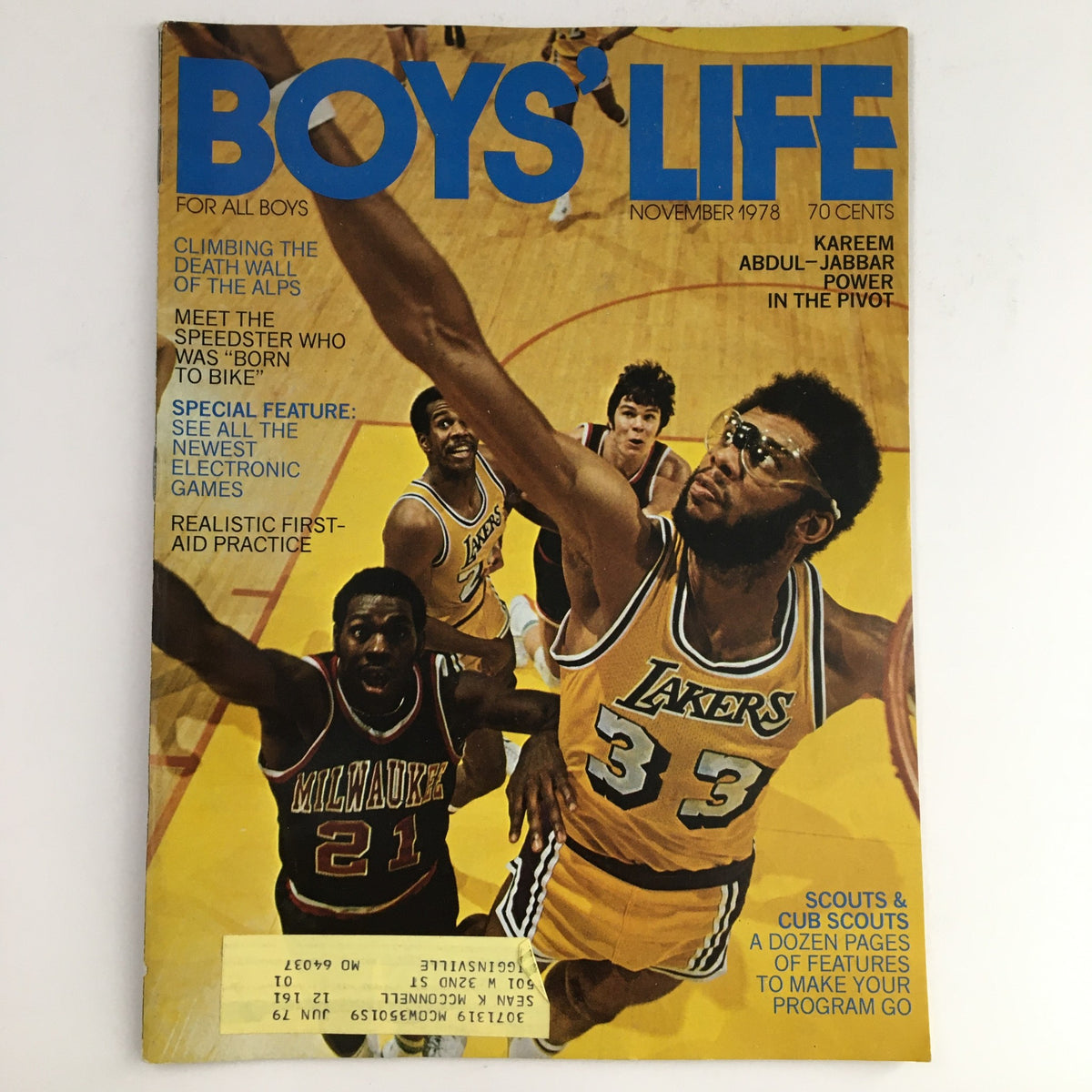
Few figures in American sporting and cultural life have commanded the printed page quite like Kareem Abdul-Jabbar — a man whose story demanded coverage not merely in the sports section, but across the full breadth of what magazines once considered newsworthy. From the moment he dominated college basketball as Lew Alcindor at UCLA in the late 1960s, through his conversion to Islam, his two-decade reign as the most unstoppable force in the NBA, and his outspoken engagement with civil rights, Black identity, and intellectual life, the press found in him an endlessly complex subject. In an era before highlight reels and social media, fans across America turned to their monthly and weekly magazines to understand the man behind the sky hook — to read the long-form profiles, absorb the full-page photographs, and follow the evolving narrative of an athlete who refused to be reduced to statistics alone. He was simultaneously a monument and a mystery, and print journalism spent thirty years trying to illuminate both.
Inside the Archive
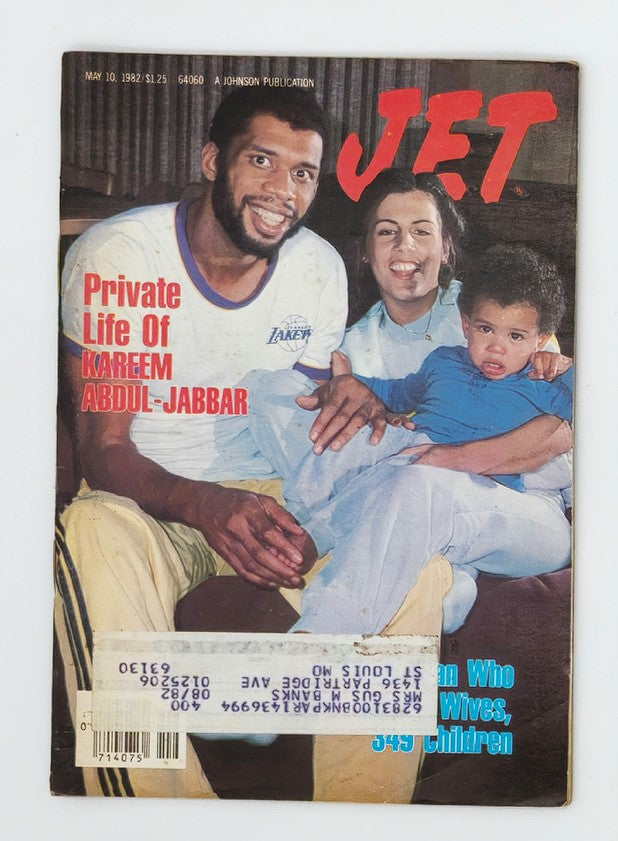
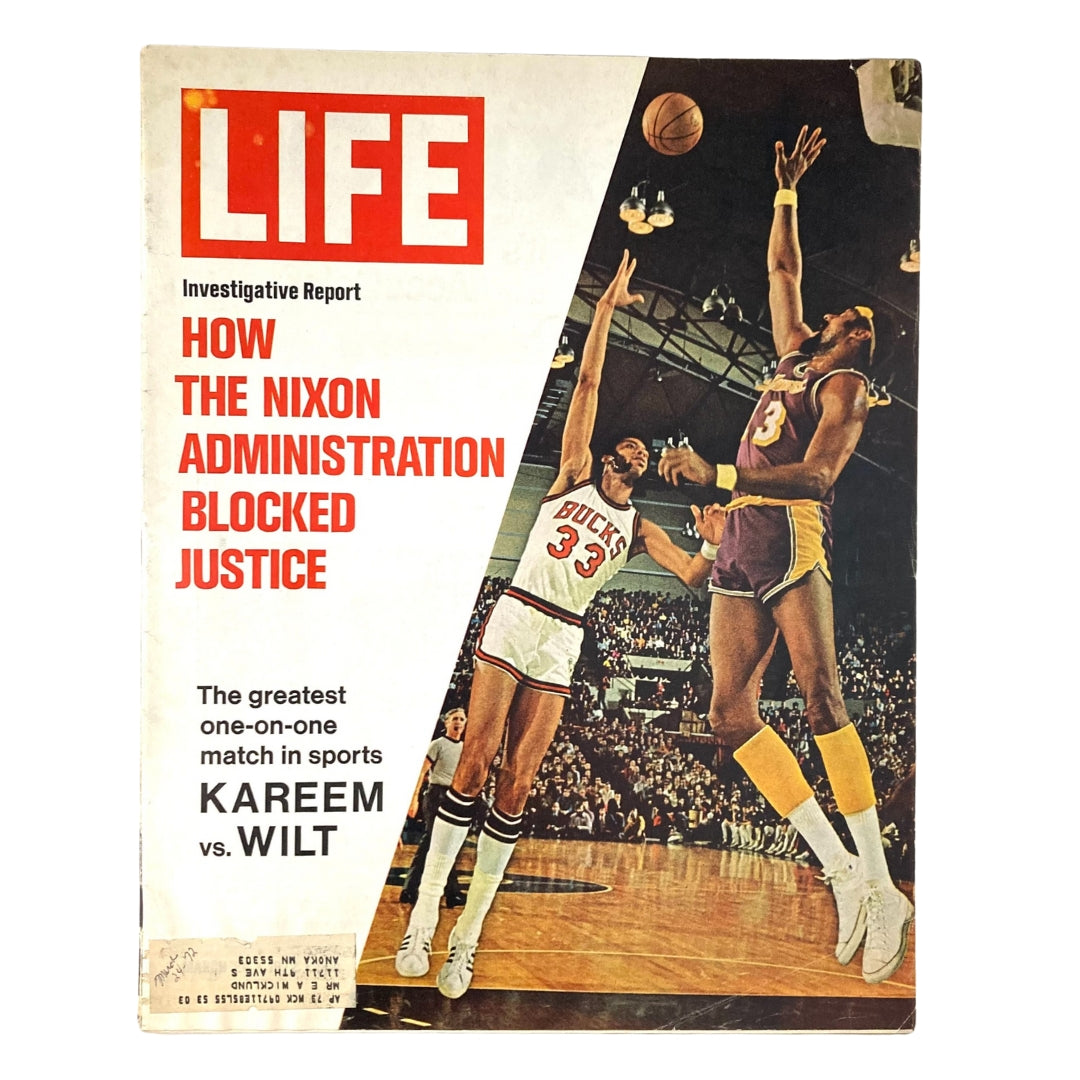
The visual and editorial treatment of this towering figure across vintage magazines reflects the cultural tensions and triumphs of his era with remarkable candor. Early coverage often wrestled with his public persona — photographers framing his extraordinary 7'2" silhouette against urban backdrops and hardwood courts with a dramatic, almost architectural gravity. Sports Illustrated was his most faithful chronicler, placing him on its cover across multiple decades and granting him the rare distinction of being a subject whose relevance never seemed to wane; their features balanced statistical reverence with genuine biographical depth. Ebony and Jet offered something the mainstream press often could not — an intimate engagement with his identity as a Black Muslim man in America, his relationship with Malcolm X, and his place within the broader liberation movements of the 1970s. Meanwhile, publications like Time and Sport magazine captured his philosophical dimension, interviewing him not merely as an athlete but as a public intellectual, a reader of history, and a man who had chosen, very deliberately, the shape of his own life.
Curator's Checklist: Highlights Often Include
- Championship-era features from the Showtime Lakers (1980–1988): Coverage from the Los Angeles dynasty years, when he and Magic Johnson commanded the nation's sports pages and living rooms in equal measure, often appears with vivid action photography and tactical breakdowns of an era considered the apex of professional basketball.
- The UCLA years and the Lew Alcindor era (1966–1969): Pre-name-change collegiate coverage is among the rarest and most historically significant material in any collection — documents from a moment when the country was still learning who he was and what he would become.
- Civil rights, religion, and identity profiles: Long-form magazine journalism from the late 1960s and 1970s frequently grappled with his conversion to Islam and his refusal to compete in the 1968 Olympics, producing some of the most searching and sociologically rich profiles of the decade.
- Milwaukee Bucks championship coverage (1971): His first NBA title, won in just his second professional season, generated a wave of national magazine attention that introduced him to a mainstream audience as not merely a prospect, but a fully realized force.
- Retirement and legacy retrospectives (late 1980s–1990s): As his playing career drew to its close, publications across the spectrum produced sweeping assessments of a career spanning six championships, six MVP awards, and nineteen seasons — a body of coverage that reads today as a kind of secular canonization.
The Collector's Value
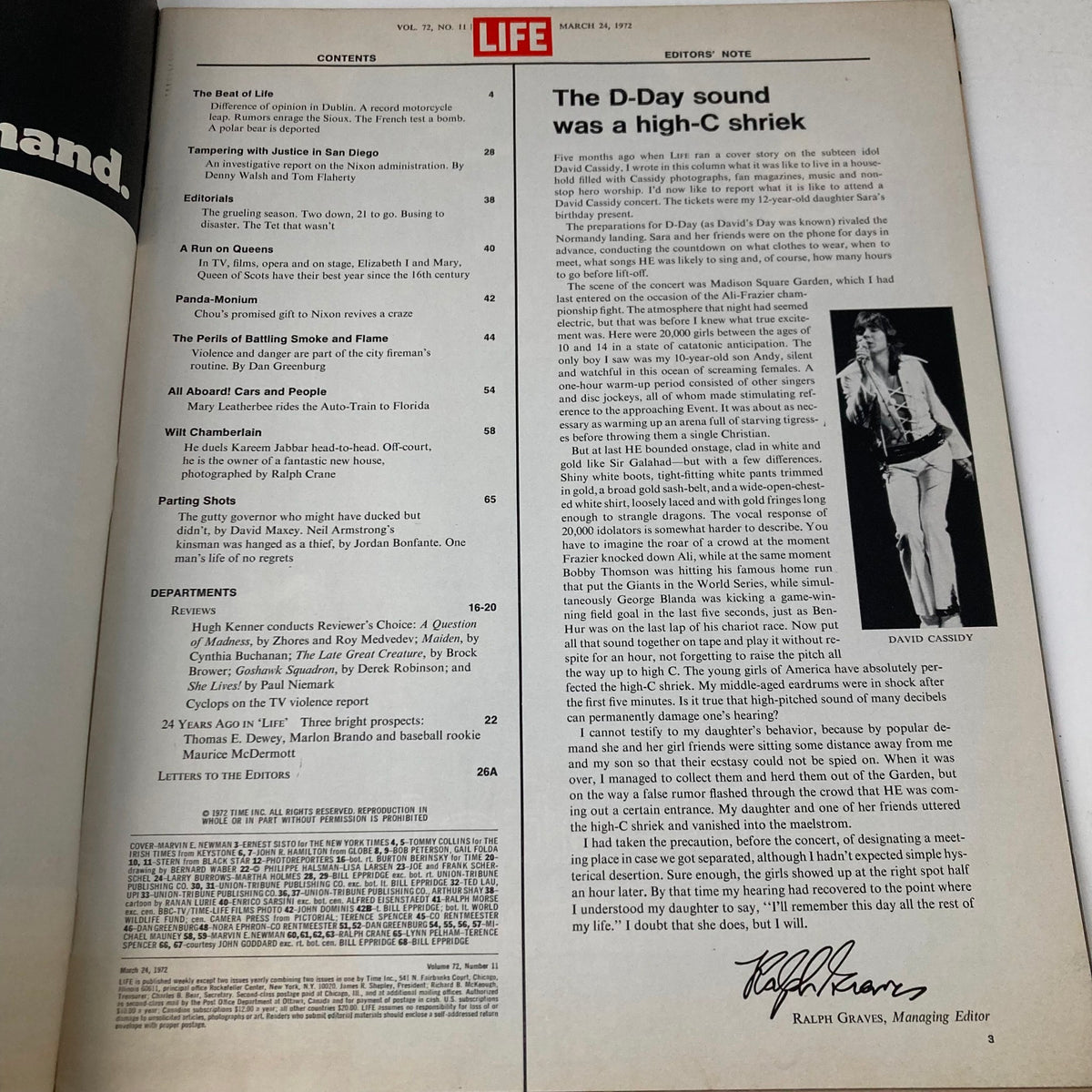
To hold one of these original issues is to hold something that no digital archive can replicate — the particular weight of coated stock from a 1972 Sports Illustrated, the slight foxing at the corners of a 1971 Ebony profile, the warm amber of aged newsprint carrying a headline written the morning after a championship. The advertisements surrounding the editorial content are themselves time capsules: mid-century automobile spreads, cigarette campaigns, and leisure wear that root each issue unmistakably in its moment. These are primary sources, not reproductions — objects that were physically present in American homes during the years they describe, passed between family members, dog-eared and debated. For collectors of NBA and basketball history, African American cultural heritage, or 20th-century sports journalism, these publications offer an irreplaceable window into how one of the most consequential athletes of the modern era was witnessed, interpreted, and celebrated in real time. Explore the current available inventory below and discover which pieces of this remarkable story are waiting to find a new home.