📖 About this Collection
Karl Malone: The Mailman Always Delivers
The Legend & The Legacy
Long before highlight reels lived in our pockets and box scores refreshed by the second, the story of Karl Malone was told one glossy page at a time. Rising from the rural parishes of Louisiana to become one of the most physically dominant and statistically relentless power forwards the game of basketball has ever seen, the Mailman spent two decades delivering — night after night, season after season — in a league that was, for much of his career, defined by the celestial shadow of Michael Jordan. Yet Malone carved his own monument in that shadow, earning two NBA MVP awards, a place on the 1992 and 1996 U.S. Olympic Dream Teams, and a partnership with John Stockton that became the gold standard of pick-and-roll basketball. In an era when fans genuinely waited for the Sunday paper or the next issue of their favorite sports monthly to process what they had witnessed courtside or on network television, physical print media was the sacred archive — the place where greatness was confirmed, contextualized, and immortalized.
Inside the Archive
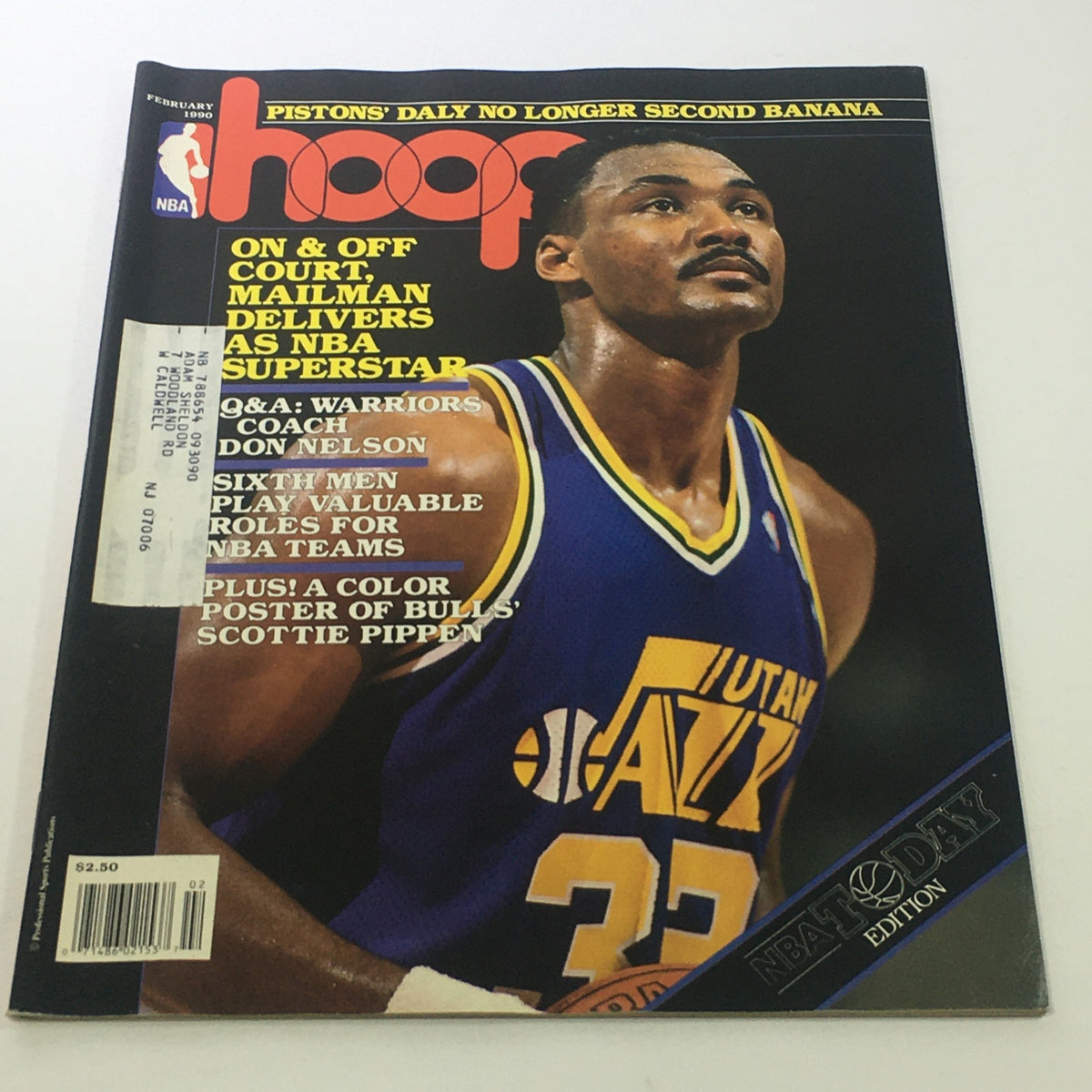
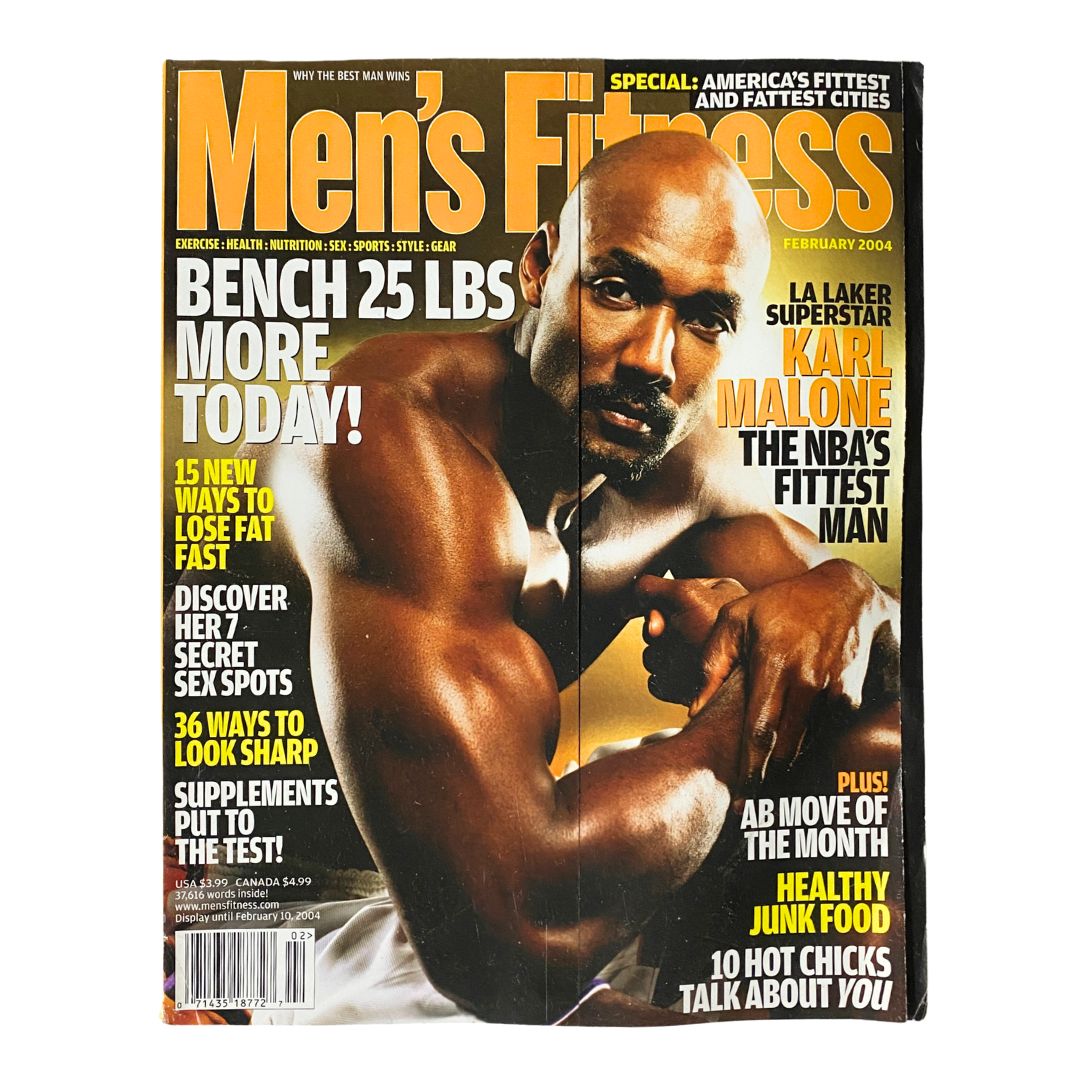
Vintage magazines of the late 1980s through the early 2000s captured the Mailman with an editorial intensity befitting a man of his physical stature and competitive gravity. Sports photographers of that era favored dramatic low-angle shots that emphasized his sculpted frame and coiled athleticism — images that leapt off the page in ways that television's soft resolution of the time simply could not replicate. Sports Illustrated, the unrivaled bible of American athletic culture, returned to him repeatedly across his Utah Jazz prime, chronicling his MVP seasons and his agonizing near-misses at the championship ring that eluded him. Ebony and Jet, essential chronicles of Black American achievement and cultural life, recognized him as a towering figure of excellence and tenacity, placing him within the broader narrative of Black athletes reshaping professional sports during a transformative era. Meanwhile, the 1992 Barcelona Olympics brought international attention, and publications like L'Équipe Magazine in France and various European sports monthlies documented the Dream Team phenomenon with breathless admiration, often framing Malone as the squad's most quietly ferocious presence.
Curator's Checklist: Highlights Often Include
- Dream Team coverage (1992 & 1996): Issues documenting the Barcelona and Atlanta Olympic Games, where Malone appeared alongside Bird, Magic, and Jordan in what many publications called the greatest assemblage of athletic talent ever assembled under one flag
- Back-to-back MVP tributes (1997 & 1999): Feature spreads and cover stories from sports monthlies celebrating his consecutive Most Valuable Player awards — a distinction that placed him in rarefied company in NBA history
- Jazz dynasty profiles: Long-form editorial features examining the Stockton-to-Malone era in Utah, often framed as the great romantic tragedy of 1990s basketball — all that winning, and still no ring
- All-Star and milestone coverage: Commemorative issues marking his record-setting scoring milestones, his All-Star Game appearances, and his eventual place among the NBA's all-time leading scorers
- Late-career Lakers chapter: Coverage from his 2003–04 season alongside Shaquille O'Neal and Kobe Bryant — a swan-song pursuit of a championship that captivated the basketball world and generated significant sports media attention
The Collector's Value
There is something irreplaceable about holding a magazine from the height of Karl Malone's dominance — the slight yellowing at the edges of the pages, the dense, slightly waxy feel of the coated stock favored by sports publications of that era, the faint perfume of decades-old ink that rises when you crack the spine. These are not digital files or licensed reprints. They are primary documents — artifacts produced in real time, by journalists and editors who did not yet know how the story would end, surrounded by period advertisements for sneakers, soft drinks, and automobiles that transport you wholly back to the world in which this man played. The editorial passion is unfiltered; the photography is analog and visceral; the context is alive. For collectors of NBA memorabilia and basketball history, 1990s American sports culture, or Olympic Games ephemera, these publications offer an irreplaceable window into an era of the game that can never be reconstructed — only rediscovered. Browse the current available inventory below and claim your piece of it.