📖 About this Collection
Kate Jackson: The Quiet Fire Behind the Spotlight
The Legend & The Legacy
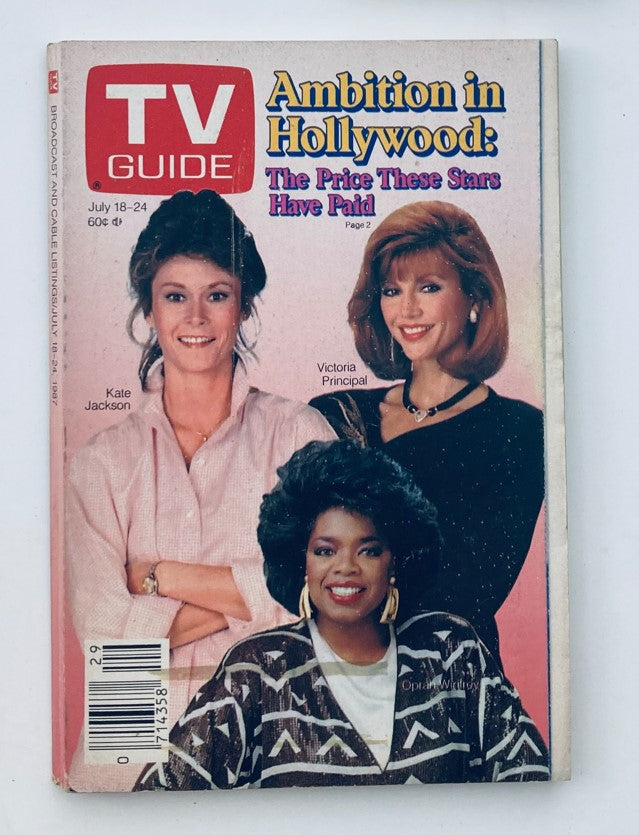
Before social media could fragment a celebrity into endless soundbites, before streaming could reduce an actress to an algorithm, Kate Jackson existed in that rarer, more deliberate world — the world of the printed page. Rising to cultural ubiquity through Charlie's Angels in the mid-1970s, she became one of the most photographed women in America at a moment when television and magazine publishing still operated in a powerful, symbiotic relationship. Yet Jackson was never simply a pin-up or a poster girl. She was the intellectual one, the "serious actress" of the trio, and that tension — between mass-market fame and artistic credibility — made her endlessly compelling to editors and readers alike. Her battle with breast cancer in the late 1980s, handled with extraordinary candor and dignity, transformed her public image once again, this time into something genuinely heroic. Each chapter of her life was first told not through a tweet or a press release, but through the considered, ink-on-paper authority of the magazine feature.
Inside the Archive
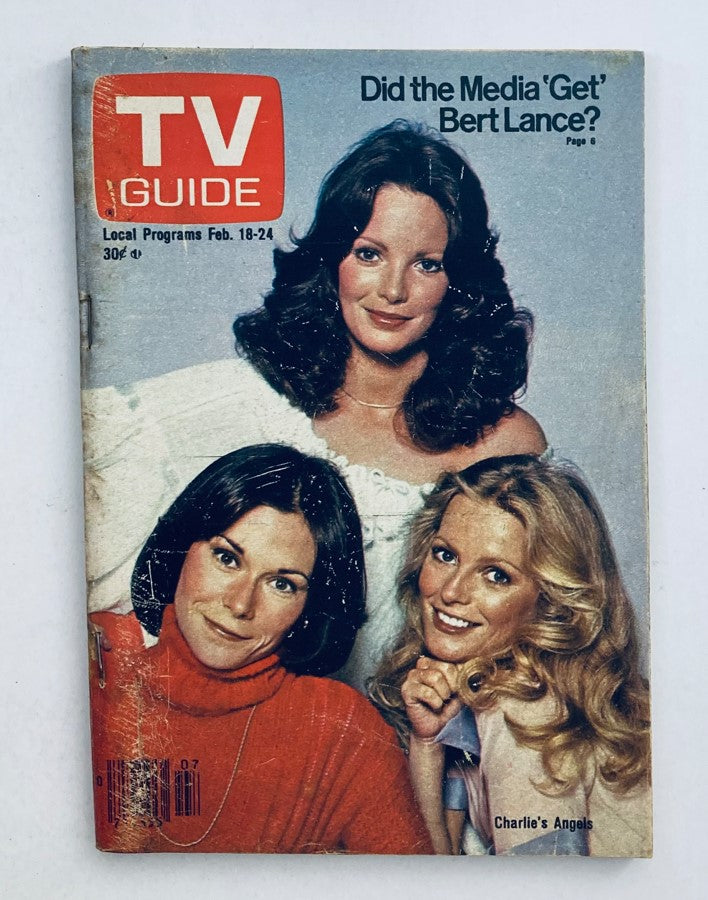
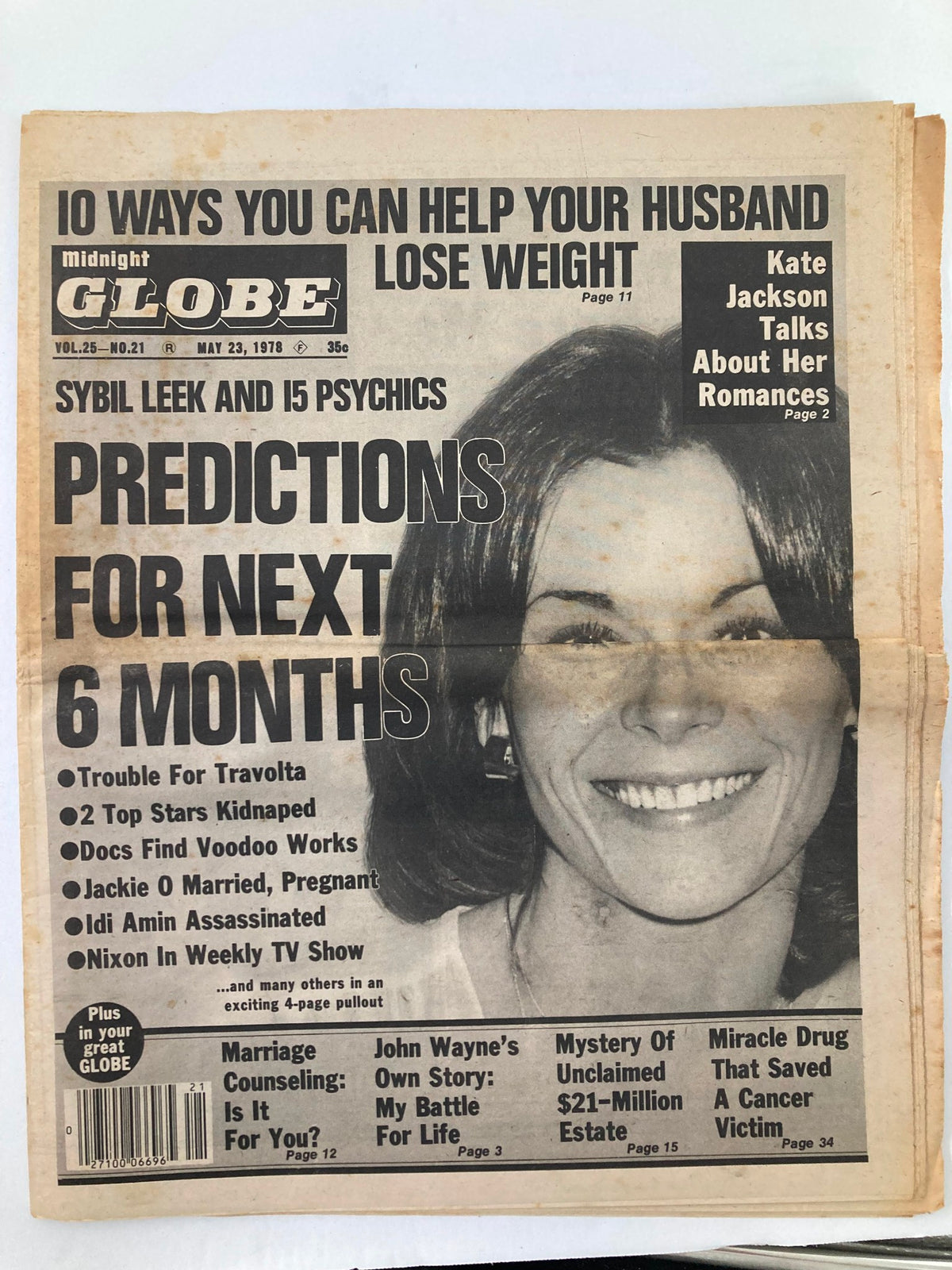
During her peak years, the coverage of this quietly formidable actress reflected the full spectrum of 1970s and 1980s print culture. Fashion-forward publications styled her with a cool, almost androgynous elegance that set her apart from her Angels co-stars — photographers frequently emphasized her angular cheekbones and those famously watchful eyes, lending even promotional shoots an air of intelligence and restraint. People magazine, then establishing itself as the definitive chronicle of American celebrity, returned to her repeatedly across its early years, tracking her career pivots, her marriages, and her health journey with the kind of intimate, long-form access that no entertainment outlet commands today. TV Guide immortalized the Charlie's Angels phenomenon in cover after cover, capturing the precise moment when prime-time television became a full-blown cultural event. Meanwhile, US Magazine and a constellation of international fan publications — particularly across the UK and Australia, where Angels mania ran remarkably deep — offered glossy, effusive portraits that now serve as extraordinary time capsules of late-1970s visual culture and typography.
Curator's Checklist: Highlights Often Include
- Charlie's Angels ensemble covers and features from 1976–1981, documenting the seismic cultural arrival of the series and Jackson's role as the anchor of its original, most celebrated lineup
- Solo profile features in major weekly publications from her post-Angels period, as editors tracked her deliberate pursuit of more dramatically demanding television roles, including her acclaimed work in Scarecrow and Mrs. King
- Health and advocacy coverage from the late 1980s and early 1990s, when her public discussion of her breast cancer diagnosis made her a figure of national conversation and her story appeared across both mainstream news weeklies and women's health-focused publications
- International fan magazine spreads from the UK, Australia, and continental European markets, offering a fascinating cross-cultural perspective on how the Angels phenomenon translated far beyond American borders
- Television industry trade features and year-end retrospectives from publications chronicling the golden age of American network drama, often positioning her as one of the defining small-screen talents of her generation
The Collector's Value
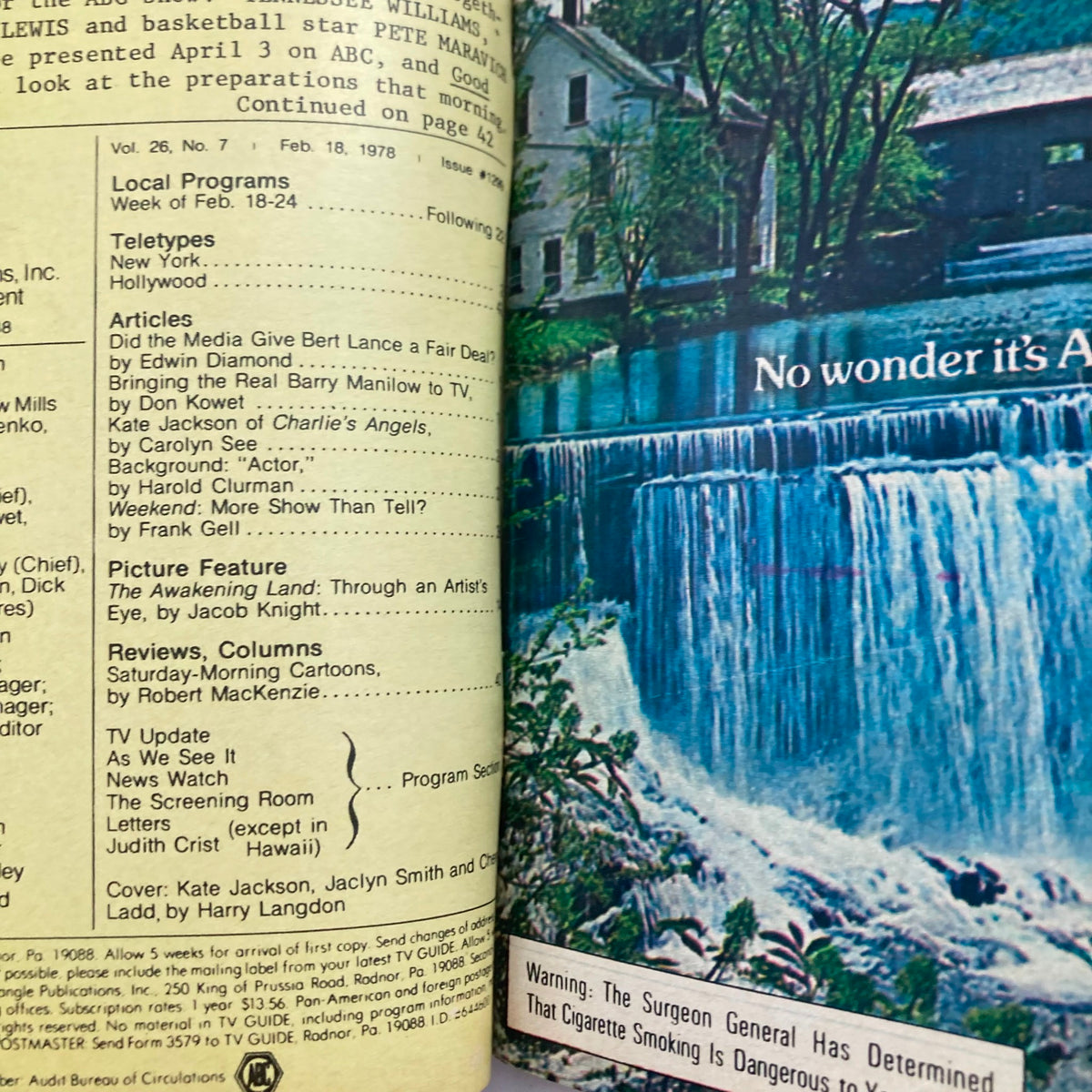
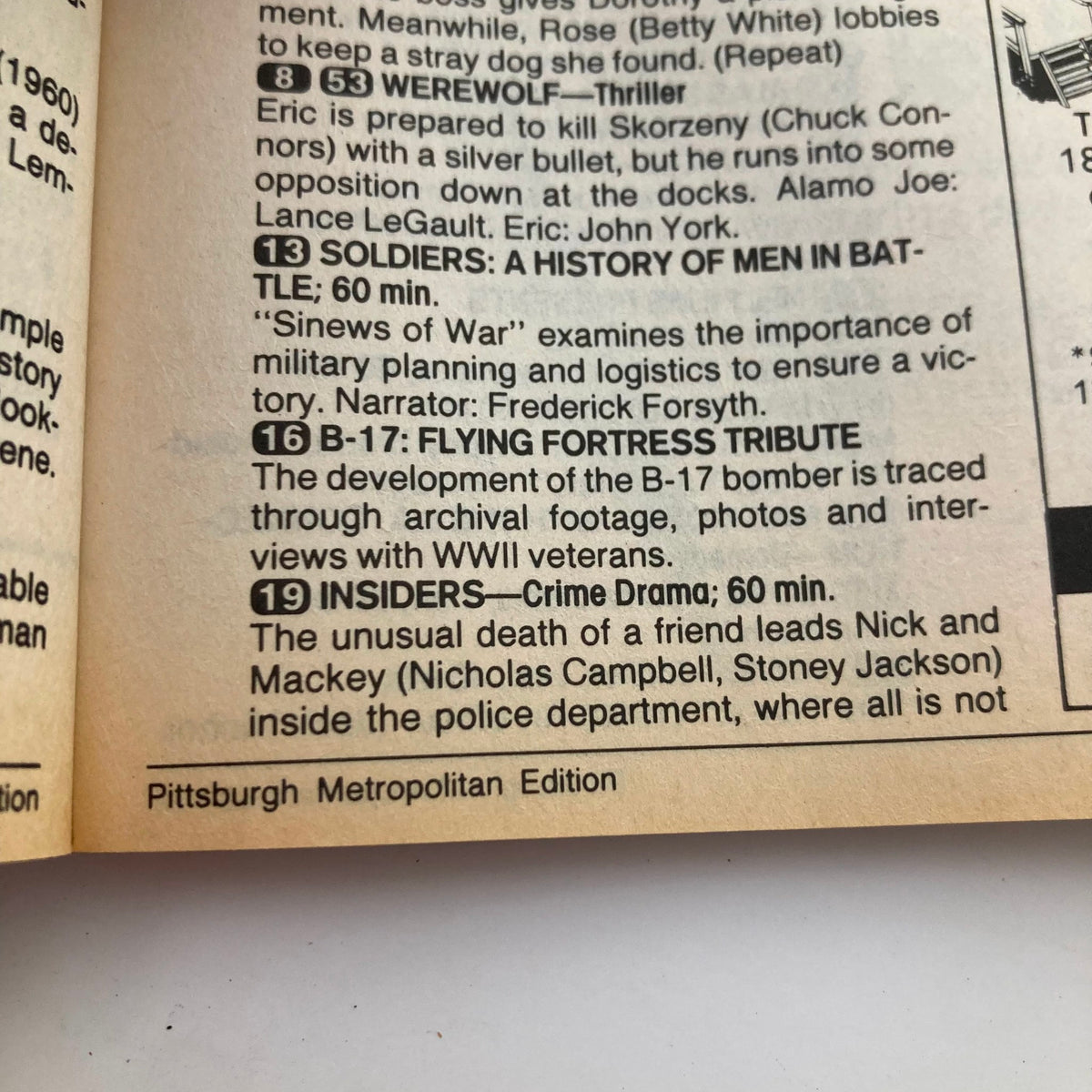
There is something irreplaceable about holding one of these issues in your hands — the slight give of a 1977 periodical's newsprint stock, the way the color registration on a People cover from that era bleeds just slightly at the edges, the ghost-scent of decades-old ink mingling with the vintage advertising copy for products that no longer exist. These are not reproductions or digital scans. They are primary documents, artifacts of a media ecosystem that shaped how an entire generation understood fame, femininity, and the power of the television image. Every surrounding advertisement — the cigarette brands, the automobile spreads, the department store fashions — deepens the historical texture, placing the subject firmly within the precise cultural moment that made her a star. For collectors of classic American television memorabilia, 1970s pop culture ephemera, or women's history and advocacy milestones, these publications offer an unmediated window into history that no streaming service or digital archive can replicate. Browse the current available inventory below and discover which pieces of this remarkable story are waiting to be reclaimed.