📖 About this Collection
Katharine Hepburn: The Uncompromising Flame
The Legend & The Legacy
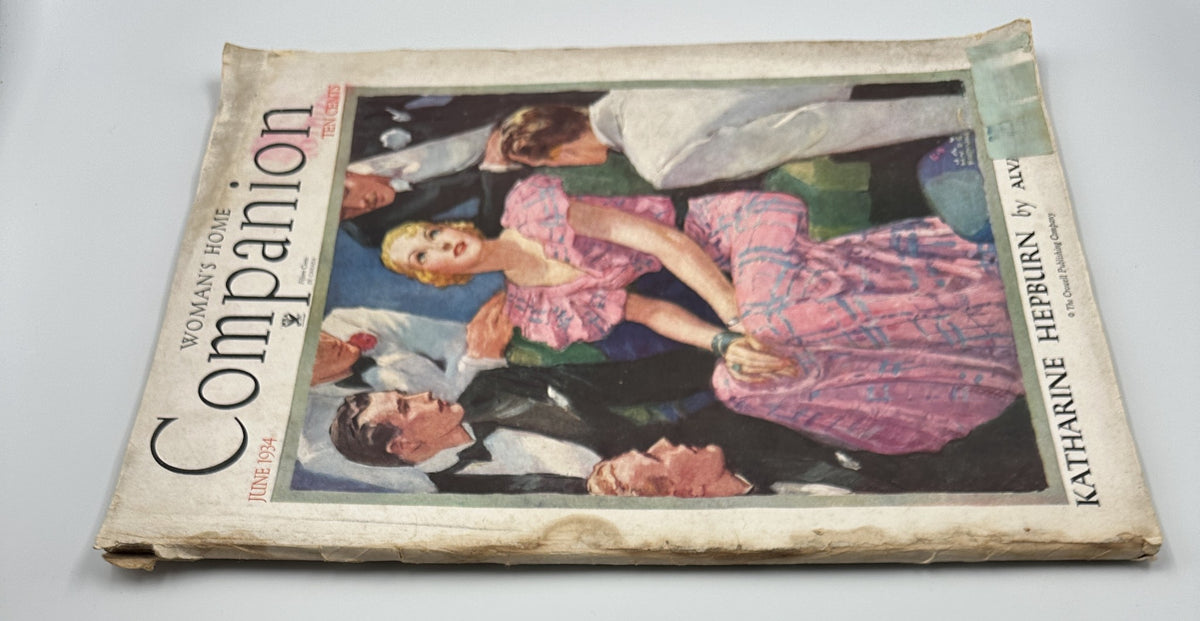
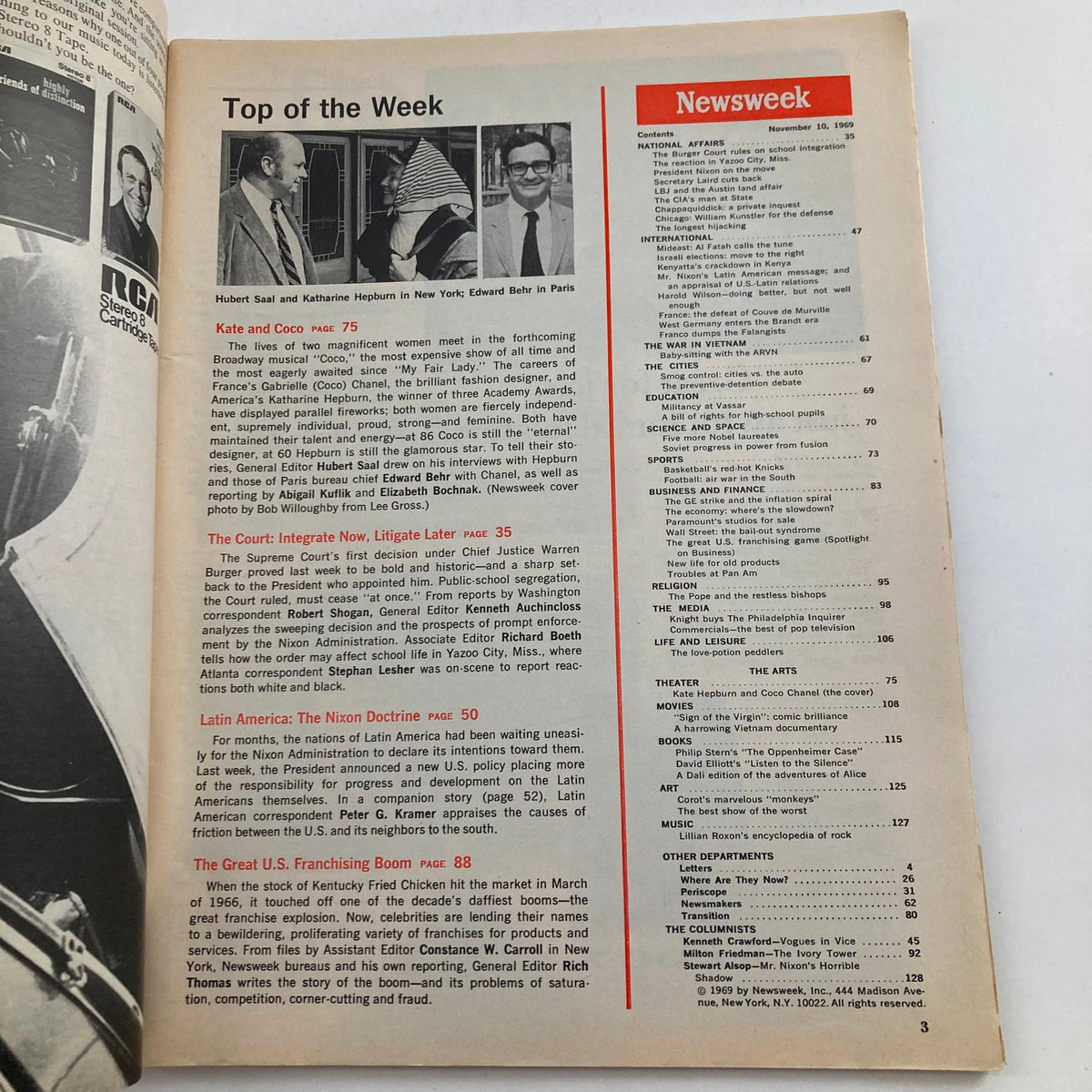
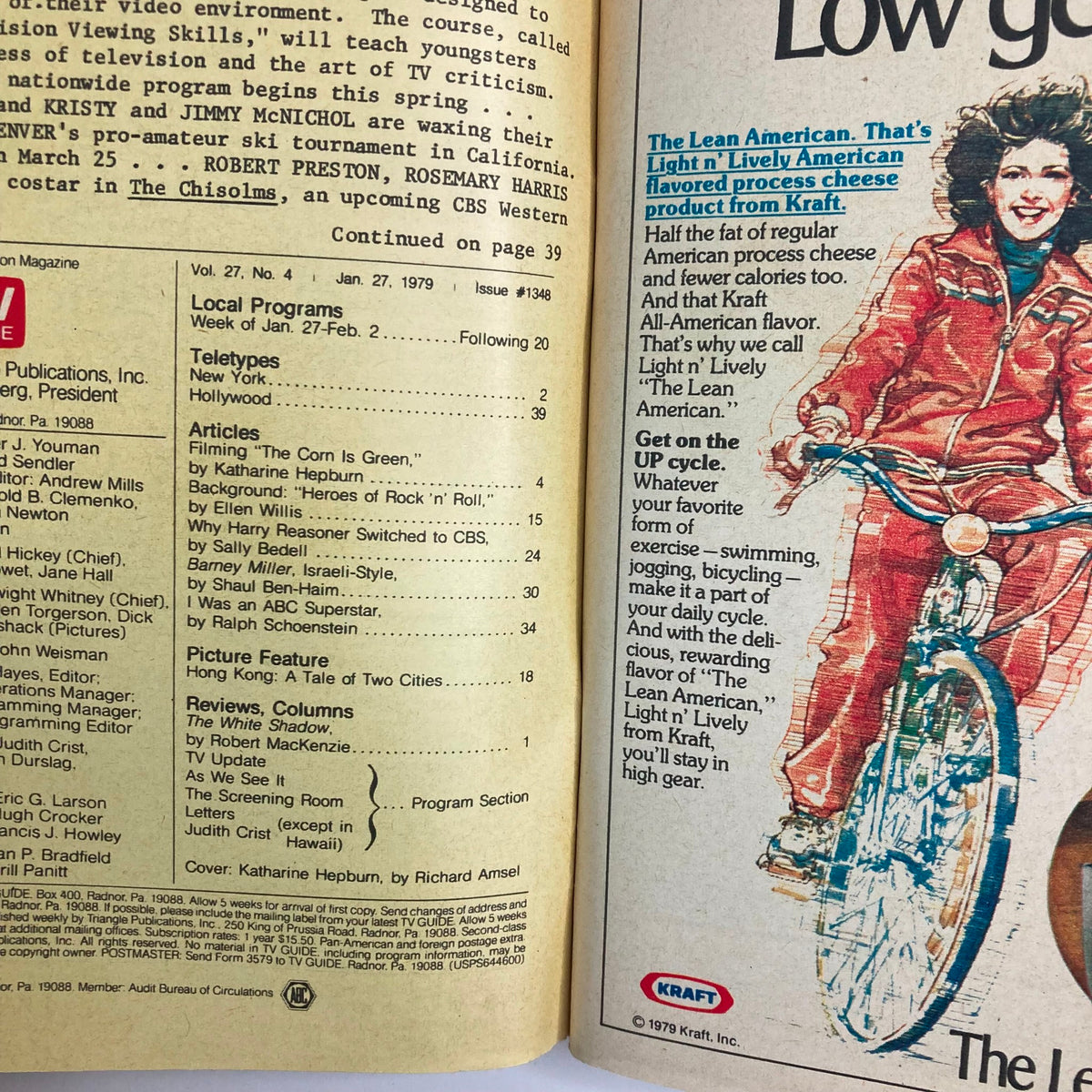
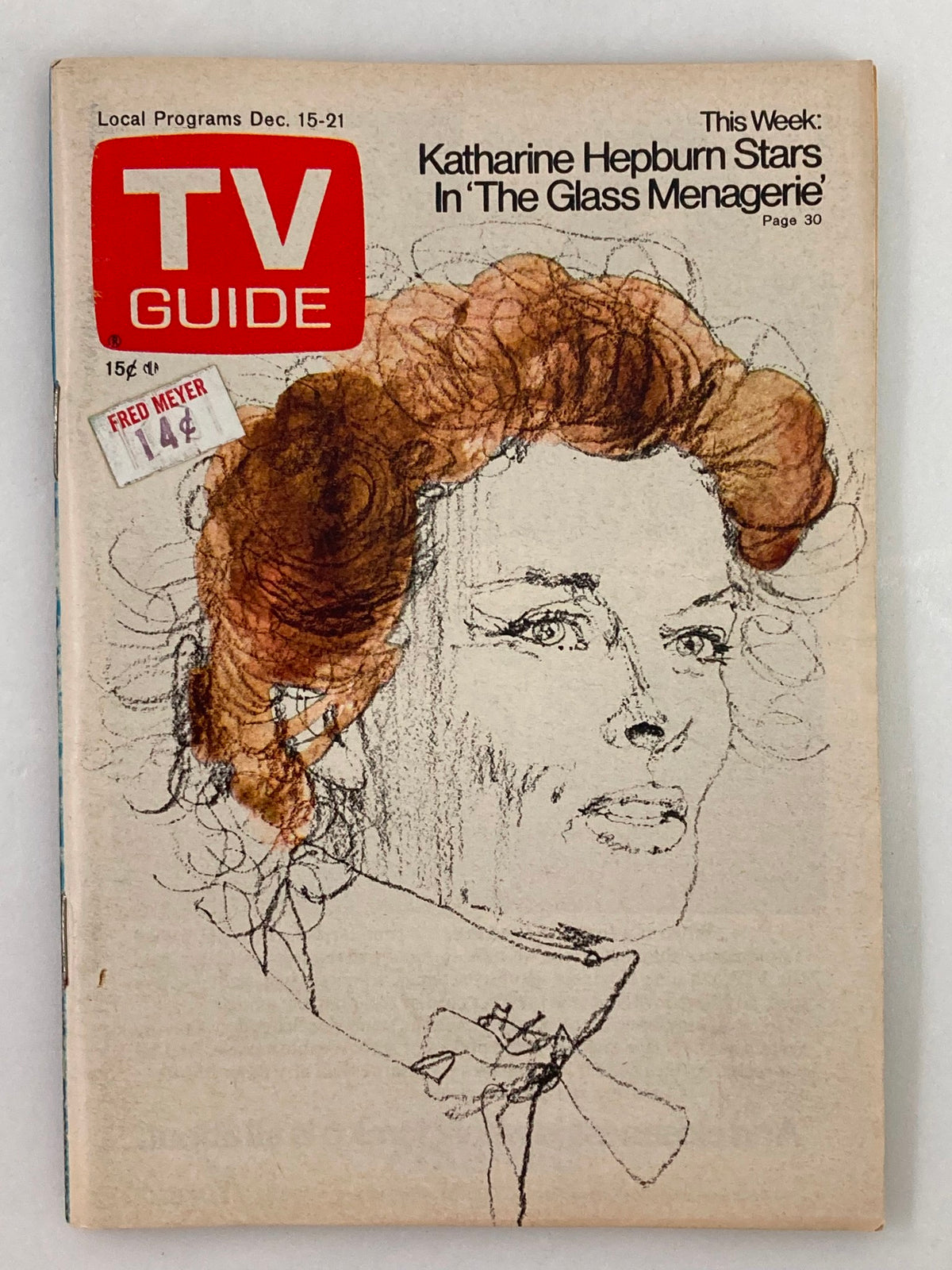
Long before the internet collapsed the distance between icon and audience, Katharine Hepburn existed as something rarer and more potent — a presence filtered entirely through celluloid and ink. From the early 1930s through the close of the twentieth century, the Connecticut-born actress occupied an almost paradoxical space in American cultural life: simultaneously the most private of stars and the most relentlessly documented. Audiences who had never seen her on a stage nonetheless felt they knew her through the glossy pages spread across their laps on Sunday afternoons. She was the woman who wore trousers at a time when society considered it scandalous, who spurned Hollywood glamour while somehow personifying it, who endured box-office failure and critical dismissal only to return, decades later, as one of the most celebrated performers in the history of the screen. Her four Academy Awards — a record unmatched — were not merely trophies; they were public affirmations of a career that the press had watched, debated, eulogized, and celebrated across six extraordinary decades. In an era when magazines were the cultural conversation, her story was told one cover at a time.
Inside the Archive
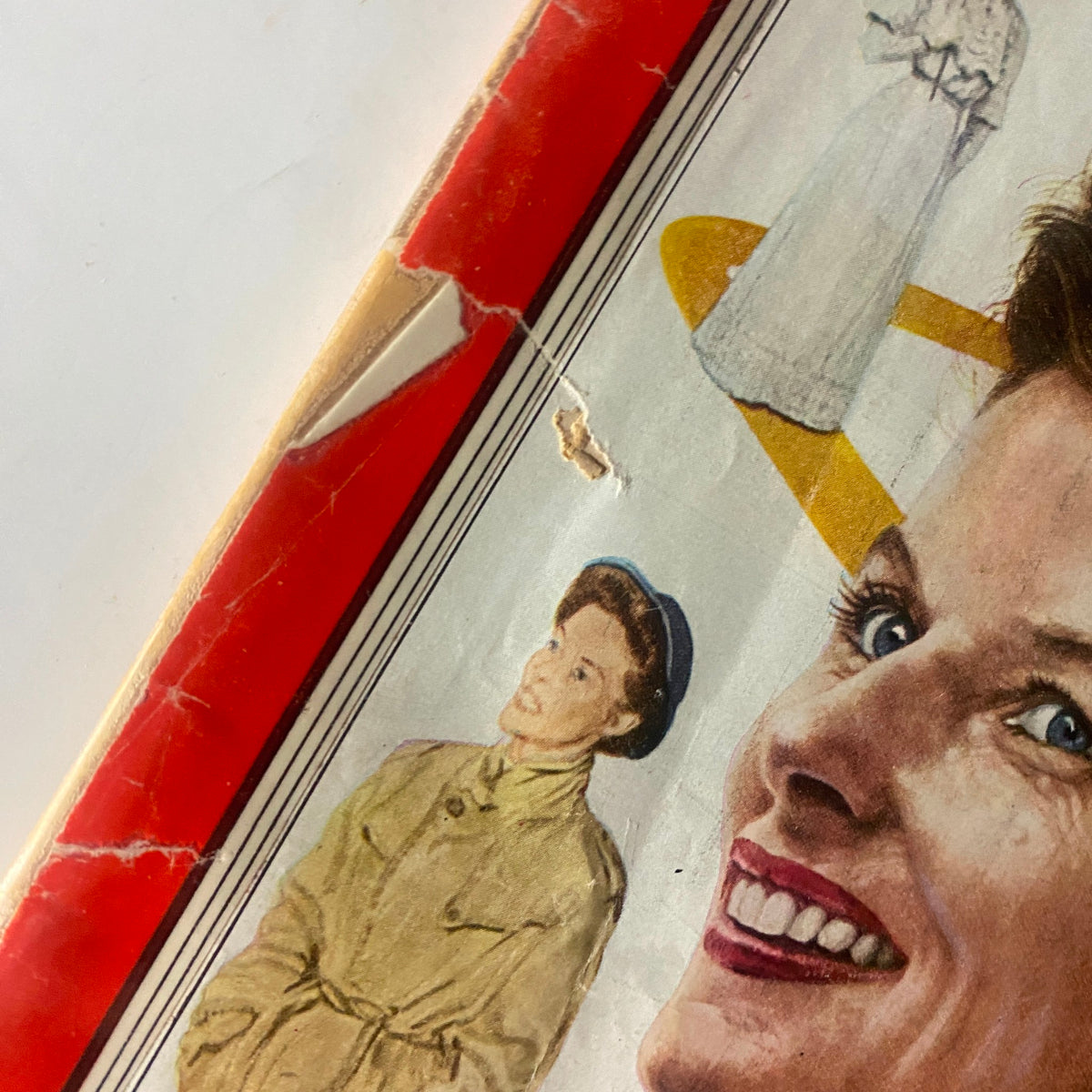
Vintage magazines treated Hepburn with a fascination that oscillated between reverence and bewilderment, never quite able to categorize the woman who refused categorization. In her early years, the photography was often stark and angular — editors leaned into the uncommon geometry of her face, her athlete's posture, her refusal to soften for the camera's eye. Life magazine returned to her repeatedly across four decades, capturing her in candid film-set portraits as readily as in formal studio sessions, charting the visible evolution from sharp-edged ingénue to grand dame of American cinema. Vogue, which might have dismissed a woman so contemptuous of conventional femininity, instead found in her an editorial muse of a different order — a figure who made severity elegant. Internationally, Paris Match recognized in her the particular appeal she held for European audiences: a distinctly American independence that felt, paradoxically, like something classical and eternal. The editorial tone across publications shifted over time from guarded curiosity to something closer to awe, as it became clear that she was not a phenomenon to be explained, but an institution to be honored.
Curator's Checklist: Highlights Often Include
- Golden Age Hollywood profiles (1930s–1940s): Early career features from the RKO years, covering landmark films and the fierce critical reception that alternately crowned and dismissed her, alongside the studio portraiture that defined an era.
- The Spencer Tracy years: Deeply personal yet carefully coded coverage of one of Hollywood's most enduring partnerships, with publications of the 1940s through 1960s navigating the open secret of their relationship with characteristic period delicacy.
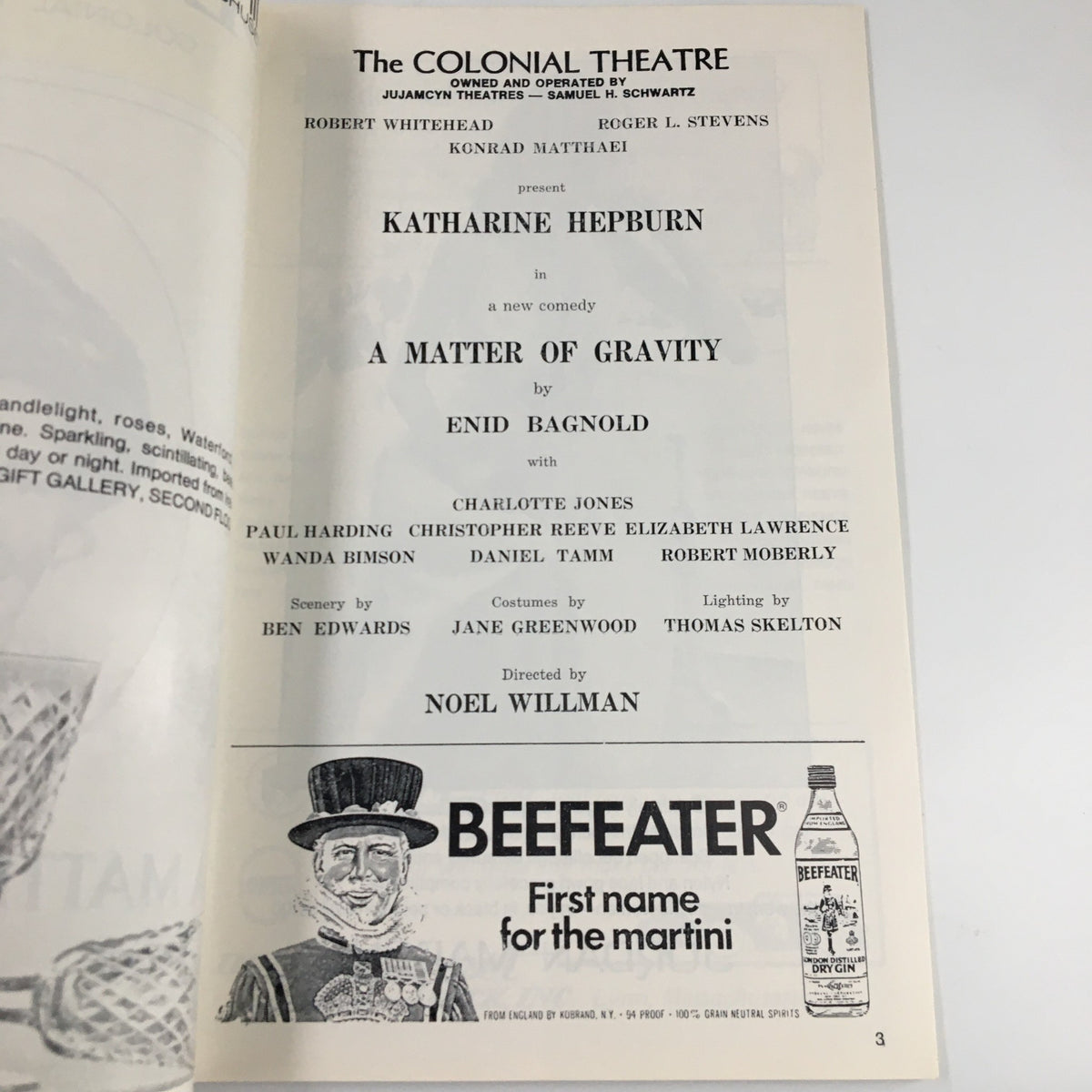
- Broadway and the theatrical return: Features from the late 1950s and early 1960s documenting her celebrated stage work, including her triumphant run in The Philadelphia Story and its cultural afterlife, bridging her screen and theatrical identities.
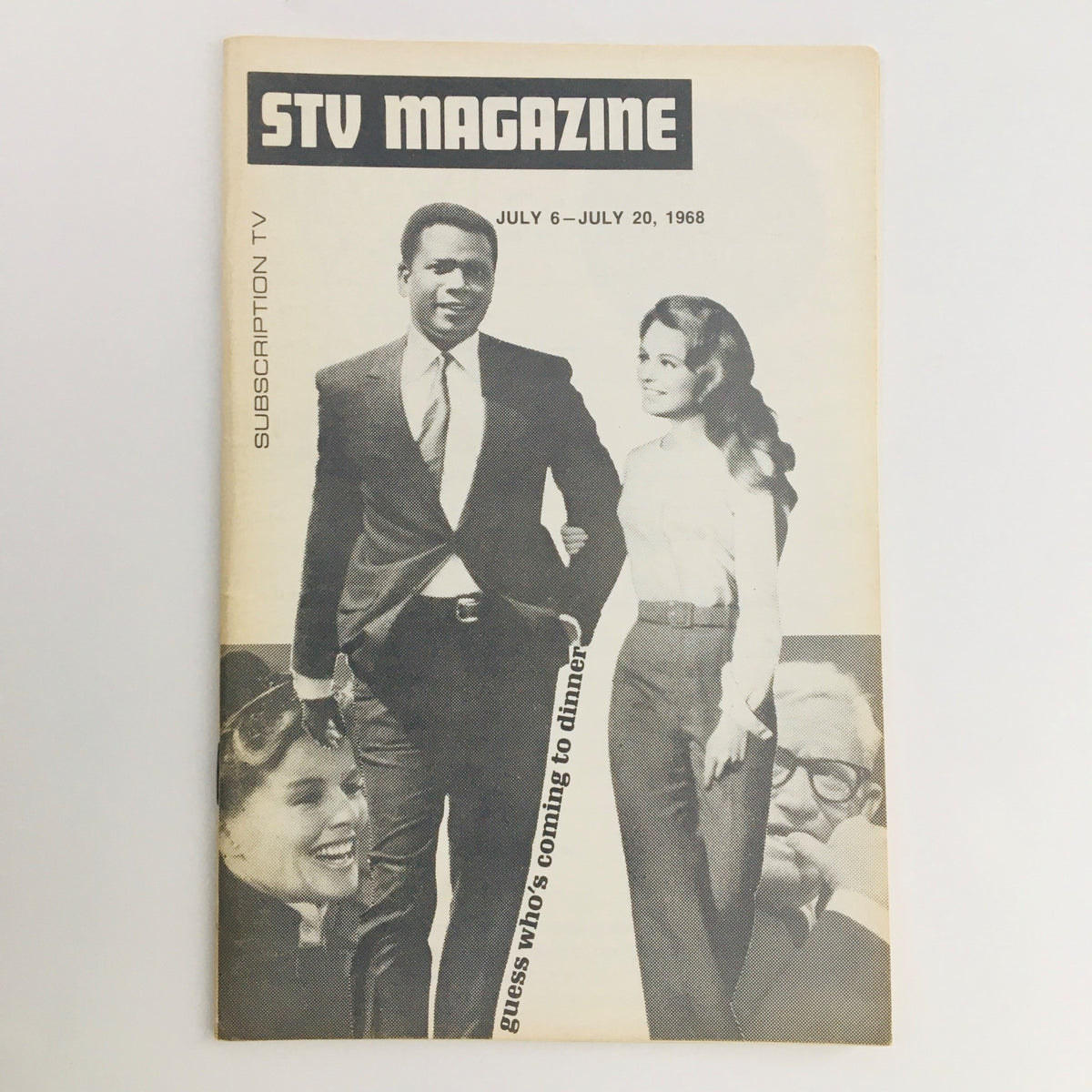
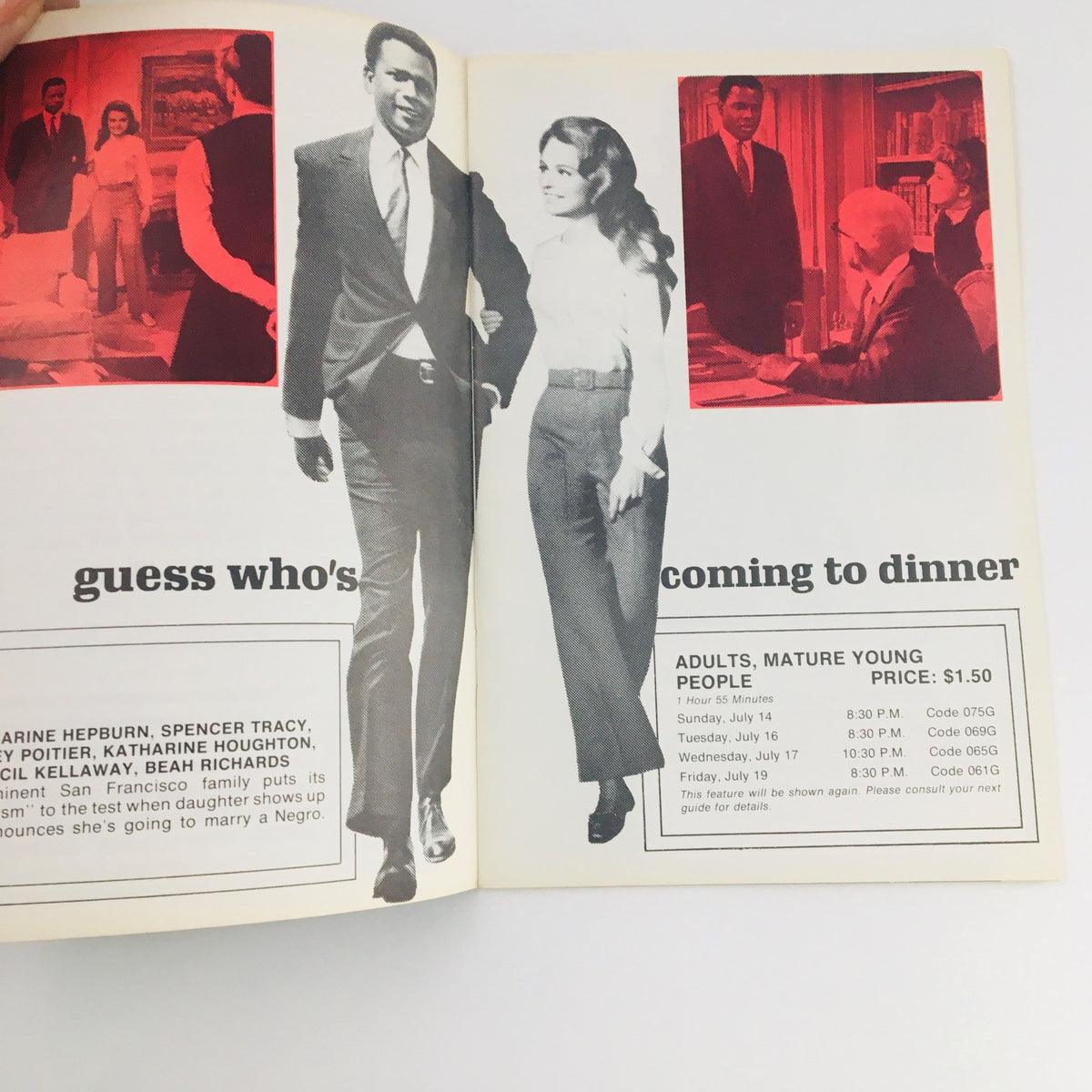
- The resurgence and awards era (1960s–1980s): Coverage surrounding her Academy Award wins for Guess Who's Coming to Dinner, The Lion in Winter, and On Golden Pond — a period when the press framed her as living legend rather than working actress, producing some of the most elegiac and reflective journalism of her career.
- Rare interview features and international editions: Hepburn's famous reticence made any granted audience newsworthy; collectors frequently seek out the handful of in-depth interviews she permitted, as well as European and international publications offering perspectives distinct from the American press.
The Collector's Value
To hold a vintage magazine featuring Katharine Hepburn is to hold something the digital archive can never replicate: the specific weight of mid-century coated paper stock, the slightly waxy resistance of a Life cover beneath your fingertips, the faint mineral perfume of ink that has been resting undisturbed since Eisenhower or Kennedy occupied the White House. The advertisements surrounding her image — for cigarettes, for automobiles, for refrigerators promising a modern American future — restore the full texture of the moment in which she was received, reminding us that she was not yet a monument but a living controversy, a woman audiences were still making up their minds about. These are primary sources in the truest sense: unmediated, undigitized, unrepeatable. For collectors of classic Hollywood memorabilia, mid-century American cultural history, or feminist and trailblazing women's history, these publications offer an irreplaceable window into how one of the twentieth century's most singular figures was seen, interpreted, and mythologized in real time. Explore the current available inventory below and discover which piece of that history is waiting to find its next keeper.