📖 About this Collection
Kathy Ireland: The Shore, the Spotlight & the Enduring American Dream
The Legend & The Legacy
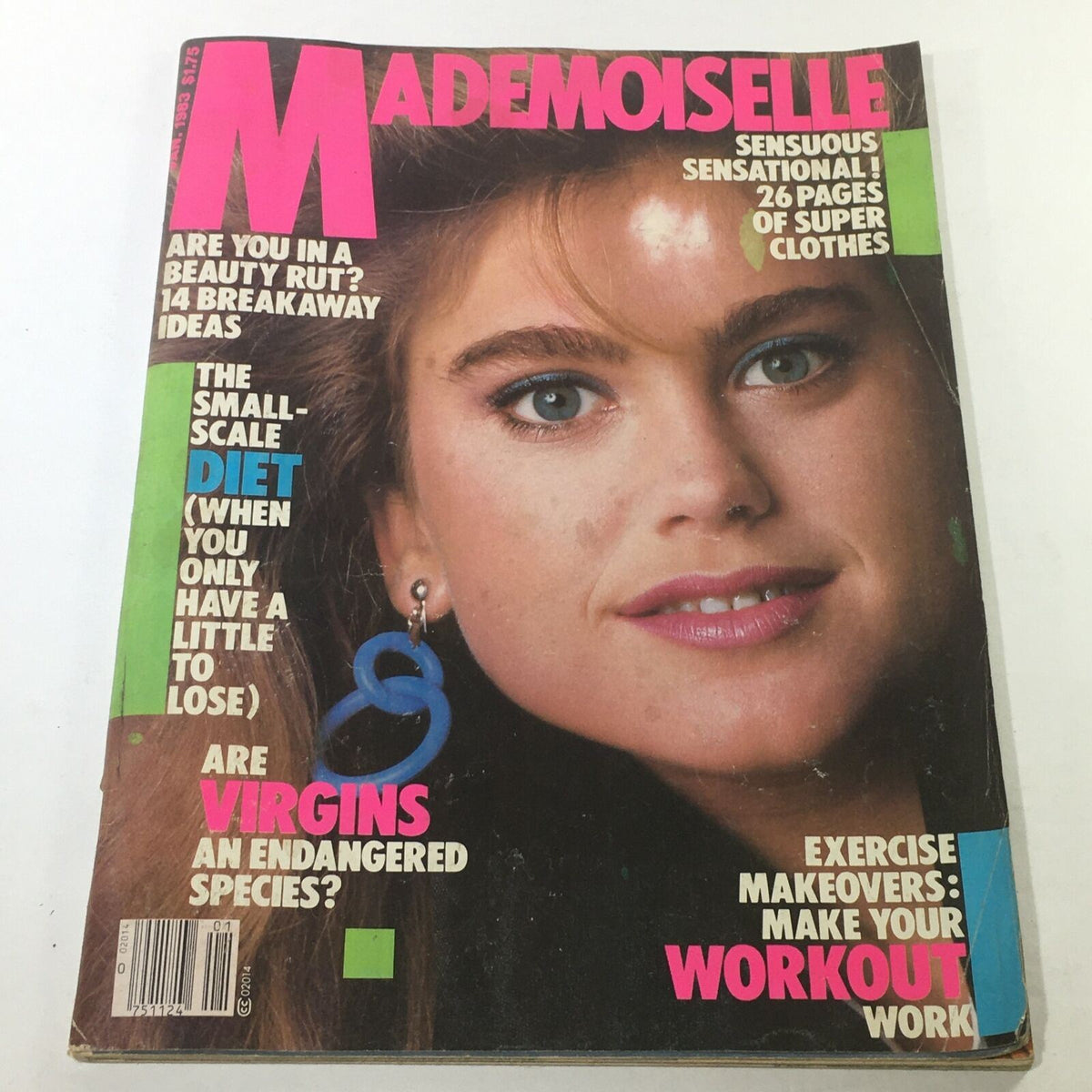
Long before algorithms curated beauty and social media manufactured celebrity, the cultural mythology of an era was built page by page, issue by issue, on glossy paper sold at newsstands from Malibu to Manhattan. Kathy Ireland emerged in the mid-1980s as one of the most recognizable faces in American popular culture — not through television or film, but through the singular, totemic power of the printed magazine. As a Sports Illustrated Swimsuit Issue cover model for over a decade, she became an annual ritual, a fixture of February that millions of Americans anticipated and collected. Her ascent was chronicled in real time through physical print: the newsstand was the algorithm, the cover was the viral moment, and the magazine was the permanent record. In an era defined by Reagan-era optimism, aerobics culture, and a sunlit vision of American femininity, she was the embodiment of that dream — and readers followed her story through every glossy page they held in their hands.
Inside the Archive
Vintage magazines from the late 1980s through the 1990s captured her with a visual language that feels both of its time and entirely timeless — long coastal horizons, warm-saturated film photography, and an editorial confidence that trusted a single, arresting image to carry an entire issue. Sports Illustrated was, of course, the flagship publication of her fame, its annual Swimsuit Issue achieving a cultural weight that transcended sport entirely. But the coverage extended far beyond one title. Vogue and its international counterparts documented her evolution from model to mogul with the kind of authoritative editorial treatment reserved for women redefining their own narratives. People magazine chronicled her personal story and business transformation with the intimacy that made it the most-read weekly in America, while international titles across Europe recognized her as a distinctly American export, a face that required no translation. The photography across these publications tells a story no Instagram grid ever could: deliberate, composed, and permanent.
Curator's Checklist: Highlights Often Include
- Sports Illustrated Swimsuit Issues from her peak era (1984–1996), including years in which she appeared on the cover — among the most sought-after single issues in all of sports and pop culture collecting
- Fashion and lifestyle features from major women's titles documenting her transition from supermodel to entrepreneur and one of America's most successful businesswomen
- Profile pieces and human interest stories from weekly publications covering her personal life, faith, family, and the unprecedented business empire she built from her public image
- International magazine coverage from European and Latin American titles, reflecting her global reach as one of the most exported American faces of the late Cold War and post-Cold War era
- Advertising and editorial crossovers in which her image anchored full campaigns for major American brands — snapshots of a pre-digital commercial landscape now rich with historical and visual interest
The Collector's Value
There is something irreplaceable about holding the original — the slight give of a well-preserved cover under your fingertips, the faint, distinctive perfume of decades-old ink and coated paper stock, the unexpected pleasure of the vintage advertisements tucked between the pages, offering an accidental archaeology of the era. These are not reprints or digital scans; they are primary source documents, witnesses to a cultural moment that existed before it could be endlessly duplicated. The Swimsuit Issues, in particular, carry a secondary market weight that collectors and enthusiasts have recognized for years, and the broader editorial coverage traces the full arc of one of the most remarkable personal reinventions in American business history. For collectors of Sports Illustrated and sports memorabilia, vintage fashion and beauty publications, or American pop culture and 1980s–90s nostalgia, these publications offer both an aesthetic object and a verifiable piece of history — a window into a world that no longer exists, preserved in the format in which it was first experienced. Explore the current available inventory below and find the issue that belongs in your collection.