📖 About this Collection
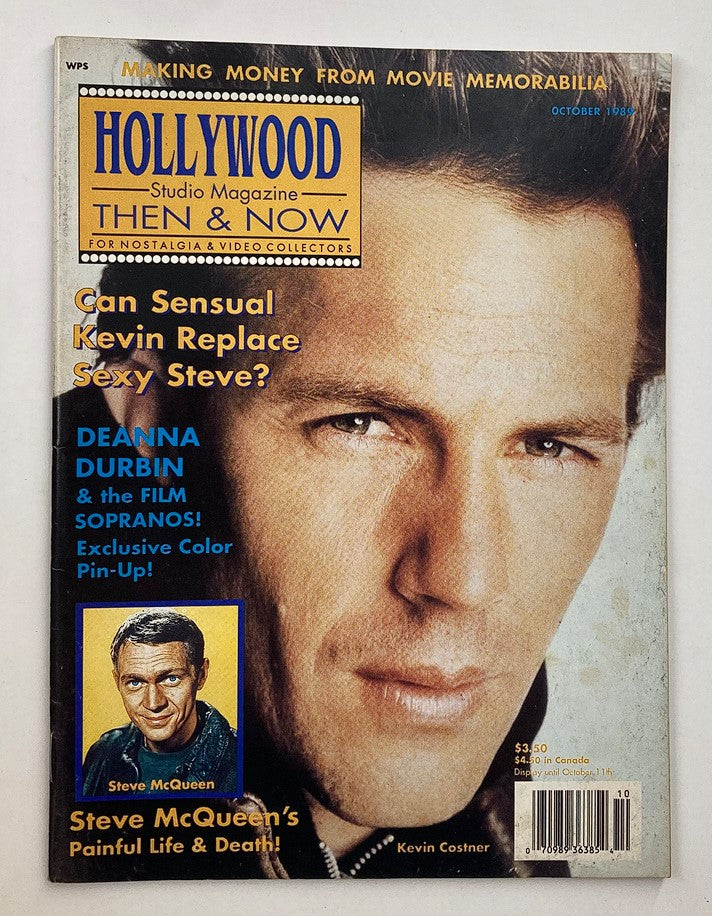
Kevin Costner: The Last American Myth, Printed on Glossy Paper
The Legend & The Legacy
In the late 1980s and through the entirety of the 1990s, Kevin Costner occupied a singular throne in American popular culture — a throne assembled not by publicists, but by audiences who recognized in him something rare and almost old-fashioned: the weight of a leading man who actually carried weight. From the dust-blown baseball diamonds of Bull Durham to the post-apocalyptic plains of The Postman, from the Sioux-scarred hills of Dances with Wolves to the smoky corridors of JFK, he embodied an era when Hollywood still believed in the epic, and America still believed in the lone hero. Long before social media fragmented celebrity into a thousand competing feeds, the public consumed his story through a carefully curated architecture of print — splashy cover stories tucked beneath the arms of commuters, spread across coffee tables, devoured in waiting rooms. His rise was documented in ink and silver halide, his controversies debated in editorial columns, his physical presence rendered immortal on heavyweight gloss stock by the most celebrated photographers of the age.
Inside the Archive
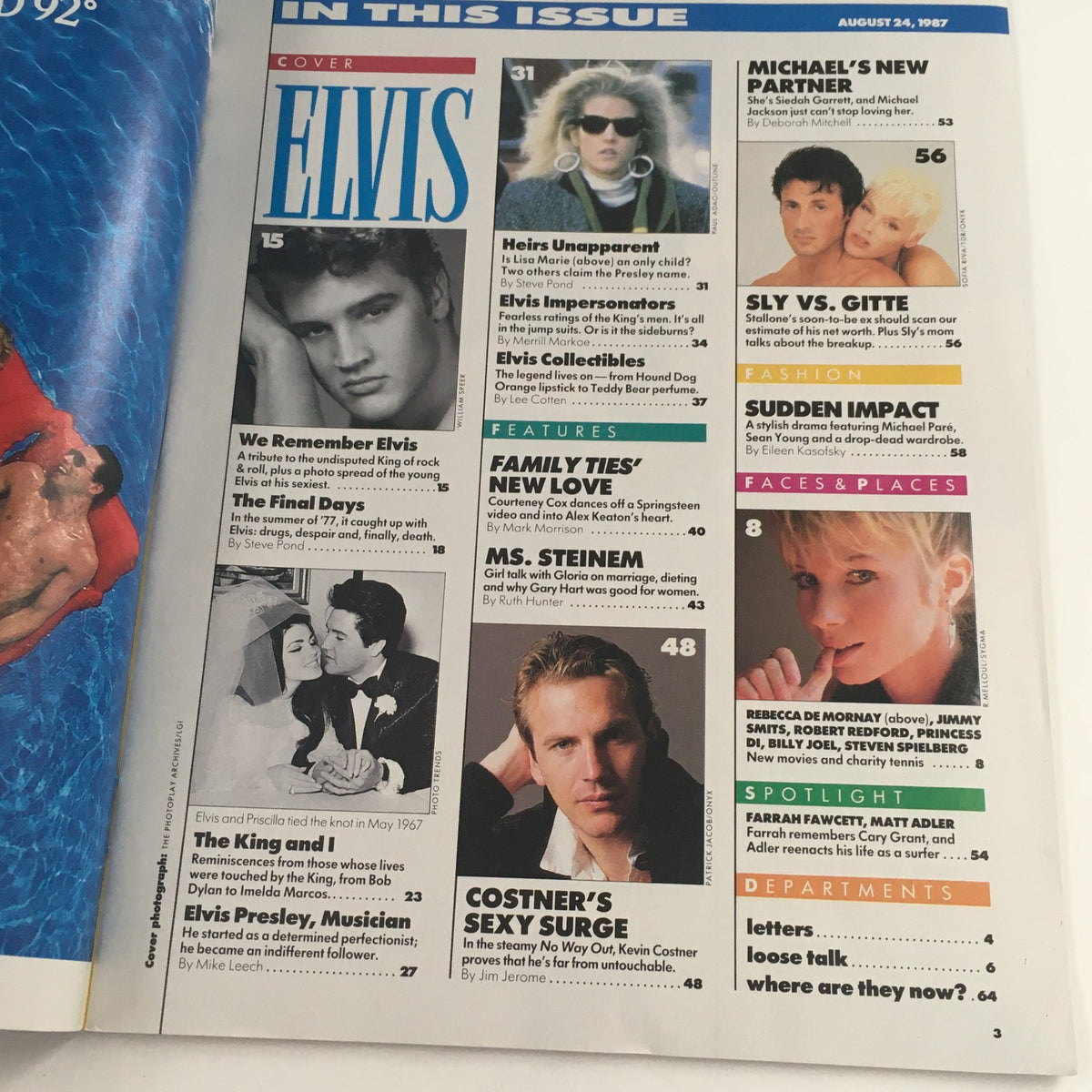
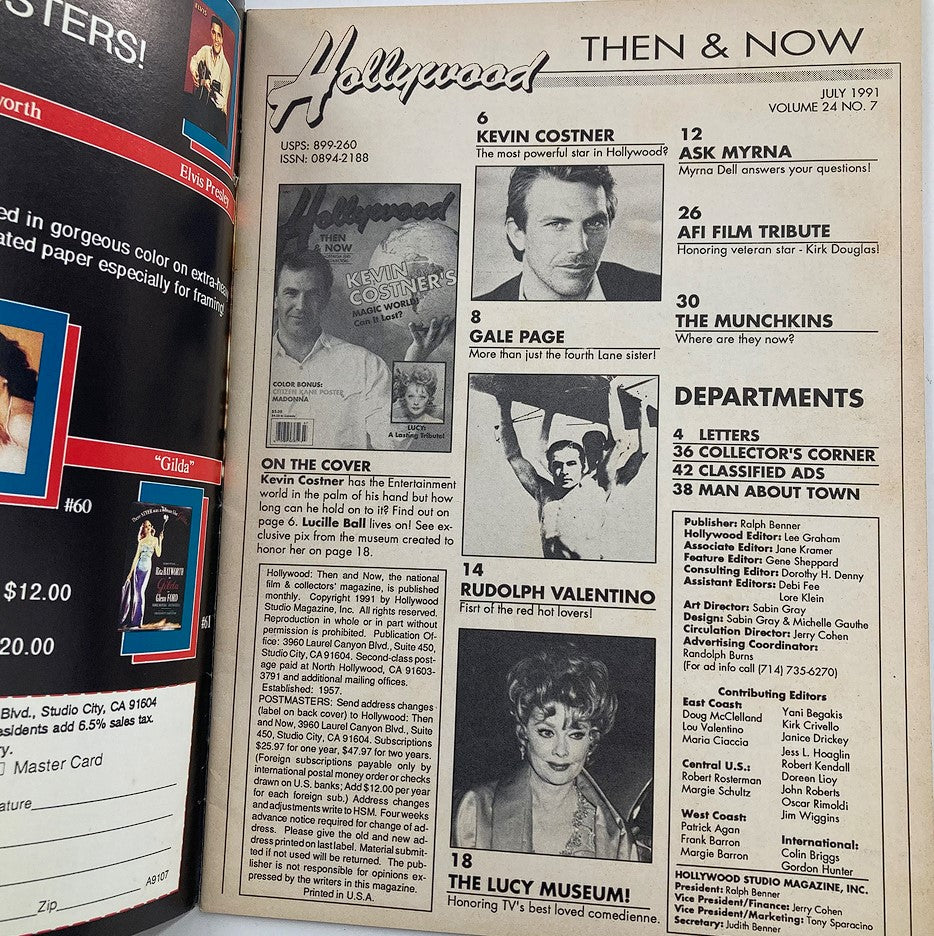
The magazine coverage of this defining American star unfolded in layers — from the breathless profile pieces that accompanied his early breakout to the sweeping, almost reverential long-form essays that followed his Oscar triumph for Dances with Wolves in 1991. Photographers captured him with a painterly seriousness: wide-open landscapes in the background, squinted gaze toward some unseen horizon, the iconography of the Western hero made modern. Entertainment Weekly, still young and hungry in those years, tracked his every project with the obsessive devotion of a new medium finding its footing; Premiere magazine gave him the kind of deep, actor-first coverage that treated Hollywood as an art form worth dissecting; and international editions of People spread his image across markets from Germany to Japan, where the mythology of the American West he so often embodied translated with startling power. For a man whose career was so thoroughly cinematic, the magazines of his era matched him in ambition — large formats, bold typography, and the kind of photography that was designed, quite consciously, to outlast the weekend box office.
Curator's Checklist: Highlights Often Include
- Award season and Oscar coverage from the early 1990s, when his directorial debut swept the Academy Awards and placed him on the cover of publications across four continents — the kind of cultural moment that commanded entire special issues
- Film-release promotional features tied to landmark releases such as The Bodyguard, Wyatt Earp, and Tin Cup, often including behind-the-scenes photography and interviews that doubled as cultural dispatches from Hollywood's last golden studio era
- Controversy and comeback narratives from the mid-1990s, when films like Waterworld and The Postman generated the sort of breathless tabloid-meets-trades crossover coverage that only print could sustain at such length and with such relish
- International magazine spreads — French, German, Italian, and Japanese publications frequently dedicated significant editorial real estate to him, reflecting his status as one of the last true global box-office draws of the pre-franchise era
- Sports and lifestyle crossover features, given his well-documented passion for golf and the outdoors, which brought him into the pages of titles beyond the traditional entertainment press, including men's lifestyle monthlies that profiled him as much for his persona as for his filmography
The Collector's Value
To hold one of these magazines is to hold a document of cultural consensus — the agreement, struck between editors and readers across a decade, that this man mattered. The paper itself tells part of the story: the slightly waxy resistance of high-gloss covers, the soft give of interior stock that has aged into a warm ivory, the faint ghost of ink that rises when you tilt the page toward light. The vintage advertisements that surround his image — cologne campaigns, automobile spreads, the luxury goods of a pre-recession confidence — place him precisely in time, reminding you that celebrity has always been inseparable from the commercial culture that frames it. These are not reprints, not digital approximations; they are primary sources, artifacts of a specific and unrepeatable moment in American filmmaking and fame. For collectors of Hollywood golden-era memorabilia, enthusiasts of 1990s American cinema, or dedicated archivists of Western and frontier iconography in popular culture, these publications offer an irreplaceable window into how an icon was made, maintained, and mythologized in real time, one monthly issue at a time. Explore the current available inventory below and find the exact piece of that era that belongs in your collection.