📖 About this Collection
Kirk Douglas: The Last Titan of Hollywood's Golden Age
The Legend & The Legacy
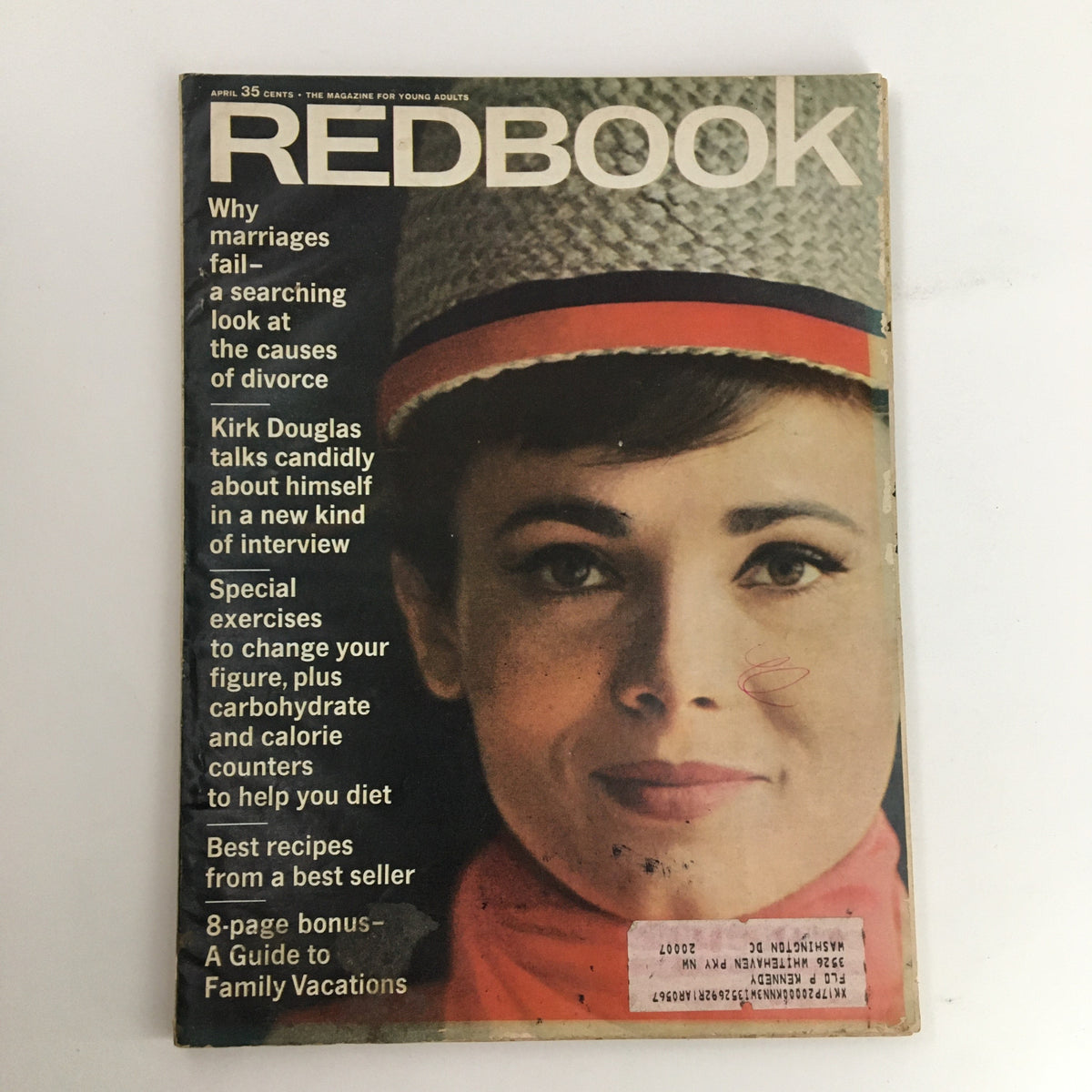
In an era before entertainment news scrolled endlessly across screens, the public came to know Kirk Douglas through the measured, deliberate reverence of the printed page. From his breakout in Champion (1949) through the defiant grandeur of Spartacus (1960) and beyond, he was not merely a movie star — he was an emblem of a postwar America wrestling with power, masculinity, and moral courage. The cleft chin, the coiled intensity, the refusal to play it safe: these qualities made him a figure that editors chased and readers devoured. He famously broke Hollywood's blacklist by crediting screenwriter Dalton Trumbo on Spartacus, an act of extraordinary political courage for its time — and the press, both adoring and watchful, chronicled every inch of his ascent from the son of a Belarusian immigrant ragman to the co-founder of his own production company. That story — raw, improbable, and quintessentially American — was one that the magazine world told with exceptional passion across three full decades.
Inside the Archive
Vintage publications approached the Spartacus star with the full weight of their craft. Life magazine, the supreme visual chronicle of mid-century America, ran features on him with the kind of muscular, high-contrast photography that seemed perfectly matched to his physical presence on screen — images of him on set, in costume, and candid at home that now feel like dispatches from a vanished civilization. Look magazine offered deeply reported profiles that explored his complex personality and his battles with studio heads, while the international press — particularly Paris Match — brought a Continental fascination to the man, treating him with the literary seriousness usually reserved for statesmen and artists. European coverage was especially pronounced during the production of Spartacus and his work on Paths of Glory with Stanley Kubrick, when the Hollywood establishment and the art-house world converged upon him simultaneously. The editorial tone across publications ranged from breathless admiration to probing, surprisingly candid inquiry — a reflection of the era's belief that a great actor was a great subject.
Curator's Checklist: Highlights Often Include
- Early career features from the late 1940s and early 1950s, capturing the moment a rugged stage actor from the American Academy of Dramatic Arts became one of Hollywood's most electrifying new presences, with coverage in fan magazines and mainstream weeklies tracking his rapid rise
- Spartacus-era coverage (1960), among the most sought-after issues in the archive — production pieces, set photography, and reviews that document the making of one of cinema's most politically charged epics and the historic breaking of the blacklist
- International magazine features, particularly from French and Italian publications, reflecting the enormous esteem in which European cinephiles held him during his collaborations with Kubrick and his work in the European art film circuit
- Profile pieces exploring his producing career and Bryna Productions, offering a rare window into the business mind behind the icon — his negotiations, his advocacy for difficult material, and his vision for independent Hollywood filmmaking
- Later career retrospectives from the 1970s and 1980s, including coverage of his memoir The Ragman's Son (1988) and the cultural reassessment of his legacy, alongside features touching on his Jewish identity, philanthropy, and survival of a near-fatal stroke
The Collector's Value
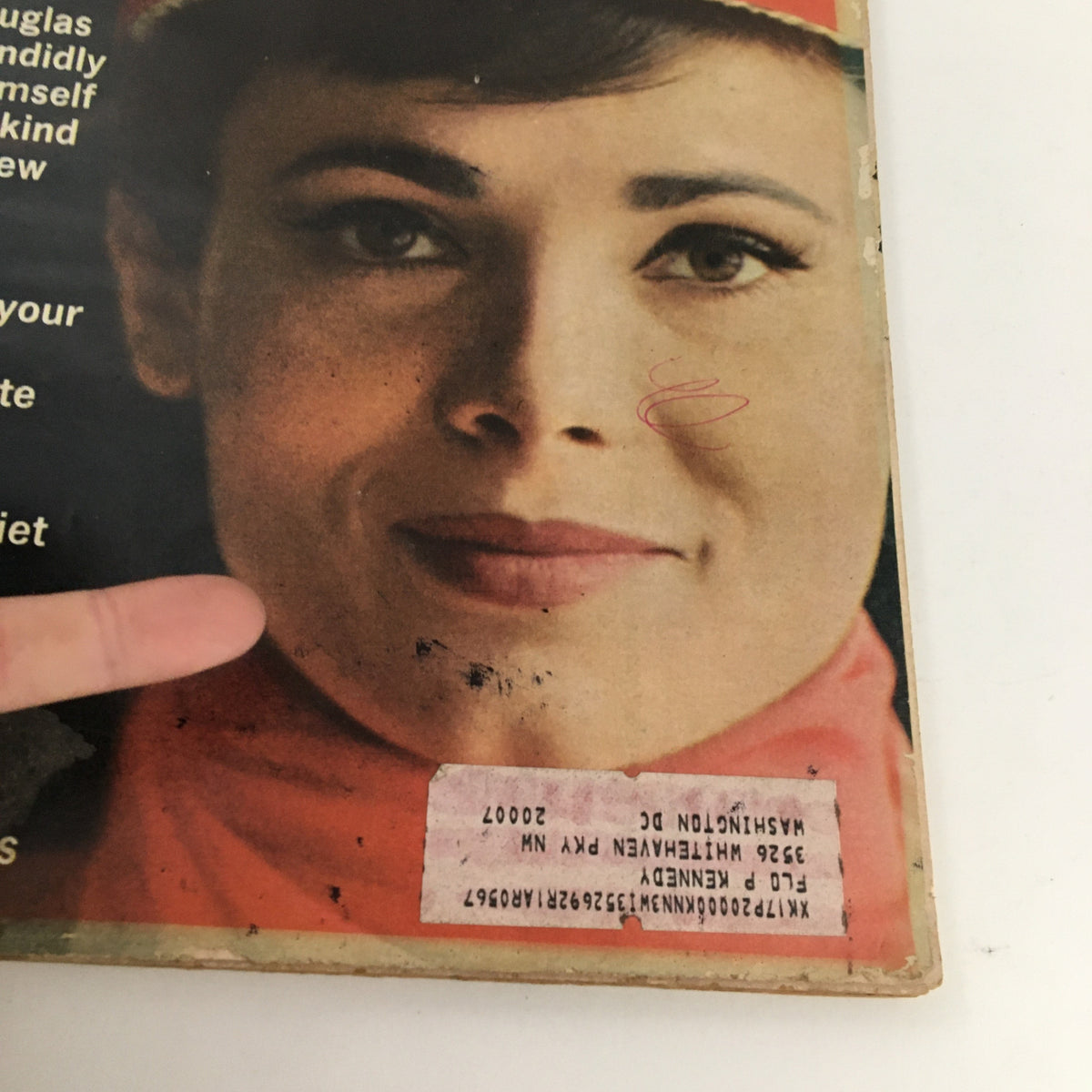
To hold one of these original issues is to hold something that no digital archive can replicate. The paper stock — heavier, more textured than anything printed today — carries the particular warmth of offset lithography at its mid-century peak. The ink has that faint, ghost-of-the-pressroom scent that announces immediately: this is real, this was there. And surrounding the star himself are the period advertisements — for cigarettes, automobiles, and whisky — that place you irrevocably inside a specific and irretrievable moment in American life. For collectors of classic Hollywood memorabilia, mid-century Americana, or postwar cinema history, these publications offer not a reproduction of the past but an unbroken thread to it — a primary source artifact of remarkable cultural density. Browse the current available inventory below and discover which pieces of this singular legacy are waiting for a new custodian.