📖 About this Collection
KISS: Painted Gods of the Arena — Where Rock Mythology Was Born in Ink
The Legend & The Legacy
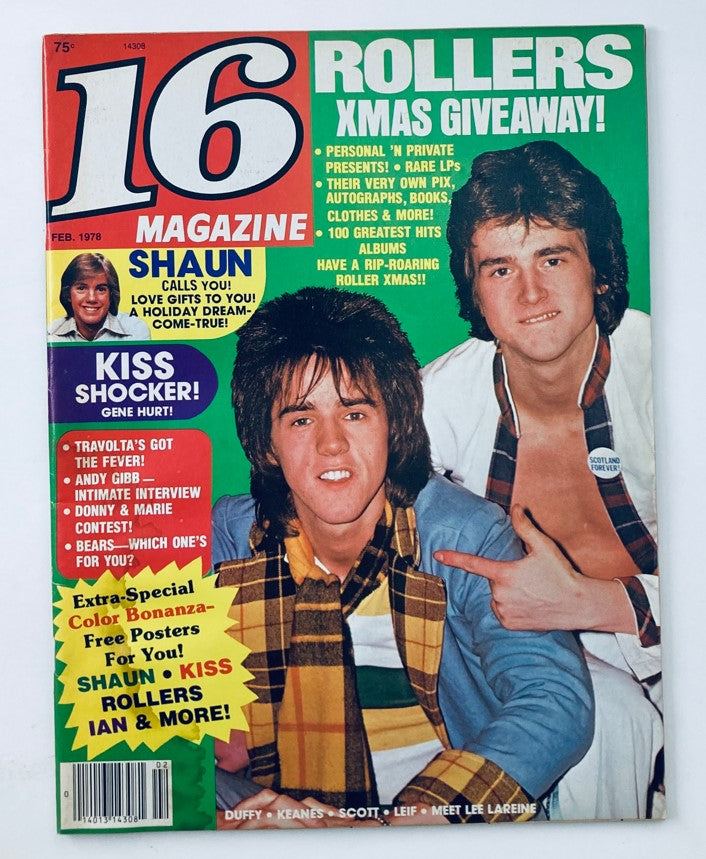
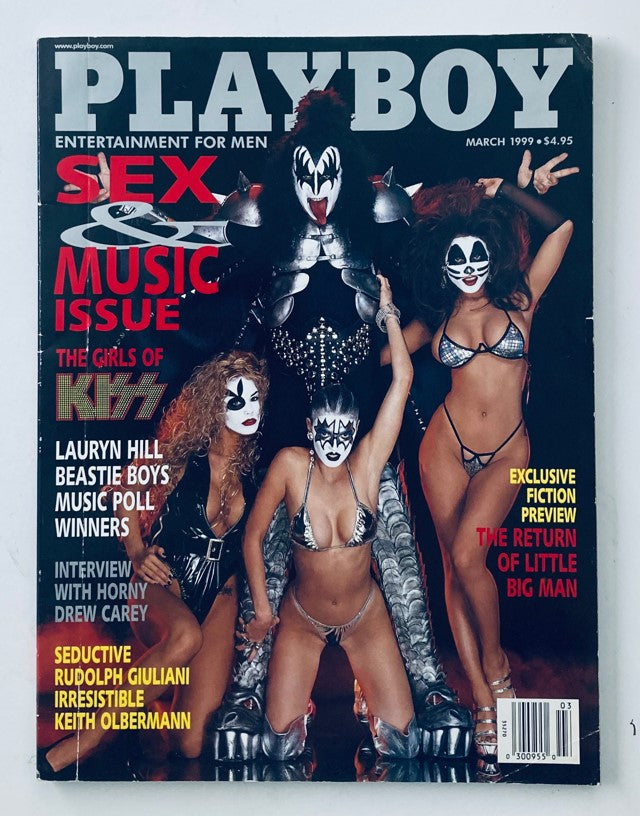
Few acts in the history of popular music understood the alchemy of image and mythology the way KISS did. Rising from the gritty New York club circuit in the early 1970s, Gene Simmons, Paul Stanley, Ace Frehley, and Peter Criss didn't merely form a band — they constructed four larger-than-life personas, the Demon, the Starchild, the Spaceman, and the Catman, and dared the world to look away. In an era before music videos dominated culture and long before the internet flattened every spectacle into a scroll, the only way millions of fans across America and the world could get close to the KISS phenomenon between tours was through the printed page. Fan magazines, hard rock weeklies, and mainstream entertainment glossies became the sole portals through which the uninitiated encountered the greasepaint, the platform boots, the pyrotechnics, and the mythology. A teenager in rural Ohio or suburban Tokyo didn't need to see them live — a single magazine spread of the band in full costume, breathing fire above a screaming arena crowd, was enough to change a life.
Inside the Archive
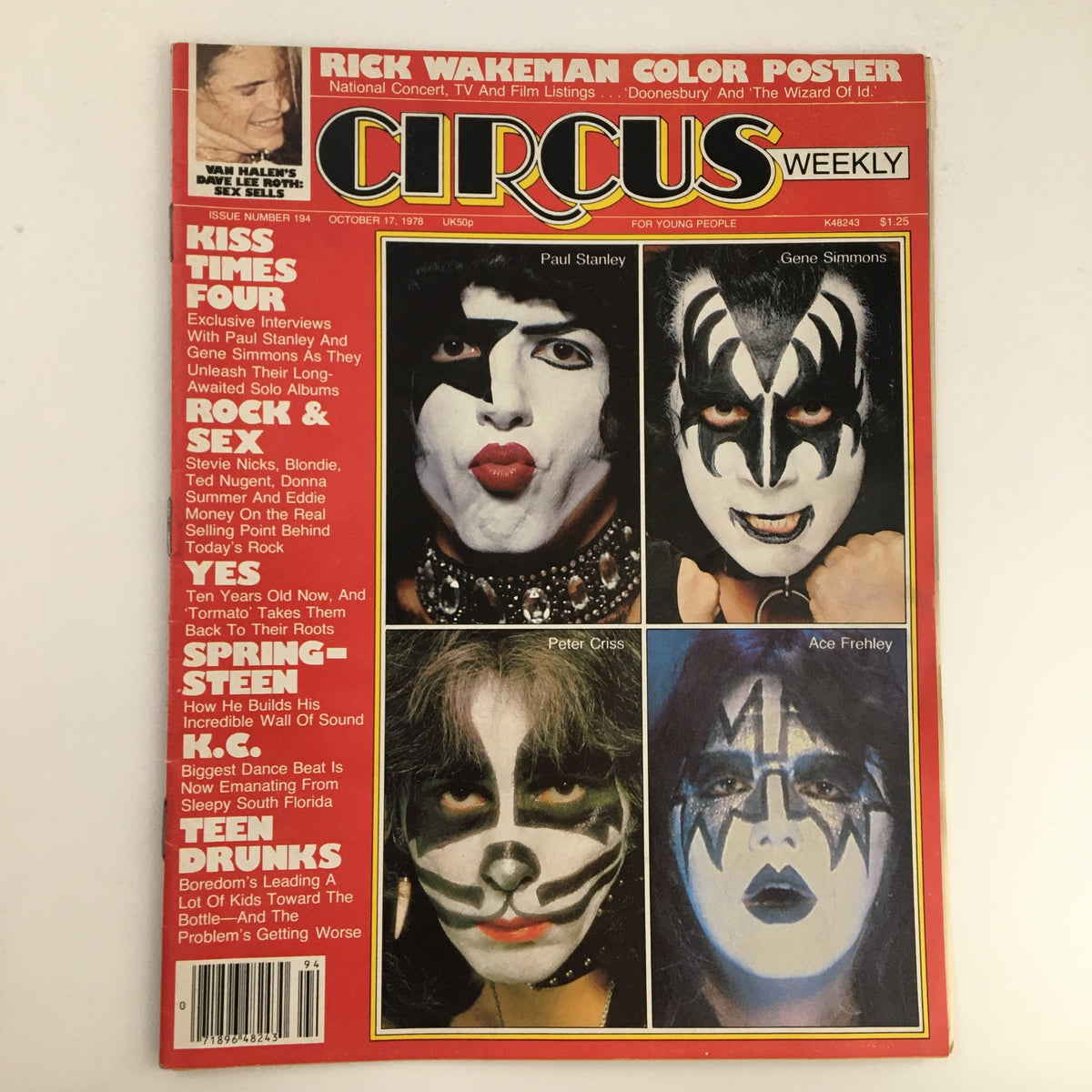
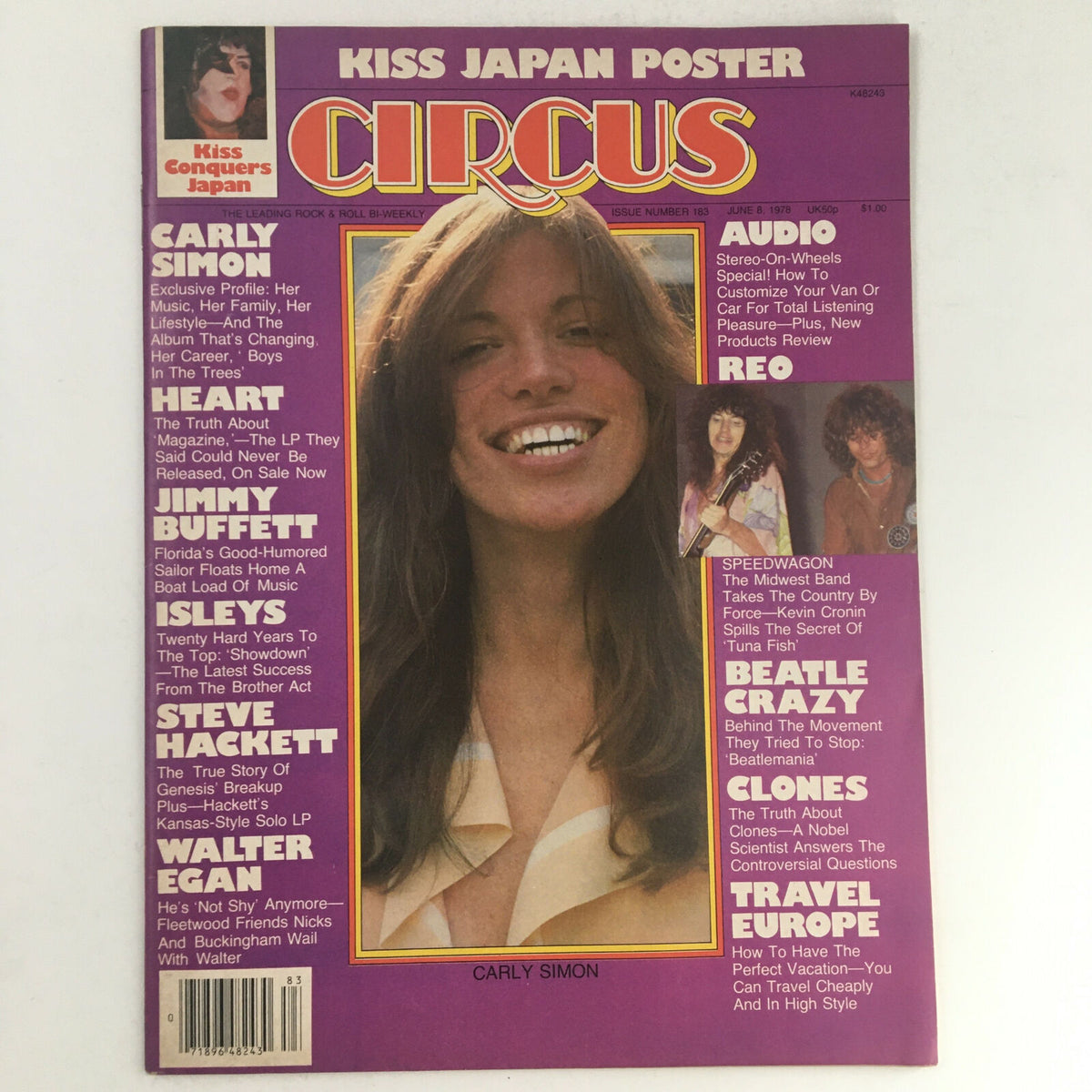
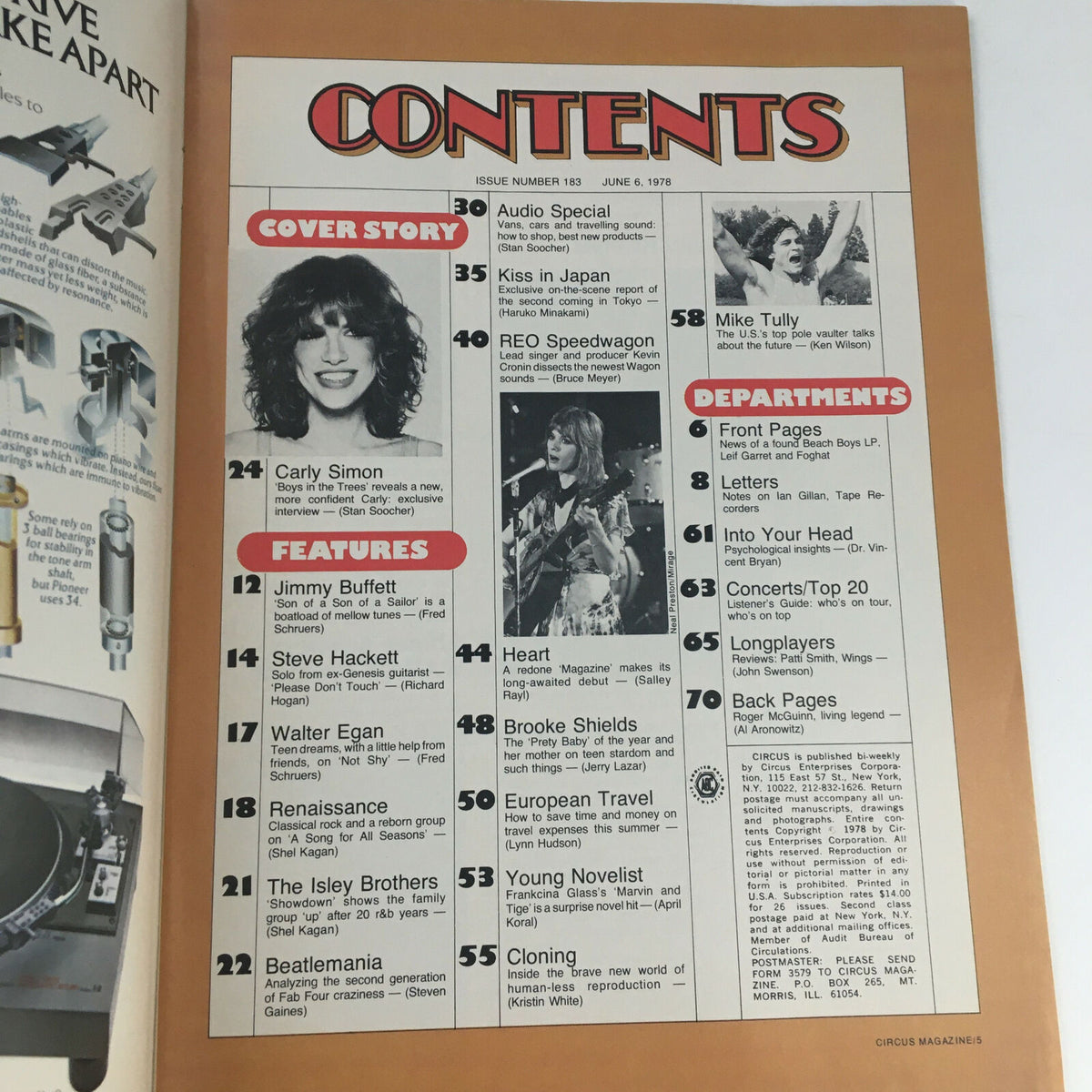
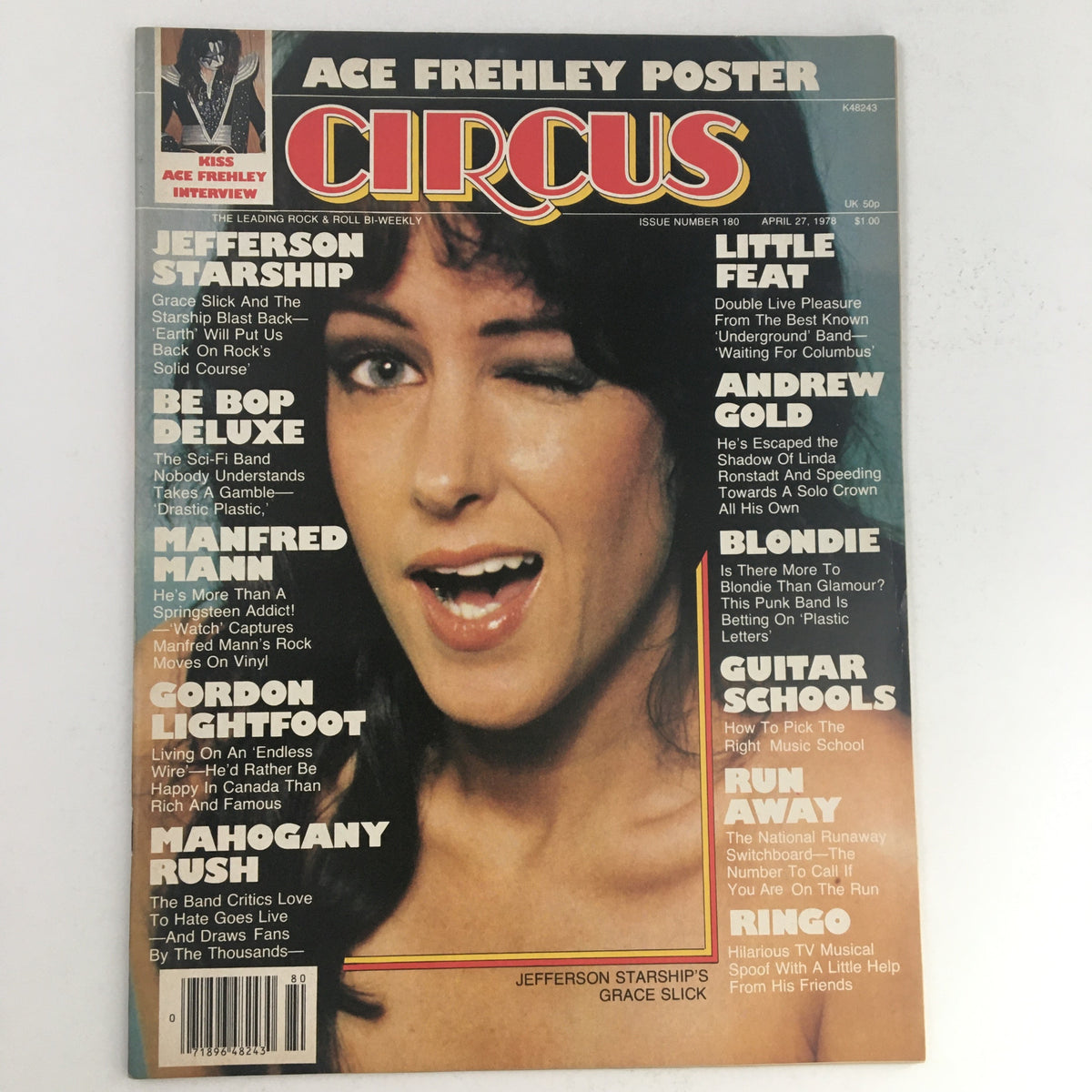
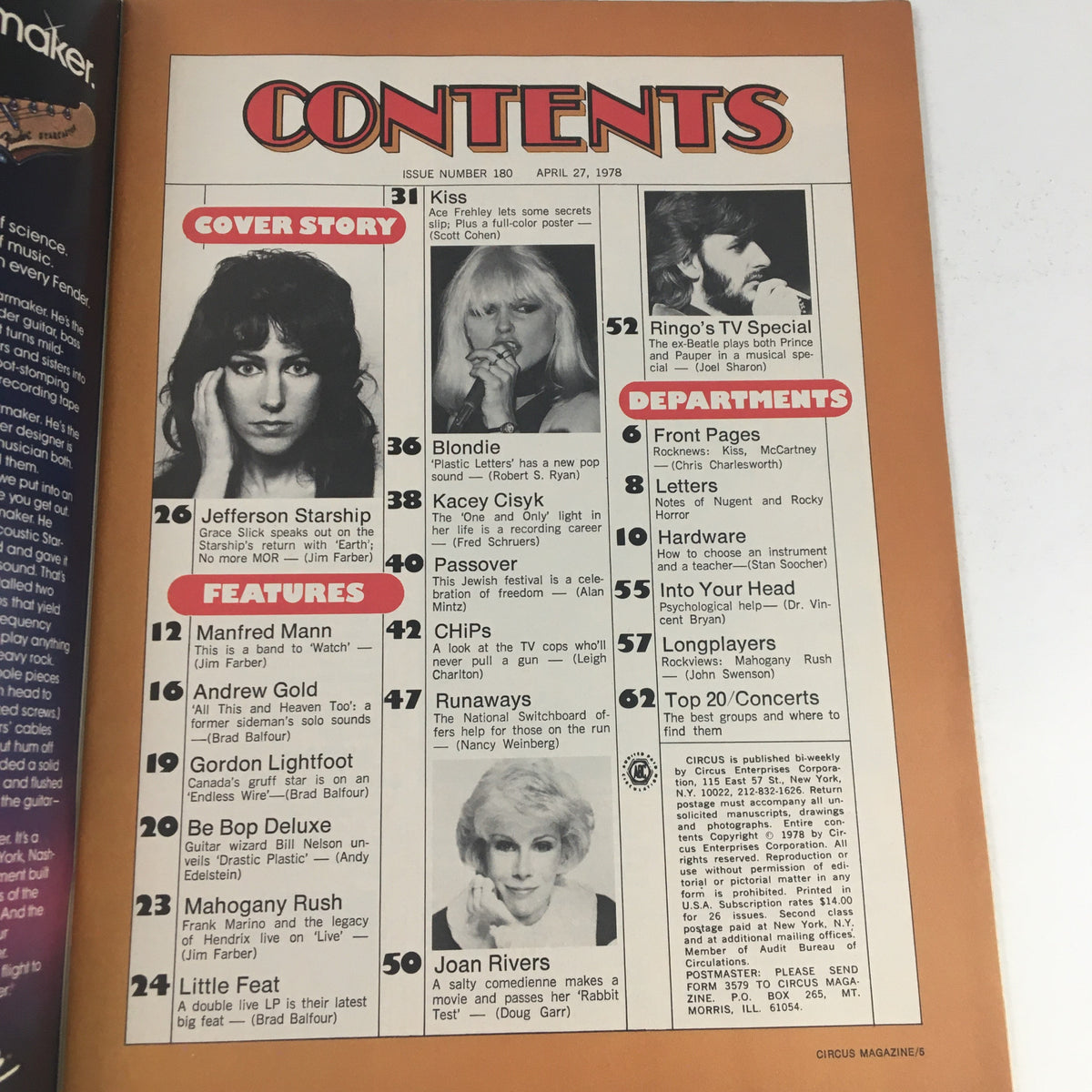
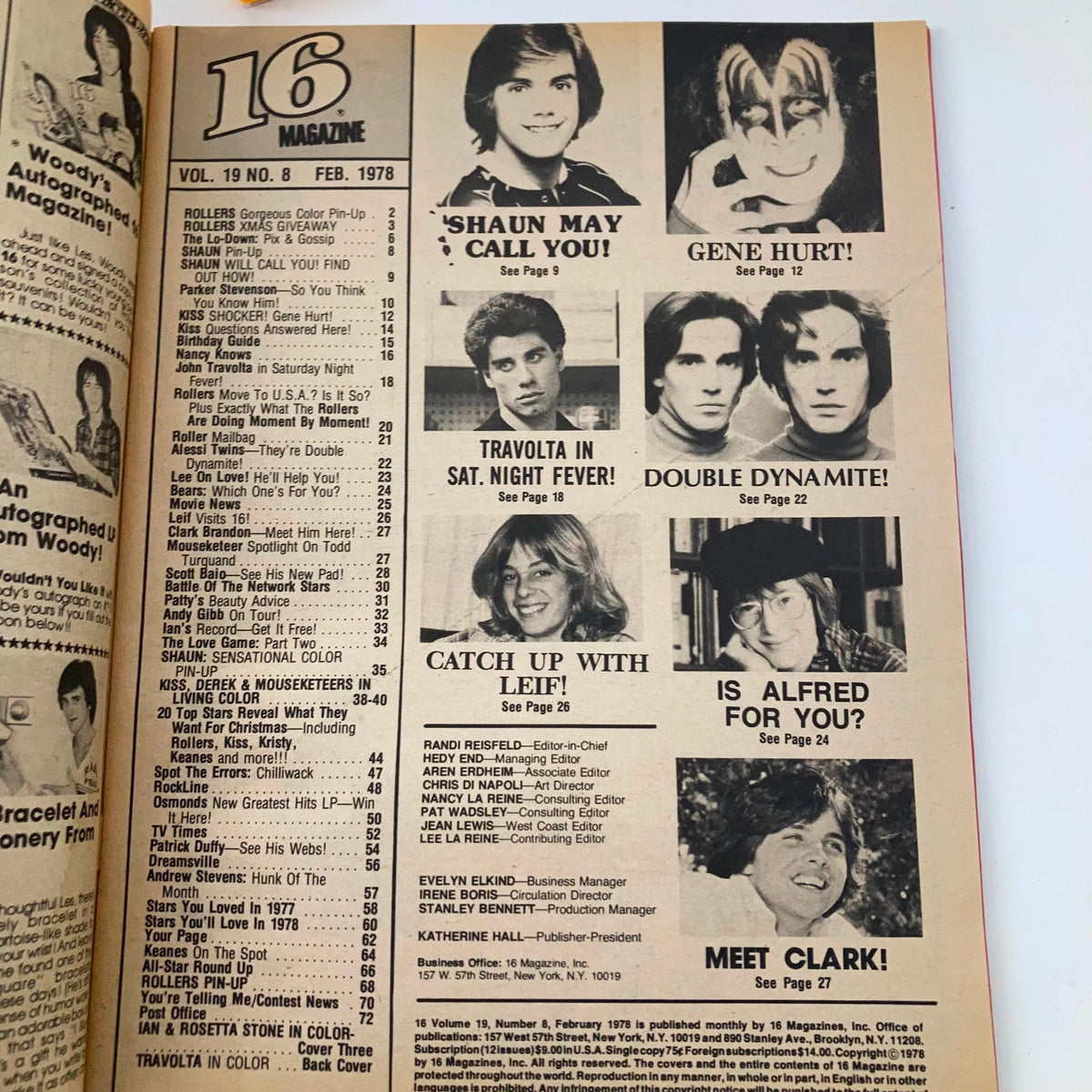
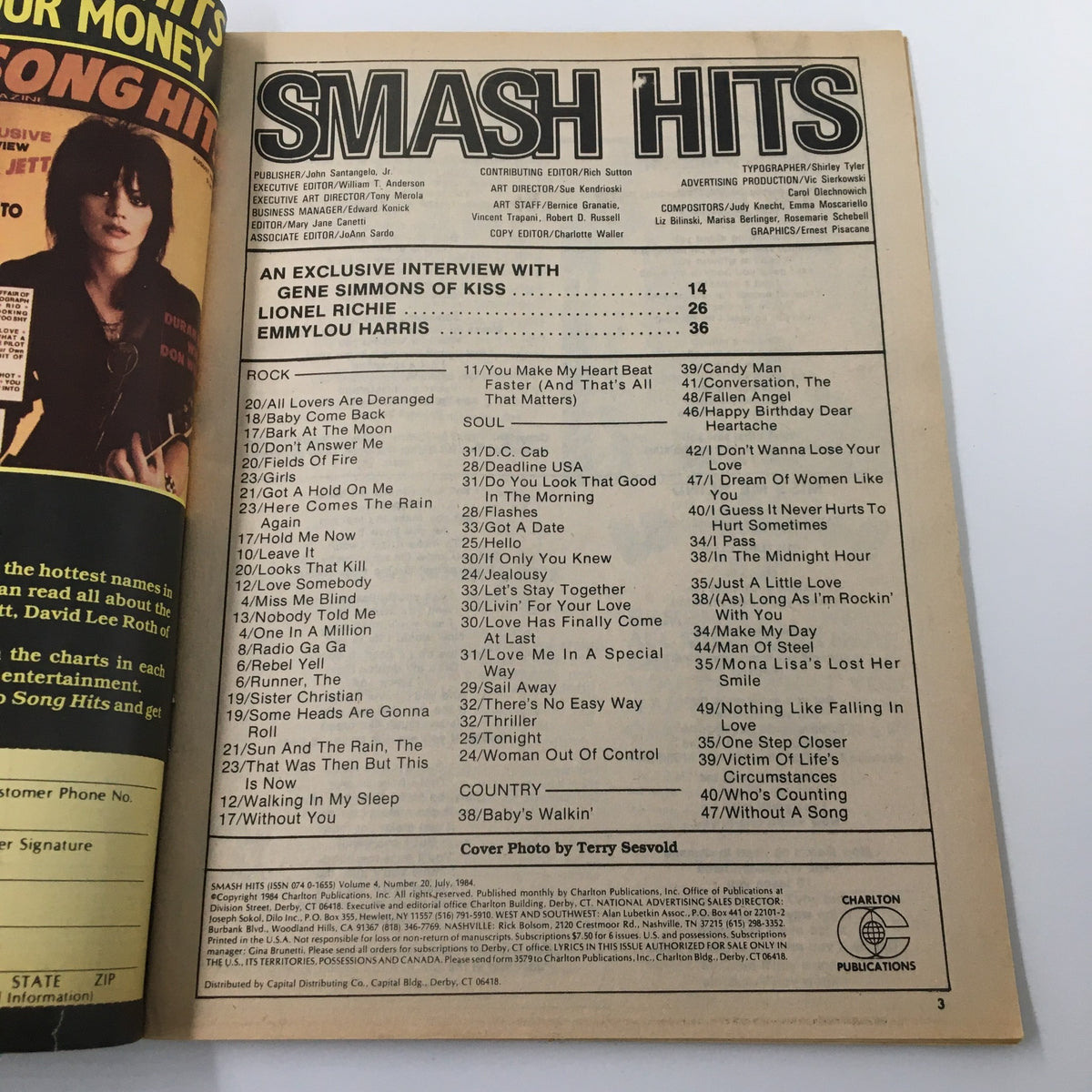
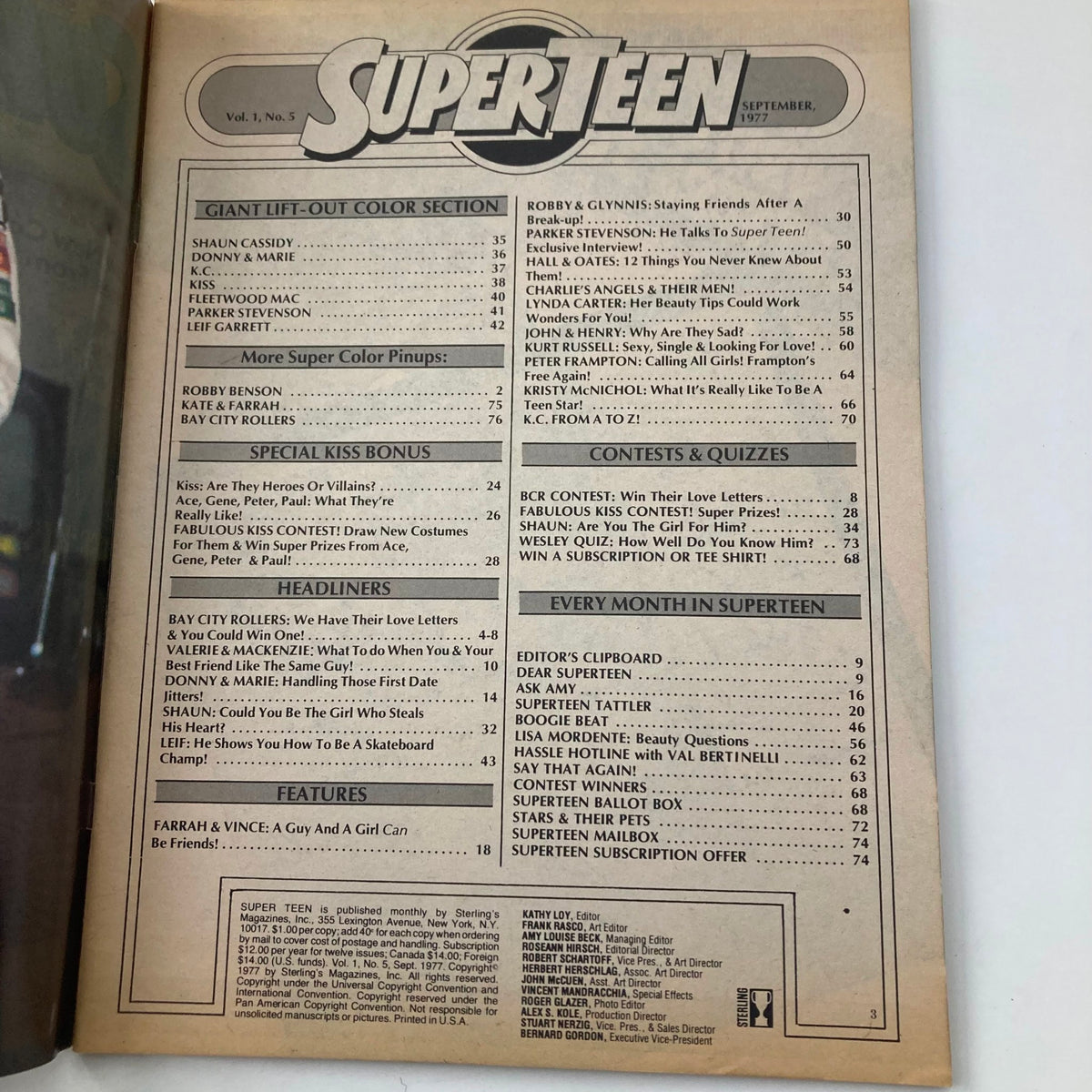
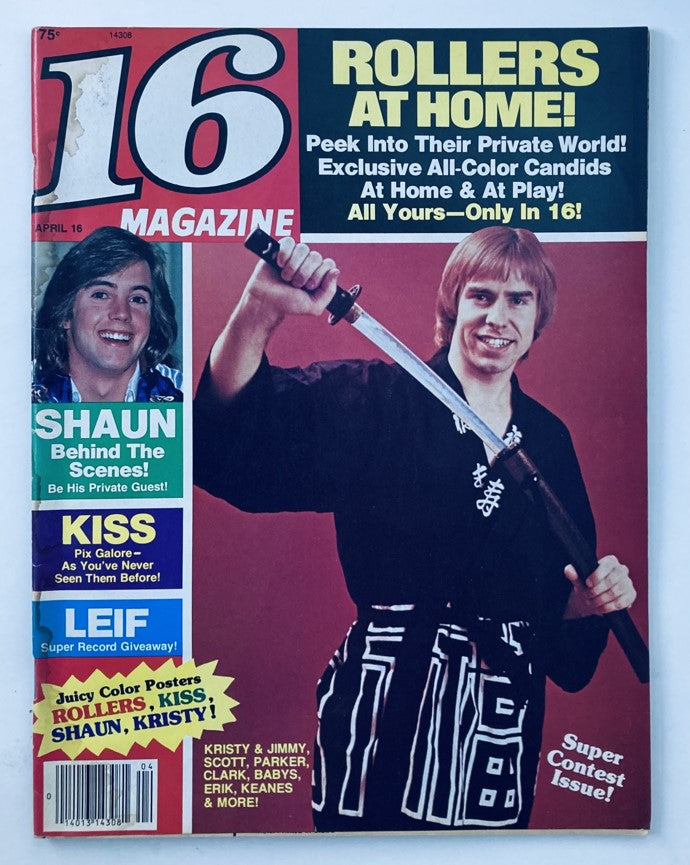
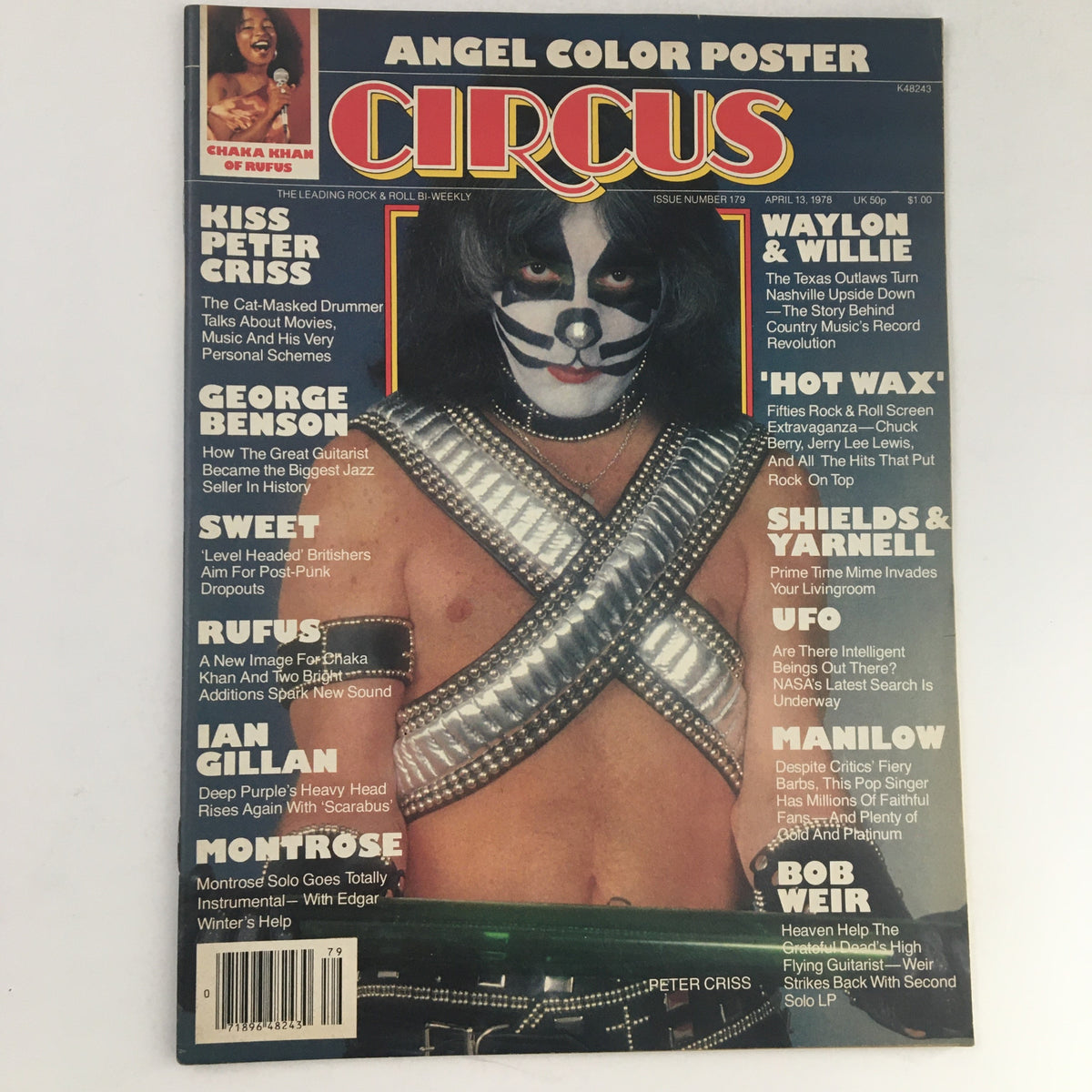
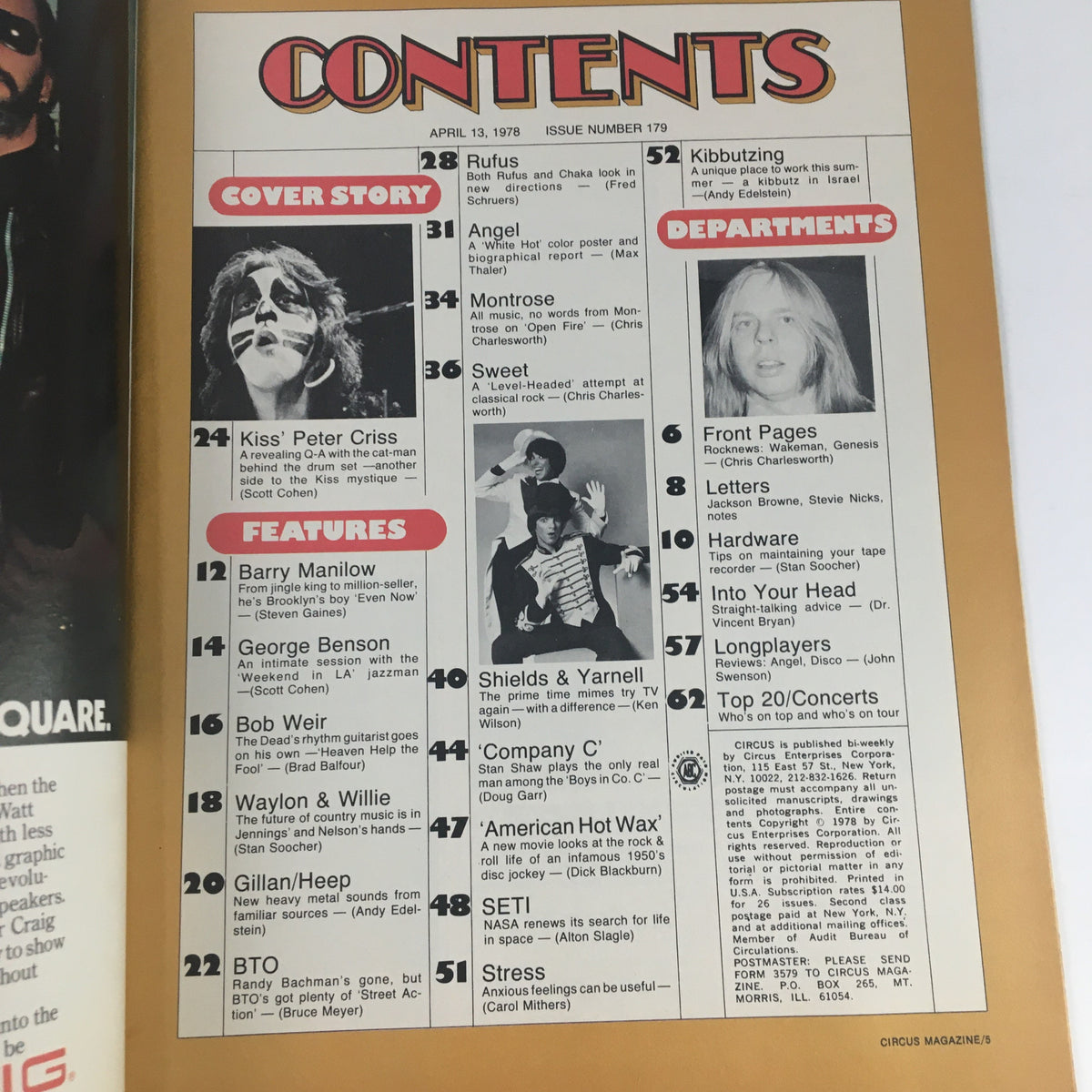
Vintage magazines captured KISS with a theatrical intensity that matched the band's own stagecraft. The photography of their peak era — roughly 1974 through the early 1980s — ranged from gritty, high-contrast live shots drenched in stage smoke to elaborate studio portraits that read more like comic book illustration than rock journalism. Creem, the irreverent Detroit-based rock bible, covered them with a gleeful, almost carnivalesque energy, treating the band's outrageousness as both spectacle and satire. Circus magazine, which was effectively the visual chronicle of 1970s hard rock, ran KISS on its cover with a frequency that reflected their dominance of the era's youth market, delivering full-color pin-ups and exhaustive tour diaries to a generation of devoted devotees. Rolling Stone, initially skeptical of the band's theatrical excess, ultimately could not ignore their commercial juggernaut status, offering more measured but historically significant coverage as the group crossed into mainstream legitimacy. International outlets, particularly in Japan — where KISS achieved a fervor bordering on mass devotion before they had fully conquered their own country — produced some of the most visually striking and culturally fascinating print coverage of the era, making foreign-language issues among the most prized by serious collectors today.
Curator's Checklist: Highlights Often Include
- Early-era breakthrough coverage (1974–1976): Features surrounding the releases of Dressed to Kill and Destroyer, capturing the moment the band's mythology crystallized and their fanbase, the KISS Army, began its march into the mainstream
- The Alive! phenomenon: Editorial coverage of the landmark live album and its role in rescuing the band's career, often accompanied by electrifying full-spread concert photography that defined the visual language of arena rock
- Solo album era (1978): Coverage of the extraordinary simultaneous release of four individual solo albums — a marketing event so audacious it generated significant mainstream press well beyond the rock press circuit
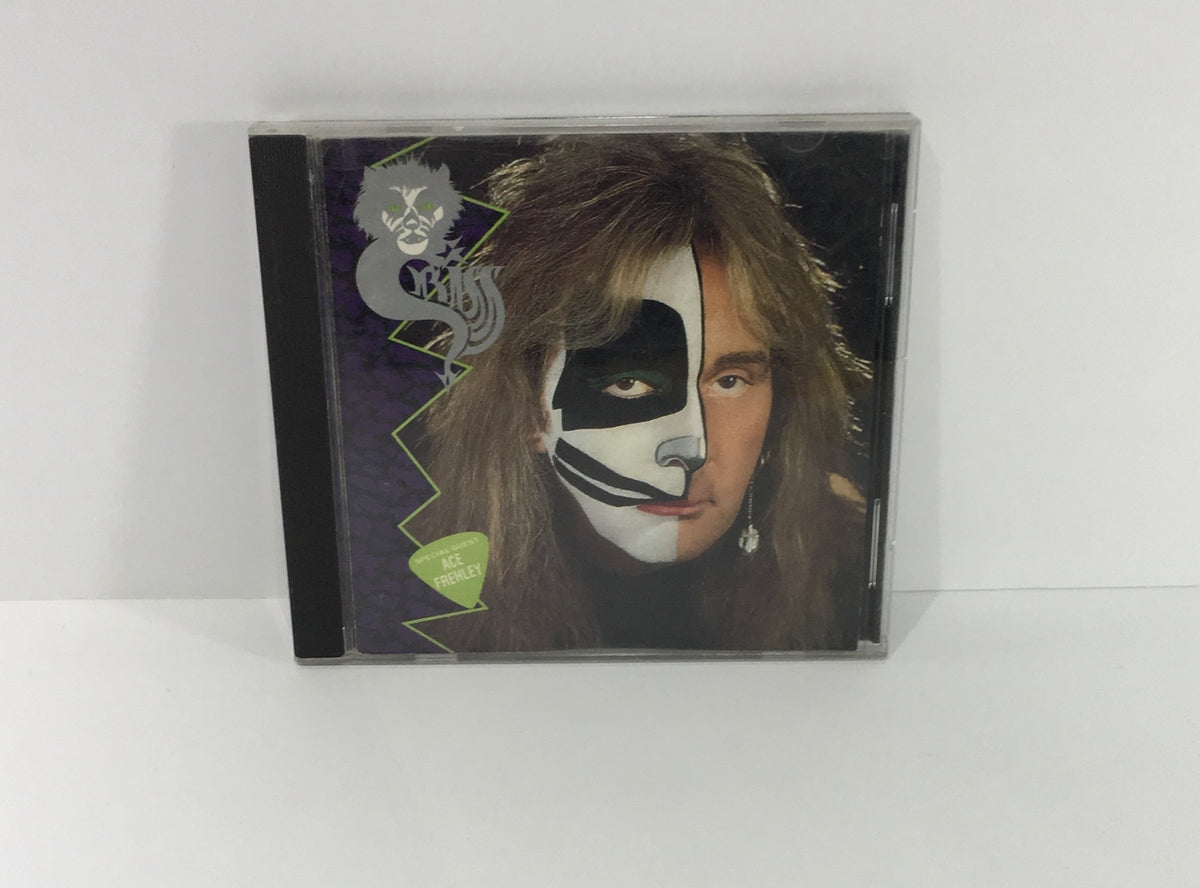
- The unmasking and reinvention (1983): Magazines from the period surrounding the band's dramatic public reveal of their faces, and the subsequent transition into the synth-heavy, image-softened mid-decade incarnation, represent a distinct and historically loaded chapter for collectors
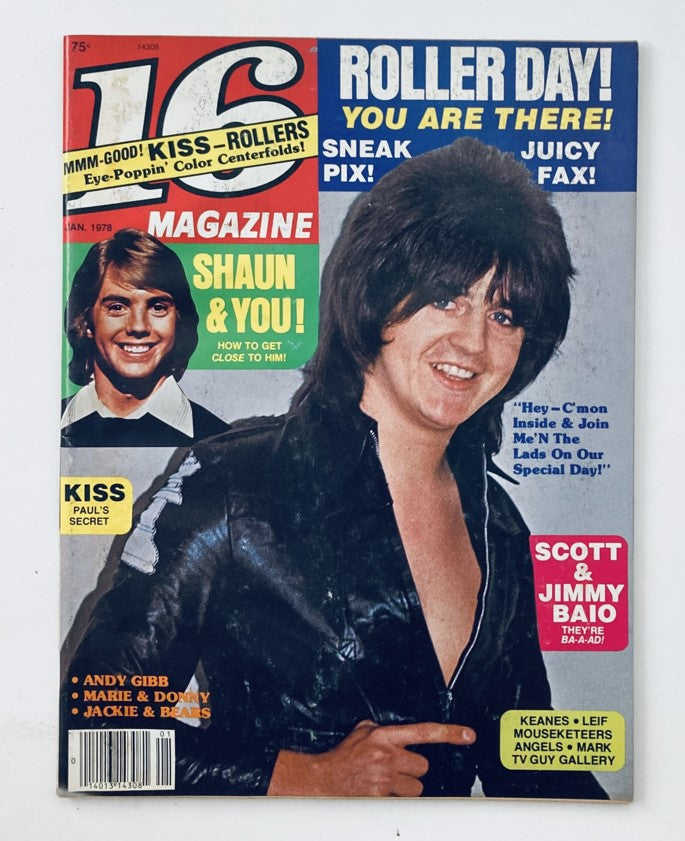
- International and fan press: Japanese music weeklies, European rock monthlies, and dedicated fan publications that documented the global reach of their cult, often featuring exclusive photography and interviews unavailable in domestic American editions
The Collector's Value
To hold an original KISS magazine from 1975 or 1977 is to hold a document of cultural electricity that no reprint, no digital scan, and no retrospective box set can replicate. The paper stock of the era — slightly rough, warm to the touch, carrying that unmistakable mineral-and-ink scent of decades-old newsprint — places you not in a museum, but in the bedroom of a teenager who first opened these pages and felt the floor shift beneath them. The surrounding advertisements are their own time capsule: tube amplifiers, eight-track players, cigarette brands, and record club offers that frame the band within the precise economic and cultural moment that made them possible. These are not reproductions or memorabilia — they are primary sources, the actual artifacts through which a generation first encountered one of rock's most enduring mythologies. For collectors of vintage rock memorabilia, 1970s pop culture ephemera, or the history of American theatrical performance, these publications offer an irreplaceable window into the era when image, commerce, and genuine musical force collided to create something that has proven utterly indestructible. Browse the current available inventory below and find the issue that takes you back.