📖 About this Collection
Lee Iacocca: The Man Who Saved Detroit
The Legend & The Legacy
In an era before viral moments and Twitter threads, the rise, fall, and triumphant resurrection of Lee Iacocca unfolded across the glossy pages of America's newsstands — one dramatic chapter at a time. Born to Italian immigrant parents and forged in the competitive furnace of postwar American industry, Iacocca became the most famous businessman in the United States not through careful image management, but through sheer, undeniable results. He gave the world the Ford Mustang in 1964 — a car that didn't just sell, it ignited — and then, in one of corporate America's most stunning acts of reinvention, he dragged Chrysler back from the edge of bankruptcy with nothing but force of will, a federal loan guarantee, and an unshakeable belief in American manufacturing. When his face appeared on the cover of a magazine in the 1980s, readers didn't flip past it. They stopped. Here was a captain of industry who spoke plain, who fought back, and who made people believe the American Dream still had some horsepower left in it.
Inside the Archive
The business and general press tracked the man with an intensity usually reserved for presidents and rock stars. Time and Newsweek engaged in something of a quiet rivalry over who could best capture the drama of the Chrysler turnaround, publishing landmark cover profiles that paired no-nonsense boardroom photography with sweeping, almost mythological prose about industrial salvation and national identity. Fortune and Business Week dissected his strategy with the rigor of scholars, their pages dense with bold typography and the kind of long-form editorial depth that the internet age would eventually render extinct. Meanwhile, popular titles like People and U.S. News & World Report introduced him to living rooms across America — portraying the son of Nicola and Antoinette Iacocca as a figure of deeply relatable ambition. International publications, particularly those from Italy, covered him with a particular warmth and pride, framing him as one of the most consequential sons of the Italian diaspora. The photography of this era is notably direct and powerful: a man at a desk, sleeves rolled, an expression that suggested he had already solved the problem you were worried about.
Curator's Checklist: Highlights Often Include
- The Mustang Moment — Coverage from 1964–1966 capturing the launch of the Ford Mustang, one of the most successful product introductions in automotive history, often featuring the gleaming new ponycar alongside a visionary young executive on the rise at Ford
- The Ford Firing — Editorial coverage from mid-1978 documenting his abrupt and very public dismissal by Henry Ford II, a boardroom drama that transfixed the American business press and made him, paradoxically, a sympathetic folk hero
- The Chrysler Crusade — The richest vein for collectors; late 1970s through mid-1980s coverage of the federal bailout, the K-car gamble, and the triumphant early repayment of government loans — a story the press treated with the gravity of a national crisis and the satisfaction of a Hollywood ending
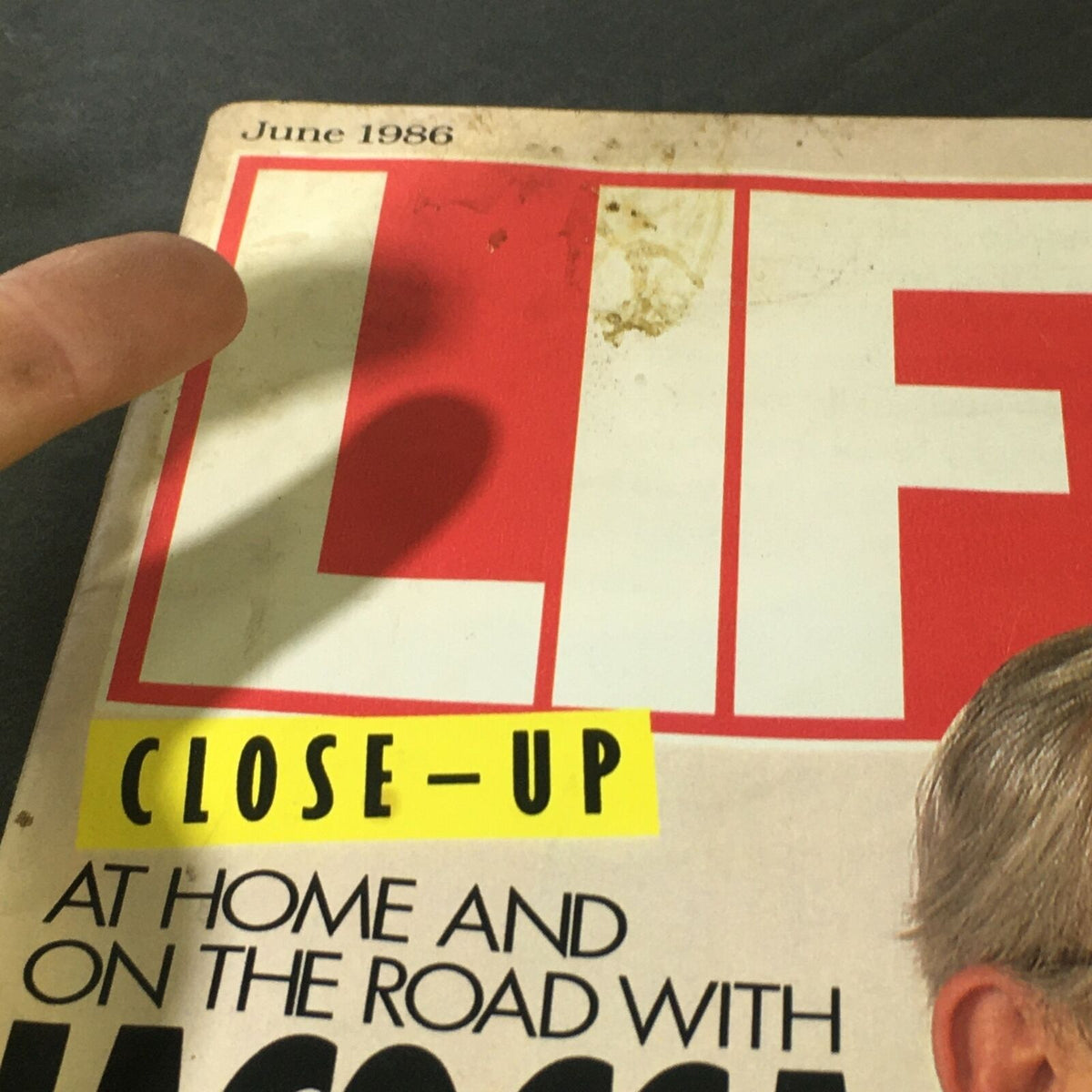
- The Autobiography Era — Issues from 1984–1986 tied to the publication of his bestselling memoir, Iacocca, which spent nearly two years on the New York Times bestseller list and prompted a fresh wave of profiles exploring whether America's most famous executive might make a run for the White House
- The Cultural Icon Years — Features and opinion pieces debating his legacy as a symbol of American industrial resilience, labor relations, and the complicated romance between the United States and its auto industry
The Collector's Value
To hold one of these issues is to hold a dispatch from a world that no longer exists — an America of three television networks, of factory towns with a pulse, of a time when a businessman could become a genuine celebrity simply by doing his job with uncommon conviction. The paper stock of a 1983 Newsweek or a 1964 Time carries its own sensory history: the slight brittleness at the edges, the particular mustiness of ink and wood pulp that no digital archive can replicate, the period advertisements for automobiles and cigarettes and cameras that frame the editorial content in the full, saturated color of their moment. These are primary sources — artifacts of cultural memory as much as they are collectibles. For collectors of American automotive history, golden-age business journalism, or mid-century immigrant success stories, these publications offer something no biography or documentary can replace: the unfiltered, real-time record of a legend being made, page by printed page. Explore the current available inventory below and discover which pieces of this remarkable story are waiting to find their next keeper.