📖 About this Collection
Lee Majors: The Man of Steel and Stuntwork Who Defined an Era
The Legend & The Legacy
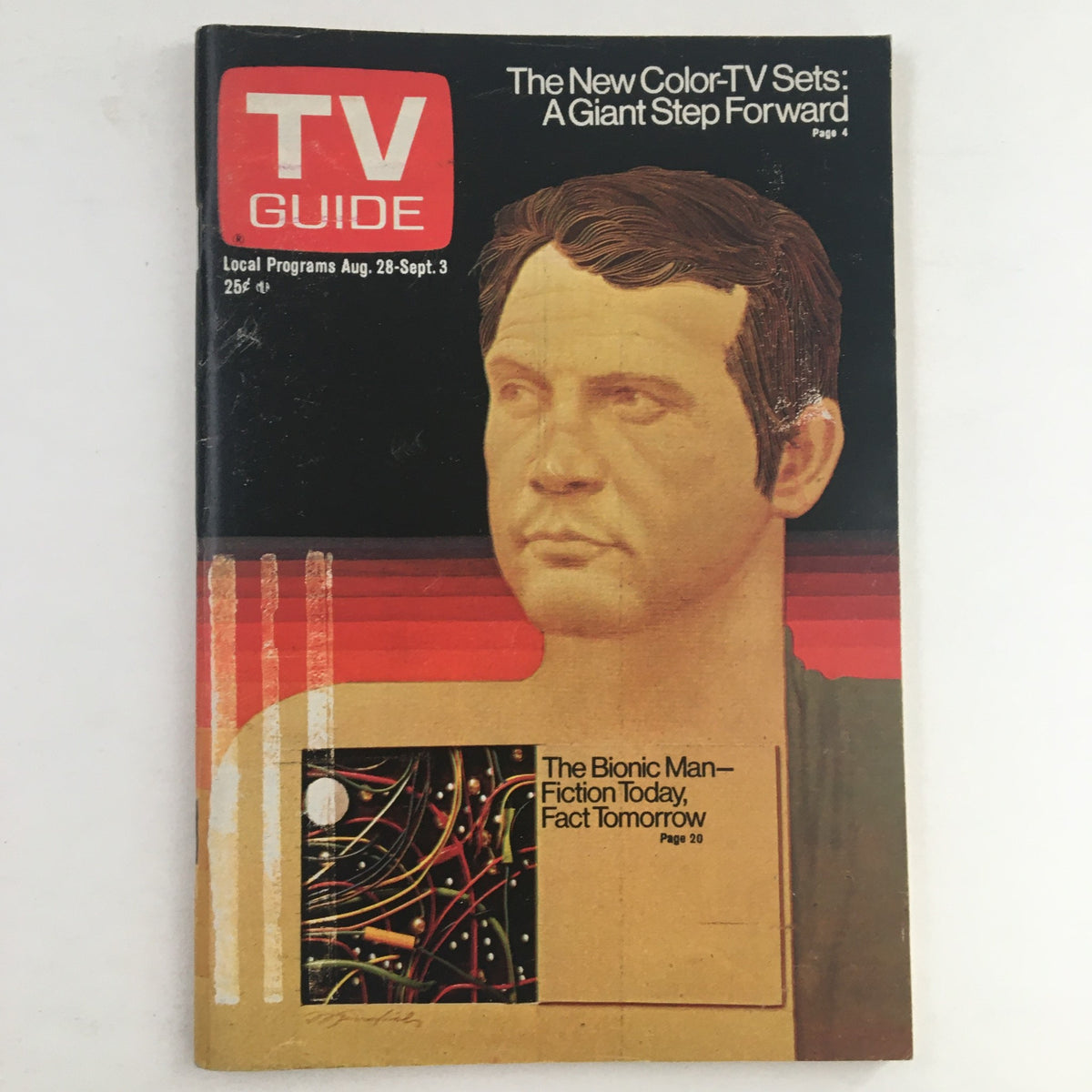
Before streaming queues and algorithm-fed content, America gathered around the television set — and in the 1970s, few figures commanded that living room more completely than Lee Majors. Rising to prominence first as Heath Barkley in The Big Valley, he cemented his place in cultural mythology as Colonel Steve Austin in The Six Million Dollar Man, a role so deeply woven into the decade's imagination that the show's iconic slow-motion sound effect became shorthand for an entire generation's fantasy of superhuman possibility. At the height of his powers, the man was everywhere — on lunchboxes, on bedroom walls, and most visibly, on the covers and centerfolds of the era's most widely circulated print publications. In those pre-internet decades, fan magazines and mainstream weeklies were the sole pipeline between a Hollywood icon and the millions who adored him, and their pages crackled with a devotion to his square-jawed, effortlessly masculine presence that no digital feed has ever quite replicated.
Inside the Archive
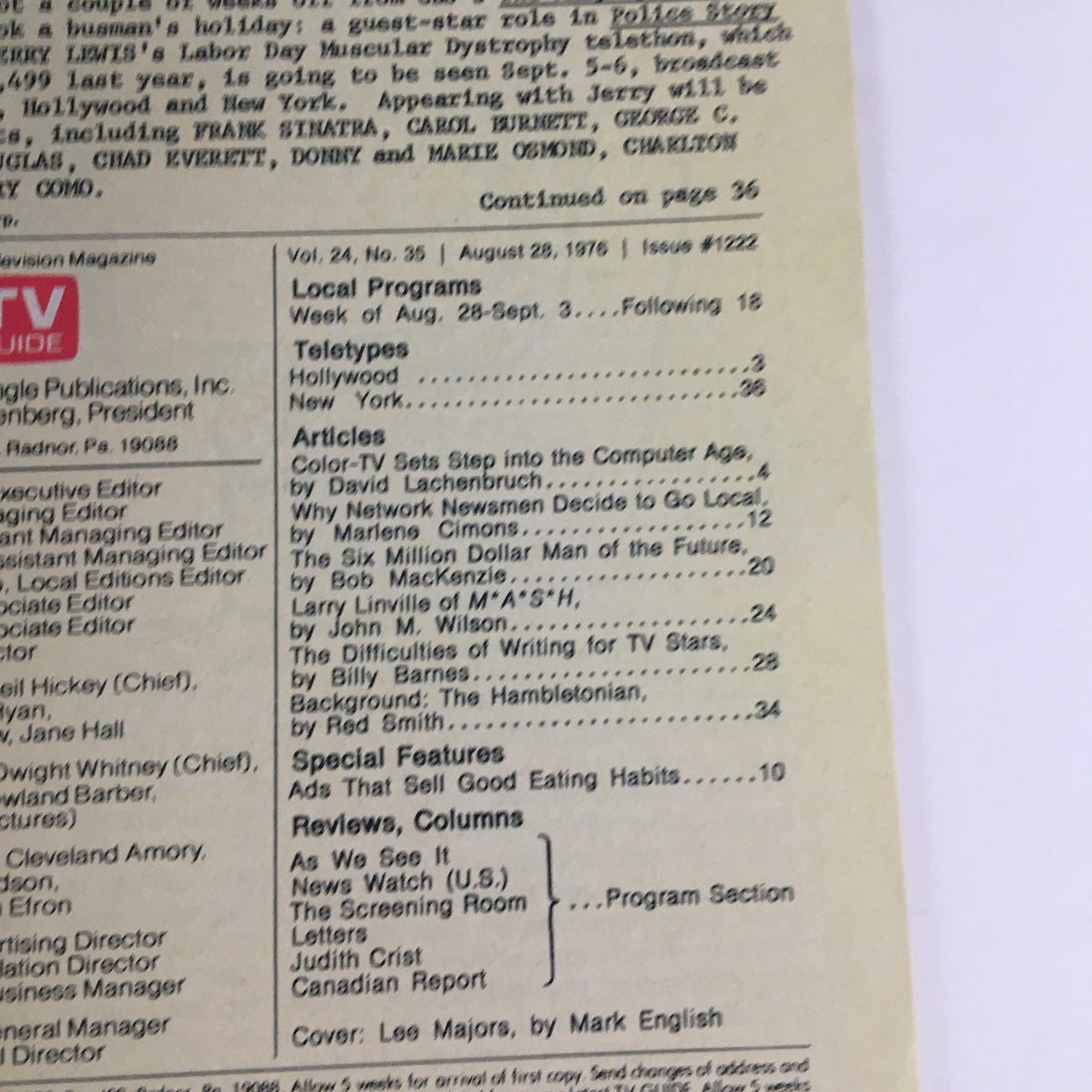
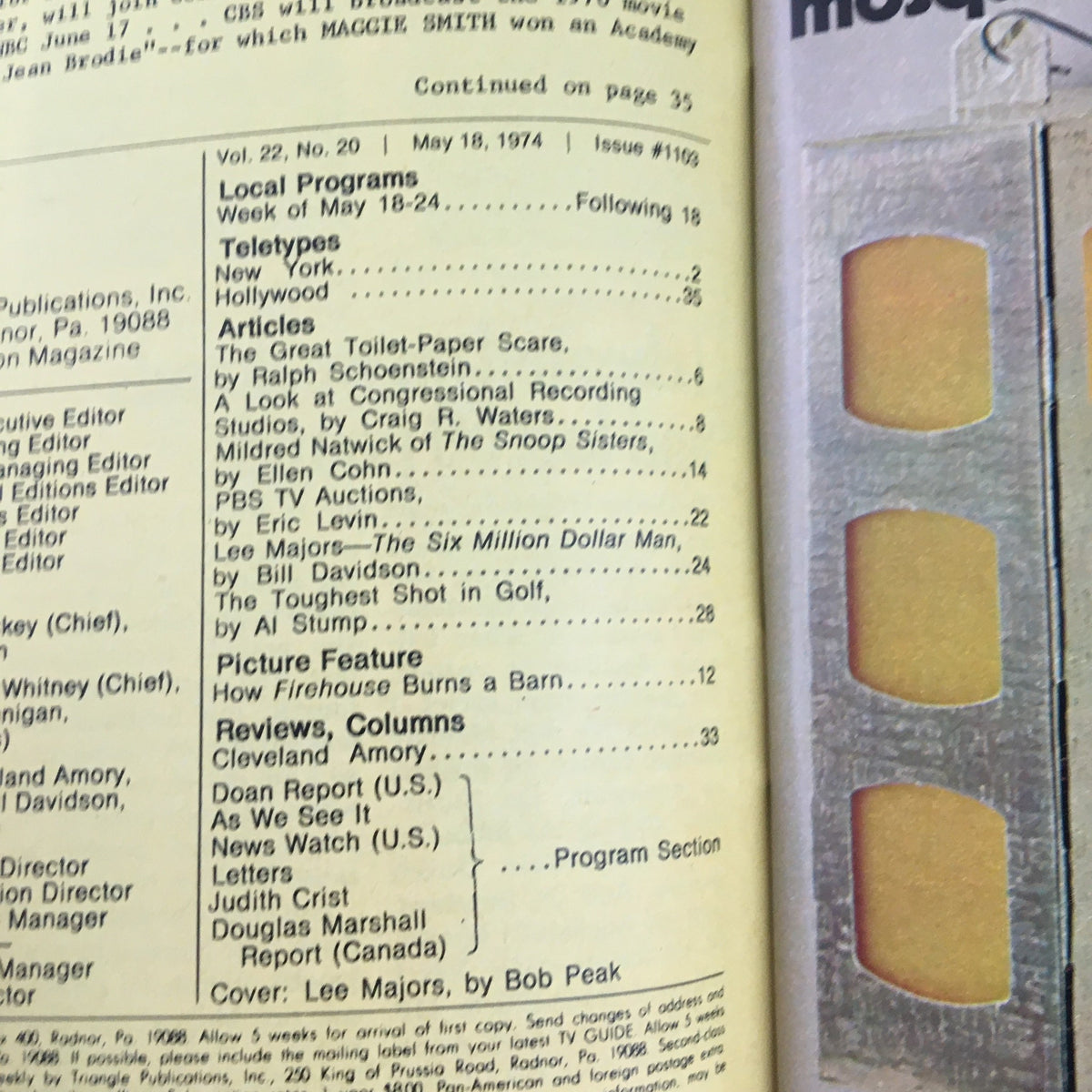
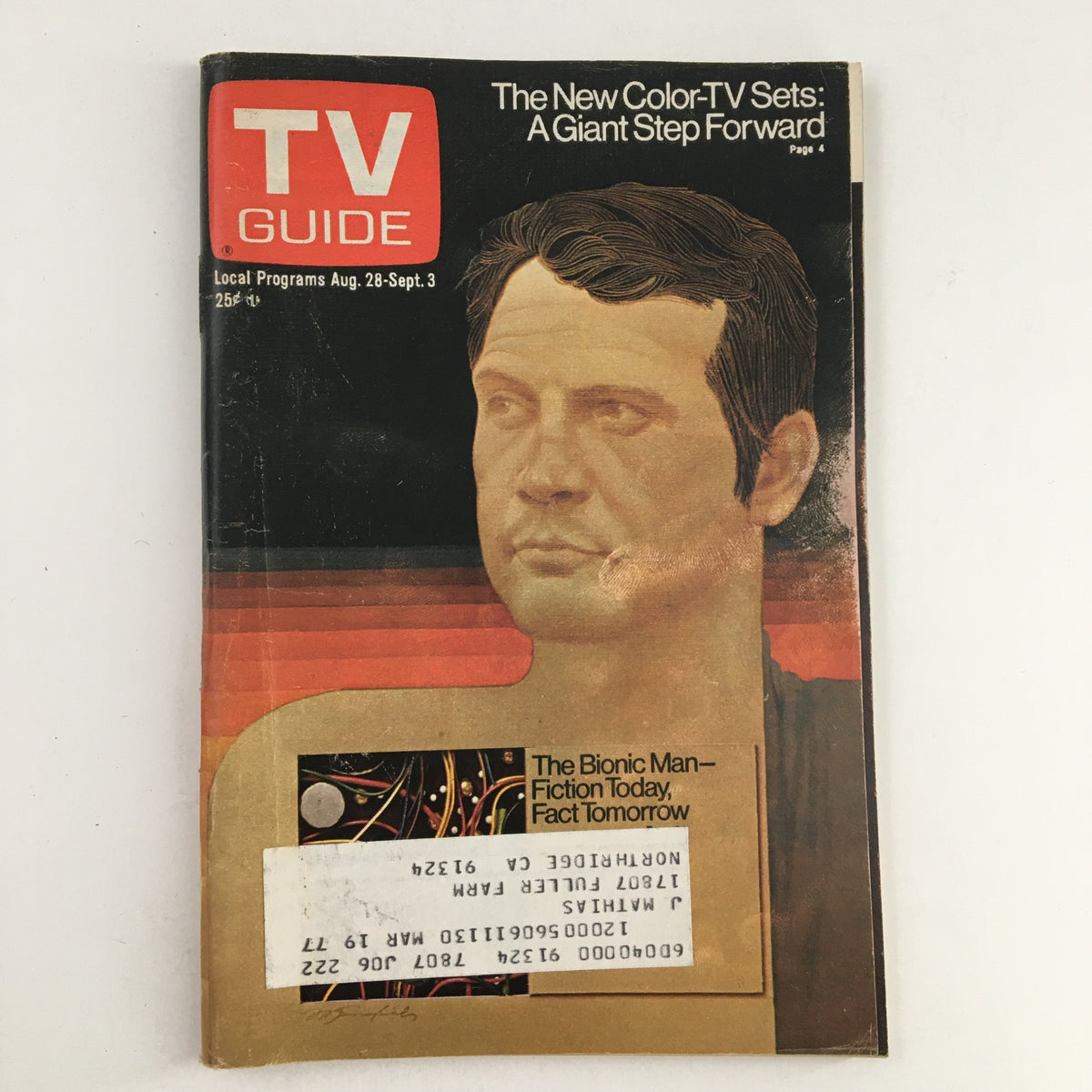
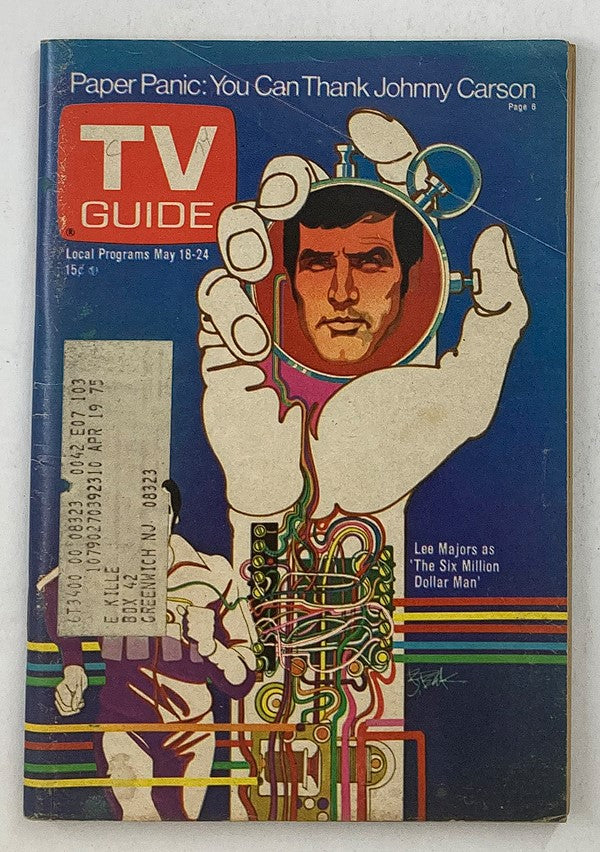
Vintage coverage of the Six Million Dollar Man star ranged from glossy, sun-drenched Hollywood portraiture to candid lifestyle spreads that invited readers into a world of California glamour and prime-time royalty. Photographers of the era favored warm, saturated tones and heroic framing — wide stances, open shirts, the studied ease of a man who wore his stardom lightly. TV Guide, the most widely distributed periodical in American history at its peak, featured him repeatedly during the mid-to-late 1970s, tracking both his career ascent and his high-profile marriage to Farrah Fawcett, herself one of the decade's most magnetic celebrities. People magazine, launched in 1974 right as his star was reaching its zenith, chronicled the couple as Hollywood's golden pair with the breathless reverence of a culture hungry for its royalty. Meanwhile, fan-oriented publications like Photoplay and Modern Screen offered intimate, personality-driven profiles aimed squarely at a devoted readership that measured loyalty in clipped centerfolds and carefully preserved back issues.
Curator's Checklist: Highlights Often Include
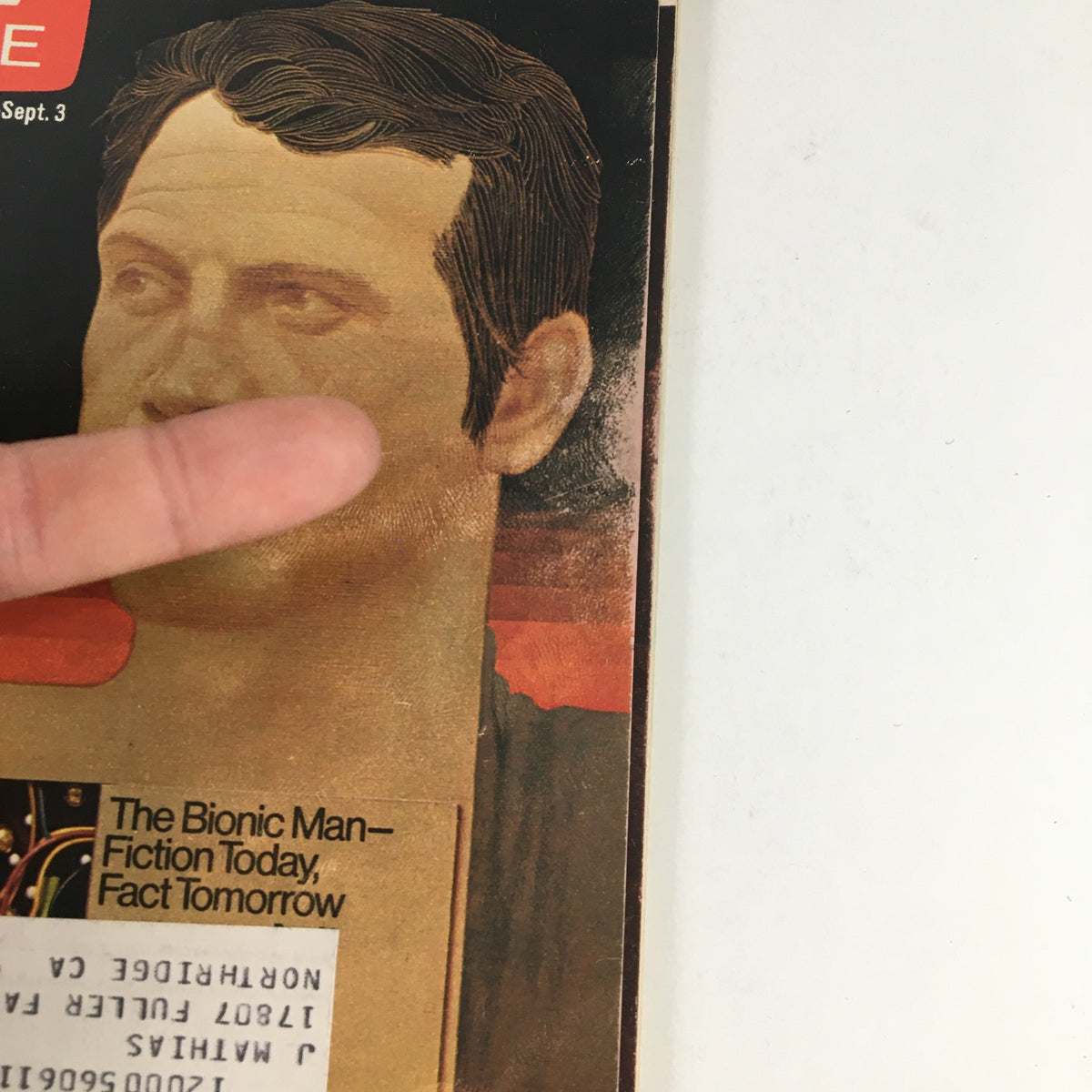
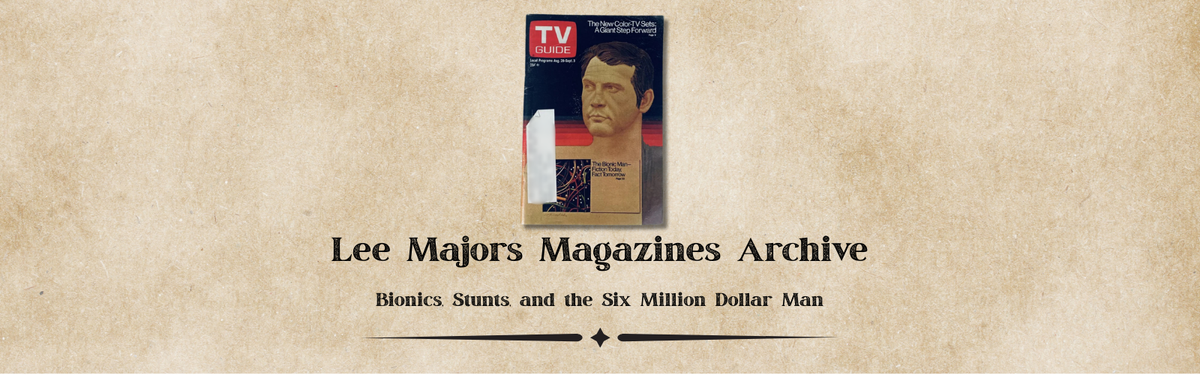
- Six Million Dollar Man era cover features — bold, action-forward layouts from the mid-1970s capturing Austin in his iconic red jumpsuit, often accompanied by behind-the-scenes photography from the set
- Hollywood power couple spreads — editorial profiles documenting his marriage to Farrah Fawcett, frequently appearing in celebrity weeklies and fan monthlies between 1973 and 1979 at the apex of both careers
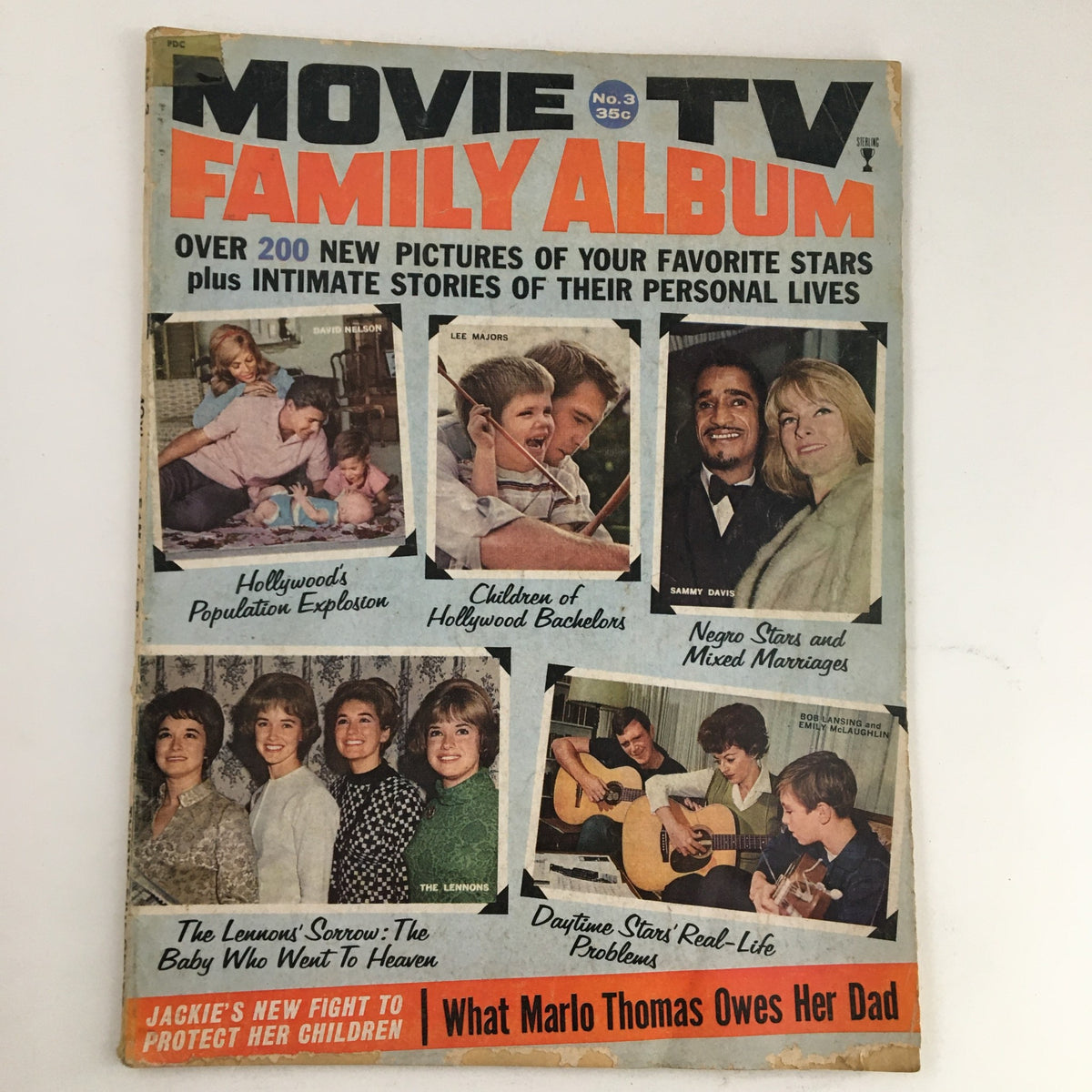
- Early career retrospectives — coverage from the Big Valley years (1965–1969) in Western-leaning fan publications and television digests, offering a rare window into his pre-superstar period
- The Fall Guy years — a second wave of coverage from the early 1980s as The Fall Guy introduced him to a new generation, with a noticeably more rugged, self-aware editorial tone reflecting the shifting aesthetic of the decade
- International editions — European fan magazines and television guides, particularly from the UK and West Germany where The Six Million Dollar Man enjoyed enormous popularity, presenting a fascinating lens on his transatlantic cultural reach
The Collector's Value
There is something irreplaceable about holding a magazine printed in the year a phenomenon was actually happening — the slight give of decades-old coated stock beneath your fingertips, the faint, unmistakable perfume of aged ink and paper that no digital archive can conjure, the surrounding advertisements for Tab cola and Datsun sedans that situate you so completely inside a vanished cultural moment. These are primary sources, not reproductions — artifacts that were handled by real readers in real living rooms during the very years Lee Majors was reshaping American television. For collectors of 1970s television memorabilia, vintage Hollywood ephemera, or Cold War-era pop culture, these publications offer not merely a keepsake but a time capsule of astonishing intimacy and historical texture. Explore the current available inventory below and discover which pieces of this remarkable era are waiting to find a new home.