📖 About this Collection
Leonard Nimoy: The Man, The Myth, The Pointy Ears
The Legend & The Legacy
Long before the internet fractured fandom into a thousand competing feeds, the cultural phenomenon of Star Trek — and the enigmatic actor at its philosophical heart — lived and breathed through the printed page. Leonard Nimoy's portrayal of Mr. Spock arrived in American living rooms in 1966 like a quiet thunderclap: a half-human, half-Vulcan outsider who processed a chaotic world through logic and restraint, resonating deeply with a generation navigating the Vietnam War, the civil rights movement, and the dawning Space Age. Yet the man behind the pointed ears was far more layered than any single role — a poet, a photographer, a stage-trained actor of serious ambition who spent decades negotiating the beautiful prison of his most iconic creation. In an era when celebrity was mediated entirely through print, radio, and television, the public came to know him not through social media confessions or streaming documentaries, but through the considered prose of magazine journalists who sat across from him in greenrooms and dressing rooms and captured a man perpetually wrestling with identity, legacy, and the strange gift of being beloved.
Inside the Archive
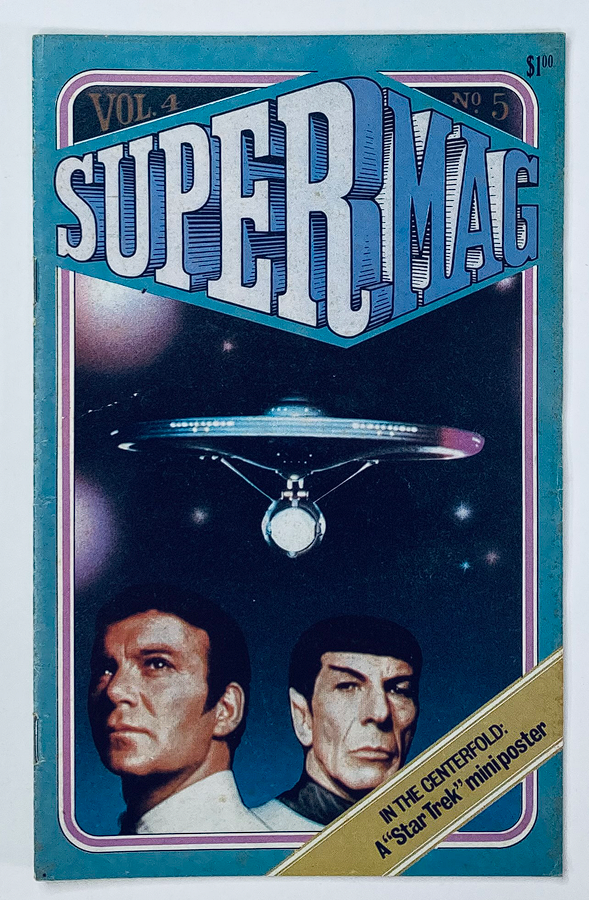
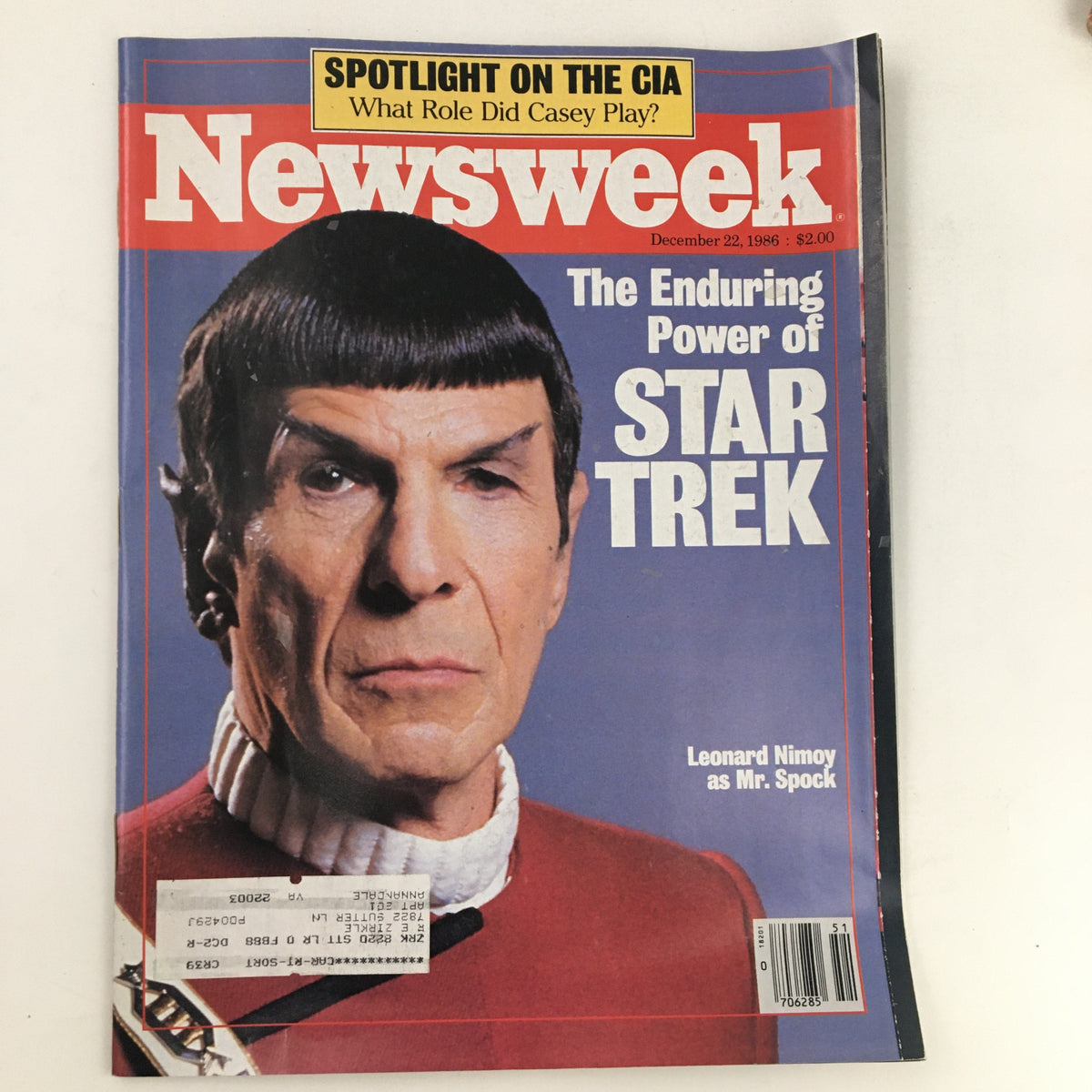
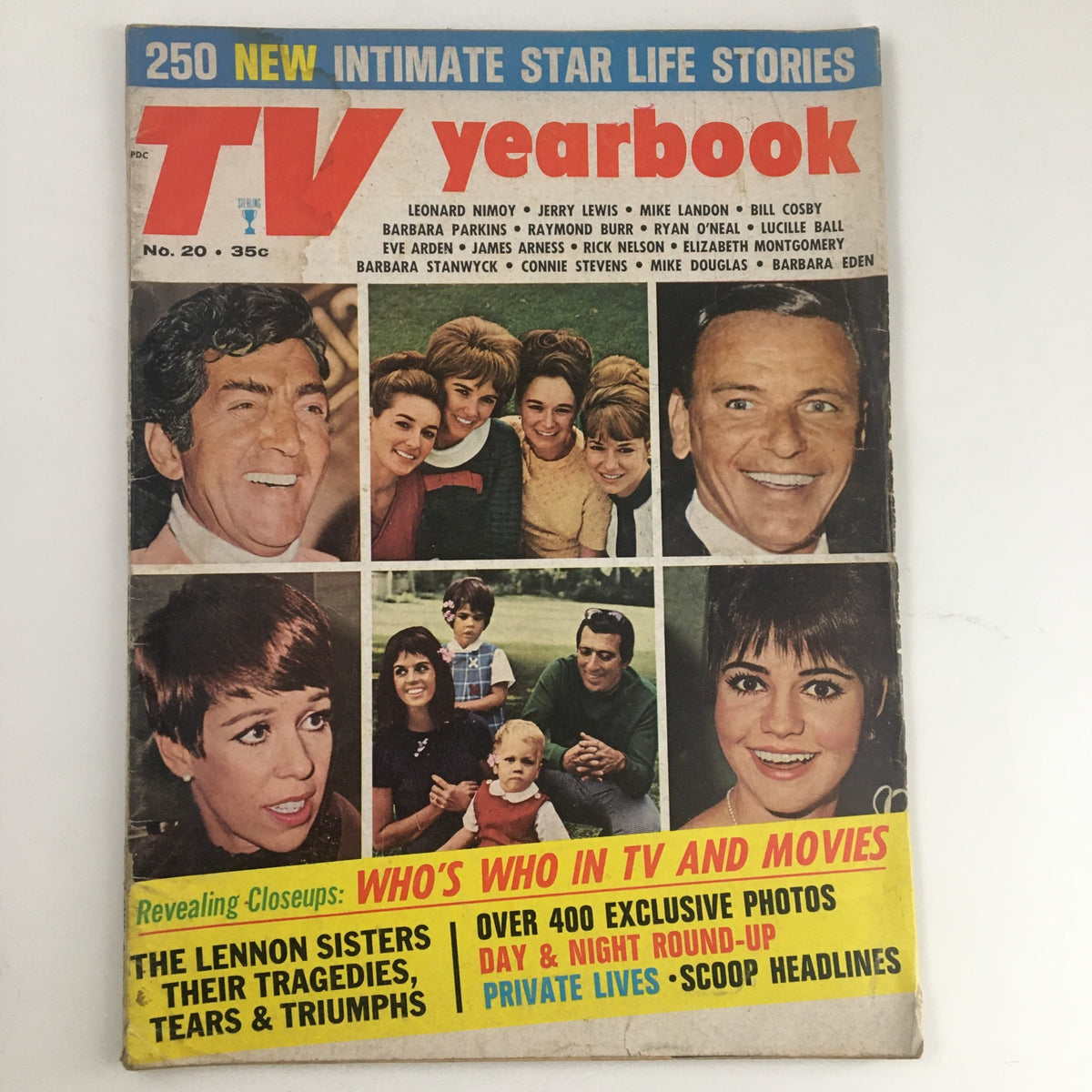
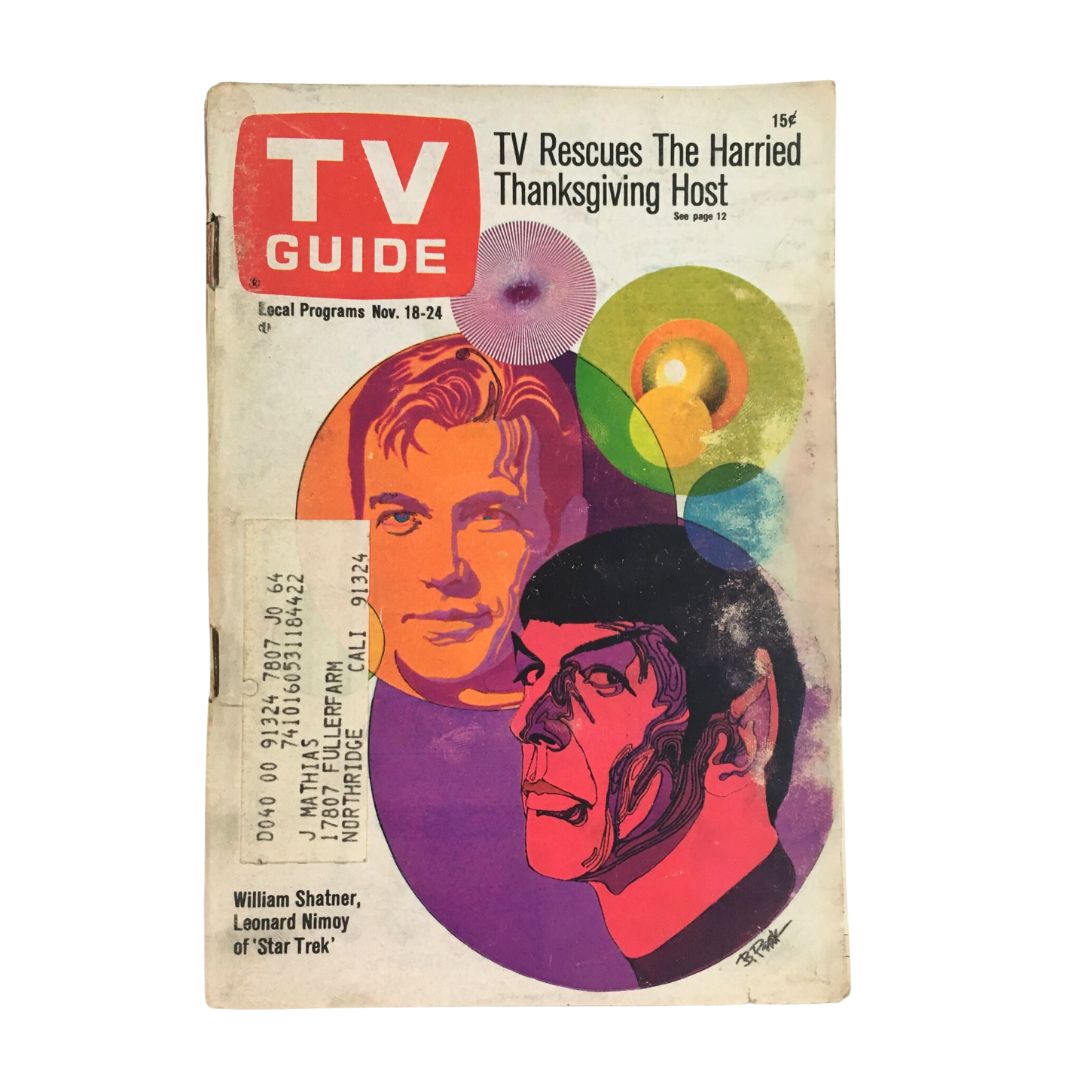
Vintage magazine coverage of Nimoy spans a remarkable tonal range — from breathless fan enthusiasm to sober cultural criticism — reflecting the many phases of a career that stretched from 1950s television bit parts to blockbuster cinema and beyond. In the height of Star Trek's original run and its explosive syndication revival through the 1970s, publications like TV Guide devoted cover after cover to the show's cast, with Nimoy's angular, contemplative features lending themselves to both dramatic studio portraiture and candid behind-the-scenes photography that captured the strange alchemy of the Paramount soundstages. Life magazine, the great visual chronicle of 20th-century American culture, approached him with the gravity afforded to genuine cultural touchstones, exploring the sociological weight of Spock as a symbol of intellectual dignity in a turbulent era. Genre publications like Starlog — the bible of the science fiction community from its founding in 1976 — treated him as royalty, commissioning deep-dive interviews and lavish photo spreads that documented his complicated, evolving relationship with the role he once famously declared he did not want, then later embraced completely. The photography across these decades tells its own story: early images sharp with the high-contrast glamour of network television promotion, later portraits softer and more introspective, befitting a man who had turned the lens back on the world through his own celebrated photography work.
Curator's Checklist: Highlights Often Include
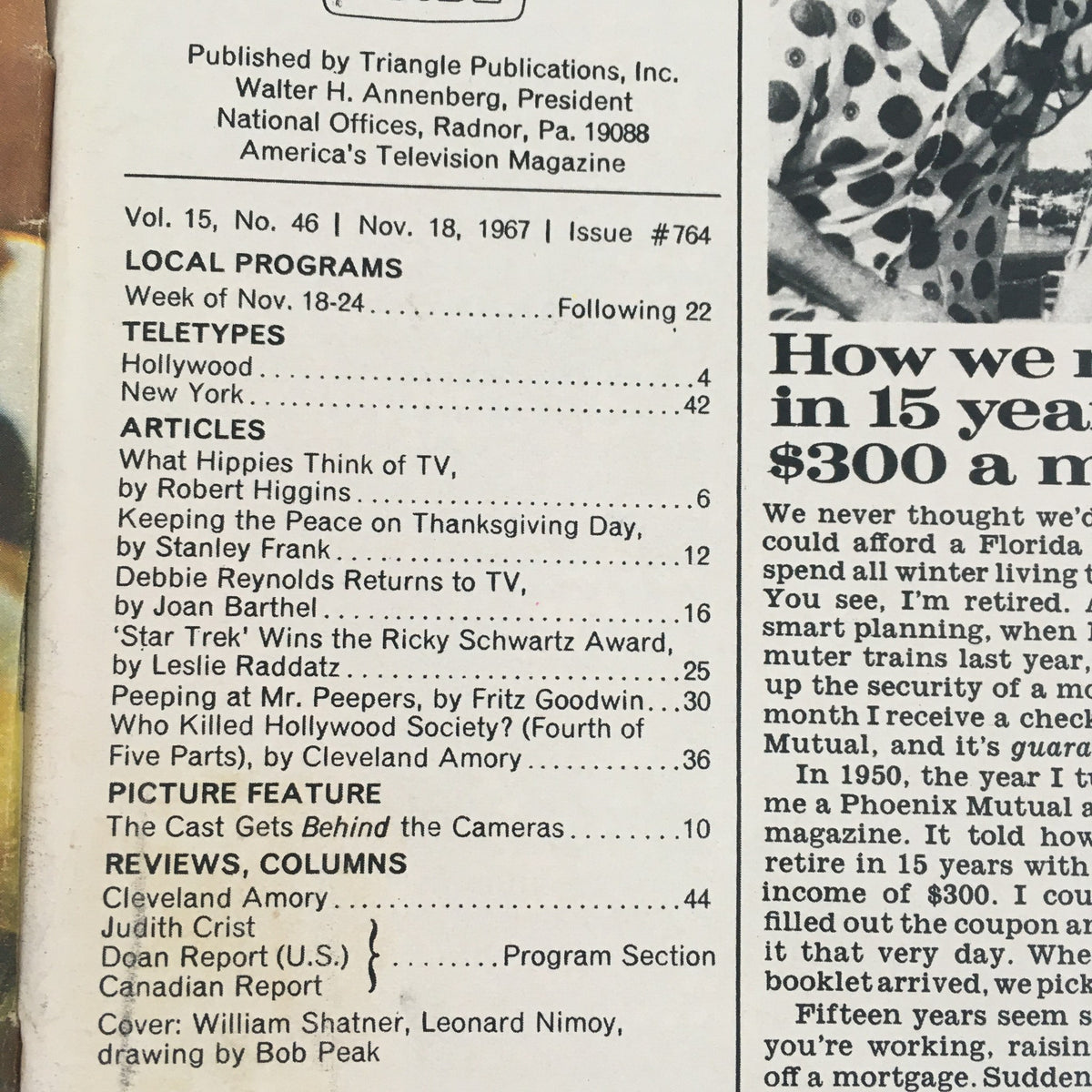
- Original Star Trek era coverage (1966–1969): Network promotional features, cast profiles, and episode guides from television-focused weeklies capturing the show's initial broadcast run and the cultural conversation it ignited around science, diversity, and humanity's future.
- The syndication renaissance (1970s): Fan-magazine interviews and retrospective features from the period when Star Trek reruns built the franchise into a global institution — a uniquely print-documented phenomenon that predated the modern concept of fandom infrastructure.
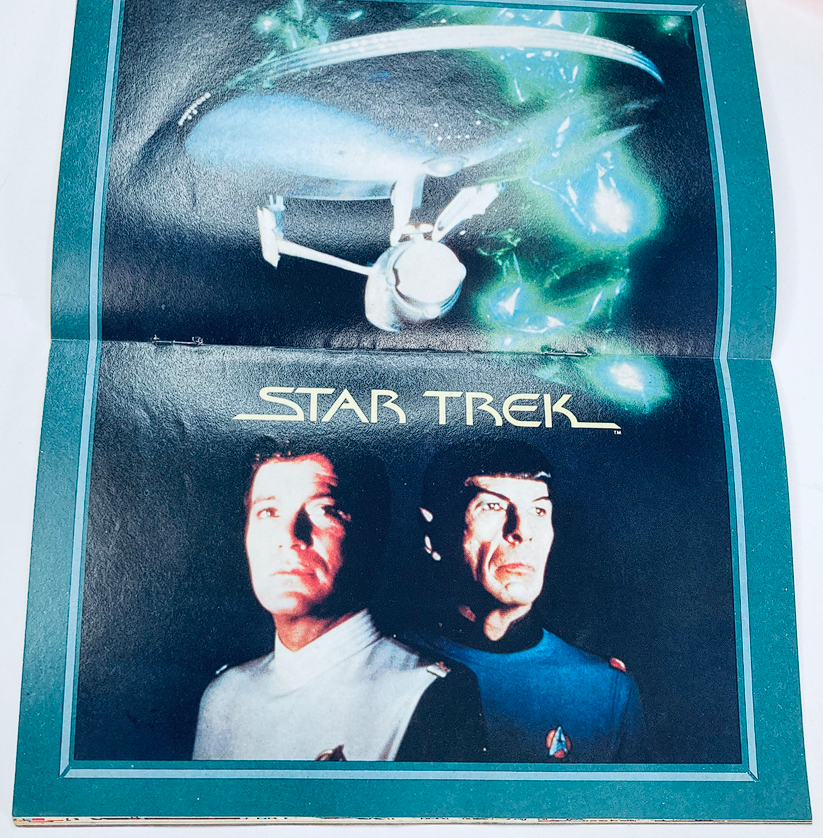
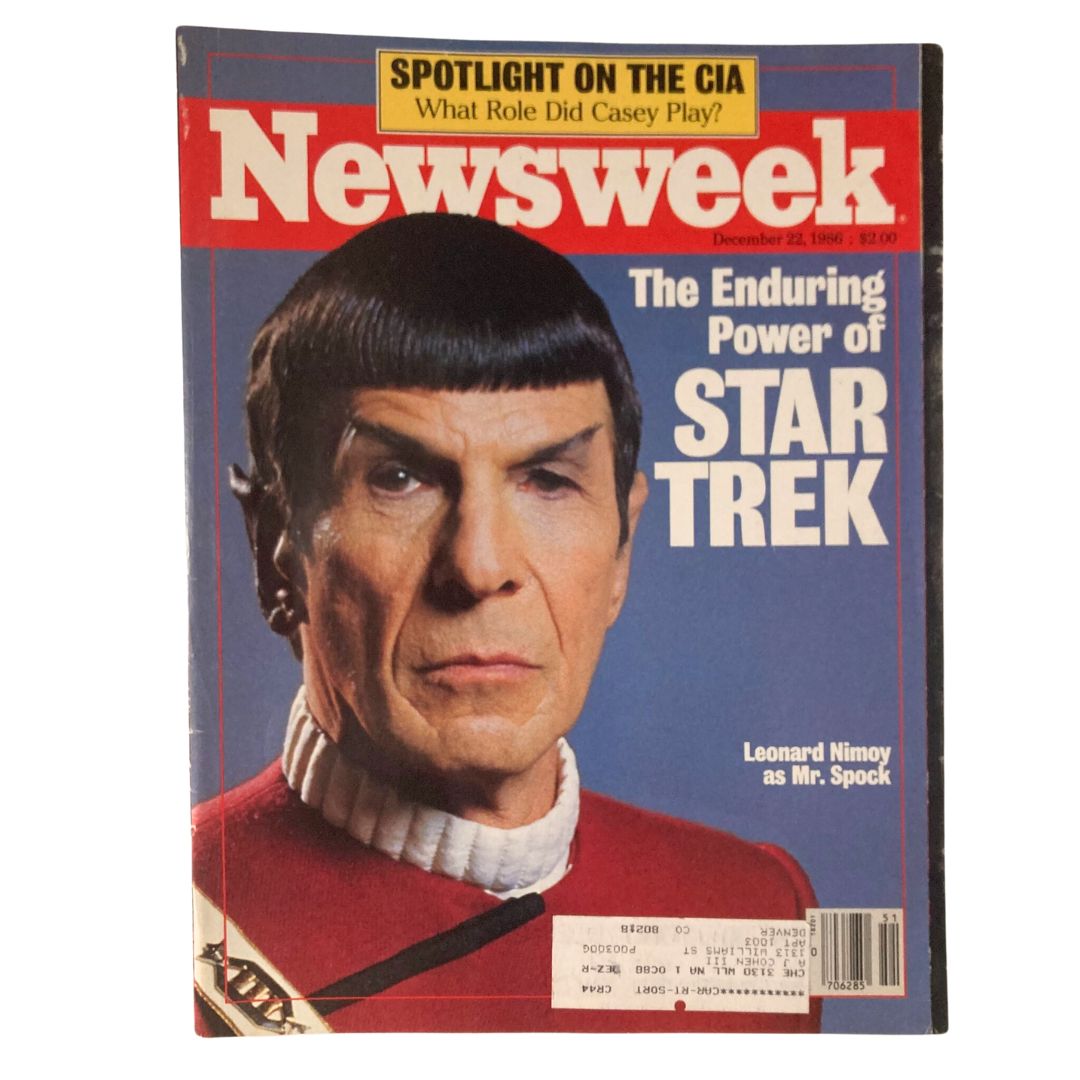
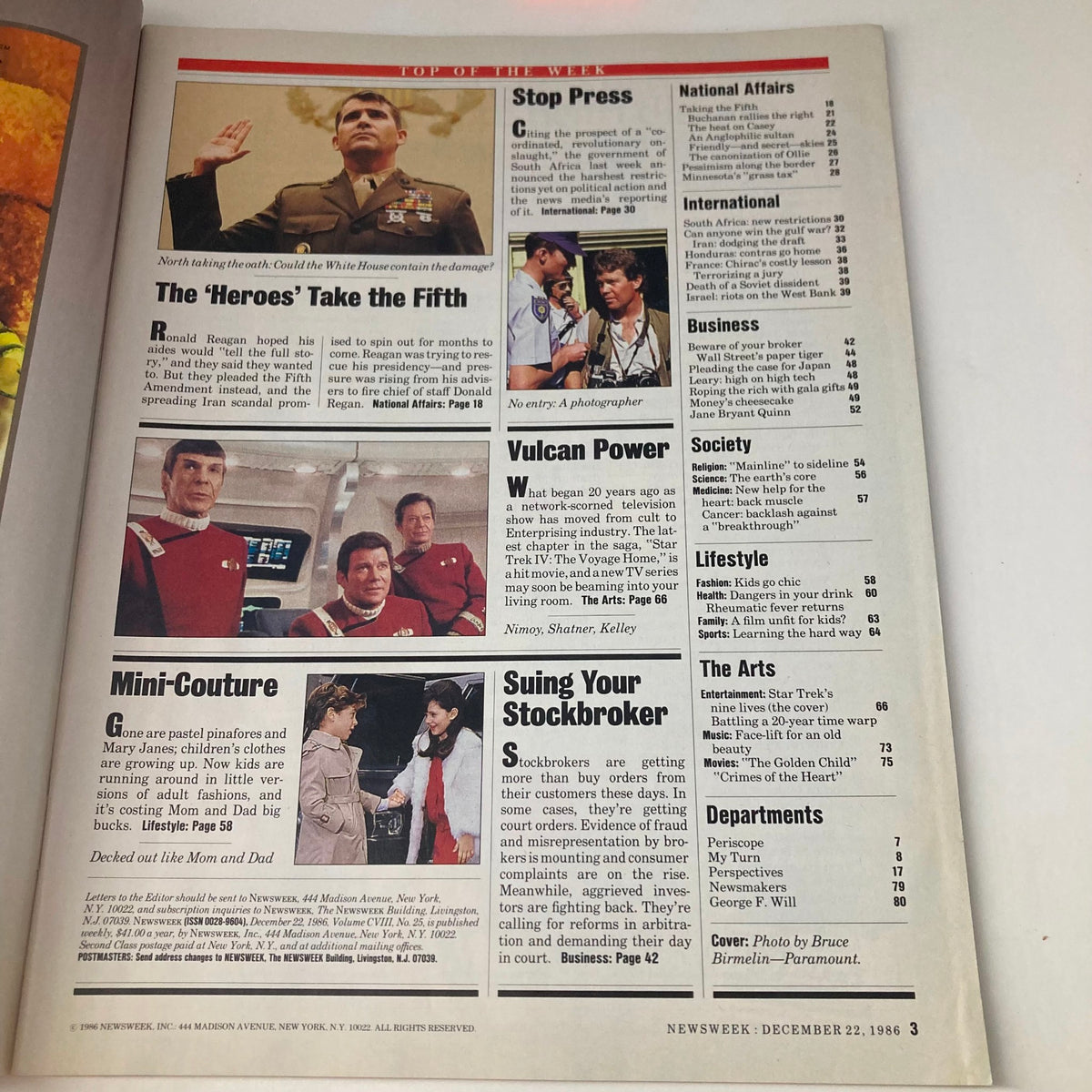
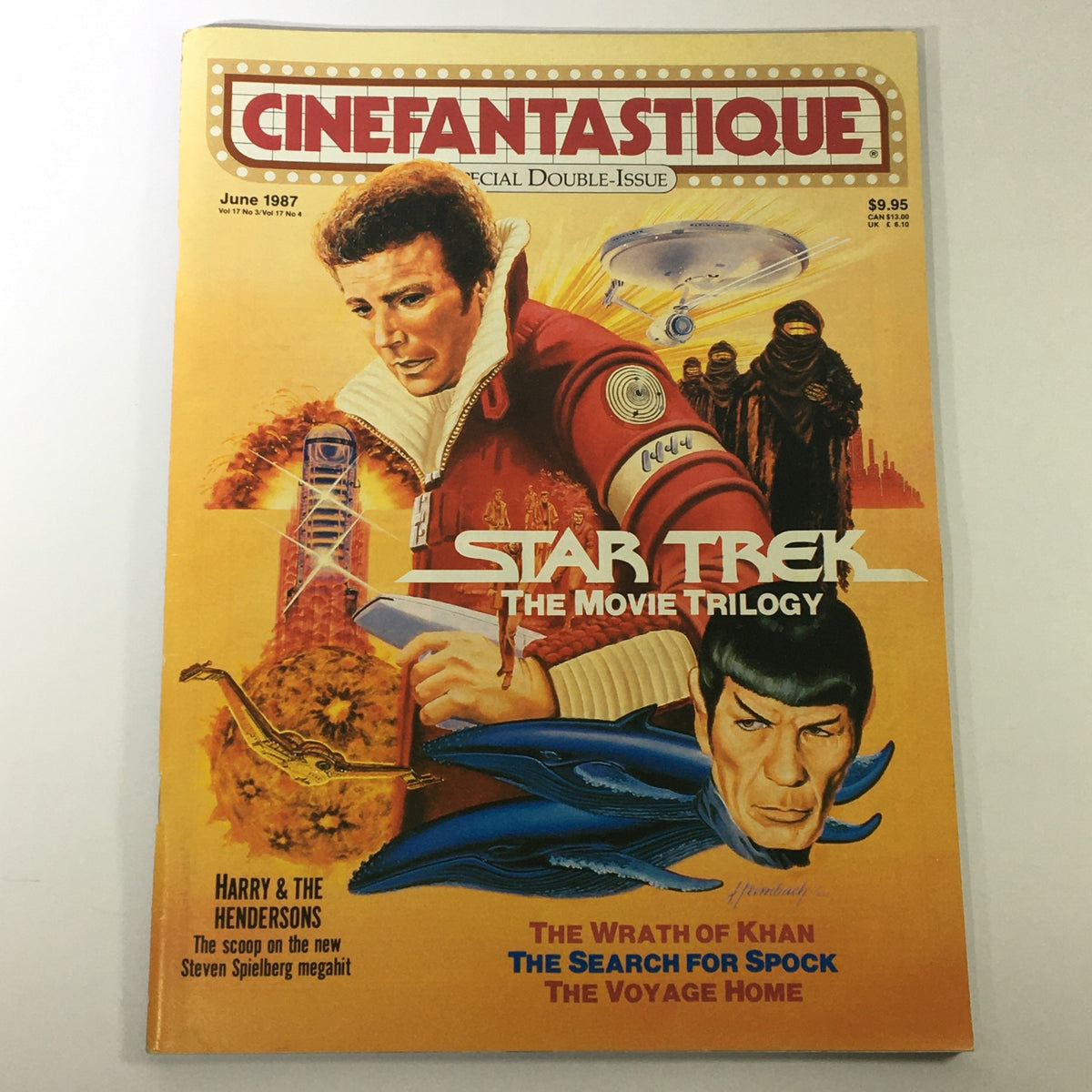
- The Star Trek film era (1979–1991): Major entertainment and mainstream press coverage surrounding The Motion Picture through The Undiscovered Country, including his directorial triumphs with The Voyage Home (1986), one of the franchise's most beloved and commercially successful entries.
- The literary and artistic Nimoy: Features from arts and culture publications covering his published poetry collections, his acclaimed photography books — particularly his Shekhina series — and his stage work, presenting the full portrait of a Renaissance figure often reduced to a single role.
- International and niche press: Coverage from British, French, and German science fiction and entertainment magazines, offering a fascinating window into how the Spock phenomenon translated across cultures, and reflecting a global appetite for the optimistic futurism he embodied.
The Collector's Value
To hold a vintage magazine featuring Leonard Nimoy is to hold a specific moment of cultural time — ink pressed onto paper stock that has developed its own warm, faintly vanilla scent of age, the covers slightly prone to that characteristic brittleness that reminds you these objects survived attics and basements and decades of turning hands before arriving in yours. The surrounding advertisements are their own time capsule: Tang and transistor radios and early home computers framing the face of a man who made the future feel both thrilling and humane. These are primary sources, not reprints — the actual periodicals that shaped public understanding of one of the 20th century's most quietly influential figures, before algorithms decided what we would remember and why. For collectors of Star Trek memorabilia, classic Hollywood portraiture, or 20th-century science fiction history, these publications offer irreplaceable texture and intimacy that no streaming documentary or digital archive can replicate — the sense of genuinely touching the era. Explore our current rotating inventory below and discover which pieces of this remarkable legacy are available today.