📖 About this Collection
Leonardo DiCaprio: The Boy Who Became the Mirror of His Generation
The Legend & The Legacy
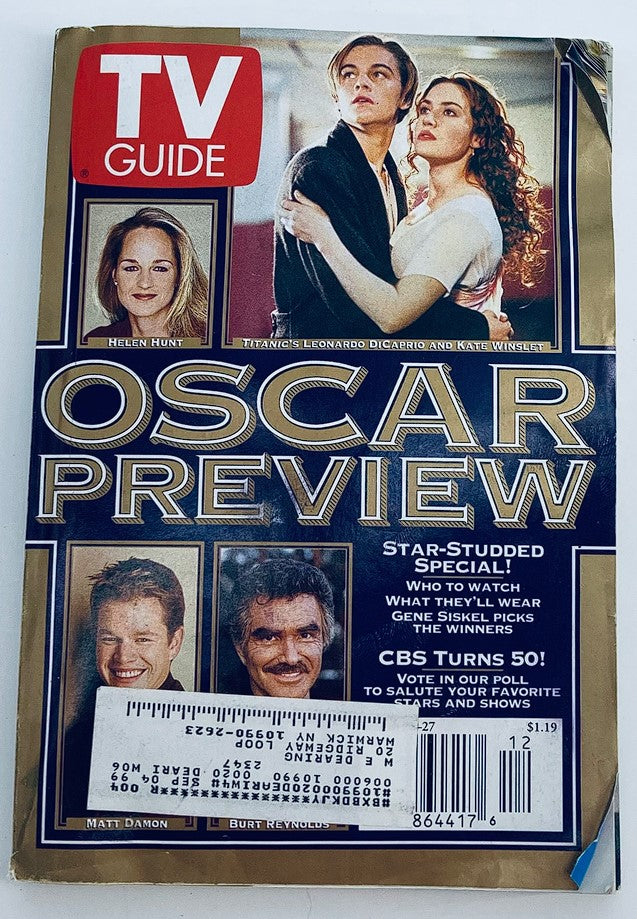
Few careers in the history of Hollywood have been so hungrily consumed by the public, so relentlessly tracked across the pages of print media, as that of Leonardo DiCaprio. He emerged in the early 1990s as a raw, almost feral talent — a teenager from East Los Angeles who arrived on television before ascending, with startling velocity, to the summit of global stardom. By the time Titanic broke every box office record imaginable in 1997 and 1998, he had become something beyond a film star: a cultural phenomenon, a generational symbol, the face upon which an entire decade pressed its dreams. Magazine editors understood instinctively that his image sold. His transition from the earnest young actor of What's Eating Gilbert Grape to the smoldering romantic lead of the century's most talked-about film was chronicled in real time — not through social media feeds or streaming commentary, but through the weight and permanence of glossy print, through cover lines shouted from newsstands in every city on earth.
Inside the Archive
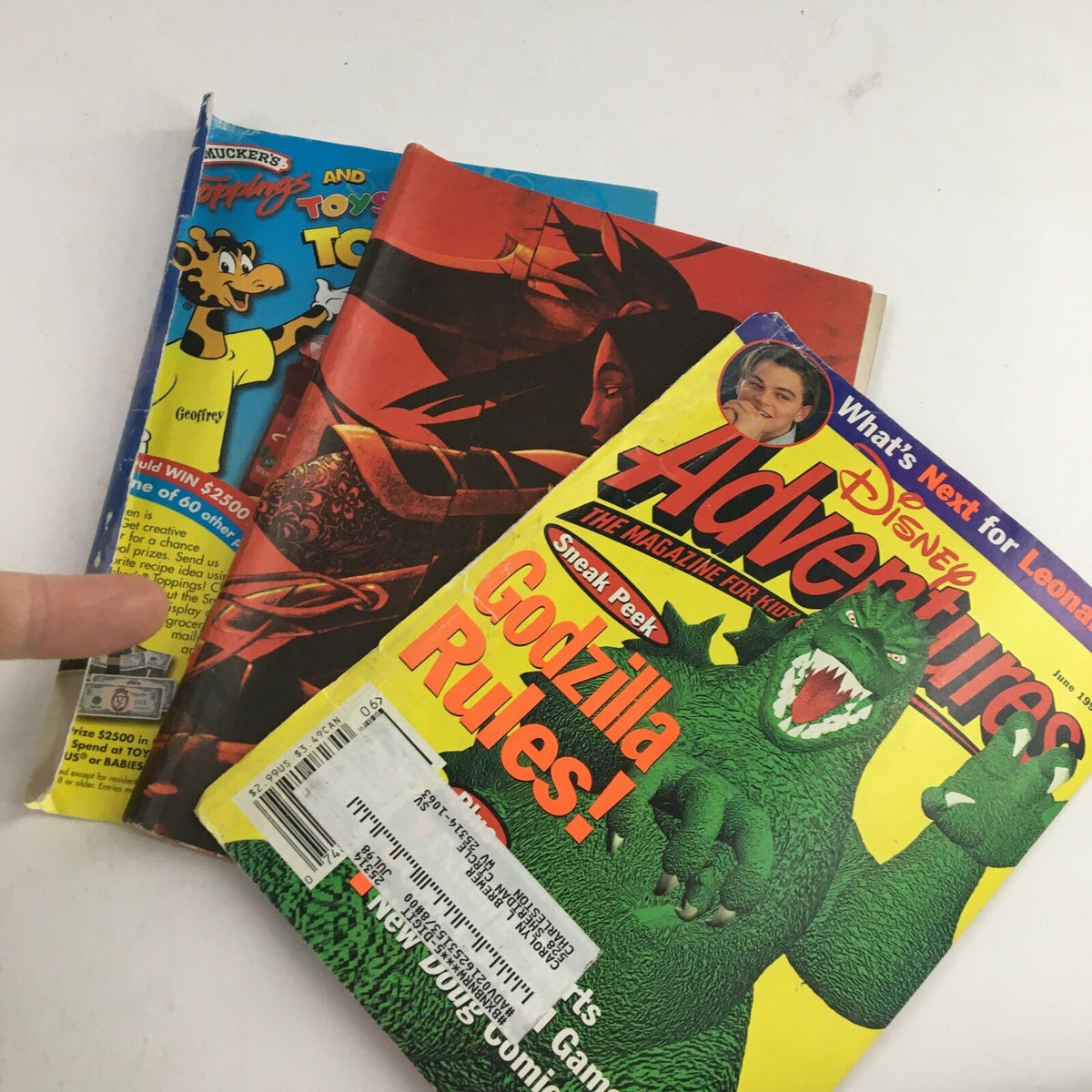
The magazine coverage of DiCaprio's ascent was as varied as it was voracious, spanning the full spectrum from mainstream celebrity weeklies to serious film journals and international fashion titles. In the mid-1990s, Rolling Stone pursued him with the reverence it once reserved for rock gods, running sprawling profiles that wrestled with the paradox of his talent and his teen idol status. Vanity Fair brought its signature brand of literary portraiture and cinematic photography to bear on the young star, its spreads lit and composed with the gravity of old Hollywood. Internationally, Paris Match and Der Spiegel treated the Titanic phenomenon as genuine cultural news, running multi-page features that examined the global hysteria his image provoked. The photography across this era tends toward the dramatic — brooding studio portraiture, candid behind-the-scenes frames from storied productions, and the occasional, electrifying candid that captured him at the precise moment between obscurity and legend. The editorial tone shifted across the decade: early coverage carried a note of curious discovery, while post-Titanic issues moved into something closer to awed documentation.
Curator's Checklist: Highlights Often Include
- Early breakthrough coverage from the Growing Pains and This Boy's Life era, when publications first began tracking a teenager whose gifts were clearly outpacing his age — some of the rarest and most sought-after pieces in any DiCaprio collection
- Award season profiles and features surrounding his Oscar-nominated turn in What's Eating Gilbert Grape (1993), representing the critical establishment's earliest formal acknowledgment of a generational talent
- Romeo + Juliet and The Basketball Diaries era coverage from 1995–1996, when style and music magazines began treating him as a crossover figure equally at home in the worlds of cinema, fashion, and youth culture
- The Titanic wave — issues from late 1997 and throughout 1998 in which his face appeared on covers worldwide, often accompanied by extensive photo features and cultural retrospectives on the film's extraordinary global impact
- International editions and foreign-language publications that offer a striking window into how his image was constructed and consumed far beyond Hollywood, from Italian Ciak to Japanese entertainment weeklies
The Collector's Value
There is something irreplaceable about holding the physical record of a phenomenon like this in your hands. The slightly waxy surface of a late-1990s glossy magazine cover, the faint ghost of ink offset onto the facing page, the perfume advertisements and long-discontinued product pages that bracket the editorial spreads — these details locate you in a specific cultural moment with a precision no digital archive can replicate. These are not reproductions or facsimiles. They are the primary documents of an era, the very objects that teenage fans folded back with shaking hands, that editors argued over in New York and Paris and Milan, that yellowed on coffee tables in the homes of those who lived through the decade. For collectors of 1990s cinema memorabilia, Golden Age Hollywood ephemera, or fashion and entertainment print history, these publications offer an unmediated, tactile connection to one of the most closely watched careers in modern film. Explore the current available inventory below, and discover which pieces of this remarkable story are waiting to find their way to your collection.