📖 About this Collection
Leonid Brezhnev: The Iron Curtain in Print
The Legend & The Legacy
For nearly two decades, Leonid Ilyich Brezhnev embodied the Soviet Union in the eyes of the world — a barrel-chested, thick-browed colossus who ruled the Kremlin from 1964 until his death in 1982, presiding over an empire at the height of its global reach. In an era before satellite news or the internet, the world's understanding of this deeply opaque superpower was shaped almost entirely by print: by the dispatched correspondents filing reports from Moscow, by the wire photographs of a stiff-faced General Secretary reviewing troops in Red Square, and by the editorial rooms of the Western press that obsessively decoded every Politburo signal for a readership gripped by Cold War anxiety. The doctrine that bore his name — the Brezhnev Doctrine, asserting the Soviet Union's right to intervene in any socialist state that strayed from the path — sent shockwaves through chancelleries and newsrooms alike, ensuring that his every move commanded front pages across the globe. The détente era he helped architect — those extraordinary years of summits, arms treaties, and handshakes with Nixon and Ford — made the Soviet leader a fixture on newsstands from New York to London to Tokyo. And yet, for all his public omnipresence, the man himself remained profoundly enigmatic: a collector of foreign automobiles, a lover of hunting, a veteran of Stalingrad who had outlasted rivals far more cerebral than himself. To hold one of those original issues today is to hold the entire weight of a world that genuinely feared, and urgently needed to understand, the man behind the Iron Curtain.
Inside the Archive
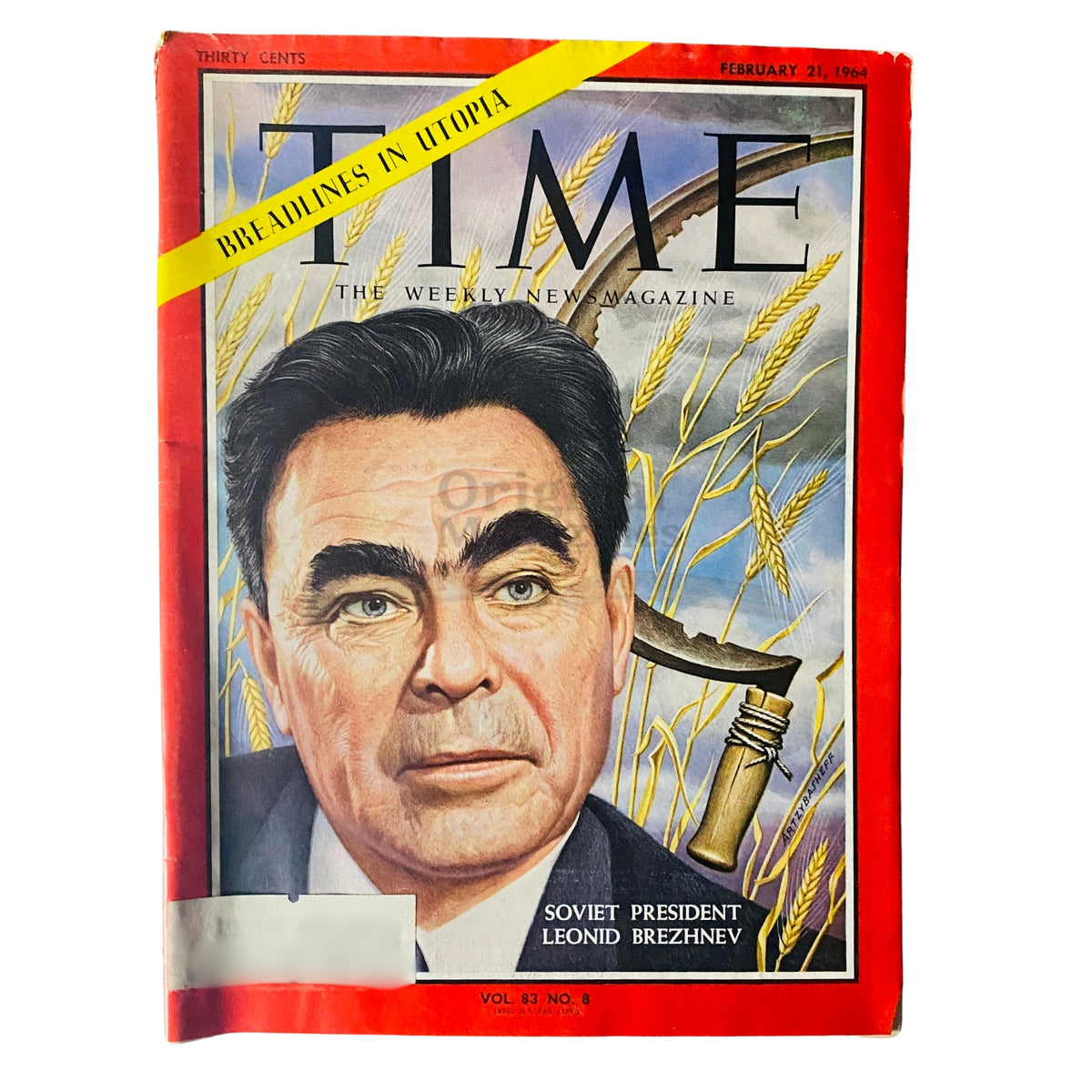
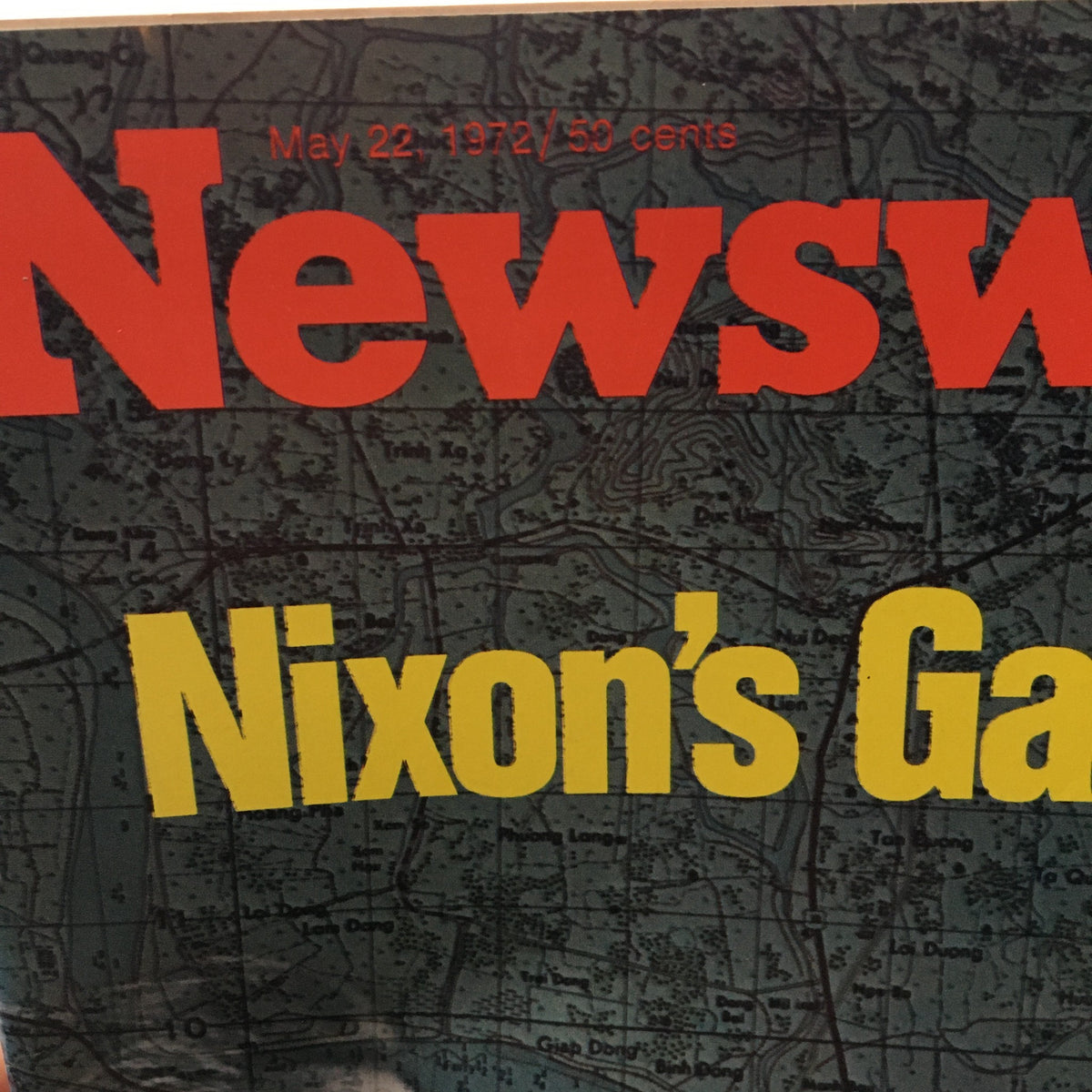
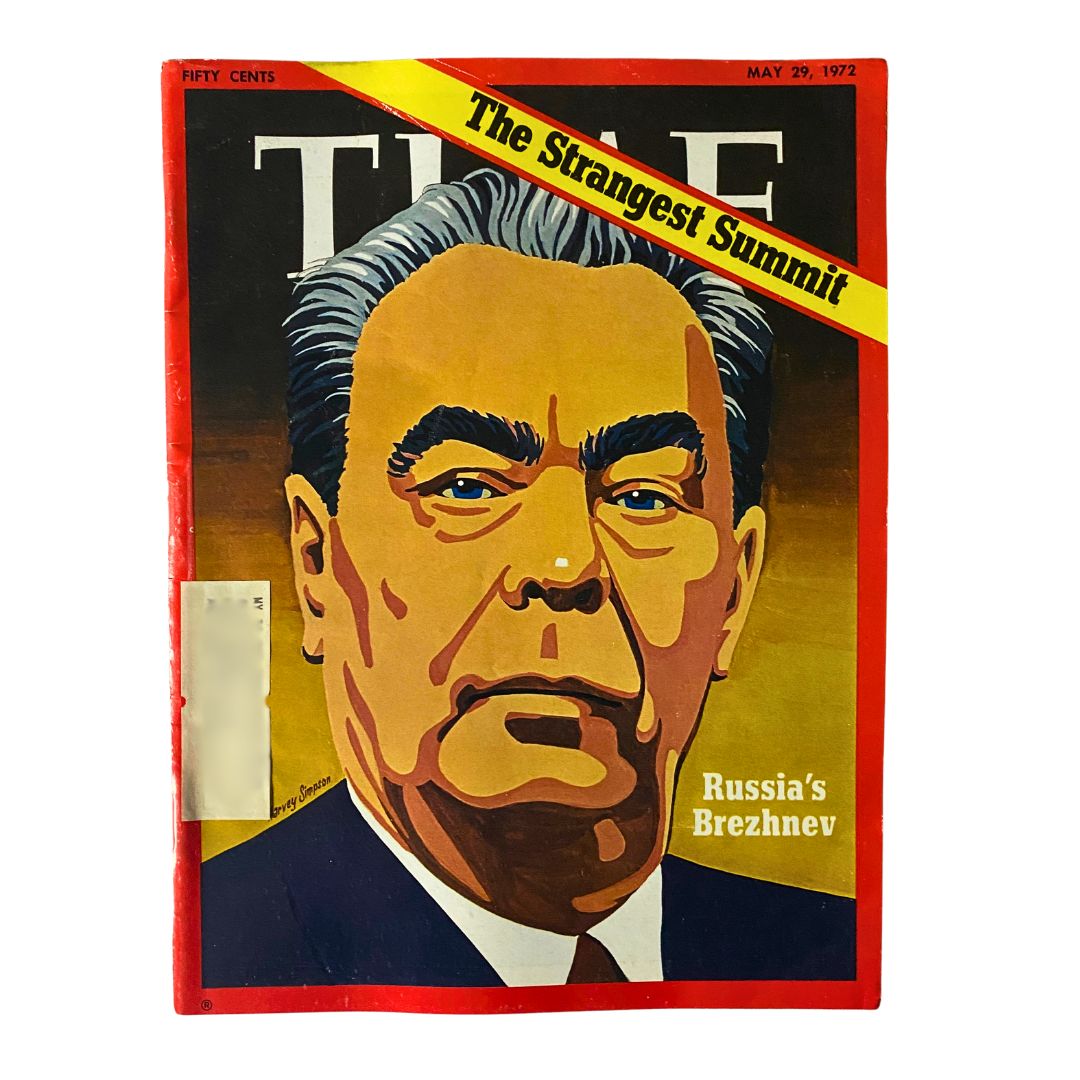
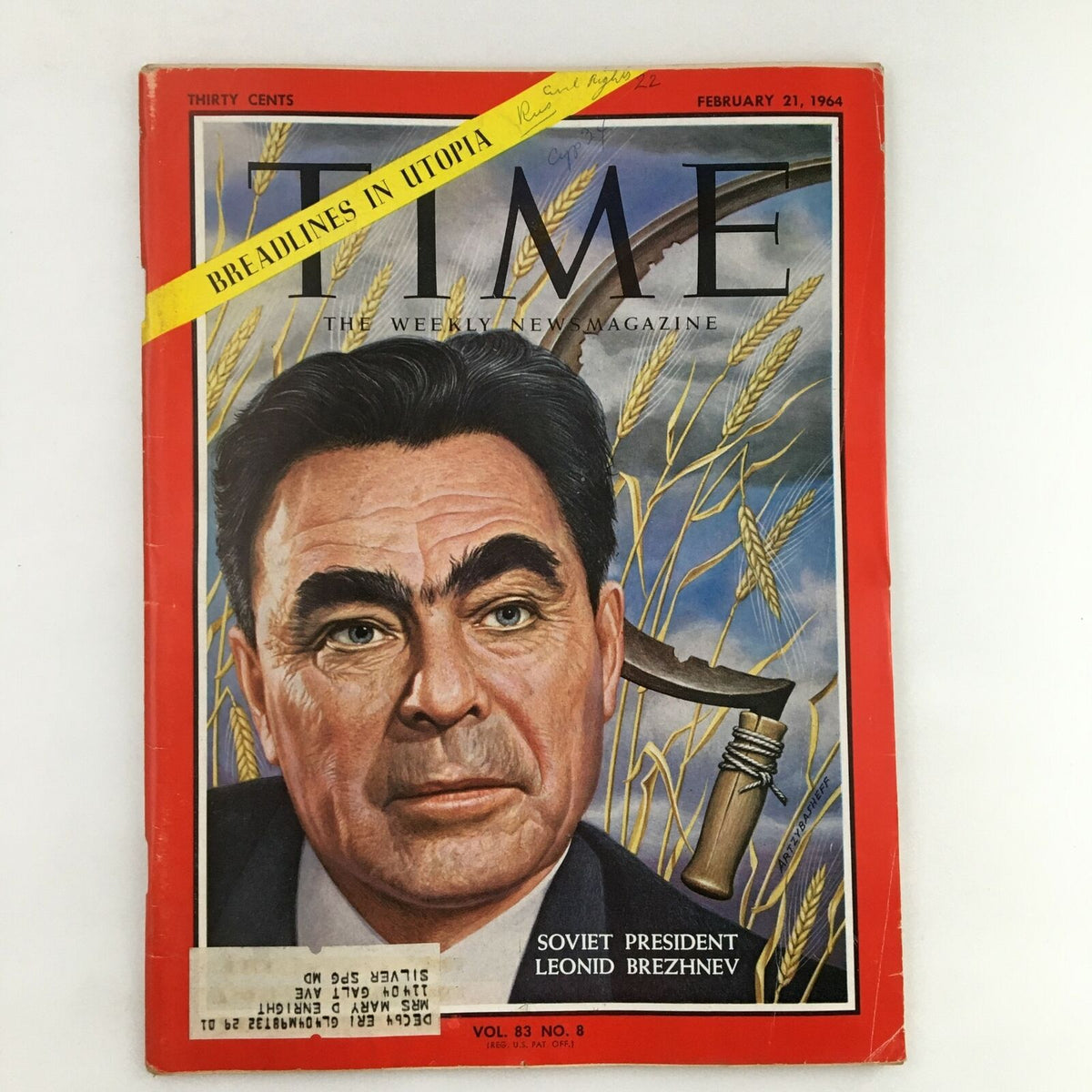
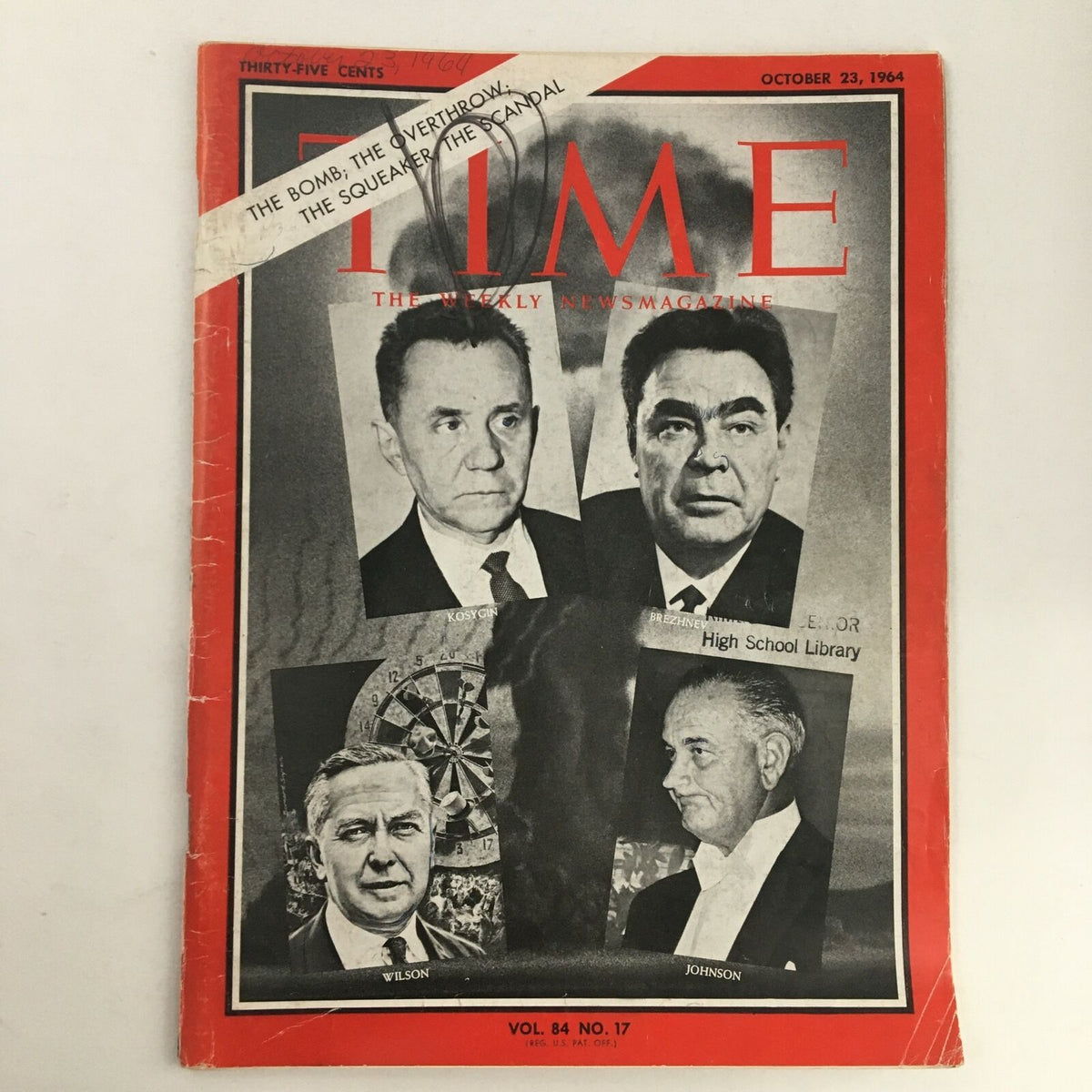
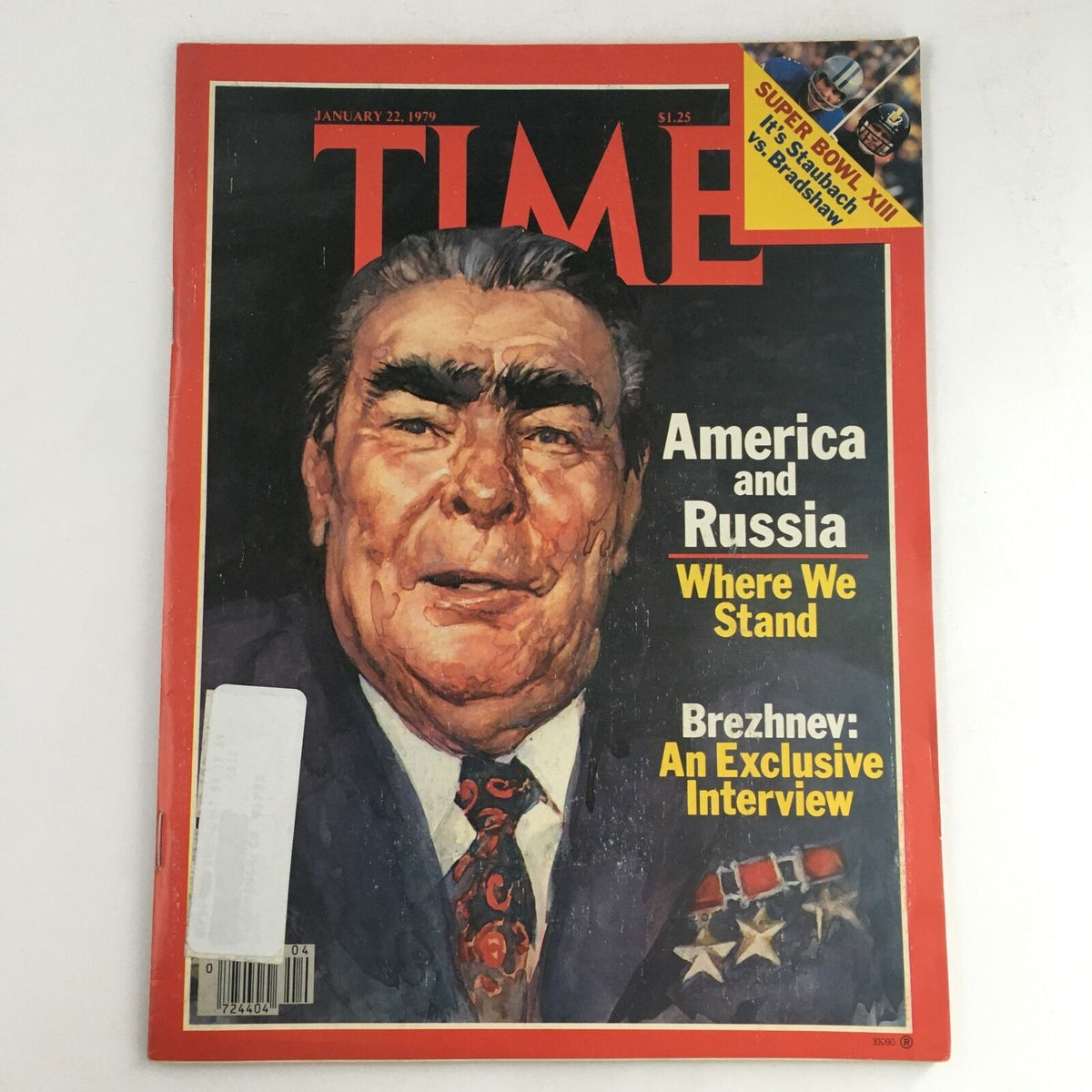
Vintage magazine coverage of the Brezhnev era is a remarkable study in ideological contrast. Western publications like Time and Newsweek returned to him obsessively throughout the 1970s, deploying stark, high-contrast wire photography — formal state portraits, tense summit tableaus, military parade imagery — alongside analytical essays that dissected Soviet doctrine with a palpable sense of geopolitical urgency. Paris Match, with its unrivaled gift for marrying photojournalism to narrative sweep, captured the theatrical grandeur of superpower diplomacy in full-bleed spreads that remain visually stunning today. Meanwhile, U.S. News & World Report offered dense, sober policy coverage that now reads as an invaluable primary record of how Western governments interpreted Kremlin intentions during the Prague Spring, the SALT negotiations, and the Soviet invasion of Afghanistan. Soviet domestic publications — Ogonyok and the official illustrated journal Soviet Union — present an equally fascinating counterpoint, offering the propagandist's meticulously curated image of a beloved statesman: warm, decorated, and invincible. Taken together, this breadth of coverage — from the critical Western gaze to the triumphalist Soviet spread — gives collectors a genuinely rare opportunity to witness the same man refracted through entirely opposing ideological lenses, each publication a product of its own political universe. It is this tension, frozen in ink and paper, that makes the archive so historically intoxicating.
Curator's Checklist: Highlights Often Include
-
Summit & Diplomacy Covers: Issues from the historic Nixon-Brezhnev summits of 1972 and 1973 are among the most sought-after, capturing the surreal spectacle of Cold War rivals in formal embrace — a visual story that defined an era of fragile, hopeful détente. Coverage of his later meetings with President Ford at Vladivostok and the SALT II signing with Carter in Vienna further chronicles the arc of a diplomatic era unlike any before or since
-
Cold War Crisis Reporting: Coverage of the 1968 Warsaw Pact invasion of Czechoslovakia frequently features the General Secretary front and center, with editorials that capture the West's dawning reassessment of Soviet intentions under his leadership. The brutal clarity of those issues — written in real time, without the comfort of historical hindsight — gives them an urgency and emotional weight that no retrospective account can replicate
-
Space Race & Military Prestige: Issues celebrating Soviet space and military achievements — areas in which the USSR excelled during his tenure — often feature sweeping patriotic imagery and reflect the ideological pride he cultivated as the state's public face. Publications from the early-to-mid 1970s particularly capture the apex of Soviet hard power, a moment when the Kremlin's military and technological prestige was at its Cold War zenith
-
Late-Era Decline & Succession Speculation: Publications from the late 1970s and early 1980s carry a notably different editorial tone, with increased coverage of his visible physical deterioration and urgent speculation about Kremlin succession — a political drama that transfixed the global press. These issues document the slow twilight of an era, and their elegiac, watchful quality makes them among the most poignant artifacts of the entire Cold War archive
-
Soviet Domestic Publications: Official illustrated magazines produced within the USSR offer a rare and invaluable counternarrative — hagiographic, visually polished, and deeply revealing of the image the Soviet state constructed around its leader for domestic consumption. For collectors with an eye toward propaganda studies or visual culture, these publications are extraordinary documents of state-crafted mythology, as artful and deliberate as any wartime poster
The Collector's Value
There is something irreplaceable about receiving the Cold War not as a Wikipedia summary, but as a yellowed newsstand magazine — the slightly rough texture of mid-century coated paper stock beneath your fingers, the faint ghost of decades-old ink, the surrounding advertisements for Pan Am flights and Bell telephones that place you, irrevocably, in the world that feared nuclear midnight. These are not reprints or digital archives; they are the actual objects through which a generation navigated one of history's most consequential geopolitical standoffs. Each issue is a time capsule of editorial judgment, graphic design, and public anxiety, frozen at the exact moment it was printed — before the outcome was known, before the wall fell, before the verdict of history was rendered. The graphic language of the era is itself a collector's treasure: the bold, urgent typography of 1970s newsweeklies, the dramatic chiaroscuro of Cold War portraiture, the full-page infographics mapping missile ranges and troop deployments with an almost aesthetic intensity. For collectors of Cold War history, Soviet studies, or 20th-century political memorabilia, these publications offer an unmediated, primary-source encounter with the era that no retrospective account can replicate. They are, in the most literal sense, the first draft of history — handled, folded, and read by people who did not yet know how the story would end. Explore our current available inventory below, and discover which extraordinary pieces of that vanished world are waiting to find a new home.