📖 About this Collection
Lil Wayne: The Ink That Dripped Before the Stream
The Legend & The Legacy
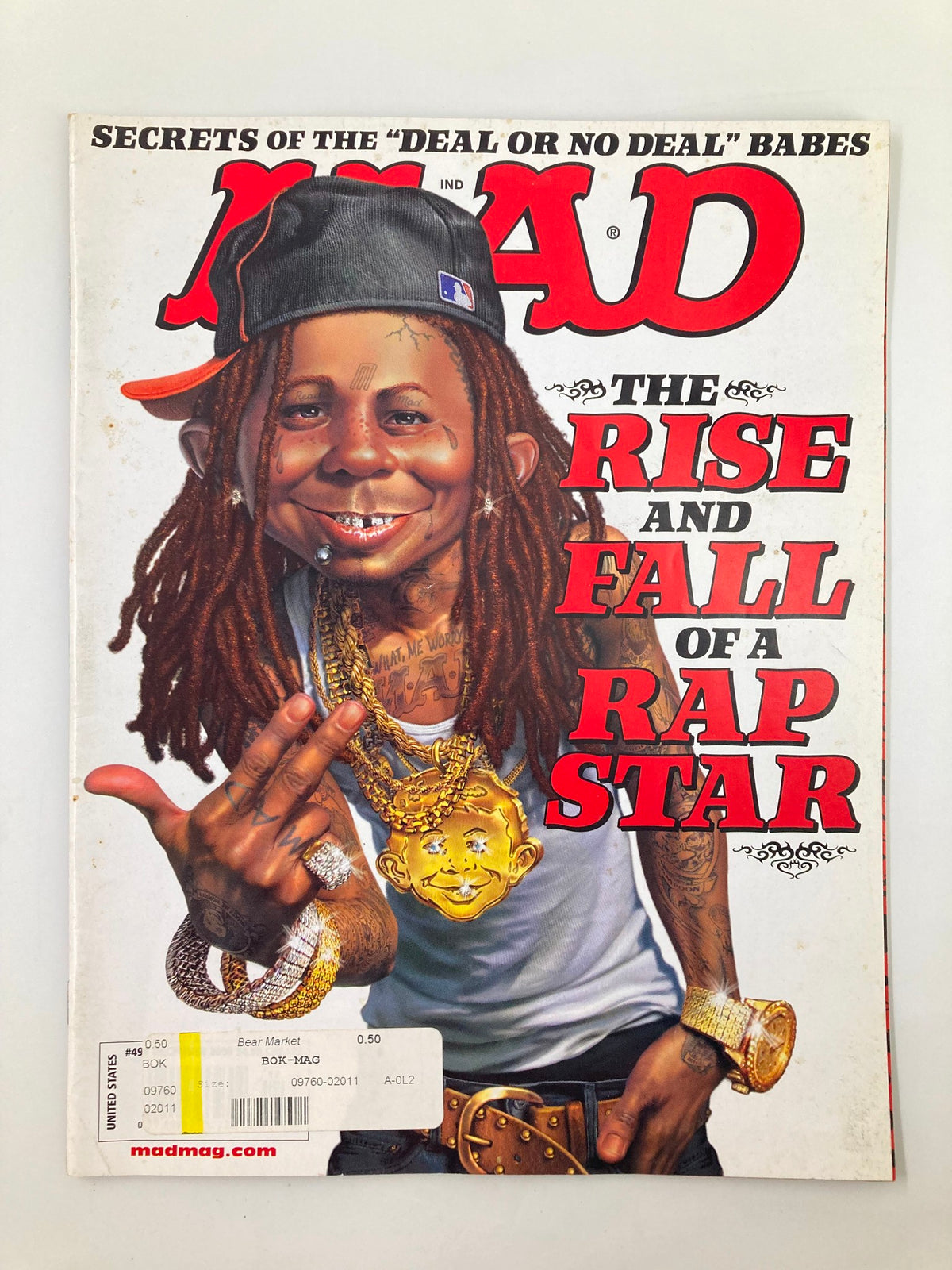
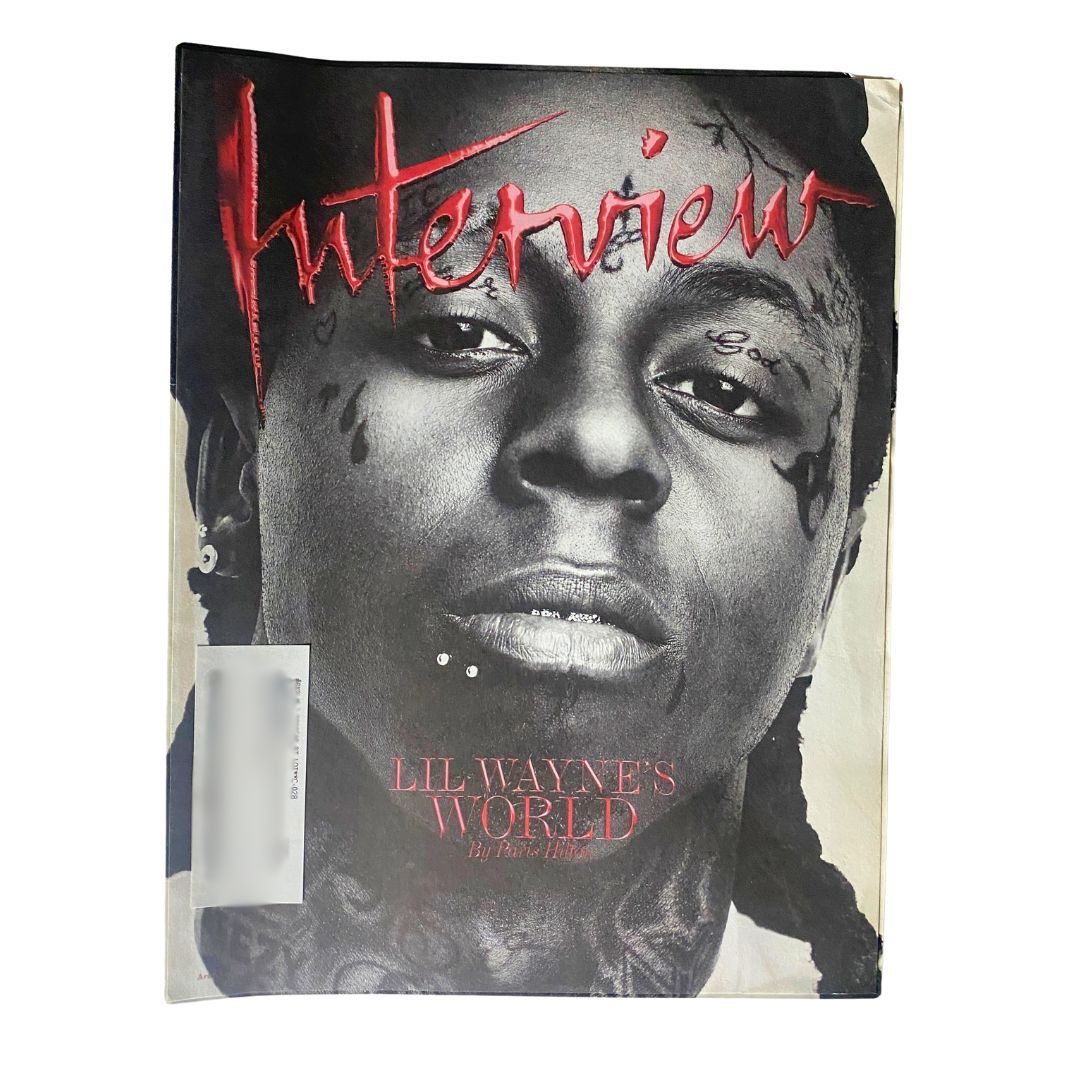
Before the timeline, before the thread, before the algorithm decided what mattered — there was the magazine rack. Dwayne Michael Carter Jr., born in the Hollygrove neighborhood of New Orleans, announced himself to the world not through a viral moment but through ink on paper, through cover stories and pull quotes that music editors fought over in editorial meetings. Rising to prominence in the late 1990s as a teenager signed to Cash Money Records, and ascending to a near-mythological status through the mid-2000s with Tha Carter series, he became one of the most documented artists of his generation in physical print. At his peak — roughly 2004 through 2011 — the Young Mula figurehead was inescapable on newsstands, his face staring out from glossy covers in barbershops, airport lounges, and college dormitories across America. His story — rags to rap royalty, prolific genius, legal battles, and cultural transcendence — was one that magazine editors knew sold copies, and they returned to it again and again with the reverence usually reserved for rock legends.
Inside the Archive
Vintage magazine coverage of the self-proclaimed Best Rapper Alive reflects the visual and editorial language of hip-hop's golden commercial era — oversized platinum jewelry catching studio light, tattoo-laden skin rendered in high-contrast photography, and headlines that leaned into both his bravado and his vulnerability. Publications like XXL placed him on their coveted cover during his most explosive mixtape years, with sprawling features that read as cultural manifestos as much as artist profiles. Rolling Stone, which had long chronicled rock royalty, acknowledged the seismic shift in American music by turning its lens on the New Orleans MC with the seriousness it once reserved for Dylan or Springsteen. Vibe, the essential document of hip-hop's mainstream moment, captured him across multiple eras — from young Cash Money prodigy to reigning commercial king — with editorial photography that balanced street authenticity with pop iconography. International editions of hip-hop and urban lifestyle publications extended his reach across Europe and beyond, testament to the borderless nature of his influence.
Curator's Checklist: Highlights Often Include
- Early Cash Money coverage (late 1990s–early 2000s): Features spotlighting the Hot Boys era and the young Carter's emergence as a standout voice within Birdman's New Orleans empire, often found in urban music publications of the period
- The Tha Carter III moment (2008): Editorial coverage surrounding one of the best-selling rap albums of the decade, including newsstand issues that grappled with his dominance across both critical and commercial metrics
- Mixtape-era profiles (2006–2009): Long-form magazine journalism attempting to contextualize the No Ceilings and Dedication mixtape phenomenon, a rare instance of print media chasing a story born entirely outside traditional industry structures
- Legal and personal chapters: Features and news items covering his highly publicized legal battles, including his incarceration period in 2010, documented with the gravity that major print outlets afforded culturally significant figures
- Style and crossover coverage: Appearances in skateboarding, fashion, and lifestyle publications reflecting his genre-defying influence on youth culture, streetwear, and the blurring of hip-hop with mainstream American identity
The Collector's Value
To hold one of these issues is to hold a timestamp — a frozen editorial decision made by a room full of people who understood, in that precise moment, that this artist was too important to ignore. The paper stock of a mid-2000s XXL or Rolling Stone carries its own testimony: the slight give of the pages, the particular weight of a glossy cover, the faint ghost of ink and print-run chemistry that no digital archive can replicate. Surrounding the feature stories are the advertisements of the era — the Rocawear spreads, the Sidekick phone campaigns, the energy drink double-page bleeds — that place the subject firmly within the commercial and cultural ecosystem of his time, making each issue a complete document of an era rather than merely a profile of a man. For collectors of hip-hop memorabilia, early 2000s music history, or New Orleans cultural heritage, these publications offer an irreplaceable primary source — physical proof of a legacy being written in real time, before streaming numbers replaced column inches as the measure of greatness. Browse the current inventory below and discover which pieces of that story are available today.