📖 About this Collection
Linda Ronstadt: The Voice That Moved Mountains
The Legend & The Legacy
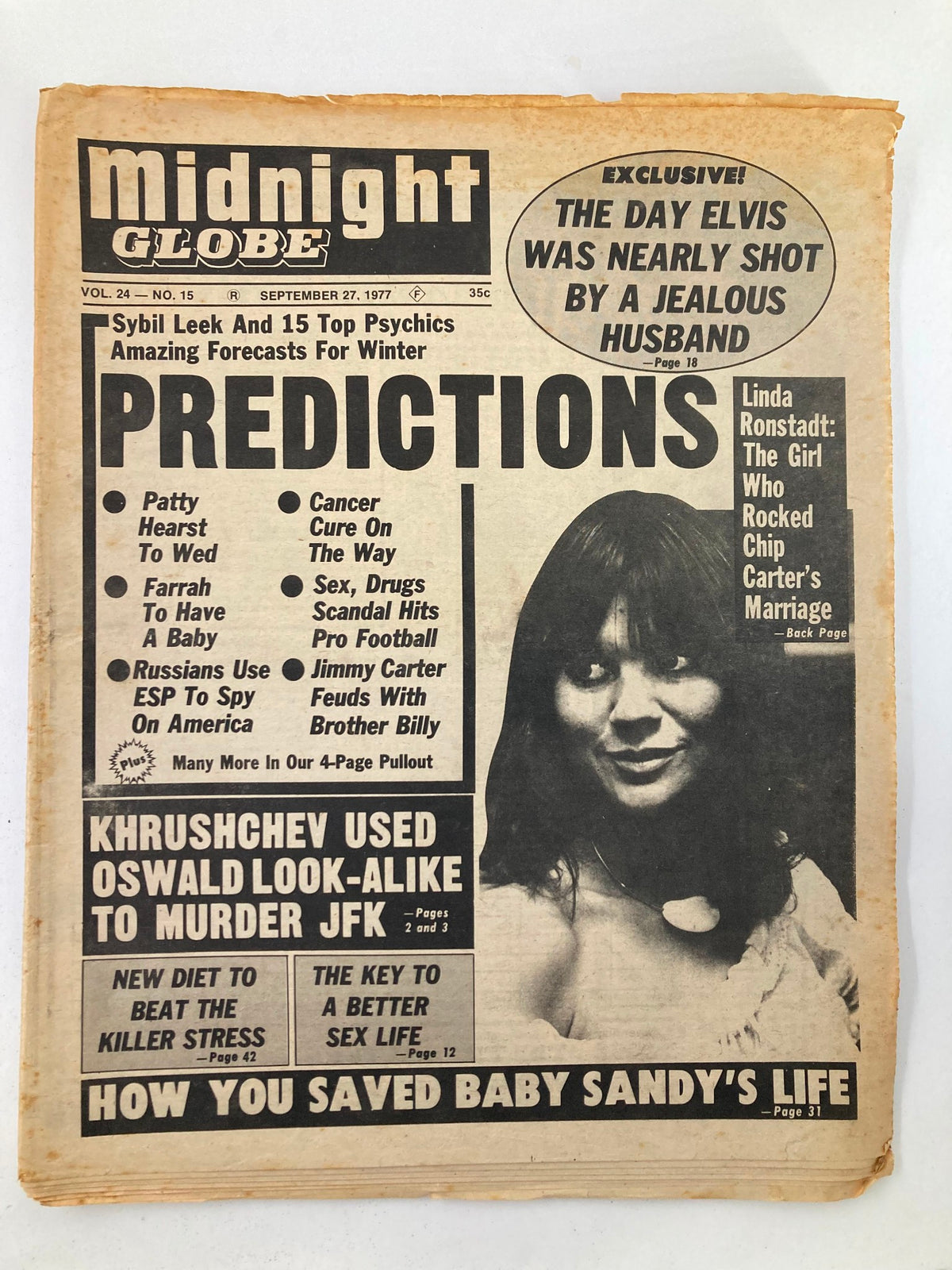
From the sun-baked stages of Tucson to the electric arenas of 1970s America, Linda Ronstadt became something far greater than a pop star — she was a cultural barometer, a woman who defied every category the music industry tried to press her into. At a time when female artists were expected to choose a lane and stay in it, she careened gloriously between country, rock, folk, opera, and mariachi, collecting Grammy Awards and devoted fans in equal measure. Before streaming algorithms and social feeds, her story unfolded in ink — on newsstands, in record store waiting rooms, on kitchen tables across America and beyond. Every album cycle brought a fresh wave of print coverage, each journalist seemingly compelled to ask: who, exactly, is she this time? That restless reinvention made her not just a musician but a recurring cultural event, the kind of figure that editors scheduled cover shoots around because they knew readers would stop and stare.
Inside the Archive
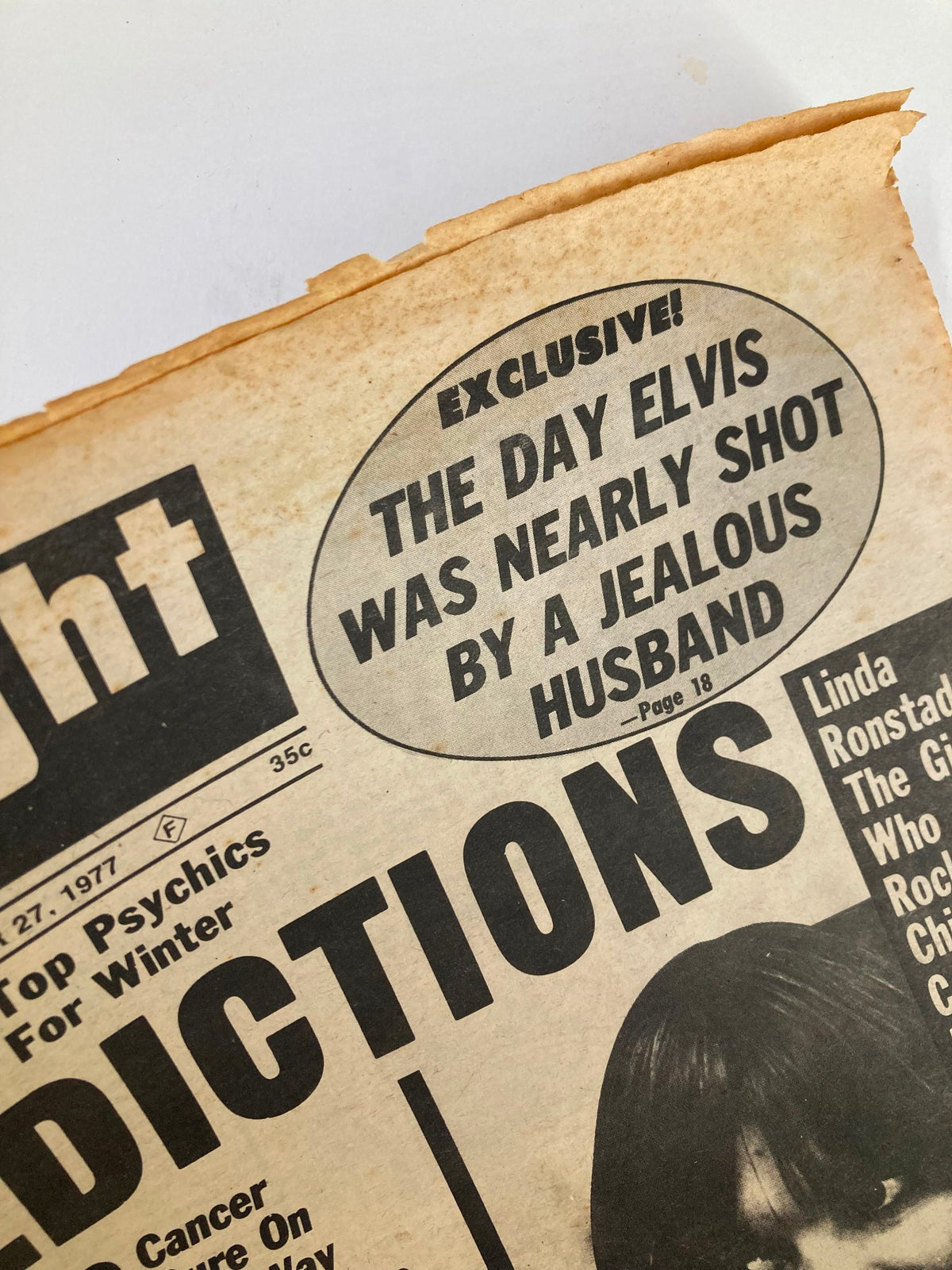
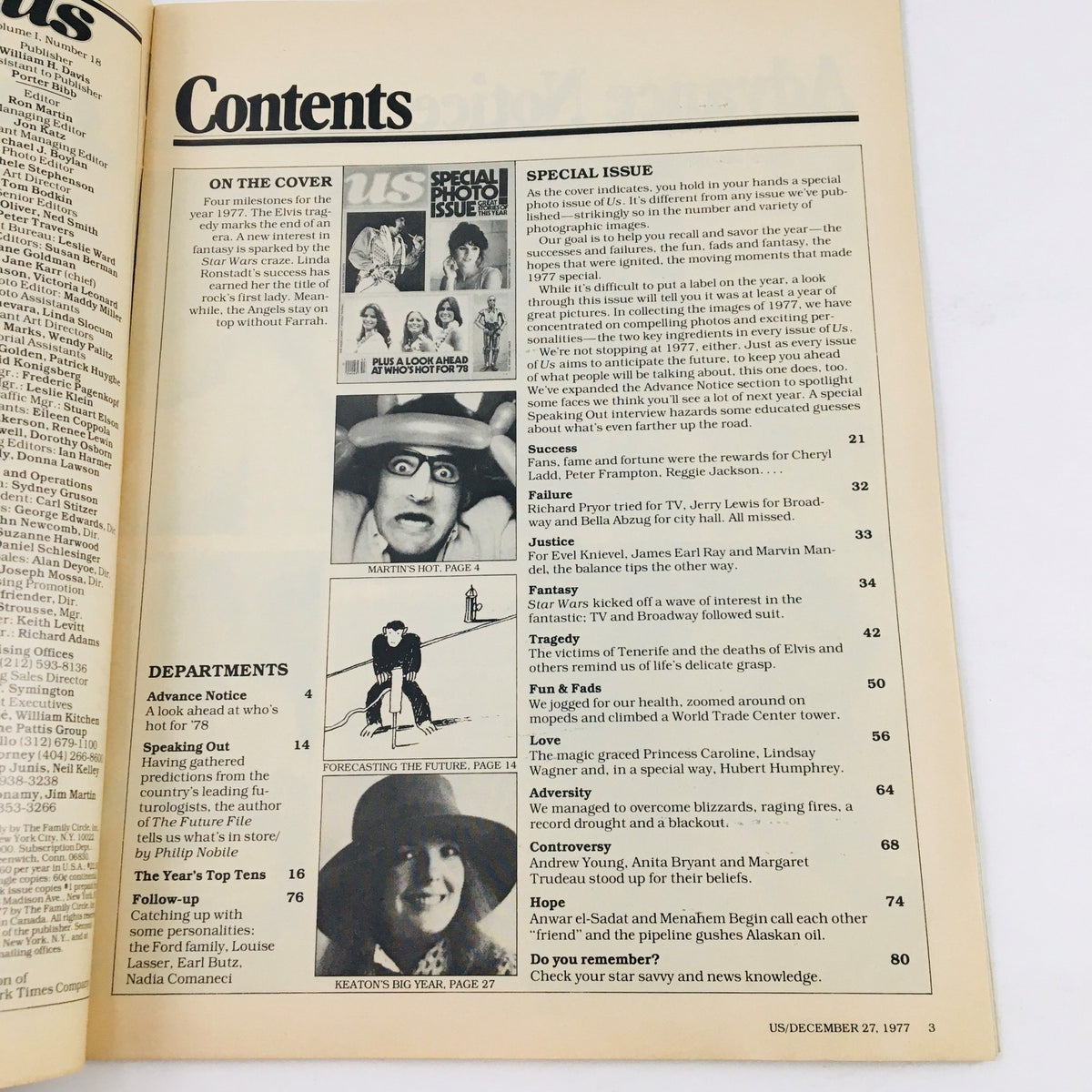
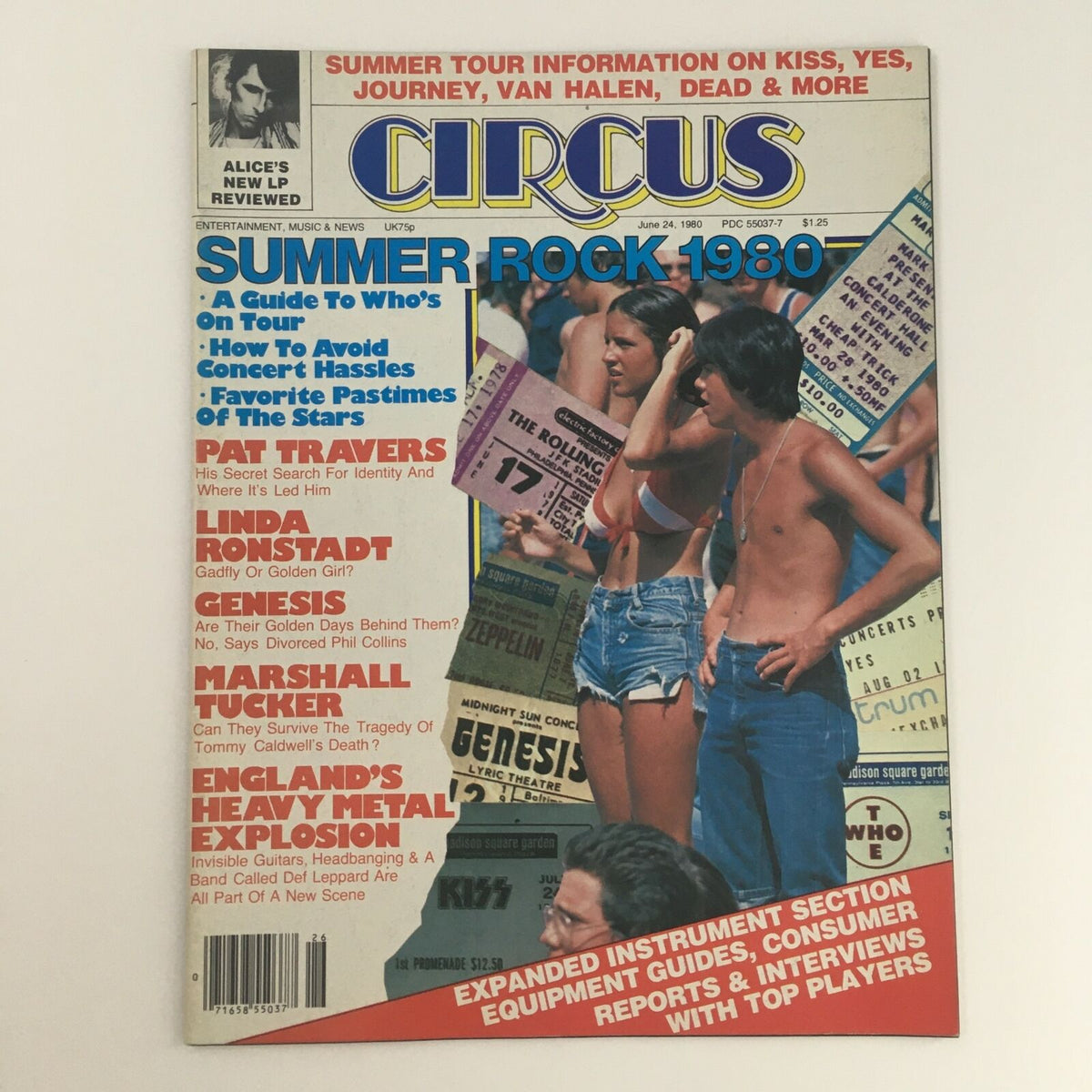
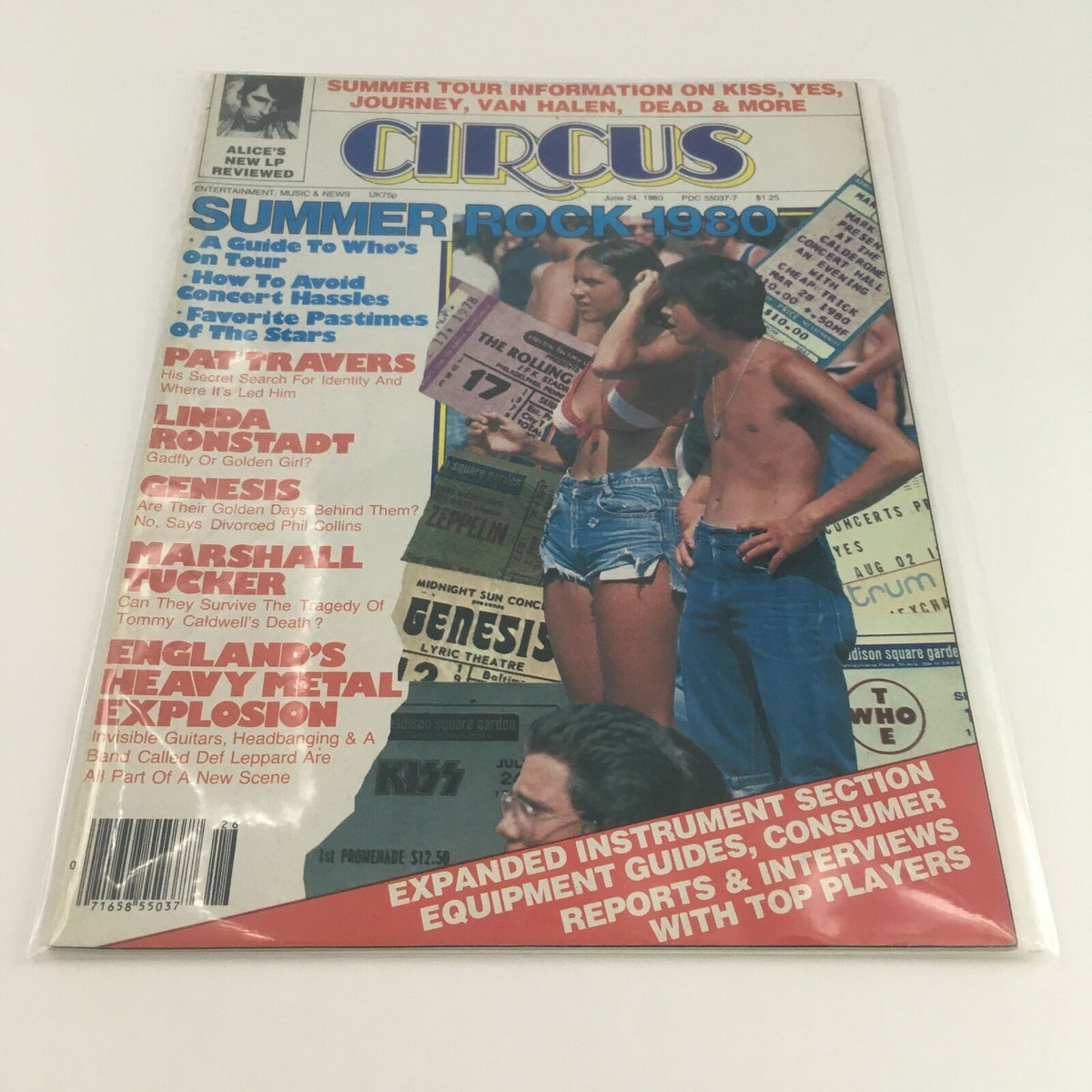
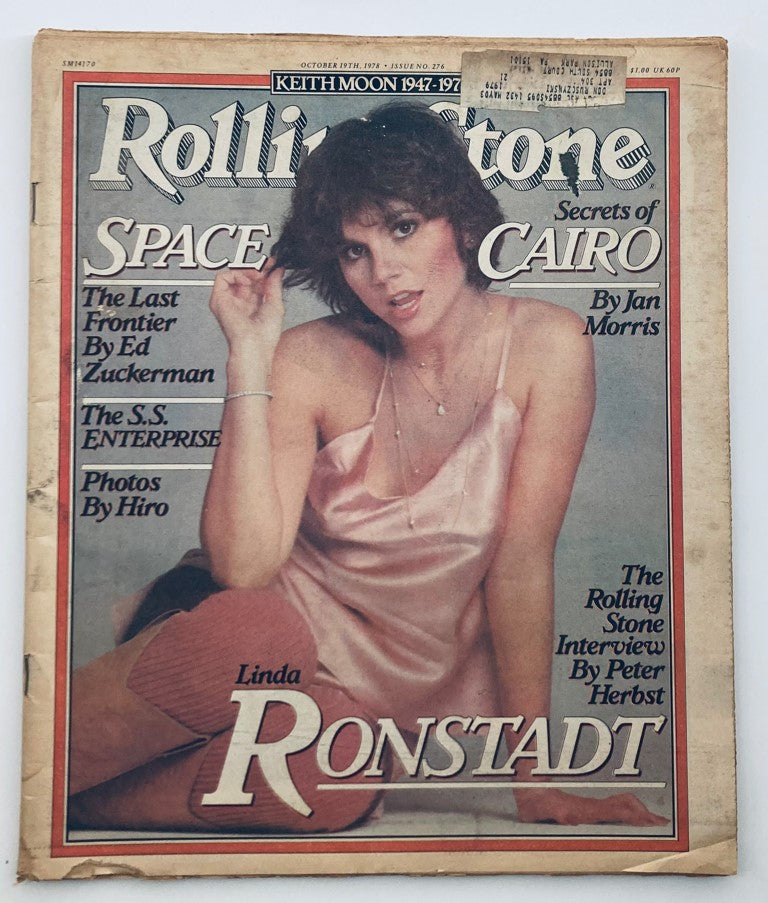
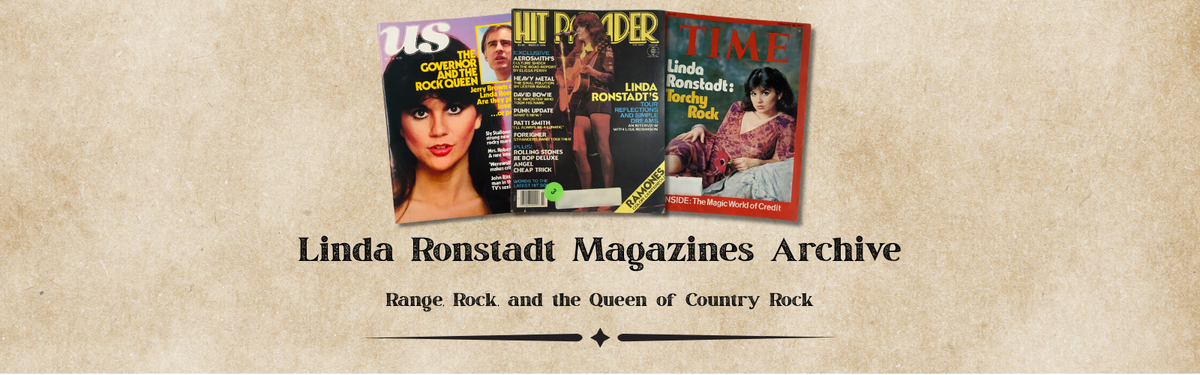
Vintage magazines treated her with a mixture of reverence and fascination that produced some of the most visually arresting editorial photography of the era. Photographers leaned into her natural magnetism — her dark eyes, her effortless shift between girl-next-door warmth and fierce artistic authority — producing images that ranged from sun-drenched California intimacy to polished, high-contrast studio portraiture. Rolling Stone, arguably her most natural home in print, chronicled her ascent from the country-rock Troubadour scene through her commercial peak with an editorial devotion reserved for only its most canonical figures. People magazine, which launched in 1974 just as her stardom was cresting, returned to her repeatedly throughout the decade, treating her love life, her friendships, and her evolving image as perennial front-of-book material. Meanwhile, Circus and Creem gave her ink from the harder-edged rock press, ensuring that her cultural reach extended well beyond the soft-rock radio audience she was so often reduced to by lazy critics.
Curator's Checklist: Highlights Often Include
- Peak-era rock royalty coverage (mid-to-late 1970s): Issues tied to landmark albums such as Heart Like a Wheel, Simple Dreams, or Living in the USA, frequently featuring full-length artist profiles and iconic posed or live-performance photography
- The Hollywood social scene: Coverage reflecting her prominent role in the celebrated Los Angeles creative circle of the era, including editorial context around her friendships and collaborations with figures like Warren Zevon, Emmylou Harris, and the Eagles
- The Broadway and operatic pivot (early 1980s): Magazine features documenting her acclaimed turn in The Pirates of Penzance and later La Bohème, a genuinely unexpected reinvention that generated wide coverage in both music and mainstream press
- The Canciones de Mi Padre chapter (late 1980s): A culturally significant moment that drew attention from both Latin-focused publications and the mainstream press, celebrating her return to her Mexican-American roots
- Year-end and decade retrospective issues: Collector-prized omnibus features from the late 1970s and 1980s that positioned her among the defining artists of the album-rock generation
The Collector's Value
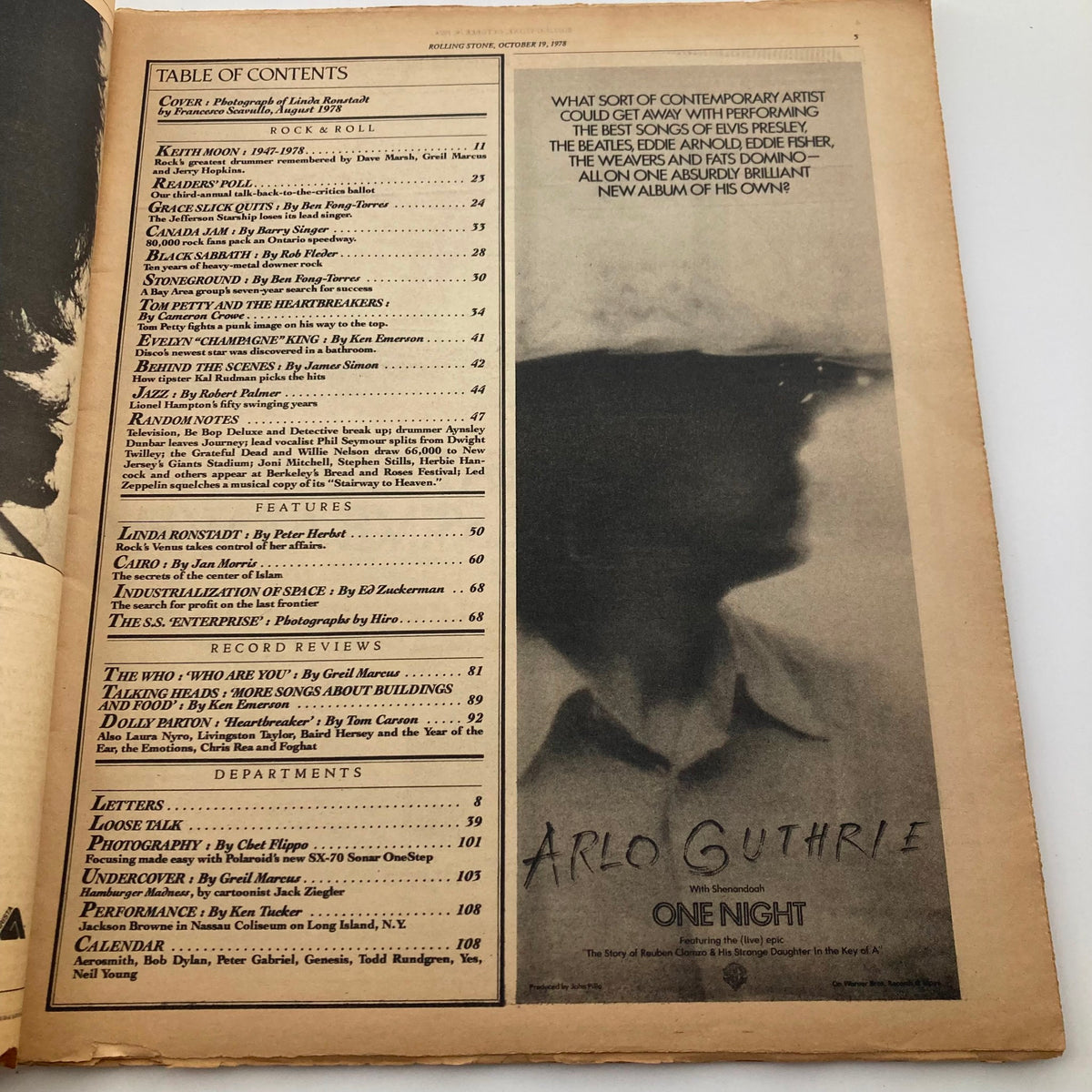
There is something irreplaceable about holding the era in your hands — the slight give of decades-old coated paper stock, the rich matte or gloss of a cover photograph printed when printing was still a considered craft, the ghost of an ink smell that no digital archive has ever managed to replicate. The advertisements alone are a time capsule: cigarette brands, department store fashions, and hi-fi stereo systems that bracket her image in the full texture of the world her audience actually inhabited. These are not reprints or commemorations — they are primary sources, artifacts of the precise cultural moment in which her voice first electrified a generation. For collectors of classic rock and singer-songwriter memorabilia, feminist cultural history and women in music, or 1970s and 1980s American pop culture ephemera, these publications offer an intimate, unmediated connection to an artist whose impact has only grown in retrospect. Explore the current inventory of original issues available below, and claim a piece of that irreplaceable history before it moves on.