📖 About this Collection
Lindsay Wagner: The Bionic Woman Who Became Television's Conscience
The Legend & The Legacy
In the mid-1970s, a quiet revolution aired on American primetime television, and its face belonged to Lindsay Wagner. When The Bionic Woman premiered in 1976, Wagner's portrayal of Jaime Sommers shattered the mold of the passive female protagonist — here was a woman who was physically powerful, emotionally complex, and unambiguously the hero of her own story. At a moment when second-wave feminism was reshaping American culture, she arrived as living proof that the argument had already been won on the screen. Winning the Emmy Award for Outstanding Lead Actress in a Drama Series in 1977, she became the rare television star whose cultural weight rivaled that of her film counterparts. In an era before on-demand viewing, fan forums, or social media, audiences experienced her entirely through two sacred channels: the weekly ritual of the broadcast and the glossy pages of the magazines that lined supermarket checkout lanes and suburban coffee tables. Print was the only place her story could be held, studied, and kept — and America held on tightly.
Inside the Archive
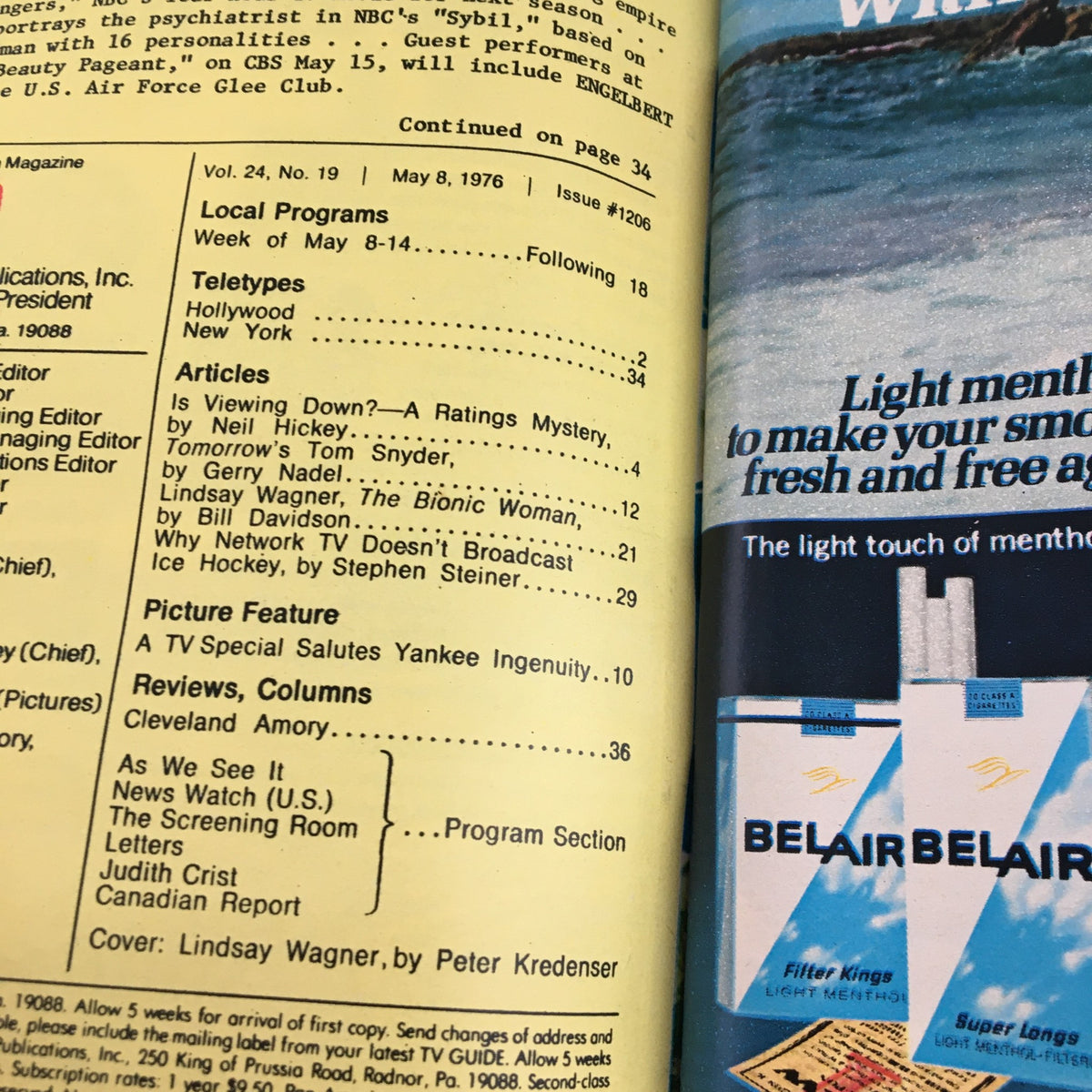
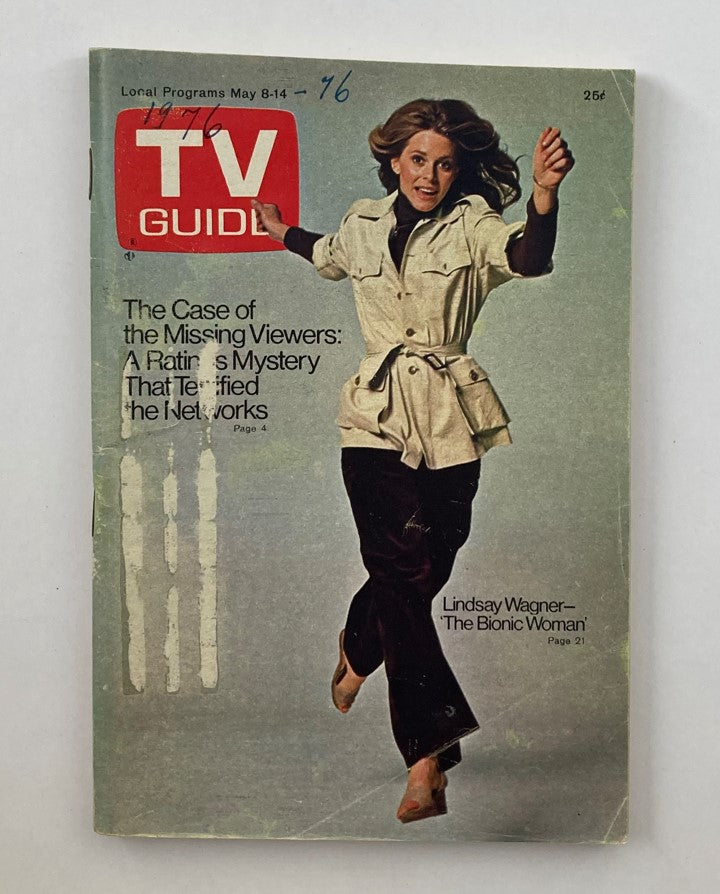
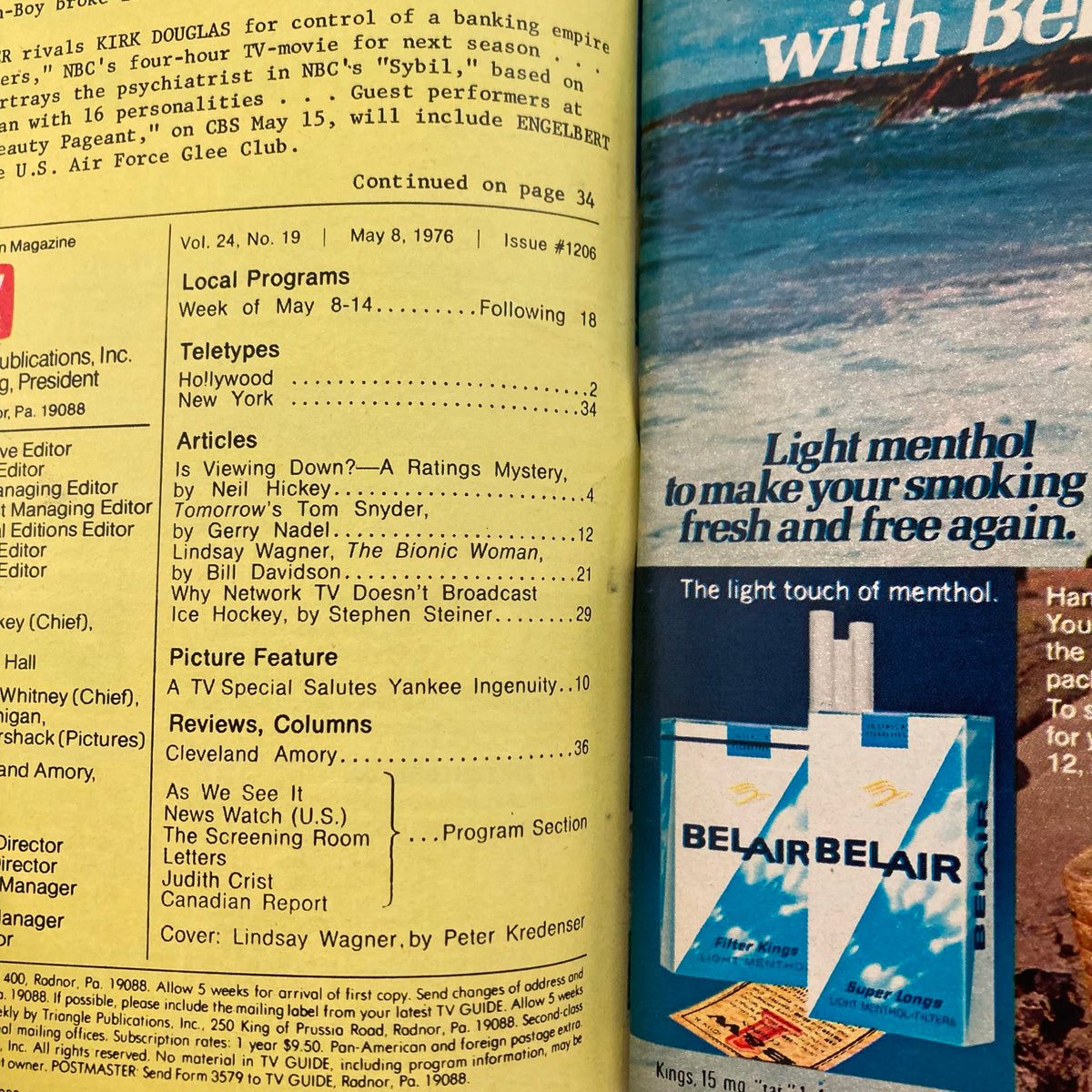
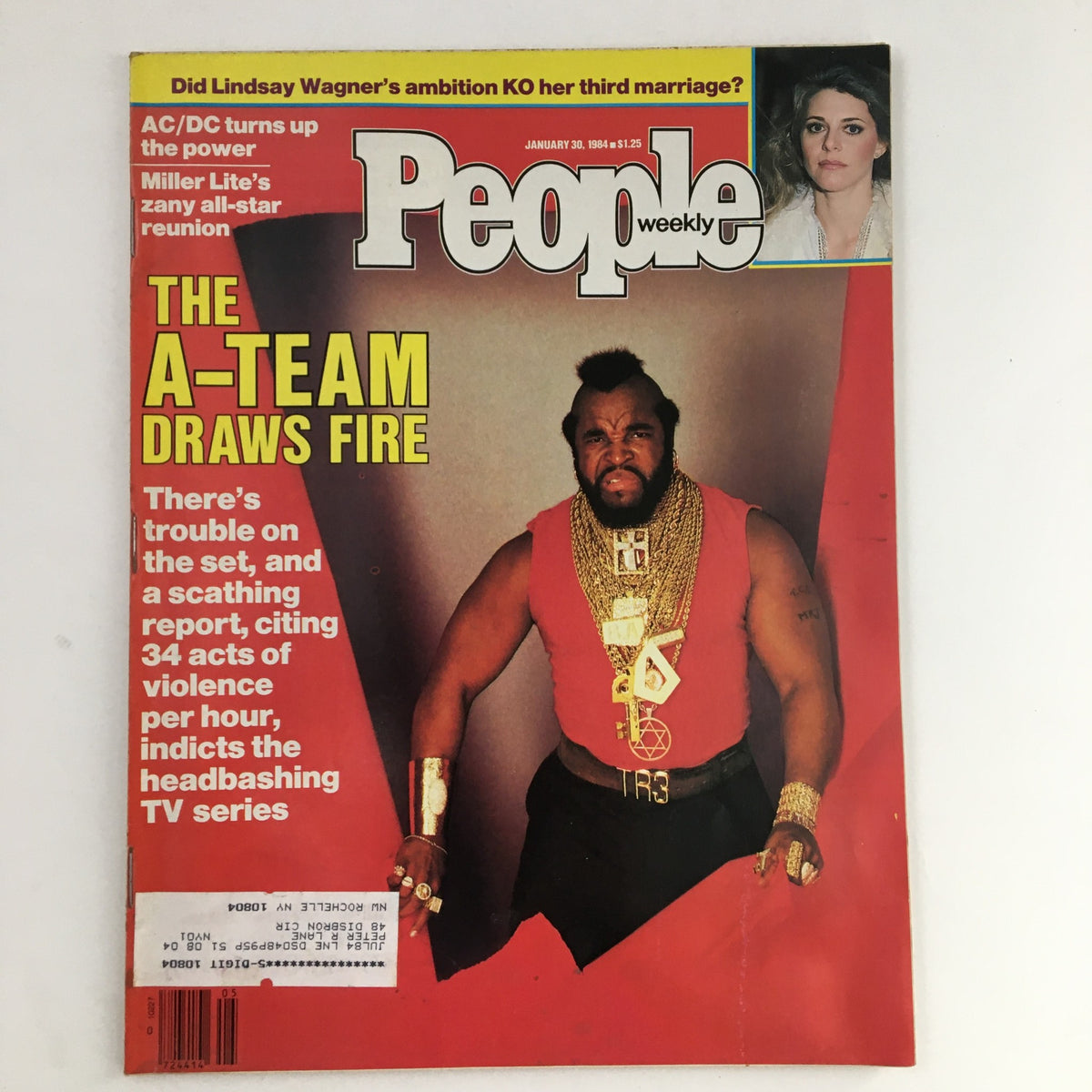
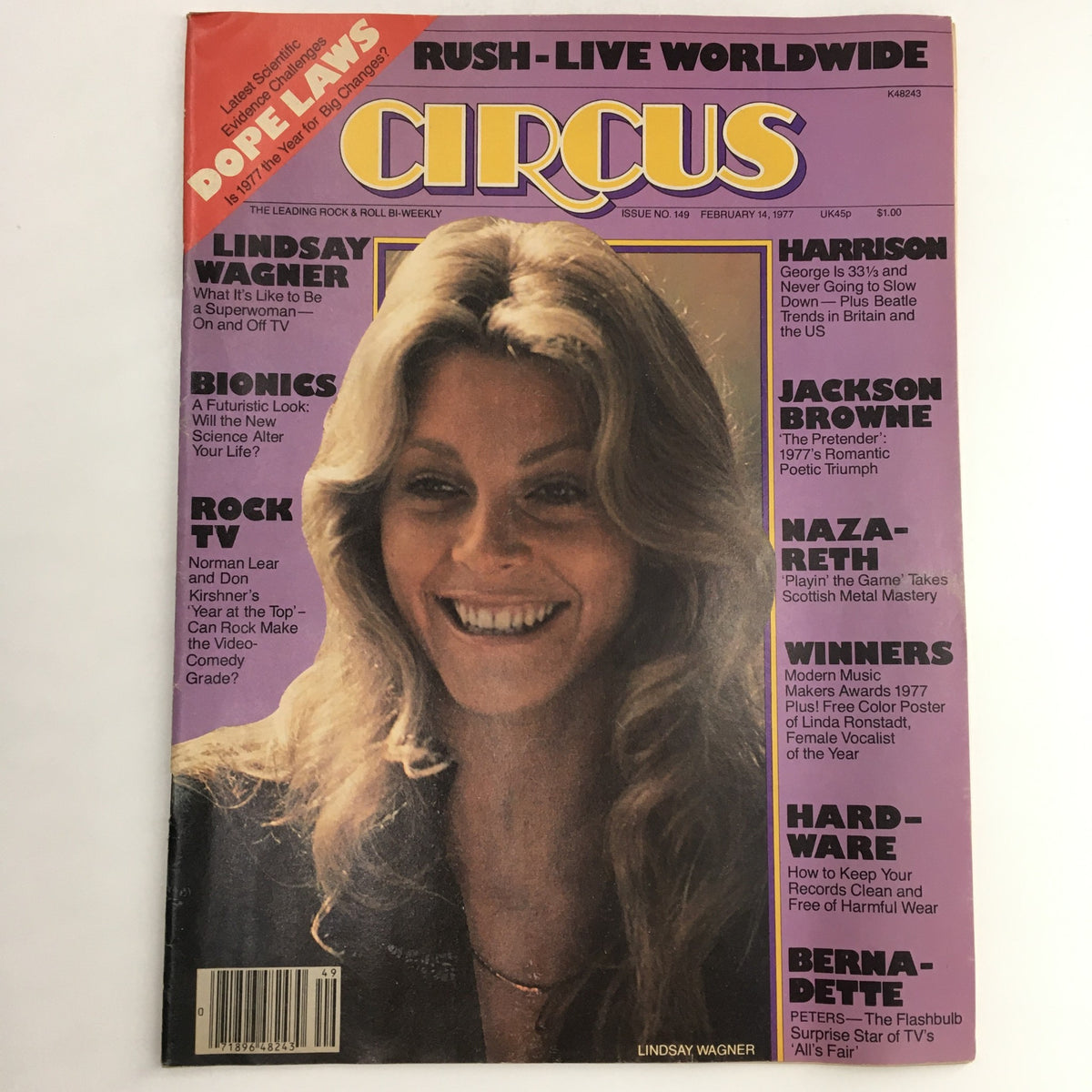
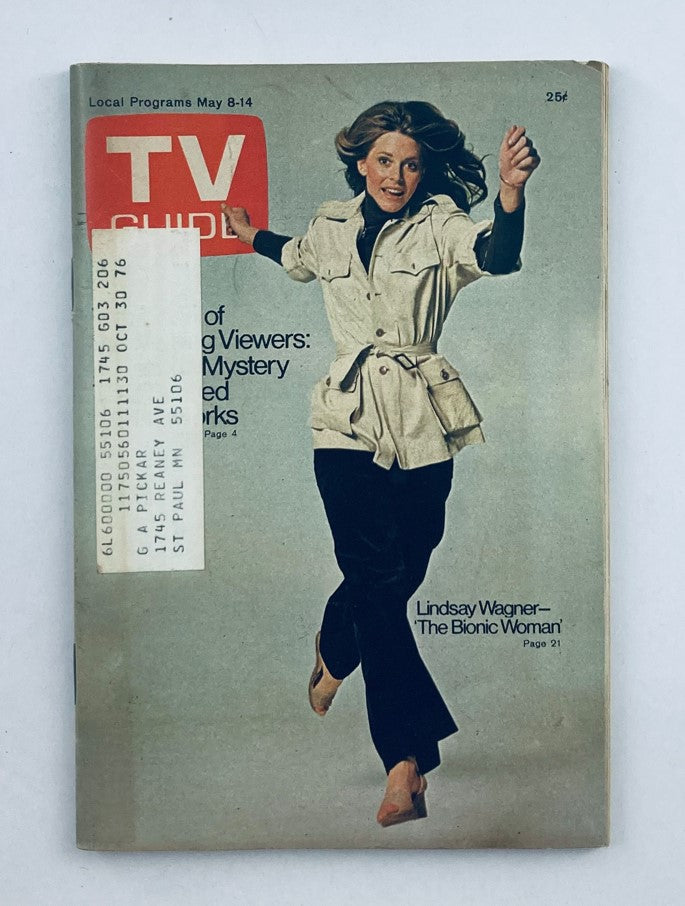
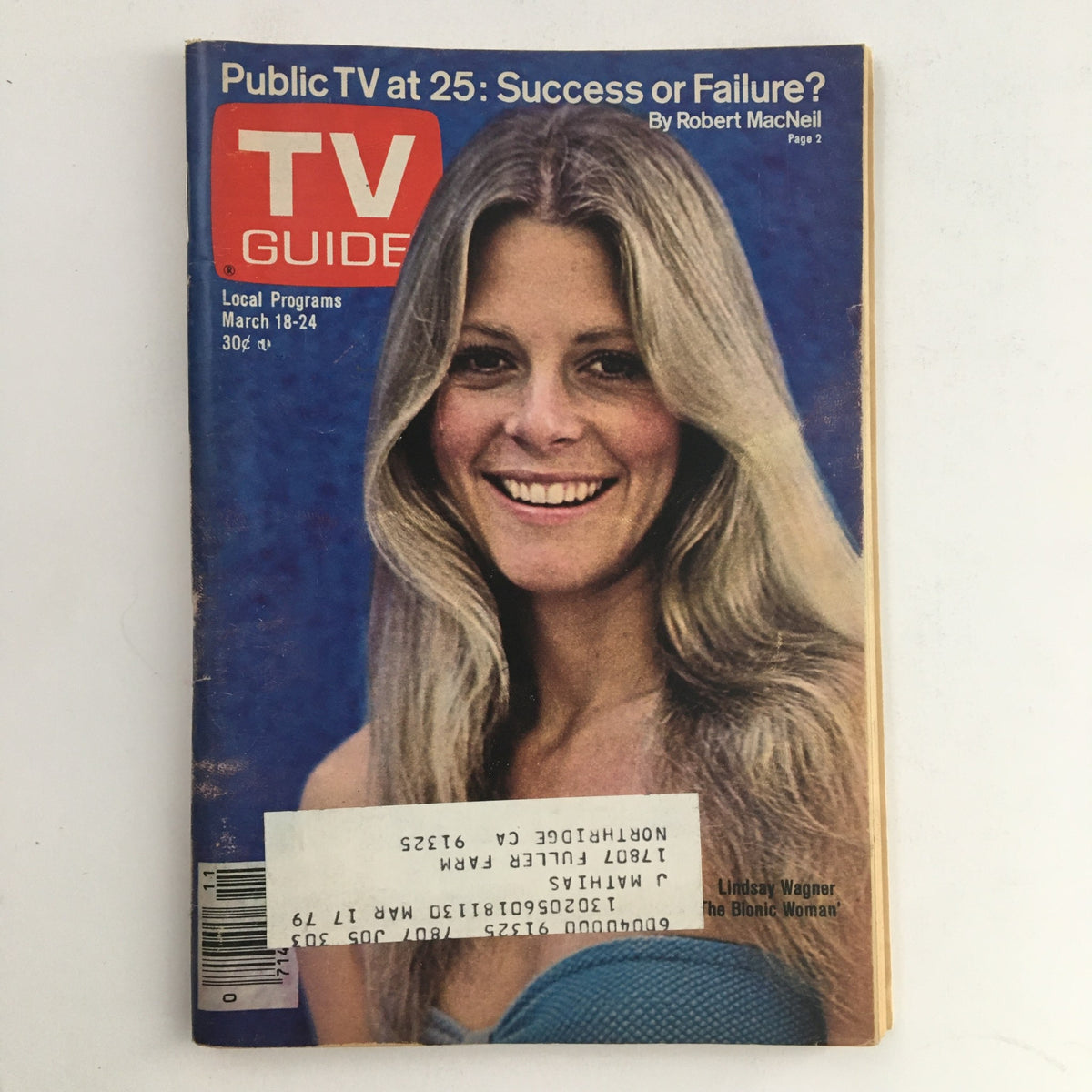
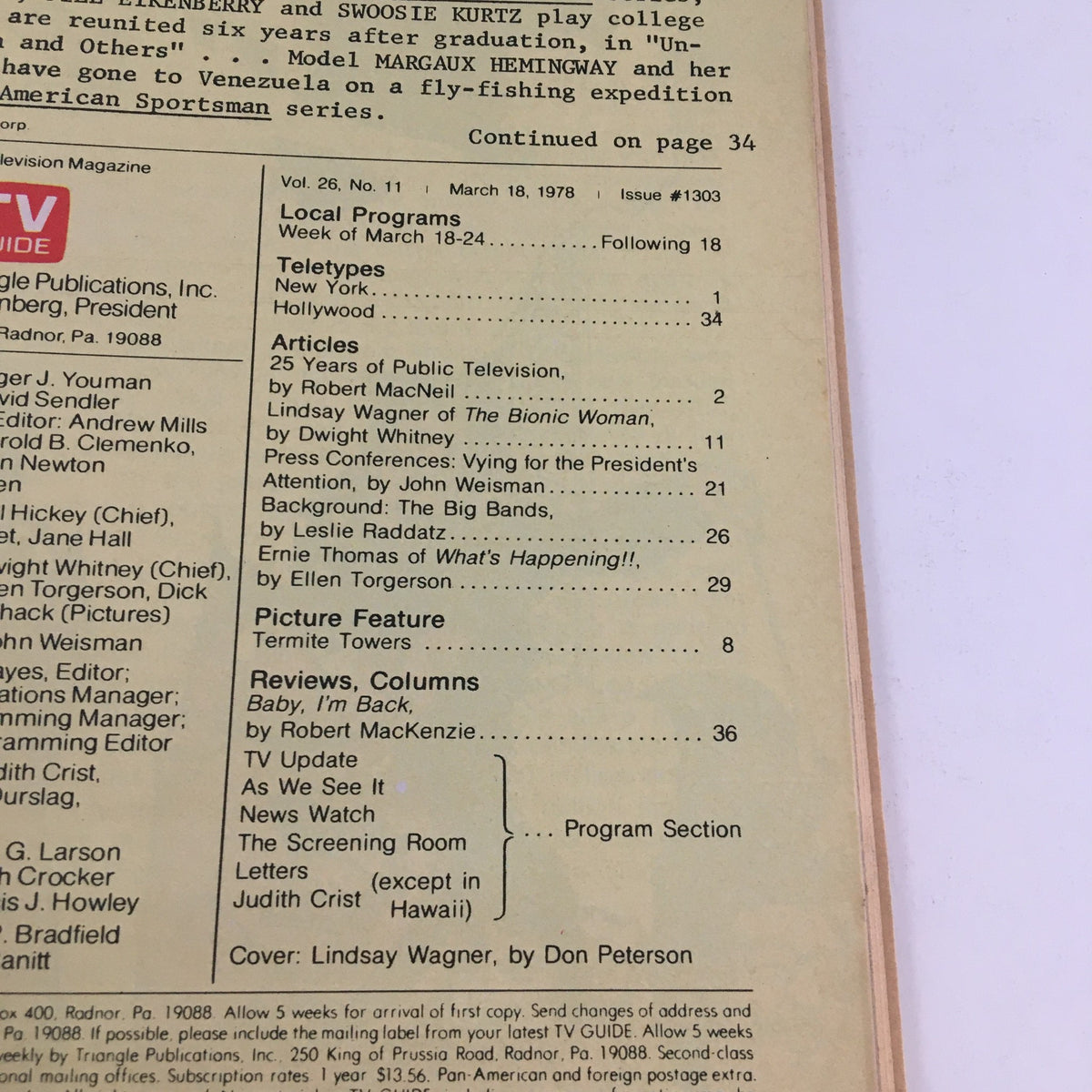
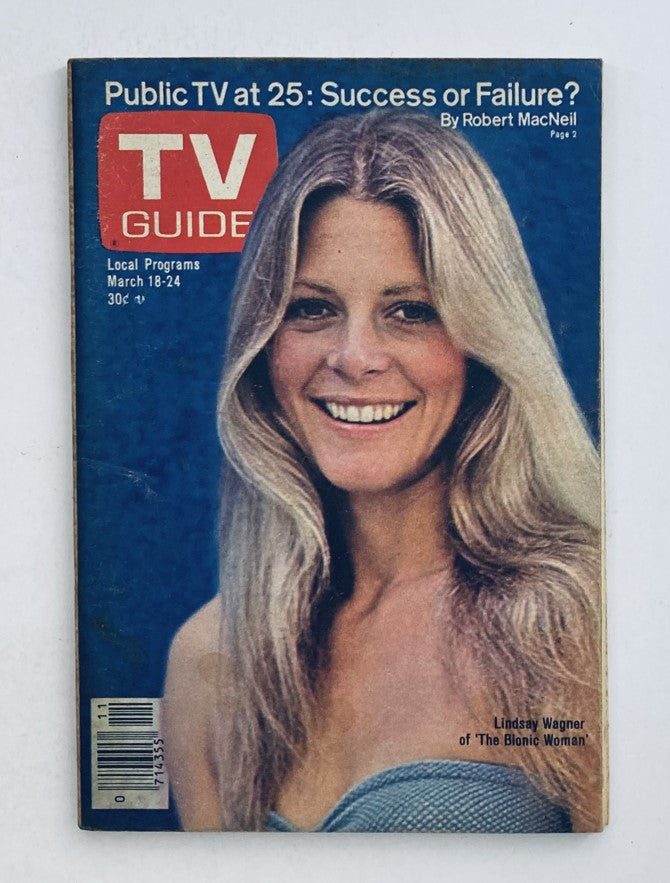
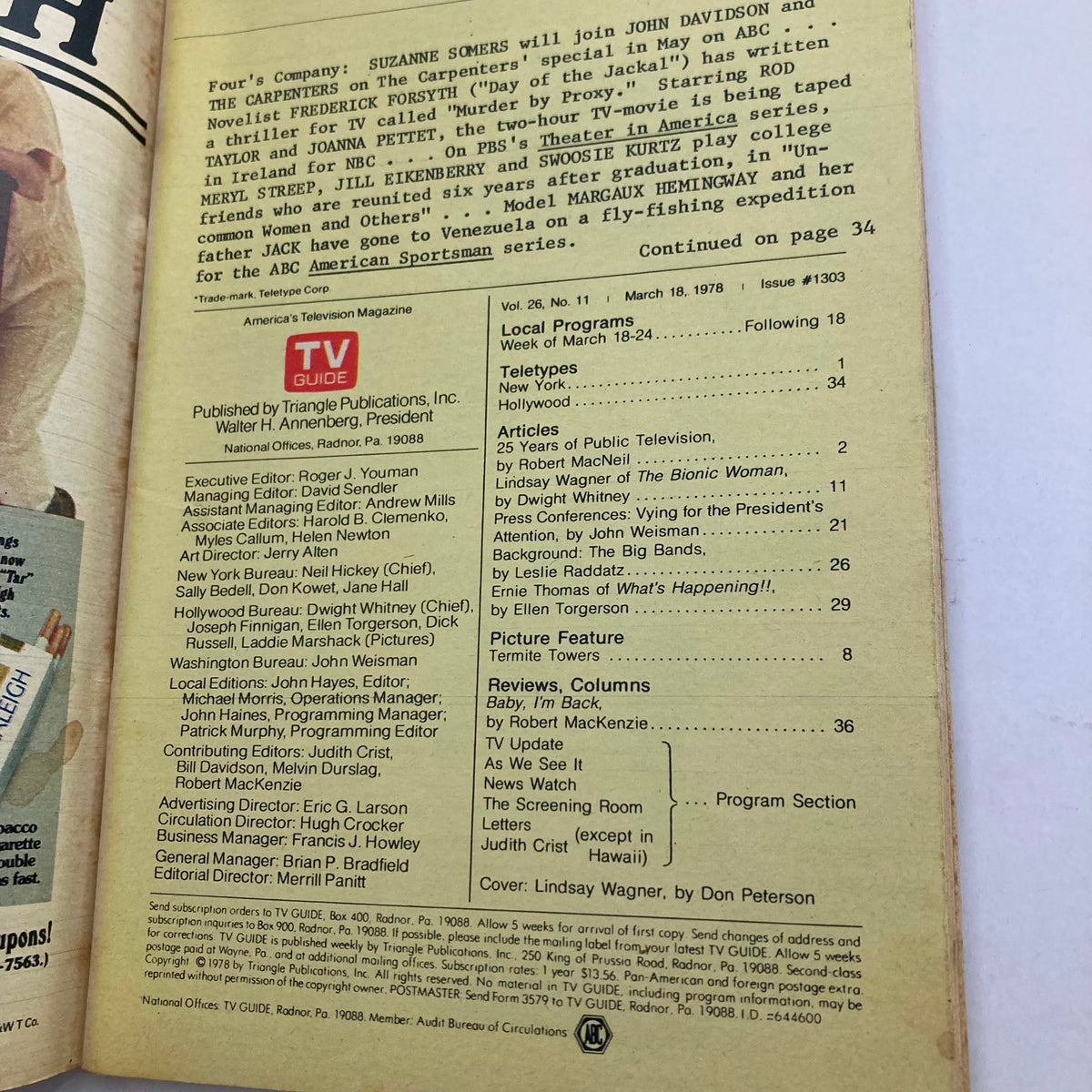
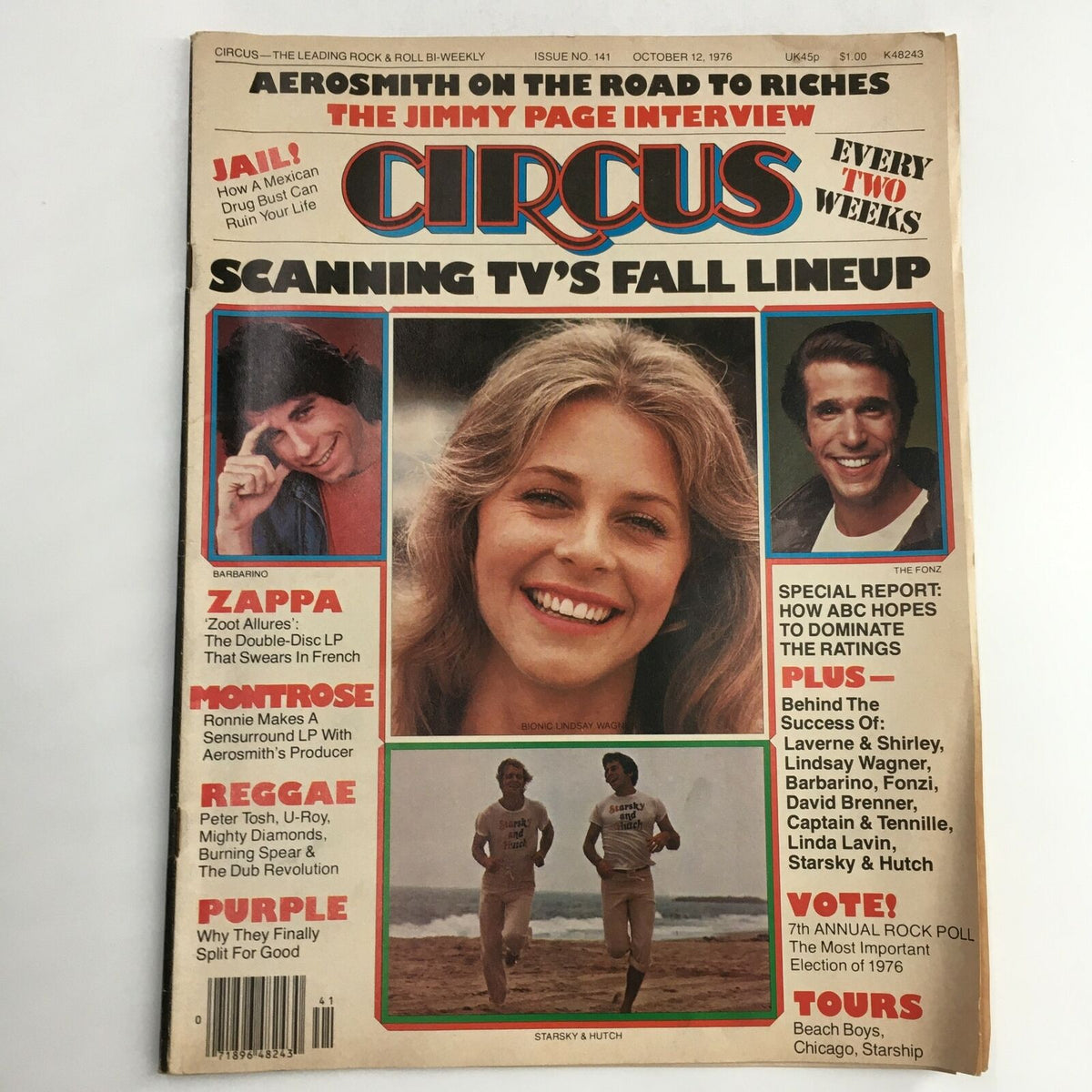
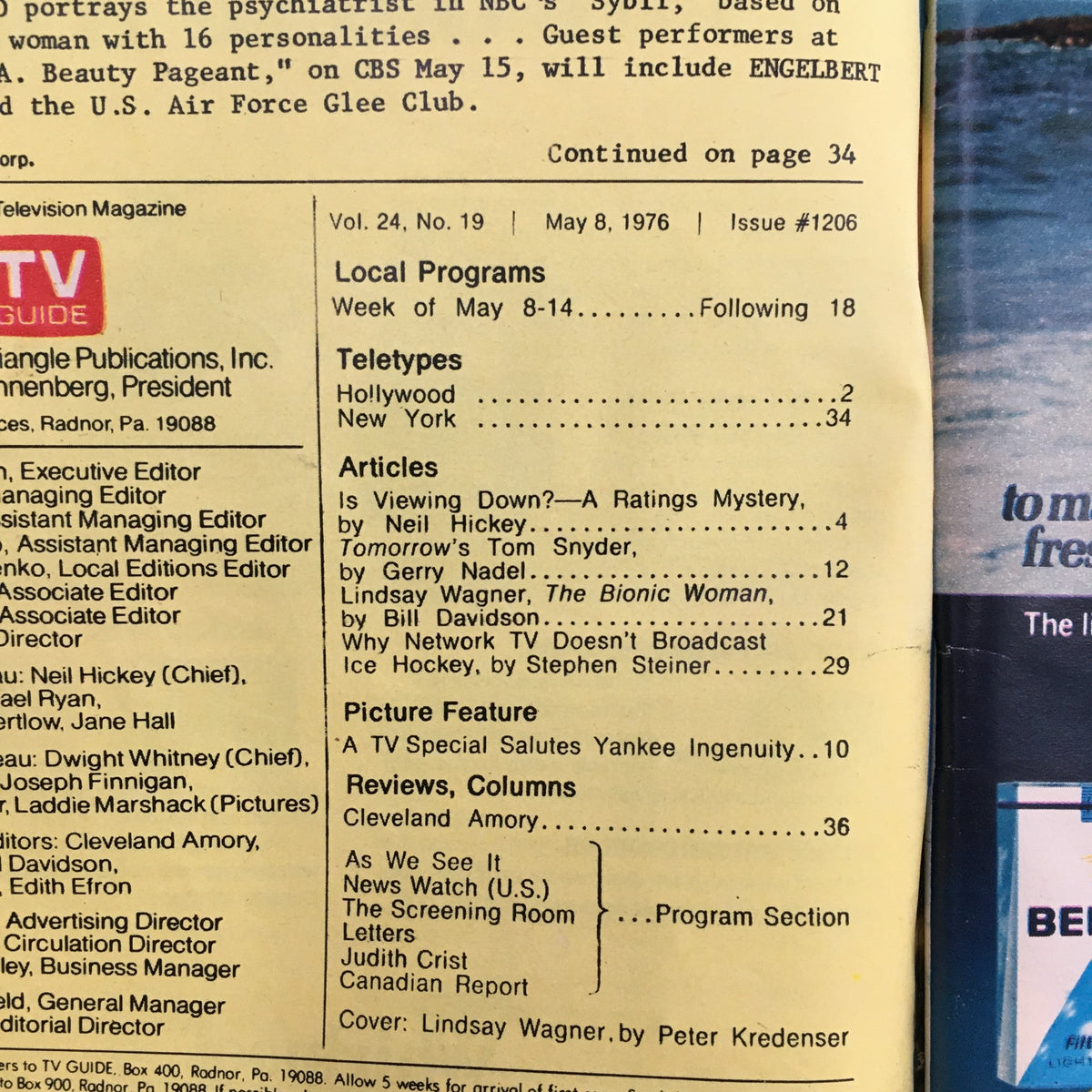
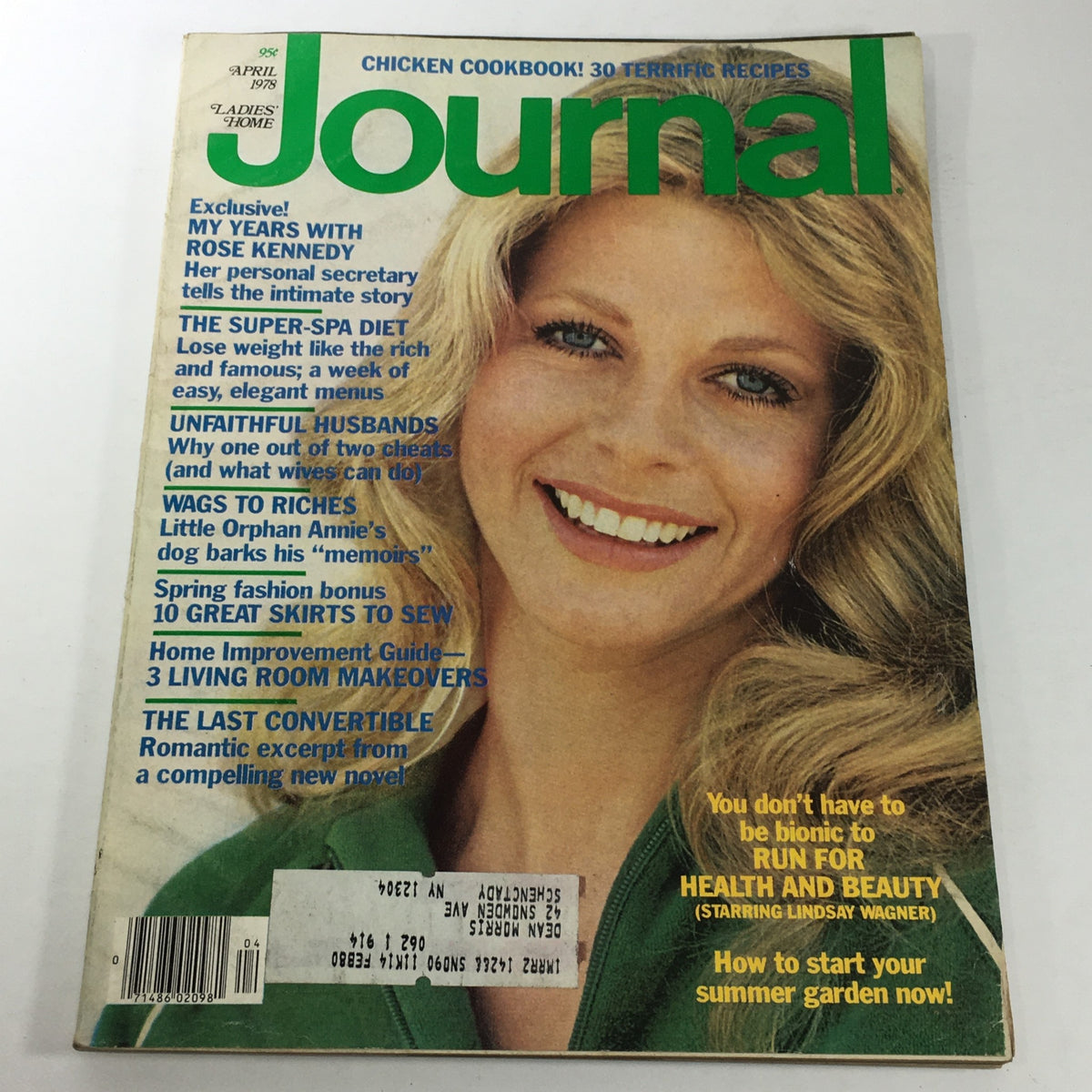
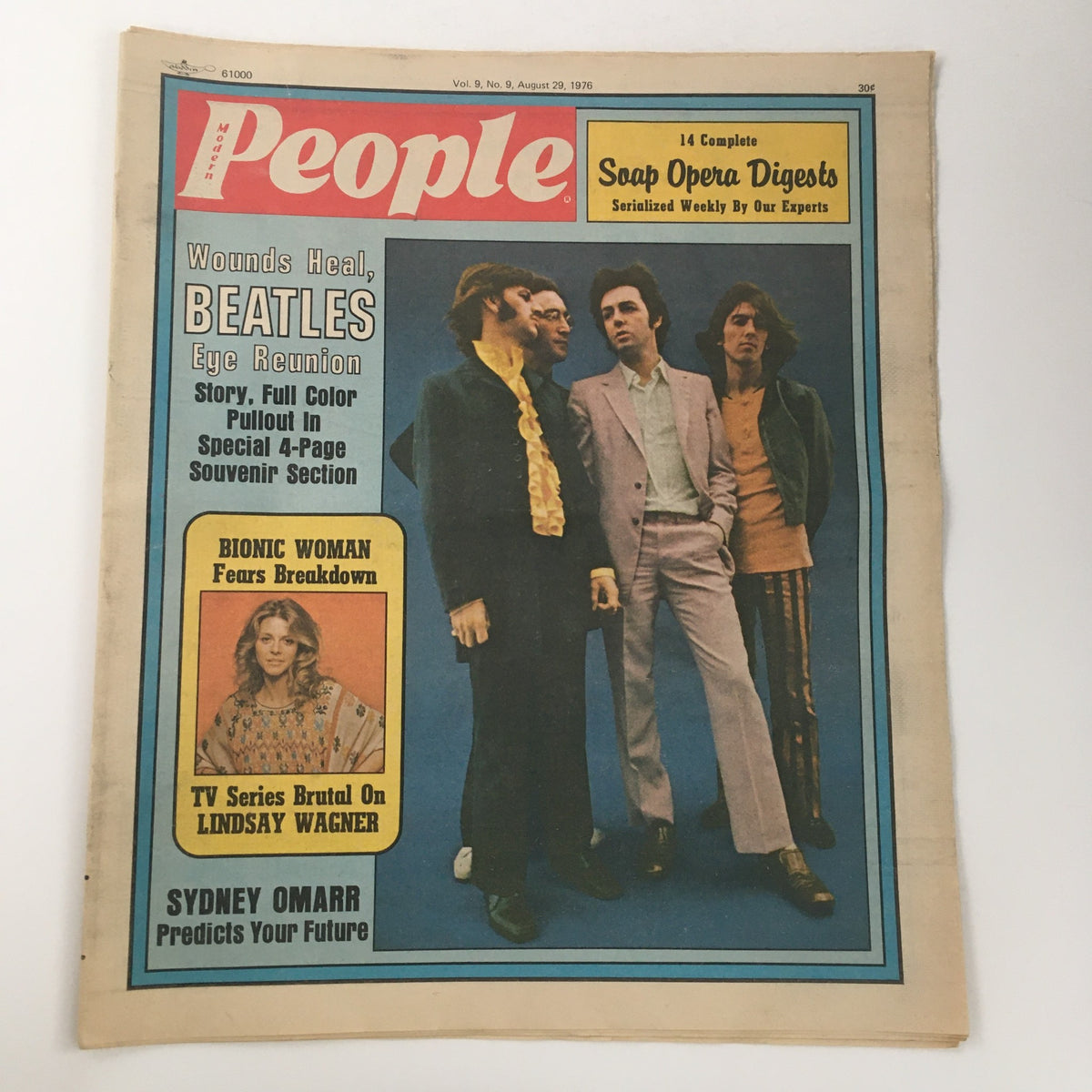
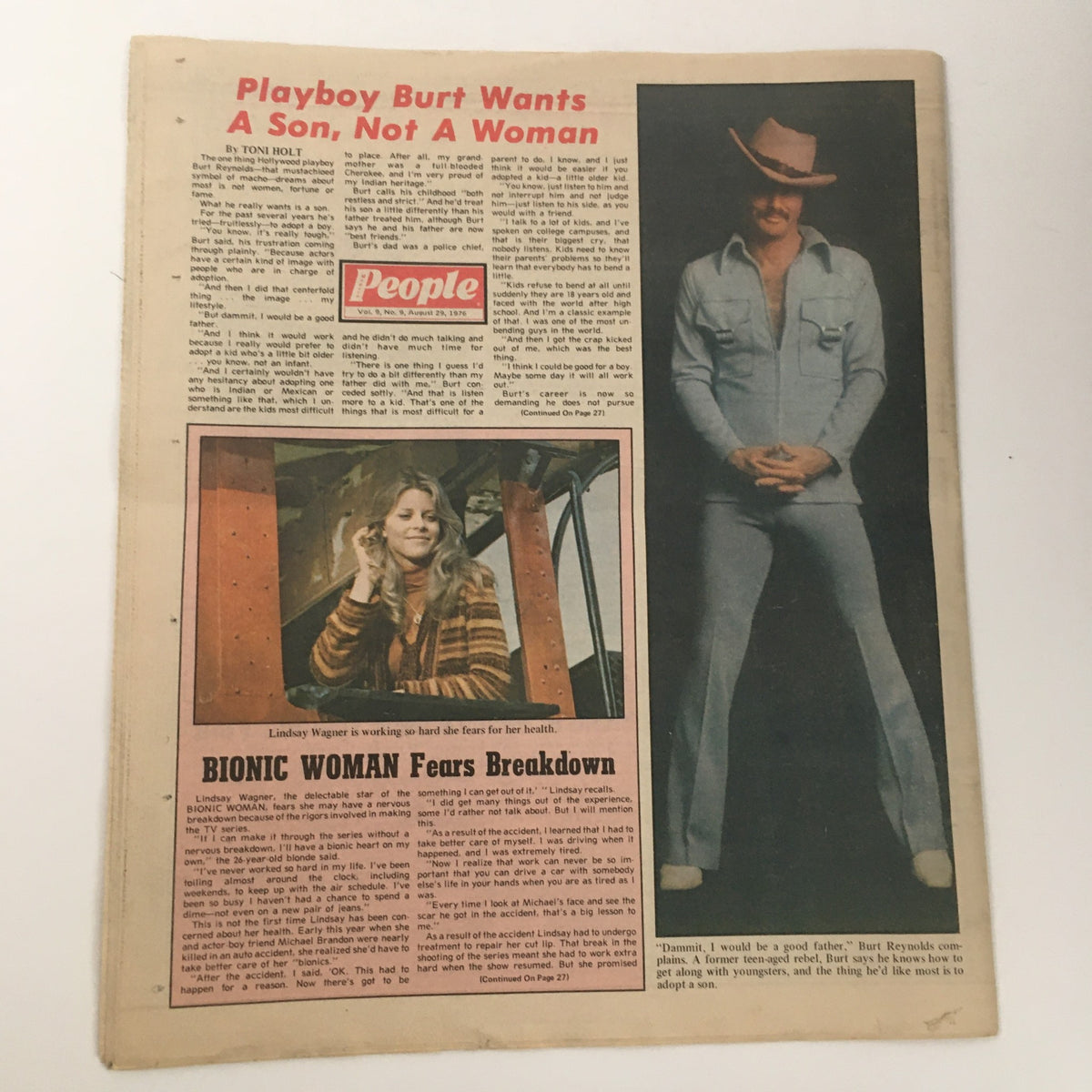
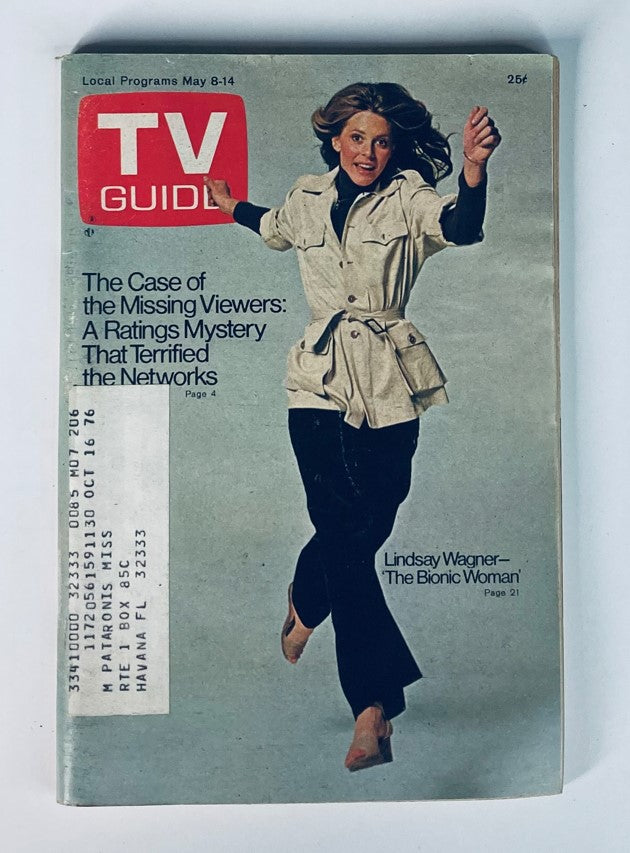
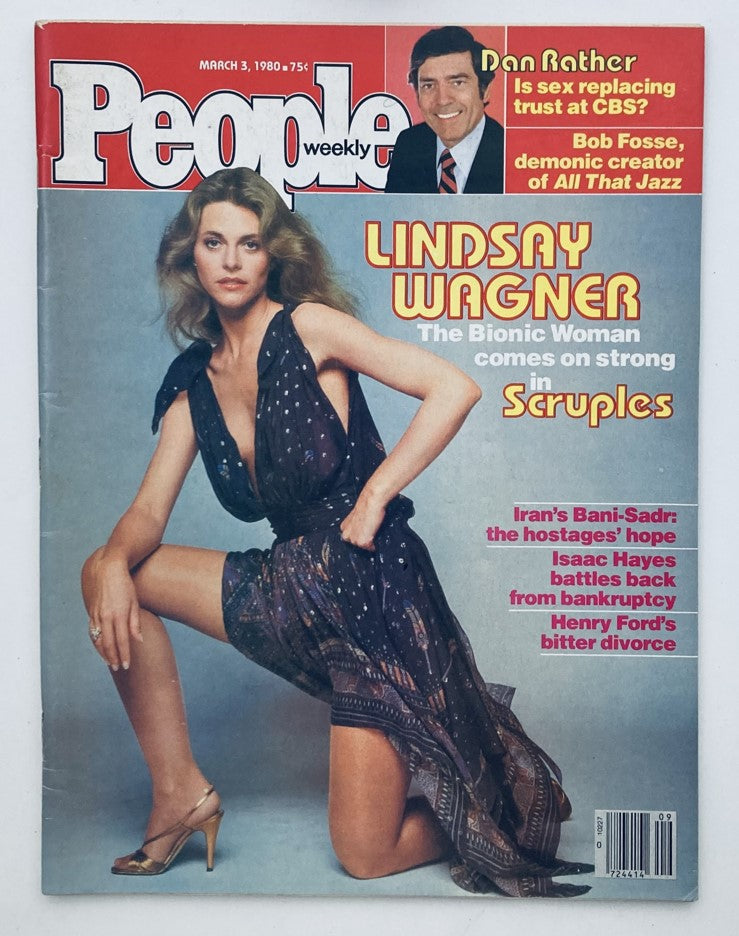
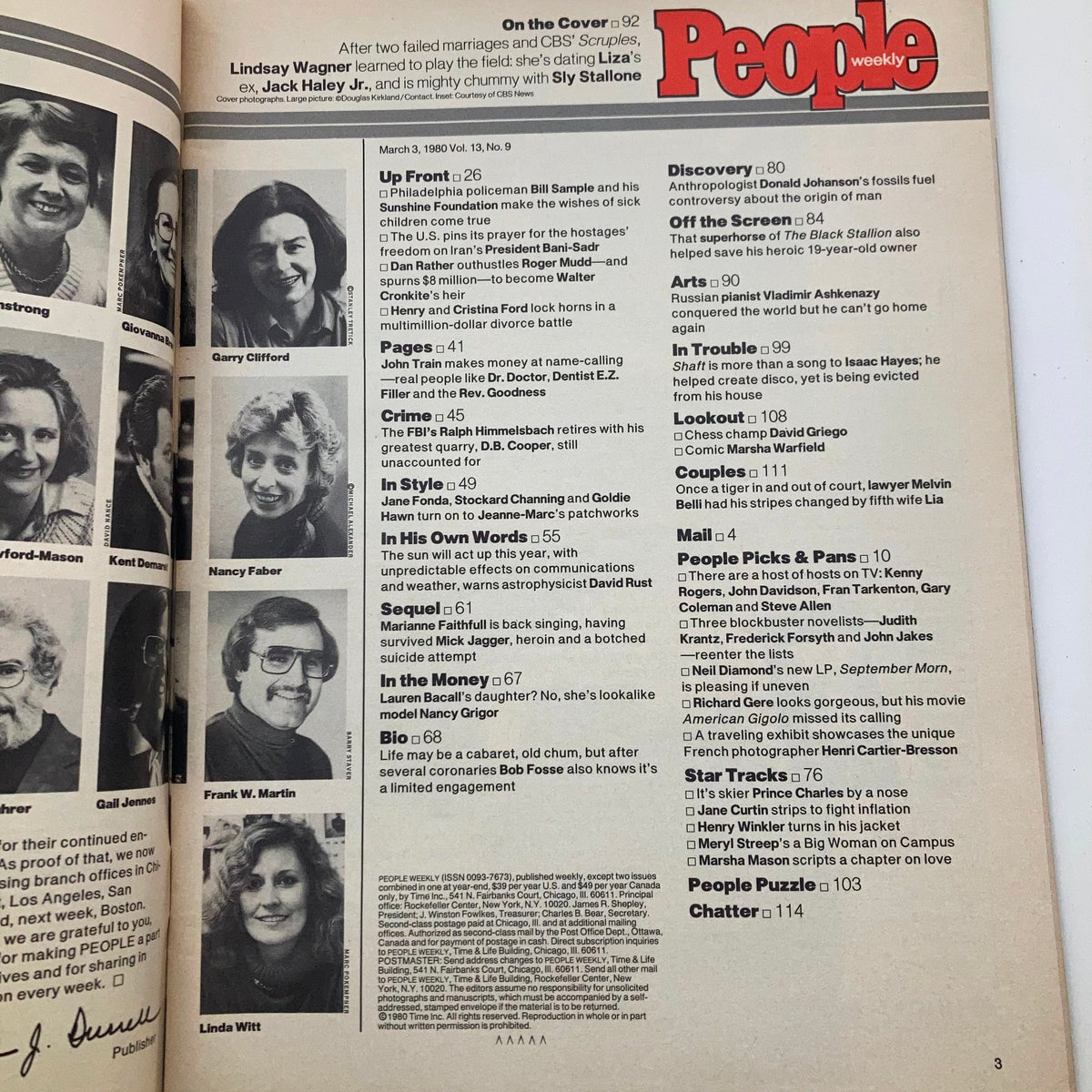
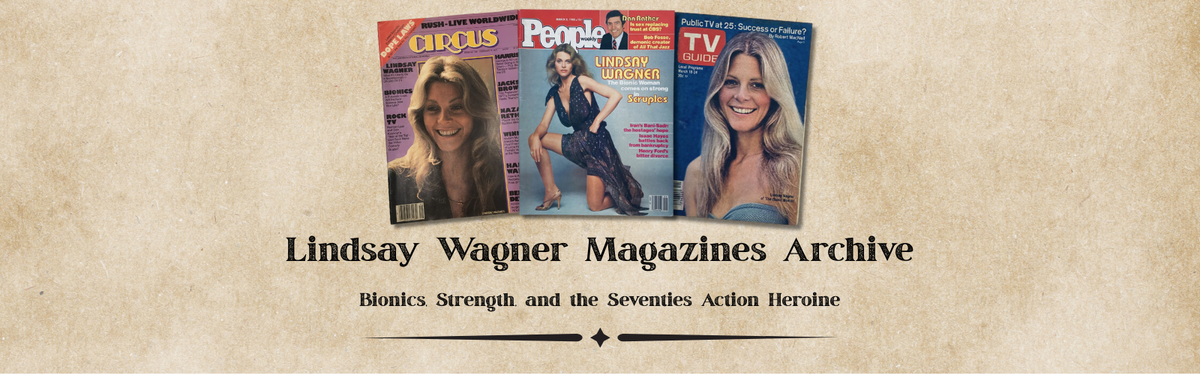
Vintage magazines of the late 1970s and early 1980s treated Lindsay Wagner with the kind of devoted, glamorous attention typically reserved for Hollywood's biggest film stars. Photographers captured her with a warmth and accessibility that felt revolutionary — she was strong yet approachable, radiant without being untouchable. TV Guide, the era's undisputed bible of American television culture, featured her with remarkable frequency, its compact covers becoming miniature portraits of a nation's viewing obsessions. People magazine, then still in its exuberant early years, chronicled both her professional triumphs and her personal journey with that signature blend of intimacy and celebration. Internationally, publications such as Télé 7 Jours in France reflected the extraordinary global reach of The Bionic Woman, which had become a dubbed phenomenon across Europe. Meanwhile, women's lifestyle titles like McCall's and Ladies' Home Journal embraced her not merely as an actress but as a symbol — a woman navigating ambition, identity, and independence in real time, on and off the screen.
Curator's Checklist: Highlights Often Include
- Emmy triumph coverage — Issues from 1977 frequently spotlight her historic win, with profiles examining what her success signaled for women in leading dramatic television roles
- Bionic Woman promotional features — Behind-the-scenes photo spreads, cast interviews, and episode previews tied to the show's 1976–1978 run on ABC, and its subsequent NBC season
- International editions — European television weeklies and fan publications reflecting the show's massive overseas syndication, often featuring translated interviews and region-specific photography
- Personal profile pieces — In-depth features from women's magazines exploring her philosophy on wellness, her spirituality, and her life outside the spotlight — subjects she spoke about candidly and unusually openly for the era
- Crossover and post-Bionic coverage — Articles and features from the early 1980s documenting her transition into television films and her enduring status as a fan-beloved icon, long after the series concluded
The Collector's Value
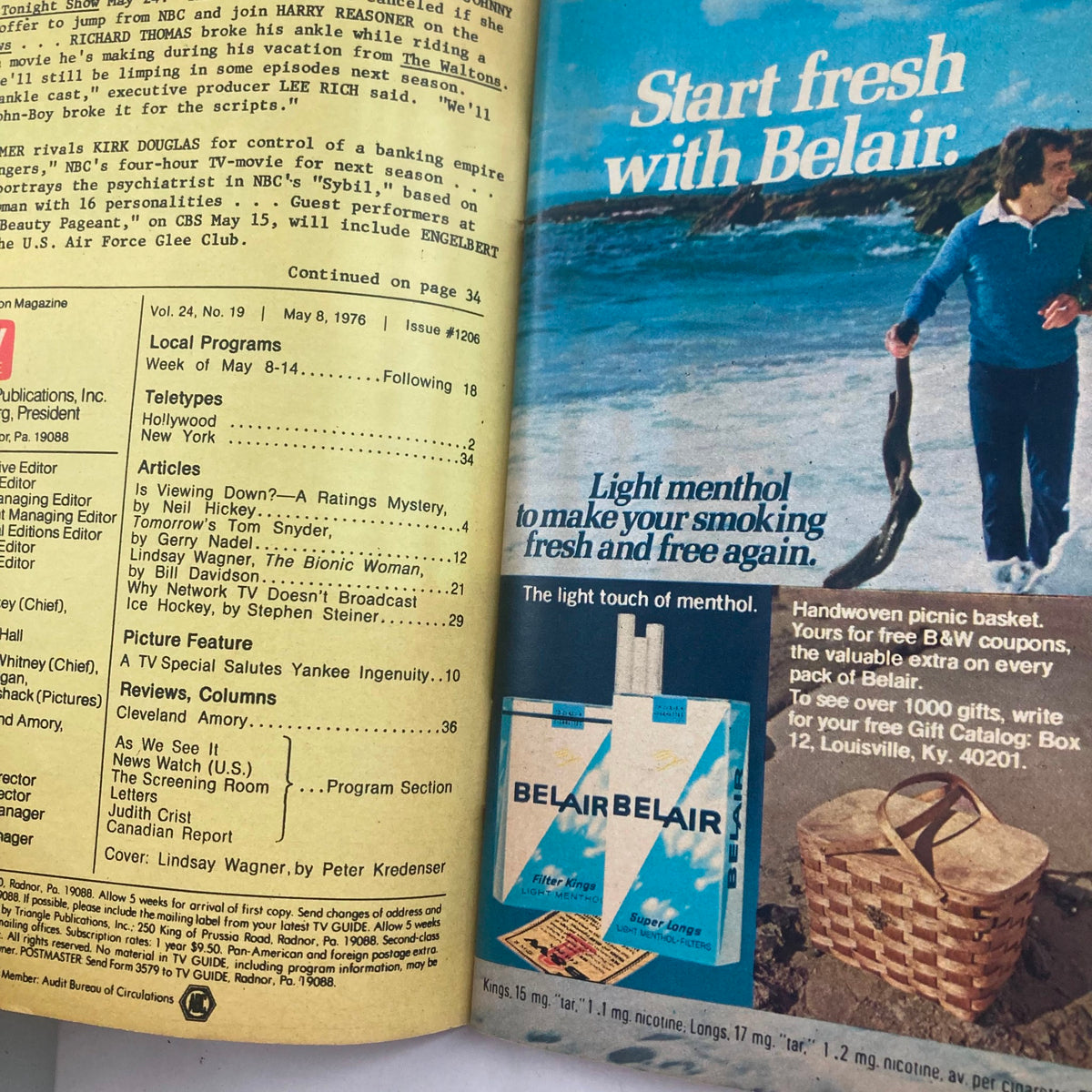
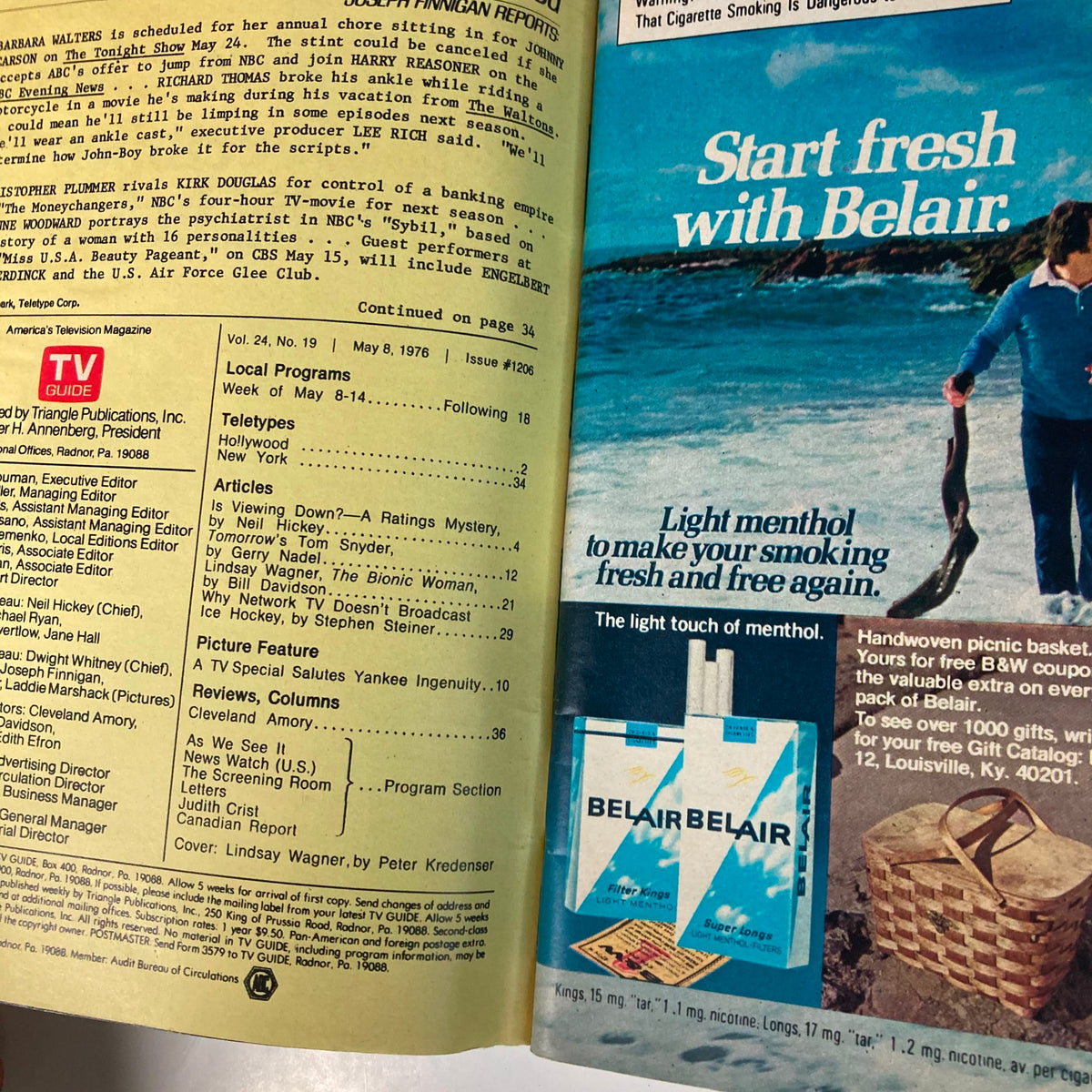
To hold one of these magazines is to hold the specific weight of a cultural moment that no streaming service can replicate. The paper stock of a 1977 TV Guide has a particular thinness, a fragility that makes the act of turning its pages feel almost ceremonial. The ink of a People cover from that era carries a faint, sweet mustiness — the unmistakable perfume of decades carefully passed. And surrounding every feature on Wagner herself are the artifacts of the age: advertisements for Kodak cameras, Revlon lip gloss, and Ford automobiles that place the reader unmistakably in the America that first fell in love with Jaime Sommers. These are primary sources, not merchandise — windows into the precise cultural atmosphere that produced one of television's most meaningful feminist icons. For collectors of vintage television memorabilia, second-wave feminist cultural history, or 1970s Americana and pop culture, these publications offer something no poster or digital archive ever can: the tangible, authenticated experience of the era itself, as it was lived and published. Explore the current available inventory below and discover which pieces of this remarkable legacy are waiting to find a new home.