📖 About this Collection
LL Cool J: The King Who Made Hip-Hop Undeniable
The Legend & The Legacy
Long before streaming algorithms decided what the world would hear, a teenager from Queens — born James Todd Smith — stepped in front of a microphone and rewrote the rules of American popular culture. LL Cool J didn't simply rise with hip-hop; he legitimized it, carrying the genre from the block parties of New York City into the living rooms, locker rooms, and magazine racks of mainstream America. At a time when rap music was still being dismissed by critics as a passing fad, he delivered platinum records, sold-out arenas, and a charisma so undeniable it transcended genre entirely. Through the mid-1980s and deep into the 1990s, his story unfolded in real time across the pages of physical print — each new album cycle, each cultural pivot, each shirtless album cover a fresh chapter in an ongoing national conversation about identity, masculinity, Blackness, and the unyielding power of self-invention.
Inside the Archive
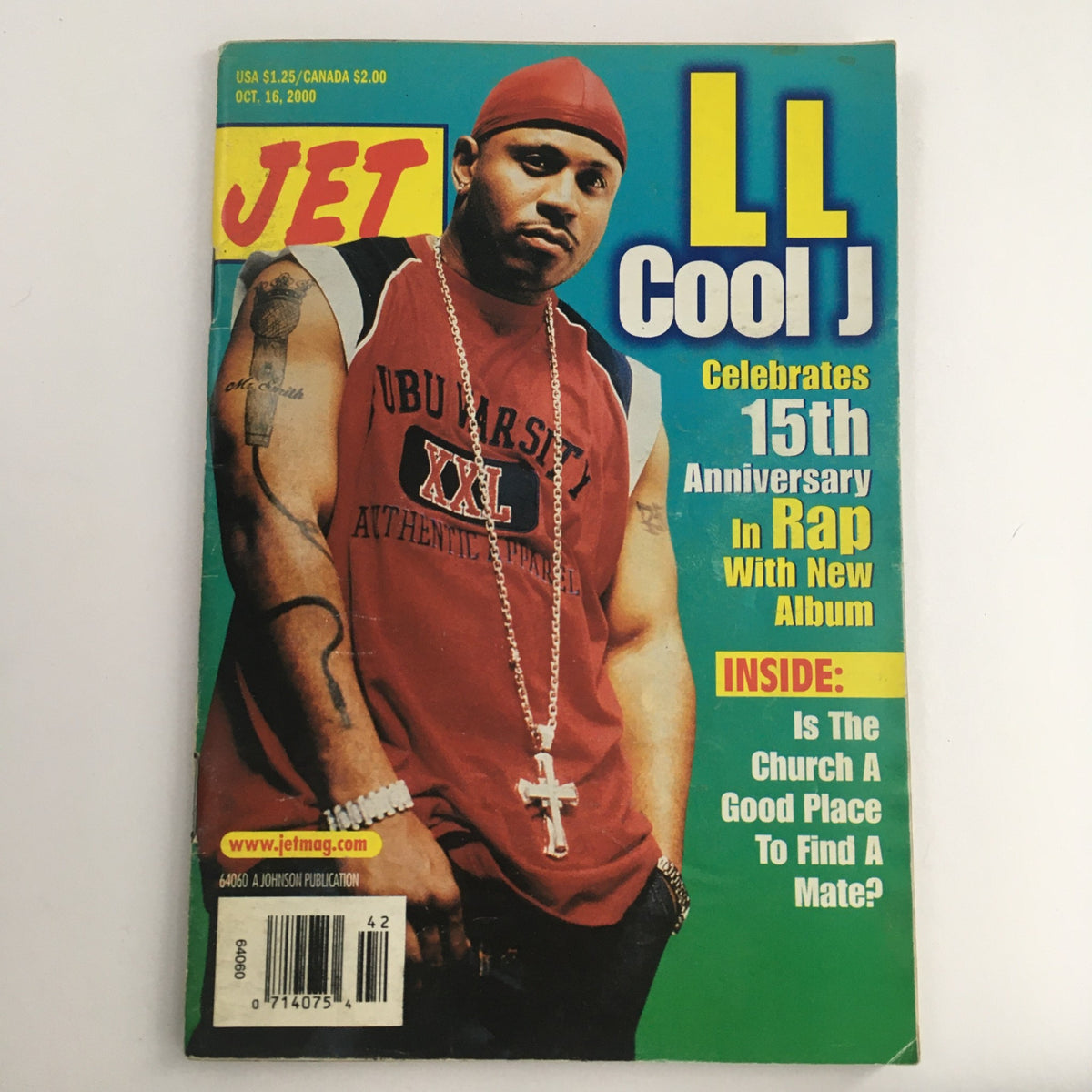
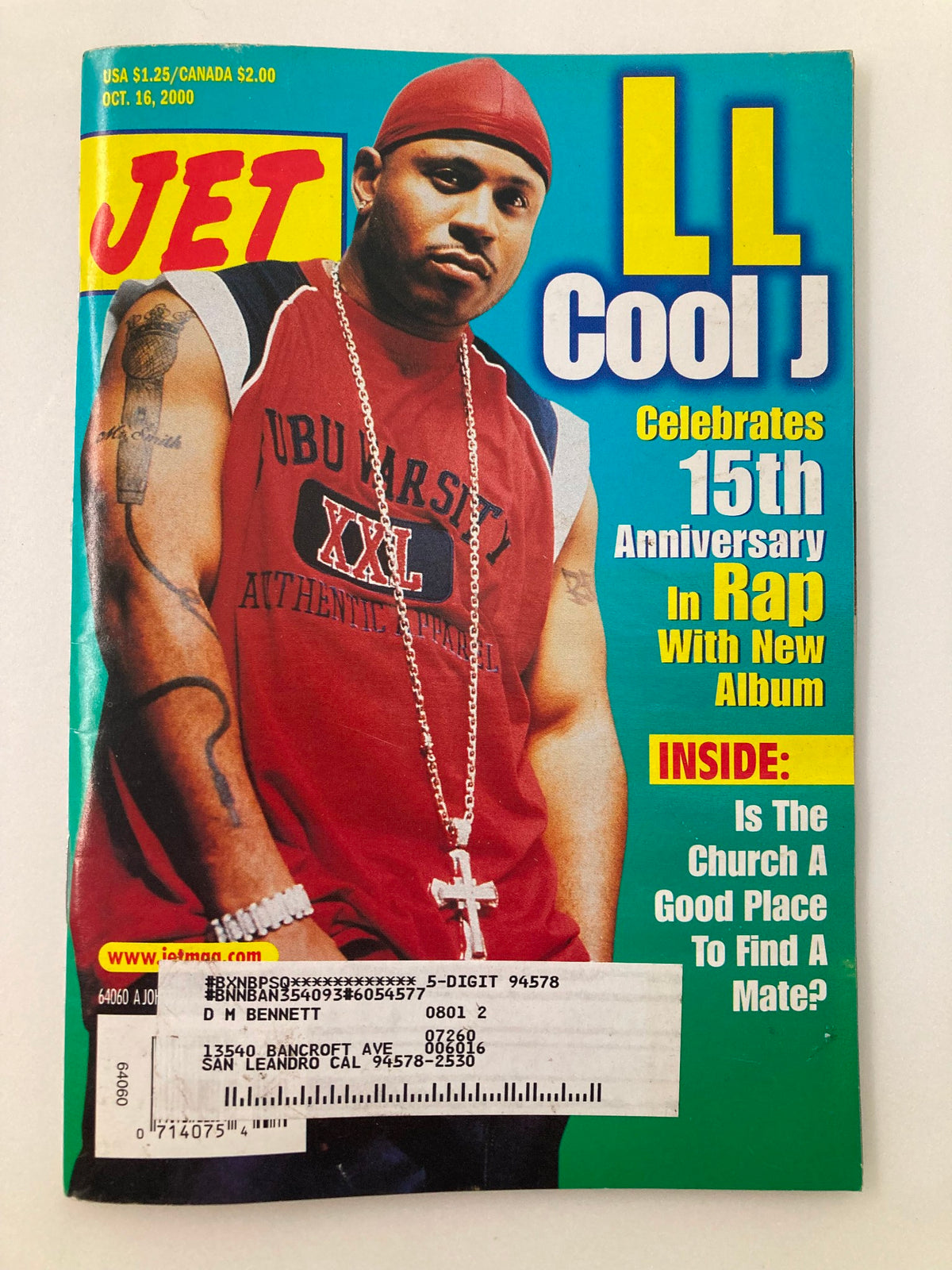
Vintage magazines captured the Queens-born icon with a visual language that was equal parts raw street energy and aspirational glamour — a tension that made him endlessly compelling to photograph and profile. The hip-hop press was first on the scene: The Source and Vibe documented his artistic evolution with the reverence of music journalism finally coming into its own, running full-bleed portraits and cover features that treated rap with the critical seriousness it had long deserved. Rolling Stone, long the arbiter of rock's cultural legitimacy, extended that same credibility to LL when it opened its pages to hip-hop's crossover moment, cementing his place not just in rap history but in the broader American musical canon. Meanwhile, publications like Ebony and Jet framed his ascent as a cultural triumph with deeper roots — contextualizing his success within a lineage of Black excellence and exploring what his stardom meant for a generation of young fans who saw themselves reflected in his image for the very first time.
Curator's Checklist: Highlights Often Include
- Landmark cover features from the golden era of hip-hop print journalism — late 1980s and early-to-mid 1990s issues in which the Ladies Love Cool James persona was at its cultural apex, often accompanied by iconic, carefully styled studio photography
- Crossover milestone coverage documenting his Hollywood transition, including early film and television features that explored how he was redefining what a rap artist could become in American entertainment
- Album release profiles and reviews tied to era-defining records, capturing the critical conversation and cultural anticipation that surrounded each release in the days when a magazine review could shape public opinion
- Lifestyle and fashion editorial appearances in style-forward publications that recognized him as a trendsetter — from the Kangol hat to the tracksuits — reflecting hip-hop's growing influence on American fashion before it became an industry unto itself
- Year-in-review and "who's who" round-ups from major music and entertainment titles that repeatedly placed him among the most influential figures of his generation throughout his career
The Collector's Value
There is something irreplaceable about holding the physical record of a cultural moment — the slight give of decades-old coated paper stock, the particular richness of ink printed before digital pre-press, the full-bleed photography reproduced with an analogue warmth no screen has ever quite replicated. Surrounding every major feature on this hip-hop pioneer are the advertisements, the fashion spreads, and the editorial context of their exact moment in time: a snapshot of America in the act of being changed by the music it claimed to be unsure about. These are not reprints or scans — they are primary documents, the very objects that shaped public perception as events unfolded. For collectors of hip-hop and music history, 1980s and 1990s African-American cultural ephemera, or vintage entertainment and celebrity print media, these publications offer an intimate, tactile connection to a pivotal era that no digital archive can replicate. Explore the current rotating inventory below and discover what the archive holds today.