📖 About this Collection
Loretta Lynn: Coal Dust, Rhinestones & the Ink That Made Her Immortal
The Legend & The Legacy
Long before streaming algorithms or social media feeds could amplify a voice, Loretta Lynn's story spread the old-fashioned way — through ink on paper, passed hand to hand across kitchen tables in Appalachia and newsstands in Nashville. The daughter of a Kentucky coal miner who became one of the most decorated and defiant women in the history of American music, she didn't just conquer country music — she rewrote its rules. Her songs tackled birth control, divorce, and the quiet suffering of working-class women with a frankness that shocked radio programmers and electrified audiences simultaneously.
She had married at thirteen, become a mother many times over before most young women had left their hometowns, and still managed to forge one of the most commanding artistic voices in American popular music — all without the benefit of industry connections, formal training, or the geography of opportunity. When her autobiography Coal Miner's Daughter and its 1980 film adaptation brought her story to the mainstream, the press scrambled to tell the world what country music fans had known for decades: here was a woman of genuine, uncompromising magnitude.
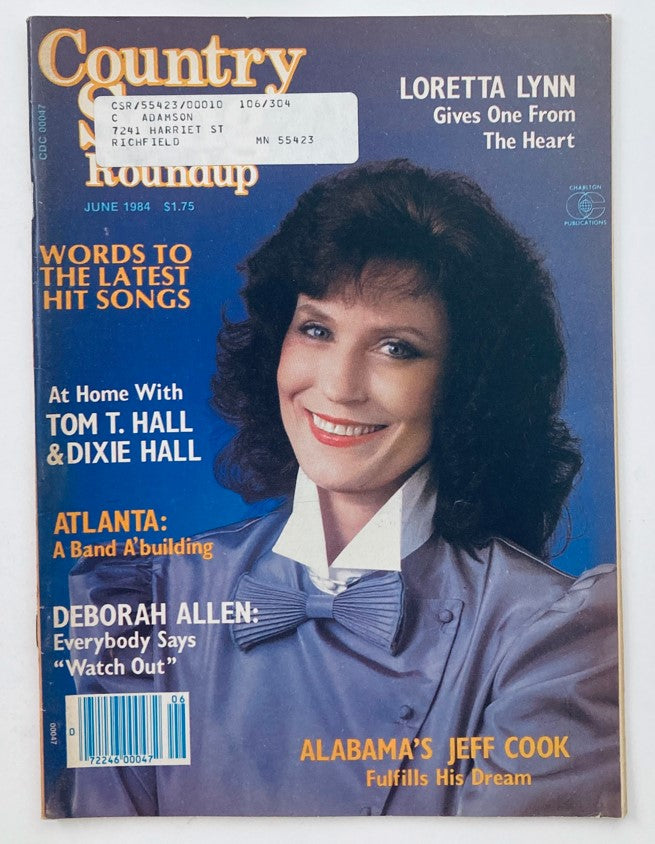
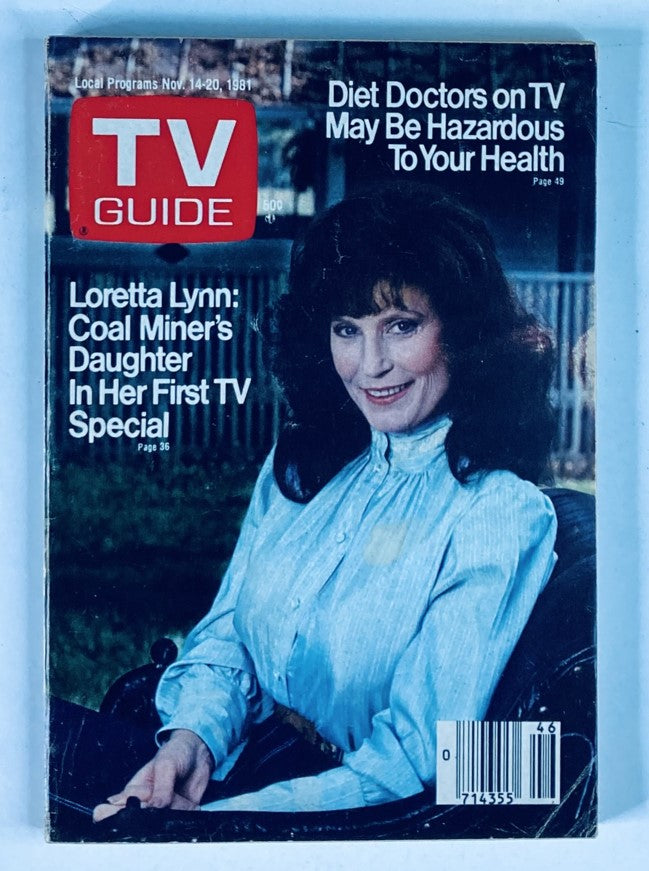
In an era when celebrity was still mediated entirely through physical print, a spread in a glossy magazine was the closest most Americans would ever get to a star — and her face on a cover carried the full weight of cultural consecration. She was not merely a country singer. She was a symbol of working-class womanhood, a walking refutation of the idea that poverty or gender were destiny, and every publication that put her on its pages was participating in a larger national conversation about who deserved to be celebrated and heard.
Inside the Archive
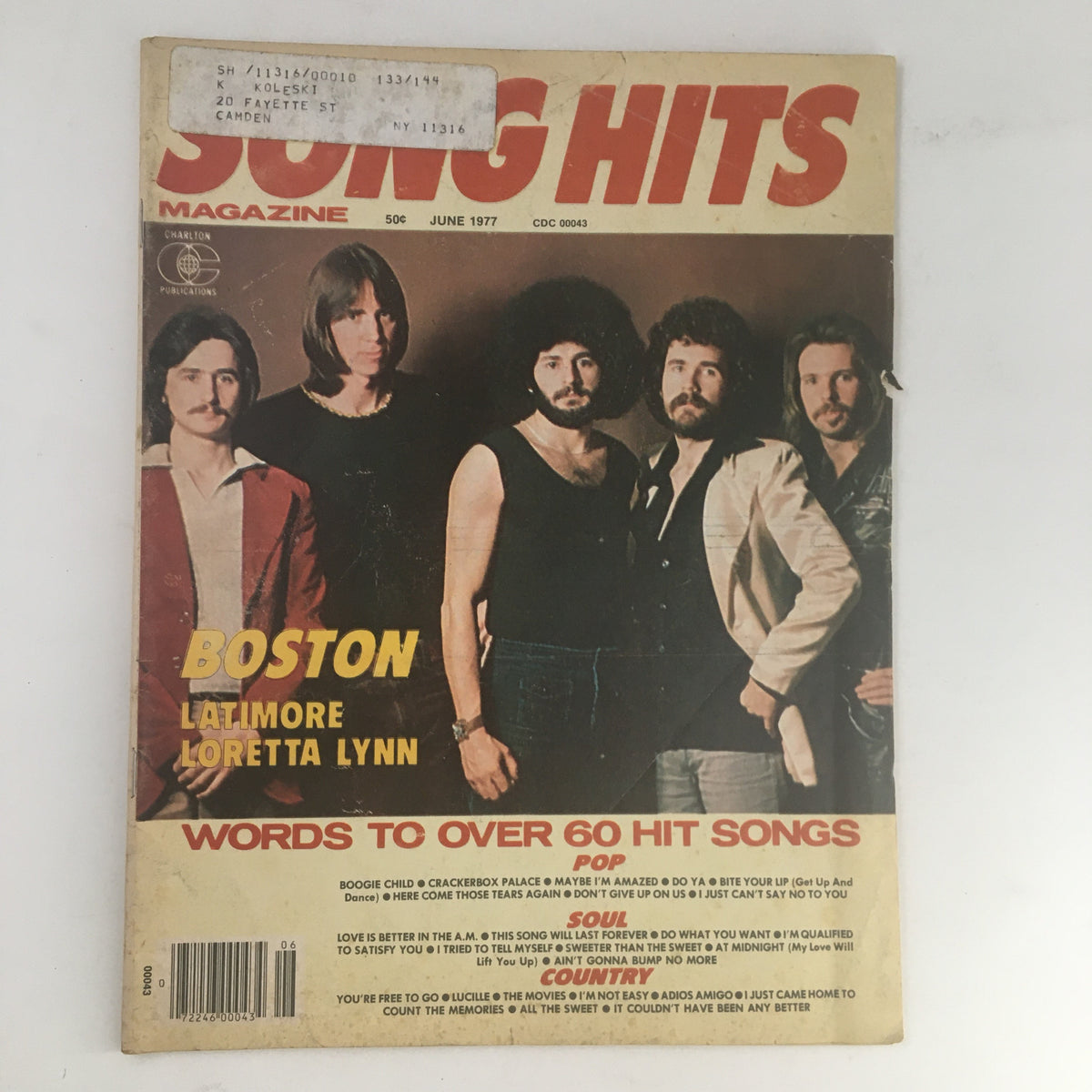
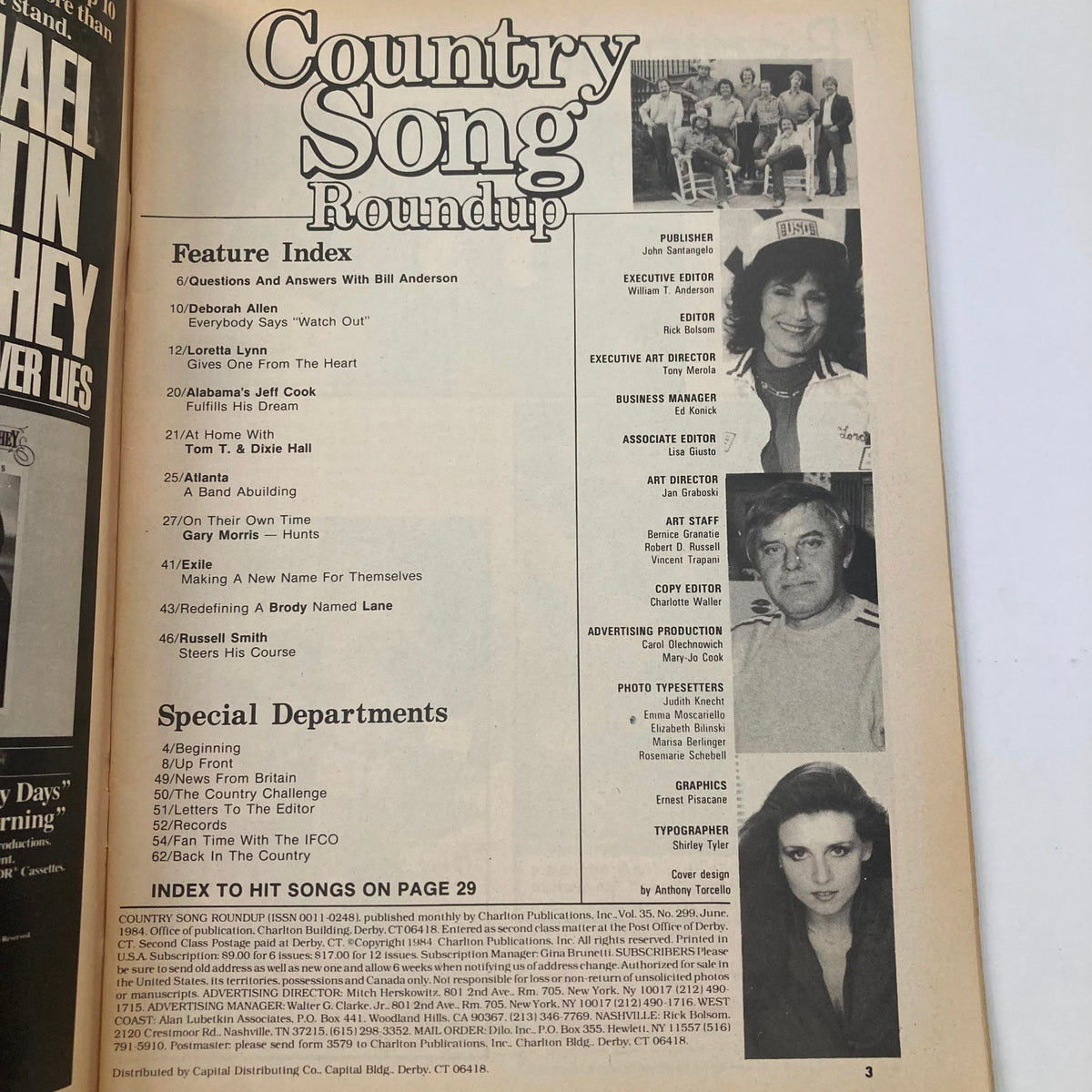
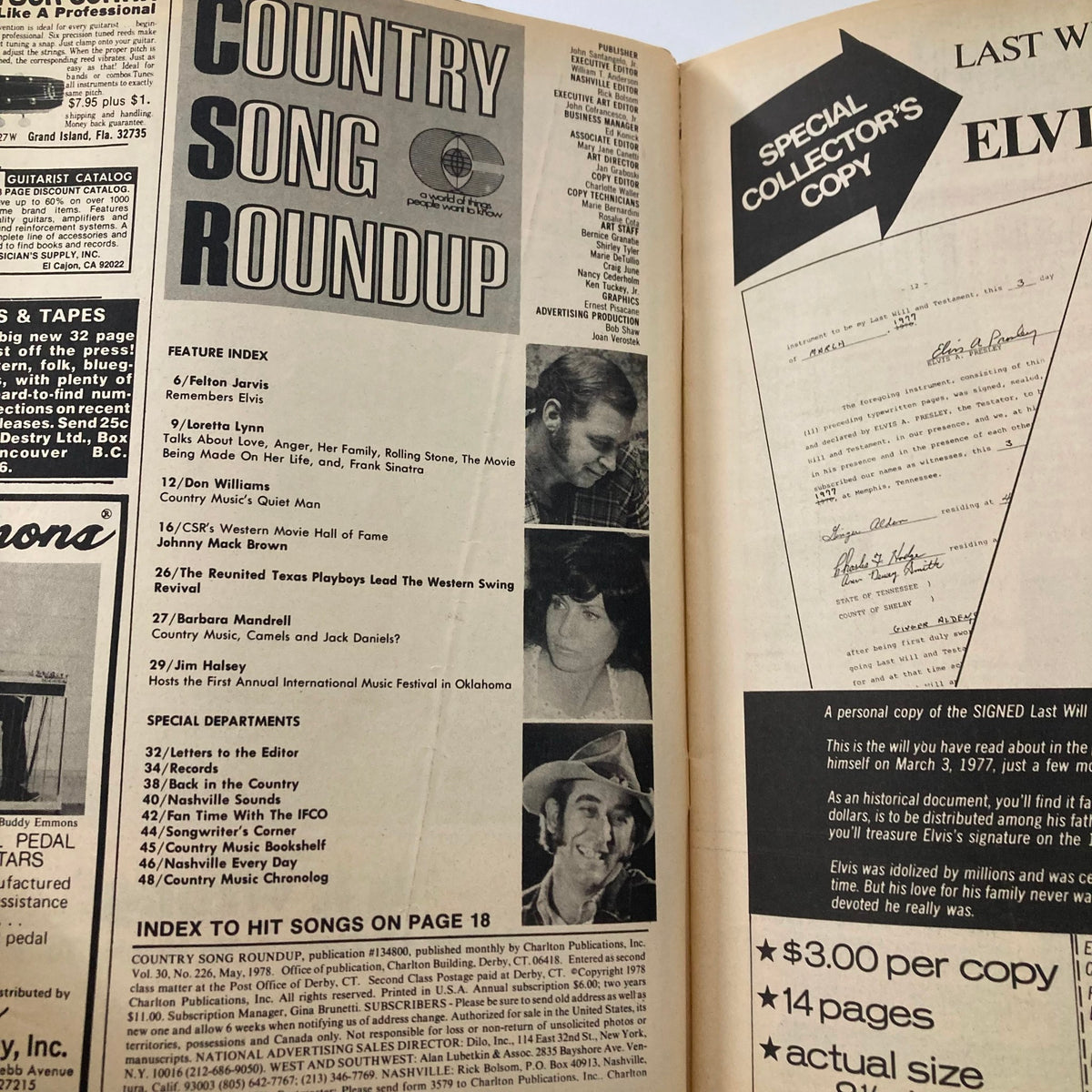
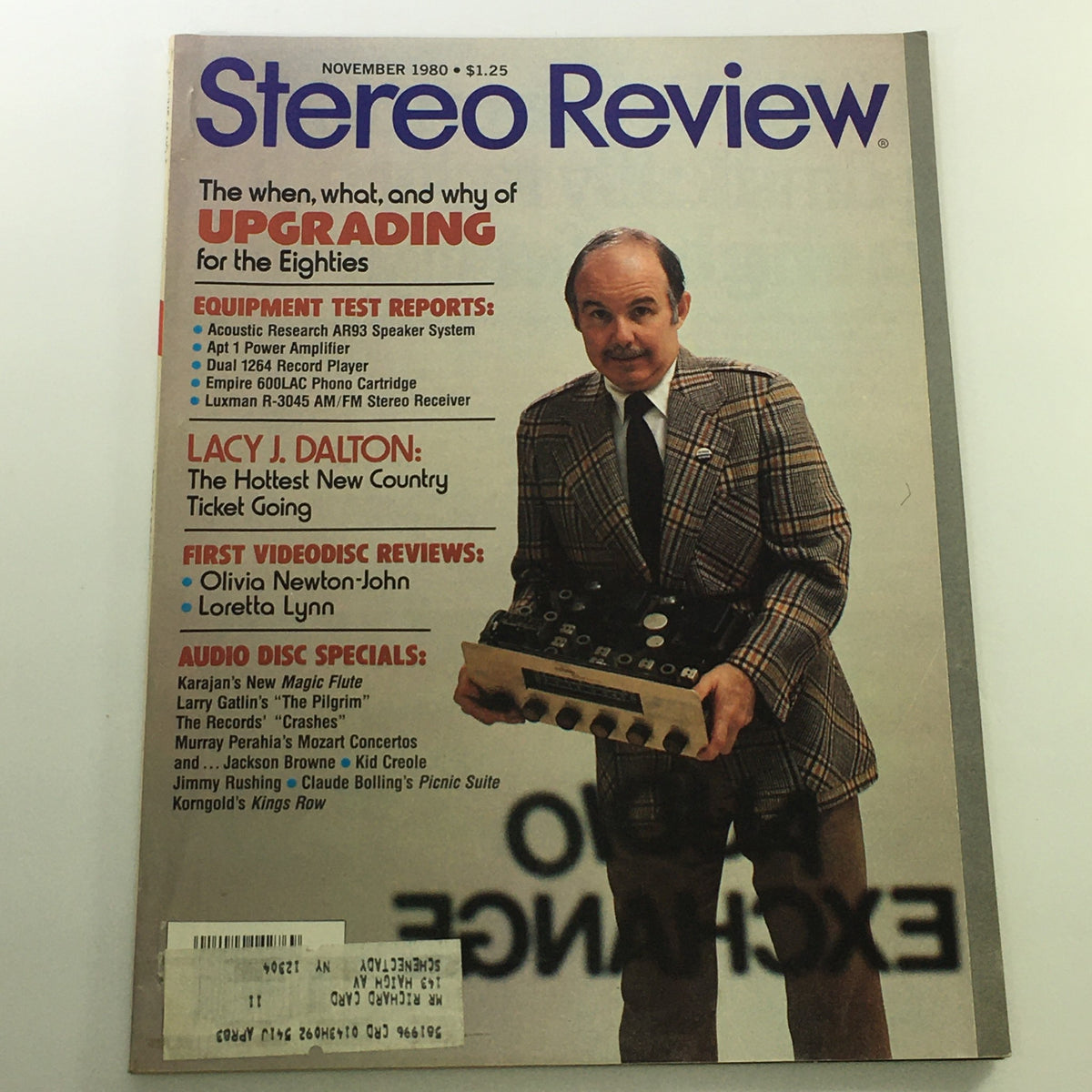
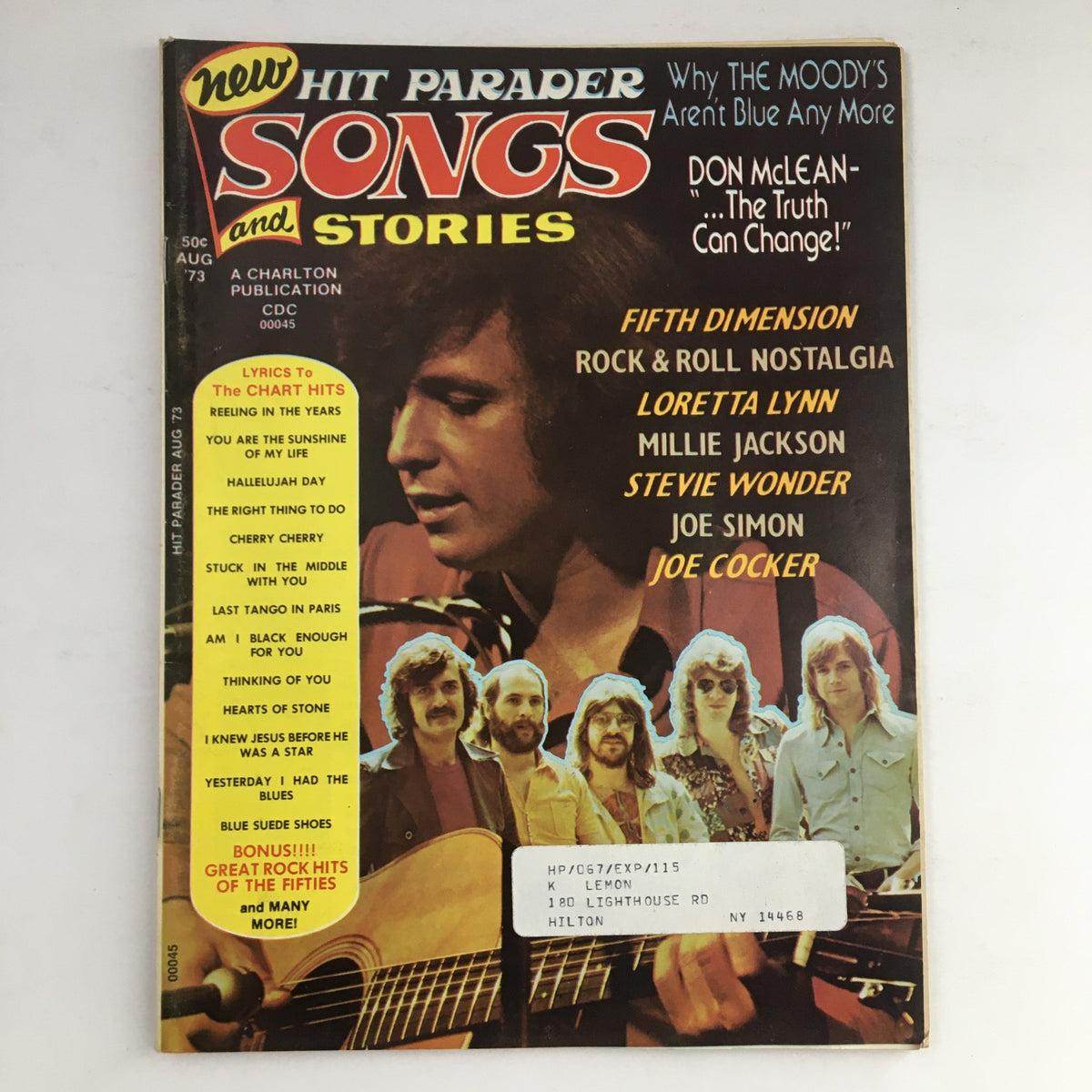
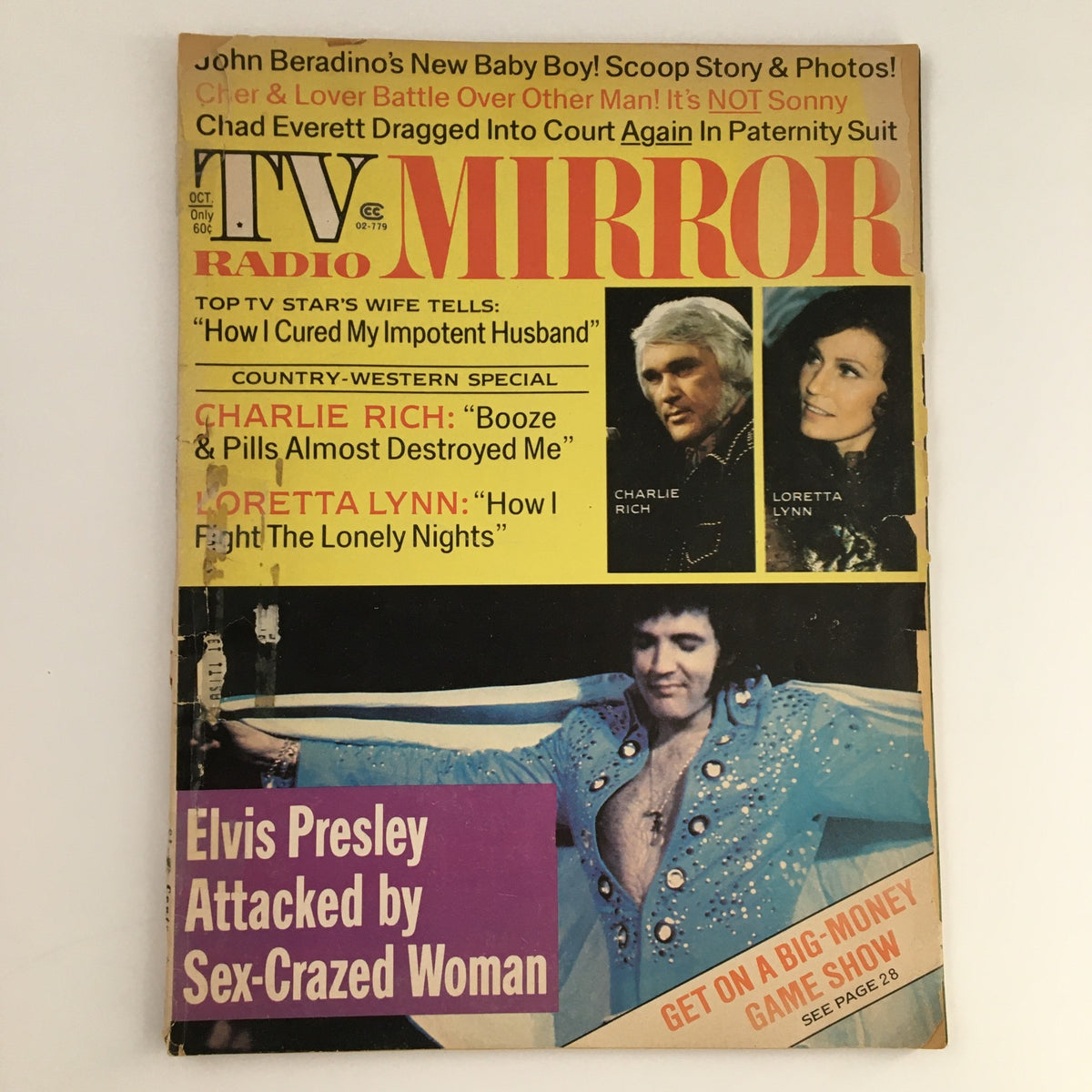
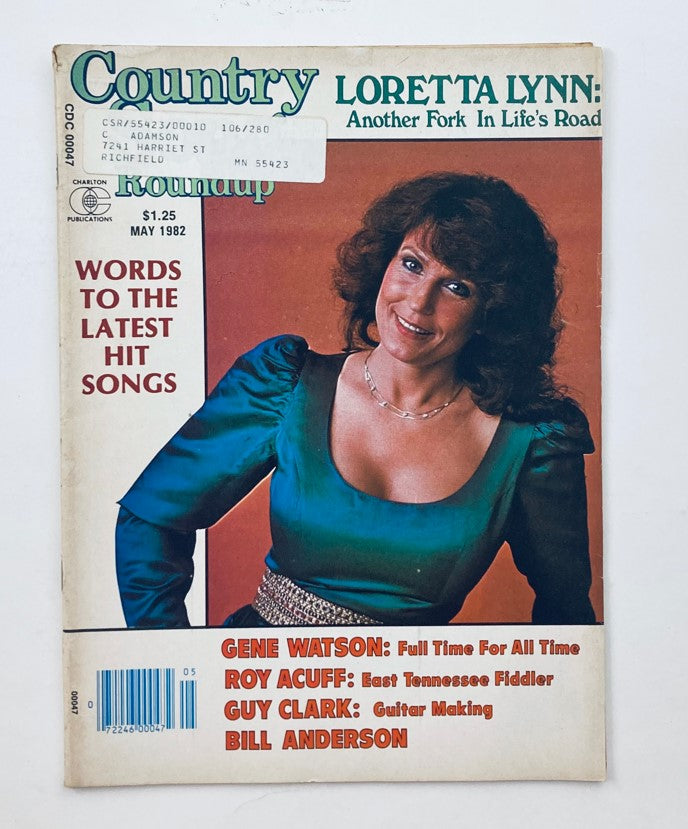
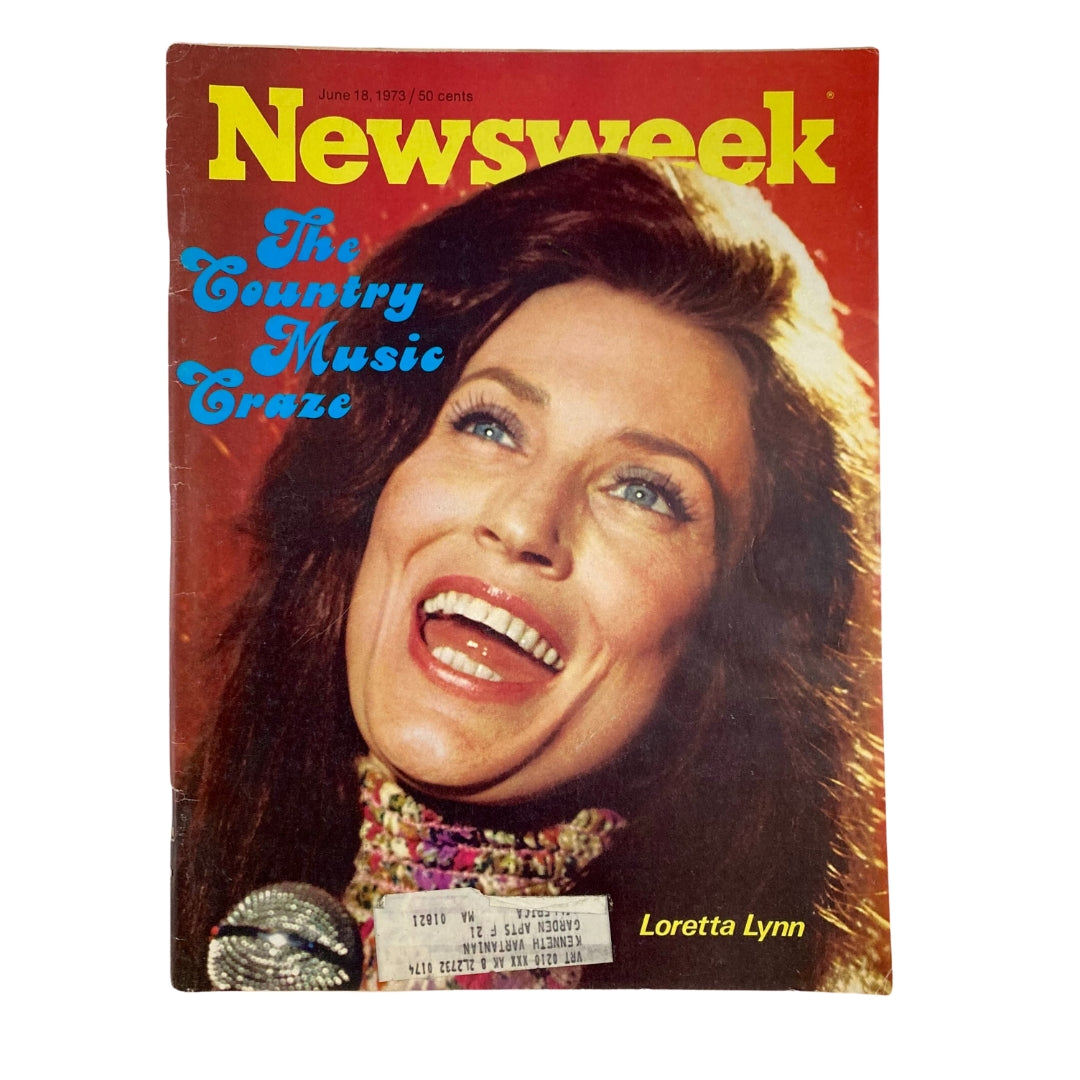
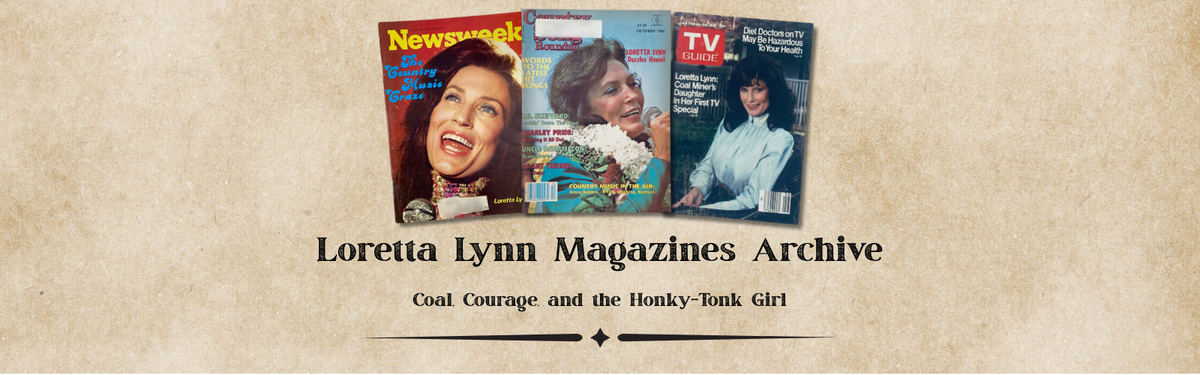
Vintage magazines captured the Coal Miner's Daughter with a reverence that oscillated between earthy intimacy and full-blown star mythology. Early coverage in the 1960s and 70s leaned into the rags-to-rhinestones narrative — photographers often placed her in domestic settings, backstage at the Grand Ole Opry, or against the rolling hills of Tennessee, grounding her glamour in the authenticity her audience demanded. The rhinestone gowns were always present, but so was the unguarded directness in her eyes — a quality that even the most stylized editorial photography could never quite contain.
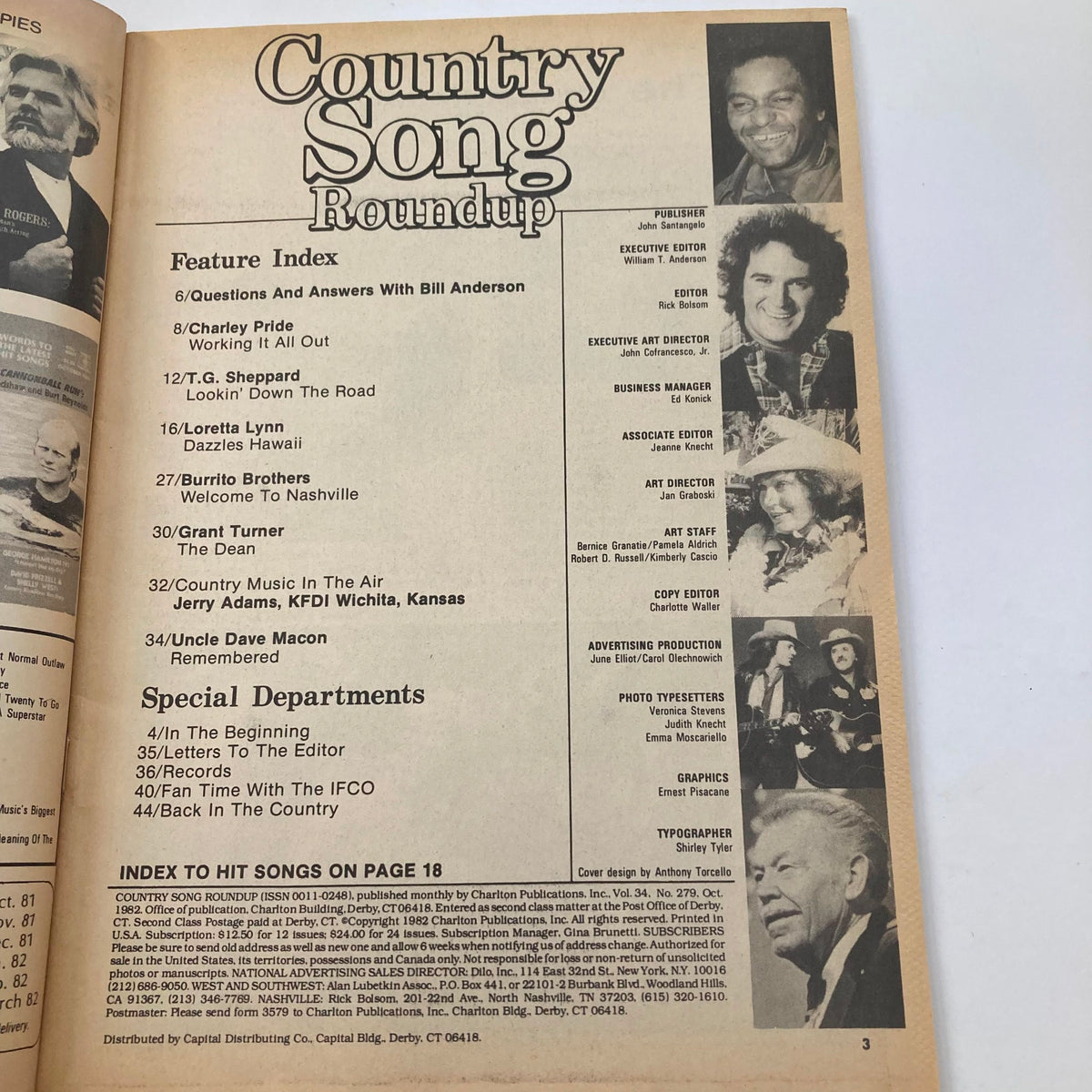
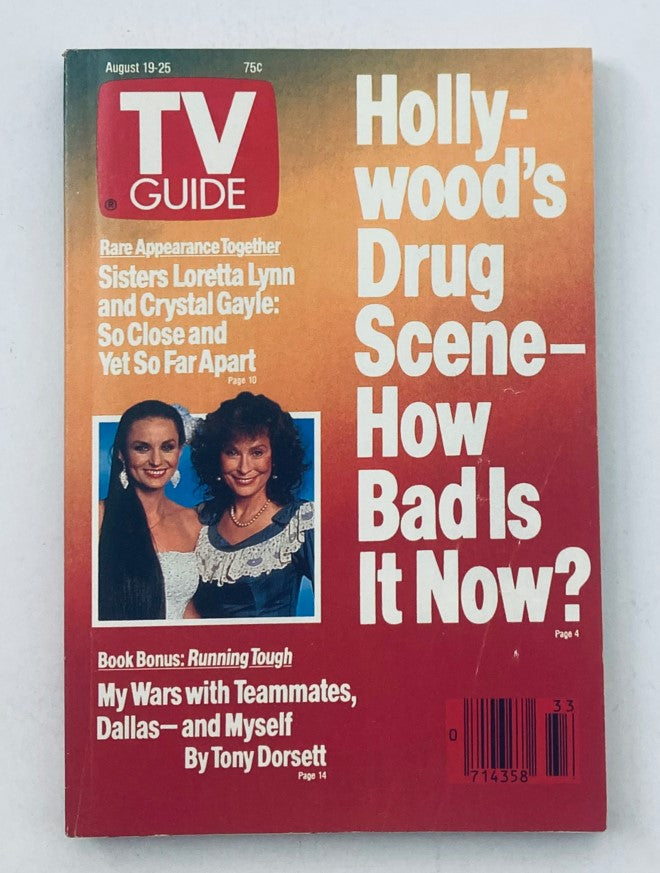
People magazine returned to her story repeatedly across the decades, charting her evolution from honky-tonk upstart to living legend with characteristic warmth. Rolling Stone, in its willingness to take country music seriously long before it was fashionable, offered some of the most penetrating editorial portraits of the trailblazer, placing her in conversation with the wider countercultural upheavals of the era. Meanwhile, Country Music magazine — the essential trade publication of her reign — documented her world with unparalleled depth, capturing the rivalries, the celebrated friendships with Dolly Parton and Tammy Wynette, and the sheer consistency of her output across four decades. Beyond these major mastheads, she appeared in women's lifestyle titles, proud regional Southern publications, and even international country music periodicals from the UK and Australia — each bringing its own cultural lens to the task of explaining this singular woman.
Curator's Checklist: Highlights Often Include
-
Grand Ole Opry & early breakthrough coverage — Issues from the mid-1960s through early 1970s documenting her rapid ascent, first major chart hits, and coronation as the Queen of Country Music, often with the raw, naturalistic photography that defined the editorial style of the era
-
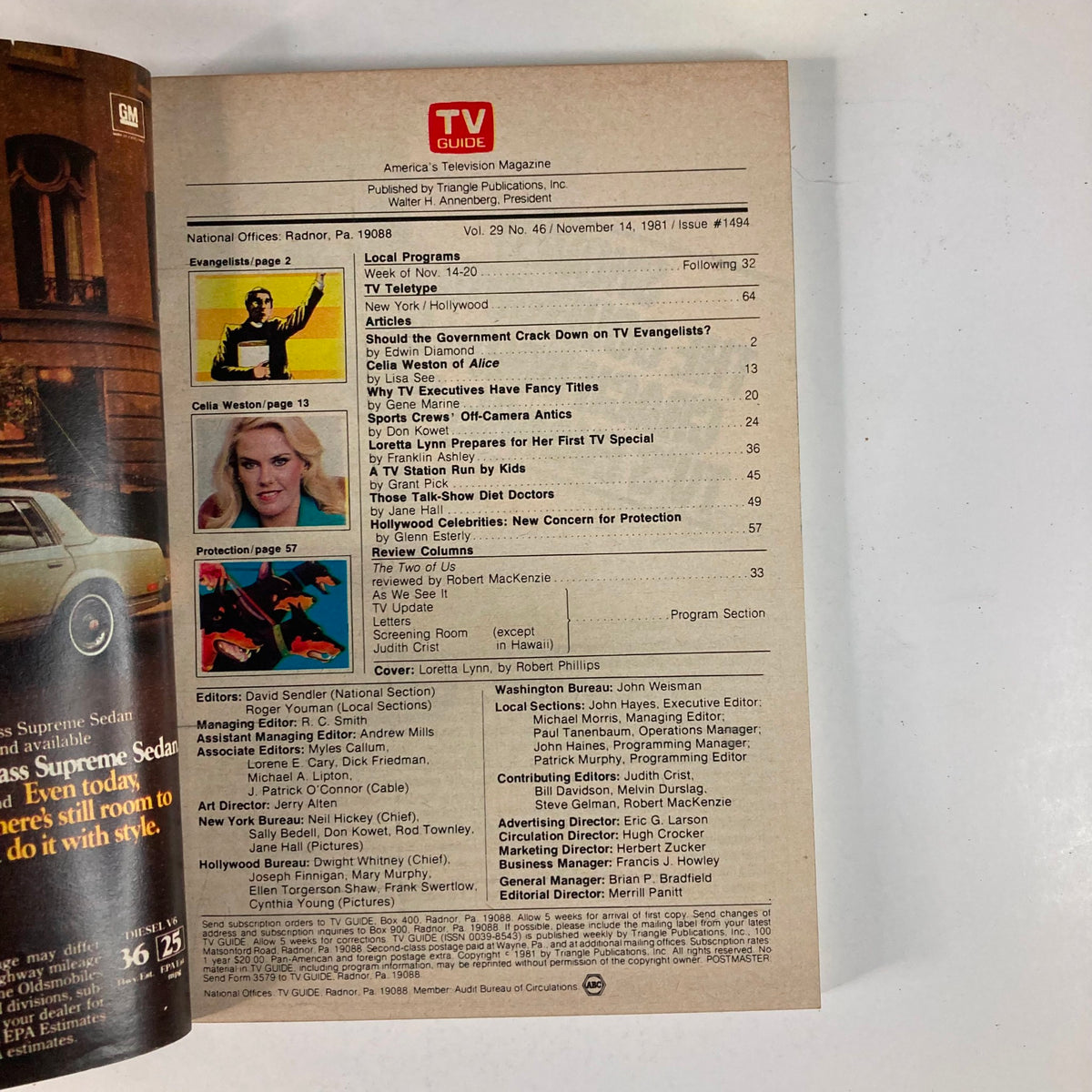
The "Coal Miner's Daughter" era — Feature spreads tied to the 1976 autobiography and the acclaimed 1980 film, rich with biographical photography, behind-the-scenes access, and deeply personal interviews reflecting on poverty, resilience, and the strange alchemy of fame
-
Controversial singles coverage — Editorial responses to censored songs such as The Pill and Rated X, capturing the rare moment a country artist ignited a national conversation about women's autonomy and the policing of female voices in mainstream entertainment
-
Duo & friendship features — Profiles of her iconic partnership with Conway Twitty and her celebrated sisterhood with Parton and Wynette, generating some of the most affectionate and visually striking magazine photography Nashville ever produced
-
Hall of Fame & career retrospectives — Induction coverage from 1988 and lifetime achievement spreads from the decades that followed, reflecting on a body of work that had permanently altered the architecture of American music
The Collector's Value
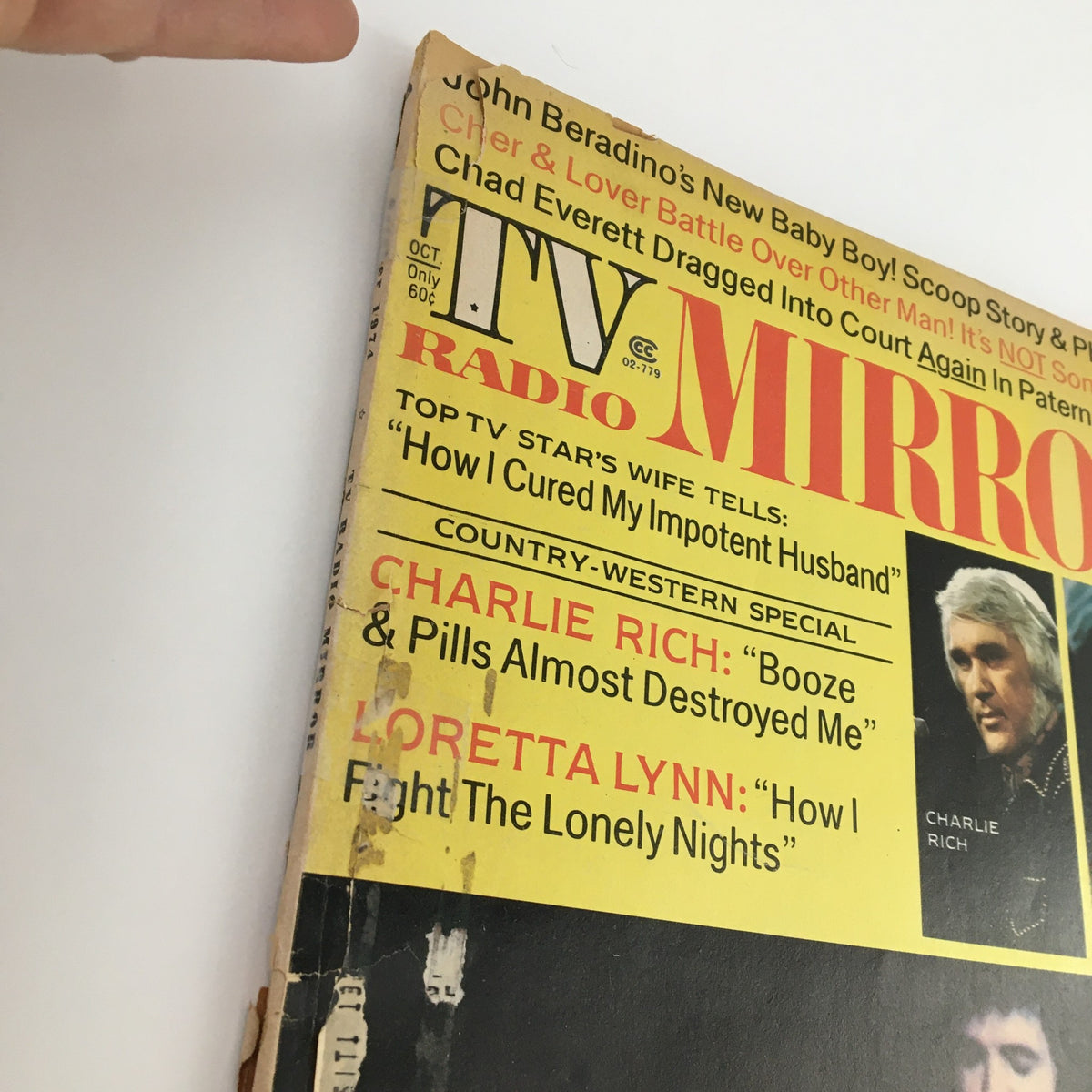
There is something irreplaceable about holding the physical magazine that a fan in 1975 pulled from a wire rack in rural Tennessee — the slight give of the coated paper stock, the faint mineral tang of decades-old ink, the surrounding advertisements for Tab cola and Sears catalogues that place you, irrevocably, inside a vanished America. These are not reprints or digital facsimiles. They are primary sources, and the slight yellowing at the edges, the cover price reading thirty-five cents — these are not imperfections. They are the proof of authenticity, the fingerprints of history.
A vintage feature on the First Lady of Country Music is simultaneously a document of her artistry and a time capsule of how mid-century America understood gender, class, and the redemptive mythology of the self-made woman. To read a 1972 profile in its original form is to understand not only what she said, but how the culture chose to frame it — and that editorial context is itself a historical document no biography written after the fact can replicate. For collectors of country music memorabilia, American feminist history, or mid-century pop culture ephemera, these publications offer the unmediated, original voice of the era speaking directly across time. Explore the current available inventory below and find the piece of history waiting to come home with you.