📖 About this Collection
Lou Reed: The Velvet Underground's Poet of Beautiful Darkness
The Legend & The Legacy
Lou Reed did not arrive at fame so much as he infiltrated it — a downtown Manhattan provocateur who had already rewired the possibilities of rock music before most of the world knew his name. As the primary architect of the Velvet Underground in the late 1960s, he introduced heroin, sadomasochism, gender fluidity, and street-level despair into a pop landscape still drunk on flower power and Californian sunshine, producing records that sold modestly but infected virtually every serious musician who heard them. When he stepped out as a solo artist in the early 1970s, the world was finally ready — Transformer and its anthem "Walk on the Wild Side" made him a genuine commercial force without softening a single one of his edges. He existed at the precise intersection of rock, poetry, and avant-garde art, moving comfortably between the concert hall and the gallery, between the pages of the music press and the intellectual journals that rarely bothered with rock and roll. In the age before the internet collapsed every subculture into a single feed, Reed's world — the Factory, the transgender street characters of his lyrics, the leather-clad nihilism of his persona — felt genuinely transgressive, and fans depended entirely on the printed page to gain access to it. Each magazine profile was a dispatch from a parallel New York City that most readers could only imagine, and the journalists who gained his trust produced some of the most vivid cultural writing of the era. His story, told across decades of print media, is nothing less than the story of how the American counterculture grew up, grew darker, and grew into art.
Inside the Archive
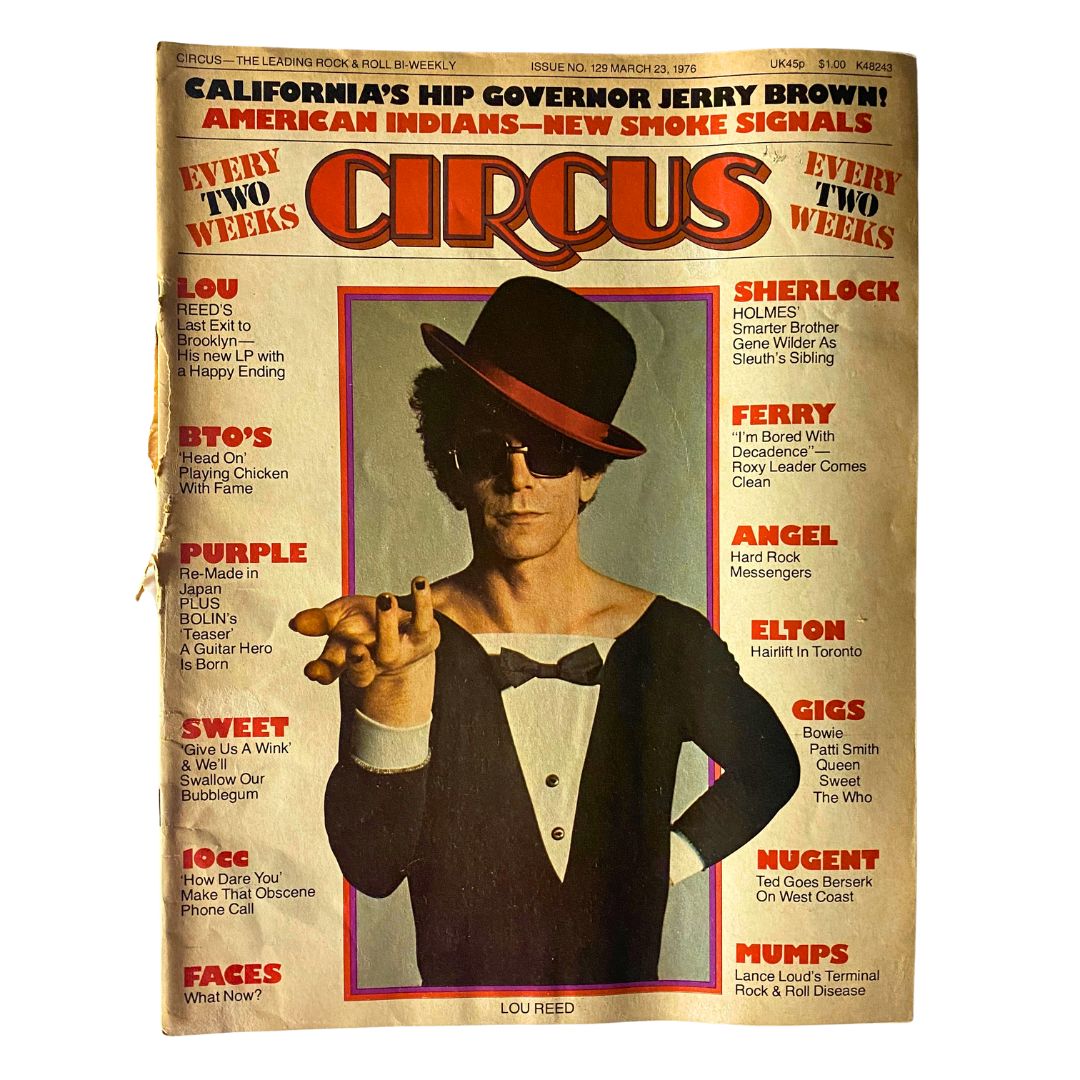
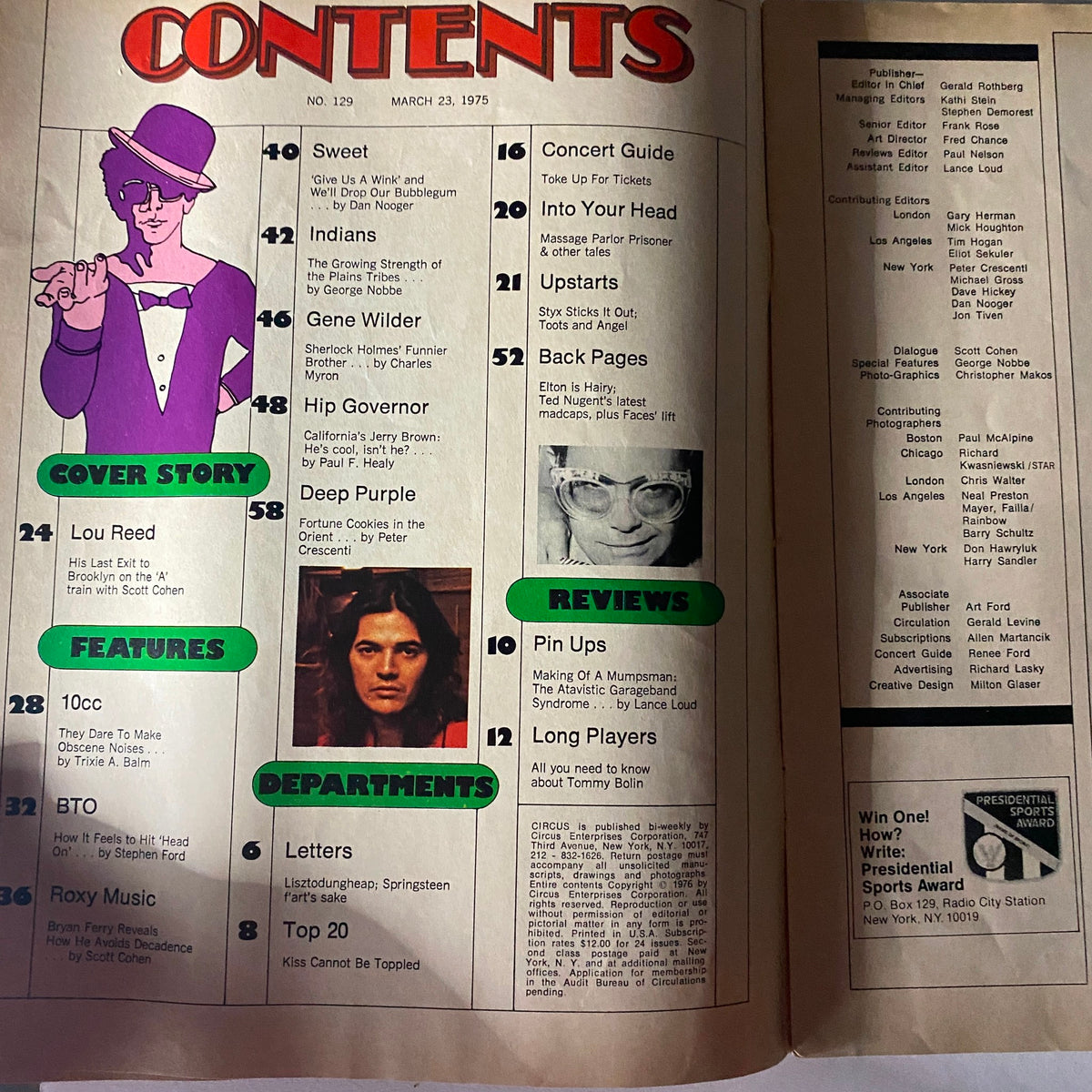
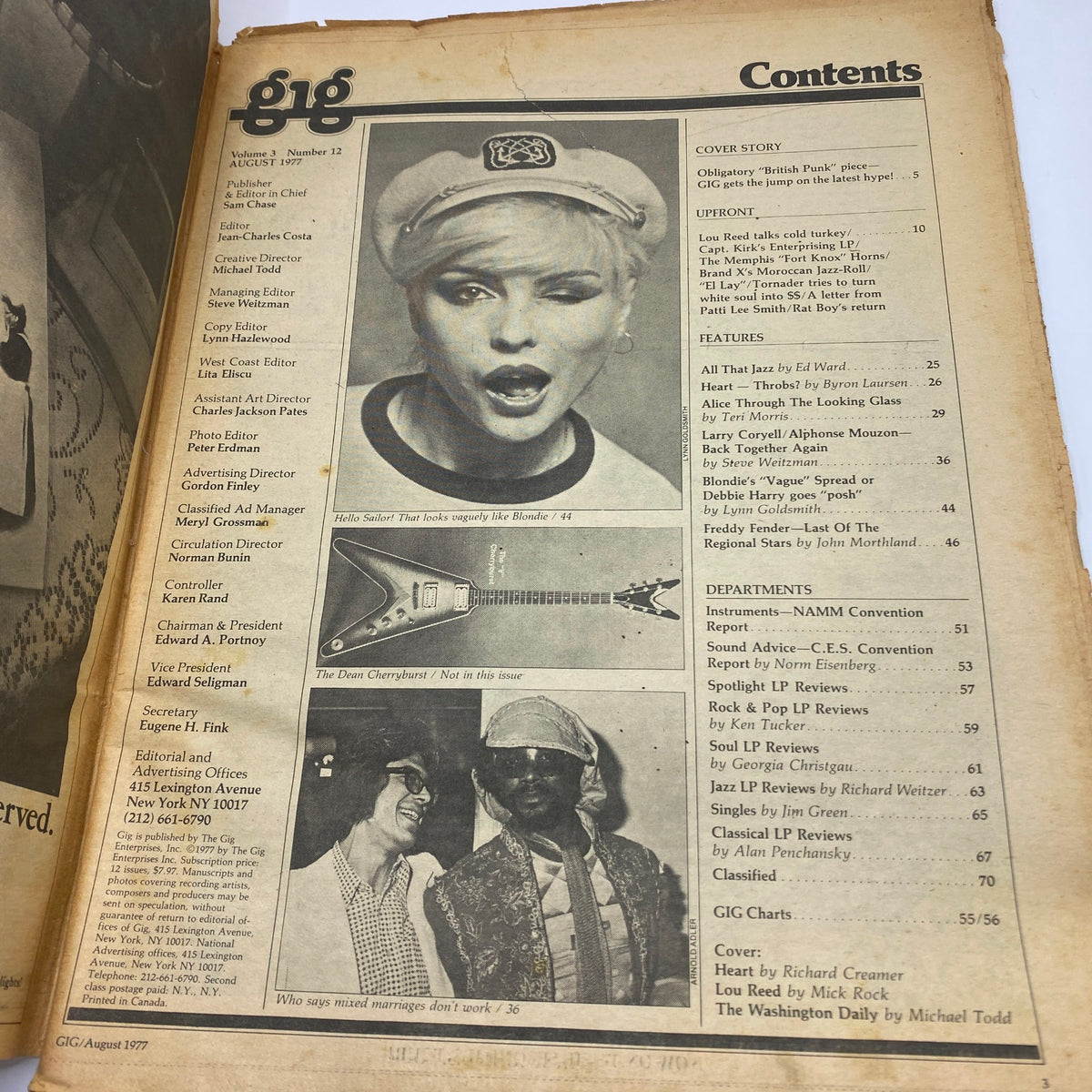
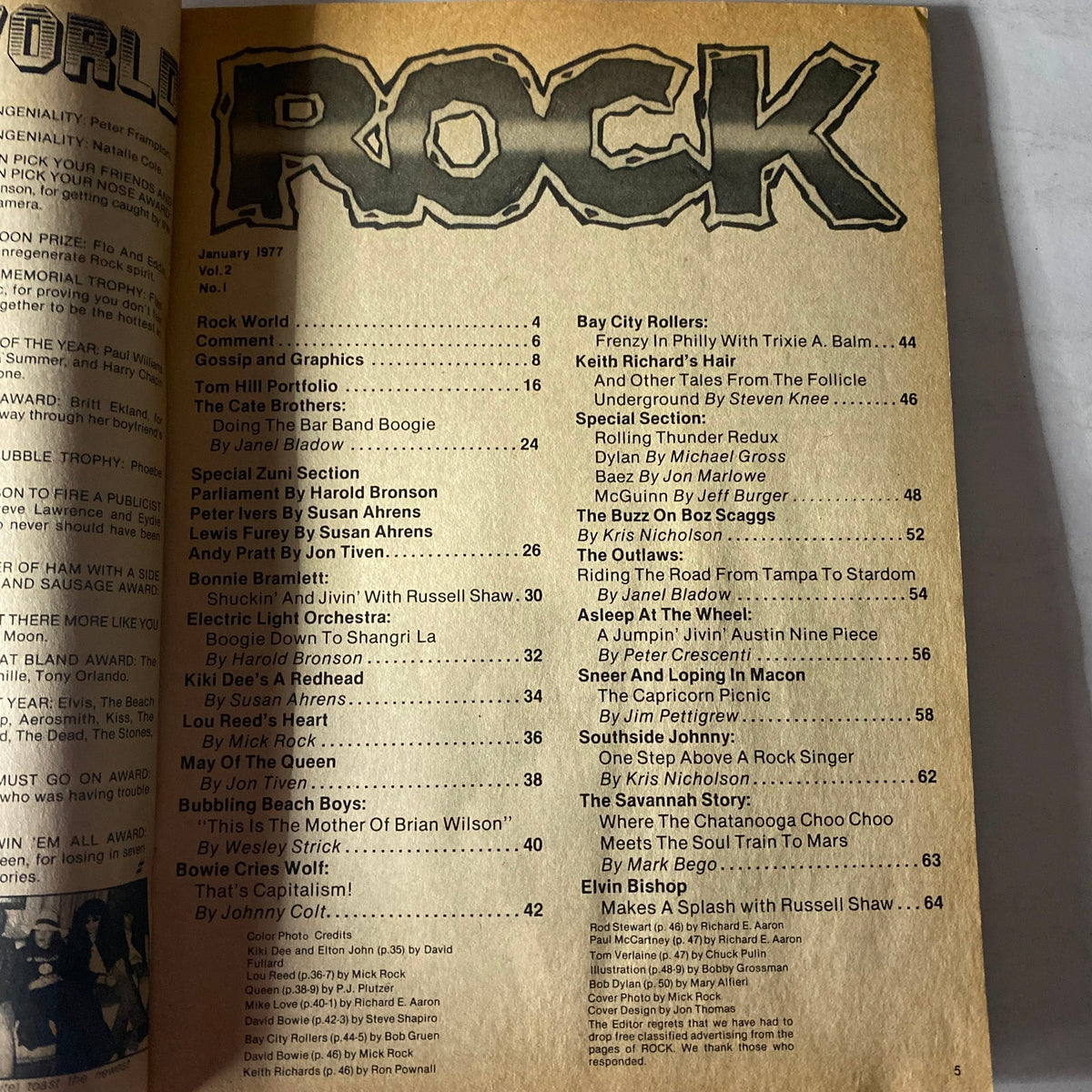
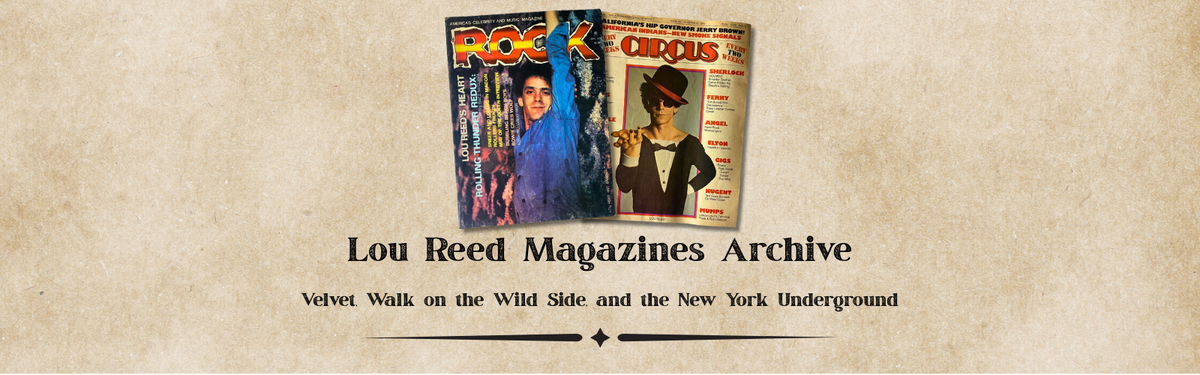
The magazines that covered Lou Reed did so with a mixture of fascination, wariness, and eventual reverence — aware, even in his earliest solo years, that they were dealing with someone who operated by entirely different rules. Photographers approached him as they might approach a particularly beautiful and unpredictable subject: carefully, with an eye for shadow and contrast, producing images that leaned into his angular features, his dark glasses, and the deliberate theatricality of his self-presentation. The results were photographs that looked less like rock portraiture and more like stills from a European art film — composed, confrontational, and impossible to forget. Rolling Stone tracked his career with the obsessive attention it reserved for its most complicated figures, publishing landmark interviews in which he was alternately brilliant, combative, and disarmingly candid — conversations that remain essential reading in the literature of rock journalism. NME and Melody Maker in Britain treated him as something close to a prophet, their coverage reflecting the outsized influence he held over the post-punk and new wave movements then reshaping British popular music. The hipper American counterculture press, including Creem and Village Voice, engaged with him on literary and philosophical terms, reviewing his records the way critics reviewed novels — with attention to language, structure, and moral seriousness. Taken together, the archive of his print coverage forms one of the richest and most intellectually demanding bodies of music journalism in the twentieth century.
Curator's Checklist: Highlights Often Include
-
Early Velvet Underground features and retrospectives from the late 1960s and early 1970s, when the music press began to reckon with the band's delayed but seismic influence — coverage that now reads as the moment rock criticism discovered it had been wrong, and said so in print with remarkable honesty
-
Solo breakthrough coverage surrounding the 1972 release of Transformer, produced with David Bowie and Mick Ronson at the height of glam rock — features from this era capture a remarkable cultural convergence, and the photography from this period ranks among the most striking of any rock artist of the decade
-
The Berlin era and its critical reassessment — original reviews and features from 1973 documenting the deeply polarizing reception of his bleak masterpiece, followed years later by retrospective pieces recognizing it as one of rock's most uncompromising artistic statements
-
New York art world crossover features from publications that bridged the worlds of music, visual art, and downtown Manhattan bohemia — profiles that placed him in conversation with Andy Warhol, the Factory scene, and the broader avant-garde in ways that no purely music-focused publication could fully capture
-
Late-career renaissance coverage from the late 1980s and 1990s, particularly surrounding the celebrated New York album of 1989, which prompted a wave of long-form critical reassessment and positioned him definitively as one of American rock's essential literary voices
-
Tribute and memorial features following his passing in October 2013, in which the music and culture press produced some of their most moving and intellectually serious work — final reckonings with a body of work that had spent five decades refusing to be anything other than exactly itself
The Collector's Value
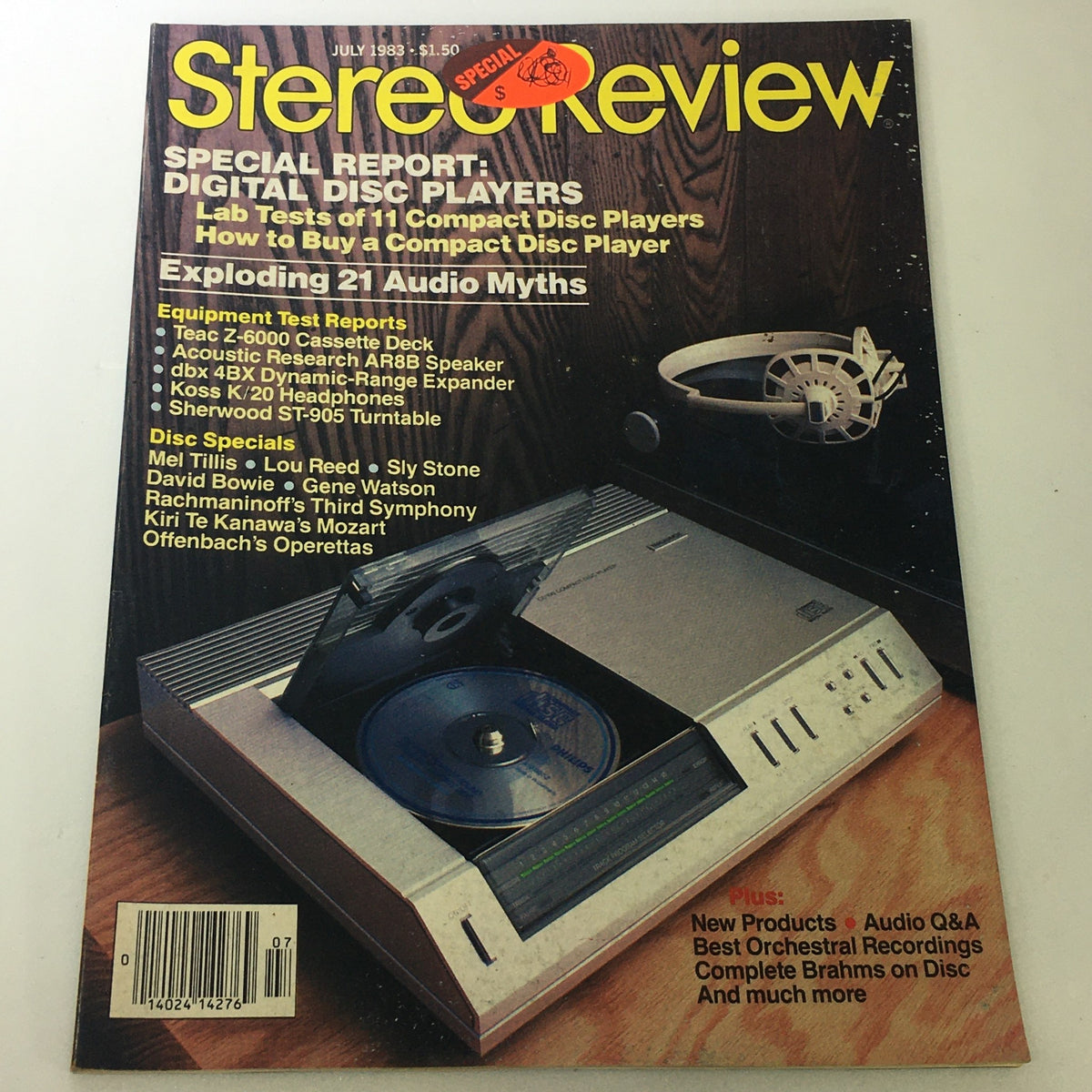
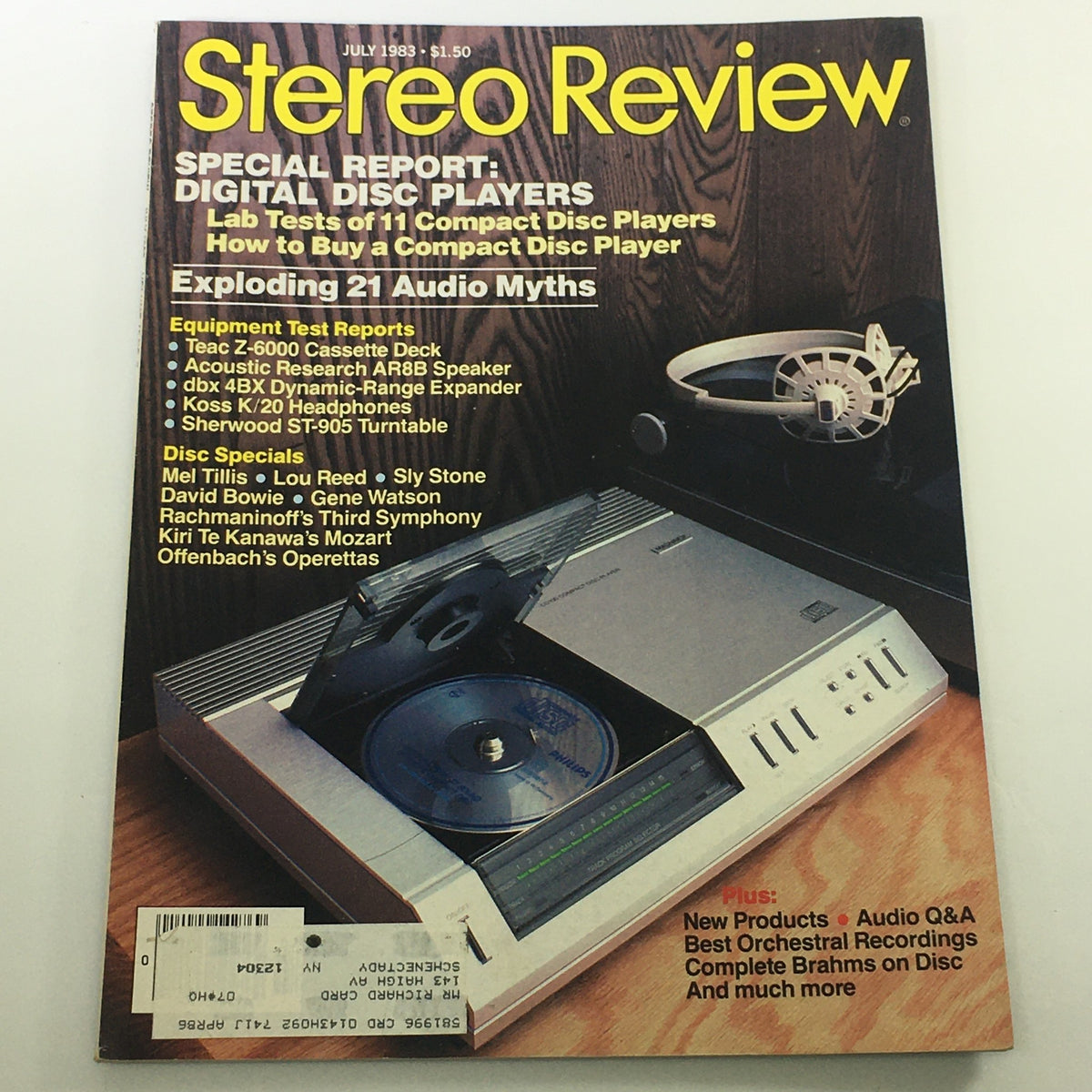
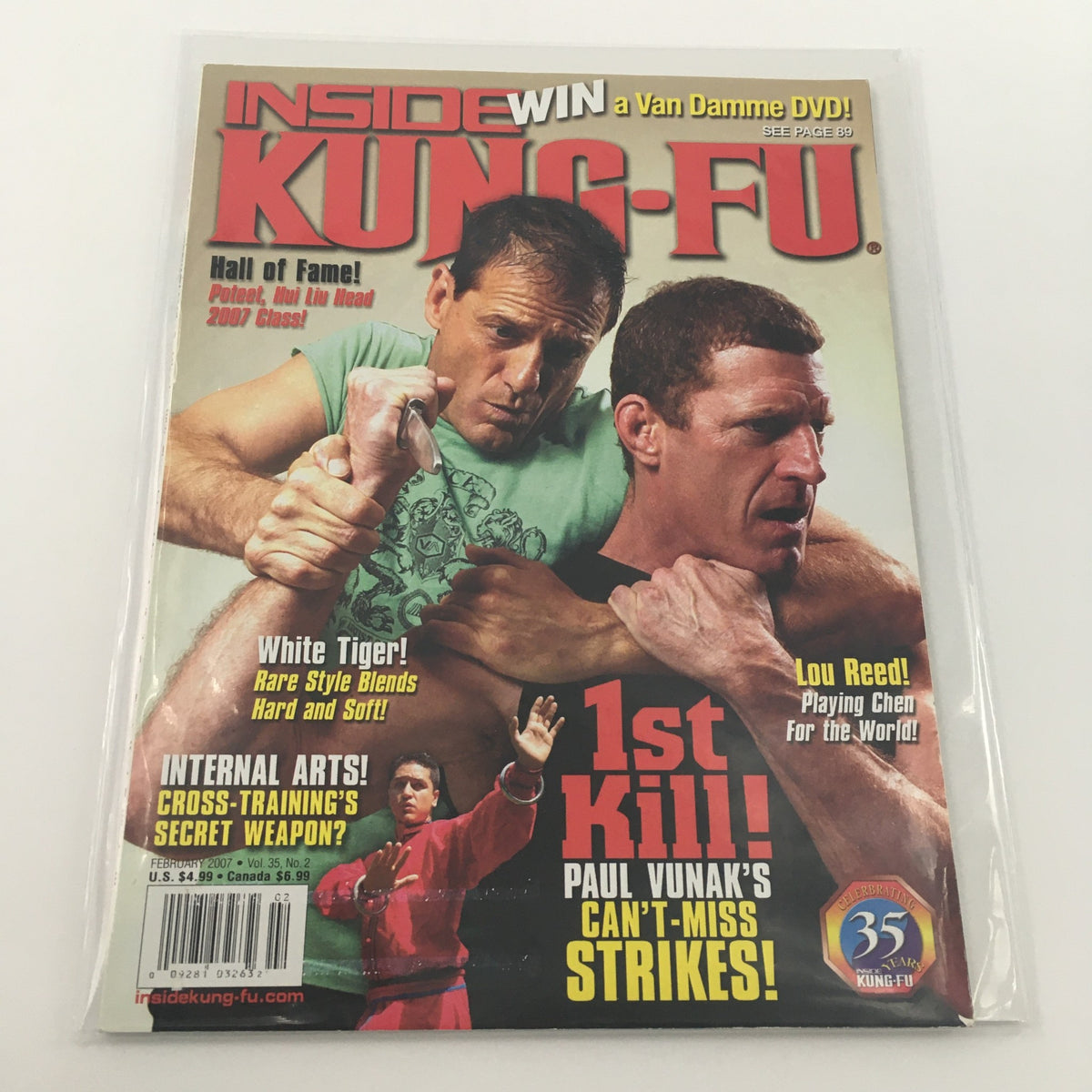
There is no digital substitute for the experience of opening an original issue from Lou Reed's peak years — the cool, slightly rough texture of the paper between your fingers, the faint oxidized scent that rises from pages printed when he was still prowling the streets of lower Manhattan, the full-page photographs rendered in ink rather than light, carrying a weight and grain that no screen has ever faithfully reproduced. The context surrounding the editorial content is itself a kind of time machine: the advertisements for record stores, leather goods, and downtown nightclubs that shared pages with his portraits are an accidental sociology of the exact world his music documented, a reminder that these magazines were not archives when they were printed — they were the living culture itself, still warm. To read a 1973 review of Berlin or a 1989 profile timed to New York in its original format is to understand not just what was written, but how it landed — the font choices, the layout, the editorial neighbors that shaped how a reader first encountered the words. These publications are primary sources in the truest sense: unedited, unfiltered, and carrying the full texture of their moment. For collectors of New York underground history, avant-garde and glam rock memorabilia, or twentieth-century counterculture ephemera, these publications offer an irreplaceable portal into one of popular music's most uncompromising and intellectually serious careers. Explore the current available inventory below and find the issue that belongs alongside your most treasured pieces.