📖 About this Collection
Luther Vandross: The Voice That Print Could Not Contain
The Legend & The Legacy
In an era before streaming playlists and algorithm-curated nostalgia, Luther Vandross was a name that arrived in your living room through two sacred portals: the radio and the magazine rack. Rising from his early years as a sought-after session vocalist and advertising jingle singer to become the undisputed sovereign of romantic soul, Vandross redefined what Black excellence in popular music could look like — elegant, meticulous, deeply emotional, and uncompromisingly sophisticated. His albums moved millions of copies not through spectacle or controversy, but through sheer vocal mastery and an almost architectural attention to production detail. The press followed accordingly. Feature writers struggled to find adequate language for what he did; photographers labored to capture the warmth that radiated from his performances. For his devoted audience, a magazine spread of Luther Vandross was not simply entertainment news — it was cultural documentation of a man who made love songs feel like lived experience.
Inside the Archive
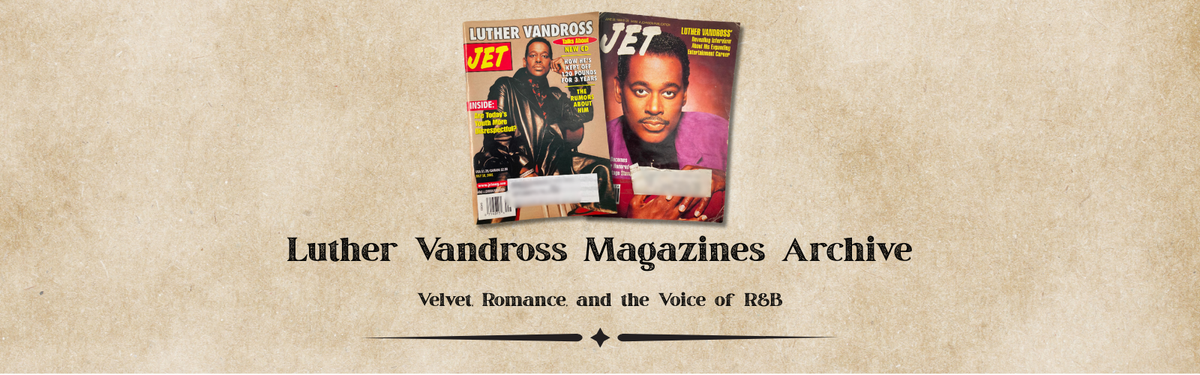
Vintage coverage of the Velvet Voice tends to reflect the sumptuous, carefully lit aesthetic that defined his brand: editorial photography that emphasized presence and poise, often draped in rich fabrics or positioned within lush studio settings that mirrored the cinematic quality of his music. Black culture's flagship publications led the charge — Ebony and Jet covered him with the reverence of a community claiming its own crown jewel, running in-depth profiles that explored his artistry, his personal journey, and his enduring appeal to Black American audiences across generations. Rolling Stone charted his crossover influence, situating him within the broader landscape of 1980s and 1990s pop and R&B during a period when genre lines were being redrawn in real time. Meanwhile, People magazine returned to him repeatedly — particularly during his remarkable weight-loss transformations and his triumphant career comebacks — framing him as a figure of perseverance as much as musical genius. The editorial tone across publications was consistently one of admiration: here was an artist who demanded, and received, a certain gravity from the journalists who wrote about him.
Curator's Checklist: Highlights Often Include
- Career breakthrough profiles from the early-to-mid 1980s covering his transition from in-demand session singer and voice of the Wrigley's gum jingle to full-fledged solo stardom with landmark albums such as Never Too Much and A House Is Not a Home
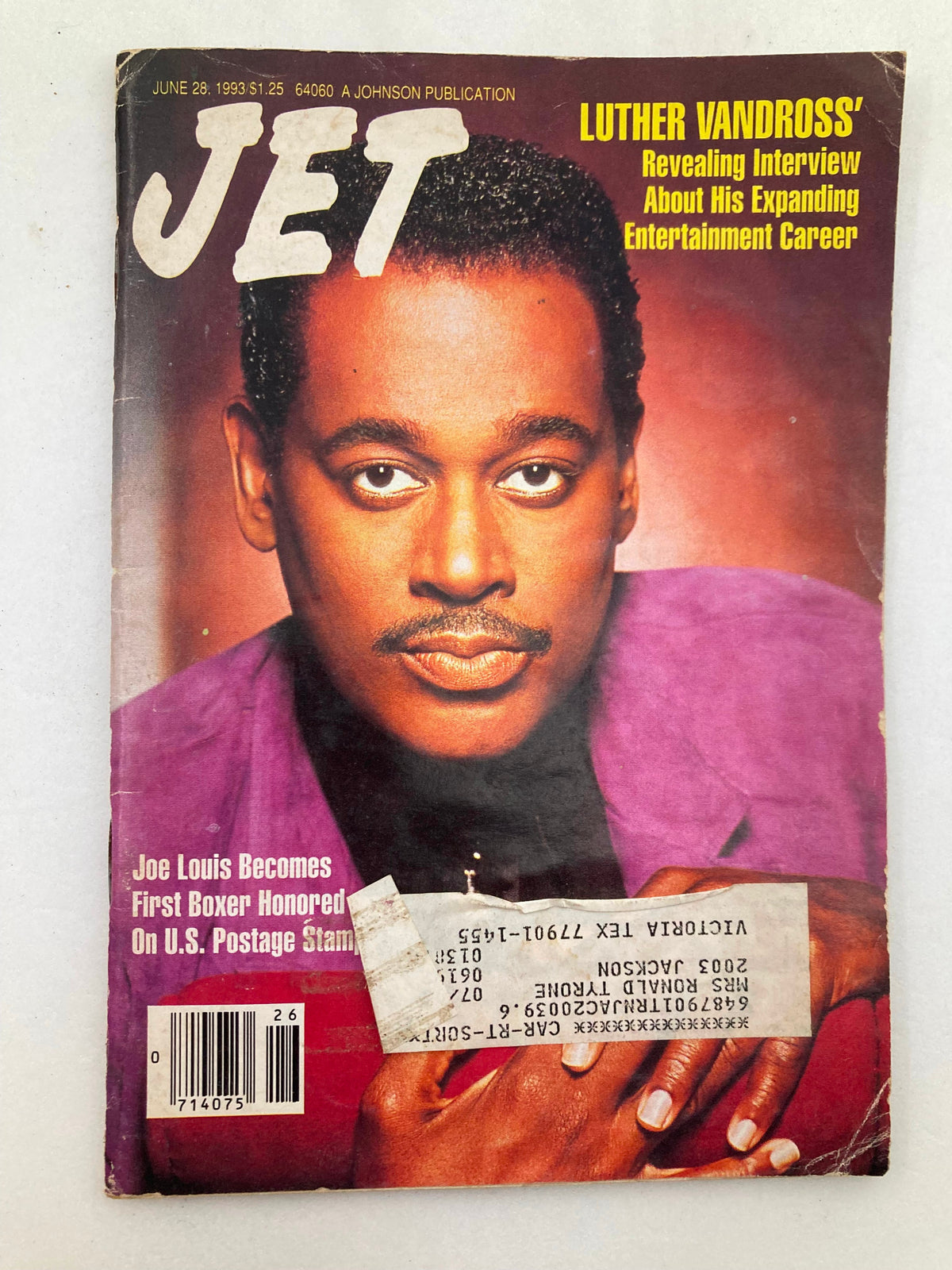
- Ebony and Jet feature spreads celebrating his dominance of the R&B charts, his Grammy wins, and his status as a defining figure in the tradition of classic Black romantic soul
- Health and comeback narratives from the late 1980s through the 1990s, chronicling his highly public weight-loss journey with a tone that blended tabloid fascination with genuine public affection
- Tour and concert coverage capturing the theatrical grandeur of his live performances, which were legendary for their emotional intensity, orchestral arrangements, and devoted, multigenerational audiences
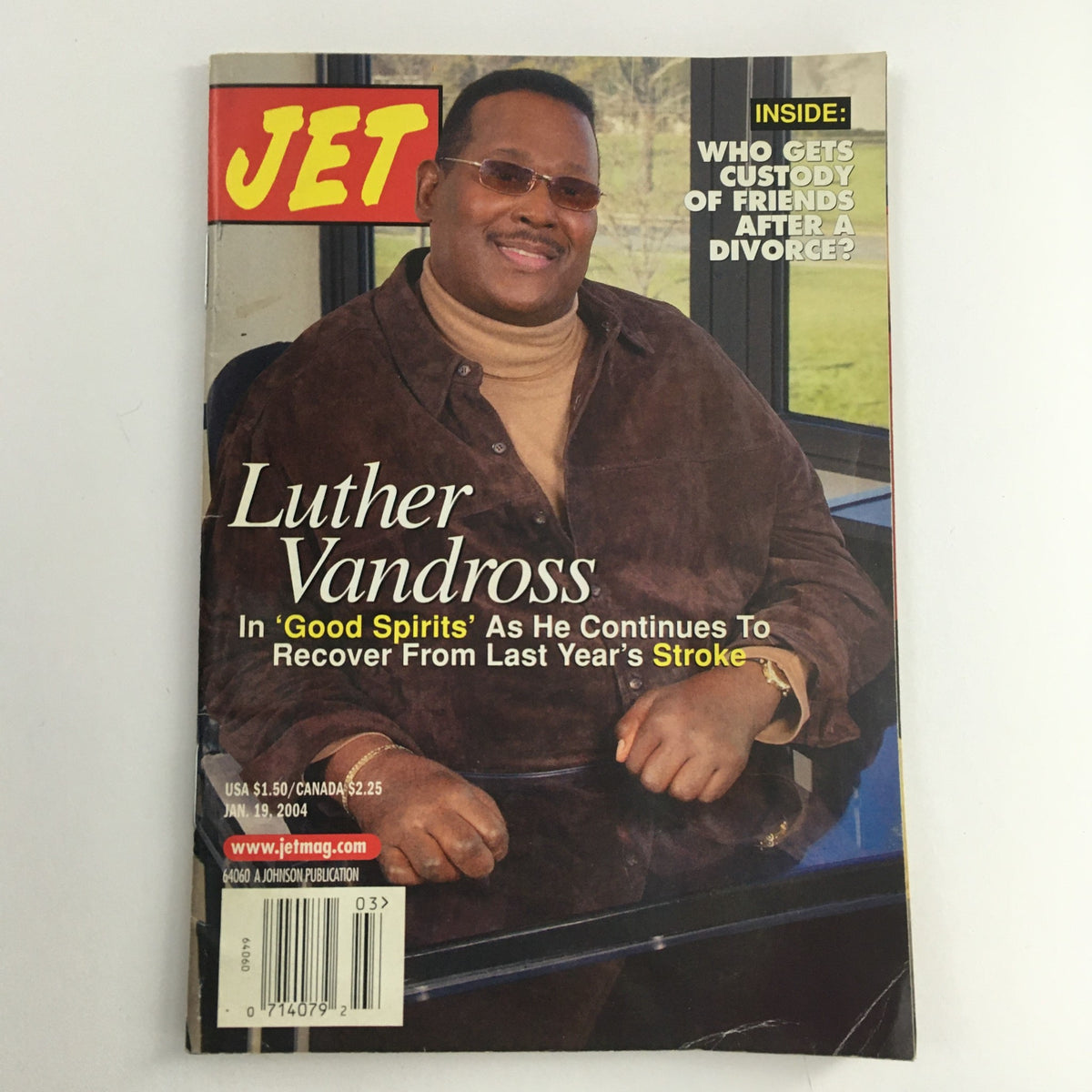
- Tribute and retrospective issues from the early 2000s following his devastating stroke in 2003, and memorial coverage from 2005 marking the loss of one of soul music's most irreplaceable instruments
The Collector's Value
There is something irreplaceable about holding a decades-old magazine that once sat on a coffee table, a barbershop counter, or a beauty salon waiting room — the same spaces where Luther Vandross was discussed, debated, and adored in real time. The slightly yellowed pages, the weight of the coated stock, the faint ghost of ink and aged paper, the surrounding advertisements for Jheri Curl activator, Courvoisier, and holiday Cadillac sales — all of it forms a time capsule that no digital archive can replicate. These are primary sources: unfiltered windows into how a culture saw itself and celebrated its own at a specific, unrepeatable moment in history. For collectors of vintage R&B and soul music memorabilia, Black cultural history and print media, or 1980s and 1990s pop culture ephemera, these publications offer not just a portrait of an artist, but an immersive record of the world that produced and worshipped him. Explore our current available inventory below, and discover the issue that speaks to you.